Shock Loss After Hair Transplant: What Is It and When Does It End?
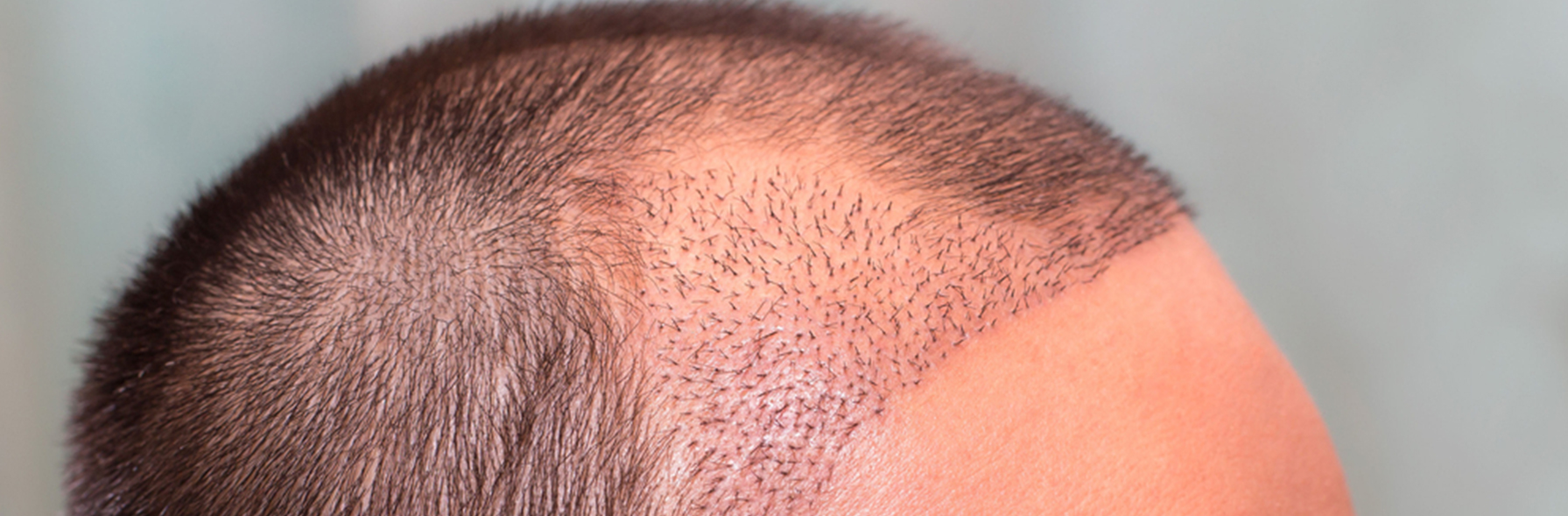
Shock loss is the temporary, usually self-resolving shedding process seen a few weeks after a hair transplant operation, affecting both the transplanted area and sometimes the existing hair around it. It occurs as a natural response of the follicles to the mechanical and circulatory stress they experience during surgery; although it can be alarming, in most cases it does not mean a permanent loss. So what exactly is shock loss, when does it start, how long does it last, which hairs does it affect, and when should it be considered a warning sign? In this comprehensive guide, we address all these questions in detail.
What Is Shock Loss?
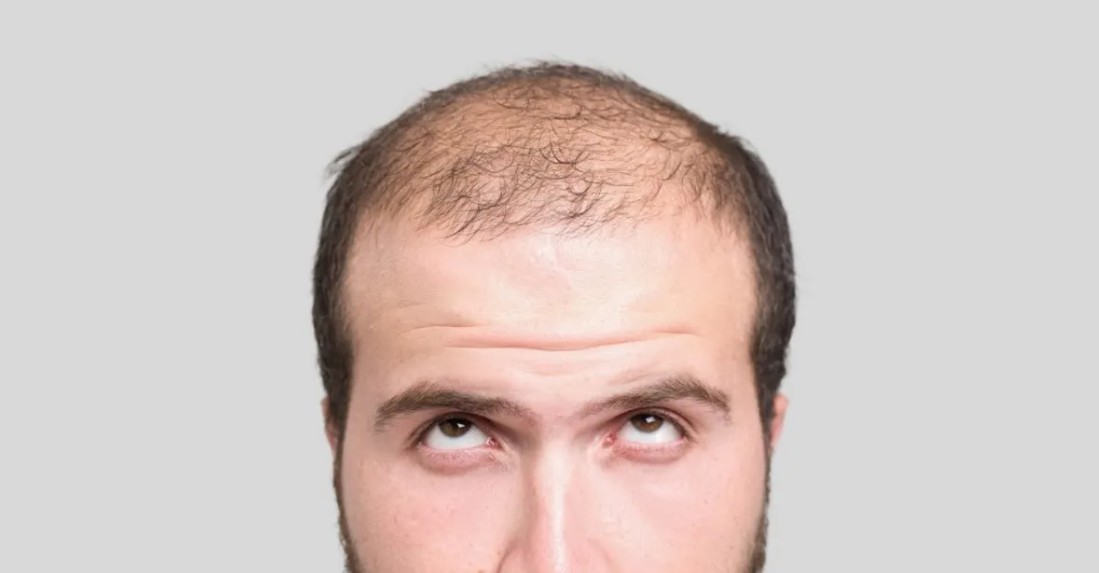
Shock loss is the temporary response hair follicles give to the sudden stress they undergo during surgery. During the transplant procedure, as grafts are taken from the donor area and placed into the recipient area, both the incisions and the handling cause brief trauma to the follicles. As a result of this trauma, a follicle can shift early from its normal growth phase (anagen) into the resting phase (telogen), and the hair shaft attached to it sheds for a while. The key point is that it is only the hair shaft on the follicle that is temporarily lost, not the follicle itself. For this reason, under the right conditions shock loss is not considered permanent hair loss but rather part of the healing process. Most patients go through this process, and the follicles return to active growth within a few months.
What Causes Shock Loss?
Several factors work together behind shock loss. First, the local anaesthesia and micro-incisions applied to the tissue during transplantation create a temporary inflammatory response in the tissue around the follicles. Second, the mechanical pressure created while grafts are extracted and placed temporarily disrupts the normal nourishment pattern of the follicles. Third, the swelling and tissue tension that form in the area after surgery can also place indirect pressure on the surrounding existing follicles. When these three factors combine, the follicle temporarily halts its growth cycle as a protective reflex. This response resembles the body’s self-protection mechanism; the follicle redirects its energy toward repairing the new tissue and puts hair production second. Because the process is natural and predictable, patients are told about it in advance during planning.
What Does Follicular Shock Mean?
The term follicular shock is used to describe the physical and circulatory stress the hair root undergoes during surgery. Each follicle works like a small unit fed by its own network of capillaries. When a graft is separated from the tissue during transplantation, this capillary connection is briefly cut, and the follicle has to adapt to a new blood flow pattern. Until this adaptation is complete, the follicle protects itself instead of continuing its growth phase. Follicular shock does not mean the graft has lost viability; it is only a temporary period of dormancy. In transplants performed by experienced hands, the severity of this shock can be reduced by shortening the time grafts spend outside the body and by applying transplantation techniques carefully.
How Do Surgical Trauma and Blood Flow Affect Shedding?
Hair follicles need a steady and regular blood supply to grow. Opening small incisions in both the donor and recipient areas during surgery causes a temporary fluctuation in local blood flow. Existing hair in the recipient area can be affected by this fluctuation; a brief reduction in blood flow can temporarily weaken the growth signal reaching the follicles. During healing, the body directs its energy primarily toward tissue repair and the formation of a new vascular network. For this reason, shedding stops on its own as blood flow returns to normal and the tissue heals. An experienced team tries to minimise this fluctuation by correctly planning the number and density of incisions.
Which Hairs Shed: Transplanted or Existing?
Shock loss can be seen both in the transplanted grafts and in the existing hair in the recipient area. The hair shaft on a transplanted graft can shed while the follicle is still adapting to its new environment; however, the follicle itself remains alive and produces a new shaft within a few months. Shedding seen in the existing hair of the recipient area is usually milder and is linked to the temporary stress in the surrounding tissue. In some patients, mild shedding may rarely also occur in the donor area. What matters is not the number of shed hairs but paying attention to the timeline of the process; shedding that begins within a few weeks and stops within months is the expected course and should not be a cause for concern.
Shock Loss or Telogen Effluvium?
Shock loss and telogen effluvium are two concepts that are frequently confused. Telogen effluvium is when a large portion of the hair shifts into the telogen phase at the same time due to general causes unrelated to surgery, such as stress, illness, medication use, postpartum hormonal change or nutritional deficiency, and it affects the entire scalp. Shock loss, on the other hand, is specifically linked to the surgical area and follows a more limited, predictable timeline. If a patient also has an additional stressor or systemic trigger in the post-operative period, the two conditions can occur at the same time and the shedding may appear more widespread. Making this distinction requires the physician to evaluate the patient’s pre-operative hair condition, the distribution of shedding and the timing together.
When Does Shock Loss Begin?
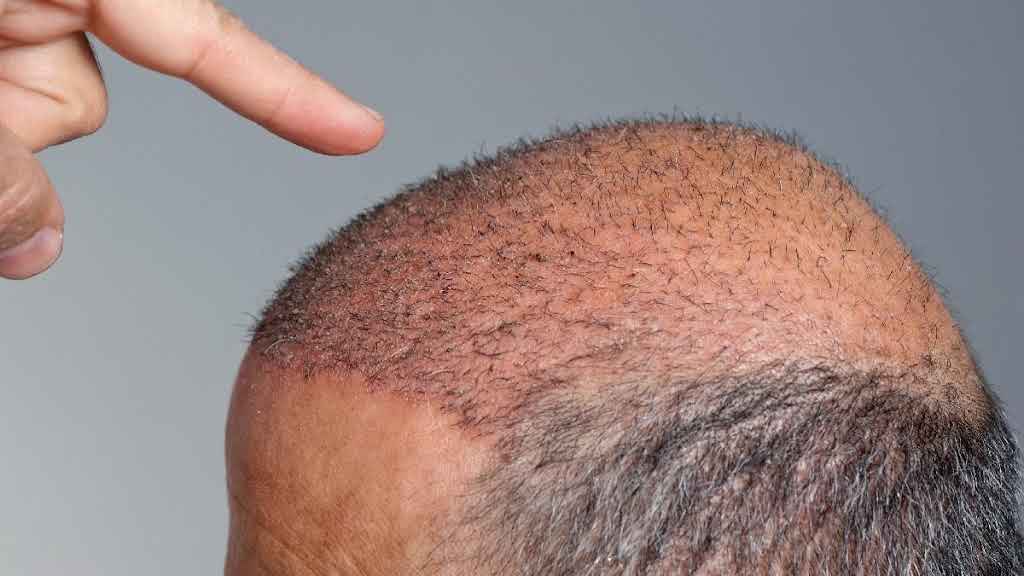
Shock loss generally begins two to eight weeks after surgery. This period varies according to how quickly the follicle transitions from the anagen to the telogen phase and the individual’s healing process. In some patients shedding is noticed as early as the third week, while in others no marked change may be seen until the sixth week. The fact that shedding begins with a delay of several weeks rather than immediately after surgery is due to the biological duration of the transition into the telogen phase. Checking one’s hair every day during this period can cause unnecessary anxiety; a general weekly observation is enough instead. Timing that falls within the expected range is an important indicator that the process is proceeding normally.
How Long Does Shock Loss Last, When Does It End?
In most cases shock loss stops within three to six months, and the follicles return to active growth. The first few weeks after shedding begins can be the most intense period, after which it gradually decreases. New hair shaft production usually becomes visible toward the end of the fourth month, although full density is achieved much later. The pace of the process varies from person to person; in some patients early signs appear in the third month, while in others no noticeable difference may occur until the fifth or sixth month. Being patient during this period and attending regular follow-up appointments are important for correctly assessing the process.
Is Shock Loss Normal or Abnormal?
Shedding that follows the expected timeline and gradually decreases within the first few months after surgery is generally considered normal. Situations considered abnormal include shedding lasting longer than six months, gradually increasing, becoming concentrated in patches in a specific area, or being accompanied by additional symptoms such as redness, itching or pain. In the normal course, shed hairs are gradually replaced by new and stronger shafts; in the abnormal course, the area remains weak. Making this distinction requires experience; for this reason the most reliable approach is for patients to show their physician the current condition at regular check-ups rather than relying solely on their own observations.
Risk Factors: Does Age Have an Effect?
Age is one of the factors influencing the severity of shock loss and the speed of recovery. In younger patients, because tissue repair and cell renewal generally proceed faster, shock loss can recover in a shorter time. At an older age, since circulation and tissue renewal slow down, the healing process may take somewhat longer. However, age alone is not decisive; overall health, hormonal balance and the genetic predisposition underlying hair loss also affect the course of the process. Physicians take age into account together with other factors during the pre-operative assessment to give the patient a realistic timeline.
Risk Factors: Gender and Hair Type
Gender and hair type can also affect the course of shock loss. Because the distribution of hair loss differs between female and male patients, post-operative shock loss can sometimes be noticed in more widespread areas in female patients. In people with fine and sparse hair, shed hairs may be more visible, whereas the same rate of shedding is less noticeable in thick and dense hair. In curly or wavy hair, because follicle angle and depth differ, the healing process can show slight variation. These differences show why a personalised treatment plan matters; a standard timeline may not apply identically to everyone.
Does Smoking Increase Shock Loss?
Smoking narrows blood vessels, reducing the transport of oxygen and nutrients to the tissue. This poses an additional risk for follicles that are already sensitive during the healing process. It is known that shock loss can be more pronounced and the recovery period can be longer in patients who smoke. For this reason physicians usually recommend quitting smoking for a certain period before and after surgery. Even if quitting completely is not possible, reducing smoking during the pre- and post-operative period supports tissue oxygenation and contributes to a more predictable course of the process. Alcohol consumption can similarly affect circulation, so limiting it during the same period is also recommended.
What Effect Does Stress Have on the Process?
Psychological stress, as much as physical stress, is a factor that can affect the hair cycle. Anxiety that develops in patients who notice shedding in the post-operative period can raise cortisol levels in the body, indirectly triggering an additional telogen effluvium picture. This can add to the surgery-related shock loss and make the process seem more intense. For this reason patients are advised to hold realistic expectations during the post-operative period and to contact their physician instead of panicking when they notice unexpected shedding. Regular sleep, a balanced diet and stress-management techniques support both overall healing and a more regular course of the hair cycle.
Can Shock Loss Be Completely Prevented?
It is not possible to eliminate shock loss one hundred percent, because it is a natural response of the follicles to surgical stress. However, many measures can be taken to reduce its severity and shorten its duration. Foremost among these measures are shortening the time grafts spend outside the body, using appropriate storage solutions, minimising the trauma applied to the tissue during transplantation, and having a careful technique applied by an experienced team. Full compliance with post-operative care instructions also supports the healing process. For this reason shock loss should be described not as “unpreventable” but as “manageable”; correct planning reduces the risk but does not eliminate it entirely.
The Relationship Between the DHI Technique and Shock Loss
In the DHI technique, grafts are placed directly into the recipient area with the help of a special pen, and the step of opening recipient channels is eliminated. This shortens the time grafts spend outside the body and can somewhat reduce the severity of follicular shock. In addition, the absence of channel opening can also limit the mechanical pressure applied to the surrounding existing follicles. However, the DHI technique does not eliminate shock loss entirely; it is only an application method that can contribute to a more controlled course of the process. The effect of the technique on the result should be assessed together with the patient’s hair structure and the physician’s experience. You can find detailed information about DHI hair transplant.
What Is the Relationship With Soft FUE and Classic FUE?
Low-trauma extraction techniques such as Soft FUE aim to reduce the mechanical stress grafts undergo while being taken from the donor area. A more delicate and controlled extraction process can positively affect the severity of shock loss by limiting follicle damage both in the donor area and on the graft. Classic FUE techniques can also give similar results when applied correctly; what matters is not the name of the device but the experience of the practitioner and the care taken in graft handling. Whichever technique is chosen, keeping grafts in a moist and cool environment, shortening the procedure time and handling the tissue gently during placement are shared elements that reduce the risk of shock loss.
Why Is the Choice of Doctor So Important?
The severity of shock loss largely depends on the quality of the technique applied and the experience of the team. An experienced surgical team reduces the total stress applied to the tissue by correctly planning graft density, determining channel angles at an appropriate depth and frequency, and handling grafts with care. In procedures performed by inexperienced hands, a longer time for grafts outside the body or additional trauma during placement can both worsen shock loss and put graft viability at risk. For this reason, when choosing a physician and clinic, not only the price but also the team’s experience, the technique used and the post-operative follow-up process should be carefully evaluated. This choice plays a decisive role throughout the entire hair transplant process.
How Does Nutrition Support the Process?
Hair follicles are metabolically active tissues that need nutrients such as protein, iron, zinc and B-group vitamins. During the post-operative healing period, a balanced and adequate diet supports tissue repair and the follicle’s transition back into the growth phase. It is known that the hair cycle can be negatively affected especially in diets with insufficient protein intake. Iron and zinc deficiency are also among the factors that can prolong hair loss. For this reason, maintaining a balanced diet during the post-operative period and, if necessary, taking supportive vitamin supplements on the physician’s recommendation are simple but effective steps that contribute to a more regular course of the process.
Can PRP Treatment Be Used as Support?
PRP (platelet-rich plasma) treatment is based on injecting growth factors obtained from the patient’s own blood into the hair root. When deemed appropriate by the physician during the post-operative healing period, PRP can support tissue repair and contribute to the follicles returning to active growth earlier. This is not a treatment that eliminates shock loss; it is a complementary application that supports the speed of recovery in the process. When PRP should start is determined by the physician according to the state of tissue healing.
How Does Hair Mesotherapy Contribute?
Hair mesotherapy is the application of mixtures containing vitamins, minerals and growth factors to the scalp through small injections. When deemed appropriate by the physician in the post-operative period, this application, which supports circulation and increases the nutrient supply around the follicle, is one of the supportive options that can contribute to the healing process. Like PRP, mesotherapy does not eliminate shock loss; however, because it supports the general health of the tissue, it can help the process progress in a more balanced way. The timing and content of such supportive treatments should be personalised according to the individual’s skin and hair structure. You can find more information about hair mesotherapy.
When Should You Consult a Doctor?
Several situations during the shock loss process warrant consulting a physician. These include shedding lasting longer than six months, increasing over time, becoming concentrated in a specific area in a patch-like appearance, or being accompanied by symptoms such as persistent redness, itching, pain or discharge on the scalp. In addition, if the patient’s own observation suggests shedding far greater than expected, that is also sufficient reason for a check-up appointment. An early assessment clarifies whether the issue is part of the normal course or a situation requiring additional intervention. For this reason, not skipping regular follow-up appointments is the basis of managing the process safely.
Is There a Risk of Permanent Baldness?
In an operation carried out under the right conditions, the likelihood of shock loss turning into permanent baldness is low, because the follicle itself usually retains its viability. The risk of permanent loss increases if the follicle is seriously damaged during transplantation, if blood flow is interrupted for a long period, or if rare complications such as post-operative infection occur. For this reason, in a process carried out by an experienced team, with hygiene rules followed and regular post-operative follow-up, the risk of permanent loss is quite limited. Patients assessing this risk realistically and consulting their physician without delay in case of any doubt allows a possible problem to be noticed early.
Is Shock Loss the Same as a Failed Transplant? (A Common Misconception)
The most common misconception among patients experiencing shock loss is thinking this process is a sign that the operation has failed. In fact, shock loss is an expected stage that shows the follicles are alive and the healing process is progressing; even though the follicle visibly loses its hair shaft, the root structure is preserved. The actual result of the operation is assessed after the shedding phase ends and the follicles return to the growth phase, starting from the sixth month and fully at the twelfth month. Judging the result based on shedding seen in the early period creates unnecessary anxiety and forms an unrealistic expectation. This misconception is a topic that should be discussed openly with patients before the operation.
How Long Does It Take for Results to Become Clear (12 Months)?
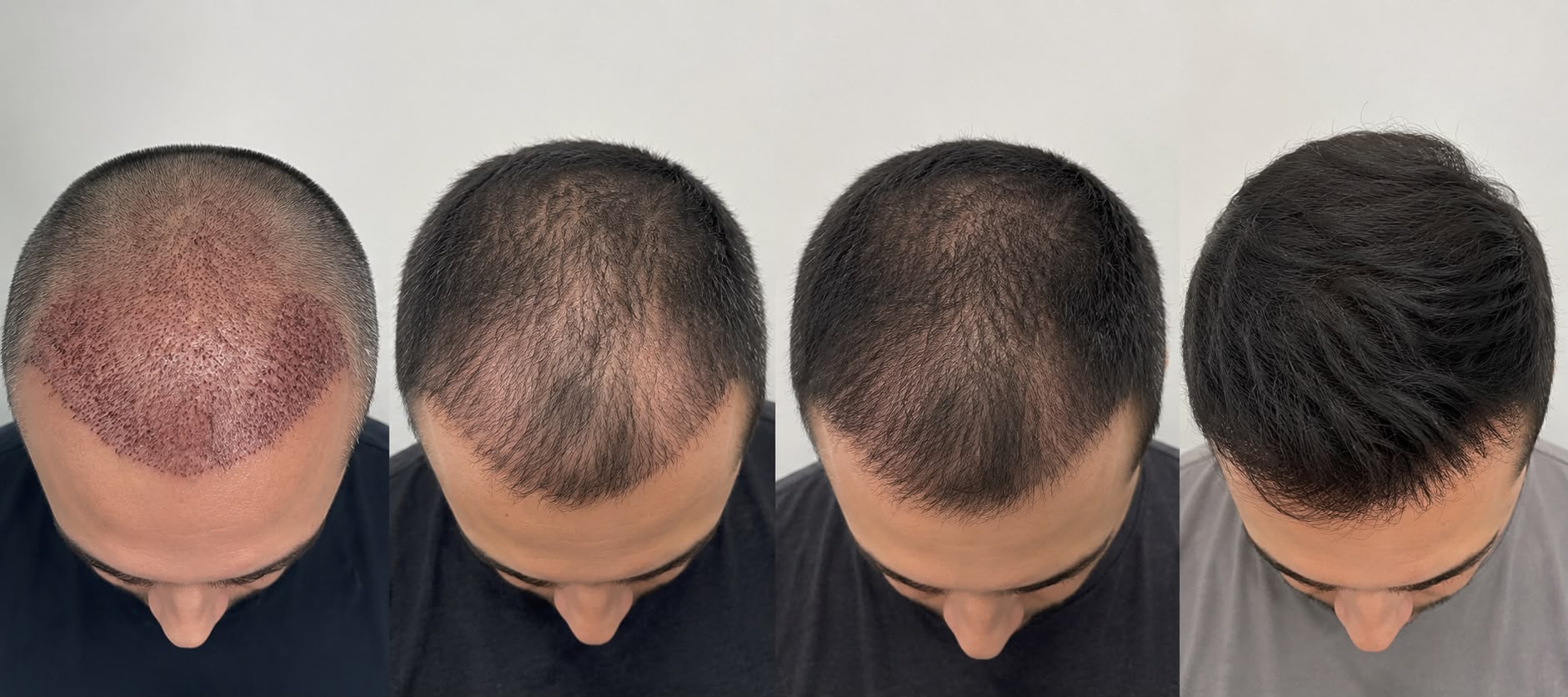
The final result of a hair transplant emerges gradually. The first three months are the shedding and dormancy phase; between the fourth and sixth months, new hair shaft production begins to become noticeable. Between the seventh and ninth months, hair density visibly increases, although the shafts may not have reached their full thickness yet. By the twelfth month, most of the follicles have entered the mature growth phase and the result has largely become clear. In some patients full maturation can take up to the fifteenth month. For this reason, when assessing the outcome after surgery, patience is necessary, and the result should be interpreted according to this final timeline rather than the early months.
How Should Hair Care Be During the Shock Loss Period?
Hair care during the shock loss period should be supportive rather than aggressive. Washing the hair with vigorous rubbing, brushing harshly or pulling it while wet can make it feel as though the number of shed hairs is increasing, even though it does not actually change the underlying process; still, avoiding unnecessary irritation adds comfort. Gentle cleansers recommended by the physician should be used, and the scalp should be massaged with soft circular movements. Avoiding high-heat tools such as hairdryers during this period protects both the scalp and the integrity of the newly formed tissue. Simplifying the hair care routine helps the patient feel psychologically more at ease and follow the process with less anxiety.
Why Does the Choice of Shampoo and Hair Products Matter?
The content of the shampoo and care products used in the post-operative period matters. Products with a high sulphate and alcohol content can dry out the scalp and increase the risk of irritation, which can create unnecessary stress on the healing tissue. Physicians usually recommend using products with a neutral pH, a gentle formulation and low fragrance content during this period. It should be remembered that there is no miracle shampoo that “stops” hair loss; the role of these products is to support scalp health and prevent irritation. If switching to a new product, testing it on a small area first allows any sensitivity reaction to be noticed early.
Why Does Photographic Follow-Up Matter?
The most practical way to objectively assess shock loss and the subsequent growth process is to take regular photographs. Photos taken under the same lighting conditions, from the same angle and at the same distance clearly reveal the gradual change that is not noticeable through daily observation. Many patients develop unnecessary anxiety by comparing their hair day by day during the shedding period; a monthly photo comparison, however, provides a much more reliable picture. These records also make it easier to assess progress together with the physician at check-up appointments. At Zen Polyclinic, patients are asked to share regular photographs during follow-up; this helps both to reassure the patient and to notice any possible deviation early.
The Approach to Shock Loss at Zen Polyclinic
At Zen Polyclinic, the hair transplant process begins with a detailed pre-operative assessment, and the patient is clearly informed in advance about all possible stages, including shock loss. The time grafts spend outside the body is kept short, appropriate storage conditions are ensured, and the placement procedure is carried out carefully by an experienced team. In the post-operative period, the healing process is closely monitored through regular check-up appointments; when deemed necessary, supportive options such as nutrition, PRP or mesotherapy are evaluated on an individual basis. The goal is for the patient to know what to expect throughout the process and to be able to reach their physician quickly in case of anything unexpected. You can reach us for an assessment through our appointment page.
Conclusion
Shock loss is a commonly seen, temporary process after hair transplantation that generally begins two to eight weeks after surgery and stops on its own within three to six months. Because it is a natural response of the follicles to surgical stress, in most cases it does not mean permanent loss and is not a sign that the operation has failed. Correct technique, an experienced team, a balanced diet and, when needed, supportive treatments such as PRP or mesotherapy make the process more predictable. If shedding lasts longer than six months, keeps increasing or is accompanied by additional symptoms, a physician should be consulted without delay. With patient follow-up and realistic expectations, the true result of the hair transplant becomes clearly visible by the twelfth month.
Frequently Asked Questions (FAQ)
Does shock loss occur in every patient?
Shock loss is a very common process, but it does not occur with the same severity in every patient. In some patients shedding is mild enough not to be noticeable, while in others it can be more pronounced. In general, a careful technique during transplantation and keeping the time grafts spend outside the body short are factors that reduce the severity of shedding.
How many weeks after surgery does shock loss begin?
Shock loss generally begins two to eight weeks after surgery. This period can vary according to the individual’s healing speed and personal differences in the follicles’ growth cycle. It is normal for it to begin with a delay of several weeks rather than immediately after surgery, and this should not be a cause for concern.
If transplanted hair sheds, is it permanently lost?
No. What sheds from a transplanted graft is only the hair shaft on it; the follicle itself usually remains alive. The follicle returns to active growth within a few months and produces a new hair shaft. For this reason, the shaft lost during shock loss does not mean a permanent loss.
How long does it take for shock loss to end?
In most cases shock loss stops within three to six months, and the follicles return to the growth phase. New hair shaft production usually starts to be noticed toward the end of the fourth month, but the result may take up to twelve months to become fully clear.
Does shock loss mean the operation has failed?
No, on the contrary, shock loss is an expected stage that shows the follicles are alive and the healing process is progressing. The actual result of the operation should be assessed after the shedding phase ends and the follicles return to the growth phase, starting from the sixth month and fully at the twelfth month.
What factors can increase shock loss?
Smoking, excessive stress, an unbalanced diet and a technique applied by inexperienced hands are among the factors that can increase the severity of shock loss. In addition, the healing process can take somewhat longer at an older age and with certain hair types. Managing these factors contributes to a more predictable course of the process.
Can PRP or mesotherapy stop shock loss?
Supportive treatments such as PRP and mesotherapy do not eliminate shock loss entirely; however, when deemed appropriate by the physician, they can support tissue repair and contribute to the follicles returning to active growth earlier. These treatments are complementary in nature, and their timing is determined by the physician.
When should you see a doctor during shock loss?
If shedding lasts longer than six months, keeps increasing, becomes concentrated in a specific area in a patch-like appearance, or is accompanied by additional symptoms such as redness, itching or pain, a physician should be consulted without delay. Attending regular check-up appointments is also important for safely monitoring the process.