What Is Botox Resistance? What to Do If Botox Isn’t Working
Botox resistance describes a situation in which a botulinum toxin treatment either never produces the expected muscle-relaxing effect or wears off in a much shorter time than normal. Some patients come to the clinic after a few treatments with the complaint “it doesn’t work like before” or “it didn’t work at all.” Behind this situation there can be genuine immunological resistance, but far more often the cause is one of a set of technical and treatment-related factors. If Botox isn’t working, the first step is to correctly identify what is actually happening, and only then find the right solution. In this comprehensive guide, we address all these questions in detail.
What Is Botox Resistance?
Botox resistance means that the body develops a response through the immune system against botulinum toxin and neutralizes the toxin’s effect at the neuromuscular junction. This is a narrow medical definition and a genuinely immunological event. However, many people who say “my Botox didn’t work” in everyday language may actually be experiencing a different situation that does not fit this definition. True resistance occurs when the body recognizes the toxin as a foreign protein and produces antibodies against it. These antibodies neutralize the toxin in subsequent treatments, and the expected muscle relaxation does not occur.
True Resistance or Apparent Failure?
In clinical practice, most complaints of “Botox didn’t work” stem not from genuine immunological resistance but from apparent failure. Apparent failure arises from causes such as an incorrect dose, incorrect point selection, a low-quality product, or a treatment plan that does not fit the patient’s muscle structure. Distinguishing between these two situations directly determines the treatment approach. True resistance is rare, while apparent failure linked to application errors is a far more commonly encountered picture. For an accurate diagnosis, the patient’s treatment history, the dose used, and the source of the product are evaluated together.
Why Does Botox Resistance Occur?
Several mechanisms play a role in the development of Botox resistance. The best-known cause is the development of neutralizing antibodies against the toxin molecule. These antibodies develop more easily especially with frequent and high-dose treatments. In addition, the helper proteins in the product’s formulation, its purity level, and formulation differences can affect the severity of the immune response. Genetic predisposition, the general activity of the immune system, and the frequency of previous treatments are also counted among the factors contributing to the development of resistance.
How Do Neutralizing Antibodies Develop?
Neutralizing antibodies are produced as a result of the immune system recognizing botulinum toxin as a foreign substance. These antibodies prevent the toxin from binding to the nerve ending, so muscle relaxation does not occur. Antibody development generally accumulates over time, as a result of repeated treatments; it is not expected to appear after a single session. High doses and treatments repeated at short intervals can stimulate the immune system more strongly and accelerate antibody production. For this reason, managing dose and frequency plays a critical role in reducing the risk of resistance.
The Role of Incorrect Dose and Point Selection
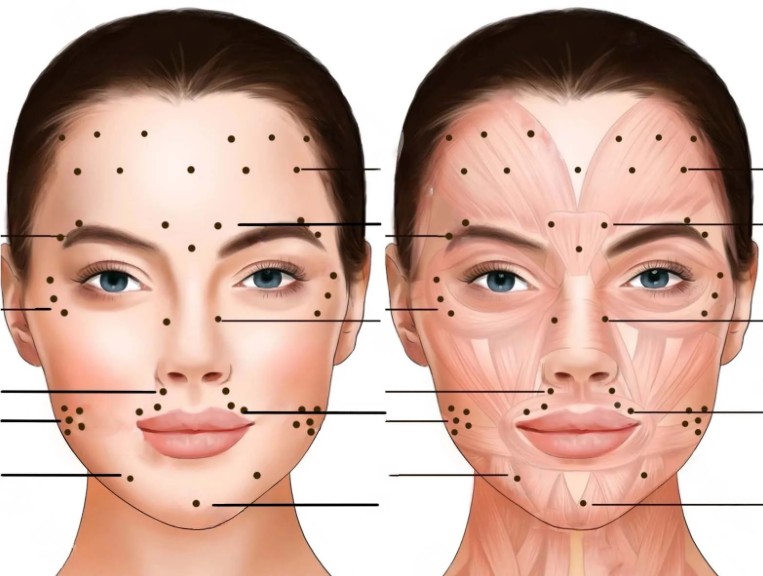
One of the most common reasons Botox’s effect falls short is that the dose applied is insufficient, or the injection points do not fully target the specific areas that control muscle movement. Every person’s muscle mass, expression habits, and skin structure are different; a standard dosing scheme does not produce the same result for everyone. If an inexperienced practitioner applies a fixed protocol without adequately assessing the muscle anatomy, the effect may remain weak or asymmetric results may occur. This is not true resistance but a planning error, and it can be resolved with proper assessment.
Product Authenticity and Storage Conditions
Botulinum toxin is a highly sensitive biological molecule, and if proper storage conditions are not followed, it can quickly lose its potency. A break in the cold chain, an expired product, or the use of a product obtained from unapproved sources can lead to the treatment not producing the expected result. Product authenticity is one of the most important guarantees of receiving treatment at a reliable clinic. Treatments performed with unapproved or counterfeit products can carry both a lack of effectiveness and serious safety risks.
The Effect of Repeating Treatments Too Frequently
Repeating Botox treatments much more frequently than recommended can expose the immune system to the toxin more often and increase the risk of antibody development. The generally accepted approach is to leave sufficient time between treatments. “Top-up” injections given before the previous effect has fully worn off may appear to improve the result in the short term, but in the long term they can increase the likelihood of the body developing a response against the toxin. For this reason, treatment frequency should be planned individually by a doctor.
The Effect of Metabolic Rate and Muscle Mass
Every individual has a different metabolic rate, and this directly affects how long Botox’s effect lasts. In people with a fast metabolism, the toxin may break down more quickly, which can cause the effect to end earlier than expected. In addition, in areas with dense muscle mass (for example, strong muscles such as the masseter at the jaw angle), standard doses may fall short. In individuals who exercise regularly and intensively and have high muscle activity, the duration of effect can also be shorter. These factors are not true resistance, but they must absolutely be taken into account in dose planning.
What Are the Signs When Botox Isn’t Working?
The signs of Botox resistance or apparent failure generally appear in two forms. The first is that the expected muscle relaxation never begins; the effect, which should normally become noticeable within 3-7 days, is never seen at all. The second is that the effect begins but disappears completely much earlier than normal, for example within a short period such as 4-6 weeks. In some patients, the effect develops asymmetrically; a clear result may be seen on one side of the face while it remains weak on the other. Determining which cause these signs are related to requires a doctor’s examination.
How Often Does True Botox Resistance Actually Occur?
According to medical literature, true immunological Botox resistance is a fairly rare condition, and its occurrence rate in aesthetic applications is low. This rate varies depending on the product used, the dosage, and the frequency of treatment. In medical indications requiring high doses (for example, in certain neurological conditions), the development of resistance is reported more frequently compared with aesthetic applications. In low-dose, infrequently repeated aesthetic treatments, the likelihood of true resistance remains low, which shows that most “non-responding” cases are related to other causes.
How Is Botox Resistance Diagnosed?
The diagnosis of Botox resistance begins with a detailed evaluation of the patient’s treatment history. The doctor asks about the dose, frequency, product brand used, and injection points of previous treatments. When necessary, special tests that objectively measure whether muscle relaxation occurs (for example, a test injection into the frontalis muscle) can be applied. Laboratory tests that directly show the presence of antibodies also exist, but they are used to a limited extent in clinical practice. The purpose of the diagnostic process is to distinguish true resistance from application errors.
What to Do If Botox Isn’t Working? Solution Options
The course of action to follow when Botox’s effect falls short is shaped by the underlying cause. If an application error is suspected, the first step is a re-evaluation by an experienced doctor. If true resistance is suspected, changing the brand is generally the first solution tried, because different botulinum toxin brands have different formulations, and antibodies developed against one brand may not cross-react with another. Dose adjustment, replanning of the injection points, and lengthening the waiting time between treatments are also among the approaches considered.
Does Switching Brands Actually Work?
Different botulinum toxin products, although they share a similar active substance, differ in formulation, purity level, and the helper proteins they contain. Clinical observations have reported that a patient who developed antibodies against one product responded positively to another brand with a different formulation. For this reason, switching brands is a reasonable step when true resistance is suspected. However, it is important for this change to be planned by a doctor who is familiar with the patient’s previous treatment history, because dose equivalencies can differ from brand to brand.
The Importance of Dose Adjustment and Waiting Periods
In some cases, the solution is not changing the brand but rearranging the dose and timing. An experienced doctor can create a more accurate plan by reviewing the dose and point selection of previous treatments. In addition, if suspected resistance is linked to too-frequent repetition, taking a break for a period can help reduce the immune system’s sensitivity to the toxin. This waiting period varies from person to person and should be determined under a doctor’s supervision; deciding on your own to wait too long or not at all is not the right approach.
Can Botox Resistance Be Prevented?
It is not possible to guarantee that Botox resistance can be completely prevented, but steps that reduce the risk are known. Using the lowest effective dose necessary, leaving sufficient time between treatments, and preferring original, approved products are at the top of these steps. In addition, having treatments planned by an experienced doctor in a way that suits the patient’s muscle anatomy reduces both the risk of ineffectiveness and, indirectly, the likelihood of resistance developing. Regular and informed follow-up is one of the most important elements in preserving treatment success over the long term.
The Importance of Choosing the Right Practitioner and Clinic
One of the most critical factors determining the success of Botox’s effect is the experience of the doctor performing the treatment. A practitioner who knows facial anatomy well and can correctly assess muscle movements plans the dose and point selection specifically for each person. Otherwise, both an insufficient effect and unwanted appearance issues (such as asymmetry or a “frozen” expression) can occur. In addition, to be sure of the product’s authenticity and proper storage conditions, the treatment should be performed at a licensed and reliable clinic. In treatments offered with cheap price promises, the risk regarding product quality and doctor experience increases.
Botox Resistance Should Not Be Confused With an Allergic Reaction
Botox resistance and an allergic reaction are two different concepts that patients frequently confuse with each other. An allergic reaction is a hypersensitivity response that appears shortly after the treatment with signs such as redness, itching, or swelling, and it is not directly related to the effectiveness of the toxin. Botox resistance, on the other hand, shows itself without any visible allergic sign, simply through the failure of the expected muscle relaxation to occur. Knowing that these two situations operate through separate mechanisms allows both the patient and the doctor to proceed in the right direction. Suspected allergic reaction requires urgent evaluation, while suspected resistance is followed by a more planned diagnostic process.
Do Combined Treatments Affect the Risk of Resistance?
Performing Botox together with fillers, skin care treatments, or laser treatments is generally not considered a factor that increases the risk of Botox resistance. Because combined treatments work through different mechanisms, they do not directly affect the immune response against botulinum toxin. However, performing a large number of procedures in the same session can affect the healing process and, consequently, the perceived result; this can sometimes create the mistaken impression that “Botox didn’t work.” In patients planning combined treatments, it is important to evaluate each treatment separately and maintain open communication with the doctor.
The Role of Age and Sex in Resistance
Changes in muscle mass and skin structure that occur with advancing age can indirectly affect the visible effect of Botox; however, this should not be confused with true immunological resistance. In younger individuals with high muscle activity, expression movements are stronger, so the duration of effect may be perceived as relatively shorter. Differences in muscle mass related to sex (for example, generally stronger glabellar muscles in men) also affect dose requirements. For this reason, age and sex are not causes of resistance but individual factors that must be taken into account in dose planning.
Botox Resistance Testing: The Frontalis Test Injection
In cases suspected of true Botox resistance, doctors sometimes apply a small test injection. In this method, a low dose of toxin is injected into the frontalis muscle in the forehead area, and whether the muscle relaxes over the following days is observed. If there is no reduction at all in muscle movement despite the test dose, this is an important finding that strengthens the likelihood of true resistance. This test is a reliable method used in clinical practice both to clarify the diagnosis and to guide the subsequent treatment decision (such as changing brands or increasing the dose).

The Relationship Between Price and Product Quality
Extremely low-priced Botox campaigns offered by some clinics on the market are often made possible by cutting corners on product quality or dose. Treatments performed with diluted, low-dose, or unapproved products may lower the cost in the short term, but they may not produce the expected effect, and the patient may mistakenly perceive this as “resistance.” When evaluating the price of Botox, it is necessary to look not only at the number but also at the clinic’s source of product, the doctor’s experience, and whether the dose used is shared transparently. In the long run, a reliable and predictable result becomes possible through the right choice of clinic.
The Contribution of Post-Botox Care to Duration of Effect
Skin care after treatment and general lifestyle habits can indirectly affect how long Botox’s effect lasts. Regular use of sunscreen, a balanced diet, and avoiding excessive stress can contribute to preserving the result for longer by supporting skin and muscle health. Factors such as smoking and irregular sleep, on the other hand, can negatively affect overall tissue health and shorten the perceived duration of effect. These care recommendations do not eliminate true resistance, but they help the expected result be observed for a longer period.
Is It Related to Baby Botox?
Baby Botox is an approach performed using a lower dose and fewer injection points than standard treatments, aiming for a more natural appearance. Because using a low dose theoretically means less stimulation of the immune system, some experts view it as more advantageous in terms of resistance development. However, if the baby Botox technique is planned incorrectly or applied with an excessively low dose, its effect can fall far short of the patient’s expectations, and this can be mistakenly interpreted as “resistance.” For detailed information about baby Botox, you can take a look at our article on what is baby Botox.
Misconceptions About Botox Resistance
Many misconceptions circulate in society regarding Botox resistance. One of the most common misconceptions is the idea that “Botox becomes less effective with every treatment”; in fact, in treatments performed with the correct dose and intervals, the duration of effect generally remains stable, and in some patients, due to muscle memory, an even lower dose may be sufficient. Another misconception is the assumption that “if the effect ended early, resistance must have developed”; in fact, the cause is often metabolic rate, insufficient dose, or muscle mass. These misconceptions can cause patients to worry unnecessarily or search for the wrong solutions.
Why Does Duration of Effect Differ From Person to Person?
Although Botox’s duration of effect is generally accepted to average 3-4 months, this period can vary significantly from person to person. Many factors affect the duration of effect, including age, skin thickness, muscle activity, sun exposure, smoking, and general health status. In individuals who exercise regularly or have intense expression movements, the effect may diminish more quickly. These individual differences are natural variations that could be mistakenly interpreted as “Botox resistance,” and the treatment plan should be personalized taking these differences into account. For more information about duration of effect and treatment frequency, you can review our article on how often should Botox be done.
What Should Be Considered Before and After Botox?
For Botox to show its expected effect, it is important to follow certain recommendations before and after the treatment. Before the treatment, staying away from blood-thinning medications and supplements on the doctor’s advice is recommended, and afterward, not applying pressure to the treated area in the first hours and avoiding excessive heat exposure are advised. Such simple precautions contribute to the toxin spreading correctly and producing the expected result. Neglecting these details can lead to apparent-failure results that can be confused with insufficient effect. You can access our detailed guide on the first week after Botox at our page on how the face looks after Botox: first week guide.
Is Resistance Different in Sweating Botox Treatments?
Botox treatments used for excessive sweating (hyperhidrosis) generally require a higher dose than aesthetic applications. The repeated use of higher doses can theoretically increase the risk of antibody development somewhat compared with aesthetic applications. However, true resistance in this area is also still rare, and most “ineffective” cases are related to dose or point selection. Patients experiencing a sweating problem who notice a decrease in duration of effect are advised to visit the doctor for regular check-ups.
Is Botox Resistance Permanent?
Whether this condition is permanent in patients who develop true Botox resistance is one of the most frequently asked questions. According to some clinical observations, antibody levels can decrease over time and when treatments are paused for a long period, which may make it possible to obtain a partial response in treatments attempted again in the future. However, this is not a result that can be guaranteed for every patient, and it shows individual variation. In patients who develop resistance, trying a different brand, taking a long break, or turning to alternative non-Botox methods (for example, other non-surgical muscle-relaxing techniques) is generally considered.
Is Resistance Assessed Differently in Masseter Botox?
Botox applied to the masseter muscle at the jaw angle is used both for aesthetic purposes (for a slimmer face) and for treating teeth grinding (bruxism). Because the masseter is one of the strongest muscles in the body, the doses used here are generally higher than for other areas. In these treatments requiring high doses and regular repetition, complaints of ineffectiveness are mostly related to insufficient dose or strong muscle mass; true resistance remains relatively rare here as well. In patients who do not achieve a consistent result in the masseter area, increasing the dose or reviewing the injection points is the first step evaluated.
Can Resistance Occur With a First Botox Experience?
True immunological resistance is not expected in a person receiving Botox for the first time, because antibody development is a process that arises over time with repeated exposure. If the effect remains weak in a first treatment, the first possibilities that should come to mind are an insufficient dose, incorrect point selection, or the person’s muscle mass requiring more than the standard dose. For this reason, patients who receive Botox for the first time and do not get the result they expected are advised not to immediately conclude “I have resistance,” but instead to first re-evaluate the treatment details with their doctor.
When Should You Consult a Doctor?
Consulting a doctor is recommended when the expected effect never appears after a Botox treatment, when no change is seen at all by the end of the recommended period (generally 3-7 days), or when the effect disappears completely in a very short time (within 4-6 weeks). Asymmetric results, unexpected side effects, or a history of repeated failure are also situations that absolutely need to be evaluated. Early evaluation ensures both an accurate diagnosis and more precise planning of the next treatment. Trying to increase the dose yourself or trying one clinic after another is not recommended.
The Approach to Botox Resistance at Zen Polyclinic
At Zen Polyclinic, every patient’s muscle structure, skin characteristics, and previous treatment history, if any, are evaluated in detail before a Botox treatment. In patients who present with the complaint “it didn’t work” or “it ended early,” the distinction between true resistance and application-related causes is first clarified. At Zen Polyclinic, only original and approved products are used, dose and point selection are planned specifically for each person, and different brand options are evaluated when necessary. The goal is to achieve a safe and predictable result for every patient. You can find answers to other frequently asked questions about Botox on our page on the most frequently asked questions about Botox.

The Pre-Treatment Evaluation Process for Botox
When planning Botox at Zen Polyclinic, the movement of the patient’s facial muscles, expression habits, and skin thickness are examined in detail. This evaluation plays an important role in determining both how natural the effect will look and the dose required. In patients who have previously received treatment at another center and have the complaint “it didn’t work,” the dose and brand of the previous treatment are clarified as much as possible. This information determines whether the new treatment plan will be shaped around the possibility of true resistance or around a dose/point correction.

Conclusion: Don’t Panic If Botox Isn’t Working
Botox resistance is a genuine medical condition, but the vast majority of complaints of “Botox didn’t work” stem not from true immunological resistance but from correctable causes such as dose, point selection, product quality, or individual metabolism. When the effect never begins or ends much earlier than expected, the first step to take is to get a detailed evaluation from an experienced doctor. Once an accurate diagnosis is made, solutions such as changing the brand, adjusting the dose, or extending the waiting period can achieve satisfactory results in most cases. At Zen Polyclinic, our expert medical team evaluates problems experienced with Botox’s effect in detail and creates a treatment plan tailored specifically to you. You can contact us through our appointment page so we can assess your situation and create the most suitable treatment plan for you.
Frequently Asked Questions (FAQ)
What is Botox resistance?
Botox resistance is a condition in which the body develops antibodies against botulinum toxin through the immune system, and these antibodies neutralize the toxin’s muscle-relaxing effect. It is a genuinely immunological event and is relatively rare in aesthetic treatments.
Does Botox not working always mean resistance has developed?
No. Most complaints of “Botox didn’t work” do not stem from true resistance but from correctable causes such as incorrect dose, incorrect point selection, product quality, or individual metabolism. True resistance is far less common than these causes.
After how many treatments can Botox resistance develop?
True resistance generally develops over time as a result of repeated, high-dose treatments given at frequent intervals, not after a single session. True immunological resistance is not expected in people receiving Botox for the first time.
Is there a test for Botox resistance?
Yes, when true resistance is suspected, doctors may apply a low-dose test injection into the frontalis muscle in the forehead. If no reduction in muscle movement is seen despite the test dose, this is a finding that strengthens the likelihood of true resistance.
What should I do if Botox's effect isn't working?
First, consult an experienced doctor to have the dose, point selection, and product source of the previous treatment evaluated. If true resistance is suspected, changing the brand, adjusting the dose, or extending the waiting time between treatments is considered.
Does switching brands help with Botox resistance?
Different botulinum toxin brands have different formulations, and antibodies developed against one brand may not cross-react with another. For this reason, switching brands is a reasonable solution tried under a doctor’s supervision when true resistance is suspected.
Is Botox resistance permanent?
According to some clinical observations, antibody levels can decrease over time and with long breaks, but this cannot be guaranteed for every patient. In patients who develop resistance, switching brands or taking a long break is considered.
Can Botox resistance be prevented?
Complete prevention cannot be guaranteed, but using the lowest effective dose, leaving sufficient time between treatments, choosing original products, and having treatment planned by an experienced doctor significantly reduce the risk.