How Often Should Botox Be Done? Effect Duration and Repetition Frequency
How often should botox be done is one of the most frequently asked questions by everyone considering the procedure or having it done regularly. Botox (botulinum toxin) is a non-surgical aesthetic application widely used worldwide that reduces wrinkles by temporarily relaxing the facial muscles. However, since its effect is not permanent, it needs to be repeated at certain intervals. So how long does botox last, how often should it be repeated, is frequent application harmful, and how does this period vary from person to person? In this comprehensive guide, we address all these questions in detail.
What Is Botox and How Does It Work?
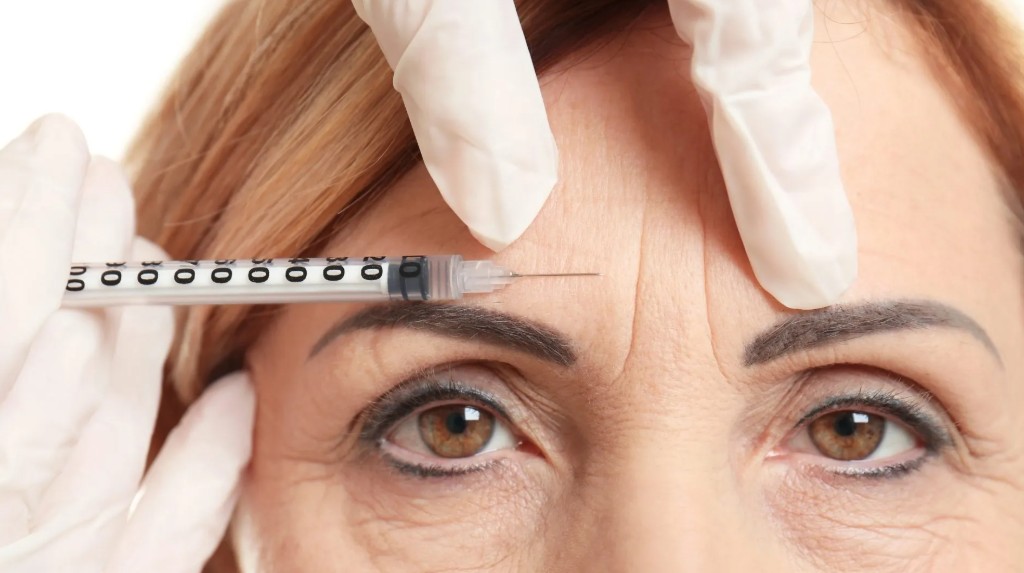
Botox is the purified form of botulinum toxin used in controlled doses. When injected into a muscle, it temporarily blocks signal transmission between the nerve and the muscle, thereby preventing the muscle from contracting. Dynamic wrinkles that form with facial movements are noticeably reduced when the muscle relaxes. This effect begins within a few days, fully settles in two weeks, and gradually diminishes over time as the body naturally breaks down the toxin. The temporary nature of the effect is a feature that also strengthens botox’s safety profile.
How Often Should Botox Be Done?
Although how often should botox be done varies from person to person, an interval of between 4 and 6 months is generally recommended. In most people the effect lasts an average of 4 months; therefore, repetition 2-3 times a year is common. However, this period varies according to muscle strength, metabolic rate, the dose applied and the area. The important thing is to repeat it before the effect completely disappears and the muscles regain their full strength; because this approach makes the result more continuous and, as the muscles weaken over time, may allow for longer intervals.
How Long Does Botox Last?
The effect of botox usually varies between 3 and 6 months; the average duration is about 4 months. In first-time botox users, the effect can sometimes be shorter, because the muscles have not yet “adapted.” With regular repetition, as the muscles weaken, the effect is observed to last longer. The duration of the effect depends on many factors such as the dose of the product used, the area of application, the person’s age, skin structure and lifestyle. Therefore, it is not accurate to give a fixed duration for everyone.
What Factors Affect the Duration of the Effect?
How long botox lasts depends on many variables. A person’s metabolic rate is one of the most important factors; in people with a fast metabolism, the toxin breaks down more quickly. The dose applied, the thickness and strength of the muscles, the injection area, the person’s age and general health also determine the duration. In addition, it is known that the effect of botox lasts shorter in people who exercise intensely and are very active. Factors such as sun damage, smoking and stress also play an indirect role by affecting the skin and muscle structure.
Is There a Difference Between the First Botox and Repetitions?
Yes, there can be a noticeable difference between the first botox application and subsequent repetitions. Since the muscles are at full strength in the first session, the effect can sometimes be shorter or it may be started with a lower dose. With regular repetition, the target muscles weaken and the person’s facial expression habits change; this can make the effect last longer and allow the same result to be achieved with less product. Therefore, regular and planned botox becomes more efficient over time.
Is Frequent Botox Harmful?
Botox applied at the right intervals by an experienced doctor is generally safe. However, repeating it too frequently (for example, every 2 months) and in unnecessarily high doses can lead to the body developing resistance (antibodies) to the toxin and to facial expressions looking excessively frozen. Therefore, it is important to adhere to the recommended 4-6 month intervals. The common belief that botox is “addictive” is not medically accurate; however, people satisfied with the result may naturally wish to continue the application.
Which Areas Is Botox Applied To?
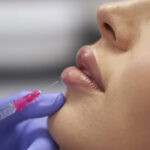
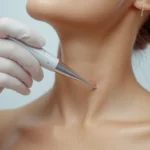
Botox is most often applied to forehead lines, lines between the eyebrows (glabella) and crow’s feet around the eyes. In addition, it is used for different purposes such as masseter (jaw muscle) botox, gummy smile, excessive sweating (hyperhidrosis) treatment and the neck area. The effect duration and recommended repetition interval of each area may vary somewhat. For example, the effect of sweating botox usually lasts longer. You can find detailed information on our medical aesthetic page.
Does Repetition Frequency Vary by Area?
Yes, the area of application affects the repetition frequency. While the effect of classic botox applied to facial expression muscles lasts an average of 4 months, the effect of masseter (jaw) botox can last longer, sometimes up to 6 months. In excessive sweating treatment, the effect can extend up to 6-9 months. Therefore, the answer to the question “how often should botox be done” should be personalized according to the area of application. Your doctor creates the most suitable repetition plan according to the target area and your expectation.
What Is the Repetition Frequency of Baby Botox?
Baby botox (micro botox) is a technique applied with lower doses and aiming for a more natural appearance. Since a low dose is used, its effect may last slightly shorter than classic botox; this may mean a somewhat increased repetition frequency. However, since baby botox aims to slightly soften facial expressions without freezing them completely, it is preferred especially by those who want a natural result. In this technique, the repetition plan is again determined individually.
Does the Botox Effect End Suddenly?
The effect of botox does not disappear all at once; on the contrary, it diminishes slowly and gradually. As the body breaks down the toxin over time, the muscles slowly regain their former mobility and the wrinkles gradually return. This gradual transition gives the person time to plan a repetition “before it completely ends.” Instead of waiting for the effect to disappear completely, having it repeated on the date recommended by your doctor provides a more continuous and natural appearance.
What Happens If I Stop Botox Early?
If you stop the botox application, the muscles regain their former strength over time and the wrinkles return to their pre-botox state. Contrary to popular belief, when botox is stopped the skin does not become “worse” or the wrinkles do not suddenly increase; only the natural aging process continues from where it left off. In fact, since the deepening of expression lines slows down during the period of regular botox, less prominent wrinkles may be seen in the skin in the long term.
How Is Botox Applied?
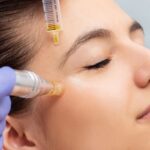
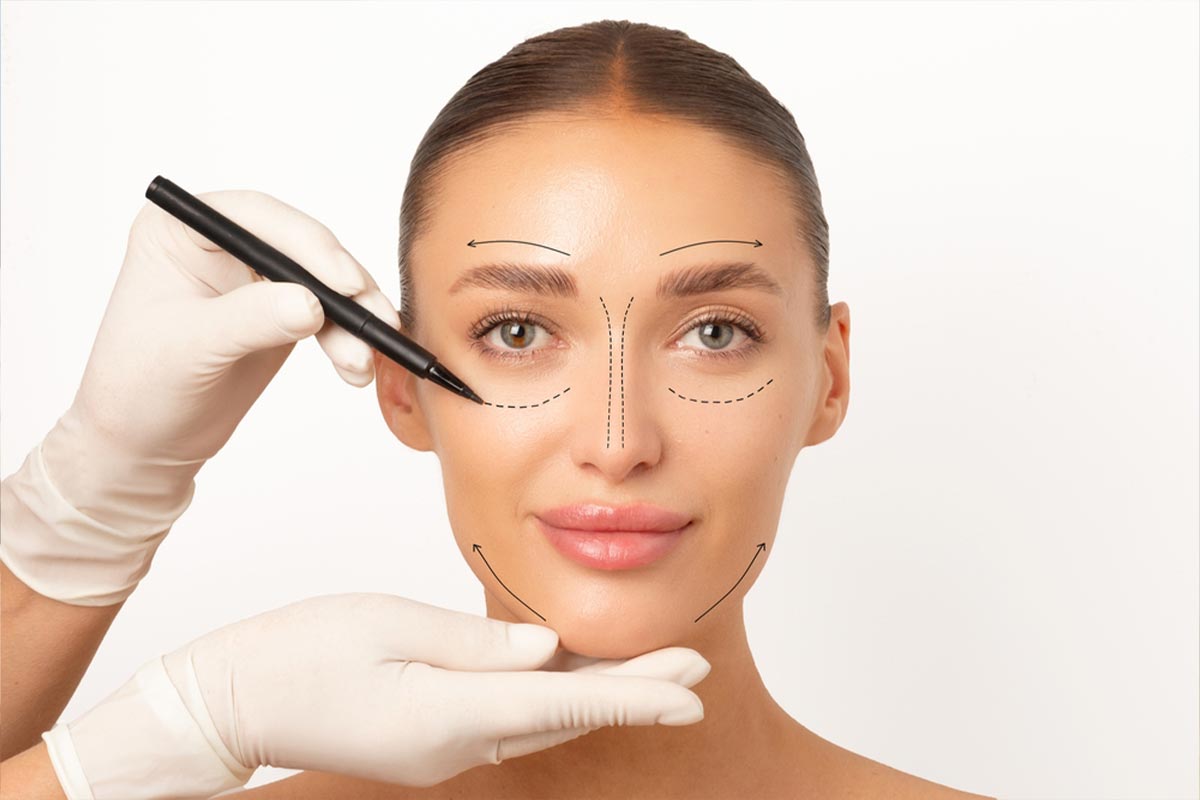
Before the application, the doctor examines your facial expressions to plan which muscles will receive botox and in what amount. The area is cleaned and small doses are injected with very fine needles at the planned points. The procedure usually takes 10-20 minutes and does not require anesthesia; since the needles are very fine, pain is minimal. The person can return to daily life immediately after the procedure. About two weeks are awaited for the effect to settle fully.
What Should Be Considered After the Procedure?
For the first 4-6 hours after botox, it is important not to lie down, not to bend the head forward and not to massage the application area; this prevents the toxin from spreading to unintended muscles. Heavy exercise, sauna and excessive heat should be avoided on the first day. Makeup can be applied gently a few hours later. When these simple rules are followed, the risk of side effects is extremely low and the result is more predictable. It is best to follow the specific instructions given by your doctor.
What Are the Possible Side Effects of Botox?
Botox is a safe procedure when applied correctly; side effects are usually mild and temporary. Short-term redness, mild swelling or small bruises may appear at the injection site. Rarely, a temporary headache may occur. Very rarely, due to incorrect technique or excessive dose, temporary drooping (ptosis) may be seen in the eyelid or eyebrow; this resolves on its own within a few weeks. Choosing an experienced doctor minimizes these risks.
Does Resistance to Botox Develop?
Botox applied too frequently and in high doses can, albeit rarely, lead to the body developing antibodies against the toxin; in this case the effect diminishes. To minimize this risk, it is important to adhere to the recommended intervals, not to use more than necessary doses and to prefer a quality product. The development of resistance is rare and can be largely prevented with a properly planned treatment protocol. Therefore, the question of “how correct” is as important as “how frequent.”
Who Is Botox Suitable For?
Adults in good general health who are bothered by expression-related wrinkles are suitable candidates for botox. High satisfaction is achieved especially in those who want to reduce forehead, between-the-eyebrow and around-the-eye lines. For preventive purposes, it can also be applied at an early age before the lines become permanent. Satisfaction is highest in people with realistic expectations who want a natural result. Suitability must always be determined by a doctor’s examination.
Who Is Botox Not Suitable For?
Botox is not recommended for pregnant women, breastfeeding mothers, those with certain neuromuscular diseases (such as myasthenia gravis) and those allergic to botulinum toxin. If there is an active infection in the application area, the procedure is postponed. In addition, the risk of dissatisfaction is high in people with excessive and unrealistic expectations. Therefore, a detailed assessment and honest information before the procedure are essential. Your doctor will clearly determine whether it is suitable for you.
What Is the Difference Between Botox and Filler?
Botox and filler are two applications that are often confused but serve different purposes. Botox reduces expression-related dynamic wrinkles by relaxing the muscles. Filler, on the other hand, is used to address volume loss, fill hollows and define contours. The two are often applied together in a complementary way. Their repetition frequencies also differ; the effect of filler usually lasts longer than botox. Your doctor determines the method that suits your needs.
Factors Affecting the Cost of Botox
The cost of botox varies according to factors such as the number of areas treated, the amount of units (dose) used, the brand and quality of the product, the doctor’s experience and the clinic’s standards. Very low prices can often mean a low-quality product or an inexperienced practitioner. In a sensitive area like the face, safety and a natural result should take priority over price. Since it is a procedure that requires repetition, it is most sensible to establish a long-term relationship with a reliable clinic.
Do Season and Lifestyle Have an Effect?
Botox can be applied throughout the year; there is no specific seasonal restriction. However, factors such as intense sun, smoking, stress and lack of sleep can negatively affect skin health, influencing the overall appearance and indirectly the perception of the result. Regular sleep, a balanced diet, plenty of water and sun protection support both skin quality and the fresh appearance provided by botox. A healthy lifestyle always strengthens the effect of aesthetic applications.
What Is Preventive Botox?
Preventive botox is an approach applied with low doses before wrinkles become permanent, usually in the late 20s or early 30s. The aim is to delay the deepening of lines by slightly softening facial movements. Regular repetition is also important in this method, but doses are usually lower. Preventive botox is a strategy preferred by those who do not want to deal with deeper and permanent wrinkles in the future.
What Should Realistic Expectations Be?
Botox noticeably reduces expression-related wrinkles and provides a more rested appearance; however, it may not be sufficient on its own for sun damage, skin sagging or deep static wrinkles. In these cases, it can be combined with methods such as filler, laser or skincare. The best result is achieved with realistic expectations and proper planning. The aim is to provide a natural, rested and youthful expression, not a frozen one. Open communication with your doctor ensures this balance.
How to Choose the Right Doctor and Clinic?
The success of botox depends largely on the experience of the applying doctor and their command of facial anatomy. The right point, the right dose and the right technique are critical for both a natural result and safety. When making your choice, the doctor’s medical competence, the clinic’s hygiene standards, the authenticity of the products used and genuine before-and-after examples should be evaluated. Since it is a procedure that requires repetition, working with a clinic you trust is the right choice in the long term.
How Long Does It Take for Botox Results to Become Lasting?
Regular and planned botox applications can provide more continuous results over time. When botox is done to the same muscles at regular intervals, these muscles gradually weaken and facial expression habits change. This slows the deepening of lines and contributes to the effect lasting longer. However, this does not mean that botox is “permanent”; the effect is always temporary and requires repetition. Nevertheless, a long-term and regular approach makes it possible to maintain the desired result with both less product and a more natural appearance.
What Should Be Considered Before Deciding on Botox?
Before deciding on botox, it is important to clarify what you want to change and your realistic expectations. Conducting reliable clinic research and examining the doctor’s experience and references is the first step. In the pre-procedure consultation, do not hesitate to ask all your questions and to learn the brand and dose of the product used. Share your medical history and the medications you use completely. A planned and conscious approach, rather than hasty decisions, always provides a safer and more satisfying result. Remember, botox is a procedure that requires repetition; therefore, it is important to establish a long-term relationship with a clinic you trust.
Does Botox Hurt?
Since very fine needles are used in botox application, pain is usually minimal. Most people describe only a mild stinging or tingling sensation. Since the procedure is completed in a few minutes, the duration of discomfort is very short. For people with a low pain threshold, anesthetic cream or cooling can be applied before the procedure. In general, botox is considered one of the least uncomfortable aesthetic procedures. No lasting pain is expected after the procedure; rarely, mild tenderness may last a few hours.
When Does the Botox Effect Begin?
The effect of botox does not begin immediately after the injection; the first changes usually start to be noticed within 2-3 days. It takes about 10-14 days for the effect to fully appear and for the final result to be seen. Therefore, it is necessary to wait at least two weeks to evaluate the result. If there is a slight asymmetry or insufficiency at the end of this period, your doctor can perfect the result with a small touch-up at the follow-up examination. It is important not to rush and reach an early judgment.
Does Age Affect Botox Frequency?
Age can indirectly affect both the need for botox and the repetition frequency. Botox done for preventive purposes at a young age is usually applied with lower doses, and since the lines have not yet deepened, the result is very natural. At older ages, since the muscles and facial expression habits differ, the dose and plan are reassessed according to the person. However, regardless of age, the recommended 4-6 month interval remains valid for most people due to the temporary nature of the effect. The important thing is that the plan is determined individually.
Is It Possible to Extend the Duration of Botox?
There are some things that can be done to somewhat extend the duration of botox’s effect. Protecting from the sun, quitting smoking, eating a balanced diet and managing stress support both skin health and the perceived longevity of the result. Although there are some limited opinions that zinc supplementation extends the botox effect, this has not been definitively proven. The most effective way is to adhere to the correct dose, a quality product and a regular repetition plan. Avoiding excessive facial exercise and intensely hot environments can also contribute to locally maintaining the effect.
When Can I Exercise After Botox?
After botox application, it is recommended to wait at least 24 hours for heavy exercise and intense sports. The reason is that increased blood flow and facial movements can increase the possibility of the toxin spreading to unintended areas. You can return to light daily activities immediately, but intense cardio, weight training and exercises requiring an upside-down position (for example, some yoga poses) should be postponed for the first day. It is best to follow the specific timing recommendations given by your doctor.
Does Botox Look Natural?
Botox applied with the right dose and technique looks extremely natural. The aim is not to completely “freeze” the face but to soften excessive facial movements to provide a rested expression. An experienced doctor performs a balanced application that preserves the person’s facial expression. A “done” appearance usually results from an excessive dose or incorrect technique. Therefore, people who want a natural result are advised to work with a doctor who prefers to start with a low and controlled dose.
Which Procedures Can Be Done Together With Botox?
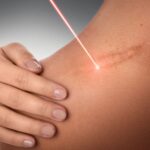
Botox can be combined with different applications as part of a holistic rejuvenation plan. Methods such as filler for volume loss, mesotherapy for skin quality, laser treatments for blemishes and texture, and dermapen for fine lines can be evaluated together with botox. These combinations provide a more satisfying result by improving not just a single problem but the overall appearance of the face. Your doctor plans which procedures will be done together and in what order according to your facial analysis.
Frequently Asked Questions About Botox
Among the most frequently asked questions about botox are “does it hurt”, “does it look natural”, “how long does it take to work” and “how often should it be done.” The common answer to these questions is that the result depends largely on the experience of the doctor performing the application. The procedure is fast, minimally painful and allows an immediate return to daily life. Asking your doctor all the questions on your mind before the procedure is very important for setting realistic expectations.
What Are the Medical Uses of Botox?
Botox is not used only for aesthetic purposes; it is also applied for treatment in many medical conditions. Chronic migraine, excessive sweating (hyperhidrosis), teeth grinding (bruxism), muscle spasms and some neurological conditions are among the medical uses of botox. This versatility shows how safe and effective botulinum toxin can be in controlled doses. The same scientifically based, proven substance is used in aesthetic applications. This reinforces the confidence in botox when applied in the right hands.
Botox Procedure at Zen Polyclinic
At Zen Polyclinic, botox is applied with a detailed facial expression analysis and personalized planning. Which area will be treated, how often and at what dose is determined according to the person’s facial structure and expectation; it is applied with authentic products by an experienced medical team with a safe technique. The most natural and continuous result is targeted with regular follow-up. You can make an appointment at our Istanbul Ataşehir location for a rested and natural appearance.
Conclusion
Although the answer to how often botox should be done varies according to the person, the area and the expectation, intervals of 4-6 months are generally recommended. The temporary nature of the effect is a feature that makes botox safer, and more efficient results can be achieved over time with regular repetition. For the healthiest and most natural result, it is recommended to determine your repetition plan together with a specialist doctor.
Frequently Asked Questions (FAQ)
How often should botox be done?
Botox should generally be repeated every 4 to 6 months. Since the effect lasts an average of 4 months in most people, repetition 2-3 times a year is common; however, this varies by person and area.
How long does botox last?
The effect of botox usually lasts between 3 and 6 months, averaging about 4 months. The effect can be shorter in first applications and lasts longer with regular repetition.
Is frequent botox harmful?
Botox done at the right intervals is safe. However, repeating it too frequently and in high doses can lead to resistance and a frozen appearance; the 4-6 month intervals should be followed.
What happens if botox is stopped?
When botox is stopped, the muscles regain their former strength and the wrinkles return to their pre-botox state. The skin does not become worse; only natural aging continues from where it left off.
Is there a difference between the first botox and repetitions?
Yes. Since the muscles are at full strength in the first session, the effect can be shorter. With regular repetition, as the muscles weaken, the effect lasts longer and the same result is achieved with less product.
Does repetition frequency vary by area?
Yes. While facial expression botox lasts an average of 4 months, masseter botox can last up to 6 months and excessive sweating treatment up to 6-9 months. The plan is personalized by area.
Does resistance to botox develop?
Botox applied too frequently and in high doses can rarely lead to antibody development and reduce the effect. Following the recommended intervals and using an appropriate dose minimizes this risk.
What is preventive botox?
Preventive botox is an approach applied with low doses before wrinkles become permanent, usually in the late 20s or early 30s, delaying the deepening of lines.