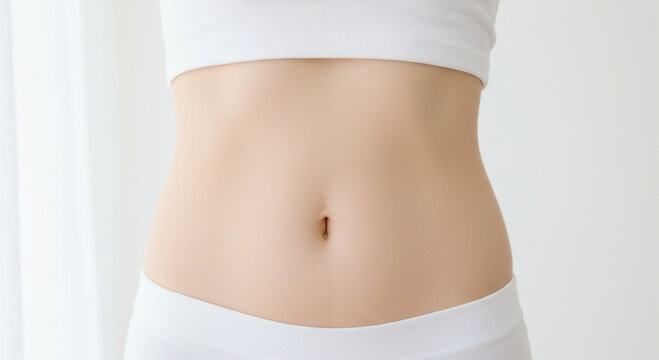
Non-Surgical Solutions for a Sagging Belly After Pregnancy
A sagging belly after pregnancy is a common condition experienced by many new mothers, arising from the combination of skin stretched throughout pregnancy, loosened abdominal muscles and accumulated fat tissue. This appearance shows itself through loss of elasticity in the skin, laxity in the abdominal area and stubborn fat. So why does a sagging belly form after pregnancy, with which non-surgical methods can it recover, and how much improvement can realistically be expected? In this comprehensive guide, we address all these questions in detail.
Why Does the Belly Sag After Pregnancy?
A sagging belly after pregnancy essentially forms from the combination of three main factors: excessive stretching of the skin, loosening of the abdominal muscles and accumulation of fat tissue. The uterus, which grows throughout pregnancy, stretches the skin and muscles in the abdominal area for months. Although these tissues try to return to their former state after birth, the skin may not fully regain its elasticity. Hormonal changes, rapid weight gain and loss, and genetic predisposition also play a role in this process. As a result, skin sagging, laxity and stubborn fat accumulation combine to cause a sagging appearance in the abdominal area.
What Is Diastasis Recti?
An important cause of belly sagging after pregnancy is diastasis recti, that is, the separation of the muscles in the midline of the abdomen. The growing abdomen during pregnancy stretches and thins the connective tissue (linea alba) that divides the flat abdominal muscles into two, causing the muscles to separate. This condition creates a noticeable laxity and a forward-protruding appearance in the abdominal area. Diastasis recti can heal in some cases with physiotherapy and targeted exercises. However, in advanced separations, different approaches may be required. Correctly identifying the cause of belly sagging also clarifies which solution is suitable; for this reason, evaluation is important.
Surgical or Non-Surgical?
It is important to know the distinction between surgical (tummy tuck) and non-surgical methods in post-pregnancy abdominal recovery. Surgical methods give a more comprehensive result in cases of excessive skin redundancy and advanced muscle separation, but they involve recovery time and surgical risks. Non-surgical methods, on the other hand, are suitable for mild-to-moderate sagging, skin laxity and stubborn fat; they do not require recovery time and are more comfortable. Which approach is suitable depends on the degree of sagging and the person’s expectations. In this guide, we focus on non-surgical solutions and explain for whom they are suitable.
Non-Surgical Skin Tightening
One of the most frequently used non-surgical methods for skin laxity after pregnancy is skin tightening treatments. Radiofrequency, ultrasound and microwave-based devices stimulate collagen and elastin production by generating controlled heat beneath the skin. This makes the skin look firmer and more toned over time. Devices such as Onda Coolwaves offer both skin tightening and regional fat reduction, making them a suitable option for the post-pregnancy abdominal area. Results appear gradually, as the collagen is renewed, and require patience.
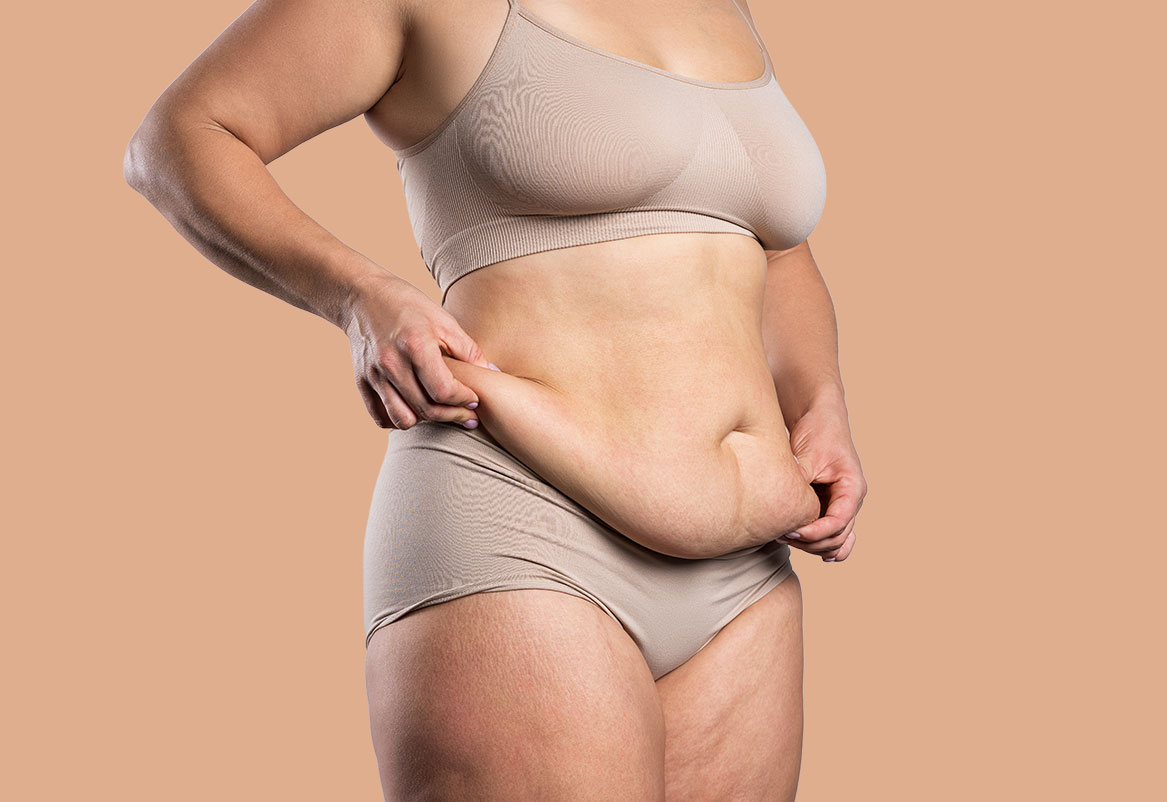
Cold Lipolysis for Regional Fat
For stubborn fat accumulated in the abdominal area after pregnancy, cold lipolysis (cryolipolysis) is an effective non-surgical option. This method targets fat cells with controlled cooling, causing these cells to break down; the broken-down fat is eliminated over time through the body’s natural processes. Cold lipolysis is suitable especially for regional fat that does not slim down despite diet and exercise. The procedure is non-surgical, requires no recovery time and is comfortable. However, it is not a weight-loss method; it is aimed at regional fat reduction. For post-pregnancy belly fat, it can be evaluated and combined with skin tightening methods.
Tightening with HIFU
HIFU, a focused ultrasound technology, stimulates collagen production and tightens the skin by sending heat energy to the deep layers beneath the skin. It can be considered as a non-surgical recovery option for abdominal skin loosened after pregnancy. HIFU is a comfortable method because it acts in the deep layers without damaging the surface of the skin. Results become gradually clearer within a few months as the collagen is renewed. In cases where skin laxity is prominent, HIFU can be a valuable part of the post-pregnancy recovery plan. Suitability is always determined with a detailed evaluation.
The Combination Approach
A sagging belly after pregnancy is often not a single problem; it is a multi-layered condition in which skin laxity, muscle separation and stubborn fat coexist. For this reason, the best result is usually achieved by cleverly combining more than one method. For example, cold lipolysis for regional fat, skin tightening treatments for skin laxity, and exercise or physiotherapy for muscle separation can be planned together. This holistic approach addresses each layer of the problem separately, providing a more comprehensive and balanced recovery. The combination plan is determined by the expert according to the person’s condition.
The Importance of Exercise
Exercise has a major place in post-pregnancy abdominal recovery, and no treatment can fully replace exercise. Exercises that strengthen the abdominal muscles and target diastasis recti make an important contribution to the healing of muscle separation and the tightening of the abdominal area. However, these exercises must be done at the right time and with the right technique; unconscious movements can worsen diastasis recti. For this reason, it is important to consult an expert before starting exercise after pregnancy. Exercise noticeably strengthens the results and accelerates recovery when combined with non-surgical treatments. Regularity is the key in this process.
The Role of Nutrition
In post-pregnancy abdominal recovery, balanced nutrition contributes both to the reduction of fat tissue and to the health of the skin. Adequate protein, healthy fats, vitamins and plenty of water support the skin’s elasticity and accelerate the recovery process. Avoiding excess sugar and processed foods helps reduce stubborn fat accumulation. For breastfeeding mothers, nutrition must be planned in a balanced way for both their own recovery and the baby’s health. Healthy nutrition is an important factor that supports the effect of non-surgical treatments from within. The combination of internal and external support gives the healthiest and most balanced result.
Skin Care and Stretch Marks
Another common problem in the abdominal area after pregnancy is pregnancy stretch marks. These marks result from damage in the dermis layer caused by the rapid stretching of the skin. Although the marks do not disappear completely, their appearance can be noticeably reduced with various skin care and medical treatments. Regular moisturizing supports the skin’s elasticity and aids recovery. Skin tightening treatments can also improve the appearance of stretch marks. In the holistic recovery of the abdominal area after pregnancy, skin care and stretch mark management should also be considered as part of the plan. Patience and continuity are important here.
When Should Treatments Begin?
Before starting non-surgical treatments after pregnancy, enough time must pass for the body to recover naturally. Usually, a few months after birth, the body is expected to recover somewhat on its own. For breastfeeding mothers, the suitability of some treatments must be evaluated and expert approval obtained. Early intervention is not always better; it is important to give the body a chance to recover naturally. The expert determines the most suitable starting time by considering factors such as the person’s type of birth, general health and breastfeeding status. This patient approach supports both safety and the success of the result.
Notes for Breastfeeding Mothers
The breastfeeding period requires special attention in planning non-surgical treatments after pregnancy. Some treatments may not be suitable during this period or may need to be postponed. Expert evaluation is essential, especially for injectable treatments and some device-based procedures. Breastfeeding mothers must share every treatment they plan with their physicians. Safety is always the priority for both mother and baby. Gentle methods that can be applied even during breastfeeding may be available; these are determined in a personalized way. Correct timing and expert approval are the foundation of a safe and effective recovery process for breastfeeding mothers.
When Are Results Seen?
The results of non-surgical treatments after pregnancy appear gradually, because both fat elimination and collagen production are biological processes that take time. In skin tightening treatments, results usually become clearer within a few months as the collagen is renewed. Fat reduction after cold lipolysis is also seen between a few weeks and a few months. Being patient and trusting the natural course of the process is the most correct approach in these treatments. A regular course, healthy lifestyle habits and realistic expectations support the results being both noticeable and lasting. A natural and balanced recovery is targeted, not an instant one.
Durability of Results
The durability of the recovery achieved with non-surgical treatments largely depends on maintaining healthy lifestyle habits. The fat cells broken down with cold lipolysis do not come back, but the remaining cells can grow with weight gain. The skin tightening effect, on the other hand, may change over time with the natural aging process, but it can be supported with periodic maintenance sessions. Balanced nutrition, regular exercise and weight control ensure that the results obtained are preserved for a long time. Post-pregnancy recovery is not a one-time procedure; it is a process that gives long-term results when combined with a sustainable lifestyle. Durability depends on both the application and the lifestyle.
Realistic Expectations
Non-surgical treatments after pregnancy provide a noticeable improvement in the abdominal area; however, they do not promise an exact replica of the pre-pregnancy body. Approaching with realistic expectations is essential for both satisfaction with the process and proper planning. Results vary from person to person, according to skin structure, the degree of sagging and lifestyle. In cases of advanced skin redundancy or muscle separation, non-surgical methods may have limits and surgery may be required. The expert honestly shares achievable goals at the first evaluation. This transparent approach prevents disappointment and ensures the process proceeds enjoyably.
The Psychological Dimension
The changes in the body after pregnancy carry an emotional dimension for many new mothers. Changes in the body can lead to a loss of self-confidence or anxiety in some mothers. Non-surgical recovery treatments can contribute, in addition to physical recovery, to the person feeling better about themselves. However, it is important to be patient and compassionate with oneself during this process; the body’s recovery takes time. Realistic expectations and a healthy perspective support both psychological and physical recovery. The post-pregnancy period should be approached not with pressure but with self-worth and a gentle approach. This balance ensures the process proceeds in a healthy way.
For Whom Is It Suitable?
Non-surgical solutions after pregnancy are suitable for mothers who complain of mild-to-moderate skin laxity, regional stubborn fat and mild sagging, who do not need surgery or are wary of surgery. They are ideal for those seeking a comfortable recovery that does not require recovery time. However, in cases of very advanced skin redundancy or pronounced muscle separation, the results of non-surgical methods may be limited. The best candidates are people with realistic expectations who are willing to maintain healthy lifestyle habits. Suitability is always determined with a detailed evaluation and planned in a personalized way. Correct candidate selection directly affects the success of the result.
For Whom Is It Not Suitable?
Although non-surgical treatments are safe for most people, in some cases they should not be applied or should be postponed. Some treatments may not be suitable during breastfeeding. Caution is required if there is an active skin infection, open wound, hernia or some chronic health problems in the application area. In addition, in very advanced sagging and muscle separation, non-surgical methods may not be sufficient; in these cases, a surgical evaluation is recommended. For this reason, the health history is carefully evaluated before each application. An expert physician determines whether the person is suitable for the application and creates the safest, most appropriate plan. Safety is always the priority.
The Anatomy of the Abdominal Area
To understand post-pregnancy recovery methods, it is useful to know the structure of the abdominal area. The abdominal area consists of skin at the top, a fat layer beneath it, then muscles and connective tissue. Pregnancy affects all of these layers: the skin stretches, fat accumulates and the muscles can loosen and separate. For this reason, effective recovery requires approaching each layer with the appropriate method. Skin tightening targets the skin, cold lipolysis the fat layer, and exercise the muscles. This layered understanding also explains why a combination approach often gives the best result. Knowing the abdominal anatomy forms the basis of correct planning.
Recovery After a Cesarean Section
In mothers who give birth by cesarean section, abdominal recovery may show some differences compared to natural birth. The cesarean incision and healing process affect the timing of non-surgical treatments; the area should be expected to fully heal. Laxity around the incision scar and in the abdominal area may be more pronounced. In this case, the treatments are carefully planned according to the healed tissue and the person’s general health. The combination of exercise, nutrition and non-surgical treatments can also be effective in post-cesarean recovery. However, expert evaluation and correct timing at every stage are essential for a safe recovery. Proceeding without haste is best.
Posture and Abdominal Appearance
An often-overlooked factor in the post-pregnancy abdominal appearance is posture. Incorrect posture can make the abdominal area look more saggy and prominent. Exercises that strengthen the abdominal and back muscles both correct posture and contribute to the abdominal area looking firmer. Correct posture also supports the visual effect of non-surgical treatments. For this reason, muscle strengthening and posture-correcting work should also be evaluated in the recovery plan. Improving posture has a positive effect on both physical appearance and overall health. A holistic approach provides the most balanced result.
The Effect of Hormones
In the post-pregnancy period, hormonal changes affect the recovery of both the skin and the body. Hormone levels changing during pregnancy and breastfeeding can affect fat distribution, skin elasticity and the overall speed of recovery. For this reason, recovery may be faster in some mothers and slower in others; this is completely natural. It takes time for the hormonal balance to settle, and it is important to be patient with the body during this process. Non-surgical treatments target the skin and fat tissue while supporting the natural course of the hormonal process. Understanding the effect of hormones helps to form realistic expectations and approach the process with patience.
A Long-Term Care Plan
Post-pregnancy recovery is not a one-time procedure; it gives the best result with a long-term care approach. To preserve the results achieved with non-surgical treatments, healthy nutrition, regular exercise and skin care must be maintained. Periodic maintenance sessions support the long-term preservation of the skin tightening effect. A long-term plan also helps the person establish a healthy relationship at peace with their own body. This sustainable approach provides much more satisfying and lasting results than instant solutions. Seeing recovery not as a goal but as a maintained lifestyle is best.
Choosing the Right Clinic
The safety and outcome of non-surgical treatments after pregnancy are directly related to choosing the right clinic and an experienced specialist. It is of great importance that the devices are original, used with the correct parameters and that the application is performed in experienced hands. Hygiene conditions and the specialist’s experience must be evaluated. Applications performed in uncontrolled settings both carry a safety risk and may not give the expected result. A clinic that provides transparent information, offers realistic expectations and takes into account special situations such as breastfeeding should be preferred. Choosing the right clinic is the most important step for both a safe process and a satisfying result.
How Does the Treatment Process Work?
The post-pregnancy non-surgical recovery process begins with a detailed evaluation. In this evaluation, the degree of sagging, skin structure, fat condition and muscle separation, if any, are examined; the breastfeeding status is also taken into account. Then a personalized plan is created; this plan may include a single method or a combination of methods. The treatments are planned at appropriate intervals, in a course. Each treatment is comfortable and generally painless; it does not require recovery time. Throughout the process, the skin’s responses are observed and the plan is fine-tuned if necessary. This personalized and gradual approach provides a safe and balanced recovery.
Water Intake and Recovery
Adequate water intake is an often-overlooked but important part of the post-pregnancy recovery process. Water supports the elimination of the broken-down fat from the body, preserves the skin’s moisture balance and elasticity, and contributes to overall health. Drinking plenty of water especially after cold lipolysis and similar treatments supports the fat elimination process. For breastfeeding mothers, water intake is also important in terms of milk production. The combination of external moisturizing and internal water intake supports the skin’s recovery in two ways. Although it seems like a simple habit, water intake is a valuable support in the recovery process.
Patience and Continuity
Post-pregnancy recovery is a process that succeeds not with the expectation of quick results but with patience and continuity. It takes time for the changes the body experienced throughout pregnancy to reverse, and this is natural. Non-surgical treatments give gradual results; exercise and nutrition, on the other hand, require consistency. Being patient with oneself throughout the process and appreciating small progress support both motivation and the result. Instead of irregular and hasty efforts, a planned and continuous approach gives a much more satisfying result. Patience and continuity are the two most valuable components of post-pregnancy recovery and the key factors that determine the result.
Post-Pregnancy Recovery at Zen Polyclinic
At Zen Polyclinic, post-pregnancy abdominal recovery is a holistic process that starts with a detailed evaluation and is personally planned. At our clinic in Istanbul Ataşehir, the most suitable non-surgical method or combination for you is determined by considering the degree of sagging, skin structure, fat condition and breastfeeding status. Our aim is to support the recovery of your abdominal area after pregnancy with a gentle and realistic approach, without creating pressure. You can contact us to evaluate all options, from skin tightening to regional fat reduction.
Conclusion
A sagging belly after pregnancy is a multi-layered condition in which skin laxity, muscle separation and stubborn fat coexist, and it can recover significantly with non-surgical methods. Treatments such as skin tightening, cold lipolysis and HIFU, when combined with exercise and nutrition, provide a balanced and natural recovery. The best result comes from a process that is personally planned, carried out with patience and supported by realistic expectations. Special situations such as breastfeeding must always be taken into account. You can contact Zen Polyclinic to recover your abdominal area after pregnancy in a gentle and safe way.
Frequently Asked Questions (FAQ)
Does the belly recover on its own after pregnancy?
The body recovers somewhat on its own after birth, but the skin may not fully regain its elasticity, muscle tone and stubborn fat. Exercise, nutrition and non-surgical treatments support this recovery.
Do non-surgical methods replace surgery?
Non-surgical methods are effective for mild-to-moderate sagging and skin laxity. However, in very advanced skin redundancy or pronounced muscle separation, surgery may be required. Which is suitable is determined by evaluation.
Can I have a treatment while breastfeeding?
Some treatments may not be suitable during breastfeeding or may need to be postponed. Every treatment must be shared with the physician and expert approval obtained. Safety is always the priority for mother and baby.
How long after birth should I start?
Usually, a few months after birth, the body is expected to recover somewhat on its own. The expert determines the most suitable starting time according to factors such as the type of birth, general health and breastfeeding status.
Is cold lipolysis suitable for the post-pregnancy belly?
Cold lipolysis is a suitable option for regional belly fat that does not slim down despite diet and exercise. However, it is not a weight-loss method, and the breastfeeding status is always evaluated. It can be combined with skin tightening methods.
When are results seen?
Results appear gradually. In skin tightening, they usually become clearer within a few months as the collagen is renewed; in cold lipolysis, fat reduction is seen between a few weeks and a few months. Patience is needed.
Do pregnancy stretch marks disappear completely?
Although the marks do not disappear completely, their appearance can be noticeably reduced with various skin care and medical treatments. Regular moisturizing and skin tightening treatments can improve the appearance of stretch marks.
Are the results permanent?
The durability of the results depends on maintaining healthy lifestyle habits. The broken-down fat does not come back, but the remaining cells can grow with weight gain. Balanced nutrition and exercise preserve the results.