Botox Guide for Forehead and Frown Lines
Botox for forehead and frown lines is a non-surgical aesthetic procedure based on botulinum toxin, applied to soften the horizontal forehead lines caused by expression movements in the upper part of the face and the vertical frown (glabellar) lines that form between the eyebrows. These lines become more pronounced over time with repeated facial expressions such as raising the eyebrows, frowning and looking surprised, and can lead to a tired or angry appearance. So what exactly is botox for forehead and frown lines, how is it applied, when do results appear, how long does it last and who is it suitable for? In this comprehensive guide, we address all these questions in detail.
What Is Botox for Forehead and Frown Lines?
Botox for forehead and frown lines is a treatment that softens the lines formed on the skin by temporarily reducing the excessive contraction of the expression muscles in the upper third of the face. When the frontal muscle in the forehead area lifts the eyebrows, horizontal lines appear; when the corrugator and procerus muscles between the eyebrows contract, vertical glabellar lines emerge. Botox relaxes the nerve stimulation of these muscles in a targeted way, making the skin look smoother and more rested. The procedure is not surgical, requires no incision and is completed within minutes. When applied in the correct dose, the expression is not completely frozen; only excessive line formation is prevented.
Why Do Forehead and Frown Lines Form?
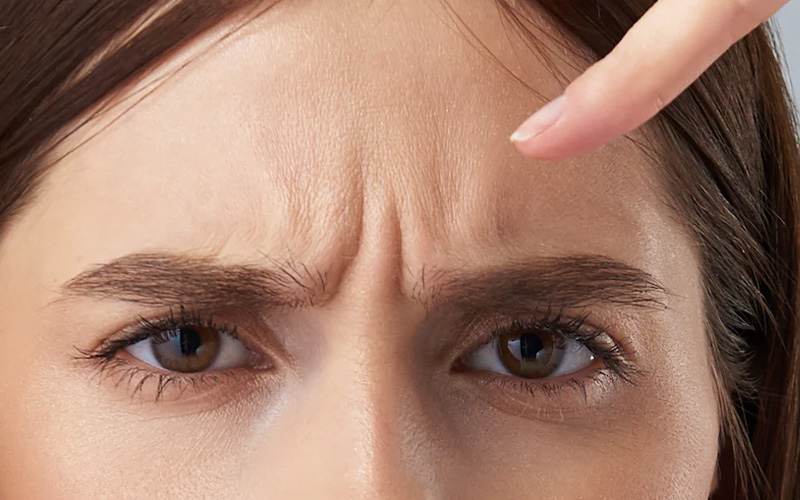
Forehead and frown lines are essentially the marks left on the skin by repeated facial movements. Over the years, the same muscles contract repeatedly in expressions such as raising the eyebrows, frowning, looking surprised and thinking. In young skin, thanks to an abundance of collagen and elastin, these lines disappear once the contraction stops. However, as collagen production decreases with age, the lines begin to become permanent. Sun damage, smoking, insufficient hydration and genetic predisposition also accelerate this process. As a result, horizontal lines on the forehead and vertical lines between the eyebrows become pronounced. Botox offers an effective early solution to prevent these lines from deepening further.
What Is the Difference Between Dynamic and Static Wrinkles?
Two types of lines are seen in the forehead and frown area: dynamic and static wrinkles. Dynamic wrinkles appear only when the muscles move, that is, while making expressions; they disappear when the face is at rest. Static wrinkles, on the other hand, are settled lines that remain visible even when the skin is motionless. Botox is very effective especially on dynamic wrinkles because it prevents the lines from forming by reducing muscle contraction. For static lines, botox can soften the line but may not erase it completely; in this case a combination with filler or skin renewal methods may be needed. Botox started at an early age delays dynamic lines from becoming static over time.
How Does Botox Work?
Botox is a substance called botulinum toxin that temporarily blocks the nerve signal going to the muscle. In the muscle where it is applied, it reduces muscle contraction by preventing a transmitter called acetylcholine, released from the nerve endings, from reaching the muscle. When the muscle relaxes, the skin over it also loses its tension and the lines soften. This effect is not permanent; over time the body forms new nerve connections and the muscle starts working again. For this reason botox is repeated at certain intervals. What matters is relaxing only the targeted muscles and preserving the neighboring ones; this achieves a natural expression and a balanced appearance.
How Is Forehead Botox Applied?
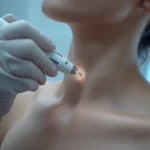
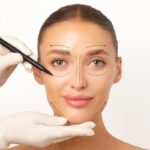
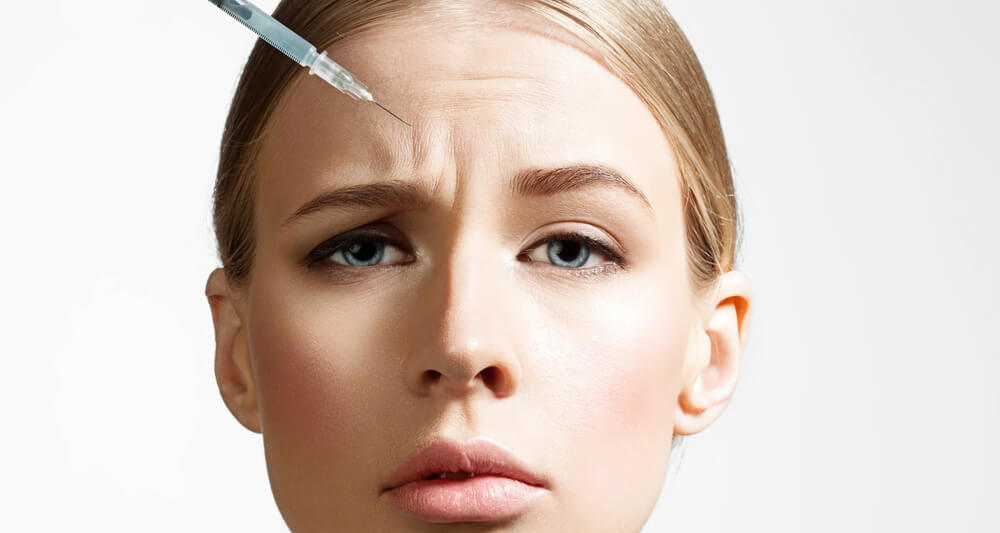
Forehead botox is applied by injecting small amounts of botulinum toxin into specific points of the frontal muscle with fine-tipped needles. The specialist first evaluates your facial expression in motion; by asking you to raise your eyebrows, they determine where the lines are concentrated. Then the injection points are marked for a symmetrical and balanced distribution. Dose and point selection are very important in forehead botox, because an excessive dose can cause the eyebrows to drop and an incorrect distribution can lead to asymmetry. The procedure usually takes a few minutes and requires no special preparation. At Zen Polyclinic, the application is planned individually by evaluating your facial anatomy and expression structure.
How Is Frown (Glabellar) Botox Applied?
Frown botox is performed on the corrugator and procerus muscles located between the two eyebrows that produce the frowning movement. This area is one of the regions where botox is most frequently and effectively applied, because the vertical lines here can give a person a constantly angry or tense expression. During the application, you are asked to frown so that the target muscles become clear. Injections are usually made in small doses at five points. Frown botox, in addition to softening the vertical lines, can also open up the gaze with a slight eyebrow-lifting effect. When applied with the correct technique, the result looks natural, rested and balanced.
How Long Does the Procedure Take and Is It Painful?
Botox for the forehead and frown area is a very fast and comfortable procedure. Since the injections are made with very fine needles, the procedure is usually completed within 10-15 minutes. Most people feel only a slight prick or tingling; there is no unbearable pain. In highly sensitive individuals, ice or a topical anesthetic cream can be applied to the area before the procedure. No special dressing is needed afterwards and the person can immediately return to daily life. Temporary small redness may appear at the injection points; this disappears quickly. The practicality of the procedure makes botox an attractive option for people with busy schedules.
When Do Botox Results Appear?
The effect of botox does not appear immediately; it develops gradually. The first changes usually begin to be felt 2-3 days after the application. Full relaxation of the muscles and the most noticeable softening of the lines takes an average of 7-14 days. Therefore, it is necessary to wait about two weeks for the result to be fully evaluated. In some people, slight asymmetries may be seen during this period; these usually correct themselves once the muscles settle fully. At Zen Polyclinic, the result is evaluated with a two-week follow-up appointment and, if necessary, a small touch-up is done to optimize symmetry. Patience is an important part of satisfaction with botox.
How Long Does the Botox Effect Last?
The effect of forehead and frown botox usually lasts between 3 and 6 months. Durability varies from person to person; metabolic rate, muscle structure, the applied dose and lifestyle affect this duration. In people with very active expressions or a fast metabolism, the effect may last shorter. In people who have botox regularly, the muscles partially lose their strength over time, so the effect may begin to last longer and the intervals between sessions may widen. When the effect ends, the lines slowly return; however, regular application provides a younger appearance in the long term because it prevents the lines from deepening.
How Many Units of Botox Are Needed?
The number of botox units needed varies according to the treated area, the strength of the muscles and the person’s goal. The total amount of units for the forehead area and between the eyebrows differs from person to person; since muscles are generally stronger in men, a slightly higher dose may be needed. The aim is to soften the lines without completely freezing the expression; therefore the dose is determined carefully. While too low a dose may not give the desired effect, too high a dose can compromise naturalness and increase the risk of eyebrow drop. For this reason, the amount of units is planned with an individual evaluation rather than a standard figure. An experienced practitioner aims for the minimum effective dose that gives the most natural result.
What Should Be Considered in the First 24 Hours After Botox?
The first 24 hours after botox are important for the quality of the result. You should not touch, rub or massage the treated area; otherwise the toxin may spread to the neighboring muscles. In the first hours, it is recommended to avoid keeping the head bent forward for a long time, lying face down and intense exercise. Sauna, hammam and very hot environments as well as alcohol should be limited on the first day. Makeup can be applied lightly without pressing on the injection area. Making a few facial expressions can help the toxin settle into the muscle. Following these simple precautions supports keeping the effect in the correct area and achieving a symmetrical result.
What Is the Recovery Process and Return to Daily Life Like?
One of the greatest advantages of botox is that it requires no recovery period. After the procedure, the person can immediately return to work, social life and daily routine. Any small redness or mild swelling that may appear at the injection points usually disappears within a few hours. Rarely, a small bruise may occur; this too resolves within a few days and can easily be covered with makeup. No stitches, dressing or long rest at home is required. This quick return makes botox ideal especially for working people with limited time. Still, avoiding heavy exercise and excessive heat on the first day helps you achieve the best result.
Does Forehead Botox Cause the Eyebrows to Drop?
One of the most frequently asked questions is whether forehead botox causes the eyebrows to drop. When applied correctly, no such problem occurs. However, giving an excessive dose to the forehead muscles or making injections at points that are too low can cause excessive relaxation of the muscle that lifts the eyebrows, leading to eyebrow drop. For this reason, dose and point selection are of great importance in forehead botox. Experienced practitioners preserve the natural position of the eyebrows by considering the balance between the forehead and frown muscles, and sometimes even achieve a slight eyebrow-lifting effect. At Zen Polyclinic, this balance is carefully preserved with a detailed expression analysis.
What Is the Difference Between Baby Botox and Classic Botox?
Baby botox is a technique applied in lower doses and more superficially compared to classic botox. Its aim is to preserve some of the expressions while softening the lines and to achieve an extremely natural appearance. While classic botox provides a more pronounced and longer-lasting softening of lines, baby botox is preferred especially in young skin and in people having botox for the first time. For those who want a natural expression in the forehead and frown area, baby botox can be a good option. Which technique is appropriate is determined according to age, line depth and personal expectations. Both approaches are safe and effective.
What Is the Difference Between Botox and Filler?
Although botox and filler are often confused, they have completely different functions. Botox softens dynamic lines caused by expressions by reducing muscle contraction; this is the most suitable method for the forehead and frown area. Filler, on the other hand, fills hollow areas by adding volume under the skin and supports deep static lines. In other words, botox softens movement, while filler restores volume and fullness. In some cases the two can be planned together; for example, in deep frown lines, botox can rest the muscle while filler supports the line. To learn about the difference between them in more detail, you can review our article on the botox procedures.
Who Is Botox for Forehead and Frown Lines Suitable For?
Botox for the forehead and frown area is generally suitable for adults who are beginning to notice expression-related lines. People who frequently raise their eyebrows, frown or are bothered by pronounced horizontal lines on their forehead can benefit from this treatment. Botox started at an early stage also plays a protective role by preventing the lines from deepening. Anyone who wants a natural appearance and aims to soften their lines without the need for surgery can be a candidate. However, the suitability of the treatment is determined by evaluating the person’s health status and expectations. Having a specialist evaluation before the procedure is important for correct planning.
Who Is Botox Not Suitable For?
Although botox is a safe treatment, it is not recommended in some situations. Botox is not applied to people who are pregnant or breastfeeding. It is also not suitable for those with a known allergy to botulinum toxin, those with an active skin infection in the application area and people with certain neuromuscular diseases (such as myasthenia gravis). Extra caution is needed in people with a bleeding disorder or those using blood-thinning medication. In addition, satisfaction may be low in people with very unrealistic expectations. Therefore, a detailed health assessment and physician approval before the procedure are essential. Correct candidate selection increases both safety and satisfaction with the result.
What Are the Side Effects of Botox?
Botox is a method with a low risk of side effects when applied correctly. The most common temporary effects are small redness at the injection site, mild swelling and rarely bruising. These symptoms usually disappear on their own within a few days. Some people may have a mild headache after the procedure. Rarely, temporary eyebrow drop or slight drooping of the eyelid may occur as a result of the toxin spreading to neighboring muscles; this condition is not permanent and corrects itself over time. Minimizing such undesirable effects depends on the procedure being performed by an experienced physician with the correct dose and technique. Permanent side effects are extremely rare.
What Should Be Considered for a Natural Appearance?
The key to achieving a natural appearance with botox is to relax the muscles in a balanced way rather than freezing them completely. The aim is to preserve the person’s ability to express while softening the lines. For this, the dose must be adjusted carefully and the injection points must be planned according to the person’s expression structure. An excessive dose can lead to a motionless, “mask-like” appearance; this is the most frequently criticized aspect of botox. Experienced practitioners aim for a balanced result by taking into account how the facial muscles work together. For people who want a natural appearance, baby botox or a low-dose approach may be preferred. Ultimately, good botox leaves a face that is unnoticeable but rested.
Can Botox Be Combined With Other Treatments?
Botox for the forehead and frown area can be safely combined with many medical aesthetic treatments. For overall skin rejuvenation, botox can be planned together with mesotherapy that improves skin quality or with botox procedures. For deep static lines, filler, and for sagging and loosening, non-surgical face lift methods can complement botox. These combinations provide a more balanced and natural result by evaluating the face holistically. However, the combination plan must always be created by a specialist to ensure the treatments are performed in the correct order and timing. A personalized plan brings the highest satisfaction.
What Are the Common Misconceptions About Botox?
There are many misconceptions about botox. The most common is the idea that botox completely freezes the face; in fact, when applied in the correct dose, the expression is preserved. Another misconception is that once botox is done it becomes addictive or that the skin will be worse if it is stopped; in reality, once the effect wears off, the skin only returns to its former state. The idea that “botox is toxic and dangerous” is also exaggerated; the amounts used in cosmetic doses are extremely low and have been applied safely for decades. It is also not true that botox is only for older people; early application for preventive purposes is common. Correct information eliminates these misconceptions.
What Factors Determine the Price of Botox?
The price of botox is not a fixed figure; it varies depending on many factors. The number of areas to be treated (only the frown area or together with the forehead), the total amount of units required and the brand of the product used directly affect the price. In addition, the experience of the physician performing the application, the equipment of the clinic and its location are also reflected in the price. Instead of focusing on the lowest price, product quality and the competence of the practitioner should be prioritized, because results and safety depend directly on these. A low-quality product or inexperienced application carries risks both aesthetically and in terms of health. A precise price can only be given after a face-to-face evaluation.
Why Is the Right Practitioner So Important?
The success of botox depends on the experience of the practitioner as much as the product. The muscles in the upper part of the face work in balance with each other; over-relaxing one muscle can cause another to become dominant and lead to asymmetry. Delivering the correct dose to the correct point and the correct depth determines both the naturalness and the safety of the result. An experienced physician knows facial anatomy and expression dynamics well; thanks to this, they prevent undesirable effects such as eyebrow drop. For this reason, botox should be performed by a certified, experienced physician who is a specialist in facial aesthetics. At Zen Polyclinic, treatments are carried out meticulously by an experienced team after a detailed evaluation.
What Should Realistic Expectations Before Botox Be?
The most important condition for being satisfied with botox is to approach it with realistic expectations. Botox is an effective method that softens the dynamic lines between the forehead and eyebrows and provides a more rested appearance; however, it is not a magic touch. Very deep and settled static lines may not be completely erased with botox alone; in this case additional methods may be needed. Its aim is not to change the face but to refresh the current expression and soften lines that look tired. Results may vary from person to person, according to skin structure and muscle strength. Evaluated from this perspective, botox is a reliable treatment that provides high satisfaction in most people.
What Should Be Considered Before Botox?
Some simple precautions before botox improve both the result and comfort. About a week before the application, the use of medications and supplements with a blood-thinning effect (such as aspirin, fish oil and vitamin E) can be reviewed in consultation with the physician to reduce the risk of bruising. Avoiding alcohol consumption the day before the procedure is also beneficial. If there is an active infection, cold sore or skin irritation in the application area, this situation should be reported to the physician. Coming to the session clean and without makeup makes the application easier. In addition, if you have an important social event coming up, it is recommended to plan the procedure at least two weeks in advance so that the result settles fully. These small preparations help you achieve the best result.
How Can the Botox Effect Be Preserved Longer?
There are several practical ways to preserve the botox effect for longer. Regular sun protection helps the lines become pronounced more slowly by protecting the skin’s collagen. Quitting smoking and eating a balanced diet support skin health from within. Excessive stress and a constant habit of frowning can reactivate the muscles and cause the effect to fade more quickly; therefore, awareness of your expressions is important. Regularly moisturizing the skin and maintaining a good skin care routine also support the result. Most importantly, follow the repeat intervals recommended by your physician; because applications made before the effect completely wears off help weaken the muscles over time and contribute to a longer-lasting result.
Botox for Forehead and Frown Lines at Zen Polyclinic
At Zen Polyclinic, botox for the forehead and frown area begins with a personalized evaluation. Your expression structure, line depth and expectations are analyzed to create the most appropriate dose and injection plan. At our clinic in Istanbul Ataşehir, treatments are performed safely with up-to-date products and an experienced medical team. A natural, balanced and rested appearance is our priority; we aim to soften your lines while preserving your expression. The result is evaluated with a two-week follow-up appointment and, if necessary, symmetry is optimized. To discuss what you are curious about regarding botox for forehead and frown lines, you can contact the Zen Polyclinic team and schedule a free preliminary evaluation.
Conclusion: Is Botox for Forehead and Frown Lines Right for You?
Botox for forehead and frown lines is an effective and safe option for people who want to soften expression-related horizontal and vertical lines and gain a more rested and balanced appearance. Results begin to appear within a few days, settle fully within two weeks and the effect usually lasts 3-6 months. The correct dose, the right technique and an experienced practitioner are the three most important factors determining the result. When approached with realistic expectations, botox is a valuable method that refreshes the face without disturbing the expression. The most accurate way to learn whether it is right for you is an expert evaluation.
Frequently Asked Questions (FAQ)
Is botox for forehead and frown lines permanent?
No, the effect of botox is not permanent. Botox for the forehead and frown area usually lasts between 3 and 6 months. As the effect fades, the lines slowly return and the treatment needs to be repeated. Regular application can provide a younger appearance in the long term because it prevents the lines from deepening.
Does forehead botox cause the eyebrows to drop?
When applied in the correct dose and at the correct points, eyebrow drop does not occur. However, giving an excessive dose or making injections at points that are too low can cause the eyebrows to drop. For this reason, it is very important that the procedure be performed by an experienced physician. Experienced practitioners preserve the natural position of the eyebrows.
When do botox results appear?
The first changes usually begin to be felt 2-3 days after the application. The most noticeable softening of the lines takes an average of 7-14 days. It is necessary to wait about two weeks for the result to be fully evaluated. If needed, a small touch-up can be done at the two-week follow-up.
Is the botox procedure painful?
Botox is a very comfortable procedure. Since the injections are made with very fine needles, most people feel only a slight prick or tingling. There is no unbearable pain. In highly sensitive individuals, ice or a topical anesthetic cream can be used before the procedure.
Can I return to work after botox?
Yes, since botox requires no recovery period, you can return to your daily life immediately after the procedure. Any small redness that may appear at the injection points usually disappears within a few hours. It is only recommended to avoid heavy exercise, very hot environments and massaging the area on the first day.
Is baby botox suitable for forehead lines?
Yes, baby botox is a suitable option for forehead and frown lines. Because it is applied in lower doses, it preserves some of the expressions while softening the lines and provides a very natural appearance. It can be preferred especially in young skin and in people having botox for the first time.
What is the difference between botox and filler?
Botox softens dynamic lines caused by expressions by reducing muscle contraction; it is the most suitable method for the forehead and frown area. Filler, on the other hand, fills hollow areas by adding volume under the skin and supports deep static lines. In some cases the two can be planned together.
Is botox safe and does it have side effects?
Botox is a safe method when applied in the correct dose by an experienced physician and has been used for decades. The most common temporary effects are small redness, mild swelling and rarely bruising; these resolve within a few days. Permanent side effects are extremely rare.