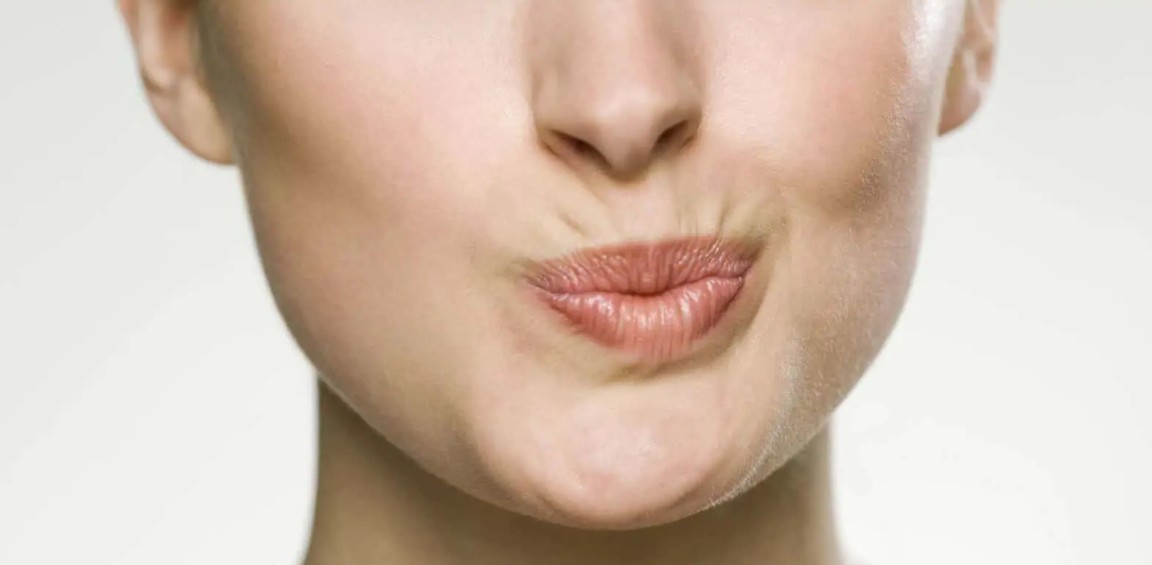
How Do Upper Lip (Smoker’s) Lines Fade?
Upper lip lines are the fine vertical wrinkles that appear just above the upper lip, popularly known as smoker’s lines or barcode lines. These lines deepen over time due to the constant contraction of the muscles around the mouth, collagen loss, sun damage and especially the habit of smoking. Initially visible only when talking or smiling, these lines can become prominent even when the face is at rest in later stages. So what exactly are upper lip lines, why do they form, how does smoking trigger them, with which methods do they fade and how lasting are the treatment results? In this comprehensive guide, we address all these questions in detail.
What Are Upper Lip (Smoker’s) Lines?
Upper lip lines are the fine and superficial wrinkles running vertically in the area between the upper lip and the nose. The repeated contractions of the ring-shaped orbicularis oris muscle surrounding the mouth cause the skin to fold in this area and, over time, permanent lines to settle. The skin here is quite thin and has little fat support; for this reason wrinkles appear earlier and more prominently in this region. Because smoking, sipping and pursing movements increase this contraction, the lines are called “smoker’s lines.” Superficial in the early stage, these lines can deepen as collagen decreases and turn into prominent lines that even makeup settles into.
Why Do These Lines Form?
Not a single cause but several mutually reinforcing factors play a role in the formation of upper lip lines. Collagen and elastin production that decreases with age causes the skin to lose its elasticity and fullness. The constant movement of the muscles around the mouth creates repeated folds in the skin. The sun’s ultraviolet rays accelerate the process by breaking down collagen fibers. Genetic predisposition, thinness of skin type and low moisture level are also decisive. When smoking, insufficient water intake and an unbalanced diet are added to these, the lines become prominent at an earlier age. In other words, upper lip lines are a joint result of both intrinsic aging and external habits.
How Does Smoking Trigger Upper Lip Lines?
The effect of smoking on upper lip lines is twofold. The first is mechanical: the repeated pursing of the lips while smoking constantly works the muscles around the mouth, accelerating the settling of the lines. The second is biological: the toxins in cigarette smoke constrict the skin’s blood vessels, reducing the flow of oxygen and nutrients to the tissue. This suppresses collagen and elastin production and also breaks down existing fibers. As a result, the skin becomes thinner, duller and loses its elasticity. Smoking also triggers oxidative stress by increasing free radicals in the body. Therefore, in long-term smokers, upper lip lines appear much earlier and deeper than in non-smokers of the same age.
What Is the Difference Between Static and Dynamic Lines?
Upper lip lines are divided into dynamic and static because this directly affects the treatment plan. Dynamic lines appear only when talking, smiling or pursing the lips; they largely disappear when the face is at rest. Since these lines are related to muscle movement, they respond well to muscle-relaxing treatments such as botox. Static lines, on the other hand, are visible even when the face is motionless, because there is a permanent loss and collagen decrease in the skin structure. For such lines, botox alone is not enough; methods that restructure the skin such as filler, laser or microneedling are needed. Correct treatment begins with determining which type the line is.
Who Gets Upper Lip Lines More Often?
Although upper lip lines can occur in everyone, they appear earlier and more prominently in some people. Long-term smokers, fair-skinned and thin-skinned people, those with heavy sun exposure and those with a genetic predisposition are in the risk group. In women, because the skin of the upper lip is thinner than in men and there is little hair follicle support, the lines are seen more frequently. The drop in estrogen after menopause also accelerates the process by increasing skin thinness. In addition, in people who repeat lip-pursing movements such as frequently drinking through a straw or playing wind instruments, these lines become prominent early. Lifestyle is the most important factor determining this picture.
Which Treatments Are Applied for These Lines?
There is no single method in the treatment of upper lip lines; different options are preferred according to the depth and type of the line. For dynamic lines, botox, which slightly relaxes the muscles around the mouth, stands out. For static and deep lines, hyaluronic acid filler applications fill the line by adding volume. Fractional laser, dermapen microneedling and chemical peeling are used to improve skin quality. In most cases, the best result is achieved by combining these methods in a personalized way. The treatment plan is created by a specialist at Zen Polyclinic by evaluating age, skin structure, line depth and expectations.
How Does Botox Work on Upper Lip Lines?
Botox works on upper lip lines by softening the excessive contraction of the orbicularis oris muscle around the mouth. Botox applied to this area is given in very low doses and superficially so as not to impair lip function; this technique is generally called a “lip flip” or micro botox approach. When the muscle relaxes, the repeated folding of the skin decreases and dynamic lines soften. Botox is especially effective on early-stage, fine lines that appear with movement. However, correct dose adjustment is critical; excessive application can affect lip movements and speech. For this reason, the area is a delicate zone requiring experience and must be treated in expert hands.
How Are Upper Lip Lines Corrected With Filler?
One of the most effective methods for static and deepened upper lip lines is hyaluronic acid-based filler application. Thin, fluid fillers are placed right inside the line to support the tissue from within and smooth the surface. Thus the line is both filled and the skin is given moisture and fullness. When needed, lip filler gently supports the upper lip, defining the lip-skin border and making the lines less visible. Filler stands out by making the result visible immediately and providing a natural fullness. Because of the thin skin structure of the area, the application requires care and correct product selection.
Botox or Filler: Which Is Suitable?
Whether botox or filler is preferred for upper lip lines depends on the type of line. Botox is more suitable for dynamic lines that appear only when talking or pursing the lips, because the source of the problem is muscle movement. For static lines that are visible even when the face is motionless, filler is needed, because there is a loss of volume and collagen here. In most people, these two conditions exist together; therefore botox and filler are usually planned together to complement each other. To learn the differences between botox and filler in more detail, you can review our article on the difference between botox and filler. The right choice becomes clear with a specialist evaluation.
Does Fractional Laser Work on These Lines?
Fractional laser holds an important place in the treatment of upper lip lines with its skin-renewing effect. The laser creates microscopic heat channels in the skin, starting a controlled repair process; in this process, the production of new collagen and elastin is triggered. Thus the skin gradually thickens, firms and the fine lines on the surface soften. It provides significant benefit especially in fine and moderate-depth lines related to smoking. Unlike volume- or muscle-focused methods such as filler and botox, the laser directly improves skin quality. Several sessions are usually needed and the result appears gradually over weeks. Choosing the laser and parameters suitable for the skin type determines success.
Are Dermapen and Microneedling Effective?
Microneedling performed with dermapen is an effective method that stimulates the skin in the upper lip area and increases collagen production in fine lines. The very fine needles at the tip of the device open micro channels on the skin surface; while the body repairs these micro injuries, it produces new collagen and elastin. As a result, the skin gains a smoother, firmer and fuller appearance. Microneedling also allows applied serums and growth factors to penetrate deeper into the skin. This method is preferred for superficial lines and for improving overall skin quality. It is usually applied as a series of sessions and the result becomes more holistic when combined with filler or laser.
Is Chemical Peeling Used for Upper Lip Lines?
Chemical peeling plays a supportive role in the treatment of upper lip lines by renewing the skin surface. The applied acid solutions peel off the dead and worn upper layer in a controlled manner; this reveals a smoother, more vibrant and even skin surface. Peeling also reduces the appearance of fine lines by stimulating collagen production in the lower layers. It is especially useful for lines seen together with sun damage and a dull skin tone. The depth and content of the peel are determined according to the skin type; incorrect application carries the risk of irritation and pigmentation. For this reason, the application should be done under specialist supervision in a way that protects the skin barrier. It is usually planned together with other methods.
How Are Treatments Combined?
The most satisfying result for upper lip lines is usually achieved not with a single method but with a combined approach. For example, low-dose botox to soften dynamic movement, hyaluronic acid filler to fill the line, and fractional laser or microneedling to improve skin quality can be planned together. These treatments are performed not in the same session but in the correct order and intervals. For example, skin quality is first improved with laser, then volume is completed with filler. Because the combination addresses both the source of the line and its surface appearance at the same time, it gives a more natural and long-lasting result. The personalized combination plan must always be created by a specialist.
What Should Be Considered Before the Procedure?
Some simple preparations before upper lip line treatment improve the result and safety. If there is active cold sore (herpes), acne or skin irritation in the treatment area, this should be reported to the physician in advance; a history of cold sores is especially important before filler. Blood thinners, aspirin or some herbal supplements may increase the risk of bruising, so the doctor should be consulted. It is beneficial to avoid alcohol and intense sun for a few days before the procedure. It is recommended that the skin be clean and free of makeup before the session. In addition, it is important for the person to come with realistic expectations and to inform the specialist of previous aesthetic procedures for the most appropriate plan to be created.
How Is the Procedure Performed?
Upper lip line treatment, although it varies according to the chosen method, is generally a short and comfortable procedure. The application begins with cleansing the area and, if needed, applying a local anesthetic cream. In botox, a low dose is injected into the muscle with very fine needles; the procedure takes a few minutes. In filler, hyaluronic acid is placed inside the line with a fine cannula or needle. In laser or microneedling, the device is moved over the area to stimulate the skin. Most applications are completed within 15-30 minutes and the person quickly returns to daily life. At Zen Polyclinic, the procedure is performed meticulously by experienced specialists, taking into account the thin skin structure of the area.
What Is the Recovery Process After the Procedure?
In upper lip line treatment, the recovery process is generally short depending on the applied method. After botox, mild redness or small swelling may rarely occur; the person returns to daily life the same day. After filler, mild swelling, tenderness or rarely bruising that can last a few days may be seen in the area. After laser and peeling, there may be redness, mild flaking and dryness in the skin for a few days. During this period, it is important not to rub the area, protect it from the sun and moisturize it. It is recommended to avoid hot environments, sauna and intense exercise in the first days. When the given care recommendations are followed, recovery proceeds smoothly and the result settles more quickly.
When Do Results Appear and How Long Do They Last?
In upper lip line treatment, when the result appears and how long it lasts vary according to the method. The filler result is visible almost immediately and generally lasts 6-12 months. The effect of botox begins within 3-7 days and lasts an average of 3-4 months. In laser and microneedling, the result develops gradually; it becomes apparent over weeks as new collagen is produced and is preserved longer with a series of sessions. No method is permanent because aging and muscle movement continue. Periodic maintenance sessions are recommended to preserve the result. Quitting smoking, protecting against the sun and regular skin care significantly extend the effect.
What Are the Side Effects of the Treatments?
Upper lip line treatments are safe procedures with a low risk of side effects when applied correctly. After botox, temporary redness, mild headache or rarely temporary weakness in lip movements may be seen. The most common effects after filler are mild swelling, tenderness and bruising; these pass within a few days. Rarely, irregularity or asymmetry may occur; since hyaluronic acid fillers can be reversed with a dissolving enzyme when needed, this situation can be corrected. Temporary redness and flaking after laser and peeling are normal. Serious side effects are quite rare and largely depend on the practitioner’s experience. Therefore the procedure must be performed under sterile conditions and in expert hands.
Can Upper Lip Lines Be Prevented at Home?
Although the formation of upper lip lines cannot be completely stopped, it can be significantly delayed with the right habits. Quitting smoking is the most important step, as it eliminates both the mechanical pursing movement and the negative effect on the blood vessels. Daily use of high-factor sunscreen slows collagen breakdown. Keeping the skin moisturized, adequate water intake and a diet rich in antioxidants support the skin from within. Reducing habits such as drinking through a straw or constant lip pursing is also beneficial. Ingredients that support collagen such as retinol and vitamin C can be added to the care routine with specialist advice. However, home care alone is not enough for established lines.
How Should Proper Skin Care Be?
The thin and sensitive skin of the upper lip area greatly benefits from regular and correct care. In the morning routine, an antioxidant serum and a broad-spectrum sunscreen protect the skin against environmental damage. In the evening routine, moisturizer and retinol-containing products used with specialist advice support cell renewal and collagen production. It is necessary to avoid rubbing the area harshly and aggressive peeling products. Regular medical skin care strengthens the skin barrier and reinforces the result of the applied treatments. At Zen Polyclinic, a care program suitable for your skin structure is recommended, both reducing the appearance of existing lines and delaying the formation of new ones.
Who Is Not Suitable for These Lines?
Although upper lip line treatments are generally safe, in some situations they should be postponed or not applied. Botox and filler are not recommended during pregnancy and breastfeeding. In people with active cold sores, infection, open wounds or severe acne in the treatment area, the procedure is delayed until this condition resolves. Caution should be exercised in people with bleeding disorders, uncontrolled chronic diseases or allergies to the products used. A tendency to keloids and some autoimmune diseases should also be evaluated in terms of laser and peeling. Therefore, a detailed health assessment and physician approval before treatment are essential. Correct candidate selection is the first step that increases both safety and satisfaction.
Common Misconceptions
There are many misconceptions about upper lip lines. The most frequently heard is the idea that these lines only appear at an advanced age; in fact, they can become prominent even in the thirties with the effect of smoking and sun. Another misconception is the expectation that a single application will completely and permanently erase the lines; in reality, most cases require a combined and periodic approach. The claim that “cream completely removes deep lines” is also not realistic; creams are preventive and supportive. The fear that botox will leave the lip motionless in this area is also not true; when the low dose is applied correctly, lip function is preserved. Accurate information should be obtained from a reliable specialist.
What Factors Determine the Price of Treatment?
The price of upper lip line treatment is not fixed; it varies depending on many factors. The chosen method (botox, filler, laser, microneedling or combination), the depth and number of lines, the brand and quality of the product used and the number of sessions needed directly affect the price. In addition, the equipment of the clinic where the procedure is performed and the experience of the practitioner are also decisive. Instead of focusing on the lowest price, product quality, sterility and practitioner competence should be prioritized, because in this delicate area, results and safety depend directly on these. A precise price can only be given after a face-to-face evaluation and a personalized plan.
Realistic Expectations
The key to being satisfied with upper lip line treatment is to approach it with realistic expectations. These treatments significantly soften the lines, improve skin quality and provide a younger, rested appearance around the mouth; however, it may not always be possible to completely reset very deep lines established over years. Results vary according to the person’s age, skin structure and lifestyle. In people who continue to smoke, the durability of the result decreases. It is best to define the goal not as “eliminating” the lines but as providing a natural and balanced improvement by reducing their appearance. Evaluated with this perspective, the satisfaction rate is quite high.
Why Is the Right Practitioner So Important?
Because the upper lip area is one of the thinnest and most mobile regions of the face, choosing the right practitioner is critically important. Knowing the vascular and muscular structure in this area well, balancing the dose and amount of product and achieving a natural result requires experience. An incorrect botox dose can affect lip movement; an incorrect filler technique can lead to rare but serious problems such as irregularity or vascular occlusion. For this reason, the application should be performed by a certified and experienced specialist who knows the anatomy, under sterile conditions and with quality products. At Zen Polyclinic, all procedures are carried out meticulously and with a priority on safety after a detailed evaluation.
Upper Lip Line Treatment at Zen Polyclinic
At Zen Polyclinic, upper lip line treatment begins with a personalized evaluation. Your skin structure, the type and depth of the lines and your expectations are analyzed to create the most appropriate plan among botox, filler, laser and microneedling options. At our clinic in Istanbul Ataşehir, medical aesthetic treatments are performed safely with up-to-date devices and an experienced specialist team. As a related topic, you can also review our guide on nasolabial smile lines filler. To learn the most suitable method for your upper lip lines and to schedule a free preliminary evaluation, you can contact the Zen Polyclinic team.
Conclusion: Do Upper Lip Lines Fade?
Upper lip (smoker’s) lines can be significantly softened and their appearance considerably reduced with the right method or combination of methods. Botox for dynamic lines, filler for static lines, and fractional laser and microneedling for skin quality are effective options. The durability of the results is significantly extended by quitting smoking, protecting against the sun and regular skin care. Correct candidate selection, a quality product and an experienced practitioner are the most important factors determining the result in this delicate area. When approached with realistic expectations, these treatments give a younger and more rested appearance to the area around the mouth. The most accurate way to learn the right path for you is an expert evaluation.
Frequently Asked Questions (FAQ)
Why do upper lip lines form?
These lines form from a combination of factors such as collagen production that decreases with age, the constant movement of the muscles around the mouth, sun damage and smoking. Because the skin is thin in this area, the lines become prominent earlier.
Do upper lip lines fade completely?
It may not always be possible to completely reset very deep lines established over years. However, with a combination of botox, filler, laser and microneedling, the lines are significantly softened and their appearance considerably reduced.
Is botox or filler better for upper lip lines?
Botox is preferred for dynamic lines that appear only with movement, while filler is preferred for static lines visible even when the face is at rest. Since both conditions coexist in most people, the two are usually planned together.
Does quitting smoking reduce the lines?
Quitting smoking slows the formation of new lines and supports skin health from within. It does not erase existing deep lines on its own, but it helps preserve the results of the applied treatments for longer.
How long do the treatment results last?
Filler is generally effective for 6-12 months and botox for an average of 3-4 months. The effect of laser and microneedling lasts longer with a series of sessions. No method is permanent; periodic maintenance is recommended to preserve the result.
Does upper lip botox impair lip movement?
When applied correctly and in a low dose, lip function is preserved. Superficial and small amounts of botox are given in this area. Only an excessive dose or incorrect technique can affect speech and lip movements, so choosing a specialist is important.
Is the procedure painful?
The applications are generally well tolerated. If needed, a local anesthetic cream is applied beforehand to increase comfort. Very fine needles are used in botox and filler; the sensation is brief and most people complete the procedure comfortably.
Who is not suitable for upper lip line treatment?
The procedure is postponed during pregnancy and breastfeeding and in those with active cold sores, infection or severe acne in the area. Caution is needed in people with bleeding disorders, uncontrolled chronic diseases or product allergies, and a physician evaluation should be done first.