Does PRP Treatment Stop Hair Loss? How Is It Applied?
PRP treatment is a non-surgical hair support treatment that aims to strengthen the hair roots and reduce hair loss by injecting platelet-rich plasma, obtained from the person’s own blood, into the scalp. It stands out as a natural and low-risk option for many people struggling with hair loss. So what exactly is PRP treatment, does it really stop hair loss, how is it applied and for whom is it suitable? In this comprehensive guide, we address all these questions in detail.
What Is PRP Treatment?
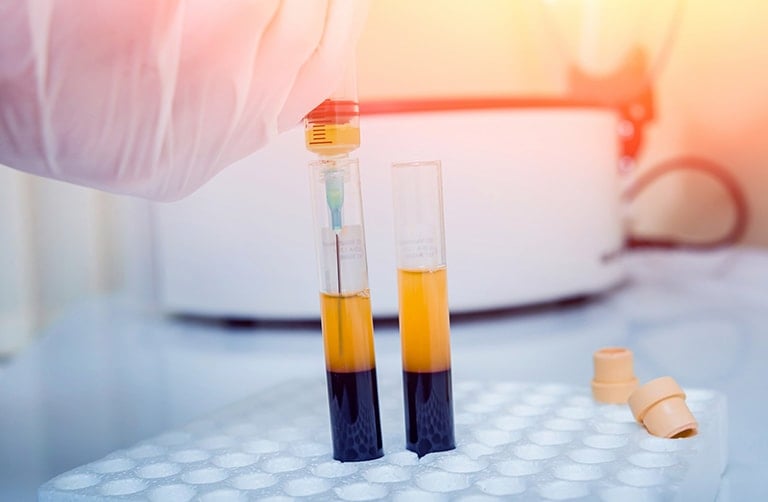
PRP treatment stands for “platelet-rich plasma.” In this treatment, a small amount is taken from the person’s own blood and processed through a special centrifuge to separate the platelet-rich plasma. This obtained plasma is rich in growth factors and stimulates the hair roots when injected into the scalp. Since PRP uses the person’s own blood, it is a natural and low-risk method. It is widely preferred to reduce hair loss, strengthen existing hair and support the health of the scalp. It can be applied alone or in combination with other methods.
How Does PRP Work?
The working principle of PRP is based on the growth factors contained in the platelets. Platelets secrete growth factors that play a role in the body’s natural healing processes and support tissue repair. The platelet-rich plasma injected into the scalp revitalizes the tissue around the hair roots, increases blood circulation and supports healthier hair production by stimulating the hair follicles. This process can contribute to reducing loss while making existing hair grow stronger and thicker. PRP aims to strengthen the hair roots before they are lost; for this reason, it can be more effective when applied at an early stage.
Does PRP Stop Hair Loss?
The effect of PRP treatment on hair loss depends on the type and cause of the loss. PRP can help reduce and slow hair loss by strengthening the hair roots, especially in early and moderate hair loss. However, PRP is not a miracle and does not completely stop loss on its own in every case. In areas with advanced, completely lost hair roots, the effect of PRP is limited. PRP gives the best result when applied at an early stage, while the hair roots are still alive. For a realistic evaluation, the cause and degree of the loss must be examined by an expert. This is the key to managing expectations correctly.
In Which Types of Hair Loss Is It Effective?
PRP treatment can play a supportive role in various types of hair loss. It can be effective especially in the early stages of androgenetic (male-pattern and female-pattern) hair loss, in temporary loss such as telogen effluvium and in cases of hair thinning. It can also be used to support the scalp in loss due to stress, hormonal changes or nutritional deficiencies. However, in completely bald areas or in cases where the hair roots are completely lost, PRP does not create new hair. For this reason, which type and stage of loss PRP is suitable for is always determined with a detailed evaluation. Correct indication determines the success of the result.
How Is PRP Applied?
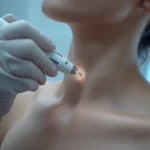
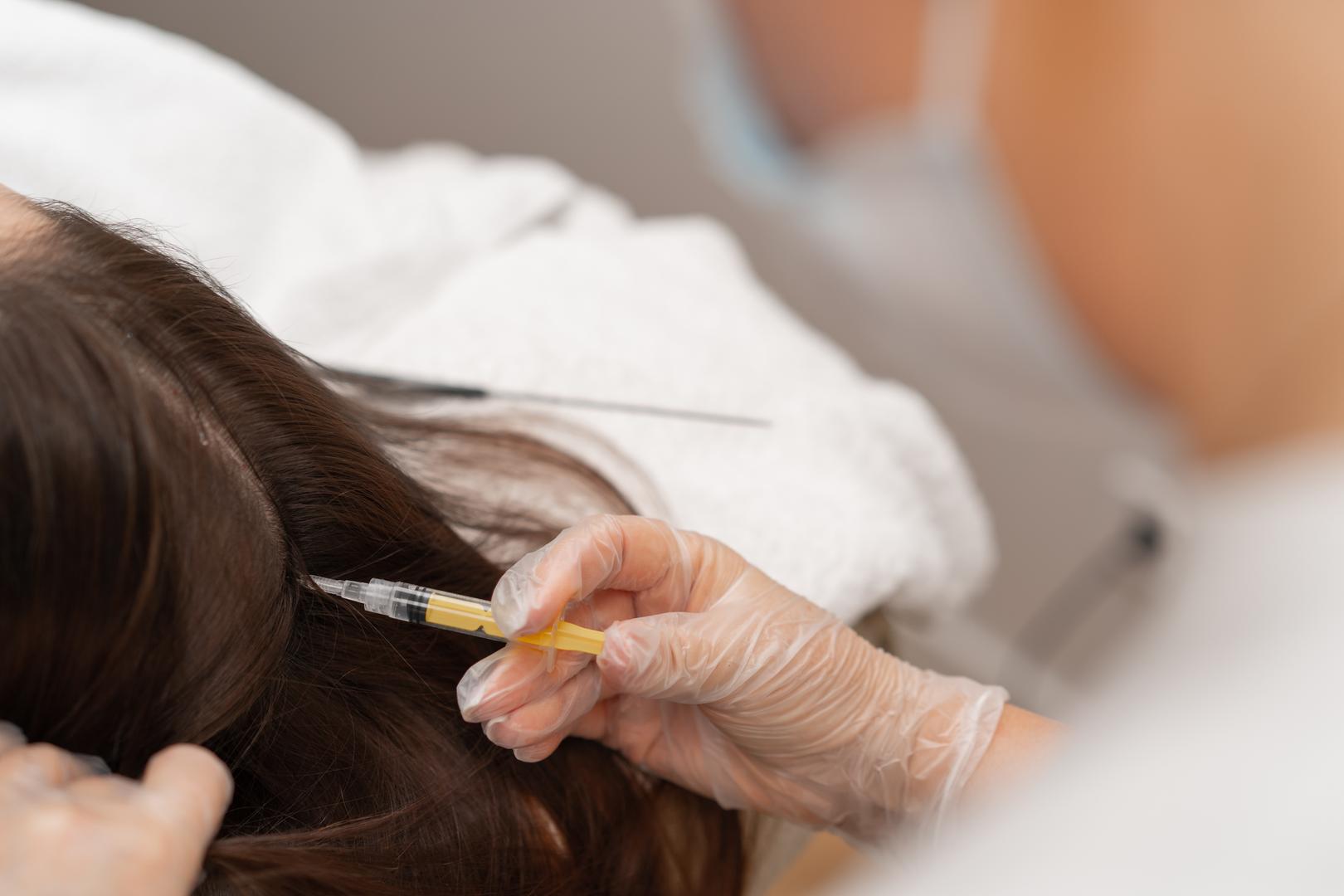
The PRP application is a comfortable procedure performed in a clinical setting in a few steps. First, a small amount of blood is taken from the person; this process is like a routine blood draw. The blood taken is spun in a special centrifuge device to separate the platelet-rich plasma. The obtained plasma is injected into the scalp, into the areas where there is hair loss, with fine needles. The procedure usually lasts between half an hour and one hour. Before the application, numbing cream can be used to increase comfort. After the procedure, the person can immediately return to daily life; it does not require a long recovery time. This practicality is an important feature that makes PRP attractive.
Is the Application Painful?
The PRP application is generally a well-tolerated, comfortable procedure. Since the injections are made with fine needles, there may be a mild prickling or discomfort sensation. To increase comfort, numbing cream can be applied to the scalp before the application; this makes the procedure more comfortable. During the procedure, most people describe only a mild sensation. After the application, there may be temporary redness or sensitivity in the scalp, but these resolve in a short time. In general, PRP is a procedure with a low pain level and high tolerability. This comfort makes PRP a treatment that can be repeated regularly.
How Many Sessions Are Needed?
The number of sessions needed in PRP treatment varies according to the degree of hair loss and the individual response. Usually, a course of several sessions at certain intervals is applied at the beginning. After the first course, periodic maintenance sessions may be recommended to preserve the results. Expecting a noticeable result in a single session is not realistic; PRP gives the best result with a regular and completed course. The expert offers a personalized session plan and a realistic timeline at the first evaluation. Sticking to the plan and not skipping sessions is of great importance for both reducing loss and supporting hair health.
When Are Results Seen?
The results of PRP treatment appear not instantly but over time, because the strengthening of the hair roots and the improvement of the hair cycle are a biological process. The first noticeable changes usually begin a few sessions later, with the reduction of loss. The growth of stronger and thicker hair is seen gradually within a few months. Periodic maintenance sessions may be needed to preserve the results. Being patient and trusting the natural course of the process is the most correct approach in PRP. A gradual, natural and sustainable improvement in hair health is targeted, not an instant transformation. For this reason, regularity and patience are important together.
The Advantages of PRP
The most important advantage of PRP treatment is that it is natural and low-risk because it uses the person’s own blood. Since it does not contain a foreign substance, the risk of an allergic reaction is quite low. The application is non-surgical, requires no incision and has no long recovery time; the person can immediately return to daily life. PRP can be combined both alone and with other methods such as hair transplantation or mesotherapy. Strengthening the hair roots and supporting the health of the scalp make it a valuable part of a comprehensive hair health plan. These advantages make PRP an attractive option for many people.
The Difference Between PRP and Hair Mesotherapy
PRP and hair mesotherapy are often confused but are different methods. While PRP uses platelet-rich plasma obtained from the person’s own blood, hair mesotherapy is the injection of special mixtures containing vitamins, minerals and amino acids into the scalp. Both methods aim to support the hair roots and reduce loss, but their content and mechanisms are different. In some cases, these two methods can be combined in a complementary way. Which method or combination is suitable is determined by the expert according to the person’s hair condition. The right choice increases the success of the result.
PRP and Growth Factor Treatment
Another method used to support hair health is growth factor treatment. This method supports hair production by delivering growth factors that stimulate the hair roots to the scalp. PRP also already benefits from growth factors; however, growth factor treatments can offer different content and concentrations. In some cases, PRP and growth factor approaches can be combined to support hair health more strongly. Which method or combination is suitable for the person is determined by evaluating the cause and degree of hair loss. This personalized approach provides the best result.
Are PRP and Hair Transplantation Used Together?
PRP is a complementary method that can also be used together with hair transplantation. PRP applied after hair transplantation supports the faster and healthier attachment of the transplanted grafts, while it can also contribute to strengthening the existing hair roots. For this reason, in many cases hair transplantation and PRP are planned together. PRP can improve the overall result by supporting the recovery of the transplanted area. However, when and how PRP will be combined with hair transplantation is determined by the expert in a personalized way. This combination supports both post-transplant recovery and long-term hair health.
For Whom Is It Suitable?
PRP treatment is suitable for people experiencing early and moderate hair loss who want to strengthen their hair roots and reduce loss. It is ideal for those with hair thinning, those who want to support hair transplantation, or those seeking a natural hair support treatment. Since PRP gives the best result while the hair roots are still alive, those who apply at the early stage of loss benefit more. The best candidates are people with realistic expectations who are willing to continue regular sessions. Suitability is always determined with a detailed evaluation and planned in a personalized way. Correct candidate selection directly affects the success of the result.
For Whom Is It Not Suitable?
Although PRP is safe for most people, in some cases it should not be applied or should be postponed. Blood diseases, platelet disorders, active infection, some chronic conditions and the use of blood-thinning medications are situations that require caution. The application should also be evaluated with an expert during pregnancy and breastfeeding. In addition, in completely bald areas where the hair roots are lost, PRP does not create new hair; in these cases, alternatives such as hair transplantation are evaluated. For this reason, the health history is carefully evaluated before each application. An expert physician determines whether the person is suitable for PRP and creates the safest, most appropriate plan.
Nutrition and Hair Health
Hair health is supported not only by treatments applied externally but also from within. Nutrients such as iron, zinc, biotin, vitamin D and adequate protein are of critical importance for the health of the hair roots. A deficiency of these nutrients can trigger or worsen hair loss. Balanced nutrition supports the effect of treatments such as PRP from within and strengthens hair health. In some cases, when the nutritional deficiencies underlying the loss are identified and addressed, the results improve noticeably. For this reason, nutritional factors should also be considered when evaluating hair loss. The combination of internal and external support gives the best result.
Stress and Hair Loss
Stress is an often-overlooked but important trigger of hair loss. Intense or chronic stress can lead to a common loss called telogen effluvium by disrupting the hair cycle. In this type of loss, managing stress is an important part of the treatment. PRP can support the scalp in stress-induced loss, but the best result is achieved by also bringing the stress under control. Adequate sleep, relaxation techniques and a healthy lifestyle both reduce stress and support hair health. A holistic approach addresses all the factors underlying the loss and provides a more lasting result.
Is PRP Safe?
Since PRP uses the person’s own blood, it is generally a safe and low-risk method. Since it does not contain a foreign substance, the risk of an allergic reaction and rejection is quite low. However, to ensure safety, it is essential that the application is performed under sterile conditions and in experienced hands. The quality of the kits and devices used is also important. The health history should be evaluated and the person’s suitability checked before each application. At Zen Polyclinic, the PRP application always starts under hygienic conditions and with a detailed evaluation. When performed under the right conditions, PRP is a comfortable and reliable hair support treatment. Safety is always the priority.
Post-Treatment Care
After the PRP application, correct care of the scalp supports the quality of the result. On the first day after the application, it is recommended to avoid washing the scalp and irritating products. Very hot environments, intense exercise and direct sun exposure may be limited for a few days. Following the personalized instructions given by the expert increases both comfort and the effectiveness of the application. There may be temporary redness or sensitivity in the scalp, but these resolve in a short time. Regular care and healthy hair habits support the effect of PRP and help preserve the results. These simple steps contribute to the success of the process.
Realistic Expectations
PRP treatment strengthens the hair roots, can reduce loss and supports hair health; however, it does not bring back completely lost hair and is not a miracle. Approaching with realistic expectations is essential for both satisfaction with the process and proper planning. Results vary from person to person, according to the type and degree of loss. PRP gives the best result at an early stage and while the hair roots are still alive. The expert honestly shares achievable goals at the first evaluation. This transparent approach prevents disappointment and ensures the process proceeds with the right expectations. Realistic expectations are the foundation of satisfaction.
Choosing the Right Clinic
The safety and outcome of the PRP application are directly related to choosing the right clinic and an experienced specialist. Sterile conditions, the quality of the kits and devices used, and the specialist’s experience must be evaluated. Applications performed in uncontrolled settings both carry a risk of infection and may not give the expected result. A clinic that provides transparent information, offers realistic expectations and carefully evaluates the health history should be preferred. Choosing the right clinic is the most important step to be taken for both a safe process and a satisfying result. This choice directly determines the quality of the result.
The Duration and Repetition of PRP
The effect of PRP treatment is more of a maintained support than a permanent treatment. After the first course is completed, periodic maintenance sessions are recommended to preserve the results obtained. The frequency of these maintenance sessions is determined according to the condition of the loss and the individual response; they can usually be repeated every few months. Regular maintenance ensures that the hair roots continue to be supported and that the results are maintained. Seeing PRP not as a one-time solution but as a regular support aimed at maintaining hair health is a realistic approach. This continuity is valuable for long-term hair health and supports the result.
PRP and Lifestyle
For PRP treatment to give the best result, it is important that it is supported by a healthy lifestyle. Balanced nutrition, adequate sleep, stress management and staying away from smoking support hair health from within and strengthen the effect of PRP. If there are nutritional deficiencies or hormonal problems underlying the hair loss, these must also be addressed. PRP gives the best result as part of a holistic hair health approach. Instead of seeing the application as a solution on its own, combining it with healthy lifestyle habits is the most correct approach for both reducing loss and maintaining hair health.
PRP Treatment in Women
PRP treatment is also a valuable option for women experiencing female-pattern hair loss and hair thinning. In women, hair loss is usually seen as widespread thinning in the crown and middle area of the hair; complete baldness is rare. In this case, PRP can help the thinning hair grow healthier and reduce loss by strengthening the hair roots. Hormonal changes, the post-pregnancy period or nutritional deficiencies can trigger loss in women; these factors are also evaluated. PRP, as a natural and low-risk hair support treatment in women, gives the best result when applied as part of a holistic plan.
PRP and the Hair Cycle
Hair is renewed in a cycle consisting of certain phases: growth (anagen), transition (catagen) and resting (telogen). Hair loss is often associated with the disruption of this cycle. PRP can contribute to the healthier functioning of the hair cycle by stimulating the hair roots and the surrounding tissue. Growth factors can support the transition of follicles in the resting phase back to the growth phase. For this reason, PRP helps not only to reduce loss but also to balance the hair cycle. Understanding the hair cycle makes it easier to grasp how PRP works and why it gives results over time.
Preparation Before PRP
Preparation for the PRP application is quite simple and does not require a special pre-procedure. Drinking plenty of water before the application supports the blood draw and the quality of the plasma. If blood-thinning medication is used or there is a health condition, these must be shared with the expert. Avoiding alcohol and smoking before the application can positively contribute to the quality of the result. It is enough for the scalp to be clean; special preparation is not required. The expert gives personalized preparation recommendations at the first evaluation. These simple steps support both the comfort of the application and the efficiency of the result obtained.
Frequently Raised Concerns
The most frequently raised concerns about PRP are whether the procedure is painful, whether it really works and whether it is safe. The procedure is generally comfortable and can be relieved with numbing cream. Since it uses the person’s own blood, it is low-risk in terms of safety. Whether PRP works depends on the type and stage of the loss; it is more effective at an early stage. Another common concern is how long it will take to see results; this is a gradual process and requires patience. All these concerns are addressed with detailed information before the application, ensuring that the person experiences the process with the right expectations.
The Effect of PRP on Scalp Health
PRP not only reduces hair loss; it also supports the overall health of the scalp. The growth factors delivered to the scalp increase circulation, revitalize the tissue and allow the hair follicles to work in a healthier environment. A healthy scalp is the foundation of strong and lively hair. PRP can support the scalp in problems such as dryness, sensitivity or weak follicle activity. For this reason, seeing PRP not only as a treatment for loss but as an application that holistically supports scalp health is a correct approach. A healthy scalp is the key to long-term hair health.
PRP Treatment at Zen Polyclinic
At Zen Polyclinic, PRP treatment is a process that starts with a detailed evaluation and is personally planned. At our clinic in Istanbul Ataşehir, the most suitable PRP plan for you is created by evaluating the type, degree and cause of hair loss. When necessary, PRP is combined with methods such as hair mesotherapy, growth factor or hair transplantation. Our aim is to strengthen your hair roots, reduce loss and support your hair health in a natural and safe way. You can contact us to create a personalized plan for your hair loss.
Conclusion
PRP treatment is a natural and low-risk hair support treatment that strengthens the hair roots with platelet-rich plasma obtained from the person’s own blood and helps reduce loss. In early and moderate loss, it gives the best result while the hair roots are still alive; however, it does not bring back completely lost hair. The best result is achieved with a regular course, healthy lifestyle habits and realistic expectations. When necessary, it can be combined with other methods. You can contact Zen Polyclinic to create a personalized evaluation and plan for your hair loss.
Frequently Asked Questions (FAQ)
Does PRP completely stop hair loss?
PRP can reduce and slow loss by strengthening the hair roots, especially in early and moderate loss, but it does not completely stop it on its own in every case. Its effect is limited on completely lost hair roots; it gives the best result at an early stage.
How is PRP applied?
First, a small amount of blood is taken from the person, platelet-rich plasma is separated with a centrifuge, and this plasma is injected into the scalp with fine needles. The procedure lasts half an hour to one hour, and numbing cream can be used to increase comfort.
How many sessions are needed?
Usually, a course of several sessions at certain intervals is applied at the beginning, then periodic maintenance sessions may be recommended to preserve the results. The expert offers a personalized plan at the first evaluation.
Is PRP painful?
It is generally a well-tolerated, comfortable procedure. Since fine needles are used, there may be a mild sensation; comfort is increased with numbing cream before the application. Afterward there may be temporary redness, which resolves quickly.
When are results seen?
Results appear over time. The first noticeable changes begin a few sessions later with the reduction of loss; the strengthening of the hair is seen gradually within a few months. Patience is needed.
Is PRP safe?
Since it uses the person’s own blood, it is generally safe and low-risk; the risk of allergy and rejection is low. Sterile conditions and experienced application are essential for safety. The health history is evaluated before each application.
Is PRP used together with hair transplantation?
Yes, PRP is a method that complements hair transplantation. PRP applied after transplantation can support the attachment of the grafts and the recovery. When it will be combined is determined by the expert in a personalized way.
For whom is PRP not suitable?
Caution is required in conditions such as blood diseases, platelet disorders, active infection and the use of blood thinners. In completely bald areas, PRP does not create new hair. Suitability is always determined with an evaluation.