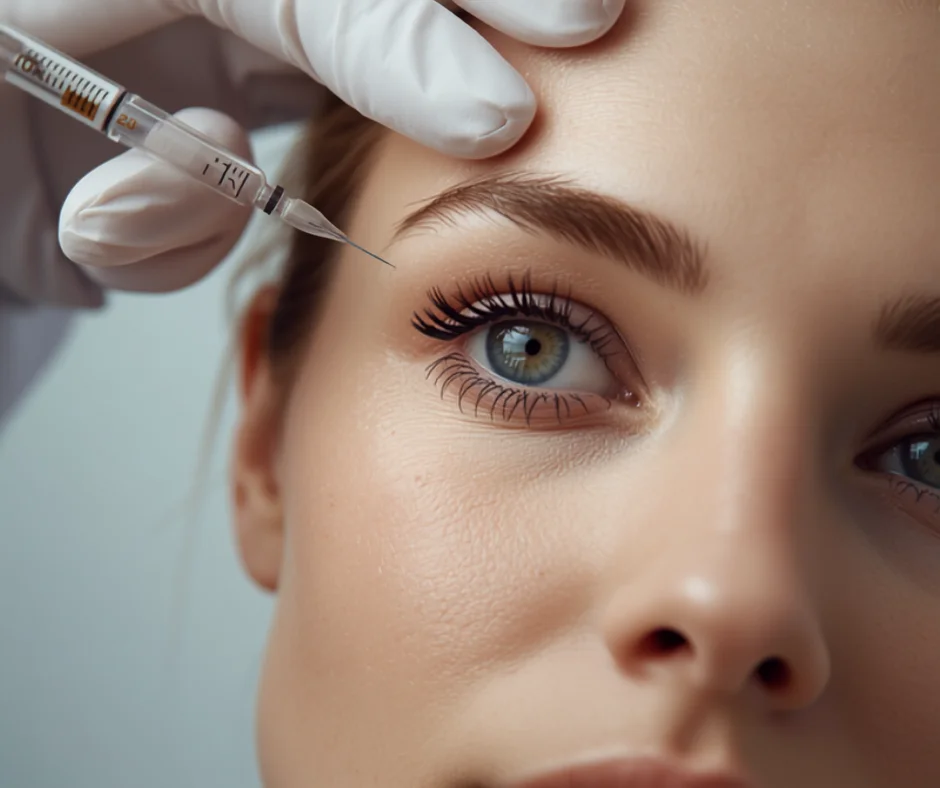
What Is Preventive Botox? At What Age Should You Start?
Preventive botox is a botulinum toxin treatment applied in low doses before permanent lines settle into the face, in order to delay the folding marks that facial muscles leave on the skin. While classic botox aims to soften existing wrinkles, preventive botox aims to slow the transformation of not-yet-deepened dynamic lines into static wrinkles (those visible even without making an expression). Forehead lines, the glabella (frown) line between the eyebrows and crow’s feet around the eyes are the areas where this approach is most often used. So what exactly is preventive botox, does it really prevent wrinkles, at what age should you start, what doses are used, how often is it repeated and does it negatively affect facial expression in the long run? In this comprehensive guide, we address all these questions in detail.
What Is Preventive Botox?
Preventive botox is a treatment that partially reduces the contraction strength of the facial muscles while a wrinkle has not yet become a permanent line, thereby limiting repeated folding of the skin at the same point. Botulinum toxin temporarily suppresses the release of acetylcholine travelling from the nerve ending to the muscle, so the muscle works more softly. The goal is not to leave the muscle completely immobile, but to moderately brake excessive and repetitive contraction. For this reason the dose used in the preventive approach is markedly lower than in classic applications. At Zen Polyclinic, preventive botox planning is done individually by evaluating the patient’s expression habits, skin thickness and existing line depth. It is one of the most frequently chosen entry treatments among botox procedures.
What Is the Difference Between Preventive and Classic Botox?
Both treatments use the same active substance; the difference lies in the purpose, dose and timing. Classic botox is mostly applied to soften lines that have already become pronounced, and doses that limit muscle movement more strongly may be required. Preventive botox, on the other hand, steps in while the line is still superficial or only visible with movement; the number of units used is low and the goal is to preserve natural expression. In short, classic application follows the logic of “correcting what exists”, while the preventive one follows “delaying its formation”. This distinction matters because patient expectation also differs: no dramatic change in appearance is expected from preventive botox; what is expected is that lines deepen more slowly over the years and that the skin looks more rested.
How Do Wrinkles Form?
Facial wrinkles arise from the combination of two main mechanisms. The first is repetitive contraction of the facial muscles: movements such as frowning, squinting or raising the eyebrows create continuous folding along the same line in the skin. The second is the collagen and elastin support that decreases with age, loss of hyaluronic acid, sun damage and free radical effects. Because elasticity is high in young skin, it springs back without leaving a fold; once the supporting tissue starts to weaken, the same folding leaves a mark. The logic of preventive botox lies exactly here: reducing the mechanical folding load and easing the repetitive stress placed on weakening support tissue. The difference between static and dynamic wrinkles is decisive at this point.
How Does a Dynamic Line Turn Into a Static Wrinkle?
A dynamic line is a line visible only when an expression is made; it disappears when the face returns to neutral. Over the years, micro structural changes accumulate in the dermis of skin that has folded thousands of times along the same line, collagen fibres break and the line becomes visible even without movement. From this point on the line is called a static wrinkle and it cannot be fully corrected with botox alone; supporting treatments such as filler, collagen-stimulating procedures or lasers are usually needed. Preventive botox aims precisely to delay this transition. In other words, the real gain is postponing the stage at which a wrinkle becomes “difficult to reverse”. Therefore low-dose treatments performed early may reduce the burden of intervention needed at an older age.
At What Age Should Preventive Botox Start?
This is the most frequently asked question, and there is no single correct age. In clinical practice the range most often mentioned for preventive botox is between 25 and 35 years; however, what is decisive is not calendar age but the finding seen in the mirror. If a fine line trace is starting to remain between the eyebrows or on the forehead while the face is in a neutral position, the right time for a preventive approach may have arrived. Conversely, there is no need to hurry in someone who shows no permanent trace at the end of their thirties. At Zen Polyclinic, age is not accepted as the sole criterion; the decision is made by evaluating expression strength, skin quality, genetic predisposition and sun exposure together.
Is Botox Necessary in Your Twenties?
Routine botox is not required in the early twenties. In this period the skin’s collagen production and elasticity are high; the skin quickly returns to its previous state after an expression. However, some people genetically have very strong facial muscles and a clear trace may remain between the eyebrows even at 24-26 years of age. In such selected cases, a low-dose application may be reasonable. On the other hand, starting very early because of aesthetic anxiety, social media influence or the thought that “everyone is doing it” is unnecessary. The most valuable step to take at a young age consists of basic measures such as sun protection, regular moisturising and antioxidant care; these are too important to be replaced by any injection.
What Does Preventive Botox Provide in Your Thirties?
The thirties are the period in which collagen production slows down and expression marks begin to become permanent. Preventive botox applied in this period can reduce the speed at which lines deepen, particularly in the glabella and forehead areas. At the same time it provides slight relaxation in eyebrow position, contributing to a more rested look of the gaze. The advantage of treatment in the thirties is that clear benefit can be obtained with low doses while natural expression is preserved. In the anti-aging approach in your thirties, botox gives the most efficient result when planned not alone but together with treatments that support skin quality.
Age or Skin Findings? How Is the Decision Made?
The right decision starts with a simple assessment in front of the mirror. With the face completely relaxed, the forehead and glabella are examined; if no line is visible, it is still in the dynamic period. Then the brows are frowned and released, and the time it takes for the line to disappear is observed. If the line does not disappear within seconds and leaves a faint shadow, the suitable window for preventive botox has opened. Skin thickness, fair skin tone, smoking and intense sun exposure may cause this window to open earlier. During the medical examination, brow asymmetry, eyelid drooping and the way the forehead muscle and glabellar muscles balance each other are also evaluated; this assessment directly determines the dose plan.
Which Areas Are Treated With Preventive Botox?
In the preventive approach the most frequently treated areas are in the upper third of the face:
- Glabella (between the brows): vertical frown lines, the area with the highest expression load.
- Forehead (frontalis): horizontal lines; low doses are applied so that brow support is preserved.
- Eye area (crow’s feet): fan-shaped lines that form when smiling and squinting.
- Bunny lines above the nostrils: fine lines extending towards the root of the nose.
- Fine lines above the lip: with very low doses, in selected cases.
Forehead and frown line botox planning forms the backbone of preventive treatment.
How Is the Treatment Performed?
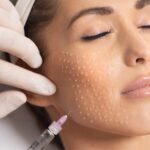
The procedure begins with a medical examination; injection points are marked on the skin by observing facial movements. The skin is cleaned with an antiseptic; a topical anaesthetic cream may be applied if desired, although it is usually not needed because very fine needles are used. Botulinum toxin is injected in very small volumes into specific points of the muscle. The entire application takes an average of 10-15 minutes. Slight redness and needle marks may be seen after the procedure; these disappear within a short time. The patient can return to daily life the same day. At Zen Polyclinic, photographic records are taken before treatment, so that change can be compared objectively at follow-up sessions and the dose plan can be fine-tuned.
How Much Dose Is Used?
In preventive botox the basic principle is the “lowest effective dose” approach. The number of units used for the glabella in a classic application is usually markedly reduced in a preventive plan, and injection points are chosen more superficially and in a more scattered pattern. Thus the muscle is not blocked completely; its strength is reduced in a measured way. The dose varies from person to person: because facial muscles are generally stronger in men, higher units may be required. Being cautious in the first session and adding dose if needed at the two-week check-up is a far safer strategy than giving too much dose. This approach both preserves a natural look and reduces the risk of unwanted brow drop.
Are Baby Botox and Preventive Botox the Same Thing?
These two concepts are frequently confused. Baby botox (micro botox) is the definition of a technique in which the dose is kept low and distributed to more superficial points. Preventive botox, however, is the definition of a purpose: delaying the formation of wrinkles. In practice preventive botox is most often performed with the baby botox technique, so they overlap but are not synonyms. Baby botox can also be used in a patient who already has lines, in order to achieve a more natural result. Technical details are explained more broadly in our baby botox guide. Correct terminology is important for aligning expectations between patient and physician.
When Does the Effect Start and How Long Does It Last?
The effect of botulinum toxin is not seen immediately. The first softening is usually noticed within 2-4 days; the full effect appears after 10-14 days. For this reason result evaluation and dose adjustment if needed are done at the second-week check-up. The duration of effect may be slightly shorter in low-dose applications than in classic ones; it varies on average between 3 and 5 months. Muscle strength, metabolic rate, exercise habits and dose amount affect the duration. It has been reported that the effect may decrease faster in people who do intense cardio. This topic is examined in detail in our article on botox effect duration and repetition frequency.
How Often Should It Be Repeated?
For botox applied with preventive intent, the common approach is 2-3 sessions per year. However, instead of a fixed calendar, the logic of “repeat when the effect fades” is more accurate: a session is planned when muscle strength returns and the line starts to become pronounced again. Unnecessary, very frequent repetitions should be avoided; they provide no meaningful gain in terms of cost or the rarely seen development of resistance. In some patients, session intervals may lengthen over time because expression habits also change. At Zen Polyclinic a personal follow-up plan is created for every patient; with photographic comparison the most suitable time for the next session is determined and the dose requirement is reassessed.
Does Preventive Botox Freeze Facial Expression?
When applied at the correct dose, no. The “frozen face” appearance is the result of high doses and wrong point selection; it completely contradicts the philosophy of the preventive approach. In preventive botox the aim is not to eliminate expression but to soften excessive contraction. After treatment the person can still raise their brows, smile and show a surprised expression; these movements simply become a little softer. Keeping the dose low preserves both a natural appearance and makes any possible correction easier. It should not be forgotten that the effect of botulinum toxin is temporary; even if unwanted softening occurs, it regresses within weeks. This reversibility is an important part of the safety profile of the treatment.
Does Long-Term Muscle Weakening Occur?
A slight decrease in volume (tendency to atrophy) has been described in muscles that receive regular botox for a long time; this also explains why less dose is needed over time, especially in the strong expression muscles of the upper third of the face. In most patients this is a desired outcome because the expression load decreases. However, if the forehead muscle becomes excessively weak, brow support may decrease and the brows may look lower. For this reason the dose in the forehead area is always kept measured and planned in balance with the glabella. An experienced practitioner creates a long-term strategy taking into account the mechanism by which muscles balance each other (antagonist relationship).
Does Botox Cause Addiction?
Botulinum toxin is not a substance that causes physical addiction; no withdrawal-like picture occurs when it is stopped. When the effect wears off, the muscle regains its former strength and the appearance returns to its pre-treatment state; wrinkles do not become “worse”, the postponed natural process simply continues from where it left off. The real issue here is psychological: a person who has become used to a smooth appearance may perceive their former state more strongly when they return to it. For this reason realistic information before treatment is important. At Zen Polyclinic patients are clearly told about the temporary nature of the process, possible session intervals and what happens if treatment is stopped; the decision is made entirely with informed consent.
Who Is It Suitable For?
Preventive botox is particularly meaningful in the following profiles:
- Those with pronounced expression strength at a young age, in whom glabellar marks start early.
- Those with a family history of early wrinkles (genetic predisposition).
- People whose skin ageing is accelerated by intense sun exposure or smoking.
- Those who, because of their profession, talk a lot, squint or work long hours in front of a screen.
- Those who want a natural look and adopt the low-dose approach.
The suitability decision is always made after a medical examination; recommending routine treatment to every young patient is not a correct approach.
Who Should Not Have It?
The situations in which botulinum toxin should not be applied are clear: pregnancy and breastfeeding, known allergy to botulinum toxin or its components, neuromuscular junction diseases such as myasthenia gravis, and active infection or inflammation in the treatment area. In addition, extra precautions are needed in patients with bleeding disorders or those using blood thinners, because the risk of bruising increases. Some antibiotics (aminoglycosides) can increase the effect of the toxin, so all medications used are questioned. In patients with unrealistic expectations or suggestive of body image disorder, treatment should be postponed. This assessment is the first and most critical step of a safe result.
What Are the Side Effects and Risks?
When applied with the right technique, preventive botox is a safe procedure. The most common effects are temporary: mild redness at injection points, small swelling, rarely bruising and mild headache in the first days. Less frequently, temporary drooping (ptosis) of the eyelid or brow may be seen; this is usually related to spread of the toxin to a neighbouring muscle and resolves spontaneously within weeks. Asymmetry can mostly be corrected with an additional dose. Serious complications are quite rare. To minimise risks it is essential that the treatment be performed by a physician, under sterile conditions and with licensed products; the authenticity of the product must be verifiable.
What Should Be Considered After Treatment?
It is recommended not to bend the head forward or lie down for the first 4-6 hours. For the first 24 hours, massaging the treated area and using tight hats or headbands should be avoided. Heavy exercise, sauna, steam bath and solarium should not be preferred on the same day; these can increase blood circulation and contribute to spread of the toxin to unintended areas. Alcohol and supplements with a blood-thinning effect increase the risk of bruising. Make-up can usually be applied the next day; it is not a problem once needle points have closed. Light brow-raising exercises are thought to help the toxin bind to the muscle in the first hours, but they should not be forced.
Which Treatments Is It Combined With?
Preventive botox alone does not change skin quality; it regulates muscle movement. For this reason it is often planned together with treatments targeting skin tissue. Skin mesotherapy and youth injections provide moisture and vitality support; micro-needling methods such as dermapen stimulate collagen production; skin renewal treatments improve tone irregularity. If a static line has started, very low-density filler support may be required. Combinations can be planned in the same session or a few weeks apart; the order is determined by the physician taking healing times into account.
Why Are Skin Care and Sun Protection Essential?
The strongest environmental factor in wrinkle formation is sun damage. UV rays break collagen fibres, disrupt the elastin network and lead to pigment irregularity. Therefore, even if preventive botox is performed, the wrinkle process continues to accelerate when broad-spectrum sunscreen is not used. A daily routine with at least SPF 30-50 protection, serums containing antioxidants (especially vitamin C) and barrier-supporting moisturising at night is recommended. Retinoids support collagen renewal but should be used with a physician’s advice. In short, botox is a treatment added not instead of, but alongside a good skin care routine; together the two provide a far more meaningful result.
The Role of Lifestyle in Wrinkle Formation
Smoking impairs micro circulation in the skin, reduces collagen production and leads to early line formation especially around the lips. Irregular sleep, chronic stress and high cortisol levels slow down tissue renewal. A sugar-heavy diet reduces the elasticity of collagen fibres through glycation. Sleeping face down can contribute to permanent folding lines through pillow pressure. Adequate water intake and a diet rich in omega-3 and antioxidants support the skin barrier. Preventive botox does not eliminate the effect of these factors; therefore treatment gains real “preventive” value when addressed together with lifestyle adjustments.
Is Preventive Botox Different in Men?
Yes, there are important differences. In men the facial muscles are generally thicker and stronger, so higher units may be needed to achieve the same effect. In addition, the brow position in the male face is flatter and lower; because excessive relaxation in the forehead area could give the brows a feminine arch, dose distribution is planned differently. The goal is to soften lines without softening the expression. Greater skin thickness in male patients may cause results to appear a little later and more moderately. In medical aesthetics for men, the expectation of a natural result is usually even higher.
Does Preventive Botox Really Prevent Wrinkles?
In the scientific literature there are data supporting that botulinum toxin slows the process by which dynamic lines turn into static wrinkles; twin studies and long-term follow-up series have presented findings in this direction. However, the word “prevention” does not mean an absolute guarantee. Ageing is a multifactorial process; gravity, volume loss, changes in bone structure and sun damage cannot be stopped with botox. The realistic statement is this: preventive botox can reduce the speed at which expression-related lines deepen. This is an important but limited gain. Other components of ageing require different methods, and a holistic plan is always more successful.
What Factors Affect the Price?
The price of preventive botox is not fixed; several variables are decisive. The number of areas to be treated and the total amount of units are the most basic factors; treatment of a single area is planned differently from the entire upper face. The brand, authenticity and storage conditions of the product used affect the cost. The practitioner’s experience, the clinic’s licensing and sterilisation standards, and whether a check-up session is included in the plan also change the price. City and clinic location play a role too. Extremely low price offers raise question marks regarding product source, dose dilution or practitioner competence. A definite price can only be given after examination, with an individual plan.
How Do You Choose the Right Practitioner?
Botulinum toxin application is a medical procedure and can only be performed by authorised physicians. When choosing a practitioner the following should be considered: the physician’s diploma and experience, the clinic’s health ministry licence, opening the product packaging in front of the patient, a before-and-after photo archive and transparent explanation of the dose plan. Places that do not offer a check-up session, make promises such as “unlimited units for one price” or perform treatments outside a clinical setting should be avoided. At Zen Polyclinic all injection treatments are performed by a physician, under sterile conditions and with original products; a check-up examination two weeks later is part of the routine plan.
Realistic Expectations: What It Does and Does Not Do
Preventive botox slows the sharpening of expression-related lines, provides a more rested appearance in the forehead and glabella area and can create slight improvement in brow position. What it cannot do is equally clear: it does not gather sagging skin, does not restore volume loss, does not completely erase deep static wrinkles and does not solve pigmentation or pore problems. It is not permanent; its effect regresses within months. Knowing these limits from the outset is the most important factor determining satisfaction. A preventive botox plan applied with the right indication, the right dose and the right expectation offers a sustainable, low-intervention ageing management strategy that carries no risk of an exaggerated appearance.
Common Mistakes
The most common mistake is expecting a “better result” with a high dose; in fact excessive dose distorts natural expression. The second mistake is focusing on a single area and overlooking the balance relationship between muscles; for example, if the balancing role of the forehead muscle is not taken into account while treating the glabella, brow position may change. The third mistake is skipping the two-week check-up; fine tuning is done at that examination. The fourth is putting botox in place of skin care. The fifth is starting far too early while it is still unnecessary. The common solution to these mistakes is open communication with the physician and a gradual, measured dose strategy; a plan that is not rushed always gives a more natural result.
Preventive Botox at Zen Polyclinic
At Zen Polyclinic, preventive botox treatment begins with a detailed facial analysis and expression assessment. Our aim is not to change your appearance; it is to slow the speed at which lines deepen while preserving your natural expression. For this reason we adopt the lowest effective dose principle, keep standard photographic records before and after treatment and plan a check-up examination two weeks later. When needed, a road map combined with skin care, mesotherapy and collagen-stimulating treatments is created. We serve with our expert physician team in our clinics in Istanbul Ataşehir. You can create an appointment for your personalised plan.
Conclusion
Preventive botox is a low-dose, natural-result oriented approach that aims to manage wrinkles before they form. There is no single “right age” to start; what is decisive is not calendar age but the point at which a permanent trace starts to be seen while the face is in a neutral position. In most people this window opens between the ages of 25 and 35. When the right indication, a measured dose, an experienced practitioner and a good skin care routine come together, preventive botox can help you feel more rested by slowing ageing significantly without stopping it. Before deciding, we recommend having an individual assessment with a medical examination.
Frequently Asked Questions (FAQ)
What is preventive botox?
Preventive botox is a botulinum toxin treatment that reduces the contraction strength of facial muscles with low doses before permanent wrinkles form, limiting repeated folding of the skin along the same line. The aim is not to eliminate expression but to delay the deepening of lines.
At what age should preventive botox start?
There is no single correct age. The range most often mentioned in clinical practice is 25 to 35 years; however, what is decisive is not calendar age but the point at which a permanent line trace starts to be seen on the forehead or between the brows while the face is neutral.
What is the difference between preventive and classic botox?
The active substance is the same; the difference lies in purpose, dose and timing. Classic botox is applied with higher doses to soften existing lines. Preventive botox is applied with low doses while the line is still superficial and aims to preserve natural expression.
Does preventive botox freeze facial expression?
When applied at the correct dose it does not. A frozen appearance is the result of high doses and wrong point selection. Because low doses are used in the preventive approach, the person can raise their brows and smile; movements simply become a little softer.
How long does the effect of preventive botox last?
The first softening starts within 2 to 4 days and the full effect appears in 10 to 14 days. In low-dose applications the effect lasts an average of 3 to 5 months. Muscle strength, metabolic rate, dose amount and intense exercise habits affect the duration.
How many times a year should preventive botox be done?
The common approach is 2 to 3 sessions per year. However, instead of a fixed calendar it is more accurate to repeat when the effect fades and the line starts to become pronounced again. Unnecessarily frequent treatments should be avoided.
Which areas are treated with preventive botox?
It is most often applied to the glabella between the brows, the forehead and the crow’s feet area around the eyes. In selected cases bunny lines above the nostrils and fine lines above the lip may also be evaluated with very low doses.
Who should not have preventive botox?
It is not applied during pregnancy and breastfeeding, in people allergic to botulinum toxin, in neuromuscular diseases such as myasthenia gravis and when there is active infection in the treatment area. Extra precautions are needed in those using blood thinners.