
Skin Care
Clinical skin care covers the applications performed under professional supervision to cleanse, hydrate, renew and protect the skin. This page explains how these applications differ from a home routine and which one may suit which type of skin.

What does skin care mean in a clinic?
Skin is a living organ that renews itself continuously. The rate of that renewal slows down with age, and it is also affected by sun exposure, air pollution, sleep, nutrition, hormonal changes and the products used at home. When the balance shifts, the skin shows it: dullness, clogged pores, uneven tone, oiliness in some areas and tightness in others.
A home routine cleanses and supports the surface. Clinical skin care goes one step further — it works with devices, professional-grade solutions and controlled procedures that reach the deeper layers of the epidermis and are not intended for unsupervised use. The purpose is not to replace the daily routine but to correct what the routine alone cannot.
Every application at Zen Poliklinik begins the same way: with an assessment of the skin. Skin type, current concerns, previous procedures, seasonal conditions and any medication in use are reviewed before a method is chosen. The same concern can call for very different approaches in two different people.

Applications offered at Zen Poliklinik
Five different skin care applications are carried out at our clinic. Each one is described in detail on its own page; the summaries below are intended to help you understand where each one fits.
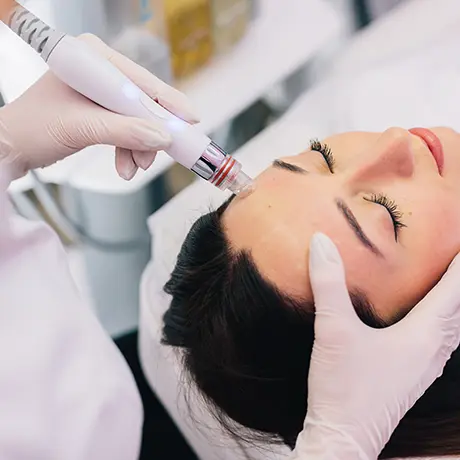 HydrafacialA device-assisted session combining gentle exfoliation, vortex cleansing of clogged pores and hydrating serums in a single pass, without needles or downtime.See how it works →
 Medical Skin CareA step-by-step clinical protocol: deep cleansing, exfoliation, extraction of blackheads and blocked pores, then serums chosen after an assessment of your skin.See the steps →
 Genosys Skin CareA multi-step facial built on professional cosmeceutical formulations — peptides, vitamins, enzymes and plant extracts — selected for the condition of the skin that day.See the protocol →
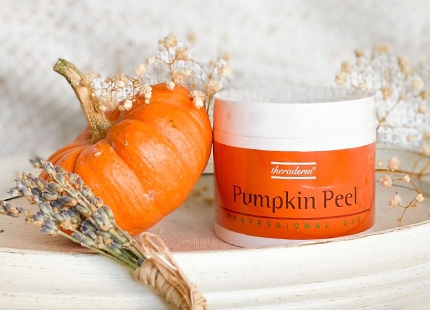 Pumpkin Peel Skin CareAn enzyme-based surface peel using pumpkin pulp, mild fruit acids and vitamin A to loosen dead cells without abrasion.See what it involves →
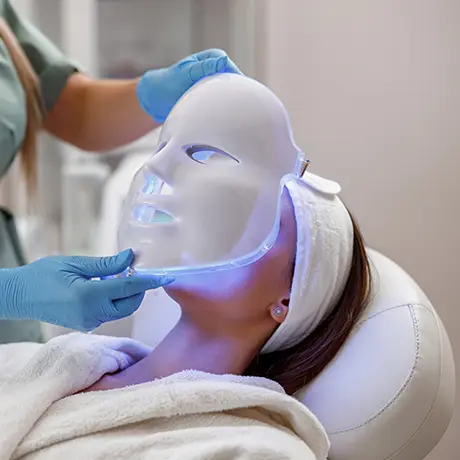 LED MaskLight at selected wavelengths applied without heat or abrasion: red for firmness, blue for the bacteria involved in acne, near infrared for calming.See the wavelengths →
These applications are not alternatives that compete with one another. In many cases two of them are planned together, or one follows the other in a defined sequence.
How is the right application chosen?
Skin type comes first. Oily, dry, combination and sensitive skin respond differently to the same procedure. A method that suits congested oily skin may be too demanding for skin with a compromised barrier.
The concern determines the method. Congested pores, dullness, loss of firmness, uneven tone and post-procedure sensitivity each point toward a different approach. Trying to address every concern in one session usually serves none of them well.
Timing matters. Recent sun exposure, an active skin infection, a fresh injectable procedure or an ongoing course of medication may mean an application should be postponed rather than modified.
Sustainability matters too. A plan you can maintain over months is more useful than an intensive schedule abandoned after two sessions. Frequency is set accordingly.
How does a session proceed?
Assessment. The skin is examined, your routine and any medication are discussed, and the objective is agreed before anything is applied.
Cleansing. Make-up, sunscreen and surface sebum are removed. Most applications cannot reach the skin properly through this layer, so every session starts here.
The application itself. The selected method is carried out. Depending on the application this may involve a device, enzyme or acid solutions, serums, extraction or light — alone or in combination.
Soothing and protection. The session closes with a calming step, a moisturiser and, where appropriate, sun protection. Most applications allow an immediate return to daily life.
Session duration varies with the method chosen and typically falls between thirty and sixty minutes.
Who is it not suitable for?
Skin care applications are generally low-risk, but they are not appropriate for everyone or at every moment:
- Active skin infection, open wound or untreated inflammatory skin disease in the area
- Recent sunburn or intense sun exposure over the preceding days
- Known allergy to any of the substances used in the application
- Ongoing use of medication that thins or sensitises the skin, isotretinoin included
- Skin already reacting to a recent peel, laser or injectable procedure
- Pregnancy and breastfeeding — the suitability of each method is reviewed individually
Please share the medications and skin products you are currently using, along with any procedure carried out in the last few weeks, before your session. Some ingredients require an interval to be observed rather than the application to be cancelled.
When do results become visible?
Applications that work on the surface — cleansing, hydration and exfoliation — usually produce a visible difference on the same day. The skin looks clearer and reflects light more evenly; this initial effect is real but temporary.
Changes involving renewal of the skin take longer. The epidermis completes its turnover cycle over a period of weeks, so improvements in texture, tone and firmness build up gradually across a course of sessions rather than appearing after a single one.
Maintenance is what preserves the result. Skin continues to be exposed to sun, pollution and its own cycle after the course ends, which is why sessions are usually spaced at regular intervals rather than stopped altogether.
What to do at home
The result of a clinical session is largely determined by what happens in the weeks between sessions. A few points make a measurable difference:
- Sun protection. The single most influential habit for both tone and ageing, and it applies in every season.
- Gentle cleansing. Aggressive washing damages the barrier and makes the skin more reactive, not cleaner.
- Consistent hydration. Oily skin needs moisture too; dehydrated skin often produces more oil in response.
- Restraint with actives. Layering several strong ingredients at once is a common cause of irritation. Introduce them one at a time.
- No manual squeezing. Extracting blemishes at home is the most frequent cause of lasting marks.
Use alongside other treatments
Skin care applications are often planned together with procedures carried out in our medical aesthetic unit. A soothing application after a session that stresses the skin, or a cleansing application before a procedure that needs a clear surface, are both common arrangements. The interval between them is decided as part of the overall plan.