

Hair Transplantation
A group of procedures based on moving hair follicles from an area resistant to shedding into a thinning one. This page outlines the methods, the treatment areas and the overall process; each heading is explained in detail on its own page.

What is hair transplantation and how does it work?
Hair transplantation is a relocation procedure in which a person’s own follicles are taken from one area and moved to another. No external hair is added; the existing resource is redistributed. For this reason the limit of the result is set by the follicle density at the back and sides of the head — what is called donor capacity.
The method rests on a simple observation: follicles in the nape area are largely resistant to androgenetic shedding. When they are moved into a thinned area, they continue to behave according to their original character. After a resting phase of a few weeks, the relocated follicles begin to grow again.
The unit that is transferred is called a graft. A graft is a natural cluster of follicles containing one to four hairs, so the number of hairs that emerges is higher than the graft count discussed in planning.
Why does hair loss happen?
On a healthy scalp, shedding around a hundred hairs a day is ordinary, and each one is replaced. The problem begins when the follicle gradually thins and production stops.
The most common cause is genetic predisposition. Hormonal change, systemic conditions such as thyroid disorders, iron and B12 deficiency, severe stress, rapid weight loss, certain medications and scalp diseases can also lead to shedding. Because the causes in this second group may be reversible, the source of the loss needs to be understood before any decision about transplantation is made.

Methods and the difference between them
A hair transplant has two basic stages: harvesting the follicles and placing them. The methods in use today differ mainly in how these two stages are carried out.
 Hair TransplantThe procedure end to end: follicles taken from the permanent donor area, placed into thinning regions, then shedding, resting and regrowing over roughly a year.See how it works →
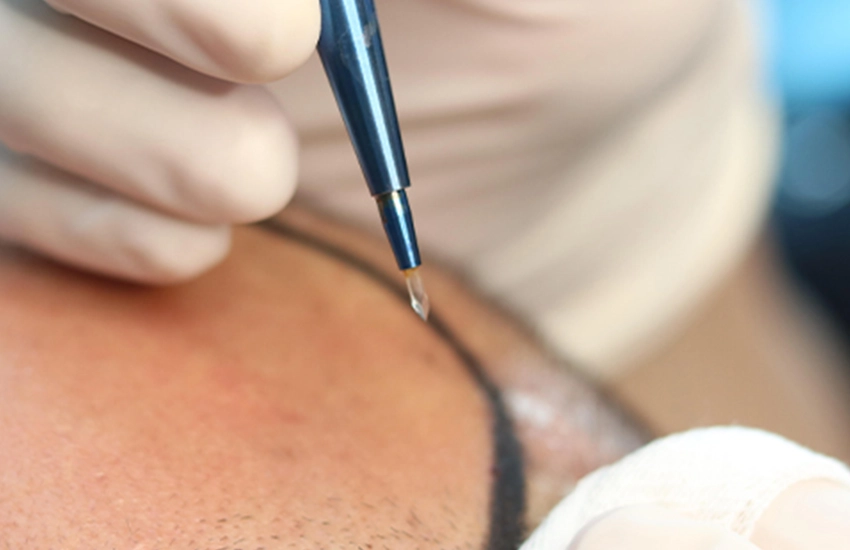 FUE Hair TransplantationFollicles are harvested one by one with micro punches and placed into fine channels opened at the natural growth angle, without a linear incision.See the technique →
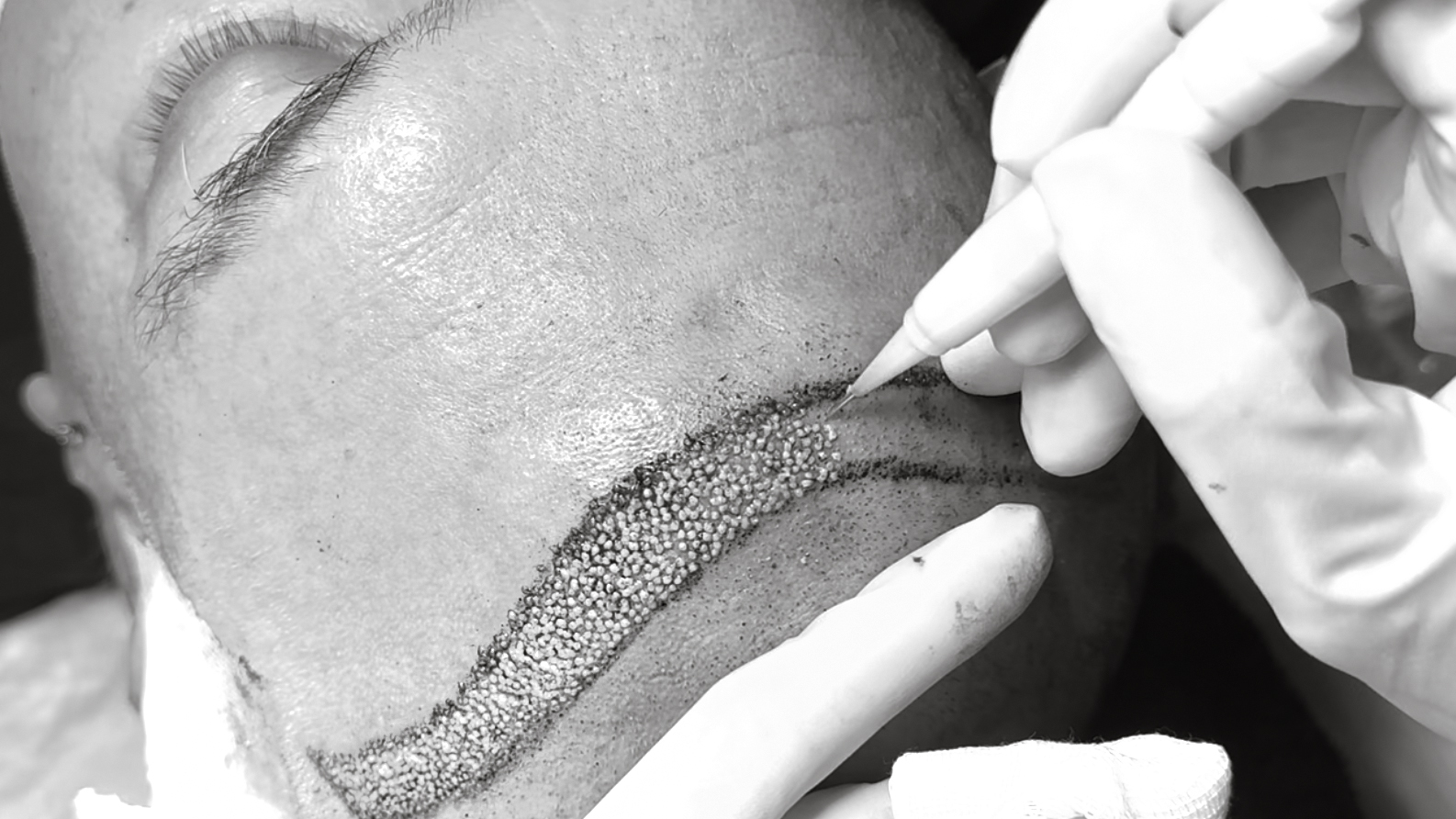 DHI Hair TransplantGrafts are implanted directly through a pen-shaped applicator, with no separate channel-opening step; often preferred in thinned areas and along the front hairline.See how DHI differs →
 Soft FUEStandard FUE carried out under light sedation. The surgical technique is unchanged; what changes is how the long hours in the chair feel.See who it suits →
There is no absolute ranking of superiority between the methods. The choice depends on the width of the area to be covered, the density of the existing hair, the structure of the follicles and the length of the session. The general course of the procedure is described in more detail on the hair transplant page.
Options by treatment area
The same relocation principle is used in areas beyond the scalp; what changes is the selection of the graft, its angle and its density.
 Hair Transplant for WomenLoss in women usually appears as diffuse thinning rather than a receding line, so planning starts with finding the cause and reading the donor area.See how planning differs →
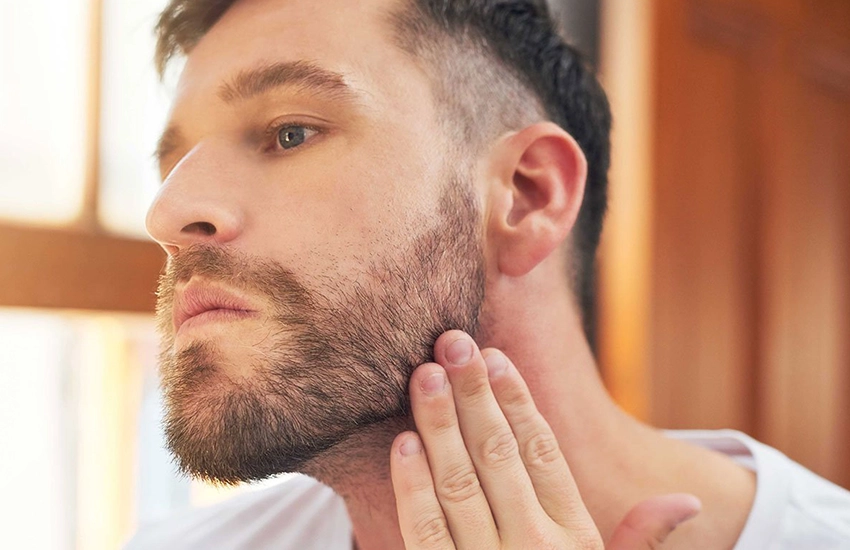 Beard TransplantFollicular units are placed one by one into sparse regions of the beard and moustache, following the natural direction and angle of facial hair.See the areas covered →
 Eyebrow TransplantationSingle-hair grafts follow the angle and curve of the natural brow. Because they keep the character of scalp hair, they need regular trimming.See what to expect →
Support treatments other than transplantation
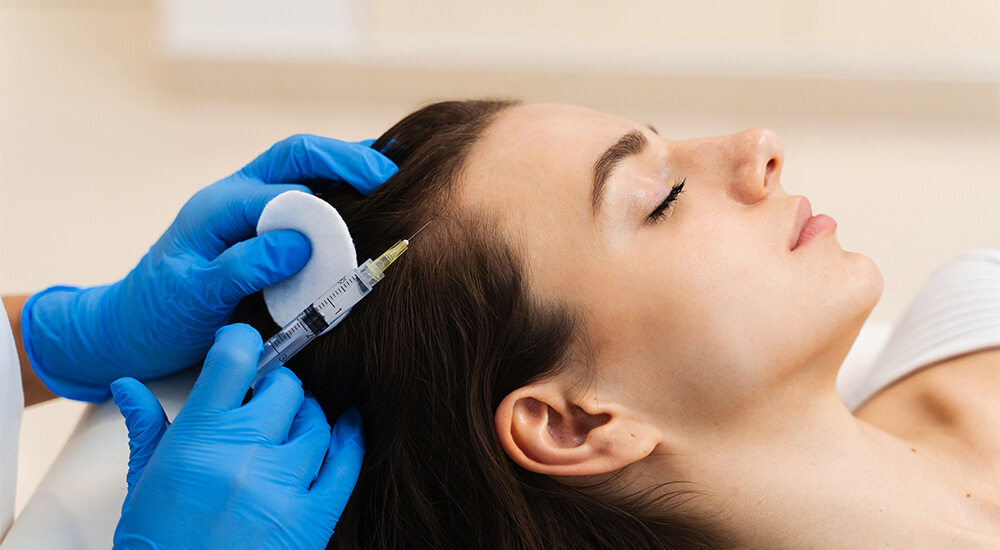
Not every case of shedding calls for a transplant. In the early stage, when follicles are still alive but weakened, treatments aimed at protecting and nourishing the existing hair come into consideration. They can also be planned after a transplant, once healing is complete, to support the existing hair.
How does the process work?
Assessment. The pattern of loss, the condition of the scalp and donor density are examined. Blood tests may be requested. The area to be covered and the graft count are determined at this stage.
Hairline design. A new hairline is drawn with facial proportions, forehead muscle movement and age in mind. This step is the most decisive factor in whether the result looks natural.
Anaesthesia. Local anaesthetic is administered, and sedation may be added if preferred. The person remains conscious throughout.
Harvesting. Follicles are taken one by one from the nape and above the ears, counted and held in suitable conditions.
Placement. Depending on the chosen method, the grafts are placed into the recipient area at an angle matching the natural direction of hair growth.
Afterwards. You return home the same day. The first wash is demonstrated at the clinic; instructions on sleeping position, swelling and crusting must be followed during the first days.
Who is it not suitable for?
Hair transplantation is not suitable for everyone. In these situations it is postponed or a different path is taken:
- People with insufficient donor area and widespread, advanced loss
- Younger people whose shedding has not yet stabilised and is progressing rapidly
- Anyone with an active scalp infection, psoriasis or an uncontrolled dermatological condition
- Those with uncontrolled diabetes, a bleeding disorder or a systemic illness that impairs wound healing
- People whose immune-related shedding, such as alopecia areata, is in an active phase
- Those taking blood thinners — the plan of use should be reviewed together with a physician
You need to share your medications, previous operations and known conditions in full during the assessment consultation. A hair transplant is a surgical intervention, and planning is based on this information.
When do results become visible?
The transplanted hairs shed within the first weeks. This is known as shock loss and is an expected stage; it is the shaft that is lost, not the follicle, which stays in place and enters a resting phase.
New growth usually begins around the third month. By the sixth month a significant proportion of the hair has grown out, though it is still fine. Thickening and fullness increase over time; the final appearance generally settles between the twelfth and eighteenth months, varying with follicle structure and individual healing speed.
Transplanted follicles are resistant to shedding, but the surrounding native hair may continue to thin. Long-term planning therefore covers protecting the existing hair alongside the transplant itself.