
Skin Renewal
A group of medical aesthetic procedures that work with the skin’s own repair mechanisms — stimulating collagen, supporting cell turnover and improving skin quality without surgery.
What does skin renewal mean?
Skin renewal is not a single device or a single injection. It is an umbrella term for procedures that aim to restart a process the skin already knows how to perform: producing collagen and elastin, replacing surface cells and keeping the barrier hydrated. With age, sun exposure, smoking and hormonal changes, this cycle slows down. The visible outcome is dullness, enlarged pores, uneven tone, fine lines and a loss of firmness.
What these procedures share is the principle of controlled stimulation. A micro-injury, a bio-stimulating substance or a form of energy is delivered to a specific depth, and the skin responds by repairing itself. Because the improvement comes from the body’s own repair response, results appear gradually rather than immediately, and they build up over a course of sessions.
Skin renewal is therefore a plan, not a product. Which layer needs to be reached, how deeply, and with what frequency depends entirely on the skin in front of us.
Why skin loses its renewal capacity
Intrinsic ageing. From roughly the mid-twenties onwards, collagen production declines steadily each year. Fibroblasts — the cells that manufacture collagen — become less responsive, and the dermis gradually thins.
Photoageing. Ultraviolet exposure is the largest external factor. It degrades existing collagen fibres, disturbs pigment production and causes the uneven tone and coarse texture typically seen on the face, neck and back of the hands.
Barrier and hydration loss. As the skin’s water-binding capacity drops, light reflects less evenly from the surface. Much of what is described as “tired-looking skin” is a hydration and barrier issue rather than a wrinkle issue.
Lifestyle factors. Smoking, poor sleep, unbalanced nutrition and chronic stress all measurably slow the repair cycle.
Which concerns are addressed?
- Dullness and uneven tone — skin that looks grey or lifeless despite regular skincare
- Fine lines — early lines around the eyes, on the forehead and above the lip
- Loss of firmness — mild laxity along the cheeks and jawline
- Texture problems — enlarged pores, roughness, atrophic acne scarring
- Dehydration — skin that feels tight and shows lines more clearly when dry
- Sun-related changes — irregular pigmentation and coarse texture from cumulative exposure
Advanced sagging, deep volume loss and pronounced static wrinkles usually fall outside what renewal procedures alone can correct. In such cases a different category of treatment, or a combination, is discussed openly during consultation.
Approaches used at Zen Polyclinic
 Anti-Aging VaccinesMicroinjections that carry hyaluronic acid, vitamins, amino acids or polynucleotides into the skin to support hydration, elasticity and its own repair processes.See the types used →
 MesotherapyVery superficial microinjections that deliver hyaluronic acid, vitamins and antioxidants into the upper dermis, where the skin’s own repair activity takes place.See how a course is planned →
 DermapenA motorised microneedling device that opens controlled micro-channels in the skin, triggering the repair response for texture, pore size and superficial scarring.See how it works →
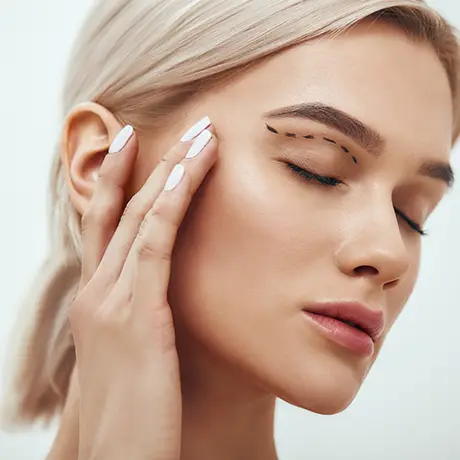 Plexr PlusA non-surgical plasma procedure treating a very small, precise area of skin surface, used mainly on delicate regions such as the eyelid and eye contour.See the details →
These methods are not alternatives competing with one another. In many programmes two are combined in sequence, spaced appropriately, because they act on different layers.
How the process works
Consultation and skin analysis. Skin type, the depth and nature of the concern, previous procedures, medications and any chronic conditions are reviewed. Realistic expectations are agreed at this stage.
Planning. The method, the number of sessions and the interval between them are determined. Most renewal programmes involve a course of sessions rather than a single appointment, because the collagen response needs time between stimulations.
Preparation. The skin is cleansed, and depending on the procedure a topical anaesthetic cream may be applied and allowed to take effect.
Session. Duration varies by method and by the area treated. Discomfort is generally described as mild.
Aftercare and follow-up. Sun protection, gentle cleansing and moisturising are essential in the days that follow. The skin is reassessed before each subsequent session and the plan adjusted if needed.
Who is not a suitable candidate?
Skin renewal procedures are generally well tolerated, but they are not appropriate for everyone:
- Active skin infection, inflamed acne or open wounds in the treatment area
- Pregnancy and breastfeeding
- Ongoing or recent isotretinoin use
- A tendency to keloid or hypertrophic scarring
- Uncontrolled diabetes or conditions that impair wound healing
- Bleeding disorders or anticoagulant therapy — for injection-based methods
- Known allergy to any substance planned for use
Please tell us about all medications and supplements you use, any chronic conditions and any previous aesthetic procedures before your session. Some of these do not rule out treatment but do change how it is planned.
When do results become visible?
The first change most people notice is in hydration and light reflection — the skin looks brighter within the first days after a session. This early effect is temporary and is not the same as structural renewal.
The collagen response is slower. New collagen takes weeks to organise into the dermis, so changes in firmness, fine lines and texture typically become apparent from the third session onwards and continue to develop for several weeks after the course is complete.
The result is also not permanent. Ageing continues, and maintenance sessions are usually planned at intervals to preserve what has been achieved. How long the effect lasts depends on age, skin condition, sun protection habits and lifestyle, and varies from person to person.
Combining with other procedures
Skin renewal improves skin quality: tone, texture, hydration and firmness. It does not add volume and does not relax muscle-related lines. For that reason it is frequently planned alongside other applications rather than instead of them, with appropriate intervals between procedures so that the skin is not stressed twice in the same recovery window. The sequence and spacing are decided during planning.