
Filler Applications
Filler is not a single procedure. The same basic principle — placing a gel-like material under the skin — is carried out with different products, depths and techniques depending on the area treated.

What this page is for
The product used in the lips is not the product used along the jawline. The technique used under the eyes is not the technique used in the temples. Because the material, the injection depth and the instrument change from one region to the next, each area is explained on its own page at Zen Polyclinic rather than being compressed into a single description.
The list below takes you directly to the area you are looking for. If you first want to understand what dermal filler material actually is, how it behaves in tissue and what the general logic of the procedure looks like, the dermal filler face lifting page covers that background.
Which page for which area?
 Dermal Filler Face LiftingRestores lost volume at the support points of the face — cheekbones, temples and jawline — so the contour is rebuilt from underneath rather than pulled.Read the background →
 Cheekbone (Cheek) FillingRestores volume to the midface where fat pads and bone support have thinned over time, supporting the cheek area without surgery or general anaesthesia.See the details →
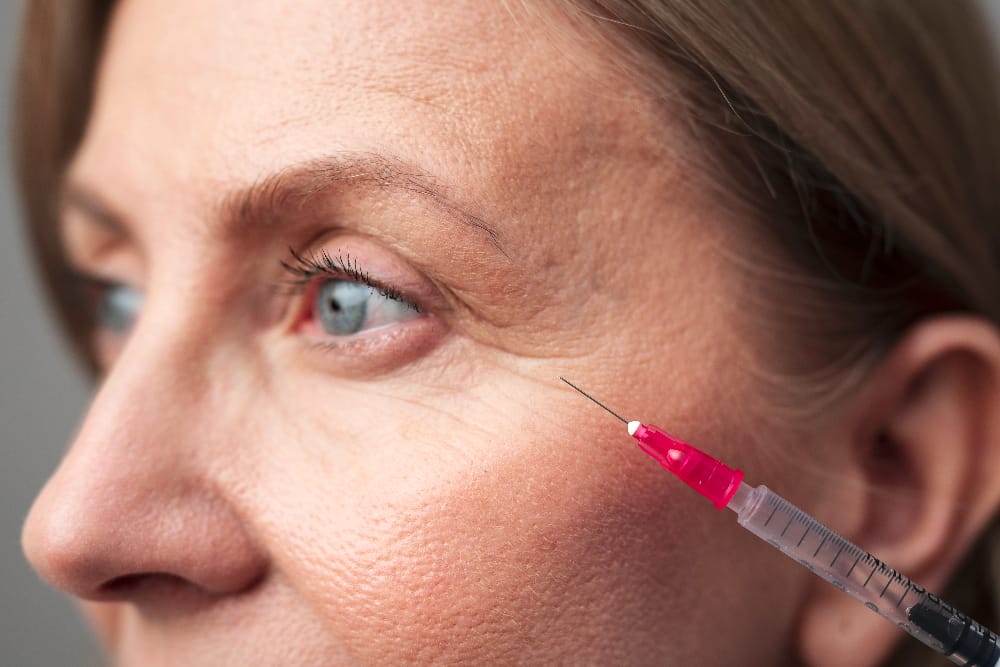 Under Eye Light FillingPlanned for the hollow, shadowed area beneath the lower eyelid, where the skin is thinnest and volume loss becomes visible earliest.How it is planned →
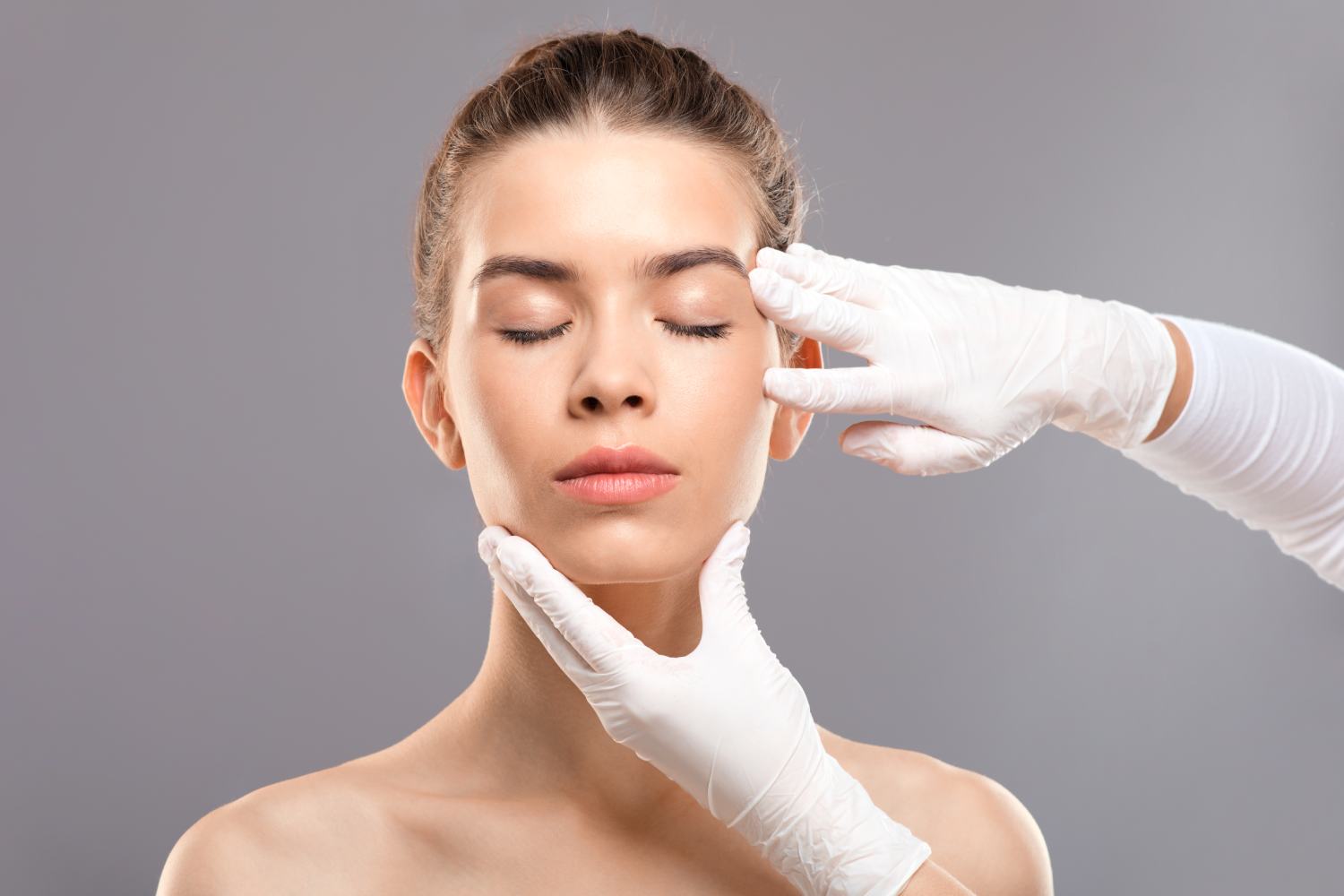 Temporal (Temple) FillerRestores volume to the hollow area between the outer eyebrow and the hairline, softening the angular contour that appears as the temples lose support.See the approach →
 Chin FillerAdds projection and definition to the chin with hyaluronic acid, planned according to the proportions of the face as they read in profile.Read the details →
 Jawline FillerReinforces the line running from the chin to the angle of the jaw, adding structure where bone support has been lost or was never pronounced.See how it works →
 Nasolabial FillingSupports the volume lost along the folds running from the sides of the nose to the corners of the mouth, softening the shadow they cast.Learn more →
 Lip FillerHyaluronic acid placed into the lip tissue to adjust volume, contour and proportion. The material is temporary and is broken down gradually by the body.See the details →
 Nose FillingSmall amounts of filler placed at specific points on the nasal dorsum and tip to soften contour irregularities without surgery.See the method →
 Hand RejuvenationNon-surgical procedures addressing volume loss, prominent veins, thin skin and sun-related pigmentation on the back of the hands, planned after an examination.See the procedures →
Why choosing an area is not enough on its own
The complaint people describe when they arrive and the region that actually produces it are frequently not the same. A shadow under the eye is not always caused by a hollow under the eye; volume loss higher up in the midface creates the same appearance. A feeling of heaviness at the corner of the mouth may come from lost support along the jaw. For this reason the examination looks not only at the point being pointed at, but at the structures surrounding it.
In practice this means the plan for one area depends on the condition of its neighbours. Sometimes a more balanced result comes from restoring support next to the complaint rather than treating the complaint itself. The information on the sub-pages is specific to each region; which combination suits your face becomes clear only in a face-to-face assessment.
What all filler applications have in common
Product choice follows the area. Firmer, more cohesive products are used where structural support is needed; softer and more fluid products are used in thin, mobile tissue. Choosing a product that does not match the region is one of the most common reasons results look unnatural.
The session is short. A single region usually takes 15–30 minutes. The 20–30 minutes needed for topical numbing cream to take effect is separate from this.
Recovery is broadly similar. Mild redness and swelling at the injection points are expected and settle within a few days. Bruising does not occur every time; it depends on how densely the area is supplied with blood vessels. Everyday activity can be resumed the same day.
The effect is not permanent. Hyaluronic acid based products are biodegradable and are gradually absorbed by the body. Absorption is faster in areas of heavy movement, such as the lips. A maintenance session is generally planned every 6–12 months if the effect is to be sustained.
The result is not judged on day one. The volume effect is visible immediately, but oedema in the first days can make the area look fuller than it will settle. Integration into the tissue usually takes 10–14 days.
Who is it not suitable for?
Regardless of the area, filler is not applied — or is postponed — in the following situations:
- Active skin disease, inflammation, open wound or infection at the treatment site
- Pregnancy and breastfeeding
- Diagnosed autoimmune conditions
- Bleeding disorders, or ongoing use of blood thinning medication
- Known allergy to filler components or to local anaesthetics
- An active cold sore (herpes) outbreak in the area
- Under 18 years of age
Always mention any filler you have had elsewhere, particularly anything described to you as “permanent”. A product that does not absorb changes the planning directly, and it needs to be known before anything new is placed.
Where to start
If you already know which area concerns you, go to the relevant page above and read the details of that application. If your complaint does not settle on one specific point — “I look tired”, “my features are not as defined as they used to be” — which regions stand out is worked out together during the examination.
The first step is the same in every case: the facial structure is examined, medication and medical history are reviewed, and expectations are discussed. The decision to proceed comes after that assessment, not before it.
Use alongside other applications
Filler addresses volume loss. Lines caused by muscle movement are a different problem and are handled by applications that reduce muscle activity, such as botox procedures. The two do not replace one another and are often assessed together in the same plan.
When volume loss is spread across the face rather than confined to one region, the liquid facelift approach — several areas planned as a whole — comes into consideration. Where skin laxity is the more prominent issue, non-surgical face lift options are evaluated instead. Skin care and device-based applications are generally not fitted into the same session as filler; an appropriate interval is left between them.