
Laser Treatments
Light delivered at a chosen wavelength, pulse duration and energy, aimed at a specific target in the skin. This page explains how that choice is made and which application belongs to which concern.
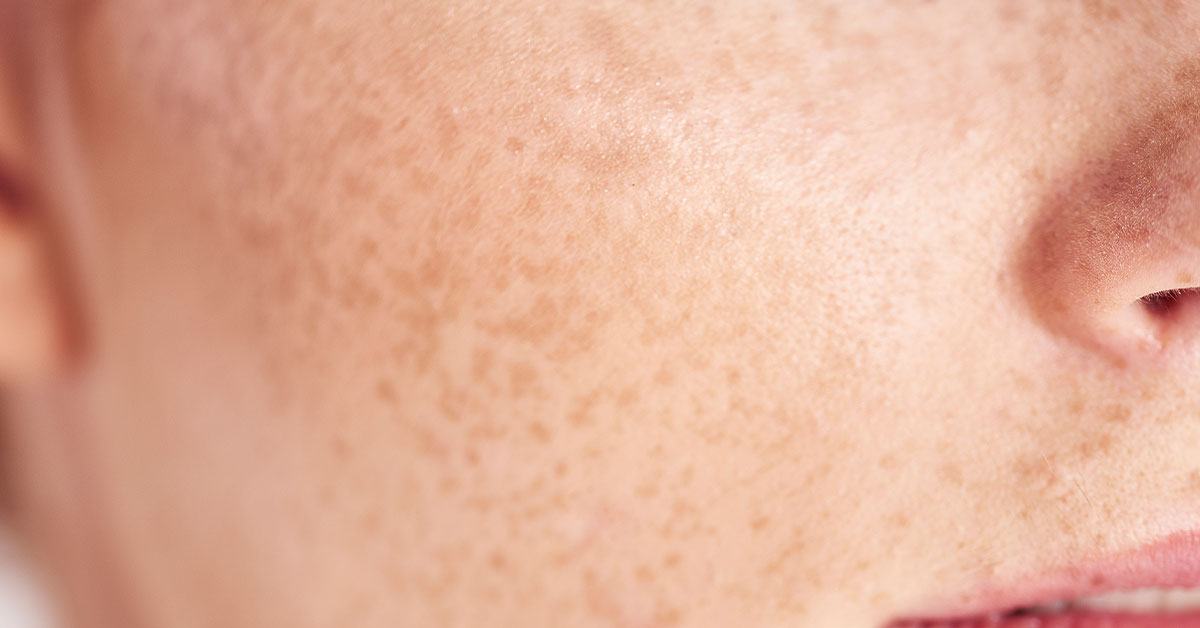
What does a medical laser actually do?
A laser produces light of a single wavelength. Inside the skin, that light is absorbed by structures called chromophores — mainly melanin (pigment), haemoglobin (the colour of blood inside a vessel), water and, in the case of tattoos, ink particles. Each chromophore absorbs some wavelengths strongly and others hardly at all.
This is the whole principle behind laser dermatology: pick the wavelength that your target absorbs most, and deliver the energy in a pulse short enough that the heat stays in the target instead of spreading into the surrounding tissue. When the pulse is correctly matched, a pigment cluster, a dilated vessel or a hair follicle absorbs the energy while the skin around it is comparatively unaffected.
Three settings decide the outcome, and all three are chosen per person rather than per device:
- Wavelength — determines what is targeted and how deep the light reaches. Longer wavelengths generally penetrate deeper.
- Pulse duration — determines how confined the heat stays. Nanosecond-scale pulses shatter pigment; longer pulses in the millisecond range heat vessels and follicles.
- Fluence (energy density) — determines how much is delivered, and is adjusted to skin tone and to how the skin responded in the previous session.
A second distinction matters when the goal is skin texture rather than colour. Ablative approaches remove microscopic columns of tissue and trigger a repair response; non-ablative approaches heat the deeper layers while leaving the surface intact. Ablative work asks for more downtime and gives a more pronounced textural change; non-ablative work is gentler and is usually planned as a course.

Which application belongs to which concern?
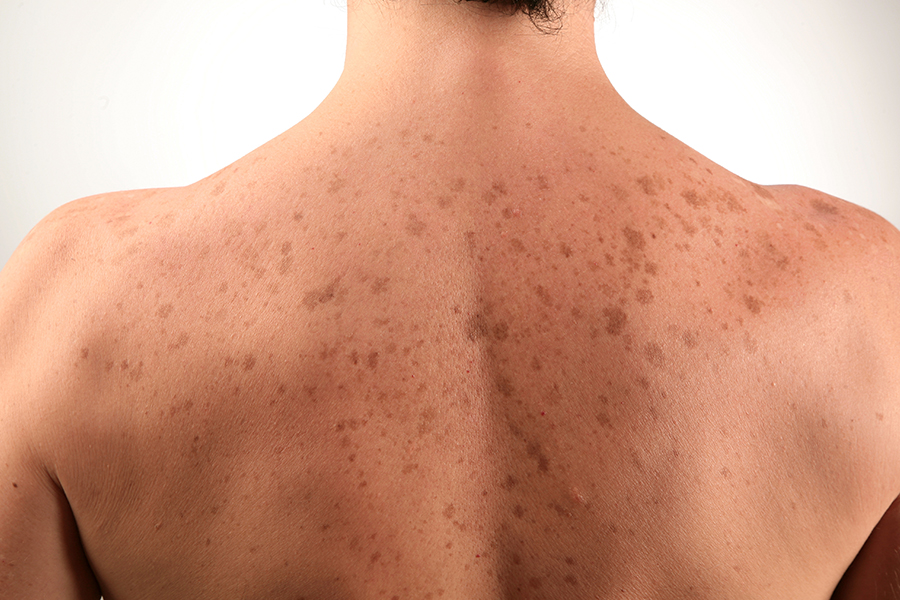 Blemish TreatmentsLaser-based approaches to patchy or widespread pigmentation on the face and body, planned after the type and the depth of the blemish have been identified.See the approach →
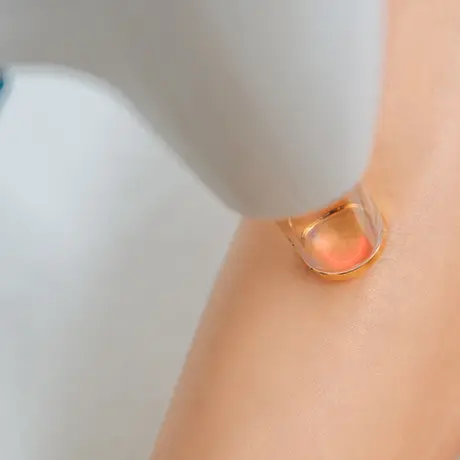 Q Switched LaserPulses lasting billionths of a second break well-defined spots, sun damage and tattoo ink into fragments the body can clear on its own.How it works →
 Capillary Vessel TreatmentLight absorbed by the haemoglobin inside the vessel closes individual broken capillaries on the nose, cheeks and legs without damaging the surrounding skin.See the areas →
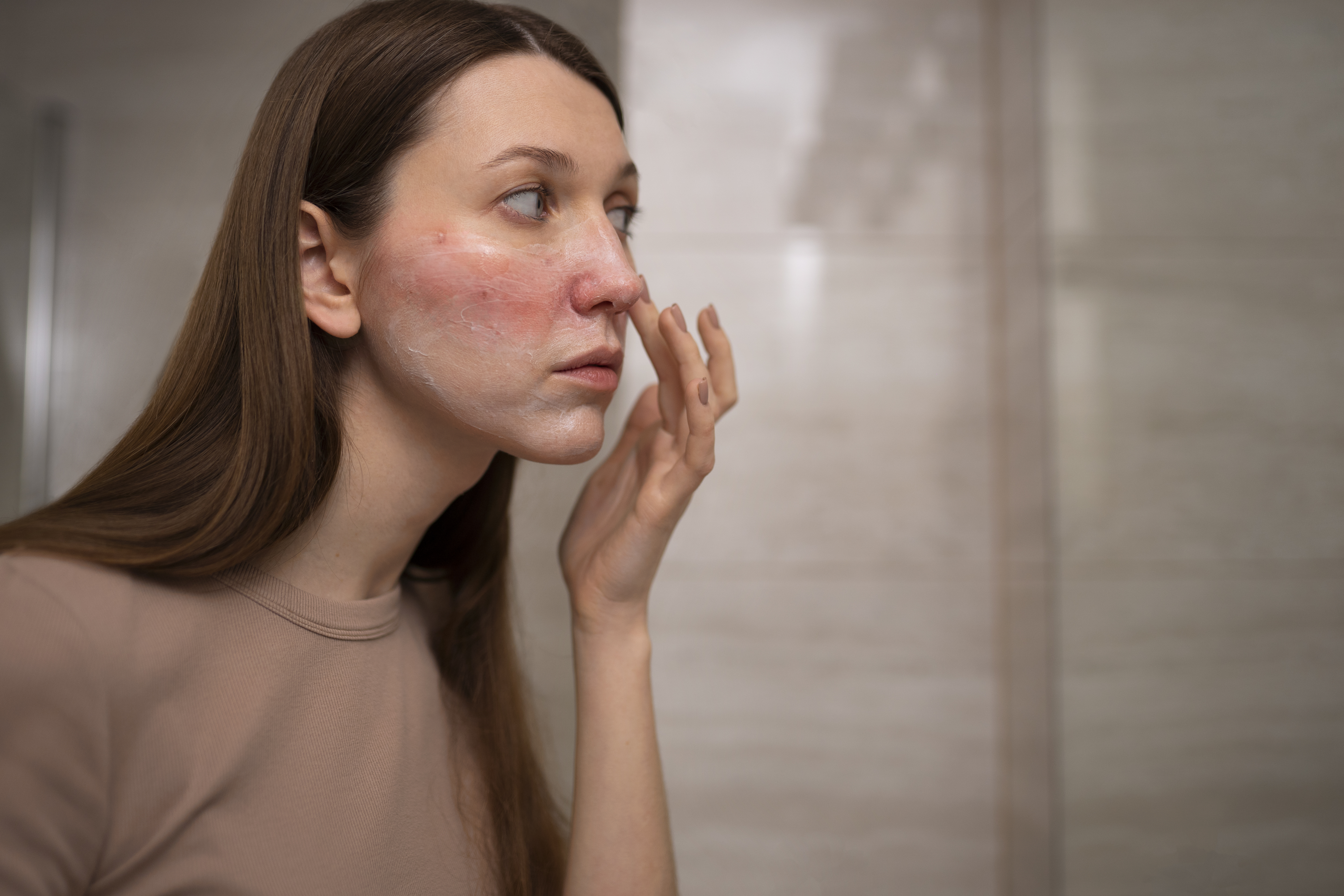 Rosacea TreatmentA chronic inflammatory condition with persistent facial redness and visible capillaries, where laser work forms one part of a longer plan built around trigger management.Read the plan →
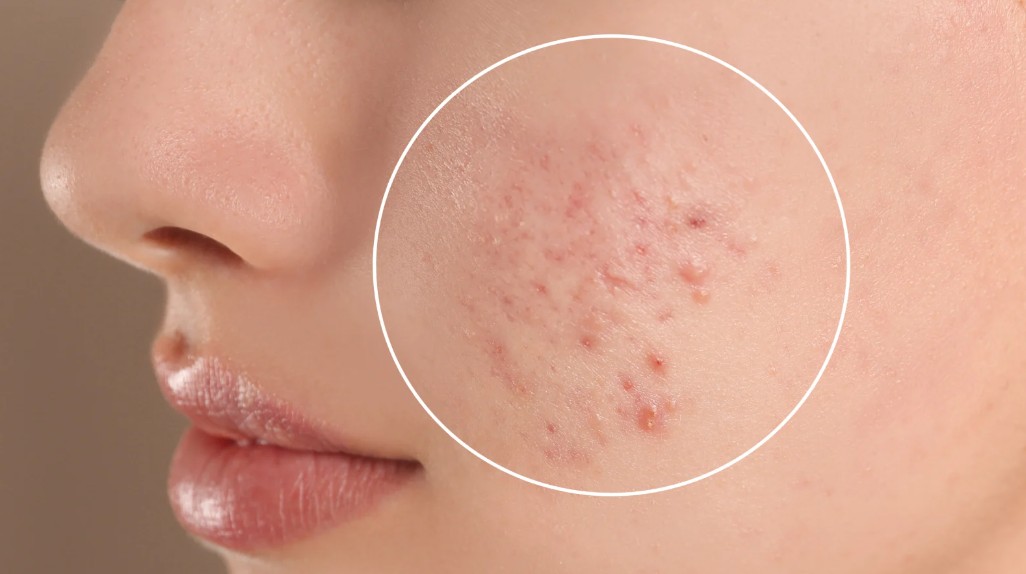 Active Acne TreatmentLight-based methods combined with the medical side of acne care, addressing excess sebum and the inflammatory response as a supporting element of the plan.See how it fits →
 Baby Face LaserA short, non-ablative thulium session aimed at dullness, uneven tone and fine surface texture, working superficially with little downtime afterwards.See the session →
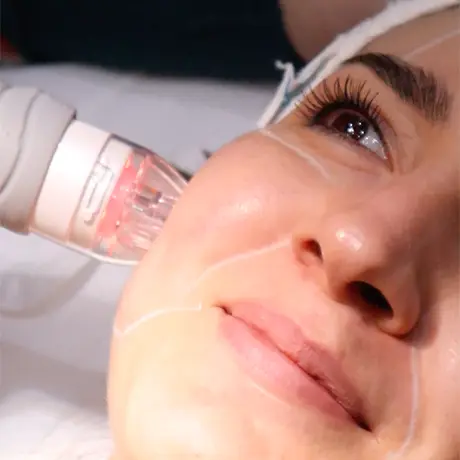 Golden NeedleGold-coated microneedles carry radiofrequency energy into the deeper layers of the skin while the surface stays largely intact, addressing laxity and texture.See the technology →
 Laser Hair RemovalTargets the melanin inside the follicle over a planned course, with session intervals set by the hair growth cycle rather than by skin healing.See the details →
How a course of treatment is planned
Assessment first. Skin type, the medication you take, your sun exposure over the last month, any history of cold sores or keloid scarring, and whether the pigment sits in the surface layer or deeper all change the plan. Some marks that look alike respond very differently.
A test area where needed. On darker skin tones, or when the response is hard to predict, a small area is treated first and reviewed before the full session.
The session itself. The area is cleansed, eye protection is worn by everyone in the room, and cooling is applied before, during or after depending on the device. Most people describe a snapping or hot-elastic sensation. A topical numbing cream can be applied beforehand for sensitive areas.
Aftercare and intervals. Redness and mild swelling for a few hours to a couple of days is the normal response. Sun protection is not optional afterwards — freshly treated skin pigments easily. Intervals between sessions are set by the tissue’s repair time and, for hair removal, by the growth cycle.
When is a laser not the right choice?
Laser work is well established, but it is not suitable for everyone or at every moment:
- Recent sun exposure or an active tan — the risk of unwanted pigment change rises sharply
- Isotretinoin use, currently or recently; the appropriate waiting period is decided during assessment
- Photosensitising medication, including some antibiotics and certain herbal preparations
- Active infection, open lesions or an inflamed rash in the treatment area
- A tendency to keloid or hypertrophic scarring
- Pregnancy and breastfeeding
- Any pigmented lesion that has changed in size, colour or border — this needs dermatological assessment before anything else
Tell us about every medication and supplement you use, any recent sun or solarium exposure, and any procedure performed on the same area in the past few weeks. These details change the settings, and sometimes the timing.
When do results become visible?
The timeline depends on what was targeted. Pigment usually darkens first and then flakes away over one to two weeks. Treated vessels may look more prominent immediately afterwards before fading over the following weeks. Textural change works on a slower clock, because it depends on collagen remodelling, and continues to develop for weeks after the final session.
Almost all of these applications are planned as a course rather than a single visit. The number of sessions varies with the depth and extent of the target, skin type and how the previous session was tolerated, and it is reviewed as the course progresses rather than fixed at the start.
Timing, seasons and combining treatments
Autumn and winter are the more comfortable months for pigment and vascular work, simply because sun exposure is easier to control. That does not rule out treatment in summer — it means stricter sun protection and, sometimes, more conservative settings.
Laser applications are often planned alongside other treatments: skin care and peels to prepare the skin, or soothing applications afterwards to shorten the recovery period. What matters is the order and the interval between them, which is set during planning so that two treatments do not stress the same tissue at the same time.