
Injection Lipolysis
A non-surgical, injection-based application used for small, localised fat deposits that stay in place despite diet and exercise. It is a contouring method, not a weight-loss treatment.

What is injection lipolysis and how does it work?
Injection lipolysis is the delivery of a fat-dissolving solution directly into a limited fat pocket using fine needles. No incision is made and no general anaesthesia is involved. The purpose is to reduce the volume of a specific area rather than to change overall body weight.
The active substance most commonly used is deoxycholic acid, a bile acid that occurs naturally in the human body and helps break down dietary fat. When placed into subcutaneous fat tissue in a controlled dose, it disrupts the membrane of the fat cells it contacts. Some protocols combine it with phosphatidylcholine, a phospholipid that helps emulsify the released fat.
The process that follows takes time. The disrupted cell contents are released into the surrounding tissue, cleared by the body’s own inflammatory and lymphatic pathways, and gradually metabolised through the liver. This is why the visible change is not immediate and why a course of sessions spread over weeks is planned rather than a single application.
Because the substance also triggers a local inflammatory response, swelling and tenderness in the treated area during the first days are an expected part of the mechanism, not a complication.
When is it preferred?
Injection lipolysis is suited to people who are close to a stable weight and are bothered by a small, well-defined bulge that does not respond to lifestyle changes. It is not an alternative to diet, exercise or to surgical fat removal, and it is not used to treat obesity.
The areas most often addressed are:
- Submental fat — the fullness under the chin, the most studied and most frequently treated site
- Jawline and lower cheek contour, in limited volumes
- Upper and inner arms
- Abdomen and flanks, when the deposit is localised rather than generalised
- Inner thighs and knee area
- Bra line and back folds
Skin quality matters as much as fat volume. If the skin over the area has lost significant elasticity, reducing the fat beneath it may make laxity more noticeable. In such cases a skin-tightening approach is usually discussed first, and injection lipolysis may not be the appropriate starting point.
How does a session proceed?
Assessment and planning. The area is examined to confirm that the fullness is fat rather than muscle, glandular tissue or fluid. Your medical history, current medication, previous procedures in the same area and your expectations are reviewed. The number of sessions and the interval between them are planned at this stage.
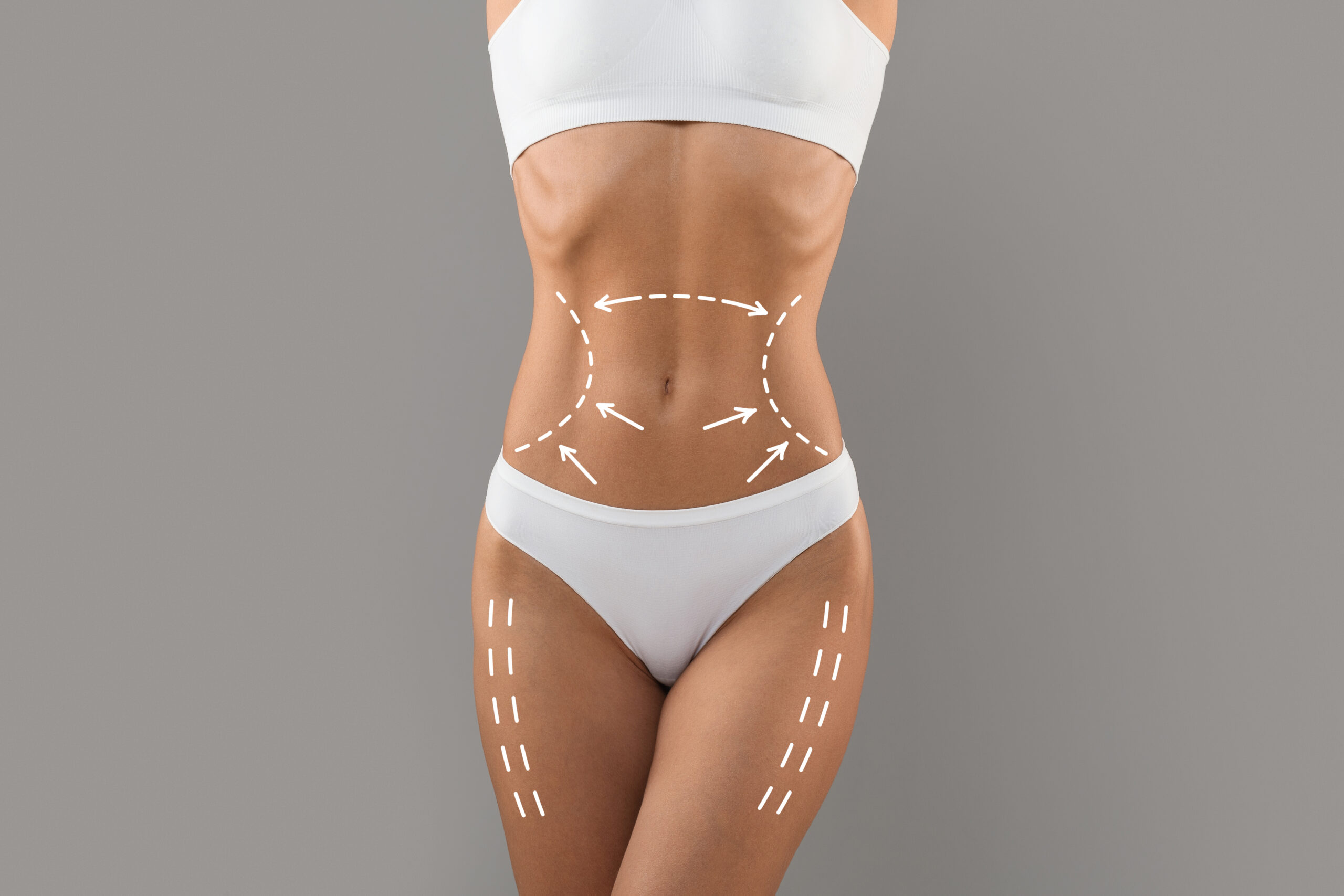
Marking. The treatment field is mapped with a grid so that the injection points are evenly distributed and the dose per point stays within the planned range. This step determines how smooth the result looks.
Anaesthesia and comfort. A topical anaesthetic cream is applied beforehand and, when needed, cold application is used. Most people describe the sensation as stinging or burning that lasts a short time after each injection.
Application. The solution is delivered into the subcutaneous fat through multiple small injections, roughly one to two centimetres deep depending on the area. A session usually takes twenty to forty minutes.
Afterwards. Swelling begins within hours and is at its most obvious over the first two to three days. Bruising, firmness and sensitivity to pressure are common. There is no need to stay at the clinic; you can return to daily activity the same day, although you may prefer to plan around visible swelling if the chin area has been treated. Heavy exercise, sauna and hot baths are usually postponed for a few days.
Sessions are typically repeated at intervals of about four weeks, and several sessions are needed before the area is reassessed. The exact number depends on the volume of the deposit and how the tissue responds.
Who is it not suitable for?
Injection lipolysis is not appropriate for everyone. It is generally avoided or requires prior medical clearance in the following situations:
- Pregnancy and breastfeeding
- Active infection, wound or inflamed skin in the area to be treated
- Liver or kidney disease affecting the body’s ability to process the released fat
- Heart failure and other significant cardiovascular conditions
- Bleeding disorders or ongoing use of blood-thinning medication
- Autoimmune or chronic inflammatory conditions under active treatment
- Uncontrolled diabetes
- Obesity, where generalised rather than localised fat is the issue — nutritional and medical support is the appropriate route here
- Previous surgery, implants or filler in the target area, which changes the anatomy and must be evaluated first
Please share your full medical history, the medications and supplements you use, and any procedure previously performed in the same area before the session. If you have a chronic condition, consult your own physician first.
When do results become visible?
Nothing meaningful can be judged in the first weeks, because swelling in the treated area masks the underlying change. As the swelling settles over two to four weeks, the contour begins to read more clearly.
The reduction develops gradually across the course of sessions and continues for some weeks after the final one, as the body completes clearing the released fat. Assessment is therefore made a few weeks after the course ends, not between sessions.
The degree of change varies from person to person and depends on the starting volume, tissue characteristics and how many sessions were completed. Fat cells that respond are reduced in that specific area only; weight gain afterwards can still change the appearance of the region, so a stable weight and consistent habits are what preserve the outcome.
Use alongside other applications
Injection lipolysis is often one part of a body contouring plan rather than a standalone step. Cold lipolysis is preferred for larger, more diffuse deposits, while injection lipolysis is better suited to small pockets that a cooling applicator cannot grip. Onda Coolwaves may be added when skin laxity and cellulite appearance accompany the fat deposit, and cellulite mesotherapy targets a different tissue problem in the same regions. Which combination is appropriate, and in what order, is decided during the assessment.
Frequently asked questions
Is injection lipolysis painful?
A stinging or burning sensation is felt during the injections and settles shortly afterwards. Topical anaesthetic cream is applied beforehand to reduce it. Tenderness to pressure in the area is common for a few days.
How many sessions are needed?
A course is planned rather than a single application, with roughly four-week intervals. The number depends on the area and the volume of the deposit, and is reviewed as the course progresses.
Is it a weight-loss method?
No. It addresses localised fat in a defined area and does not produce meaningful change in body weight. It is not used in the management of obesity.
How long does the swelling last?
Swelling appears within hours, peaks over the first two to three days and usually subsides within two to four weeks. Bruising, when it occurs, resolves sooner.
Do I need to take time off?
There is no recovery period in the surgical sense and daily activity can resume the same day. If the chin or jawline is treated, you may want to plan around the first few days of visible swelling.
Can the fat come back?
The treated area holds fewer fat cells afterwards, but the remaining cells can still enlarge with weight gain. A stable weight is what maintains the contour.
Can it be combined with other treatments?
Yes, it is frequently planned together with other body contouring applications. Timing and sequence are arranged during the assessment so that the areas are not overloaded.