
Hair Support Treatments
Non-surgical applications that work on the scalp and the follicles that are still alive — used to slow shedding, support hair quality, and prepare or maintain the scalp around a transplant.
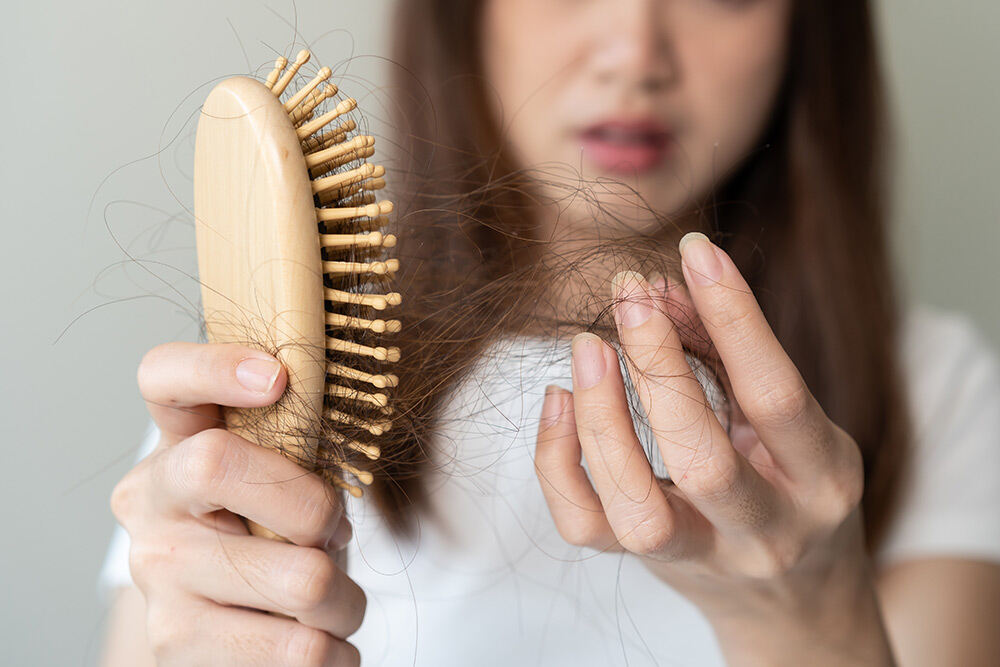
What are hair support treatments?
Hair support treatments are the group of non-surgical applications used when hair is thinning, shedding has increased, or the scalp itself is not in good condition. They do not create new follicles where none remain. What they aim to do is improve the environment around follicles that are still present but working weakly — circulation, nutrient supply, and the condition of the skin they sit in.
This is the distinction that matters most when you are deciding between options. Hair transplantation moves follicles from an area where they are resistant to loss into an area where they have been lost. Support treatments work on what you already have. In many cases the two are not alternatives at all; they answer different parts of the same problem, and a plan may include both.
At Zen Polyclinic, which application is used — and whether one is appropriate at all — is decided after the scalp is examined and the pattern and history of the shedding is reviewed. Blood tests may be requested when a systemic cause such as iron, vitamin D, thyroid or hormonal imbalance is suspected, because no scalp application resolves a deficiency that originates elsewhere.
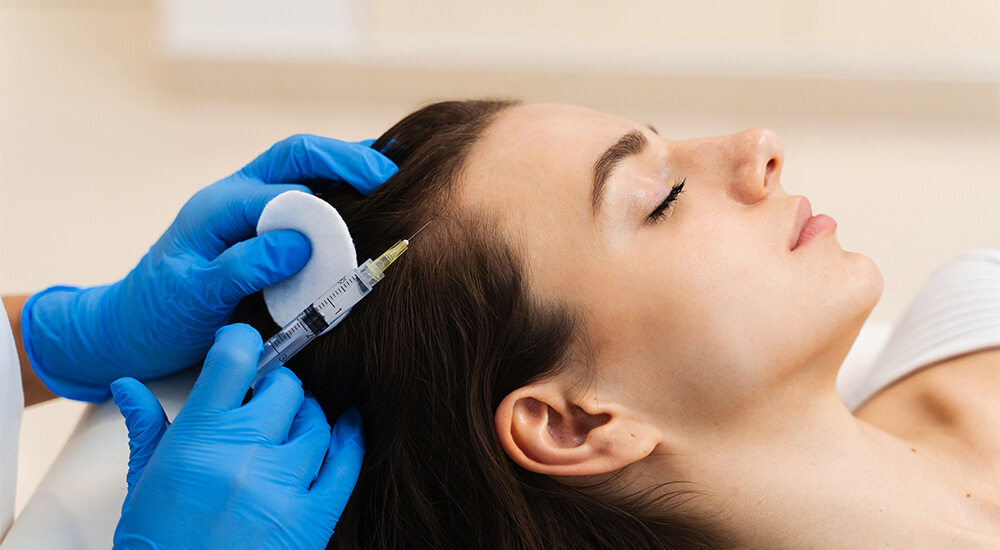
Which applications are included?
Three applications are offered under this heading at Zen Polyclinic. They differ in what is delivered to the scalp and in how the sessions are spaced.
 Hair MesotherapyA prepared mixture of vitamins, minerals and supportive components delivered into the scalp with fine needles, where hair has weakened and shedding has increased.How a session runs →
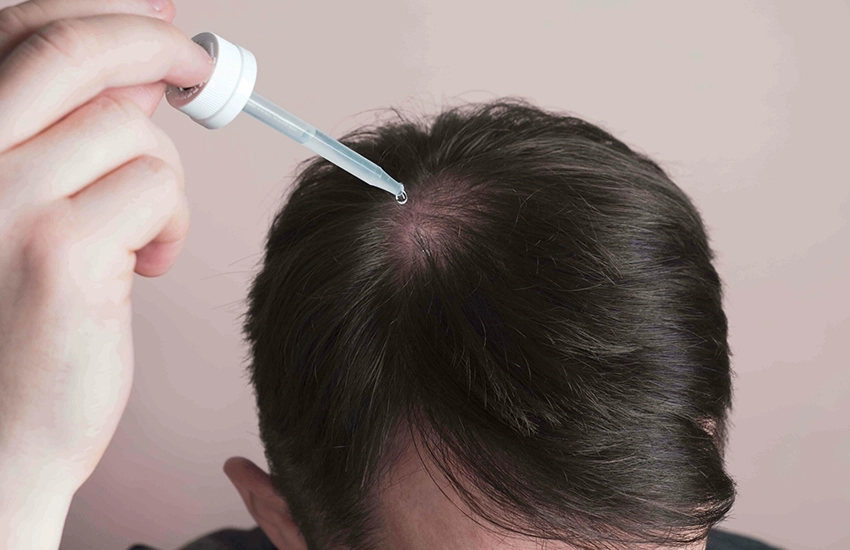 Hair Growth FactorMicro-channels are opened in the scalp and a growth-factor content is applied through them, generally preferred where the aim is hair thickness and durability.See how it works →
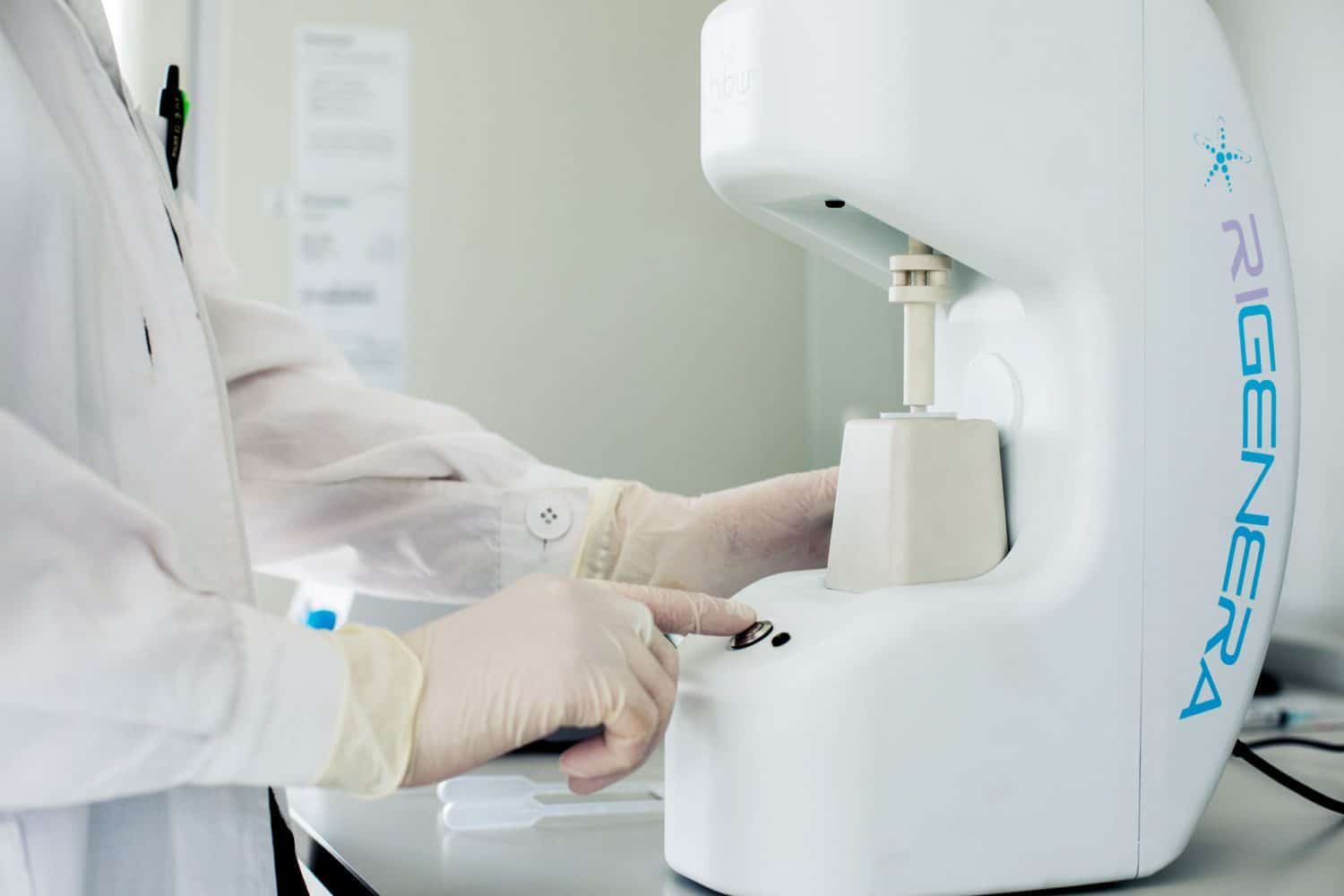 Exosome and Stem Cell TreatmentExosomes secreted by stem cells are applied to the scalp. The aim is to support the cellular environment around follicles that have not yet fully disappeared.See the procedure →
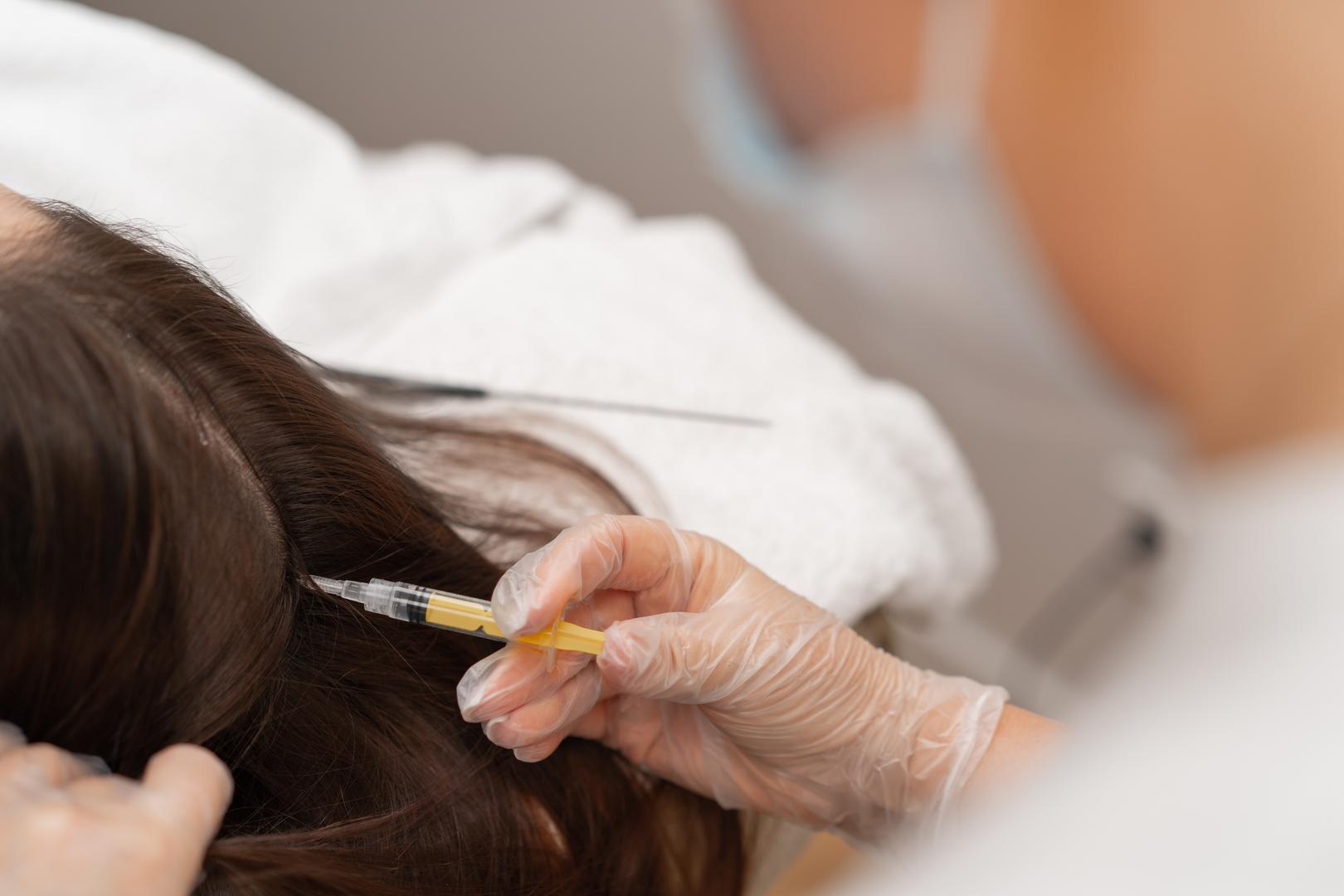 PRP Hair TherapyPlatelet-rich plasma prepared from the patient’s own blood, injected into the scalp. Aims to stimulate hair follicles and slow down shedding.See how it works →
Each of these is described in detail on its own page, including how a session runs and what the recovery looks like.
When are they preferred?
Shedding that has recently increased. When loss has picked up over the last few months and the density has not yet visibly dropped, this is the period in which support treatments are most often considered, because there are still active follicles to work with.
Thinning rather than baldness. Hair that has become finer, flatter and harder to style — but is still there — responds differently from an area where the follicle has closed entirely.
Scalp complaints alongside the shedding. Dandruff, oiliness, sensitivity or irritation are often part of the picture, and treating the scalp is part of treating the hair.
Before or after a hair transplant. Support treatments are frequently planned around transplantation — to work on the scalp beforehand, and to look after the existing hair between the transplanted areas afterwards.
Where surgery is not wanted or not yet appropriate. In early-stage loss, or where the shedding pattern has not stabilised, a non-surgical route is often the more sensible starting point.
How a plan is put together
Assessment. The scalp is examined, the affected areas are mapped, and the history of the loss is taken — when it started, whether it is diffuse or patterned, whether there is a family history, and what has changed recently in health, medication or stress.
Ruling out an underlying cause. Where indicated, laboratory tests are requested. Shedding driven by anaemia, thyroid disease, a recent illness or a medication side effect needs that cause addressed first.
Choosing the application. The findings determine which of the three applications fits, and whether a combination over time makes more sense than a single one.
Sessions. All three are course-based rather than one-off. Sessions are spaced over weeks, and the interval differs between applications.
Review. Progress is reviewed during the course. The plan is adjusted according to how the scalp responds, not fixed in advance.
Who they are not suitable for
These are low-risk applications, but they are not appropriate for everyone:
- Those with an active infection, wound or inflammatory skin condition on the scalp
- Those with a bleeding disorder or using blood-thinning medication, unless assessed beforehand
- Those in pregnancy or breastfeeding
- Those receiving cancer treatment or under immunosuppressive therapy
- Those with a known allergy to a component of the mixture to be used
- Those whose hair loss has an untreated underlying medical cause
- Those with completely closed follicles in the affected area — a support treatment has nothing to act on there
Please share your current medications, any chronic conditions and any previous scalp treatments before the session. This information affects both which application is selected and whether it should be postponed.
When do results become visible?
Hair grows in cycles, and that cycle sets the pace. Nothing applied to the scalp shortens it. In practice, the first change most people notice is a reduction in the amount of hair coming out — in brushing or in the shower — rather than new growth.
Visible change in density and thickness comes later, because a follicle that has been stimulated still has to move through its own growth phase. This is why all three applications are planned as courses and why an assessment made after one or two sessions is not meaningful.
The extent of the response varies considerably from person to person. Age, the stage of the loss, genetic predisposition and general health all affect it, and none of these applications stops a genetically driven process permanently. Where there is an ongoing tendency to shed, maintenance sessions at intervals are usually part of the plan.
Use alongside other treatments
Support treatments are rarely used in isolation. They are commonly combined with each other in sequence, and they are frequently planned around a hair transplant — before it, to bring the scalp into better condition, and after it, to look after the native hair that was not transplanted. They may also accompany medical treatment prescribed for the underlying cause of the loss.
Which combination is appropriate, and in what order, depends on the examination. Scheduling matters as well: applications that involve needling the scalp are not performed immediately after a transplant, and the appropriate interval is set during planning.