What Is Baby Botox? Micro Botox Application for a Natural Appearance
Baby botox is one of the most talked-about medical aesthetic applications of recent years and is an ideal option for people who want a natural appearance and are hesitant to look “done.” Applied at a lower dose and more finely tuned compared to classic botox, this method softens fine lines and gives a rested, fresh expression without completely freezing the facial expressions. So what exactly is baby botox, how does it differ from classic botox, who is it suitable for, how is it applied, and how does it provide a natural appearance? In this comprehensive guide, we address all these questions in detail.
What Is Baby Botox?
Baby botox is a version of the classic botox application performed at a lower dose and more delicately. In this method, also called “micro botox,” botulinum toxin is injected in a much smaller amount and into muscles close to the surface with fine adjustments. The aim is not to leave the facial muscles completely motionless, but only to slightly calm excessive muscle activity.
This way, fine lines and early wrinkle signs soften; however, the facial expression remains natural. Baby botox has become increasingly popular, especially among those who will have botox for the first time and those who want to avoid an exaggerated, “frozen” appearance.
The Difference Between Classic Botox and Baby Botox
Baby botox and classic botox use the same active substance (botulinum toxin); the main difference is in the dose and application technique. Classic botox aims to almost completely eliminate prominent wrinkles by relaxing the facial muscles more strongly.
Baby botox, on the other hand, provides a partial relaxation of the muscles with a lower dose. This way, the lines soften but the facial movements are preserved. This approach offers a more natural result and is preferred especially in young skin, on lines that have not yet deepened. Which one is suitable is determined according to the person’s skin structure, age, and expectation.
How Is Baby Botox Applied?
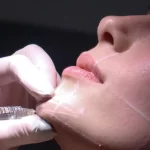
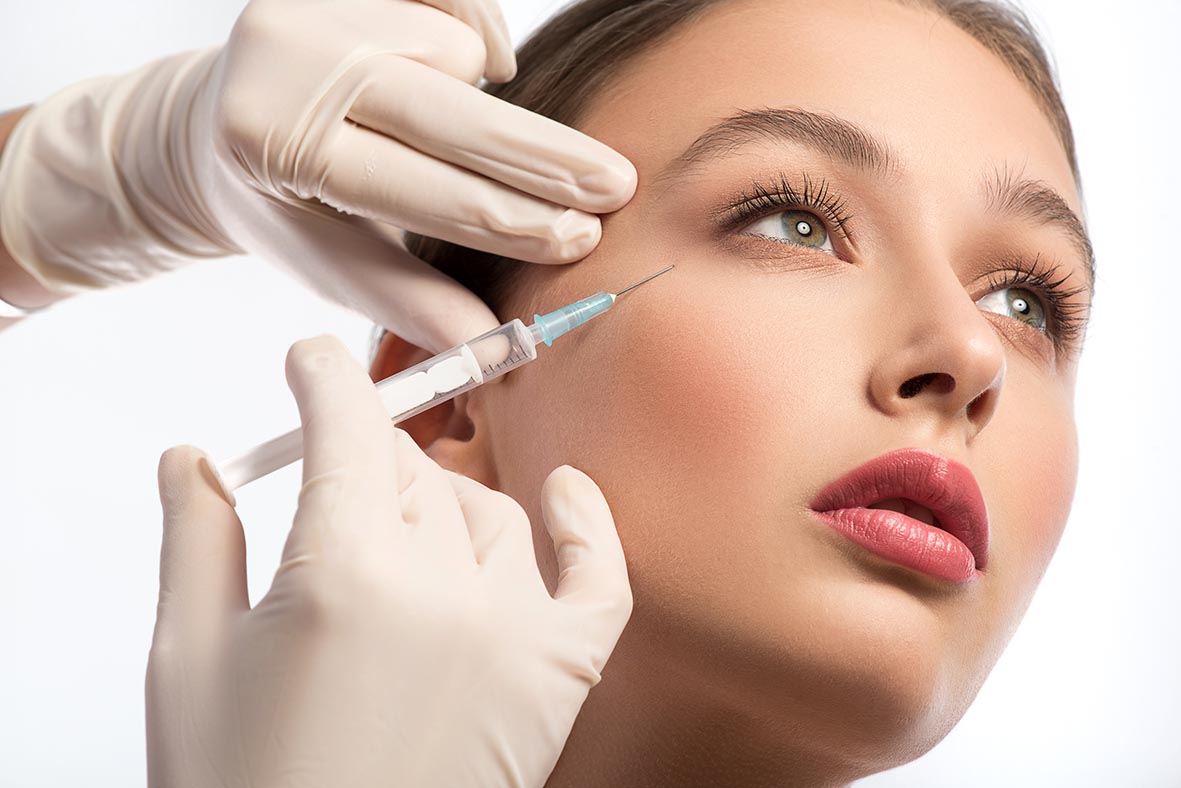
Baby botox application is performed by an experienced physician after a facial analysis is done. First, the areas to be treated and the facial movements are evaluated; then a low dose of botulinum toxin is injected into the designated points with very fine-tipped needles.
The procedure usually takes 10-20 minutes and allows an immediate return to daily life. The injection points and dose are meticulously adjusted according to the person’s muscle structure and the level of naturalness they want. The success of baby botox depends on the correct adjustment of the dose and an experienced practitioner who has command of facial anatomy.
To Which Areas Is Baby Botox Applied?
Baby botox is applied to the areas of the face where fine lines caused by facial expressions form:
- Forehead lines: Horizontal lines formed by the eyebrow-raising movement.
- Between the eyebrows (glabella): Vertical lines formed as a result of frowning.
- Around the eyes (crow’s feet): Fine lines that appear with smiling.
- Top of the nose (bunny lines): Nose-wrinkling lines.
- Upper lip and around the chin: Delicate application for fine expression lines.
Which areas it will be applied to is determined individually according to the person’s expression structure and goals.
Who Is Baby Botox Suitable For?
Baby botox is ideal especially for people who want a natural result and want to preserve their facial expressions. Those who will have botox for the first time, those considering a preventive application at an early age, and people with fine lines that have not yet deepened gain great satisfaction from this method.
In addition, people who have previously had classic botox and were uncomfortable with a “too motionless” appearance may prefer the more natural result of baby botox. It is an application that can usually be considered from the late 20s, when expression lines begin to become evident. Suitability must be determined by an expert evaluation.
How Does Baby Botox Provide a Natural Appearance?
The biggest advantage of baby botox is that it offers a natural result. Thanks to the low dose and delicate application, the muscles are relaxed partially, not completely. This softens the lines while allowing the person to preserve natural expressions such as smiling and raising the eyebrows.
As a result, the face does not look “done,” but only more rested and fresh. People around usually react with “you look very fresh” rather than “what did you have done?” This unnoticeable naturalness is the basic feature that makes baby botox so popular.
What Does “Micro Botox” Mean? The Low-Dose Logic
Baby botox is often also referred to as “micro botox”; because its basic logic is a low dose and an application divided into many delicate points. While a higher dose is given to certain points in classic botox, in baby botox the dose is less and distributed more widely.
This approach provides a soft and gradual relaxation in the muscles instead of a sudden and pronounced immobility. The low-dose logic both preserves naturalness and reduces the risk of overcorrection. For this reason, baby botox is an application that works with a “less but correct” philosophy.
When Does Baby Botox Take Effect and How Long Does It Last?
The effect of baby botox begins to appear within 2-3 days after the application and usually settles fully within 7-14 days. During this process, the lines gradually soften and the face takes on a more rested appearance.
Because a low dose is used, the effect of baby botox may last a little shorter than classic botox; it is usually around 3-4 months. When the effect decreases, the application can be repeated. When done at regular intervals, the deepening of the lines slows down and the skin gains a smoother appearance over time.
Baby Botox as Preventive Botox
In recent years, baby botox has also been preferred especially at a young age for the purpose of “preventive botox.” Before permanent wrinkles have yet formed, it is applied at a low dose to slow the deepening of lines caused by facial expressions.
The logic of this approach is to delay the constantly repeated facial movements turning into permanent lines over time. Preventive baby botox, when applied while the lines are still at the superficial stage, can help delay the formation of deeper wrinkles in the future. However, this application must also be done with a personalized and realistic plan.
Does Baby Botox Application Hurt?
Since baby botox is applied with very fine-tipped needles, it is a quite comfortable procedure for most people. A slight prick or tingling may be felt during the injection; however, this sensation is short-lived and usually does not require anesthesia.
For people sensitive to pain, a topical anesthetic cream can be applied before the procedure. After the procedure, mild redness or small bruises may rarely appear at the injection points; these pass on their own in a short time. In general, baby botox is a short application that does not disrupt daily life.
What to Consider After Baby Botox?
Following a few simple rules after baby botox ensures that the result settles in the best way:
- Do not lie down for the first 4-6 hours after the procedure, take care to stay upright.
- Do not massage or rub the application area on the first day.
- Avoid intense sports, sauna, hot showers, and excessive heat for the first 24 hours.
- Stay away from alcohol and products with a blood-thinning effect on the day of application.
- Follow the recommendations given by your specialist and the follow-up appointment.
These precautions ensure that the toxin settles in the correct area and that unwanted spread is prevented.
Baby Botox Side Effects and Safety
Baby botox is a safe procedure when applied at an appropriate dose by an experienced physician. Because a low dose is used, the risk of side effects is usually lower than with classic botox. The side effects that may be seen are mostly temporary.
The most common are mild redness at the injection points, small bruising, and temporary tenderness. Headache or temporary asymmetry may rarely occur. Having the application performed by an authorized and experienced specialist minimizes these risks. For more information about the safety of botox, you can review our article on the most frequently asked questions about botox.
Baby Botox or Classic Botox? Which Should You Choose?
The choice between baby botox and classic botox depends on the person’s age, skin structure, the depth of their lines, and their expectation. Baby botox is ideal for younger people whose lines are still superficial and who want a natural result.
In people with deepened, prominent wrinkles who want a stronger correction, classic botox may be more suitable. In some cases, these two approaches can also be planned together. The most correct decision is made together with an experienced specialist who performs a facial analysis. What matters is that the result is in harmony with the person’s natural appearance.
Baby Botox and the “Frozen” Appearance Concern
When botox is mentioned, the first concern that comes to many people’s minds is a “frozen,” expressionless face. Baby botox is an approach developed precisely to eliminate this concern. Thanks to the low dose and delicate application, the facial expressions are preserved.
When applied correctly, baby botox does not leave the face motionless; it only lightens excessive muscle activity. This way, the person can smile, raise their eyebrows, and maintain their natural expressions. The “frozen” appearance usually results from a high dose or incorrect application; the basic aim of baby botox, on the contrary, is to preserve naturalness.
How Often Should Baby Botox Be Repeated?
Since the effect of baby botox usually lasts 3-4 months, it needs to be reapplied at certain intervals to maintain the result. After the first applications, it is recommended to do a renewal during the period when the effect begins to decrease.
In applications done at regular and correct intervals, the duration of the effect may lengthen somewhat over time because the muscle habit changes. The frequency of repetition varies from person to person and is determined by your specialist. Since excessively frequent or high-dose application can disrupt naturalness, it is important that the planning be done under the supervision of a specialist.
Can Baby Botox Be Done Together with Other Applications?
Baby botox can be combined compatibly with other medical aesthetic applications. For example, it can be planned together with filler applications in areas with volume loss, skin mesotherapy to improve skin quality, or various skin care procedures.
These combinations provide a more balanced and natural result by evaluating the face with a holistic approach. However, which applications can be done together and the order of application must be planned by a specialist according to the person’s needs. The right combination can create a holistic rejuvenation effect beyond a single application.
Common Misconceptions About Baby Botox
Let us clarify some misconceptions circulating about baby botox:
- “Baby botox freezes the face.” False; the aim, on the contrary, is to provide a natural appearance by preserving the facial expressions.
- “Once you start, you can’t stop.” False; its effect is temporary, if you stop the application the face returns to its former state.
- “It is only suitable for the elderly.” False; it can also be preferred at a young age for preventive purposes.
- “Botox is harmful.” With an appropriate dose and expert application, it is a safe procedure.
The right information removes doubts about baby botox.
Factors Affecting Baby Botox Prices
Baby botox prices vary according to the number of areas to be treated, the dose required, the brand of the product used, and the service quality offered by the clinic. Single-area applications are naturally more economical than multi-area applications.
As important as the price is that the product used is original and approved, and the experience of the practitioner. A low-quality product or inexperienced application for the sake of a low price can negatively affect both the result and safety. The most correct approach is an application planned at a reliable clinic, with an original product and an experienced specialist. For up-to-date price information, you can contact Zen Polyclinic.
Who Should Not Have Baby Botox?
Although baby botox is a safe application, in some cases it should not be done or should be postponed. Pregnant and breastfeeding women, those who are allergic to botulinum toxin, and those with an active skin infection in the application area should avoid this application.
In addition, those with certain neuromuscular diseases or using certain medications must definitely inform their specialist. A detailed health evaluation before the application is essential for both safety and success. In any case where you have doubts, it is best to consult your specialist.
Why Is the Right Practitioner So Important?
The success of baby botox largely depends on the experience of the practitioner and their command of facial anatomy. In this method, which requires a low dose and delicate application, determining the correct points and the correct dose is the key to a natural result.
A wrong point or wrong dose can lead to asymmetry, unwanted muscle weakness, or an appearance far from natural. For this reason, it is of great importance that baby botox be done by an authorized physician, under hygienic conditions, and with an original product. Choosing a reliable clinic is the basis for both a safe and a satisfying result.
How Is the Preparation Before Baby Botox Done?
No special or difficult preparation is needed before baby botox; however, paying attention to a few simple points positively affects the result and reduces the risk of bruising. It is useful to avoid products with a blood-thinning effect (without expert approval) and heavy alcohol consumption a few days before the application.
In addition, the skin being clean and makeup-free on the day of the procedure makes the application more hygienic and comfortable. Most importantly, during the consultation, clearly convey your expectations and past aesthetic procedures to your specialist. This transparent communication helps create the most suitable dose and point plan for you.
Is Baby Botox Applied to Men?
Baby botox is not an application specific only to women; in recent years it has been attracting increasing interest among men as well. Men prefer baby botox, which offers a natural result, especially to soften forehead and between-the-eyebrows lines.
Since the muscle structure in men is usually stronger, the dose planning may differ from women; however, the basic logic is the same: to soften the tired and hard expression while preserving the facial expressions. When applied correctly, baby botox gives men a more rested, fresh expression without looking “done.” For this reason, the priority of naturalness is the most important element for men as well.
How Does the First Week After Baby Botox Go?
The first week after baby botox is the period when the effect gradually settles. You may not notice a significant change in the first few days; this is completely normal. The effect usually begins to be felt from the 3rd day, and toward the end of the week the lines begin to soften.
During this process, mild redness or small bruises may appear at the injection points; these usually disappear within a few days. Following the care rules recommended by your specialist throughout the first week ensures that the result settles in the best way. The full effect appears clearly within 2 weeks; therefore, it is important to wait this period to evaluate the final result.
Is Baby Botox Permanent, Is It Reversible?
The effect of baby botox is not permanent but temporary; this is actually an advantage for many people. The effect usually lasts 3-4 months, after which the muscles gradually return to their former activity. So if you do not like the result, it completely reverses over time and the face returns to its former state.
This temporary nature makes baby botox safe and worth trying, especially for those having an application for the first time. The effect reversing does not mean that the application is “harmful”; it is only a result of the natural mechanism of action of botulinum toxin. If you are satisfied with the result, you can preserve the appearance by continuing the application at regular intervals.
Can a Skincare Routine Be Carried Out Together with Baby Botox?
Baby botox is an application that complements a healthy skincare routine; the two do not replace each other but rather support each other. Using regular moisturizing, sun protection, and care products suitable for your skin type helps preserve the results of baby botox for longer.
Sun protection in particular is the most important preventive step against skin aging and supports the effect of baby botox on fine lines. Your specialist can recommend a care routine suitable for your skin after the application. This way, both expression lines soften and overall skin quality is preserved, achieving a holistic rejuvenation effect.
Is There a Best Time for Baby Botox?
Baby botox is a procedure that can be safely applied in every season throughout the year; there is no specific “mandatory” season. However, some people prefer to time it before an important event (such as a wedding or special invitation) so that the result fully settles.
In this case, since it takes 2 weeks for the effect to fully settle, it is recommended to do the application at least 2-3 weeks before the important day. This way, possible small bruises pass and the result becomes clear. In general, baby botox is a flexible application; you can plan the timing according to your personal calendar and your specialist’s recommendation.
Common Mistakes About Baby Botox
There are some common mistakes that should be avoided to get the best result from baby botox:
- Choosing an inexperienced practitioner: Having an application in inexperienced hands for the sake of a low price can lead to unnatural results.
- Excessively frequent repetition: Renewing too early before the effect has fully worn off can disrupt naturalness.
- High-dose expectation: The misconception “more dose, better result” is contrary to the natural philosophy of baby botox.
- Neglecting care rules: Not following post-procedure recommendations can cause the effect to settle incorrectly.
Avoiding these mistakes is the key to both a natural and a satisfying result.
Baby Botox Application at Zen Polyclinic
As Zen Polyclinic, at our center in Istanbul, we aim to offer baby botox applications targeting a natural appearance with our experienced physician staff and original products. Before the application, we perform a detailed facial analysis, evaluate your expression structure and expectation, and create a personalized plan that prioritizes naturalness. To get more information about baby botox and for a personalized evaluation, you can request a free consultation from Zen Polyclinic experts.
Conclusion
Baby botox is a modern micro botox application that is performed at a lower dose compared to classic botox, softens fine lines by preserving the facial expressions, and provides a natural, rested appearance. It is ideal especially for those who want a natural result, who will have botox for the first time, or who are considering an application at a young age for preventive purposes. The naturalness of the result depends on the correct dose, the correct point selection, and an experienced practitioner. To create the most suitable, natural-result baby botox plan for you, you can contact Zen Polyclinic experts.
Frequently Asked Questions (FAQ)
What is baby botox?
Baby botox is a version of classic botox applied at a lower dose and more delicately. It is also known as micro botox. By injecting botulinum toxin in a small amount with fine adjustments, fine lines are softened without completely freezing the facial expressions, providing a natural, rested appearance.
What is the difference between baby botox and classic botox?
Both use the same active substance (botulinum toxin); the main difference is in the dose and technique. Classic botox relaxes the muscles more strongly and targets prominent wrinkles. Baby botox provides partial relaxation with a low dose; the lines soften but facial movements are preserved, and the result is more natural.
Does baby botox provide a natural appearance?
Yes, the basic aim of baby botox is naturalness. Thanks to the low dose and delicate application, the muscles are relaxed partially, not completely; this softens the lines while preserving expressions such as smiling and raising the eyebrows. The face does not look frozen, only more rested and fresh.
When does baby botox take effect and how long does it last?
The effect begins to appear 2-3 days after the application and settles fully within 7-14 days. Because a low dose is used, the duration of the effect is usually around 3-4 months. When the effect decreases, the application can be repeated; when done regularly, the deepening of the lines slows down.
At what age can baby botox be done?
Baby botox can usually be considered from the late 20s, when expression lines begin to become evident. It can also be preferred at a young age for preventive purposes. Suitability is determined not by age but by the person’s skin structure, lines, and expectation through an expert evaluation.
Does baby botox hurt?
Since baby botox is applied with very fine-tipped needles, it is comfortable for most people. A slight prick or tingling may be felt, but it is short-lived and usually does not require anesthesia. A topical anesthetic cream can be applied to pain-sensitive people before the procedure.
Is baby botox safe?
When applied at an appropriate dose with an original product by an experienced physician, baby botox is a safe procedure. Because a low dose is used, the risk of side effects is usually lower than with classic botox. Possible side effects (mild redness, small bruising) are mostly temporary.
Does baby botox freeze the face?
No. Baby botox was developed precisely to eliminate the frozen-appearance concern. Thanks to the low dose and delicate application, facial expressions are preserved; the person can smile and raise their eyebrows. The frozen appearance usually results from a high dose or incorrect application.