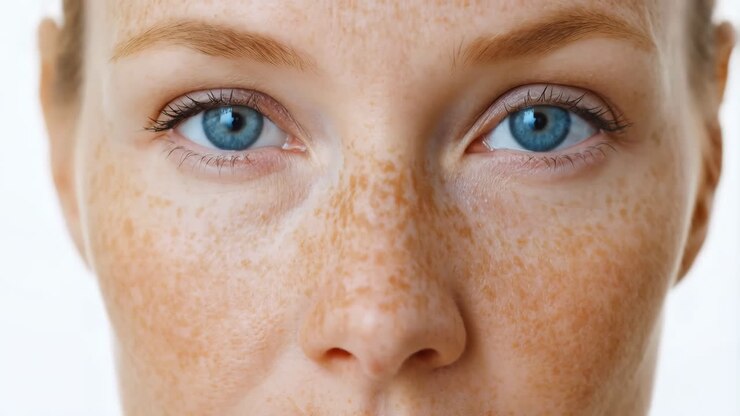
What Is Melasma (Pregnancy Mask) and How Is It Treated?
Melasma is a common, chronic pigmentation disorder that appears as symmetrical brown or grayish-brown patches on the skin, particularly on the face. Also known as the “pregnancy mask,” melasma most often develops on the cheeks, forehead, around the upper lip and along the jawline; it is closely associated with sun exposure and hormonal changes. So what exactly is melasma, why does it occur, what symptoms does it produce and how is it treated in modern medical aesthetics? In this comprehensive guide, we address all these questions in detail.
What Is Melasma?
Melasma is a form of discoloration that occurs when the pigment-producing cells in the skin, called melanocytes, work excessively and irregularly, leading to an overaccumulation of melanin in certain areas. This accumulation appears on the skin surface as well-defined, symmetrical dark patches that are usually distributed in a similar way on both cheeks. Melasma is not cancer, it is not contagious and it poses no health risk; however, because of its appearance, it can negatively affect a person’s self-confidence and quality of life. The shade can range from light brown to dark brown and usually intensifies in sun-exposed areas.
Why Is Melasma Known As the “Pregnancy Mask”?
The reason melasma is popularly called the pregnancy mask is that in a significant proportion of women it first appears during pregnancy. The marked increase in the hormones estrogen and progesterone during pregnancy stimulates melanocyte cells, leading to the formation of symmetrical patches on the face. While these patches may fade on their own in some women after childbirth, in others they can become permanent. The same hormonal mechanism can be similarly triggered in women using birth control pills or undergoing hormone therapy. For this reason melasma is not limited to pregnancy, but its visibility during pregnancy gave it its name.
What Are the Symptoms of Melasma?
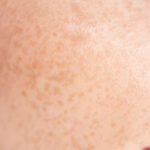
The most obvious symptom of melasma is symmetrically placed, flat (non-raised) and well-defined brown-grayish patches on the face. These patches do not cause itching, pain, burning or flaking; they are purely an aesthetic appearance issue. The symptoms are generally recognized by the following features:
- Concentration in sun-exposed areas such as the cheeks, forehead, upper lip and chin
- Similar and symmetrical distribution on both halves of the face
- Becoming more pronounced in summer and fading somewhat in winter
- Flat patches that are not raised above the skin surface
The severity of symptoms can vary from person to person and according to sun exposure.
In Which Areas Does Melasma Appear?
Melasma most often appears in the central region of the face, namely the forehead, bridge of the nose, cheeks and around the upper lip; this is called the “centrofacial” type. The second most common location is the “malar” type, over the cheek and nose ridges. More rarely, the “mandibular” type located along the jawline can also be seen. Outside the face, melasma-like discolorations can also appear in areas constantly exposed to the sun, such as the neck, décolletage and forearms. The location and depth of the patch play an important role in determining the treatment plan, which is why a detailed skin assessment is the first step of treatment.
Why Does Melasma Occur?
There is no single cause behind the development of melasma; genetic predisposition, hormonal changes and sunlight combine to produce the condition. In skin that is genetically predisposed to melasma, ultraviolet rays stimulate melanocyte cells and increase melanin production. Hormonal factors make these cells more sensitive, so the response to the sun becomes exaggerated. Heat, certain cosmetic products, certain medications and aggressive procedures that irritate the skin can also worsen the condition. In other words, melasma is a multifactorial condition that develops on a background of individual predisposition through the combination of environmental and hormonal triggers.
What Is the Role of Sunlight in Melasma?
Sunlight is the most powerful trigger of melasma and at the same time its most important aggravator. In addition to ultraviolet (UV) rays, visible light and blue light also stimulate melanocyte cells and increase melanin production. For this reason melasma becomes more pronounced in summer and partially fades in winter. No matter how successful the treatment, unprotected sun exposure causes the patches to return quickly. That is why the use of broad-spectrum sunscreen is not a complementary but an indispensable part of melasma treatment. Without sun protection, no treatment delivers a lasting result.
What Are the Types of Melasma?
Melasma is classified according to which layer of the skin the pigment accumulates in, and this classification directly affects the response to treatment. Epidermal melasma is the type in which the pigment is in the superficial layer, with well-defined borders and the best response to treatment. Dermal melasma is the type in which the pigment accumulates deeper, in the lower layer, with blurred borders and is more difficult to treat. The mixed type involves both layers and is the most common form. Determining which type you have is critically important for setting realistic expectations and choosing the right treatment combination.

Who Is More Likely to Develop Melasma?
Melasma is far more common in women than in men; the vast majority of cases occur in women. The main reason for this is the dominant role of hormonal factors. It usually appears in women of childbearing age, generally between the ages of 20 and 50. It is more common in skin with a medium or olive tone that tans easily (Fitzpatrick III-IV). Those with a family history of melasma, those living in sunny climates and those who spend a lot of time outdoors are also at risk. It can also occur in men; in this case genetic predisposition and sun exposure are at the forefront.
Is Melasma Related to Hormones?
Yes, there is a strong connection between melasma and hormones. Fluctuations in the hormones estrogen and progesterone stimulate melanocyte cells and increase melanin production. For this reason pregnancy, the use of birth control pills, hormone replacement therapy and the menopausal period are important triggers for melasma. In some women thyroid disorders may also accompany the condition. When the hormonal trigger is removed, the patches may fade somewhat, but they usually do not disappear completely. This hormonal dimension explains why melasma is prone to recurrence after treatment and why it requires long-term management.
What Is the Difference Between Melasma and Sunspots (Lentigo)?
Melasma and sunspots are often confused, but they are different conditions. Sunspots (lentigo) are usually individual, irregularly distributed, sharply bordered spots that appear as a result of years of sun damage; they are seen more on the back of the hands, arms and the upper part of the face. Melasma, on the other hand, is symmetrical, occurs in patches and is closely related to hormonal influence. While sunspots are generally cleared more quickly and permanently with laser, melasma is more resistant and prone to recurrence due to its hormonal dimension. Correct diagnosis is the prerequisite for choosing the right treatment.
How Is Melasma Diagnosed?
Melasma is usually diagnosed through a clinical examination performed by an experienced specialist. The location, symmetry, color and borders of the patch are evaluated. A special purple light called a Wood’s lamp may be used to determine the depth of the pigment; this method helps distinguish between epidermal and dermal pigment. Digital skin analysis devices are also useful in evaluating pigment distribution and the structure beneath the skin. Rarely, if another condition with a similar appearance is suspected, a small biopsy may be required. Correct diagnosis is the most critical step of the process because it determines both the treatment plan and realistic expectations.
How Is Melasma Treated?
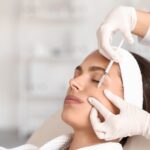
Melasma treatment does not rely on a single method; it requires a multi-stage and personalized approach. The foundation of treatment consists of strict sun protection, topical products that suppress pigment production and skin-renewing medical applications. While methods such as chemical peeling and fractional laser are used for superficial pigment, a more cautious and gradual approach is adopted for the deep type. Mesotherapy and some skin care protocols support the treatment. At Zen Polyclinic, melasma treatment is carried out with a combined plan that takes into account your skin type and the type of melasma; the goal is as much to prevent recurrence as to lighten the patch.
What Topical Products Are Used in Melasma Treatment?
Topical products are the cornerstone of melasma treatment and usually contain active ingredients aimed at suppressing pigment production. Hydroquinone is a lightening compound considered the gold standard; alongside it, substances such as azelaic acid, kojic acid, niacinamide, vitamin C and tranexamic acid are also used. Retinoids accelerate skin renewal and support pigment elimination. These products are usually used under the supervision of a physician in a specific course; unconscious and long-term use can irritate the skin and worsen the condition. The right product choice and the right duration of use are the keys to successful treatment.
Are Laser and Light Systems Effective in Melasma Treatment?
Laser and light-based systems are valuable tools in melasma treatment when the right patient is selected. Fractional laser and low-energy laser applications gradually break down the excess pigment in the skin and improve its appearance. However, in melasma, laser is a double-edged tool: when applied with the wrong parameters or aggressively, the heat effect can increase pigment and worsen the condition. For this reason laser must always be applied at low dose, in a controlled manner and with melasma-specific protocols. At Zen Polyclinic, in blemish treatment, the choice of device and energy setting are carried out meticulously, taking into account the sensitive nature of melasma.
Does Chemical Peeling Work for Melasma?
Chemical peeling is an effective method, especially in superficial (epidermal) melasma. By enabling the controlled exfoliation of pigment-containing cells in the upper layer of the skin, it helps lighten the patches. Acids such as glycolic acid, mandelic acid and low-concentration TCA are suitable options for melasma. Peeling is usually applied together with topical treatments, in courses. In melasma, high-concentration and aggressive peels should be avoided, because they can irritate the skin and cause an adverse reaction. A gradual and gentle approach provides results that are both safe and more lasting. Choosing the right acid and concentration requires expertise.
Is Mesotherapy Used in Melasma Treatment?
Mesotherapy can be used as a supportive method in melasma treatment. Delivering lightening and antioxidant-effective components (such as tranexamic acid, vitamin C and glutathione) into the skin via microinjections helps suppress pigment production and even out the skin tone. Mesotherapy is not a miracle solution on its own; however, when combined with topical treatments, peeling and controlled laser applications, it can increase the effectiveness of treatment. By providing moisture and vitality to the skin, it also positively supports the appearance. The place of mesotherapy in melasma is as a complementary part of a holistic treatment plan.
Does Melasma Go Away Completely?
It is not correct to guarantee that melasma will disappear completely and permanently; this is an important part of setting realistic expectations. Melasma is a chronic and recurrence-prone condition. With the right treatment, the patches can lighten significantly and may even noticeably disappear; however, if hormonal triggers and sun exposure continue, they can reappear. For this reason melasma should be treated as a condition that is “managed” rather than “cured.” With regular sun protection, maintenance topical care and periodic check-ups, it is possible to keep the patches under control for a long time. The goal is to establish a lasting care discipline.
How Long Does Melasma Treatment Take?
Melasma treatment is a process that requires patience, and results usually become apparent not within weeks but within months. The effect of topical treatments usually begins to be seen within 8-12 weeks. Laser and peeling applications are performed in several sessions at specific intervals. The total duration of treatment varies according to the type and depth of the melasma and the skin’s response; in most patients, active treatment lasting a few months is followed by a maintenance period. Aggressive approaches that promise rapid results usually provide temporary benefit and then worsen the condition. A gradual, patient and regular treatment always provides a more lasting result.
What Mistakes Should Be Avoided in Melasma Treatment?
The most common mistake in melasma treatment is resorting to aggressive and uncontrolled methods out of impatience. High-dose laser, harsh peeling or the unconscious use of creams can irritate the skin and increase pigment. Neglecting sun protection wastes even the most successful treatment. Lightening products of uncertain content obtained from the internet can cause serious side effects. Another mistake is abandoning treatment halfway or not maintaining the maintenance care. Success in melasma management is possible with a gentle and continuous approach under the supervision of an experienced specialist. Hasty decisions usually lead to more problems in the long run.
Is It Possible to Prevent Melasma?
Genetic predisposition to melasma cannot be changed, but by controlling the triggers it is possible to significantly reduce its occurrence and severity. The most effective measure is to use broad-spectrum sunscreen all year round, regardless of the season. Physical protection methods such as hats and sunglasses are also useful. It is important to avoid aggressive cosmetic procedures and harsh products that irritate the skin. If pregnancy or hormone use is planned, paying attention to skin care in advance can mitigate the condition. For people in the risk group, regular skin care and early intervention are the smartest approach to slowing the progression of melasma.
Can Melasma Be Treated During Pregnancy?
Caution is needed in melasma treatment during pregnancy, because some topical products and procedures are not recommended during this period. Compounds such as hydroquinone and retinoids are generally not used in pregnancy. For this reason melasma management during pregnancy is largely limited to sun protection and gentle skin care products considered safe in pregnancy. The good news is that some pregnancy-related melasma can fade on its own after childbirth and the breastfeeding period end. Active treatment is usually started after this period is complete. It is important to consult your physician before using any product during pregnancy.
What Is the Role of Skin Care in Melasma Treatment?
Proper skin care is an important component that supports the success of melasma treatment. Products that gently cleanse, moisturize and strengthen the barrier function of the skin increase the skin’s tolerance during the treatment process. Serums containing antioxidants help suppress pigment formation. Avoiding harsh, scrubbing and irritating products prevents the worsening of melasma. Professional medical skin care applications are useful in preparing the skin for treatment and preserving the results. A regular and gentle care routine contributes to keeping the patches under control both during the treatment period and during the maintenance phase. Skin care is the foundation of the sustainability of treatment.
How Does Melasma Affect a Person Psychologically?
Although melasma is medically harmless, because it is a visible facial issue it can affect a person’s psychology and social life. Prominent patches on the face can lead to a loss of self-confidence, a constant effort to cover them with makeup and avoidance of social settings, especially in women. For this reason melasma treatment contributes not only to the skin but also to the person’s quality of life. In a gradual and effective treatment process conducted with realistic expectations, the lightening of the patches allows the person to feel more comfortable and confident. Understanding the nature of the process before starting treatment is important both for psychological comfort and for adherence to treatment.
Why Should Melasma Treatment Be Planned Individually?
Because melasma behaves differently in each patient, a one-size-fits-all treatment protocol does not produce the right result. Many factors such as skin type, whether the melasma is superficial or deep, hormonal status, age and sun exposure shape the treatment plan. A method that gives perfect results in one person can worsen the condition in another. That is why individualized planning is essential for both safety and effectiveness. The right combination, the right sequence and the right intensity can only be determined after a detailed evaluation. An individualized approach is the foundation of success and sustainability in melasma management.
Why Is Choosing the Right Specialist Important in Melasma Treatment?
Because melasma is a sensitive condition that can easily worsen with wrong applications, it is of great importance that the treatment is conducted by an experienced specialist. Correct diagnosis, determining the depth of the pigment, selecting the appropriate device and energy, the right topical protocol and a safe peeling concentration all require expertise. An experienced physician sets realistic expectations, adapts the treatment to your skin’s response and minimizes possible risks. A well-equipped clinical environment provides confidence in terms of both device quality and hygiene. At Zen Polyclinic, melasma treatment is planned and applied by an experienced team with an approach that prioritizes skin health.
What Should Realistic Expectations Be in Melasma Treatment?
In melasma treatment, the measure of success should be thought of not as the “complete disappearance” of the patch but as “significant lightening and keeping it under control.” With the right treatment, in most patients a noticeable lightening of the patches and a visible evening of the skin tone are achieved. However, because of the chronic and recurrence-prone nature of melasma, sun protection and maintenance care must be continued in order to preserve the results. Approaching treatment with realistic expectations both increases patient satisfaction and prevents disappointment. A patient, gradual and disciplined process provides the most satisfying and lasting results in melasma management.
Why Are Combination Methods Preferred in Melasma Treatment?
Because melasma is a multifactorial condition, combination treatments that combine more than one approach instead of a single method are generally more successful. For example, sun protection is combined with topical lighteners, followed by controlled peeling and, when necessary, low-dose laser applications. This multifaceted approach targets the pigment simultaneously through different mechanisms, providing a more effective and balanced result. Combination is particularly valuable in resistant cases where a single method is insufficient. What matters is that this combination is planned in a balanced way under the supervision of a specialist, without tiring or irritating the skin.
What Should Be Considered After Melasma Treatment?
Preserving the result achieved after melasma treatment is as important as the treatment itself. In the post-treatment period, the most critical rule is to continue protecting carefully from the sun; without this, the patches can return quickly. Continuing the maintenance topical products as recommended by the physician supports the permanence of the results. It is necessary to stay away from aggressive procedures and harsh products that irritate the skin. Periodic check-ups enable the early detection of possible recurrence. With a regular, gentle skin care routine and disciplined sun protection, melasma can be kept under control for a long time. The post-treatment period is in fact a care and management process.
What Daily Habits Make Living With Melasma Easier?
When living with melasma, some small habits in the daily routine make a serious contribution to keeping the patches under control. Applying broad-spectrum sunscreen as the first step of the morning skin care routine and reapplying it at certain intervals during the day is the most important habit. Using a wide-brimmed hat and sunglasses outdoors and preferring shade provides additional protection. It is useful to avoid hot environments, the sauna and steamy procedures that irritate the skin. When changing skin care products, proceeding gently and by testing prevents unexpected irritation. These simple but regular habits support the effect of treatment and slow the re-darkening of the patches.
What Are the Common Misconceptions About Melasma?
There are many misconceptions about melasma, and these sometimes negatively affect treatment. The most common misconception is the idea that the patch can be completely and permanently eliminated with a single aggressive procedure; whereas melasma is a managed condition. Another misconception is that there is no need for sun protection in winter; whereas even visible light can trigger melasma. Some people think they can lighten the patch with natural methods such as lemon or vinegar, but these applications can irritate the skin and worsen the condition. It is also a false belief that creams of uncertain content obtained from the internet are harmless. Correct information is the foundation of taking safe and effective steps in melasma management.
How Is Melasma Treatment Planned at Zen Polyclinic?
At Zen Polyclinic, melasma treatment begins with a detailed skin assessment; the type and depth of the melasma and the structure of your skin are carefully examined. At our clinic in Istanbul Ataşehir, a personalized plan is created that includes sun protection, topical lightening protocols, controlled fractional laser blemish treatment, peeling and supportive skin care applications. For more information on the subject, you can review our articles on laser blemish treatment and hydrafacial, and create an appointment for a solution tailored to your patches.
Frequently Asked Questions (FAQ)
What is melasma?
Melasma is a chronic pigmentation disorder that appears as symmetrical brown-grayish patches on the face due to the excessive activity of pigment-producing melanocyte cells in the skin. It is usually seen on the cheeks, forehead and around the upper lip.
Why is melasma known as the pregnancy mask?
Because in a significant proportion of women it first appears during pregnancy. The estrogen and progesterone hormones that increase during pregnancy stimulate melanocyte cells, forming symmetrical patches on the face.
Why does melasma occur?
Melasma is a multifactorial condition that occurs through the combination of genetic predisposition, hormonal changes and sunlight. In genetically predisposed skin, the sun and hormones increase melanin production and bring out the patches.
Does melasma go away completely?
Melasma is a chronic and recurrence-prone condition. With the right treatment the patches can lighten significantly, but if hormonal triggers and sun exposure continue, they can reappear. For this reason it is a condition that needs to be managed rather than cured.
How long does melasma treatment take?
The effect of topical treatments usually begins to be seen within 8-12 weeks. Laser and peeling applications are performed in sessions. In most patients, active treatment lasting a few months is followed by a maintenance period.
Is laser treatment safe for melasma?
With the right patient selection and low-dose, controlled application, laser can be effective in melasma. However, when applied incorrectly or aggressively, the heat effect can increase pigment; for this reason it must be performed by a specialist with melasma-specific protocols.
Can melasma be treated during pregnancy?
Some products such as hydroquinone and retinoids are not recommended during pregnancy. In this period melasma management is largely limited to sun protection and safe skin care; active treatment is usually started after childbirth and breastfeeding.
Can melasma be prevented?
Genetic predisposition cannot be changed, but using broad-spectrum sunscreen all year round, physical protection such as hats and avoiding procedures that irritate the skin significantly reduce the occurrence and severity of melasma.