Why Do Brown Spots Form on the Face and How Do They Go Away?
Brown spots on the face are color changes ranging from light brown to dark brown that appear in certain areas of the skin due to the overproduction of the melanin pigment. Usually becoming visible on the cheeks, forehead, upper lip and cheekbones, these spots fall under a broad heading called hyperpigmentation. Sun damage, hormonal changes, aging and post-acne marks are among the most common causes. So why exactly do brown spots form on the face, what types are there, do at-home measures work, and is it possible to achieve lasting results with clinical treatments? In this comprehensive guide, we address all these questions in detail.
What Are Brown Spots on the Face?
Brown spots on the face are concentrations of color that occur when melanocytes, the pigment-producing cells of the skin, secrete excess melanin in specific areas. Melanin is a pigment that determines our skin’s natural color and protects it against sunlight. However, when various internal and external factors disrupt this production, the pigment accumulates irregularly on the skin’s surface and forms spots. These spots can be flat, painless and usually sharply defined. Their size can vary from a few millimeters to a few centimeters. Although this condition, known as hyperpigmentation, creates an aesthetic concern, it is often harmless; nevertheless, a dermatological evaluation is important for an accurate diagnosis.
Why Do Brown Spots Form on the Face?
The reasons brown spots form on the face are mostly related to the combination of more than one factor. The most important trigger is the sun’s ultraviolet rays; UV rays overstimulate melanocytes and increase melanin production. Hormonal changes, especially pregnancy and birth control pill use, can trigger a type of spot called melasma. As we age, the skin’s renewal rate slows down and accumulated sun damage surfaces as age spots. In addition, inflammation that develops after acne, eczema or injury can also lead to increased pigment. Certain medications and genetic predisposition are also among the factors that affect the frequency of spots.
What Exactly Does Hyperpigmentation Mean?
Hyperpigmentation is a general term that refers to any area of the skin appearing darker than the surrounding tissue. Brown spots on the face are the most common example of this scope. Hyperpigmentation takes different appearances depending on whether the melanin accumulates in the superficial epidermis layer or in the deeper dermis layer. While epidermal pigmentation is usually lighter brown and responds better to treatment, dermal pigmentation can be in grayish-bluish tones and more stubborn. Making this distinction is critical for the treatment plan, because the depth of the pigment directly determines the type of method to be applied and the number of sessions.
What Are the Types of Brown Spots on the Face?
Brown spots on the face are not a single disease but the common name for various conditions with different origins. The most frequently encountered types are:
- Sun spots (lentigo): Sharply defined brown spots due to long-term sun exposure.
- Melasma: Hormonally driven, usually symmetrically located, patchy spots.
- Post-inflammatory hyperpigmentation: Dark marks left after acne, eczema or injury.
- Age spots: Spots due to sun damage accumulated at older ages.
- Freckles (ephelides): Small spots with a genetic predisposition that darken in the sun.
Since the cause and behavior of each type are different, identifying the type is essential for correct treatment.
Why Do Sun Spots Form?
Sun spots are a response of the skin to ultraviolet exposure accumulated over years. In people who go out in the sun frequently and without protection, melanocytes produce excess melanin as a self-protection reflex; over time this pigment accumulates in irregular clusters and becomes visible as brown spots on the face. They usually appear on the areas of the face most exposed to the sun, namely the forehead, cheeks, bridge of the nose and cheekbones. These spots mostly increase from middle age, but they can also be seen in young individuals with intense sunbathing habits. Using sunscreen is the most effective step in preventing the formation of this type of spot.
What Is Melasma and Why Is It Important?
Melasma is a type of hyperpigmentation seen mostly in women and closely related to hormonal fluctuations. Because pregnancy, birth control pills and hormone treatments can trigger melasma, it is sometimes also called the “pregnancy mask.” It is the most stubborn type among brown spots on the face; because both hormonal and sun-related triggers play a role together. It usually shows a symmetrical, patchy appearance on the cheeks, forehead and around the upper lip. Melasma treatment requires patience and must be supported by sun protection, otherwise the spots can easily return even if the treatment responds.
Why Do Post-Acne Spots Remain?
The dark marks that form after acne are called post-inflammatory hyperpigmentation and are especially common in darker skin types. The inflammatory process that occurs while a pimple is healing stimulates the melanocytes in that area to produce excess pigment. As a result, a brown spot remains even after the pimple is gone. These spots usually lighten over time, but they darken as they are exposed to the sun and can become permanent. Although they are among the brown spots on the face that respond best to treatment, avoiding the habit of squeezing and picking at acne is important to prevent the marks from deepening. You can get details about post-acne marks from our active acne treatment page.
How Do We Distinguish Age Spots from Other Spots?
Age spots, also known popularly as “maturity spots,” are brown color changes that appear at older ages. They are actually related not directly to age but to sun damage accumulated over the years. Their difference from melasma is that they are not triggered by hormones and are usually more sharply defined. Their difference from freckles is that they appear at a later age and can be larger in size. When evaluating brown spots on the face, making these distinctions correctly directly affects the choice of treatment method. A dermatologist can confidently determine the type and depth of the spot by examining the skin under magnification and special light.
How Do Hormones Affect Spots on the Face?
Hormonal imbalances are a trigger of brown spots on the face at least as important as the sun. Changes in estrogen and progesterone levels can stimulate melanocytes and increase pigment production. Therefore, spot complaints become more frequent during pregnancy, with birth control pill use or during the menopause transition. Hormonally driven spots are usually symmetrical and cover a wide area; they are difficult to eliminate with creams alone. In this case, treatment should include both applications targeting the skin and, if possible, control of the triggering hormonal factor. For more information about skin changes during menopause, you can review our skin renewal page.
Why Do Sun Rays Trigger Spots?
The sun’s ultraviolet rays play a leading role both in the formation and the darkening of brown spots on the face. When UV rays reach the skin, they stimulate melanocytes and these cells produce more melanin for protection. While existing spots become more prominent under the sun, the risk of new spots forming also increases. For this reason, whatever treatment is applied, the use of broad-spectrum sunscreen is indispensable. Products with SPF 30 and above should be applied every day, even on cloudy weather. Spot treatments performed without sun protection mostly fail or quickly lose their effect.
What Do Images Tell Us About Facial Spots?
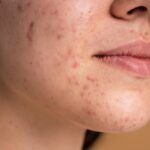
Recognizing spot types visually helps determine the right approach. The image below shows the typical distribution and appearance of brown spots on the face. The color of the spot, the sharpness of its borders and its location give important clues about which type we are facing.
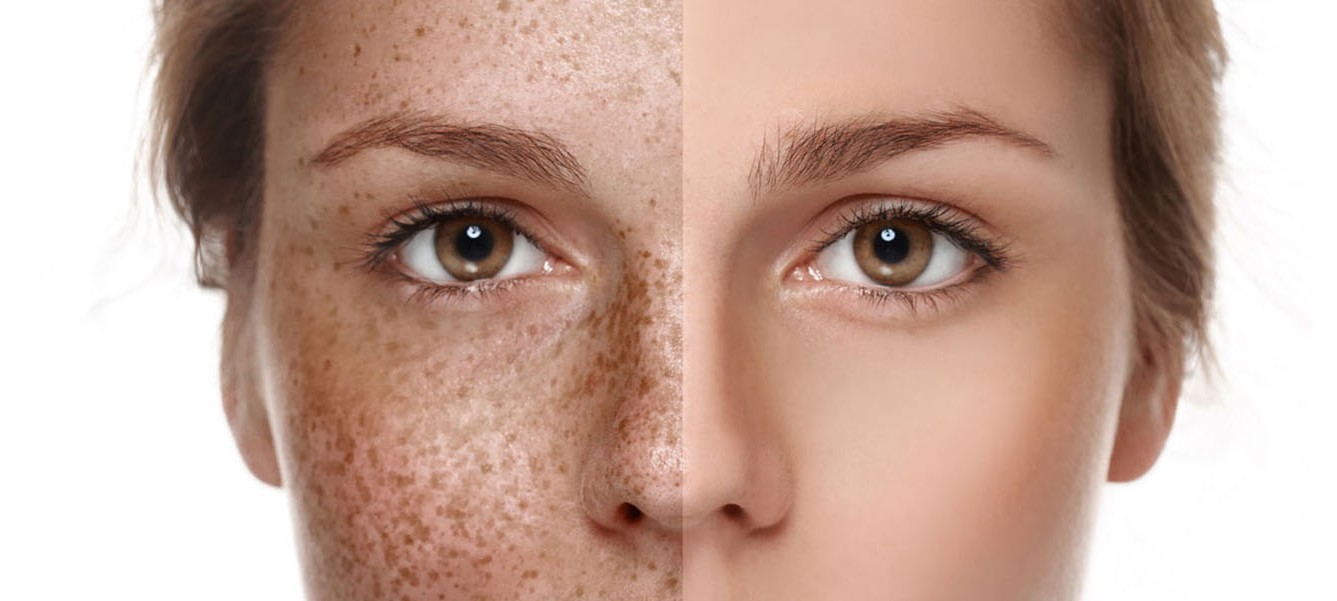
However, visual similarities can be misleading; for example, melasma and a sun spot can resemble each other. Therefore, an evaluation by a specialist is always the safest way.
What Can Be Done for Spots at Home?
There are some measures that can be taken at home for brown spots on the face, but these are mostly aimed at preventing the spot from darkening and lightening mild spots. Regular sunscreen use is the most fundamental step. Serums containing vitamin C, niacinamide and alpha-arbutin can help lighten pigmentation. Products containing gentle chemical peels support skin renewal. However, aggressive rubbing, uncontrolled acid use or irritating products can worsen the situation. At-home care is usually insufficient for stubborn or deep spots; this is where professional clinical treatments come into play.
Do Creams and Serums Clear Spots?
Topical products can show a certain effect on mild and superficial brown spots on the face. Ingredients such as hydroquinone, retinoids, azelaic acid, vitamin C and niacinamide can lighten spots over time by suppressing melanin production or accelerating skin renewal. However, the effect of these products is slow and usually requires regular use for weeks or even months. For deep-seated or stubborn spots, creams alone are often insufficient. In addition, some ingredients, when used incorrectly, can cause irritation or, conversely, increased spots. For this reason, strong topical treatments should be used under the supervision of a specialist.
What Treatments Are Applied in the Clinic?
At Zen Polyclinic, personalized treatment plans are created for brown spots on the face according to the type and depth of the spot and the skin type. The main applications include laser treatments, chemical peels, mesotherapy and skin renewal applications. Laser treatments target the pigment, break it apart and allow the skin to shed it. Chemical peels remove superficial pigmented cells. Combination approaches usually give the best result. Treatment selection is always made after a dermatological examination. For detailed information about spot treatment options, you can visit our blemish treatments page.
How Does Laser Treatment Lighten Spots?
Laser is one of the most effective methods in the treatment of brown spots on the face. The laser beam directly targets the melanin pigment without damaging the healthy tissue of the skin. The pigment absorbs the laser energy and breaks into small particles, and these particles are cleared over time by the body’s immune system. Fractional lasers also improve the overall texture of the skin by stimulating skin renewal and collagen production. Q-switch lasers, on the other hand, are preferred especially for deep and stubborn pigment spots. Laser treatment usually requires several sessions, and time is allowed between sessions for the skin to heal.
For Which Spots Is the Q-Switch Laser Used?
The Q-switch laser is a special laser technology that precisely shatters pigment with very short and high-energy pulses. It is especially effective in removing dark, deep-seated and stubborn brown spots on the face as well as tattoo pigments. The advantage of this technology is that it delivers minimal heat damage to surrounding tissue while targeting the pigment; this facilitates the healing process. The Q-switch laser must be applied carefully in some conditions such as melasma, because incorrect parameters can temporarily increase the spot. Therefore, the device must absolutely be used in experienced hands. For details, you can review our Q-switched laser page.
Is Chemical Peeling Good for Spots?
Chemical peeling is a method that ensures the upper layer of the skin is shed and renewed by applying controlled acid to the surface. Brown spots on the face, especially superficial and post-inflammatory types, can respond well to peeling applications. Different acids such as glycolic acid, mandelic acid and TCA are selected according to the type of spot and the skin type. While peeling removes the upper pigmented cells, it encourages the formation of new and more even-toned skin. It is applied in multiple sessions and afterwards attention should be paid to sun protection. In mild and moderate spots, it gives successful results either alone or combined with laser.
Does Mesotherapy Play a Role in Spot Treatment?
Mesotherapy is a technique that delivers vitamins, antioxidants and skin-brightening ingredients directly to the skin through small injections. In the treatment of brown spots on the face, mesotherapy can be supported with ingredients that balance melanin production and even out the skin tone. Substances such as glutathione, vitamin C and tranexamic acid can be used for this purpose. Although mesotherapy shows limited effect alone on deep spots, it strengthens the results when combined with methods such as laser and peeling. It also gives the skin an overall brightness and vitality. You can get information about skin-brightening applications from our mesotherapy page.
How Many Sessions Does Spot Treatment Take?
The number of sessions varies according to the type, depth, extent of the brown spots on the face and the chosen method. While superficial sun spots can lighten significantly in a few laser sessions, deep and stubborn melasma spots require a longer process. In general, an interval of 3 to 6 sessions is foreseen for laser treatments and 4 to 8 sessions for peeling applications. Between sessions, usually 3-4 weeks are waited for the skin to heal. Since each skin responds differently to treatment, the number of sessions is determined individually and the plan is reassessed during the treatment process if necessary.
Do Spots Come Back After Treatment?
After treatment, brown spots on the face can return if proper care is not taken. The risk of recurrence is higher especially in hormonal and sun-related spots such as melasma. Even if the treatment is successful, neglecting sun protection, continuing hormonal triggers or using irritating products can cause the spots to reappear. For this reason, post-treatment care is at least as important as the treatment itself. Regular sunscreen, protective topical products and periodic check-ups are the key to maintaining the result obtained. A lasting result becomes possible by managing treatment and lifestyle together.
Which Method Is Right for Me?
The choice of the right method depends on the type of brown spots on the face, the skin type, the depth of the spot and the person’s expectations. While laser or peeling can give quick results for superficial sun spots, stubborn conditions such as melasma require combination treatments and long-term care. In darker skin types, some lasers must be selected carefully, because incorrect application can lead to new pigmentation. For this reason, a detailed skin analysis must be performed before starting treatment. At Zen Polyclinic, each patient’s skin is evaluated separately and the most suitable method is determined for them.
What Should Be Done for Spots During Pregnancy?
Brown spots on the face that appear during pregnancy are mostly hormonally driven melasma and are known as the “pregnancy mask.” During this period, it is recommended to avoid aggressive treatments and some topical products, because there are many ingredients whose safety during pregnancy has not been proven. These spots can partially lighten on their own after birth when the hormone balance is re-established. The most important thing to do during pregnancy is to apply strong sun protection. After the period of birth and breastfeeding, if the spots still persist, appropriate clinical treatments can be planned under the supervision of a specialist.
What Are the Ways to Prevent Spots?
Brown spots on the face are a largely preventable condition. The most effective method of protection is to use broad-spectrum sunscreen every day. Staying in the shade during the midday hours when the sun is most intense and using a hat and sunglasses are also protective. Avoiding aggressive applications that can irritate the skin, not picking at acne and managing hormonal changes with a specialist also reduce the risk of spots. A skincare routine containing antioxidants supports the skin against free radicals. Prevention is always easier and less costly than treating existing spots.
Does Nutrition Affect Spots?
The effect of nutrition on brown spots on the face is indirect, but it should not be ignored. A diet rich in antioxidants can help reduce the risk of pigmentation by protecting the skin from oxidative stress. Vegetables and fruits containing vitamin C, vitamin E and polyphenols support skin health. Adequate water consumption preserves the skin’s renewal capacity. On the other hand, excessive consumption of sugar and processed food can indirectly create a basis for spots by accelerating skin aging. Nutrition alone does not clear spots, but it is an important factor that supports treatment for healthy skin.
Are Natural Methods Effective?
On the internet, many natural methods such as lemon, vinegar and parsley juice are recommended for brown spots on the face. Some of these methods may show a mild brightening effect, but most are unproven and can even be risky. For example, lemon juice can cause serious irritation and, paradoxically, darker spots when applied to the skin and then exposed to the sun. When applied uncontrolled, natural methods can irritate the skin and cause post-inflammatory pigmentation. For this reason, evidence-based topical products and professional treatments are both safer and more effective compared to natural methods.
Can Spots Be a Sign of Skin Cancer?
Most brown spots on the face are harmless, but in some cases a color change can be a sign of a more serious condition. Spots that grow rapidly, whose borders become irregular, whose color tone becomes uneven, that are itchy or bleeding must absolutely be evaluated by a specialist. These features can be early signs of a skin cancer such as melanoma. For this reason, every newly appearing or changing spot should be taken seriously. At Zen Polyclinic, the dermatological examination performed before starting spot treatment also includes making sure that the spot is benign; this is necessary for both safety and correct treatment.
Are Facial Spots Different in Men?
Facial spots are not exclusive to women; they are also quite common in men. In men, brown spots on the face are mostly due to sun damage, because the habit of using sunscreen is usually lower. Although melasma can also be seen in men, it is rarer compared to women. The treatment principles do not change according to gender; the type and depth of the spot are decisive. However, men’s shaving habits may require attention in post-treatment care. The same laser, peeling and skin renewal methods are successfully applied in men as well. What matters is maintaining regular sun protection and an appropriate care routine.
Is Treatment Painful and What Is Healing Like?
Most of the treatments applied for brown spots on the face are comfortable and well tolerated. There may be a mild stinging or warmth sensation in laser applications; when necessary, this sensation is reduced with local anesthetic creams. After peeling, mild redness, peeling and temporary sensitivity may be seen. The healing time varies according to the method; after most applications a person can return to daily life in a short time. During this period, moisturizing the skin and protecting it from the sun is of great importance. With proper care, the healing process progresses smoothly and the new skin layer looks more even-toned.
What Are the Common Misconceptions?
There are many misconceptions about brown spots on the face. The thought that “spots go away on their own” is often wrong; especially sun- and hormone-related spots can be permanent. The belief that “expensive creams clear every spot” is also unrealistic; deep spots usually require clinical treatment. The misconception that “laser thins the skin and is harmful” is also not true; laser performed with appropriate parameters is safe. The thought that “one treatment is enough” is also misleading; most spots require more than one session. Acting with correct information, setting realistic expectations and getting expert support is the healthiest approach.
Why Are the Right Clinic and Practitioner Important?
Success in the treatment of brown spots on the face largely depends on correct diagnosis and experienced application. Misidentifying the type of spot can lead to an ineffective or harmful treatment. For example, applying the wrong laser to melasma can increase the spot. For this reason, a detailed skin analysis before treatment, correct device selection and adjusting the parameters according to the person are critically important. An experienced team makes the treatment both effective and safe. At Zen Polyclinic, all spot treatments are applied after a dermatological evaluation and with personalized planning.
What Should Realistic Expectations Be?
Setting realistic expectations in spot treatments is important for both patient satisfaction and treatment success. Brown spots on the face mostly lighten significantly or disappear completely, but in some stubborn spots the goal may be significant reduction rather than complete clearance. Results usually appear after a few sessions and over time; expecting a magical, instant solution is not correct. Patience and regular care play a big role in the treatment process. Your specialist will give you information about a realistic success rate and process according to the type of your spot. Setting out with the right expectation is the foundation of being satisfied with the result.
How Is Spot Treatment Planned at Zen Polyclinic?
At Zen Polyclinic, the treatment process for brown spots on the face begins with a comprehensive skin analysis and dermatological examination. After the type and depth of the spot and your skin type are determined, the most suitable method or combination of methods is recommended to you. At our location in Istanbul Ataşehir, we offer personalized treatments with modern laser devices, chemical peels and skin renewal applications. At every stage of the treatment process, your safety and realistic results are our priority. To get rid of the spots on your face permanently and achieve more even-toned skin, you can make an appointment and meet with our expert team.
Frequently Asked Questions (FAQ)
Why do brown spots form on the face?
Brown spots on the face mostly form due to increased melanin production caused by the sun’s ultraviolet rays, hormonal changes, aging and post-acne inflammation. Genetic predisposition and certain medications also play a role.
Do facial spots go away on their own?
Some superficial post-acne spots can lighten over time, but sun- and hormone-related spots usually do not go away on their own and can be permanent. These spots require clinical treatment and sun protection.
Which treatment method is most effective for spots?
Laser treatments, chemical peels and mesotherapy are the main methods. The most effective result is usually achieved with combination approaches selected according to the type of spot. A skin analysis before treatment is essential.
How many sessions does spot treatment take?
The number of sessions varies according to the type, depth and method. Generally 3-6 sessions are foreseen for laser and 4-8 for peeling. Between sessions, 3-4 weeks are waited for the skin to heal.
Do spots come back after spot treatment?
If sun protection is neglected or hormonal triggers continue, melasma-type spots in particular can return. Regular sun protection and care after treatment reduce the risk of recurrence.
Do home creams clear brown spots on the face?
Products containing vitamin C, niacinamide and alpha-arbutin can lighten mild spots over time. However, for deep and stubborn spots, creams alone are usually insufficient and clinical treatment is needed.
What should be done for facial spots during pregnancy?
Spots that form during pregnancy are usually hormonal melasma. During this period, aggressive treatments and some products should be avoided and strong sun protection should be applied. Appropriate treatment can be planned after birth.
Can facial spots be a sign of skin cancer?
Most spots are harmless, but spots that grow rapidly, whose borders become irregular, whose color changes, that are itchy or bleeding must be shown to a specialist. These features can be early signs of conditions such as melanoma.