Effective Methods for Blackhead and Comedone Removal
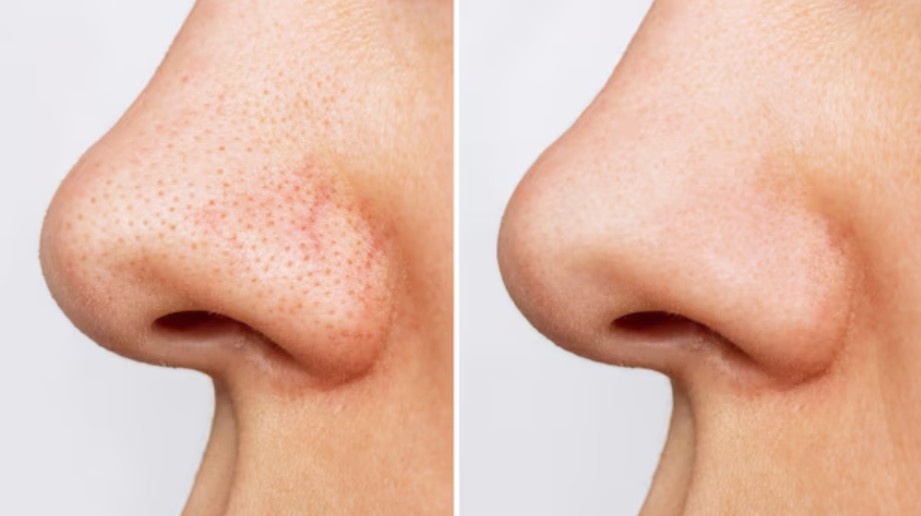
Blackhead and comedone removal refers to all the treatments that safely remove the sebum (skin oil), dead skin cells and keratin plugs that accumulate in the pores, giving the skin a smoother and cleaner appearance. Blackheads that become prominent especially on the nose, chin and forehead, enlarged pores and a rough skin surface cause both aesthetic discomfort and can pave the way for acne over time. So what exactly is blackhead and comedone removal, why do comedones form, what can be done at home, which medical methods really work and how is recurrence prevented? In this comprehensive guide, we address all these questions in detail.
What Are Blackheads and Comedones?
A comedone is the most basic and earliest lesion of acne, arising when the channel (follicle) formed by the hair root and oil gland becomes clogged with sebum and dead cells. If this plug is open to the skin surface and has darkened by contact with air and oxidizing, it is called an open comedone, that is, a blackhead. If the plug remains closed under the skin, it appears as a whitish bump and is called a closed comedone. The dark color of a blackhead is not dirt but a result of melanin and oxidized oil. For this reason, it does not disappear simply by washing; it requires a proper cleansing and care approach.
Open Comedone or Closed Comedone?
Comedones are basically divided into two groups, and knowing this distinction is important for correct treatment. Open comedones, that is, blackheads, are lesions where the pore opening is open and the plug has darkened by oxidizing; they usually concentrate around the nose and chin. Closed comedones, on the other hand, are small skin-colored or slightly whitish bumps where the pore opening remains closed; they are frequently seen on the forehead, cheeks and jawline. Closed comedones can sometimes become inflamed and turn into pimples. Both types form by the same mechanism, but their cleansing and treatment approaches can differ somewhat. A skin specialist determines the most appropriate method by evaluating the comedone type.
Why Do Blackheads Form?
Several factors play a role in the formation of blackheads. The most basic cause is the oil glands producing excess sebum and this oil combining with dead skin cells to clog the pores. Hormonal changes, especially puberty, the menstrual period and some hormonal imbalances, increase sebum production. Genetic predisposition, oily skin type, the use of wrong or heavy cosmetic products and insufficient cleansing also facilitate comedone formation. In addition, humidity, hot weather, sweating and some medications can be influential. To reduce blackheads permanently, cleansing only the surface is not enough; a holistic approach targeting the causes of formation is needed.
In Which Areas Do Comedones Appear?
Comedones become prominent in areas where oil glands are most concentrated. On the face, the most common area is the forehead, nose and chin known as the “T-zone”; this is where sebum production is highest. The nostrils and their surroundings are where blackheads concentrate the most. On the cheeks and jawline, closed comedones are seen more often. Apart from the face, the back, chest and shoulder area are also regions prone to comedones and acne. Oiliness and pore clogging in these areas vary according to the person’s skin type and hormonal status. The regional distribution also affects the cleansing and care strategy to be applied.
What Is the Difference Between Blackheads and Acne?
Blackheads and acne are often confused, yet there is an important difference between them. Comedones are the non-inflammatory and earliest stage of acne; there is no bacterial inflammation inside them. The papules, pustules and cysts we call pimples in the classic sense are inflammatory acne lesions; they progress with redness, swelling and pain. If comedones are not cleaned in time and correctly, they can become inflamed and turn into inflammatory acne. For this reason, comedone removal is also an important part of preventing acne formation. If inflammatory acne is present, advanced methods such as active acne treatment should be considered.
Is It Right to Squeeze Blackheads by Hand?
Squeezing blackheads at home unconsciously by hand is one of the most common and most harmful mistakes. Squeezing with unclean hands and excessive pressure can transfer bacteria to the skin, cause inflammation and, by damaging the tissue around the pore, leave a permanent scar or enlarged pore. Moreover, when the entire plug does not come out, the problem recurs quickly. Deep or stubborn comedones should be emptied only by a specialist under sterile conditions and with correct technique. At Zen Polyclinic, comedone extraction is performed under hygienic conditions without irritating the skin and minimizing the risk of infection. This is important for both a safe and lasting result.
How Is Blackhead Cleansing Done at Home?
Correct routines that can be applied at home help keep blackheads under control. Washing the face twice a day with a gentle cleanser that does not dry out the skin is the basic step. Once or twice a week, mild peelings with chemical content (AHA/BHA) remove dead cells and reduce pore clogging. Using an oil-free (non-comedogenic) moisturizer and sunscreen is also important. However, aggressive brushes, harsh scrubs and excessive squeezing at home irritate the skin and worsen the situation. Home care can alleviate comedones, but deep and stubborn ones require professional support. Consulting a specialist for correct product selection is the safest way.
How Should Correct Skin Care Be in Comedone Cleansing?
Effective comedone care consists not of a single product but of a consistent routine. Gentle cleansing in the morning and evening, followed by active ingredients suited to the skin type (salicylic acid, niacinamide, retinoid) and always moisturizing with sun protection are the foundation of this routine. Over-drying the skin can paradoxically increase oil production; that is why balance is important. Products should be chosen from “non-comedogenic” formulas that do not clog pores. Cleansing makeup at the end of the day is also a critical step. Patient and regular care creates a visible difference within a few weeks. Having a skin analysis for a personalized care plan is the most correct start.
How Does Salicylic Acid Affect Comedones?
Salicylic acid is one of the most preferred actives in comedone and blackhead care. Because it is an oil-soluble (lipophilic) beta hydroxy acid (BHA), it can penetrate into the pore and dissolve the oil and dead cell buildup there, softening the plug. This property makes it ideal especially for oily and comedone-prone skin. With regular use, it markedly clears the pores, reduces new comedone formation and smooths the skin surface. However, the concentration and frequency of use should be adjusted according to skin type; overuse can cause dryness and irritation. When used under specialist supervision, it is safe and effective.
Do Retinoids Prevent Comedone Formation?
Retinoids are vitamin A derivatives and are among the most effective actives for preventing comedone formation. By regulating the renewal rate of skin cells, they reduce the buildup of dead cells within the follicle and prevent the pores from clogging. In this way, they both help dissolve existing comedones and suppress the formation of new ones. Retinoids also improve skin texture and reduce pore appearance over time. However, they can initially cause dryness, flaking and mild redness; therefore, they should be started at a low dose and gradually. They should not be used during pregnancy. Retinoid treatment must always be carried out with a physician’s recommendation and accompanied by proper skin care.
How Is Comedone Cleansing Done With Medical Skin Care?
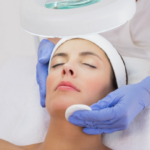
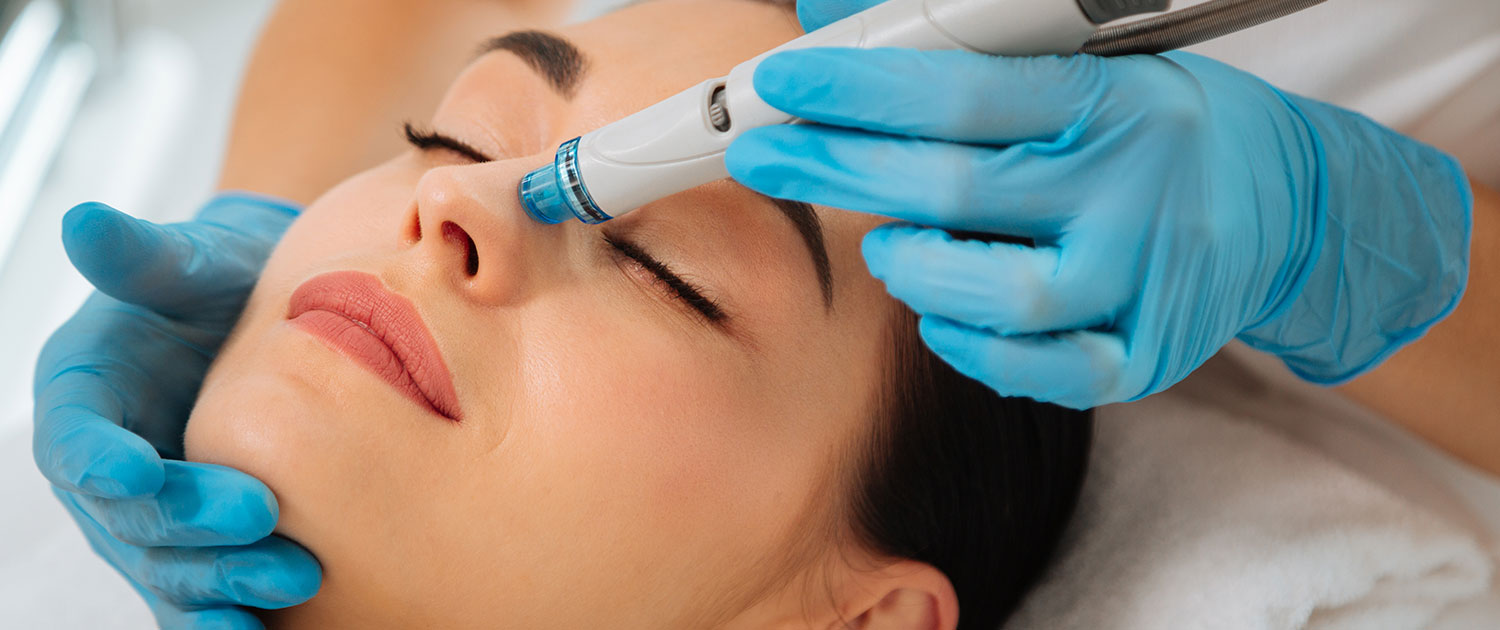
In cases where home care is insufficient, professional medical skin care comes into play. These treatments include deep cleansing of the skin, opening the pores with steam or softening products, extraction of comedones under sterile conditions and subsequent soothing care steps. Medical skin care provides the deep cleansing unattainable at home while being done without irritating the skin. The application is personalized according to skin type and comedone density. When repeated at regular intervals, the pores are markedly cleared and the skin looks smoother. At Zen Polyclinic, these treatments are performed by experienced specialists under hygienic conditions after a skin analysis.
Is Hydrafacial Good for Blackheads?
Hydrafacial is a comfortable medical skin care method frequently preferred in blackhead and comedone removal. Through a special tip, it gently peels the skin, clears the pores with vacuum and nourishes with moisturizing serums all at once. This triple effect removes dead cells and plugs in the pore while giving the skin a soft and radiant appearance without drying it out. The procedure is painless and requires no recovery time afterwards; the person can immediately return to daily life. Especially in oily skin with prominent pores, regular sessions help reduce blackheads and improve skin quality. Its effect can be strengthened with personalized serum selection.
Does Dermapen Improve Comedone and Pore Appearance?
Dermapen is a skin renewal method that stimulates collagen production by creating controlled micro-channels in the skin with micro-needles. Although it is not directly a “blackhead cleansing” procedure, it is effective in improving the appearance of enlarged pores and smoothing the skin surface. Pores looking tighter and smaller can reduce the tendency for comedone formation over time. It also provides holistic improvement in people who experience pore problems together with acne scars. Dermapen is usually planned in several sessions and can be combined with other treatments. Specialist evaluation is important for the application to be done at the right time on comedone-dense skin.
Is Chemical Peeling Effective on Comedones?
Chemical peeling is a powerful option in comedone and blackhead care. Acids such as AHA (glycolic, lactic acid) and BHA (salicylic acid) dissolve the dead cells and pore plugs in the uppermost layer of the skin, causing them to shed. In this way, the pores are cleared, blackheads decrease and the skin looks more vibrant. Peelings containing salicylic acid in particular are quite effective on oily and comedone-prone skin. The depth and content of the peeling are adjusted according to skin type; superficial peelings can be repeated regularly. Sun protection is essential after the application. Chemical peeling is safe and productive only when performed at an appropriate concentration by an experienced specialist.
How Does Carbon Peeling Work on Blackheads?
Carbon peeling is a laser application preferred to reduce the appearance of blackheads in oily skin with prominent pores. A thin carbon solution is applied to the skin; this carbon binds with the oil and dirt inside the pore. Then laser energy targets the carbon particles, removing them from the pore and simultaneously slightly renewing the skin. The procedure helps balance sebum production while clearing the pores and gives the skin an instant radiant appearance. It is a painless and comfortable application that requires no recovery time. In regular sessions, it contributes to reducing blackheads and evening out skin tone. Its suitability for the skin type should be evaluated by a specialist.
What Is the Role of Laser Treatment in Comedone Cleansing?
Laser-based applications play a supporting role in stubborn comedone and pore problems. Some laser and light systems help balance sebum production and prevent pore clogging by reducing the activity of the oil glands. These methods are especially effective in oily, acne- and comedone-prone skin when planned together with other treatments. Laser applications also renew the skin surface and improve pore appearance. If inflammatory acne also accompanies the picture, laser-based acne treatments can be considered. Which laser is suitable is determined by a specialist according to skin type, comedone density and accompanying problems. A holistic plan gives the best result.
What Is Professional Comedone Extraction?
Professional comedone extraction is the process of emptying the comedones in clogged pores under sterile conditions and with appropriate instruments. First, the skin is cleansed and the pores are softened and opened; this makes it easier for the plug to come out without damaging the tissue. Then the specialist gently removes the plugs with hygienic tools such as a comedone extractor. When done with the correct technique, the skin is not irritated, no scar remains and the risk of infection is minimized. This procedure is ideal especially for deep and stubborn comedones that home squeezing could harm. Extraction is usually applied as part of a medical skin care session. At Zen Polyclinic, this procedure is performed safely by experienced hands.
Does Nutrition Affect Blackhead Formation?
Nutrition is one of the factors that can affect skin health and, indirectly, comedone formation. High glycemic index (sugary, processed) foods and, in some people, dairy products can contribute to pore clogging by increasing sebum production through hormones. In contrast, vegetables and fruits rich in antioxidants, foods containing omega-3 and adequate water intake support skin balance. Nutrition alone is neither the cause nor the only solution for blackheads; however, a balanced diet supports the effect of the applied treatments. Healthy lifestyle habits together with skin care provide cleaner and more balanced skin in the long term. This holistic approach is important for a lasting result.
How Should the Right Cleanser and Product Selection Be?
In comedone-prone skin, product selection directly affects the result. Cleansers should be chosen from pH-balanced and gentle formulas that do not dry out the skin; excessively foaming, hardening products can increase oil production. Moisturizers and sunscreens being “non-comedogenic” and oil-free prevents the pores from clogging. Actives such as salicylic acid, niacinamide and retinoid should be used in the correct order and at appropriate frequency. Avoiding heavy, oily makeup products and always cleansing makeup are important. Since every skin is different, selecting products according to the person’s skin type is the most correct approach. A selection made by consulting a skin specialist helps you create a routine that is both safe and effective.
Common Mistakes Made in Comedone Cleansing
Some mistakes made unknowingly in comedone cleansing can worsen the problem. The most common is squeezing blackheads with unclean hands and excessive pressure; this can cause inflammation and leave a scar. Scrubbing the skin with harsh scrubs and brushes disrupts the protective barrier and leads to irritation. Trying to remove excess oil and over-drying the skin paradoxically increases sebum production. Skipping moisturizing, neglecting sun protection and using heavy cosmetics are also common mistakes. In addition, frequently changing products without waiting for results tires the skin. To avoid these mistakes and create a regular and correct routine, getting support from a specialist is the healthiest way.
Do Blackhead Strips Work?
Blackhead strips sold in pharmacies and markets offer a short-term and superficial solution. These strips can physically pull out only the superficial plugs close to the pore opening; they do not affect deep comedones or the cause of formation. For this reason, blackheads reappear in a short time. In addition, aggressive use of strips can irritate the skin and enlarge the pores over time. Although they make the skin look cleaner momentarily, they are not a permanent solution. To truly reduce blackheads, active care and medical applications that provide intra-pore cleansing are needed. Strips can at most be used carefully as a supporting step.
Do Comedones Recur, and How Are They Prevented?
Comedones can recur as long as the underlying cause (excess sebum, tendency to clog) continues. For this reason, prevention is as important as cleansing. Regular and correct skin care, the use of actives such as salicylic acid or retinoid, preference for non-comedogenic products and cleansing makeup reduce recurrence. Medical skin care sessions performed at regular intervals keep the pores clear. Nutrition and lifestyle adjustments also play a supporting role. Although it is not always possible to eliminate them completely, keeping comedones under control and reducing their prominence is quite possible. A personalized care plan is the most effective way to prevent recurrence and supports long-term skin health.
For Whom Is Professional Comedone Cleansing Suitable?
Professional comedone cleansing is suitable especially for people with oily and combination skin who have dense blackheads in the nose and chin area. People whose comedones do not decrease despite home care and who frequently experience clogged pores and rough skin benefit from these applications. It is also valuable for those bothered by the appearance of enlarged pores and for people whose comedones have become inflamed and turned into pimples. However, if active and inflammatory acne, sensitive or irritated skin is present, the skin may need to be soothed first. In special situations such as pregnancy, some actives are postponed. A skin analysis and specialist evaluation must always be done to determine the most appropriate method.
How Should a Holistic Approach Be for Stubborn Blackheads?
For stubborn and recurring blackheads, a single method is often not enough; a holistic approach gives the best result. This approach consists of a combination of the correct home care routine, the use of appropriate actives and regular medical applications. For example, deep cleansing with hydrafacial, pore clearing with chemical peeling and laser-based support when needed can be planned together. In addition, nutrition and lifestyle adjustments support the process. What matters is creating a plan personalized to the needs of the skin and maintaining regularity. At Zen Polyclinic, treatments are combined according to the person’s skin type and expectations, targeting the most productive and safe result. Patience and consistency are the key to lasting success.
How Should Skin Care Be After Comedone Cleansing?
Proper care after comedone cleansing or a medical application is critical for preserving the result. In the first days, it is important to cleanse the skin with gentle, non-irritating products and moisturize it well. The use of sunscreen is especially indispensable during this period, because the skin may be more sensitive to the sun after the procedure. It is recommended to avoid heavy makeup, harsh peelings and hot environments for the first few days. Rubbing or picking at the skin delays healing. Regularly using the care products recommended by the specialist increases the durability of the result. With proper post-procedure care, the skin recovers faster, the pores stay clear and new comedone formation is delayed. These steps are part of holistic success.
Blackhead and Comedone Removal at Zen Polyclinic
At Zen Polyclinic, blackhead and comedone removal begins with a personalized skin analysis. Your skin type, comedone density and accompanying problems are evaluated to create the most appropriate care plan. At our clinic in Istanbul Ataşehir, medical skin care, hydrafacial, chemical peeling and, when needed, laser-based applications are performed under hygienic conditions by experienced specialists. For detailed information about enlarged pores, you can also review our enlarged pores guide. Our aim is to cleanse your skin without irritating it and to protect its long-term health. To learn the method suitable for you, you can contact the Zen Polyclinic team and schedule a free preliminary evaluation.
Conclusion: The Right Approach for Smooth Skin
Blackhead and comedone removal is a highly manageable subject with the right knowledge and regular care. Comedones are the earliest stage of acne; when cleaned in time and correctly, both the skin becomes smoother and inflammatory acne formation is prevented. A routine supported by gentle cleansing and appropriate actives at home gives the best result when combined with professional applications such as medical skin care, hydrafacial and peeling. Avoiding hand-squeezing, harsh products and wrong routines is at least as important as treatment. For a lasting result, patience, consistency and a personalized plan are needed. The most correct start is to determine your skin’s real needs with a specialist evaluation.
Frequently Asked Questions (FAQ)
Are blackheads and comedones the same thing?
A comedone is the lesion that forms when a pore is clogged with sebum and dead cells, and it is the earliest stage of acne. A blackhead is an open comedone; because the pore opening is open, the plug contacts air and darkens by oxidizing. So every blackhead is a comedone, but not every comedone is a blackhead.
Is it harmful to squeeze blackheads at home?
Yes, squeezing with unclean hands and excessive pressure can transfer bacteria to the skin, cause inflammation and leave a permanent scar or enlarged pore. In addition, when the entire plug does not come out, the problem recurs quickly. Emptying deep comedones by a specialist under sterile conditions is safer.
Which medical methods are effective for blackhead removal?
Medical skin care, hydrafacial, chemical peeling and carbon peeling are the most preferred methods in blackhead removal. These clear the pores deeply and cleanse the skin without irritating it. Which one is suitable is determined according to skin type and comedone density.
How does salicylic acid help with comedones?
Because salicylic acid is an oil-soluble BHA, it can penetrate into the pore and dissolve the oil and dead cell buildup there, softening the plug. With regular use, it clears the pores and reduces new comedone formation. The concentration should be adjusted according to skin type.
Do blackhead strips work?
Strips pull out only the superficial plugs close to the pore opening; they do not affect deep comedones or the cause of formation. For this reason, blackheads reappear in a short time. Aggressive use can irritate the skin and enlarge the pores; they are not a permanent solution.
Is hydrafacial good for blackheads?
Yes, hydrafacial gently peels the skin, clears the pores with vacuum and nourishes with moisturizing serums all at once. In this way, the plugs are cleaned while the skin shines without drying out. It is painless and requires no recovery time; regular sessions help reduce blackheads.
Do comedones recur after being cleaned?
Comedones can recur as long as excess sebum production and the tendency to clog continue. Regular skin care, the use of appropriate actives, preference for non-comedogenic products and periodic medical care markedly reduce recurrence. A personalized plan is the most effective way to prevent them.
Is comedone cleansing suitable for everyone?
It is quite suitable for people with oily and combination skin who have dense blackheads on the nose and chin. However, if active and inflammatory acne, sensitive or irritated skin is present, the skin may need to be soothed first. Some actives are postponed during pregnancy. The most appropriate method is determined by a skin analysis.