How to Reduce Swelling and Bruising After Filler
Swelling and bruising after filler is a frequently seen, mostly temporary and expected healing picture following hyaluronic acid based dermal filler applications. Slight puffiness at the injection site, tenderness on touch, a feeling of tightness, pink to purple colour change in the skin and sometimes an asymmetrical appearance are the typical findings of this process. These findings are not complications but natural responses linked to the needle passing through the tissue and to the water-holding property of the filler. So why exactly do swelling and bruising after filler occur, how long do they last, in which areas are they more marked, what can we do before and after the procedure to reduce them, how should ice be applied and in which situation is it necessary to consult a physician? In this comprehensive guide, we address all these questions in detail.
Why Do Swelling and Bruising After Filler Occur?
Swelling has two basic causes. The first is the mechanical trauma created by a fine needle or cannula passing through the tissue; the body gives a short-lived inflammatory response to this trauma and fluid collects in the area. The second is the property of hyaluronic acid of holding many times its own weight in water; the filler draws moisture where it is placed and gains volume. Bruising, on the other hand, is a different mechanism: when the needle touches a small vessel under the skin, blood leaks into the tissue and this blood changes colour over time as it is absorbed. At Zen Polyclinic the distinction between these two pictures is a standard part of the information given after the procedure.
Is Swelling Normal?
Yes, within certain limits it is entirely normal and an expected response. Seeing mild fullness and puffiness in the area as soon as the procedure ends is the tissue’s first reaction to the injection. It is also usual for the swelling to increase slightly after the first night’s sleep; because in the lying position the circulation of fluid in the facial area slows down. What matters is that the swelling gradually decreases rather than increases over the following days. Swelling that is not symmetrical, that grows rapidly on one side and that is accompanied by pain and colour change should be assessed differently. For this reason knowing the expected course in the first week after the procedure largely prevents unnecessary anxiety.
How Long Does Swelling After Filler Last?
In most people the swelling is at its most marked in the first twenty four to forty eight hours, then it regresses rapidly. From the third day onwards a noticeable relief is seen and usually by the fifth to seventh day most of the swelling has disappeared. The filler settling fully into the tissue and the final appearance becoming clear can take two to four weeks. This period varies according to the area, the density of the product used, the amount injected and the person’s tissue structure. For this reason assessing the result in the first days is misleading. This is why it is recommended that the application be planned at least two weeks before an important social event.
How Long Does Bruising After Filler Last?
If bruising has occurred, it typically disappears completely within five to ten days. The colour course is predictable: in the first days it is dark red to purple, then bluish, then greenish and finally turns a yellowish tone; this change is the sign of the blood being broken down and absorbed in the tissue. In people with thin skin and superficial vessels bruising forms more easily and may last a little longer. In thin-skinned areas such as under the eyes the colour appears more marked. The bruise not growing and its colour lightening over time show that the process is following a normal course. Otherwise a medical assessment is needed.
In Which Areas Is It Seen More?
The risk of swelling and bruising is directly related to the density of the area’s blood supply and the thickness of the skin. The riskiest areas are the lips, under the eyes and around the mouth; here the skin is thin, the vascular network dense and the tissue mobile. The nasolabial area and the corner of the mouth carry a moderate risk. In areas with thicker tissue injected close to the bone such as the cheekbone, temple and jawline, bruising is seen less but swelling may last a few days. In filler applications, technique and planning determine this risk as much as the choice of area.
Why Is Swelling More Marked After Lip Filler?
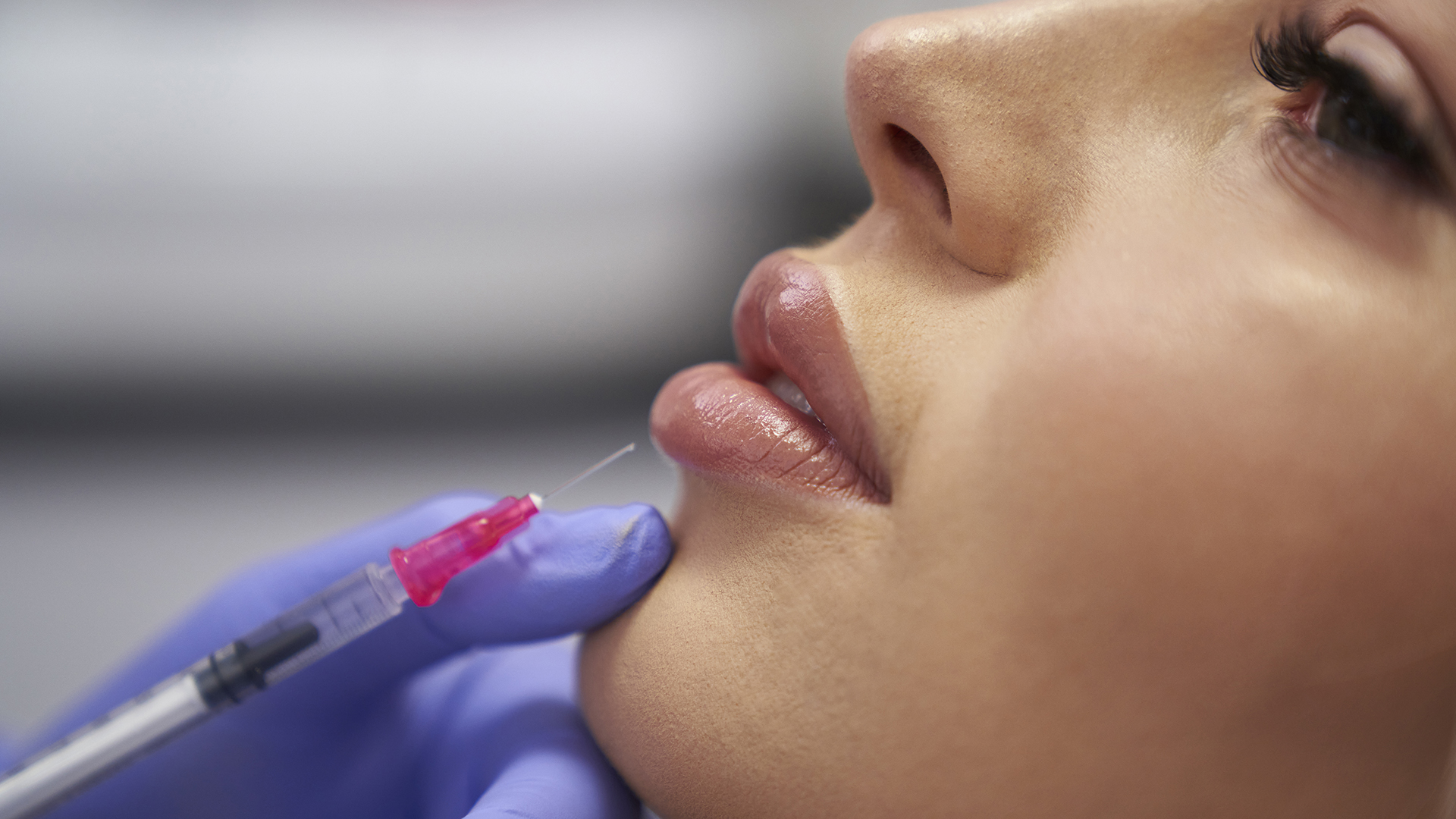
The lip is one of the most densely vascularised and most mobile areas of the body; moreover the mucosal tissue holds fluid rapidly. For this reason swelling after lip filler is almost the rule and may be marked on the first day. Many people report that in the first twenty four hours the lip looks much larger than intended; this is a temporary picture. The swelling usually regresses noticeably from the third day and largely disappears within a week. Two weeks should be awaited for the final shape to be assessed. We explain in detail how long lip filler lasts and what happens when it dissolves in this article.
Swelling and Bruising After Under Eye Filler
The under eye area is one of the regions where the skin is thinnest and the vessels run closest to the surface; for this reason bruising is seen more frequently here and is perceived more markedly. In addition the lymphatic circulation in the area is slow, which can cause swelling to last a little longer. Preferring a cannula in experienced hands reduces this risk. After under eye light filling mild fullness and colour change may be seen in the first days; three to four weeks are awaited for the result to become clear. Hasty assessment and an early additional application in this area are among the most common mistakes.
What Precautions Can Be Taken Before the Procedure?
The most effective approach is not to treat the bruise afterwards but to reduce the likelihood of it forming in advance. For this it is recommended that supplements with a blood thinning effect be stopped about a week before the procedure with the physician’s approval, that alcohol be avoided and that heavy salt consumption be avoided. Not doing heavy exercise on the day of the procedure and, if possible, taking the appointment in the early hours of the day make follow-up of healing easier. Because the skin may be more sensitive and prone to bleeding during menstruation, planning outside this period is preferred if possible. Furthermore, if there is an active skin infection, a cold sore outbreak or a dental infection, the application should be postponed.
Which Medications and Supplements Increase the Risk of Bruising?
Some medications and dietary supplements that affect blood clotting markedly increase the likelihood of bruising. These include aspirin and similar painkillers, some anti-inflammatory drugs, fish oil and omega-3 supplements, vitamin E, ginkgo biloba, ginseng, garlic and turmeric supplements. It is usually recommended that these products be stopped five to seven days before the procedure. However, there is a critical warning here: blood thinning medications prescribed by a physician must never be stopped on your own decision. In this case the application is planned by contacting the relevant physician and assessing the risk.
Why Should Alcohol Be Stopped Before the Procedure?
Alcohol widens the vessels, increasing blood flow, and temporarily affects the clotting process. When these two effects come together, the amount of blood leaking into the tissue when the needle touches a vessel increases and the bruise becomes larger. Alcohol also disturbs the fluid balance in the body, making the next day’s oedema more marked. For this reason it is recommended that alcohol be avoided at least twenty four, preferably forty eight hours before the application. The same recommendation applies to the first two days after the procedure; alcohol taken in the early period both increases swelling and can cause the existing bruise to look darker.
Cannula or Needle? The Difference in Terms of Bruising Risk
A cannula is an injection instrument with a blunt tip that, as it advances within the tissue, passes vessels by pushing them aside rather than cutting them. Thanks to this feature the risk of vessel injury and therefore of bruising is generally lower compared with a sharp needle. In addition, because a wide area can be reached from a single entry point, the number of punctures decreases. A sharp needle, on the other hand, can provide more controlled placement at very superficial and delicate points. Which will be used is determined according to the area, the consistency of the product and the intended result. An experienced practitioner minimises the risk by using both methods in the right indication.
What Is the Role of the Application Technique?
The extent of swelling and bruising depends largely on the quality of the application. A practitioner who has command of the anatomy works in safe planes knowing the course of the vessels; injects slowly, limits tissue trauma and avoids unnecessary needle entry. Giving an excessive amount of product in a single session strains the tissue and increases oedema; for this reason gradual planning is safer. Product choice also matters; dense products that draw a lot of water can cause more swelling in thin tissues. The trio of the correct plane, the correct amount and the correct product are the real factors that make the healing process comfortable.
What Should Be Done in the First 24 Hours?
The first day is the most critical period determining the direction of healing. During this time it is recommended to apply cold to the area intermittently, to keep the head above heart level and to drink plenty of water. The face should not be rubbed, pressed or massaged. Make-up should not be applied until the injection points have closed. Vessel-dilating environments such as hot showers, sauna and steam should be avoided. Heavy exercise and working bent forward also increase oedema. These simple rules provide the greatest benefit to be gained in the first twenty four hours and contribute directly to healing accelerating in the following days.
How Should Cold (Ice) Application Be Done?
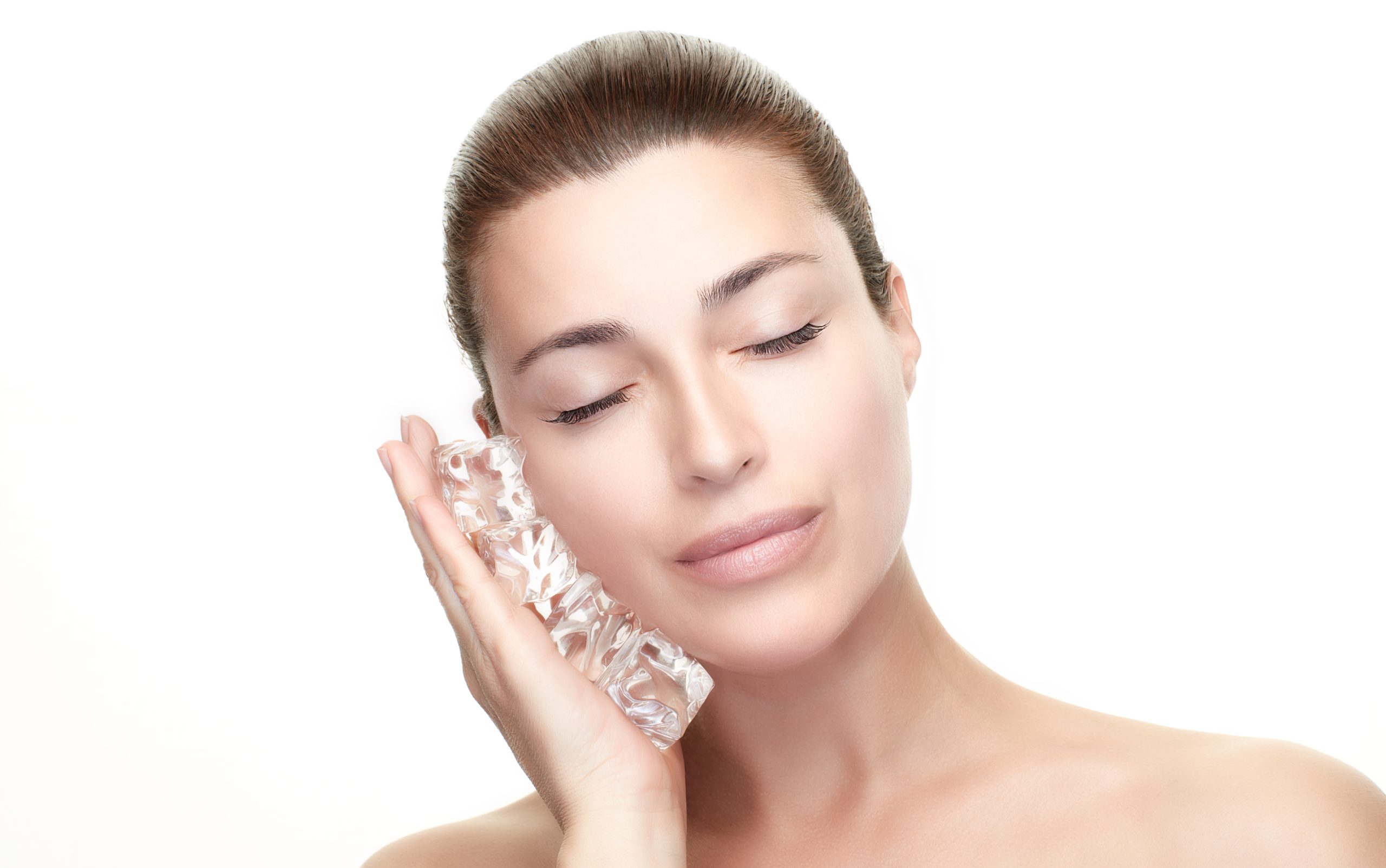
Cold application temporarily narrows the vessels, reducing both fluid leakage and bleeding; this is why it is the most effective method of the first forty eight hours. Ice should never be brought into direct contact with the skin; it should be wrapped in a clean cloth or thin towel. The application time should not exceed five to ten minutes each time, with a break of at least fifteen minutes in between. No pressure should be applied and the ice should only be touched lightly to the skin; pressing, especially in the lip and under eye areas, may disturb the placement of the filler. After forty eight hours the additional benefit of cold application decreases and it is no longer needed.
Why Are Head Position and Sleep Pattern Important?
Gravity is a simple but effective factor determining the direction of oedema. When the head goes below heart level, fluid accumulation in the facial area increases; for this reason it is recommended to sleep for the first two to three nights with two pillows, with the head slightly raised. Sleeping face down can both create pressure that affects the placement of the filler and increase swelling; the supine position should be preferred during this period. Avoiding working bent forward for long periods during the day, lifting heavy loads and exercises requiring a head-down position also reduces oedema with the same logic. This detail is often overlooked yet it makes a difference.
When Can Sport and Exercise Be Done?
Heavy exercise raises the heart rate and blood pressure, widens the vessels and increases body temperature; all three effects make swelling and bruising more marked in the early period. For this reason it is recommended to stay away from heavy sport for at least twenty four, preferably forty eight hours after the application. A light walk is usually not a problem and can be beneficial as it supports circulation. Pilates movements requiring a face-down position, yoga positions involving inversions and weight training should be postponed for a few days. Return to the normal sports routine is done gradually once the swelling has clearly regressed.
Why Should Hot Environments Be Avoided?
Sauna, Turkish bath, steam bath, solarium and very hot showers widen the vessels, increasing blood flow to the area. In the early period this facilitates both oedema and the spread of the bruise. In addition, high heat can affect the behaviour of hyaluronic acid based products within the tissue. For this reason it is recommended to stay away from these environments for at least a week after the application. Likewise, staying under intense sun for a long time can also increase oedema; using a wide-brimmed hat and sunscreen in the first days is protective both for oedema and for pigmentation after bruising.
What Is the Effect of Salt, Water and Nutrition?
High salt consumption leads to water retention in the body and markedly increases oedema in the facial area. For this reason it is useful in the first days after the procedure to avoid foods with a high salt load such as processed foods, instant soups, pickles and fast food. In contrast, adequate water consumption helps oedema to be eliminated by supporting lymphatic circulation. Foods rich in vitamin C such as pineapple, kiwi and citrus fruits support the health of the vessel wall. The enzyme bromelain found in pineapple is known to possibly have a supportive effect on oedema and bruising; however this is not a treatment but only a supportive approach.
Do Arnica and Supportive Products Work?
Gels and creams containing Arnica montana are supportive products frequently used in the period after bruising. Their mechanism of action is thought to be accelerating the absorption of blood in the tissue. Creams containing vitamin K are also used for a similar purpose. These products do not completely prevent bruising but can contribute to the healing time. Your physician must be consulted before use and no product should be applied to the skin before the injection points have completely closed. In addition, the area should not be massaged while the product is applied; it should only be spread lightly. These products are facilitators; the real determinants are correct technique and correct aftercare.
Should Massage Be Done After Filler?
The general rule is not to massage the area on your own. Uninformed massage performed in the early period can cause the product to shift from the planned area, leading to asymmetry and an irregular appearance. However, in some cases the physician may recommend massage in a specific manner and for a specific period in order to correct a small irregularity that has formed at a particular point. This recommendation is specific to the person and the area; it is not a general rule. Instead of applying general massage techniques recommended on the internet on your own, the most correct approach is to consult the physician who performed the application whenever you feel any irregularity.
When Can Make-up Be Applied?
Injection points create micro openings in the skin’s barrier; applying make-up before these openings close increases the risk of infection. For this reason it is generally recommended that make-up not be applied for the first twelve to twenty four hours. In the following period application can be made with clean brushes and sponges, with light touches and without pressing. Using a colour corrector to cover the bruise works: a peach or salmon toned corrector for purple-blue tones and a product with a light lavender tone for yellowish tones are effective. Concealer should be applied over the corrector in thin layers; the product should not be applied thickly and all at once.
What Should Be Done If the Swelling Looks Asymmetrical?
Seeing a different level of swelling between the two sides in the first days is quite common and is usually a sign not of an asymmetrical result but of asymmetrical oedema. The reason for this is that the vascularisation, tissue density and number of needle entries on the two sides are not exactly the same. Panicking at this stage and immediately requesting an additional application is the most common mistake; because when the oedema subsides the picture usually balances out. At least two weeks should be awaited for assessment. If a difference persists at the end of this period, a correction can be made with a small touch at the follow-up examination. Patience is the most valuable tool in this process.
When Should a Physician Be Consulted?
The normal healing process follows a course of gradual relief. The following findings, however, require medical assessment without delay: pain that increases and becomes more severe, rapidly growing firm swelling on one side, whitening of the skin or a purple mottled colour change in a net-like pattern, a picture accompanied by increased warmth and redness in the area, fever, changes in vision or severe pain around the eye. In addition, swelling that lasts longer than a week and does not decrease should also be assessed. At Zen Polyclinic the communication channel is kept open after the application; you are asked to reach us without waiting if there is a suspicious finding.
How Are the Signs of Vascular Occlusion Distinguished?
Vascular occlusion, a rare situation requiring urgent intervention, arises when the filler is placed inside a vessel or in a way that presses on a vessel. The most important feature distinguishing it from normal swelling is disproportionately severe pain beginning during or immediately after the procedure. In the skin, pallor and whitening develop first, then a purple mottled net-like appearance; the area may feel cold. Simple bruising, on the other hand, is painless and the colour change has smooth borders. When this picture is suspected hours matter and the physician who performed the application must be reached without losing time; with early intervention the problem is largely reversible.
Does Swelling Decrease in Repeated Applications?
In many people swelling and bruising are less in the second and subsequent applications. There are several reasons for this: the tissue becoming accustomed to the product, less product being needed because of the partial volume remaining from the previous application, and the person following the preparation rules better. In addition, the practitioner knows the person’s tissue response from the previous session and adapts the technique accordingly. However, this is not a general rule; the menstrual period, medications used, sleep pattern and the area treated can change the result each time. Nevertheless it can be said that experience contributes to the process progressing more predictably.
What Are the Common Misconceptions?
The first misconception is that swelling shows the filler has failed; whereas swelling is a natural part of the healing process. The second is that vigorous massage of the area is useful to disperse the bruise; this approach can shift the product and widen the bruise. The third is the idea that a hot compress will reduce the swelling; in the early period heat on the contrary increases oedema. The fourth is the belief that the appearance in the first days is the final result; two to four weeks are needed for the final assessment. The fifth is taking anti-inflammatory medication on one’s own decision to reduce the swelling; these drugs can make bruising more marked by increasing bleeding.
How Does the First Week After Filler Pass Day by Day?
The first day is the period in which the swelling is most marked and cold application is most useful; on this day it is essential not to touch the area. On the second day the swelling is usually at its peak and, if there is bruising, its colour darkens; this is a sign that the blood has only just begun to break down in the tissue. On the third and fourth days a noticeable relief is felt and the bruise turns a bluish-greenish tone. On the fifth and sixth days most of the swelling subsides and the colour lightens, becoming yellowish. By the end of the seventh day most people regain their social appearance. Knowing this timetable allows the process to be met calmly and prevents the wish for unnecessary intervention.
What Is the Effect of Smoking and Sleep Pattern on Healing?
Smoking narrows the vessels, reducing the amount of oxygen reaching the tissue and lowering the speed of healing; for this reason reducing or stopping it in the first days after the procedure contributes directly to healing. In addition, the pursing movement made while smoking strains the tissue in the lip area where filler has just been placed unnecessarily. Sleep, on the other hand, plays a critical role in the elimination of oedema; insufficient sleep prolongs the inflammatory response and makes swelling more marked in the mornings. Regular sleep of sufficient duration with the head slightly raised is the most easily applicable healer of the first week. These two habits are often underestimated yet they visibly affect the result.
How Is Follow-up After Filler Done at Zen Polyclinic?
At Zen Polyclinic the process begins with a detailed assessment and information before the application. Medications and supplements used are questioned, bleeding risk is assessed and, if necessary, the timing of the appointment is planned accordingly. A product and technique suitable for the area are chosen; the decision between cannula and needle is based on anatomical assessment. After the procedure written aftercare instructions are given and the expected healing timetable is explained. A follow-up examination is planned two weeks later; at this visit the result is assessed objectively and a fine correction is made if necessary. The same standard applies at our Istanbul Ataşehir clinics. For an appointment you can reach us through our appointment page.
Conclusion
Swelling and bruising after filler are most often not a complication but a natural and temporary tissue response to injection. Swelling is usually at its most marked in the first two days and largely regresses within a week; bruising disappears in five to ten days. The most effective way to shorten this process is to stay away from blood thinning supplements and alcohol before the procedure, to apply cold correctly in the first forty eight hours, to keep the head raised, to reduce salt and to avoid heavy sport and hot environments. The result should be assessed not in the first days but at the end of two to four weeks. In case of severe pain, whitening or a net-like colour change, however, a physician should be consulted without losing time.
Frequently Asked Questions (FAQ)
How long does swelling after filler last?
In most people the swelling is at its most marked in the first twenty four to forty eight hours, then it regresses rapidly. From the third day onwards a noticeable relief is seen and usually by the fifth to seventh day most of the swelling has disappeared. The filler settling fully into the tissue and the final appearance becoming clear can take two to four weeks. For this reason assessing the result in the first days is misleading.
How long does bruising after filler last?
If bruising has occurred it typically disappears completely within five to ten days. The colour course is predictable: in the first days it is dark red to purple, then bluish, then greenish and finally turns a yellowish tone. In people with thin skin and superficial vessels bruising forms more easily and may last a little longer. In thin-skinned areas such as under the eyes the colour appears more marked.
How should ice be applied after filler?
Ice should never be brought into direct contact with the skin; it should be wrapped in a clean cloth or thin towel. The application should not exceed five to ten minutes each time, with a break of at least fifteen minutes in between. No pressure should be applied and the ice should only be touched lightly; pressing, especially on the lips and under the eyes, may disturb the placement of the filler. Cold application is most effective in the first forty eight hours.
What should be avoided before filler?
It is recommended that supplements with a blood thinning effect such as aspirin-like painkillers, fish oil and omega-3, vitamin E, ginkgo biloba, ginseng, garlic and turmeric be stopped about five to seven days before the procedure with the physician’s approval. Alcohol should be avoided for at least twenty four, preferably forty eight hours. Blood thinning medications prescribed by a physician, however, must never be stopped on your own decision.
When can sport be resumed after filler?
Because heavy exercise raises the heart rate, blood pressure and body temperature, it makes swelling and bruising more marked in the early period. For this reason it is recommended to stay away from heavy sport for at least twenty four, preferably forty eight hours after the application. A light walk is usually not a problem. Yoga positions involving inversions and weight training should be postponed for a few days.
What should be done if the swelling after filler is asymmetrical?
Seeing a different level of swelling between the two sides in the first days is common and is usually a sign not of an asymmetrical result but of asymmetrical oedema. Immediately requesting an additional application at this stage is the most common mistake; when the oedema subsides the picture usually balances out. At least two weeks should be awaited for assessment. If a difference persists, a small correction can be made at the follow-up examination.
With which signs after filler should a physician be consulted immediately?
Pain that increases and becomes more severe, rapidly growing firm swelling on one side, whitening of the skin or a purple mottled colour change in a net-like pattern, increased warmth and redness in the area, fever, changes in vision or severe pain around the eye require urgent assessment. These findings may be signs of vascular occlusion and are largely reversible with early intervention.
When can make-up be applied after filler?
Because injection points create micro openings in the skin barrier, it is generally recommended that make-up not be applied for the first twelve to twenty four hours. Afterwards application can be made with clean brushes and sponges, with light touches and without pressing. To cover a bruise, a peach or salmon toned corrector is effective for purple-blue tones and a product with a light lavender tone for yellowish tones.