Is Seasonal (Autumn) Hair Loss Normal? A Guide to Telogen Effluvium
Seasonal hair loss is a generally temporary and harmless condition that many people notice especially in the autumn months, showing up as more hair strands shedding than usual. In medicine, this pattern is called “telogen effluvium,” and it occurs when a portion of the hair follicles shift into the resting (telogen) phase at the same time and then shed a few months later. Seeing more hair on the comb, pillow, or in the shower during autumn worries many people, but in most cases this is a temporary process that resolves on its own. So why exactly does seasonal hair loss happen, how is it distinguished from permanent hair loss, how long does it last, and when does it really require seeing a physician? In this comprehensive guide, we address all these questions in detail.
What Is Seasonal Hair Loss?
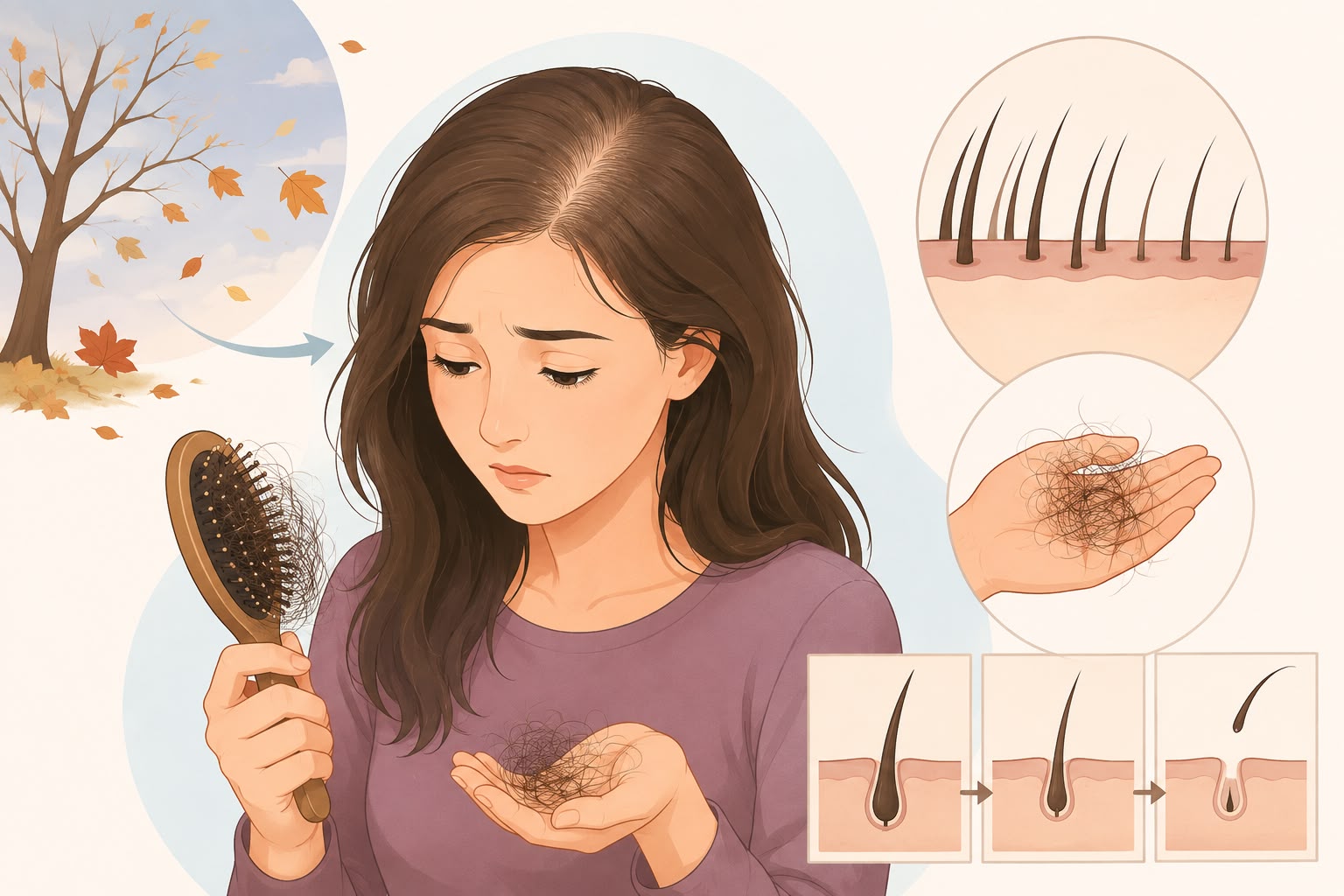
Seasonal hair loss is a temporary increase in shedding seen during certain times of the year — particularly late summer and early autumn. This is because the human hair cycle is sensitive to seasonal fluctuations; increased sunlight exposure and warmer temperatures during summer can cause a portion of hair follicles to stay in the growth phase for longer, which may contribute to hair looking fuller in summer. In autumn, part of these follicles shift into the resting phase all at once and show up as shedding a few weeks later. This cyclical fluctuation is a natural biological mechanism that, while mild in humans, is much more pronounced in some animal species. Seasonal shedding returns to normal within a few weeks without causing permanent hair loss.
What Is Telogen Effluvium?
Telogen effluvium is a widespread, temporary pattern of hair shedding that occurs when a much larger portion of hair follicles than normal shift from the growth (anagen) phase into the resting (telogen) phase at the same time. Under normal conditions, about 85-90% of hair follicles are in the growth phase while only 10-15% are in the resting phase. In telogen effluvium, this ratio is disrupted, and the proportion of follicles in the resting phase can rise to 30% or even higher. Each of these follicles sheds at the end of the resting phase (generally within 2-3 months), which is why the shedding is typically noticed weeks after the triggering event. Seasonal shedding is one of the mildest and most common forms of telogen effluvium.
How Does the Hair Cycle (Anagen, Catagen, Telogen) Work?
Every hair strand grows and sheds within its own cycle. The anagen phase is the longest phase, during which the hair actively grows, lasting anywhere from 2 to 7 years. This is followed by a short transitional period called the catagen phase, lasting a few weeks, during which the follicle begins to shrink. Finally, the telogen phase is the resting stage, lasting about 2-3 months, at the end of which the hair sheds. Normally, each hair follicle goes through this cycle on its own independent schedule, so shedding happens in small, unnoticeable amounts every day. In telogen effluvium, a large number of follicles shift into the telogen phase simultaneously, making the shedding much more noticeable.
Why Does Seasonal Hair Loss Increase in Autumn?
There are several possible explanations for the increase in hair shedding during autumn. According to the most common theory, increased sunlight and warmer temperatures during summer help support hair follicles staying in the anagen (growth) phase for longer, which contributes to hair appearing fuller in summer. As daylight hours shorten toward the end of summer, a portion of these follicles shift into the telogen phase all at once, showing up as shedding roughly 2-3 months later — in autumn. In addition, summer sun exposure, contact with salty or chlorinated water, and mild heat-related dehydration can also temporarily stress hair follicles. The combination of these factors explains the increase in shedding seen in autumn.
How Many Strands of Hair Shedding Per Day Is Normal?
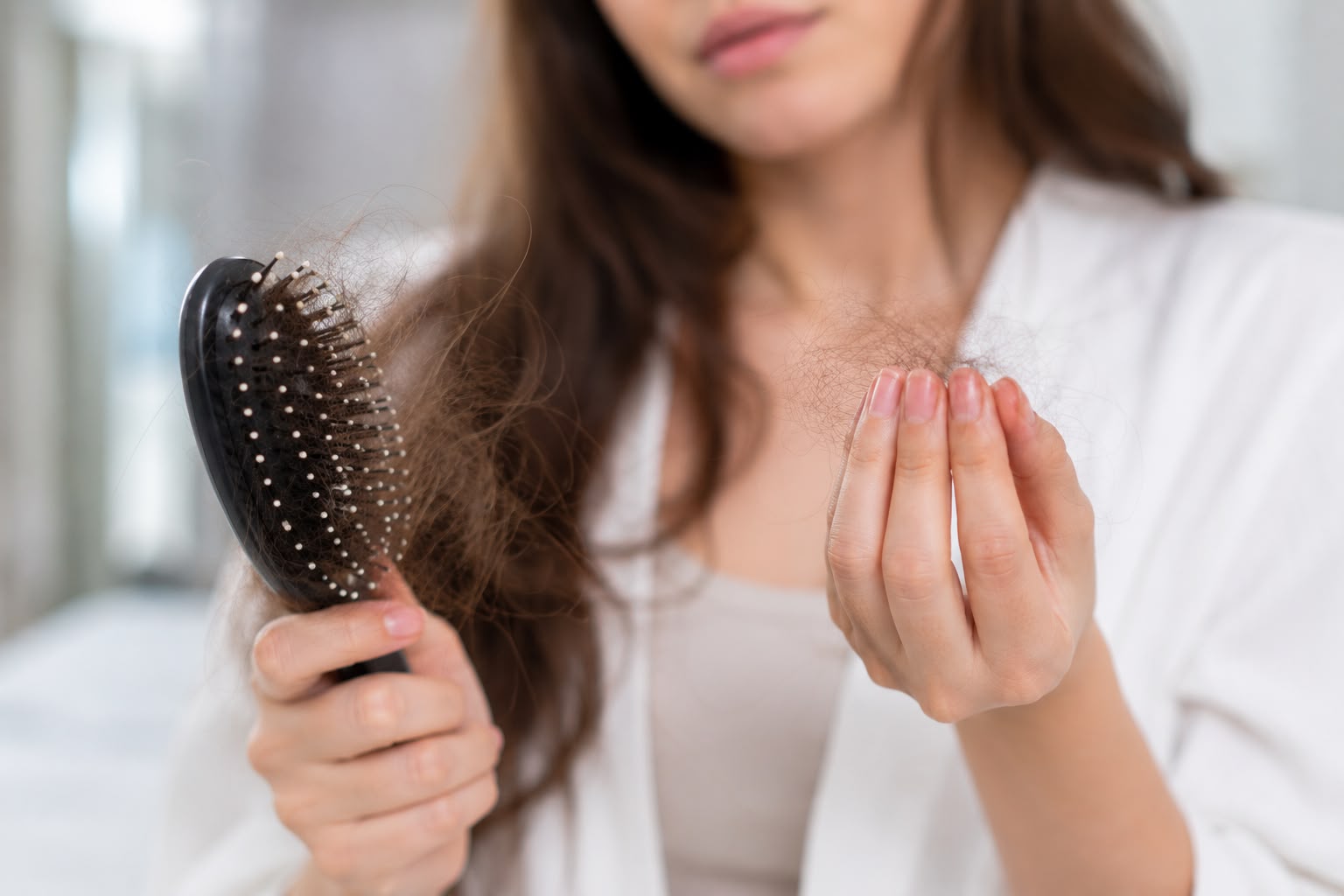
In a healthy person, shedding an average of 50 to 100 strands per day is considered normal, because the hair cycle is a continuous process in which a certain number of follicles complete the resting phase and shed at any given time. During a period of seasonal shedding, this number can rise to 100-150 strands per day, and even higher in some people. Although this increase can be alarming, it is generally not a cause for concern as long as it does not create a noticeable reduction in overall hair density. While it can be hard to pinpoint the exact number of strands shed, a noticeable increase on the comb or pillow, a positive hair-pull test (more than 5-6 strands coming out with a gentle pull), or a visible decrease in hair density are signs that warrant a more thorough evaluation.
What Is the Difference Between Seasonal Shedding and Permanent (Androgenetic) Hair Loss?
Seasonal hair loss and androgenetic (hereditary) hair loss are often confused, but their mechanisms are completely different. In seasonal shedding and general telogen effluvium, hair follicles are structurally healthy and only temporarily shift into the resting phase together; the follicle is not damaged, and hair grows back. In androgenetic hair loss, however, follicles gradually shrink over time (miniaturization), producing thinner and shorter strands, and if untreated, cause permanent thinning in specific areas — the crown and temples in men, the crown area in women. Seasonal shedding is widespread and diffuse, while androgenetic hair loss usually follows a specific pattern. A physician’s examination, and dermoscopic evaluation if needed, helps clarify this distinction.
What Are the Symptoms of Telogen Effluvium?
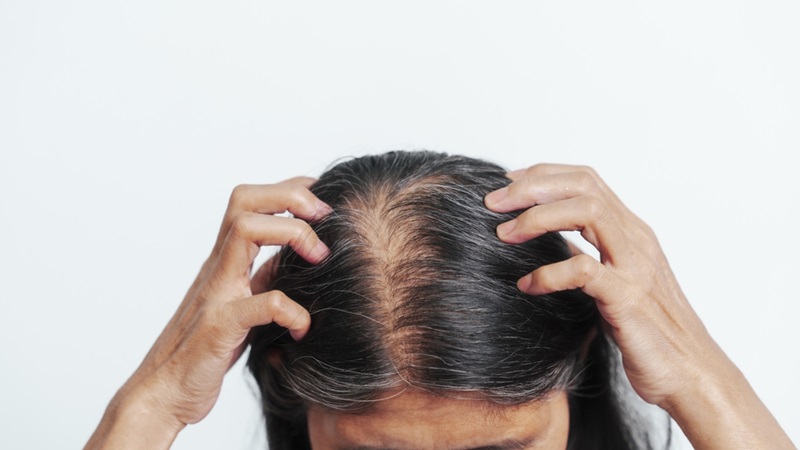
The most notable sign of telogen effluvium is diffuse thinning across the entire scalp rather than in one specific area. More hair strands than usual are seen on the comb, in the shower, or on the pillow; some people notice a reduction in the thickness of their ponytail. Symptoms such as itching, redness, or flaking generally do not accompany it, which helps distinguish telogen effluvium from certain skin conditions. Hair shedding usually begins 2-3 months after the triggering event and can last for several months. In severe cases, a visible reduction in hair density can occur, but complete bald patches (as seen in alopecia areata) are not typical.
How Long Does Telogen Effluvium Last?
Seasonally triggered telogen effluvium generally slows and stops on its own within 6 to 12 weeks; the period of heaviest shedding can last several weeks. New hair begins to grow in place of the shed strands, but it can take several months for the new hair to fully reach its previous density, since hair growth is a slow process (averaging about 1-1.5 centimeters per month). If the triggering factor (such as stress, illness, or nutritional deficiency) continues, the shedding process can be prolonged and turn into chronic telogen effluvium. As a general rule, if shedding lasts longer than 6 months, another underlying cause should be investigated.
What Are Other Causes That Trigger Telogen Effluvium?
Besides seasonal change, there are many factors that can trigger telogen effluvium. High fevers from infections, major surgeries, rapid weight loss or restrictive diets, intense physical or emotional stress, certain medications (such as some blood thinners, retinoids, or beta blockers), mineral deficiencies such as iron and zinc, and thyroid function disorders are among the most common causes. What these triggers have in common is that they put the body into a sudden “shock” state, temporarily disrupting the normal cycle of hair follicles. The body temporarily slows down non-priority functions, such as hair growth, to redirect resources to more critical processes — and this shows up as hair shedding.
Is Postpartum Hair Loss the Same as Seasonal Shedding?
Postpartum hair loss is also a type of telogen effluvium, but it has a different trigger than seasonal shedding. During pregnancy, elevated estrogen levels cause hair that would normally shed to remain in the anagen phase, which is why hair often looks fuller during pregnancy. After birth, when estrogen levels drop rapidly, a large portion of this “accumulated” hair shifts into the telogen phase at the same time, resulting in noticeable shedding roughly 2-4 months after delivery. While the mechanism is the same as seasonal shedding (a bulk shift into telogen), the trigger differs, and it generally presents with heavier shedding. In both cases, the hair follicles are healthy, and the shedding is not permanent.
How Do Iron and Other Vitamin Deficiencies Affect Hair Loss?
Iron deficiency is one of the most common underlying causes of telogen effluvium, particularly in women; iron plays a critical role in delivering the oxygen needed for cell division in hair follicles. When ferritin (stored iron) levels are low, hair shedding can accelerate, even when blood values fall within the normal range. Deficiencies in vitamin B12, vitamin D, zinc, and biotin can similarly disrupt the hair cycle. For this reason, checking these values with a blood test is recommended in cases of prolonged or unexpected hair shedding. Correcting a deficiency generally leads to a noticeable slowdown in hair shedding within a few months.
Can Thyroid Problems Cause Hair Loss?
Yes, an underactive (hypothyroidism) or overactive (hyperthyroidism) thyroid gland can directly affect the normal cycle of hair follicles and lead to widespread telogen effluvium. Because thyroid hormones regulate the metabolism of nearly every cell in the body, they also affect the division rate of hair follicle cells. Hair loss related to thyroid dysfunction is generally accompanied by other symptoms, such as fatigue, weight changes, sensitivity to cold or heat, and dry skin. In cases of persistent or unexplained hair loss, thyroid function tests (TSH, free T3, T4) are a commonly requested and important screening test. Once thyroid balance is restored, hair shedding generally stops within a few months.
What Effect Does Stress Have on Hair Loss?
Intense psychological or physical stress can raise cortisol levels in the body, which in turn can disrupt the cycle of hair follicles. Major stressors such as exam periods, job loss, bereavement, a serious illness, or surgery can trigger a wave of shedding that becomes noticeable roughly 2-3 months after the event. This delay is consistent with the typical course of telogen effluvium, which is why patients often cannot initially identify the cause of their shedding. Stress-related telogen effluvium resolves on its own once the stress is managed and the body returns to balance. Still, since prolonged chronic stress can extend the shedding process, stress management is an important part of treatment.
Does Seasonal Hair Loss Go Away on Its Own?
In most cases, yes; seasonal hair loss is a self-resolving process that leaves no permanent damage. Once the triggering seasonal transition passes, hair follicles return to their normal cycle, and hair density approaches its previous level within a few months. However, paying attention to nutrition, correcting any deficiencies, and avoiding hair care habits that irritate the scalp can help support this process. If shedding lasts longer than 3 months, keeps increasing, or presents with noticeable regional thinning, another cause besides seasonal shedding should be investigated. At that point, seeing a physician is a more accurate approach than simply waiting it out.
When Should You See a Doctor?
There are certain situations where seeing a physician for hair loss is appropriate: shedding lasting longer than 3 months, gradually worsening shedding, noticeable thinning in a specific area (round or band-shaped), accompanying scalp redness, itching or flaking, systemic symptoms such as fatigue or weight changes, or hair loss that is having a significant psychological impact on daily life. In these situations, a dermatologist or a physician experienced in hair health will plan the necessary examination and tests to clarify the cause of the shedding. Early evaluation ensures that, if there is an underlying cause, it is identified early and the right treatment can begin.
What Tests Are Done to Evaluate Hair Loss?
For a patient presenting with hair loss, the physician first takes a detailed history (onset of shedding, duration, possible triggers, family history) and examines the scalp with a dermoscope. If needed, blood tests are ordered: complete blood count, ferritin (stored iron), thyroid function tests (TSH), vitamin D, B12, and zinc levels are the most commonly checked values. A hair-pull test (evaluating how many strands come out with a gentle pull) and, in some cases, trichoscopy (magnified examination of the scalp) help support the diagnosis. Rarely, hormone tests may be added if androgenetic hair loss is suspected. This evaluation is important for distinguishing seasonal shedding from other possible causes.
What Should Nutrition Look Like During Seasonal Hair Loss?
Because hair follicles are among the fastest-dividing cell groups in the body, nutritional deficiencies directly affect the hair cycle. Adequate protein intake (hair is made of keratin), along with a balanced diet containing iron, zinc, biotin, vitamin D, and omega-3 fatty acids, supports the healthy function of hair follicles. Red meat, eggs, legumes, leafy green vegetables, nuts, and fish are natural sources of these nutrients. Extremely low-calorie diets or unbalanced eating patterns can trigger or worsen hair shedding. If a deficiency has been identified, supplementation may be considered on a physician’s recommendation, but taking unnecessarily high doses of supplements is not advised.
Do Hair Care Habits Affect Shedding?
While hair care habits are not the underlying cause of telogen effluvium, they can make existing shedding more noticeable or worsen the process by irritating the scalp. Frequent, aggressive brushing, tying hair too tightly (ponytails, braids), excessive heat styling, and chemical products that irritate the scalp can put additional stress on hair follicles. During this period, it is recommended to comb hair gently, avoid tight styles, limit heat treatments, and cleanse the scalp with gentle, sulfate-free shampoos. These measures do not eliminate the root cause of shedding, but they help make the process more comfortable and support scalp health.
Does Hair Mesotherapy Help with Seasonal Shedding?
Hair mesotherapy is a supportive treatment in which a mixture of vitamins, minerals, amino acids, and growth factors is applied to the scalp through small injections. In seasonal or nutrition-related telogen effluvium, it can help speed up recovery by delivering the nutrients hair follicles need directly to the root. Hair mesotherapy does not destroy or recreate hair follicles; it supports existing healthy follicles to encourage stronger, thicker hair production. It is generally recommended as a series applied every few weeks and can be considered as a supportive option during the recovery process after seasonal shedding.
What Is Growth Factor Treatment and How Does It Help?
Growth factor treatment is a scalp-applied supportive treatment aimed at extending the growth phase of hair follicles and increasing follicle activity. Growth factors support stronger follicle function by stimulating cell renewal and blood circulation. Hair growth factor treatment can be considered particularly for people who want to support faster recovery of hair density after seasonal shedding. This treatment also does not recreate hair follicles; it strengthens existing ones, so it may not be sufficient on its own for permanent androgenetic hair loss, but it can play a supportive role.
Supporting Hair Follicles with Exosome and Stem Cell Treatment
Exosome and Stem Cell Treatment is a method in which small tissue samples taken from the person’s own scalp are processed into a mixture rich in regenerative cells and injected into thinning areas. This approach aims to slow shedding and improve hair quality by harnessing the follicles’ own regenerative capacity. Exosome and Stem Cell Treatment is a preferred method because it can be applied in a single session and uses the person’s own tissue. It may not be necessary for temporary conditions like seasonal shedding, but if the shedding is beginning to settle into a more permanent pattern (such as early-stage androgenetic hair loss), it can be considered as a follicle-supporting option.
Is PRP Used for Seasonal Hair Loss?
PRP (platelet-rich plasma) is a treatment method in which plasma obtained from the person’s own blood, rich in growth factors, is injected into the scalp. PRP aims to improve hair quality by supporting the blood circulation and growth signals of hair follicles. Because seasonal telogen effluvium generally resolves on its own, PRP is not a mandatory first-line treatment, but if the shedding process is prolonged or there is a noticeable decrease in hair density, it can be considered to support the recovery process. The effectiveness of PRP increases with regular sessions and simultaneous treatment of the underlying cause, if any.
Is a Hair Transplant Necessary for Seasonal Hair Loss?
No; a hair transplant is not a necessary treatment for seasonal hair loss. A hair transplant is a surgical method preferred in cases such as androgenetic (hereditary) hair loss, where hair follicles are permanently lost. In seasonal shedding, on the other hand, the hair follicles are healthy and will naturally produce hair again on their own; therefore, a transplant is neither necessary nor an effective solution. Instead of considering a hair transplant, a person experiencing seasonal shedding only needs to know that the process is temporary, pay attention to their nutrition, and consult a physician if the shedding continues for a long time. A hair transplant decision should only come up in cases of permanent, progressive shedding that cannot be stopped with treatment.
What Are Common Misconceptions About Seasonal Hair Loss?
There are many misconceptions about seasonal hair loss. The belief that “hair loss every autumn signals permanent baldness” is not realistic — in the vast majority of cases, it is a temporary process. “Changing shampoo stops the shedding” is another common misconception; shampoo cleanses the scalp but does not change the hair cycle at its root. Another false belief is that “cutting hair frequently makes it grow faster and thicker” — cutting hair does not affect follicle activity. Finally, the assumption that “vitamin supplements always stop shedding” is also incorrect; supplements only help if there is an actual deficiency. Acting on accurate information helps prevent unnecessary worry.
Is Seasonal Shedding Different in Women and Men?
The basic mechanism of seasonal hair loss is the same in women and men, but the way it is noticed can differ. In women, because hair is generally longer, shed strands are more visible, and the reduction in hair density is noticed more quickly. In men, since hair is shorter, seasonal shedding is sometimes confused with the early signs of androgenetic hair loss, which makes differential diagnosis particularly important in men. Hormonal fluctuations (such as the menstrual cycle, pregnancy, or menopause in women) can create additional triggering factors in women. In both sexes, the diagnostic and treatment approach is personalized based on the duration, extent, and accompanying symptoms of the shedding.
Hair Loss Evaluation at Zen Polyclinic
At Zen Polyclinic, patients presenting with hair loss are first evaluated with a detailed history and scalp examination; blood tests are ordered if needed, and a distinction is made between seasonal shedding and other possible causes such as iron deficiency, thyroid issues, or androgenetic hair loss. Based on the evaluation, a personalized program can be created using supportive methods such as hair mesotherapy, growth factor treatment, Exosome and Stem Cell Treatment, or PRP. Our experienced team at our clinic in Istanbul Ataşehir, will clarify whether your hair loss is temporary or requires a more comprehensive evaluation; by booking an appointment, we can evaluate your hair health together.
Conclusion
The increase in hair shedding noticed in autumn is, for most people, a natural and temporary process that does not require worry. However, the duration, extent, and accompanying symptoms of the shedding are decisive in distinguishing a seasonal fluctuation from a more serious cause. If the shedding slows down on its own within a few months, there is no need to worry; but if it lasts longer than 3 months, keeps increasing, or follows a regional pattern, consulting a physician is the right next step. With the right evaluation and supportive treatments when needed, hair health can largely be preserved.
Frequently Asked Questions (FAQ)
Is hair loss in autumn normal?
Yes, the increase in hair shedding many people notice in autumn is a seasonal fluctuation that generally slows down on its own within a few weeks.
How long does telogen effluvium last?
Seasonally triggered telogen effluvium generally stops within 6-12 weeks, though returning to previous density can take a few months.
How many strands of hair loss per day is normal?
Shedding 50-100 strands per day is normal for a healthy person; this can rise to 100-150 strands during a seasonal shedding period.
How is seasonal shedding distinguished from permanent hair loss?
Seasonal shedding is widespread and temporary, and the follicle is healthy; in permanent (androgenetic) hair loss, follicles shrink over time and follow a specific pattern.
When should you see a doctor?
You should see a physician if shedding lasts longer than 3 months, keeps increasing, or shows a noticeable regional pattern of thinning.
Can iron deficiency cause hair loss?
Yes, low ferritin levels, particularly in women, are one of the common causes of telogen effluvium.
Is a hair transplant necessary for seasonal shedding?
No, since the hair follicles are healthy, a transplant is not needed; the process resolves on its own.
Does hair mesotherapy help with seasonal shedding?
Yes, it can help speed up recovery by delivering nutrients to the follicle, but it is not a mandatory treatment.