Ingrown Hairs and Folliculitis: Is Laser Hair Removal the Solution?
Ingrown hairs are a common skin problem that occurs when a hair cut by shaving, waxing, or plucking fails to grow straight out of the skin surface and instead curls back into or under the skin, causing redness, itching, small bumps, and sometimes inflamed pimple-like lesions. They typically appear on the legs, bikini area, underarms, and in men on the beard area, and are frequently associated with folliculitis, an inflammation of the hair follicles. So what exactly are ingrown hairs and folliculitis, why do they occur, how are they different from each other, and is laser hair removal truly a lasting solution for them? In this comprehensive guide, we address all these questions in detail.
What Are Ingrown Hairs?
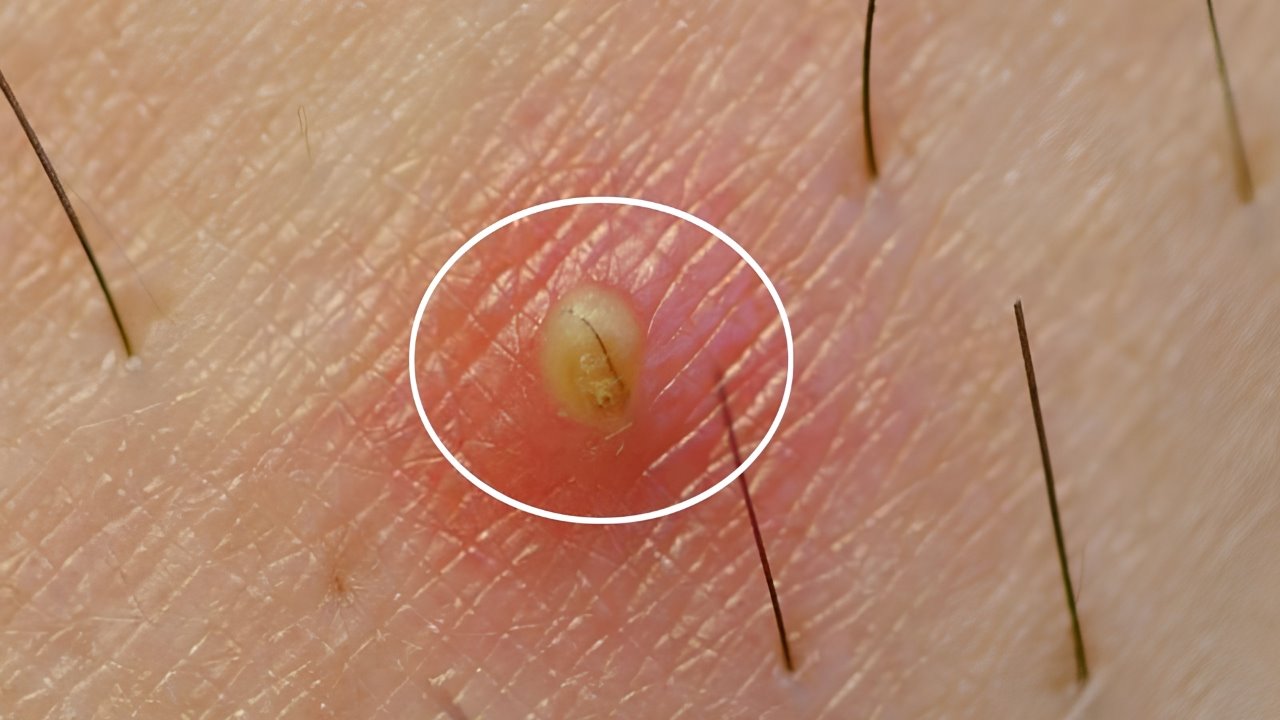
Ingrown hairs, medically known as pseudofolliculitis barbae, occur when the sharpened tip of a cut hair cannot exit the skin surface at a straight angle and instead curls and grows within or just beneath the skin. The body treats this trapped hair as a foreign object, and small, firm bumps form in the area, often with a visible hair loop at the center. These bumps sometimes remain isolated, but they can also become red, tender, and inflamed, turning into folliculitis. Ingrown hairs are not dangerous, but they are a recurring, uncomfortable, and cosmetically frustrating problem, especially in frequently shaved areas where they tend to become chronic.
What Is Folliculitis?
Folliculitis is the inflammation of hair follicles caused by bacterial, fungal, or mechanical irritation. Ingrown hairs are one of the most common triggers of folliculitis, because a hair curling beneath the skin creates a micro-injury and an entry point for bacteria. Folliculitis appears as small, white-topped pimples around each hair follicle, along with redness and sometimes mild pain. Mild cases typically resolve within a few days on their own; however, frequently recurring or deepening folliculitis can cause lasting damage to the skin barrier and leave discoloration behind.
What Is the Difference Between Ingrown Hairs and Folliculitis?
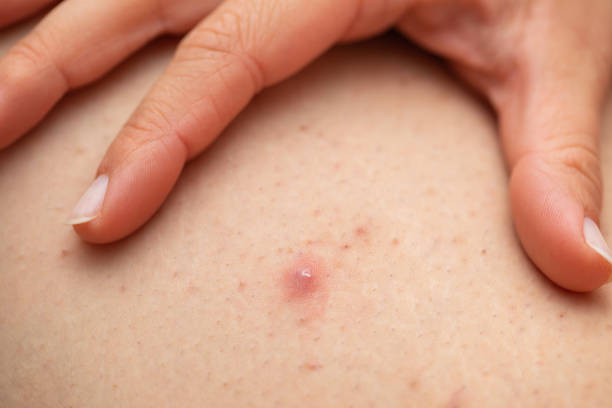
Although the two conditions often occur together, they are not the same thing. Ingrown hairs relate to a mechanical disruption in the direction of hair growth, where the core problem is the hair itself. Folliculitis, on the other hand, is the inflammation of the hair follicle, and its cause can be ingrown hairs, but also bacteria, fungi, friction from tight clothing, or hygiene issues. Put simply, ingrown hairs are usually the mechanical trigger that sets the stage for folliculitis, while folliculitis is the inflammatory result of that trigger. Clarifying this distinction is important for building the right treatment plan.
Why Do Ingrown Hairs Occur?
The most common cause of ingrown hairs is the angle at which the hair is cut. Methods like razors and blades cut the hair at or below skin level, leaving a sharp tip that can easily change direction and grow sideways or back into the skin as it re-emerges. When hair is removed at the root through waxing or plucking, the newly regrowing hair can sometimes lose its way within a curved follicular canal. Tight clothing, shaving with excessively stretched skin, shaving on dry skin, and skipping regular exfoliation are additional factors that increase the risk.
Why Does Folliculitis Occur?
Folliculitis is usually caused by bacteria such as Staphylococcus aureus, and sometimes by fungal or yeast infections. Micro-cuts from shaving, sweating, tight synthetic clothing, shared razor use, hot tubs, and poor hygiene conditions all make it easier for bacteria to enter the follicle. Folliculitis that develops on the basis of ingrown hairs is a combination of mechanical irritation and microbial factors; the micro-injury created around a curling hair essentially opens a door for bacteria to settle into the follicle.
What Are the Symptoms of Ingrown Hairs?
Typical symptoms of ingrown hairs include firm, sometimes movable or fixed small bumps beneath the skin, mild redness, itching, and occasional tenderness to the touch. A curled hair loop can often be seen at the center of the bump. If the area continues to be irritated, the bump may enlarge, fill with pus, and after healing, leave a dark mark (post-inflammatory hyperpigmentation) behind. Symptoms usually appear a few days after shaving and keep renewing themselves along with the repeated shaving cycle.
What Are the Symptoms of Folliculitis?
In folliculitis, small, red, sometimes white pus-topped pimple-like lesions appear around each hair follicle. The area may itch, burn, or feel mildly painful. Widespread but superficial folliculitis usually resolves within a few days without leaving marks; however, deep, recurring, or untreated folliculitis can lead to follicular scarring and lasting discoloration. Cases of folliculitis that cover a large area, are accompanied by fever, or spread rapidly should always be evaluated by a physician.
Which Body Areas Are Most Commonly Affected?
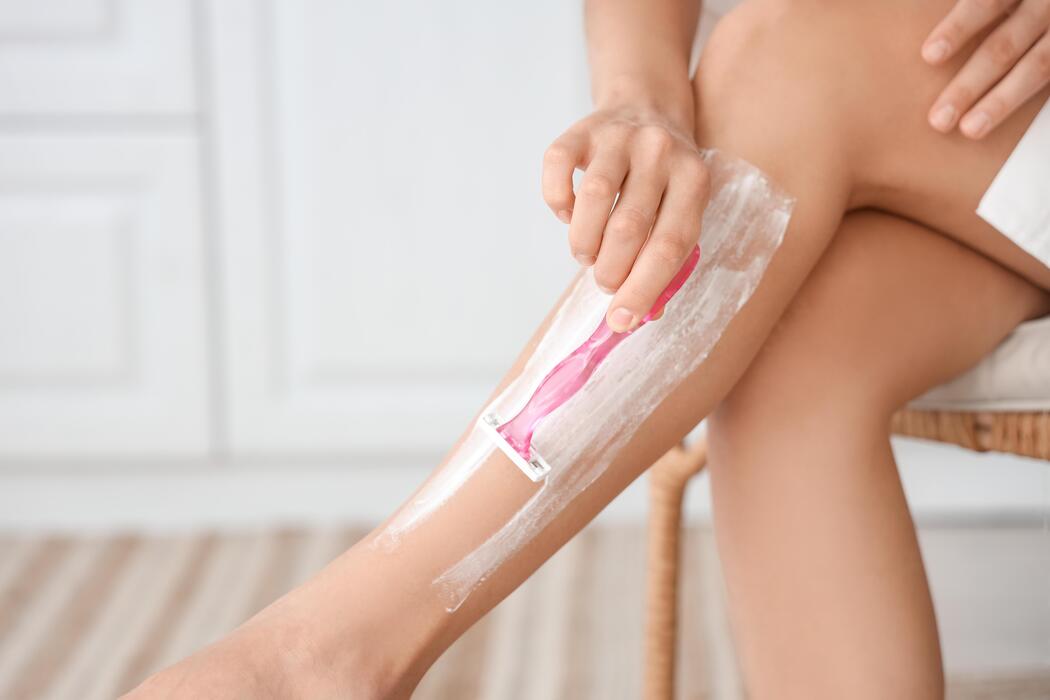
Ingrown hairs and folliculitis occur more frequently in areas with dense, curly hair that are shaved often and exposed to friction. In men, the beard and neck area are most affected; in women, the bikini area, underarms, and legs are the most common sites. The groin and inner thigh area, where sweating and friction are more pronounced, is also at higher risk. What these areas share in common is greater skin folding, dense and often curly hair growth, and frequent need for hair removal.
How Do Shaving and Hair Removal Methods Trigger Ingrown Hairs?
Shaving with a razor cuts the hair at skin level with a sharp tip, carrying the highest risk of ingrown hairs among common methods. Waxing and plucking remove hair from the root, offering smoother skin for a while, but the regrowing hair can sometimes lose its way within a curved follicular channel. Electric razors carry somewhat lower risk than blades because they do not cut hair exactly at skin level. Chemical hair removal creams dissolve the hair at the skin surface, which prevents the sharp tip effect and somewhat reduces the risk of ingrown hairs, though they can cause skin irritation.
Why Are Curly and Coarse Hairs at Higher Risk?
Curly and coarse hair naturally tends to grow parallel to the skin or curve back into it because of its inherent growth curvature. Compared to straight, fine hair, curly hair is far more likely to curl sideways or backward after being cut instead of exiting the skin at a straight angle. For this reason, people with curly hair, especially in frequently shaved beard and bikini areas, tend to experience ingrown hairs and the resulting folliculitis much more often and more persistently.
What Happens If Ingrown Hairs Are Left Untreated?
Ingrown hairs alone generally do not carry a serious health risk, but the cycle of repeated irritation and inflammation can gradually weaken the skin barrier over time. Areas that are constantly scratched, irritated, and inflamed can develop dark marks (hyperpigmentation) and, rarely, keloid-like firm scars. Recurring folliculitis episodes left untreated for a long time can lead to follicular scarring and lasting tissue changes in some areas. Breaking this cycle early is therefore important for both comfort and long-term skin health.
What Is the Risk of Post-Inflammatory Hyperpigmentation and Scarring After Folliculitis?
After inflamed folliculitis lesions heal, they can leave dark marks on the skin, known as post-inflammatory hyperpigmentation. These marks usually fade over time, but they tend to be more pronounced and longer-lasting in deeper skin tones. In recurring, scratched lesions, actual tissue damage and superficial scarring can also occur. In cases of lasting discoloration, blemish treatment options aimed at evening out overall skin tone can be considered; however, the priority is always stopping the underlying irritation cycle first.
What Is Laser Hair Removal and How Does It Work?
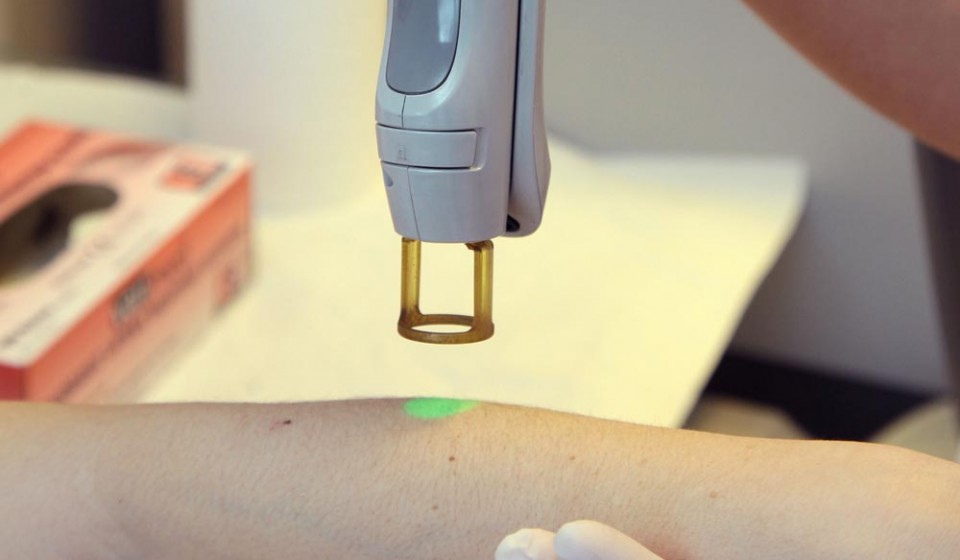
Laser hair removal is a non-surgical hair reduction method based on directing laser light of a targeted wavelength at the melanin pigment in the hair follicle, delivering energy to the follicle and gradually reducing its hair-producing capacity over time. The laser hair removal offered at Zen Polyclinic is planned according to the hair’s growth cycle across sessions and, over time, produces a noticeable reduction in both hair thickness and density. Because it targets the hair at its root rather than cutting it, unlike shaving or waxing, it eliminates the mechanical cutting process that sets the stage for ingrown hairs.
Why Does Laser Hair Removal Reduce Ingrown Hairs?
The root cause of ingrown hairs is the sharp tip of a cut hair growing in the wrong direction beneath the skin. Because laser hair removal weakens the hair follicle rather than cutting the hair, the need for shaving and waxing decreases significantly over time. As shaving frequency drops, the chance of a cut hair curling beneath the skin also decreases. As sessions progress, the overall hair density in the treated area is reduced, which makes it easier for the remaining hairs to reach the skin surface and noticeably lowers the likelihood of ingrown hairs.
Does Laser Hair Removal Reduce the Risk of Folliculitis?
Since ingrown hairs are the most common mechanical trigger of folliculitis, a reduction in ingrown hair frequency indirectly reduces folliculitis flare-ups as well. Additionally, reduced shaving frequency lowers the number of micro-cuts and irritation opportunities, which decreases the chance of bacteria entering the follicle. That said, laser hair removal is not a direct antibacterial treatment for bacterial or fungal folliculitis; its main contribution is reducing the mechanical irritation that sets the stage for folliculitis to develop.
Is Laser Hair Removal a Solution or Just Management?
It is important to evaluate laser hair removal within a realistic framework: it is not a miraculous, guaranteed-result treatment, but it is a clinically sensible approach that directly targets the mechanical cause underlying ingrown hairs. As hair density and thickness decrease, ingrown hairs and the resulting folliculitis flare-ups become significantly less frequent, which translates into noticeable comfort and skin appearance improvement for many patients. However, if active, inflamed folliculitis is present, controlling that inflammation first and then moving on to laser hair removal is the more appropriate sequence.
What Should Be Done If Active Folliculitis Is Present Before Laser Hair Removal?
Laser hair removal is not recommended while active, red, pus-filled folliculitis lesions are present in the area, because laser energy can increase irritation on inflamed and sensitive skin. In such cases, the inflammation is allowed to subside first, and if needed, a skin physician may recommend topical or systemic treatment. At Zen Polyclinic, patients are examined first, any active inflammation is clarified, and the laser hair removal plan begins once the skin becomes suitable. This sequencing matters for both safety and treatment effectiveness.
How Many Sessions Are Needed and When Are Results Seen?
Because hairs are at different stages of growth at any given time, achieving effective results with laser hair removal generally requires a multi-session program planned at intervals of several weeks. The number of sessions varies depending on the treated area, hair structure, and skin type; densely haired areas such as the beard and bikini line may require more sessions. Patients usually notice a clear slowdown in hair regrowth speed and density after the first few sessions, and the reduction in ingrown hairs and folliculitis frequency progresses in parallel. The exact number of sessions is determined by the physician after examination.
Laser Hair Removal vs. Shaving/Waxing: A Comparison
Shaving is fast and inexpensive, but it leaves the hair with a sharp tip at skin level, which pushes the risk of ingrown hairs to its highest point, and its effect lasts only a day or two. Waxing removes hair from the root, providing smoothness for a somewhat longer period, but the regrowing hair can lose its way within the follicular canal, and the waxing process itself can cause irritation. Laser hair removal requires more planning and patience during the initial sessions, but over time it is the only method that reduces hair density and thereby weakens both the need for shaving/waxing and the ingrown hair cycle at its source.
Is Laser Hair Removal Safe? What Are the Side Effects?
When performed with the right device and parameters by an experienced team, laser hair removal is generally considered a safe procedure. Mild redness, temporary tenderness, and rarely slight swelling can occur after the session; these symptoms usually subside within a few hours to a day or two. Treatment should be postponed on sunburned or actively inflamed skin. As with any treatment, the outcome and side effect profile can vary based on individual skin and hair characteristics, which is why a detailed skin assessment beforehand is important.
Which Skin and Hair Types Respond Best?
Because laser hair removal works on the principle of the laser targeting melanin, it classically produces the most noticeable results on dark, coarse hair. Modern laser technologies use different wavelengths to allow safe application across a wide range of skin tones. Devices such as the Alexandrite technology used at Zen Polyclinic aim for effective results on light to medium skin tones; on very light or white hair, the effect may be more limited due to the laser’s melanin-targeting mechanism. The appropriate device is determined during examination based on skin and hair type.
What Should Aftercare Look Like Following Laser Hair Removal?
After the procedure, it is recommended to protect the treated area from direct sunlight, keep it moisturized, and avoid hot showers, saunas, and intense sweat-inducing activities for a few days. Harsh exfoliants and alcohol-based products should be avoided for a while, as they can irritate the skin. In areas prone to ingrown hairs, gentle and regular exfoliation between sessions can help reduce dead skin buildup, making it easier for newly emerging hairs to reach the skin surface. A consistent skincare routine is an important complement to the treatment itself.
Who Is Not a Suitable Candidate for Laser Hair Removal?
Laser hair removal should be postponed or performed only with physician approval in cases of active infection, open wounds, sunburn, certain skin conditions, and pregnancy. Certain medications, particularly those causing photosensitivity, and some chronic skin conditions also require evaluation. In people experiencing an active, widespread folliculitis flare-up, controlling the inflammation first is expected. For these reasons, taking a detailed medical history and performing a skin examination before the procedure is a prerequisite for a safe and effective outcome.
What Additional Tips Help Against Ingrown Hairs and Folliculitis?
Beyond laser hair removal, there are daily habits that can help reduce the risk of ingrown hairs and folliculitis: softening the skin with warm water before shaving, using a sharp and clean razor, shaving in the direction of hair growth, avoiding tight synthetic clothing, exfoliating regularly but gently, and moisturizing after shaving. While these habits alone are not a permanent solution, when applied alongside a laser hair removal process, they can significantly reduce the irritation cycle.
Why Does Choosing the Right Practitioner Matter?
Laser hair removal is a procedure that requires medical knowledge and experience to correctly adjust parameters based on skin type, hair color, and hair thickness. An incorrect device choice or improper energy setting can lead to anything from insufficient results to skin burns. For patients with a history of active folliculitis or ingrown hairs, assessing the skin beforehand and determining the right timing for treatment is especially important. For this reason, it is advisable to have the procedure performed at a clinic that is well versed in this area, follows proper hygiene standards, and offers regular follow-up.
What Are Common Misconceptions About Ingrown Hairs and Folliculitis?
Several common misconceptions about ingrown hairs and folliculitis can delay proper treatment. One is the belief that shaving more frequently will thin out the hair and solve the problem; in reality, more frequent shaving increases the number of cuts and raises the risk of ingrown hairs. Another misconception is that it is safe to pop or squeeze the bump with a needle or tweezers at home; this practice can increase the risk of infection and raise the likelihood of scarring. The idea that waxing completely prevents ingrown hairs is also inaccurate; while waxing reduces the risk in some areas, it does not fully eliminate the problem in curly hair structures. An approach based on accurate information plays an important role in preventing unnecessary skin irritation.
What Factors Affect the Price of Laser Hair Removal?
The price of laser hair removal varies depending on many factors, including the size of the treated area, the number of sessions required, the device technology used, and the clinic’s level of experience. Larger areas such as the beard or legs require more time and energy than smaller areas like the underarms, which can affect the price. Patients with dense hair growth or a history of ingrown hairs who need more frequent monitoring may require more sessions, which can affect the total cost. When comparing prices, it is important to look not only at the per-session fee but also at the suitability of the device used, physician oversight, and the clinic’s hygiene standards, both for safety and for long-term results.
Can At-Home Devices Replace Laser Hair Removal?
Home-use IPL or laser devices sold on the market generally operate at lower energy levels compared to professional laser hair removal performed in a clinical setting, which can limit their effectiveness. Without proper skin and hair assessment, home devices carry a risk of insufficient results or skin irritation due to incorrect parameter selection. In areas with a history of active folliculitis or ingrown hairs in particular, treatments performed without professional supervision can worsen the condition. Laser hair removal performed in a clinical setting stands out as a more reliable and predictable option, both in terms of device power and physician oversight.
Why Are Ingrown Hairs and Folliculitis More Common in Summer?
Increased sweating, sun exposure, and more frequent hair removal during the summer months can raise the frequency of ingrown hairs and folliculitis. Sweaty, humid skin creates a favorable environment for bacteria to multiply, which increases the risk of folliculitis. More frequent shaving and waxing during summer causes repeated micro-irritation on the skin, increasing the likelihood of ingrown hairs. In addition, skin that has been exposed to the sun and irritated becomes more sensitive, and the healing process can take longer. Choosing breathable clothing, moisturizing the skin regularly, and balancing shaving frequency during this period can help reduce the risk.
Zen Polyclinic’s Approach to Ingrown Hairs and Folliculitis
At Zen Polyclinic, patients presenting with ingrown hairs and folliculitis complaints first undergo a detailed skin assessment; if active inflammation is present, controlling it is the priority. A laser hair removal plan suited to skin and hair type is then designed, and if needed, complementary options such as active acne treatment can also be considered for inflamed lesions related to recurring irritation. If you are dealing with ingrown hairs or folliculitis, you can book an appointment with Zen Polyclinic to assess your situation together and build a plan suited to you.
Conclusion
Ingrown hairs and folliculitis are common skin problems closely linked to shaving and hair removal habits, but they can largely be managed with the right approach. Because laser hair removal targets the hair at its root, reducing the repeated cutting cycle, it provides a noticeable reduction in ingrown hairs and folliculitis frequency for many patients; however, it should not be presented as a guaranteed miracle treatment. Avoiding treatment during active inflammation, and having it performed with the right device, correct parameters, and an experienced team, are key to achieving results with realistic expectations. For more information and a personalized assessment, you can contact the Zen Polyclinic team.
Frequently Asked Questions (FAQ)
Are ingrown hairs and folliculitis the same thing?
No. Ingrown hairs occur when a cut hair grows in the wrong direction beneath the skin, while folliculitis is inflammation of the hair follicle. Ingrown hairs are often the mechanical trigger for folliculitis, but folliculitis can also have other causes such as bacteria, fungi, or friction.
Does laser hair removal completely eliminate ingrown hairs?
Laser hair removal is not a guaranteed-result treatment, but because it weakens the hair follicle and reduces the need for shaving and waxing, it provides a noticeable reduction in ingrown hair frequency for many patients. Results vary from person to person based on skin and hair type.
Can I get laser hair removal while I have active folliculitis?
Laser hair removal is not recommended while active, red, pus-filled folliculitis lesions are present. The inflammation should be allowed to subside first, with treatment from a physician if needed, before planning laser hair removal.
Can ingrown hairs leave permanent marks?
Ingrown hairs alone usually do not leave marks, but repeated irritation and inflammation can lead to dark discoloration (hyperpigmentation) over time and, rarely, permanent scarring. Early intervention reduces this risk.
After how many laser hair removal sessions do ingrown hairs decrease?
Because hairs are at different growth stages, effective results generally require several sessions. Most patients notice a reduction in hair density and ingrown hair frequency after the first few sessions; the exact number is determined during examination.
Does laser hair removal work the same way on all skin and hair types?
No. Since the laser targets melanin pigment, it produces more noticeable results on dark, coarse hair. Different laser technologies are used for effective results on light to medium skin tones; the effect may be more limited on very light-colored hair.
What can I do daily to help prevent ingrown hairs?
Softening the skin with warm water before shaving, using a sharp and clean razor, shaving in the direction of hair growth, avoiding tight clothing, exfoliating gently and regularly, and moisturizing can all help reduce the risk of ingrown hairs.
What is the first step for ingrown hairs and folliculitis at Zen Polyclinic?
A detailed skin assessment is performed first. If active inflammation is present, controlling it is the priority, after which a laser hair removal plan suited to skin and hair type, and complementary treatment options if needed, are designed.