Under-Eye Bags or Hollows? Telling Them Apart and the Right Treatment
Under-eye bags are a full, puffy appearance that forms when fat tissue beneath the eyelid bulges forward, while under-eye hollows are the opposite — a sunken, shadowed look caused by volume loss. Both can make the face look tired and older, but their causes and treatments are completely different. So how do you tell under-eye bags apart from under-eye hollows, when is filler recommended versus surgery or Plexr, and can both appear at the same time? In this comprehensive guide, we address all these questions in detail.
What Are Under-Eye Bags?
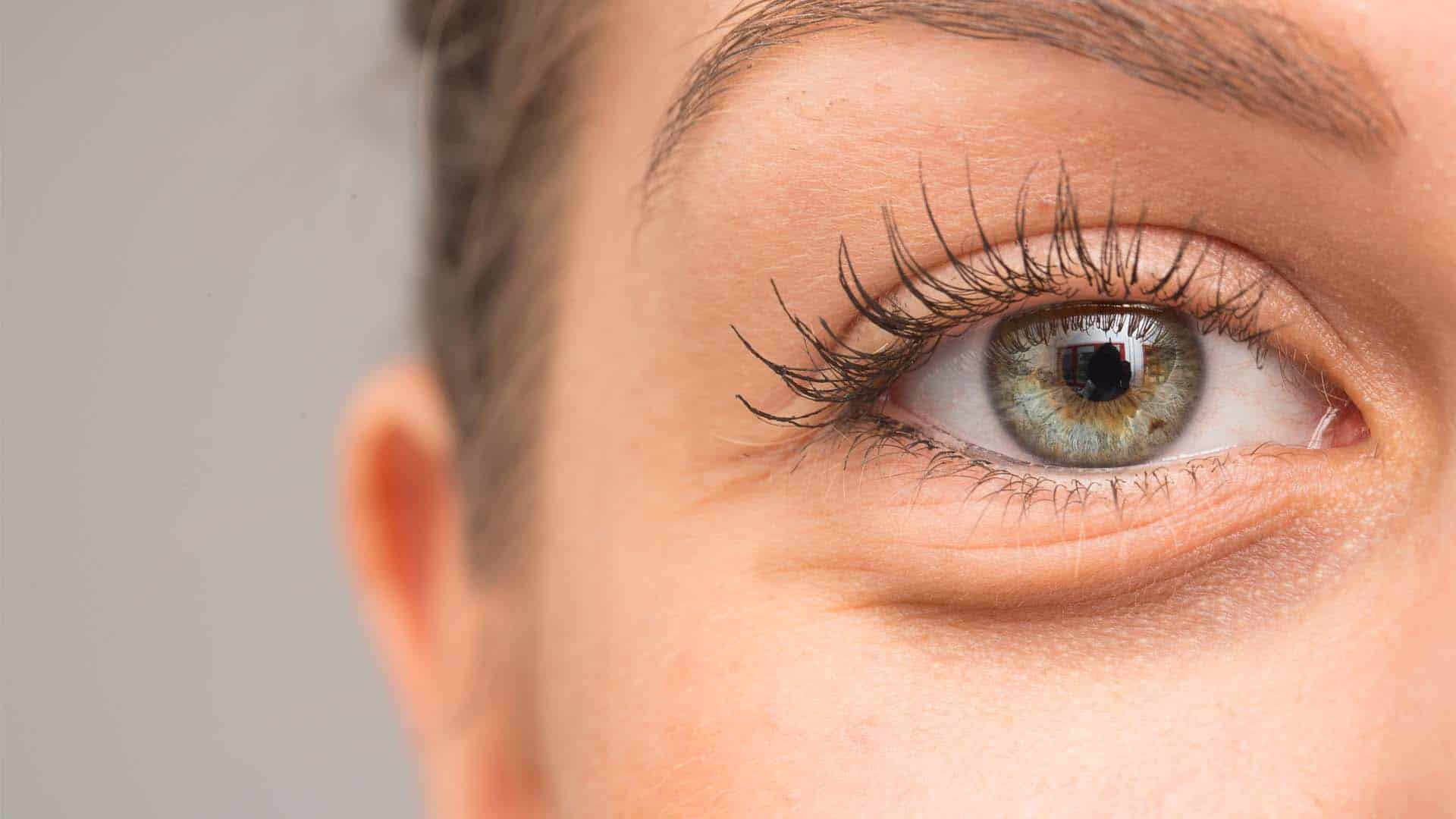
Under-eye bags form when the fat pads surrounding the lower eyelid push forward as the membrane holding them in place (the septum) weakens. Beneath the skin, this shows up as a full, sometimes purple-gray shadowed bulge. It usually becomes more noticeable with age, because the supporting connective tissue gradually loses elasticity. Genetics play a major role too; in some people bags appear at a young age, often as a trait that runs in the family. A bag typically feels soft and mobile to the touch, because real fat tissue lies underneath it. Bags looking more pronounced in the morning is linked to fluid and fat tissue settling in this area overnight due to gravity.
What Are Under-Eye Hollows (Tear Trough)?
Under-eye hollows, medically known as the “tear trough,” form a concave groove in the transition zone between the eyelid and the cheek. Here the issue is not fat accumulation but the opposite — volume loss; bone structure, fat tissue, and skin thin out over time and the area sinks. The result is a dark, purplish-blue shadow and a slightly hollow line under the eye. This look creates a particularly tired, sleep-deprived expression. Hollows typically start becoming noticeable after age 25-30 and are noticed earlier in people with thin, dry skin. Unlike a bag, touching this area reveals a flat, concave surface.
What Is the Key Difference Between Bags and Hollows?
The core difference can be summed up in one word: excess versus deficiency. Under-eye bags are a tissue excess — a bulge created by fat pushing forward — and their treatment generally focuses on reducing that excess. Under-eye hollows are a volume deficiency — the lost fullness needs to be replaced. That’s why a surgical procedure aimed at bags will not correct hollows, and can sometimes make them more noticeable. Likewise, filler applied for hollows will not shrink bags. A treatment applied without the correct diagnosis both fails to deliver results and can make the appearance more complicated; getting this distinction right is therefore the first step toward a successful treatment.
Why Do Under-Eye Bags Form?
The most common cause of under-eye bags is that the supportive tissue around the eye (the orbital septum) loosens with age, allowing the fat pads that normally sit fixed behind the eyeball to bulge forward. Genetics are decisive here; in some families bags can appear even in the 20s. Fluid retention, a salty diet, lack of sleep, and alcohol consumption temporarily make bags more prominent. Smoking accelerates the process by reducing skin elasticity. Prolonged unprotected sun exposure is another factor that weakens the supportive tissue. Certain medical conditions, such as thyroid issues or kidney-related swelling, can also cause a bag-like appearance in the under-eye area.
Why Do Under-Eye Hollows Form?
The main cause of under-eye hollows is volume loss that accumulates over time. Over the years, facial fat tissue thins, the bone structure recedes slightly, and skin thickness decreases; when these three factors combine, the eyelid-cheek junction sinks. People who are genetically prone to deep-set eyes notice this appearance earlier. Weight loss, especially rapid and significant weight loss, can make hollows more pronounced because it reduces overall facial fat tissue. Chronic fatigue and lack of sleep reduce skin tone and darken the shadow. Excessive sun exposure accelerates collagen loss, contributing to hollows appearing at an earlier age. In short, hollows are largely a reflection of the natural aging process and tissue thinning.
What Effect Do Sleep and Fluid Retention Have?
Sleep patterns affect both appearances, though in different ways. Insufficient or irregular sleep slows blood circulation around the eyes, making veins more visible and consequently deepening the shadow in hollows. At the same time, if there is fluid retention in the body, this fluid accumulates in the under-eye area overnight while lying flat, causing bags to look puffier in the morning. A salty diet, alcohol consumption, and certain hormonal changes increase fluid retention. This temporary puffiness usually decreases during the day with movement and standing upright, whereas a true bag or hollow keeps its shape throughout the day. This distinction is an important clue for telling temporary swelling apart from a permanent structural issue.
Is There a Link Between Allergies and Under-Eye Swelling?
Yes, allergic reactions can noticeably affect the appearance of the under-eye area. Allergic rhinitis, and sensitivity to dust, pollen, or cosmetic products, irritates the thin skin around the eyes and leads to swelling and redness. In people with chronic allergies, the veins under the eyes dilate, which can cause both a puffy appearance and a darker discoloration (sometimes called an “allergic shiner”). This can sometimes be mistaken for true under-eye bags, but allergy-related swelling fluctuates seasonally and is usually accompanied by itching. When the allergy is brought under control, this type of swelling largely subsides; it’s therefore worth evaluating whether what looks like a permanent bag is actually a treatable allergy-related swelling.
Bags or Hollows? How Are They Told Apart?
The most practical way to tell them apart is to look at and touch the area carefully. If it’s a bag, a round, raised tissue can be felt just below the eyelid; this tissue is usually soft and its shape can change under light pressure. If it’s a hollow, instead of a bulge in the same area, a flat, sunken surface is noticeable along with a generally dark shadow. In some people the two appearances overlap: a hollow can form just below a bag, creating what is called a “double contour” look. In such complex cases, the mirror test alone may not be enough; an examination by an experienced physician is the most reliable way to determine the correct treatment plan.
How Can a Simple Mirror Test Help Tell Them Apart?
A simple observation you can do at home can help form an initial impression. Look in the mirror under soft, natural light and tilt your head slightly upward; if a round bulge pushes forward just below the eyelid, this points to a bag. Then gently touch the area with a fingertip: if you feel a soft, full tissue, it’s likely a bag; if you feel a flat, sunken surface, it’s likely a hollow. You can also check whether the appearance changes when smiling; bags usually become more prominent with smiling, while the hollow line can sometimes shift slightly upward. This test is only an indicative clue — a professional evaluation is needed for a definitive diagnosis.
Why Does the Appearance Change Under Different Lighting?
The angle of light significantly changes how the under-eye area looks. Harsh light from above (such as overhead lighting or midday sun) creates a highlight on the upper part of a bag and a shadow on the lower part, making the bulge more noticeable. The same harsh light also deepens the shadow in a hollow, making dark circles look more dramatic. Under soft, diffuse light (such as on a cloudy day or under gentle indoor lighting), both appearances become less noticeable. This is why an under-eye issue that looks “very pronounced” in photos or under certain lighting is often perceived as much milder in real life; knowing this difference helps prevent unnecessary worry.
Can Bags and Hollows Appear at the Same Time?
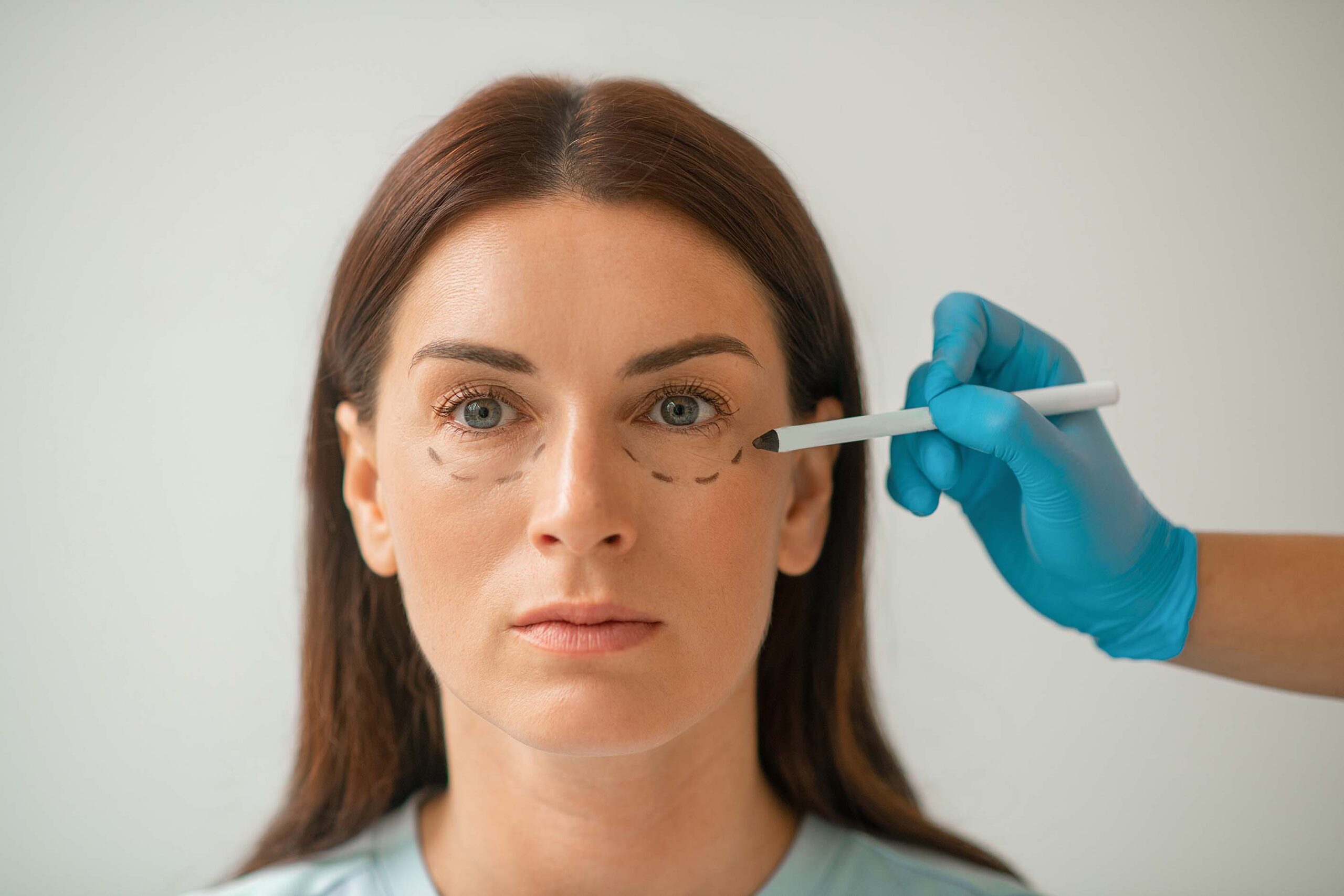
Yes, especially in people over 35, these two conditions are frequently seen together. As the fat pad bulges forward, volume loss can simultaneously occur in the area just below it, creating a complex look described as a “double contour” or “V-shaped shadow.” In this picture, the upper part of the bag looks full while the area just below it looks sunken, and the transition between the two is marked by a clear shadow line. In such cases, a single treatment method is usually not enough; both the excess needs to be reduced and the deficiency needs to be supported. For this reason, combination treatment approaches stand out as the method that delivers the most natural and balanced result for complex under-eye appearances.
What Treatments Are Used for Under-Eye Bags?
Treatment for under-eye bags is determined by the size of the bag, skin quality, and the underlying cause. For mild to moderate bags, non-surgical methods (such as Plexr or skin-tightening treatments) may be preferred, while pronounced and persistent fat excess responds better to surgical blepharoplasty for a more lasting result. In some mild cases, lifestyle adjustments (sleep patterns, salt restriction, allergy control) can noticeably reduce how bags appear, but these measures alone are not enough for structural, genetically driven bags. Before deciding on treatment, an examination by a physician is essential to clarify the type of bag — genuine fat excess or temporary swelling.
When Is Surgical Blepharoplasty Necessary?
Surgical blepharoplasty offers the most lasting result, especially for under-eye bags that are pronounced, persistent, and accompanied by excess skin. In this procedure, excess fat tissue and, if necessary, excess skin are removed or repositioned through a small incision made within the eyelid crease. Surgery is considered when the bag is significantly large, accompanied by skin laxity, or when previously tried non-surgical methods have not produced sufficient results. The recovery process after the procedure can take a few weeks, with temporary bruising and swelling possible. The decision for surgery is personalized by the physician based on the patient’s age, skin quality, and expectations; not every bag case requires surgery.
How Is Plexr Used for Under-Eye Bags?
Plexr is a non-surgical method that works with plasma energy, and it is particularly preferred for under-eye bags accompanied by mild to moderate skin excess. The procedure creates controlled micro-points on the upper layer of the skin, aiming to tighten and contract it; it requires no incisions or stitches. Since it does not directly reduce the fat tissue itself, it works better in cases where the bag largely stems from skin laxity rather than fat accumulation. Some scabbing lasting a few days is seen in the area after the procedure, which is a normal part of healing. Because Plexr offers a shorter recovery time than surgery, it is an alternative worth considering for people who don’t want surgery or who have moderate bags.
How Much Do Lifestyle Changes Help With Bags?
Lifestyle adjustments can provide noticeable benefit, especially for temporary and mild bags. Adequate, regular sleep reduces fluid retention and eases morning puffiness. Cutting back on salt intake improves the body’s overall fluid balance, limiting accumulation in the under-eye area. Allergy control can significantly reduce bag-like appearance caused by itching and swelling. Sleeping with the head elevated is a simple but effective measure that prevents fluid from pooling in the face overnight. However, these measures do not create a fundamental change in structural, genetically driven bags caused by fat tissue excess; such cases require a medical or surgical approach.
What Treatments Are Used for Under-Eye Hollows?
Treatment for under-eye hollows is based on the principle of restoring lost volume. The most commonly preferred method is a hyaluronic acid-based under-eye light filler, applied in a controlled manner to the hollow area to smooth the surface and reduce the shadow. In more significant cases of volume loss, methods such as facial fat transfer can also be considered. In cases where skin quality is also poor, supportive treatments that improve skin quality may be recommended in addition to filler. Surgery is rarely chosen as a standalone treatment for hollows, because the problem is not an excess but a deficiency; volume-supporting methods are therefore a more suitable approach for hollows.
How Is Under-Eye Light Filler Applied?
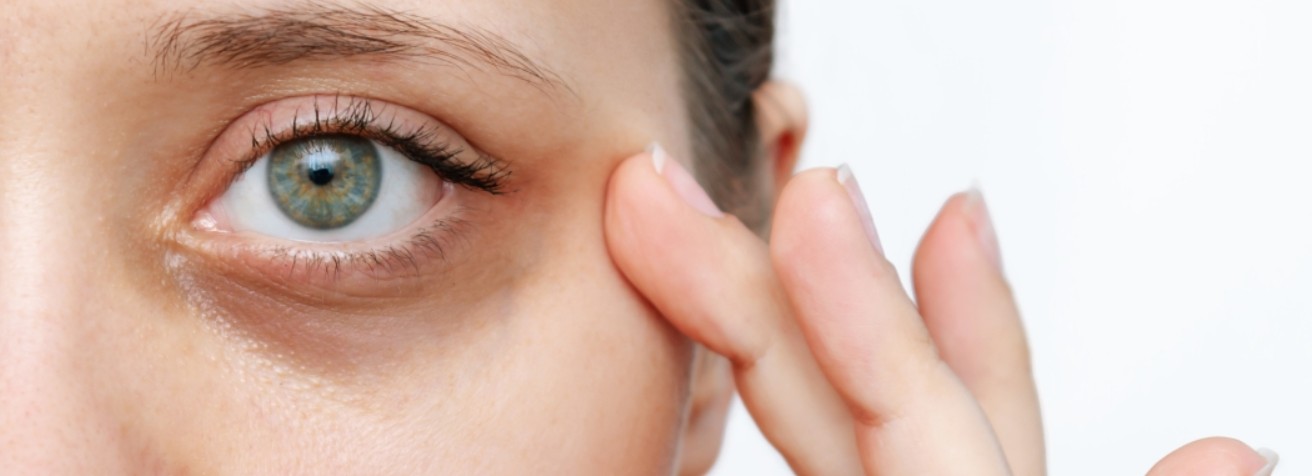
Under-eye light filler is applied using a thin cannula or needle to place a hyaluronic acid-based filler into the hollow area in small, controlled amounts. The area is numbed with a topical cream beforehand, keeping discomfort low during the procedure. The physician determines the amount of filler and the layer it is placed in based on the depth of the hollow and facial anatomy; the goal is a natural smoothing effect, not excessive fullness. The procedure typically takes 20-30 minutes, and any mild swelling or bruising afterward subsides within a few days. When applied with the right technique, the result is a rested, more youthful expression around the eyes. For more details, see the under-eye light filler page.
Which Treatment Is Right for Which Situation?
The choice of treatment depends on whether the underlying problem is excess or deficiency. If there is a pronounced, persistent fatty bulge accompanied by excess skin, methods such as surgical blepharoplasty or Plexr are considered. If the problem is a sunken area with a dark shadow caused by volume loss, filler for under-eye hollows is the more suitable option. Applying filler to a bag does not solve the problem and can make it look more pronounced; likewise, applying surgery to a hollow is an unnecessary and ineffective intervention. This is why getting the correct diagnosis before treatment is the most critical step in determining which method should be used.
When Is Combination Treatment Preferred?
In complex cases where bags and hollows are seen together, combination treatment generally produces a more natural and balanced result than a single method. For example, after a bag is reduced with surgery or Plexr, a small amount of light filler can be applied to the hollow just below it to soften the transition line. This approach aims to balance the entire under-eye area rather than fixing one problem while leaving the other visibly untreated. A combination treatment plan is tailored to the individual through a detailed evaluation by the physician; the two procedures can be performed in the same session or in separate sessions with an interval between them. Correct sequencing and dosage are decisive for how natural the final result looks.
What Result and Longevity Can Be Expected After Filler?
The effect of under-eye light filler is usually clearly visible a few days after the procedure, once swelling has fully subsided. Depending on the type of filler used, the person’s metabolism, and movement in the area, results typically last between 9 and 18 months in most cases. Over time, the filler is naturally absorbed by the body and the area gradually returns to its previous state; periodic touch-up sessions are therefore recommended to maintain the effect. Surgical blepharoplasty, by its nature, offers a much longer-lasting result that can be considered permanent in most cases, because the excess tissue has been physically removed. For both methods, how long the result lasts is also related to lifestyle and skincare habits.
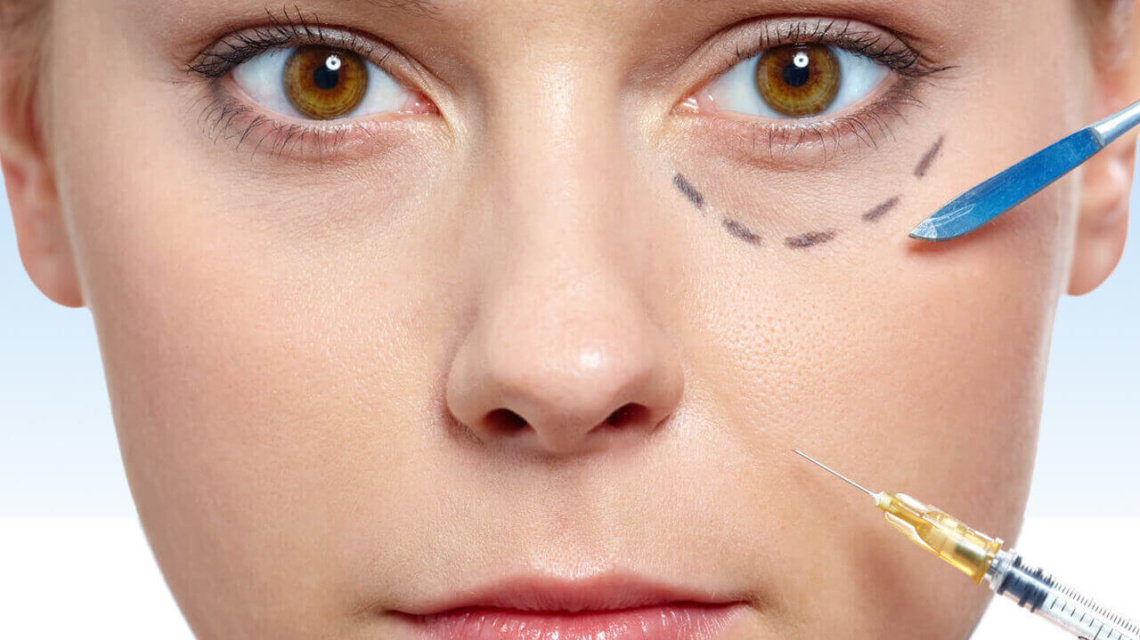
What Are the Side Effects and Risks of These Treatments?
Because the under-eye area is thin and delicate, careful application is required for both treatment types. The most common effects after light filler are mild swelling, bruising, and temporary tenderness; rarely, uneven distribution of filler or a bluish appearance (known as the Tyndall effect) can occur, which can generally be prevented with proper technique and depth. After surgery or Plexr, temporary redness, scabbing, and swelling are an expected part of the healing process; in rare cases, risks such as infection or asymmetry can occur. Most of these risks are minimized when the procedure is performed correctly by an experienced physician. Expectations and possible risks should always be discussed in detail with the physician before any procedure.
Do Creams and Serums Get Rid of Under-Eye Hollows?
The market offers many creams and serums aimed at “reducing” under-eye hollows; these can moisturize the skin and slightly reduce superficial fine lines, somewhat improving the appearance, but they cannot address genuine volume loss. This is because hollows are not a skin-surface issue but relate to changes in the underlying fat tissue and bone structure; it is not possible for a cream to reach this deep tissue and restore volume. Caffeine-containing eye creams can temporarily constrict blood vessels and lighten darkness, but this effect is not permanent and fades within a few hours. For a pronounced hollow, the realistic expectation is therefore not topical products but volume-restoring medical treatments; creams should only be considered a supportive part of a skincare routine.
How Can Under-Eye Bags and Hollows Be Prevented?
While complete prevention is not always possible, there are practical steps that can slow the process. Regular, adequate sleep supports under-eye circulation, reducing both puffiness and darkness. Balancing salt intake limits fluid retention. Sun protection slows collagen loss, delaying both skin thinning and early volume loss. Avoiding smoking preserves skin elasticity. Keeping seasonal allergies under control reduces under-eye swelling. Regular skincare and moisturizing support the health of the thin skin around the eyes. While these measures alone will not eliminate a structural bag or hollow, they can delay the appearance from becoming early and pronounced.
Why Does Choosing the Right Practitioner Matter?
The under-eye area is one of the most delicate parts of the face in terms of vessels and nerve structure, so evaluation by an experienced physician is essential at both the diagnosis and treatment stages. Correctly distinguishing bags from hollows is a prerequisite for determining the right treatment method; a wrong diagnosis can mean the wrong procedure and an unsatisfying result. An experienced practitioner adjusts filler amount and depth according to the person’s facial anatomy to aim for a natural result, avoiding overfilling or insufficient correction. For procedures like surgery or Plexr as well, technical precision directly affects the quality of the healing process and the final result. Because of this, a detailed consultation before the procedure is always recommended.
Who Is Not a Suitable Candidate for These Treatments?
In some cases, treatment for under-eye bags or hollows should be postponed or a different approach should be considered. If there is an active eye infection, open wound on the skin, or an ongoing skin condition in the area, the procedure is postponed. Filler treatments are generally not recommended during pregnancy and breastfeeding. People with bleeding disorders or who take blood thinners require extra precautions and physician approval. In people with serious autoimmune conditions, both filler and surgery decisions must be evaluated carefully. For people with unrealistic expectations — for example, expecting a result that leaves “absolutely no trace and lasts forever” — a detailed expectation-setting conversation should take place first. This assessment is made by the physician during the initial examination.
Zen Polyclinic’s Approach to Under-Eye Bags and Hollows
At Zen Polyclinic, under-eye assessment begins with clearly distinguishing bags from hollows; this distinction is the fundamental step that determines which method (Plexr, surgical blepharoplasty, under-eye light filler, or a combination approach) will be applied. At Zen Polyclinic, facial anatomy, skin quality, and expectations are evaluated individually for each patient to create a personalized plan. The goal is not an excessive or artificial change, but a rested, natural look. If you have concerns about under-eye bags or hollows, you can reach the Zen Polyclinic team through the appointment page for the correct diagnosis and treatment options; you can also review the Plexr page for non-surgical alternatives.
Conclusion
Under-eye bags and under-eye hollows may look similar, but they are two completely different conditions at their root: one is a tissue excess, the other a volume deficiency. Getting this distinction right directly determines the success of the treatment applied. Plexr for mild-to-moderate bags, surgical blepharoplasty for pronounced bags, and under-eye light filler for hollows are generally the most suitable approaches; in cases where both are seen together, combination treatment provides a more balanced result. Lifestyle adjustments can slow the process, but they cannot resolve structural issues on their own. The healthiest path is an examination by an experienced physician to reach the correct diagnosis and build a realistic treatment plan around it.
Frequently Asked Questions (FAQ)
What is the difference between under-eye bags and under-eye hollows?
Under-eye bags are a tissue excess caused by fat pushing forward, while under-eye hollows are a deficiency caused by volume loss. One looks puffy, the other sunken, and they require different treatments.
How do I know if I have under-eye bags or hollows?
If the area feels soft and full when touched, it is likely a bag; if it feels flat, sunken, and shadowed, it is likely a hollow. A physician’s examination is recommended for a definitive diagnosis.
Can under-eye bags and hollows occur at the same time?
Yes, especially after age 35 both can appear together. In such cases, combination treatment (for example surgery or Plexr along with a small amount of filler) usually gives a more balanced result.
What treatment is used for under-eye bags?
For mild-to-moderate bags, non-surgical methods like Plexr are used; for pronounced, persistent bags, surgical blepharoplasty is preferred. The decision depends on bag size and skin quality, made by the physician.
What treatment is used for under-eye hollows?
The most common treatment for under-eye hollows is a hyaluronic acid-based under-eye light filler, which restores lost volume and reduces the shadow and sunken appearance.
Is filler used for under-eye bags?
Since a bag is a tissue excess, filler does not solve the problem and can sometimes make it look more pronounced. Bag treatment is generally done with methods that reduce the excess, such as surgery or Plexr.
Do creams get rid of under-eye hollows?
Creams can moisturize the skin and slightly improve appearance, but they cannot address real volume loss, since hollows relate to changes in the underlying fat and bone tissue, not the skin surface.
How long does under-eye light filler last?
Depending on the filler type and the individual, results typically last between 9 and 18 months in most cases; periodic touch-up sessions are recommended to maintain the effect.