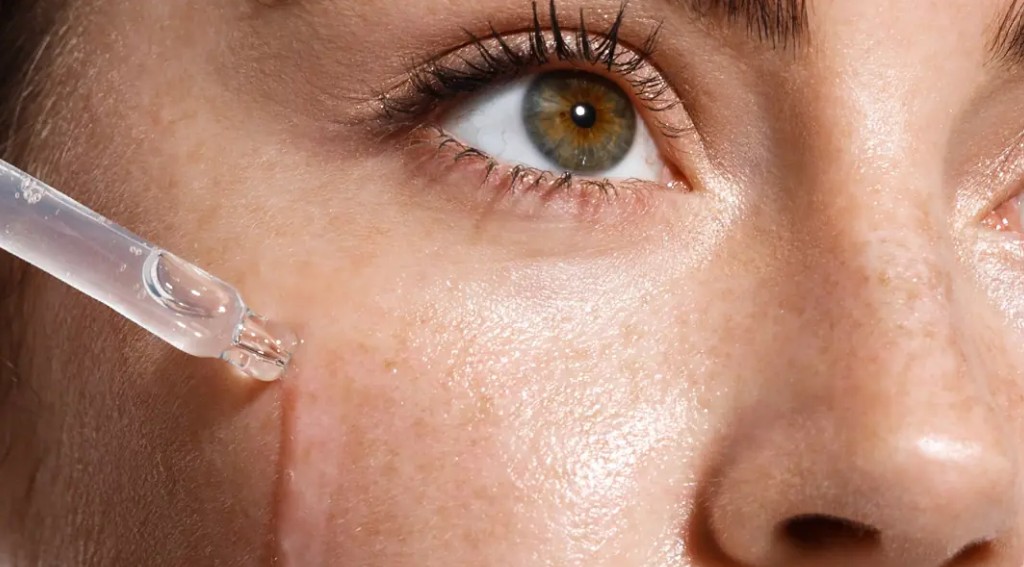
Using Retinol in Skincare: Benefits and Tips
Retinol use is the regular and correct application to the skin of a vitamin A-derived active ingredient that stands out in skincare for its anti-aging effects. Retinol is one of the most researched molecules in dermatology, capable of acting simultaneously on many concerns such as fine lines, wrinkles, enlarged pores, acne, skin spots and dull complexion. However, when used incorrectly, it can also cause redness, flaking and irritation. So what exactly is retinol, how does it differ from the other members of the retinoid family, what benefits does it provide to the skin, how should it be started, which products should it not be used with and why is it not recommended during pregnancy? In this comprehensive guide, we address all these questions in detail.
What Is Retinol?
Retinol is one of the most widely used derivatives of vitamin A (retinoic acid) in skincare and is frequently included in dermocosmetic products. When applied to the skin, it accelerates cell renewal, supports collagen production and makes the skin surface look smoother. Retinol is processed by the skin in several steps before converting into retinoic acid, the direct active form; for this reason it is a gentler ingredient than prescription retinoids, but one whose effect appears over time. It is available in serum, cream and night care forms. Retinol is a versatile active ingredient preferred both in anti-aging care and for concerns such as acne and spots. When used regularly, it noticeably improves skin quality.
Are Retinol and Retinoid the Same Thing?
The terms retinol and retinoid are often confused, but there is an important difference between them. Retinoid is a general umbrella term covering all vitamin A derivatives; retinol, retinaldehyde, retinyl esters and prescription tretinoin are all retinoids. Retinol, on the other hand, is the member of this family most frequently used in cosmetic products. In other words, every retinol is a retinoid, but not every retinoid is retinol. When retinoids are ranked by their potency, prescription forms are the strongest and retinyl esters are at the mildest end. Retinol sits in a balanced position on this scale: it is both effective and, when used correctly, tolerable for most skin types. Knowing this distinction is important for choosing the right product.
What Is the Difference Between Retinol, Retinaldehyde and Tretinoin?
Different members of the retinoid family require a different number of steps to convert into active retinoic acid when applied to the skin; this determines both potency and irritation potential. Tretinoin (retinoic acid) is the direct active form, the strongest and fastest acting, but it is obtained by prescription and has a high risk of irritation. Retinaldehyde, because it converts to the active form in a single step, is more effective than retinol and gentler than tretinoin. Retinol requires a two-step conversion; therefore it is a slower but more tolerable option. For those new to skincare, retinol or low-concentration retinaldehyde is a sensible start. Which derivative is suitable is determined according to skin sensitivity and the goal.
How Does Retinol Affect the Skin?
After being applied to the skin, retinol is converted by enzymes first into retinaldehyde and then into retinoic acid, the active form. This active form binds to receptors in the nucleus of skin cells and regulates cell behavior. As a result, dead cells shed faster, new and healthy cells reach the surface, and collagen and elastin production are supported. Retinol also helps lighten spots by regulating melanin distribution, reduces pore congestion and improves skin texture. These effects appear gradually over weeks, not overnight. Retinol’s skin-renewing mechanism is the fundamental feature that makes it valuable in both anti-aging and reparative care.
What Are the Benefits of Retinol for the Skin?
The benefits of retinol on the skin span a fairly wide range, which makes it a versatile active ingredient. The main benefits that can be achieved with regular use are as follows:
- Reduces the appearance of fine lines and wrinkles.
- Increases skin firmness by supporting collagen production.
- Makes pores appear smaller.
- Reduces acne formation and clogged pores.
- Helps lighten sun spots and post-acne marks.
- Evens skin tone and texture and revives a dull complexion.
Thanks to this broad range of effects, retinol is an ideal option for those who want to address multiple skin goals with a single product. However, patience and consistency are essential for the benefits to appear.
Does Retinol Reduce Wrinkles?
Retinol is one of the most scientifically supported cosmetic actives when it comes to fine lines and wrinkles. By stimulating collagen production in the deeper layers of the skin, it makes the skin look plumper and firmer; thus existing fine lines soften and the formation of new ones slows down. Because retinol also accelerates cell renewal, the skin surface looks smoother and more even. Noticeable improvement is observed with regular use, especially in areas where fine lines appear early, such as around the eyes and forehead. However, retinol does not work miracles on its own for deep and static wrinkles; in these cases it plays a supporting role together with medical aesthetic treatments. Regular use started at an early age is also valuable for its preventive effect.
Does Retinol Shrink Pores?
Retinol is an effective ingredient for improving the appearance of enlarged pores. Pores cannot actually be shrunk, but retinol makes them look less prominent by reducing the buildup of oil and dead cells inside the pore. Because it accelerates cell renewal, pore congestion is prevented and the skin surface gains a smoother appearance. In addition, thanks to collagen support, the skin around the pores becomes firmer, which contributes to pores appearing optically smaller. Since enlarged pores are more common in oily and combination skin, retinol is particularly beneficial for these skin types. To improve pore appearance, using retinol together with a gentle cleansing and regular moisturizing routine gives the best result.
Is Retinol Good for Acne and Pimples?
Retinol is an active frequently recommended for acne-prone skin. By accelerating the shedding of dead cells that clog pores, it reduces the formation of blackheads and whiteheads and helps prevent new pimples from appearing. It also contributes to the gradual lightening of dark marks and rough texture that form after acne. While retinol plays a supporting role in mild to moderate acne, it may not be sufficient on its own for inflammatory and stubborn acne. In these cases a professional approach is needed; methods such as the active acne treatment applied at Zen Polyclinic offer a more comprehensive solution. You can find more information about caring for oily and acne-prone skin in our separate guide.
Does Retinol Lighten Spots on the Skin?
Retinol is an effective ingredient for lightening color irregularities such as sun spots, age spots and post-acne hyperpigmentation. By regulating melanin production and distribution, it helps gradually lighten dark areas; at the same time, thanks to the accelerated cell renewal, it enables pigment-laden cells to reach the surface and shed more quickly. These two mechanisms together make the skin tone more even. However, retinol may be slow on its own for deep and stubborn spots such as melasma. In such cases, professional methods such as blemish treatment with fractional laser give faster and more noticeable results. When using retinol for spot treatment, sun protection should not be neglected; otherwise the spots may darken.
Does Retinol Increase Collagen Production?
One of retinol’s most valuable features is that it stimulates collagen production in the deeper layers of the skin. Collagen production naturally decreases with age; this leads to thinning and sagging of the skin and deepening of wrinkles. Retinol slows this loss by activating collagen-producing cells called fibroblasts and helps preserve the existing collagen structure. At the same time, by suppressing the activity of enzymes that break down collagen, it supports the skin remaining firm for longer. For this reason, retinol is considered one of the cornerstones of anti-aging care. Those who want to prevent and rebuild collagen loss can find detailed information in our collagen loss guide.
How Should You Start Retinol?
Starting retinol correctly is critical for both the quality of the result and avoiding irritation. The most important rule is to start with a low concentration and infrequent use. In the first stage, applying it two or three nights a week allows the skin to get used to the ingredient. Retinol should be used only at night and applied in a pea-sized amount to cleansed and dried skin. Using a moisturizer after application reduces irritation. The technique known as the “sandwich method,” applying retinol between layers of moisturizer, increases comfort in sensitive skin. As the skin develops tolerance, the frequency of use and the concentration can be increased gradually. Not rushing and monitoring the skin’s reactions is the key to a successful retinol routine.
Which Retinol Percentage Should You Start With?
Retinol products are generally available in concentrations ranging from 0.1 percent to 1 percent. For those new to skincare, the safest option is low-concentration products such as 0.1 percent or 0.2 percent. These low percentages allow the skin to get used to the ingredient without experiencing irritation. As the skin develops tolerance, a transition to higher concentrations can be made within a few months. Starting with a high percentage does not provide faster results; on the contrary, it increases the risk of redness, flaking and sensitivity. Starting with the lowest concentration is especially important in sensitive and dry skin. The correct starting percentage is determined according to skin type, sensitivity level and the targeted concern. When you are unsure, getting a professional skin evaluation is the best approach.
How Often Should Retinol Be Used?
The frequency of retinol use varies from person to person depending on the skin’s tolerance and the strength of the product used. Initially, application two or three nights a week is recommended; this makes it easier for the skin to adapt to the ingredient. If the skin tolerates this frequency without redness or flaking, use can progress to every other day after a few weeks and then to every night. However, not every skin can tolerate nightly retinol use; for some people, three applications a week remains the ideal level. Excessive use can weaken the skin barrier, leading to irritation and sensitivity. Retinol should be used only at night because it can lose its effectiveness in daylight and make the skin more sensitive to the sun. Patience and consistency are more important than frequency for results.
What Is Retinization (Building Tolerance)?
Retinization is the name given to the temporary adaptation period the skin goes through while getting used to retinol. In people new to retinol, symptoms such as redness, dryness, flaking, mild burning and sensitivity may appear within the first few weeks. These reactions are usually a sign that the skin is responding to the ingredient and decrease over time. The retinization period generally lasts between two and six weeks; during this process, it is more correct to reduce the frequency and increase moisturizing rather than stopping use entirely. Using plenty of moisturizer, continuing infrequent application and protecting from the sun help make this period more comfortable. If retinization is severe and does not pass for weeks, the product should be stopped and a specialist consulted. Managing this period correctly is the key to seeing long-term benefit from retinol.
What Are the Possible Side Effects When Using Retinol?
Although retinol is generally a safe ingredient, it can cause some side effects, especially in the early period of use. The most common are redness, dryness, flaking, a feeling of tightness and mild burning or tingling. These symptoms are mostly part of the retinization process and decrease as the skin adapts. Excessive and too frequent use can weaken the skin barrier, causing more pronounced irritation. Rarely, extreme sensitivity, eczema-like irritation or persistent redness may occur; in this case use should be stopped. The way to minimize side effects is to start with a low concentration, apply infrequently, moisturize plenty and protect from the sun. If symptoms are severe or prolonged, a specialist must be consulted. With correct use, side effects can be largely prevented.
Why Is Sun Protection So Important With Retinol?
One of the most critical rules of retinol use is to always apply sun protection during the day. Because retinol accelerates cell renewal, it temporarily makes the skin more sensitive to sunlight and UV damage. For this reason, when sunscreen is not used, the risk of burning, redness and spot formation increases; even the spots retinol is trying to lighten may darken. It is essential to use a broad-spectrum sunscreen of at least SPF 30, preferably SPF 50, every morning. In addition, since retinol degrades in daylight, it should be applied only at night. Using retinol without sun protection both negatively affects results and puts skin health at risk. Sunscreen is the indispensable complement of a retinol routine.
Which Products Should Retinol Not Be Used With?
To preserve retinol’s effectiveness and prevent irritation, it is recommended not to use it in the same routine, especially at the same time, with certain active ingredients. The combinations to be careful about in general are as follows:
- AHA and BHA acids: Can cause excessive peeling and irritation together with retinol.
- Vitamin C: Their effectiveness may decrease when used at the same time due to different pH requirements.
- Benzoyl peroxide: Can render some retinol forms ineffective and increase irritation.
- Strong peels and mechanical scrubbing products: Weaken the skin barrier.
If these ingredients need to be used, it is safer to use them at different times from retinol (for example, one in the morning, the other at night). Correct layering preserves both effectiveness and skin comfort.
Can Retinol and Vitamin C Be Used Together?
Retinol and vitamin C are two of the most valuable actives in skincare, but using them at the same time is generally not recommended. The main reason for this is that the two ingredients work best in different pH environments; when applied together, their effectiveness may decrease and the risk of irritation may increase. The most effective approach is to separate the two into different times of day: vitamin C is more suitable for the morning routine and retinol for the night routine. Vitamin C provides antioxidant protection in the mornings and works well with sunscreen; retinol renews the skin at night. Thanks to this separation, the benefits of both actives are fully utilized. Although experienced users may over time use certain formulations together, separate use is the safest way for beginners.
Can Retinol and AHA/BHA Acids Be Used Together?
Chemical exfoliants such as AHA (glycolic, lactic acid) and BHA (salicylic acid) are powerful actives that, like retinol, accelerate cell renewal. Using the two together on the same night can over-exfoliate the skin, weaken the barrier and lead to serious irritation. For this reason, retinol and acids are generally not used in the same routine. Those who want to include both in their routine can use them alternately on different nights; for example, retinol one night and acid another night. Some experienced users prefer to use acids in the morning and retinol at night. For beginners, first getting used to retinol alone and adding acids carefully later is the safest approach. Protecting the health of the skin barrier is the most important priority when using two powerful actives together.
Is Combining Retinol and Benzoyl Peroxide Harmful?
Benzoyl peroxide is a powerful ingredient frequently used in acne treatment; however, it can cause problems when applied at the same time as some retinol forms. Benzoyl peroxide, with its oxidizing effect, can break down some retinol molecules and render them ineffective; this reduces the benefit of both products. In addition, using the two together can over-dry the skin, leading to irritation and flaking. For people who need to use both ingredients, the most practical solution is to apply one in the morning (benzoyl peroxide) and the other at night (retinol). Alternatively, alternating use on different nights is also possible. Today, some stable retinol formulations are less affected by this interaction, but separate use is still generally safer and more effective.
Which Products Does Retinol Work Well With?
When combined with the right ingredients, retinol offers both a more effective and a more comfortable experience. The ingredients that complement retinol and reduce irritation are as follows:
- Hyaluronic acid: Balances retinol’s drying effect by hydrating the skin.
- Niacinamide: Strengthens the skin barrier and reduces redness.
- Ceramides: Repair the barrier and prevent moisture loss.
- Peptides: Work compatibly with retinol in collagen support.
A routine built with these ingredients reduces retinol’s side effects while increasing its benefits. Moisturizers and barrier-repairing products in particular are indispensable supporters of retinol use. In product selection, it is important to prefer formulations suitable for the skin type.
Can Retinol Be Used During Pregnancy and Breastfeeding?
During pregnancy and breastfeeding, it is recommended to avoid retinol and all vitamin A derivatives. Because of the potential of high-dose vitamin A intake to harm the developing baby, prescription retinoids in particular are strictly prohibited during this period. Although the amount of topical retinol that passes into the bloodstream is low, for safety reasons retinol is not recommended for people who are planning pregnancy, are pregnant or are breastfeeding. During this period, safer alternatives should be preferred for skincare; niacinamide, hyaluronic acid, vitamin C and some ingredients considered safe during pregnancy can be used for this purpose. Before starting any active ingredient during pregnancy, a physician must always be consulted. In case of doubt, the safest way is to stop retinol entirely.
At What Age Should Retinol Be Started?
There is no single “right age” to start retinol; this depends on skin needs and goals. Generally, for the purpose of preventive anti-aging care, retinol can be added to the routine from the mid-to-late twenties onwards; collagen production begins to slow during this period. However, for specific concerns such as acne or spots, retinol can be used at younger ages with specialist recommendation. Starting at an early age with a low concentration makes it easier for the skin to get used to the ingredient and provides a preventive effect. Rushing into retinol is unnecessary in very young and problem-free skin; at these ages, sun protection and moisturizing are more of a priority. At what age to start should be evaluated individually according to skin type and the targeted concern. When you are unsure, getting a professional opinion is helpful.
Is Retinol Suitable for Every Skin Type?
Although retinol is suitable for most skin types, the manner of application should vary according to skin type. Oily and combination skin generally tolerate retinol more easily and see noticeable benefit in concerns such as pores and acne. In dry and sensitive skin, retinol is more prone to irritation; in these skins it is necessary to start with the lowest concentration, infrequently and accompanied by plenty of moisturizing. Those with conditions such as rosacea, eczema or active skin dermatitis must consult a specialist before using retinol. For very sensitive skin, gentler derivatives such as retinal or retinyl esters may be preferred. In conclusion, retinol appeals to a wide user base, but it should be used not “the same way for everyone” but with a skin-specific approach.
What Are the Common Mistakes in Using Retinol?
There are some common mistakes to avoid in order to get the best result from retinol. The most frequent mistake is overstressing the skin by starting with too high a concentration and too frequently; this results in irritation and flaking. Another mistake is neglecting to use sunscreen; this both spoils results and harms the skin. Layering retinol at the same time with many powerful actives (acids, vitamin C) also weakens the barrier. Giving up quickly when no results are seen is also common; yet retinol takes effect over weeks or even months. Skipping moisturizing and increasing irritation by applying it to damp skin are other mistakes. Avoiding these mistakes makes the retinol experience both safe and efficient.
Common Misconceptions About Retinol
Many misconceptions circulating about retinol can mislead users. A common misconception is the idea that “retinol thins the skin”; in fact, retinol regulates the layer of dead cells on the surface while thickening and strengthening the deeper layers. Another misconception is the idea that “the more flaking and redness, the better retinol is working”; on the contrary, excessive irritation is a sign that the barrier has been damaged. The idea that “retinol is only for older skin” is also not true; it is used in younger skin too for concerns such as acne and spots. The belief that “once you stop, the skin becomes worse than before” is also baseless. Correct information should be obtained from a reliable specialist; not every claim on the internet reflects scientific fact.
When Do Retinol Results Appear?
Retinol is not an ingredient that provides fast results; it requires patience. In the first few weeks, instead of visible improvement, retinization symptoms (dryness, mild flaking) are usually noticed. The first positive changes in skin tone and texture generally begin to appear within 4-8 weeks. For noticeable improvement in fine lines, pore appearance and spots, regular use needs to continue for 3-6 months. Deeper effects such as the stimulation of collagen production and a visible difference in wrinkles are achieved with steady use over months. For this reason, it is important not to abandon the retinol routine quickly. Consistency and patience are the most decisive conditions for seeing the highest benefit from retinol. Approaching with realistic expectations increases satisfaction.
How Are Retinol and Professional Skincare Combined?
Although retinol is a powerful active applied at home, more comprehensive results are achieved when it is combined with professional skincare treatments. Medical skincare applied in a clinical setting supports and deepens the renewal that retinol starts in the home routine. People using retinol should stop the product for a certain period before and after procedures such as chemical peels or laser; this reduces the risk of irritation. The medical skincare applied at Zen Polyclinic is planned according to the person’s skin type and goals, and a program compatible with home care is created. Correct timing of the home routine and clinical treatments is the most effective approach for skin health. Specialist guidance is the safest way to establish this balance.
Skincare and Retinol Consultation at Zen Polyclinic
At Zen Polyclinic, skincare begins with a personalized evaluation. Your skin type, sensitivity level and goals are analyzed to determine which actives, including retinol, are suitable for you, and a correct care routine is planned. At our clinic in Istanbul Ataşehir, our experienced team brings home care and professional treatments together in a harmonious way. You can consult us to start retinol use correctly, to avoid irritation or to find a comprehensive solution to your skin concerns. Basing your skincare on safe and scientific foundations is the key to long-term results. To learn whether retinol and other treatments are suitable for you, you can contact the Zen Polyclinic team and schedule a personalized skin evaluation.
Conclusion: How Should Retinol Be Used in Skincare?
When used correctly, retinol is one of the most effective and versatile actives in skincare; it contributes simultaneously to many concerns such as wrinkles, pores, acne and spots. The key to success is to start with a low concentration and infrequently, get the skin used to it gradually, moisturize plenty and always use sun protection during the day. Not combining it at the same time with powerful actives such as AHA/BHA, vitamin C and benzoyl peroxide prevents irritation. Retinol should be avoided during pregnancy and breastfeeding. When used with patience and consistency, retinol noticeably improves skin quality over months. The best way to determine the retinol routine and complementary care suitable for you is a specialist evaluation.
Frequently Asked Questions (FAQ)
What is retinol and what does it do?
Retinol is one of the most widely used derivatives of vitamin A in skincare. It accelerates cell renewal and supports collagen production, and can act simultaneously on fine lines, pores, acne and spots.
How should retinol be started?
It should be started with a low concentration (0.1-0.2 percent) and applied two or three nights a week. Retinol is applied only at night, in a pea-sized amount to cleansed dry skin, followed by a moisturizer.
Should retinol be used every night?
Not at first. As the skin adapts, the frequency is increased gradually. While some skins tolerate nightly use, three applications a week remain ideal for others. Excessive use weakens the skin barrier.
Which products should retinol not be used with?
Using it at the same time as AHA/BHA acids, vitamin C and benzoyl peroxide is generally not recommended. These ingredients can increase irritation or reduce retinol’s effectiveness. Using them at different times is safer.
Is sun protection essential when using retinol?
Yes, it is absolutely essential. Retinol makes the skin more sensitive to the sun. A broad-spectrum sunscreen of at least SPF 30, preferably SPF 50, should be used every morning; otherwise spots may darken.
What is retinization?
Retinization is the temporary period of redness, dryness and flaking the skin experiences while getting used to retinol. It usually lasts two to six weeks. During this period, reducing frequency and increasing moisturizing helps.
Can retinol be used during pregnancy?
No. During pregnancy and breastfeeding, it is recommended to avoid retinol and all vitamin A derivatives. Safer alternatives such as niacinamide and hyaluronic acid should be preferred during this period.
When are retinol results seen?
The first changes in skin tone and texture begin within 4-8 weeks. Noticeable improvement in wrinkles, pores and spots requires regular use for 3-6 months. Patience and consistency are important.