Why Does Hormonal Acne Occur in Adult Women and How Is It Treated?
Hormonal acne is a skin condition that occurs when changes in hormone balance excessively stimulate the skin’s oil glands, showing itself especially in adult women as deep, painful and recurring pimples in the chin, jawline and neck area. Even though adolescence is long past, encountering stubborn breakouts in the twenties, thirties or even forties is quite common. So what exactly is hormonal acne, why does it occur in adult women, which hormones play a role, what are its symptoms and how is it treated? In this comprehensive guide, we address all these questions in detail.
What Is Hormonal Acne?
Hormonal acne is a type of acne that develops when fluctuations in the body’s hormone levels increase the skin’s oil (sebum) production and clog the pores. Male hormones called androgens stimulate the oil glands, leading to excess sebum production; this sebum combines with dead skin cells and bacteria to cause inflamed pimples. Unlike classic adolescent acne, hormonal acne can continue into adulthood or appear for the first time in adulthood. Its tendency to concentrate on the lower part of the face and to flare in connection with the menstrual cycle is the main feature that distinguishes it from other types of acne.
Why Does Hormonal Acne Occur in Adult Women?
In adult women, hormonal acne is mostly caused by a disruption in the balance between estrogen, progesterone and androgen hormones. The menstrual cycle, pregnancy, the postpartum period, menopause and changes in birth control methods are the main factors affecting this balance. In addition, stress, irregular sleep and certain dietary habits can indirectly alter hormone release and trigger acne. Underlying endocrine disorders such as polycystic ovary syndrome are also important causes of stubborn acne in adult women. For this reason, the correct approach is to evaluate acne that begins or continues in adulthood not merely as a skin problem, but as a hormonal signal.
How Is Hormonal Acne Different From Adolescent Acne?
While adolescent acne usually concentrates on the forehead, nose and cheeks, that is, in the T-zone, hormonal acne is seen more in the chin, jawline and neck area. In adolescence, blackheads and whiteheads are prominent; in hormonal acne, painful, red and inflamed cystic lesions located deep in the skin dominate. Another important difference is that hormonal acne flares at regular intervals in connection with the menstrual cycle. While adolescent acne may decrease on its own over time, hormonal acne can last for years when left untreated. These differences require the treatment approach to be planned individually as well.
Which Hormones Trigger Hormonal Acne?
The most important trigger of hormonal acne is the androgen group of hormones, chief among them testosterone and dihydrotestosterone. Androgens directly stimulate the oil glands, increasing sebum production. Fluctuations in estrogen and progesterone levels also affect skin oiliness and the tendency to inflammation. In the second half of the menstrual cycle, the rise of progesterone and the fall of estrogen cause pimples to increase in the premenstrual period. In addition, the stress hormone cortisol can worsen acne by indirectly increasing androgen activity. The delicate balance of these hormones with one another is the fundamental element determining when and how severely acne will appear.
Where Does Hormonal Acne Appear on the Face?
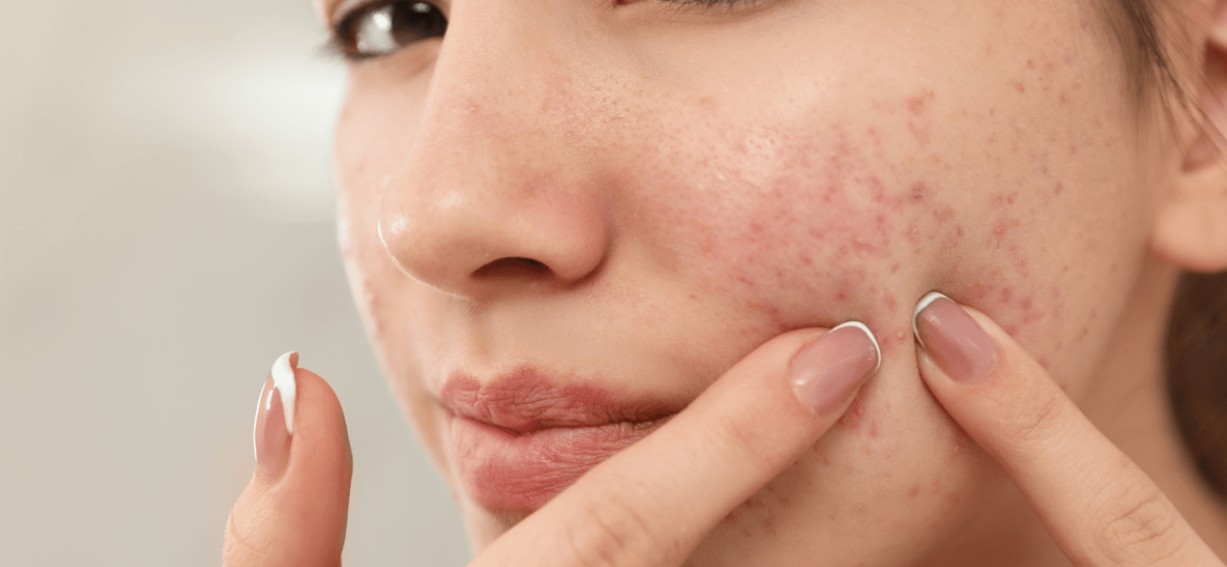
Hormonal acne characteristically concentrates on the lower third of the face. The most common areas are the chin, jawline, around the mouth and the neck area. In some women, the lower part of the cheeks and the double chin area may also be affected. This localization is an important clue in recognizing hormonal acne, because other types of acne are usually more widespread on the forehead and cheeks. Pimples appearing repeatedly in the same area, over and over at the same spots, also point to a hormonal origin. Hormonal acne can also be seen on the back, chest and shoulders, but in adult women the most typical location is the chin and jawline.
What Are the Symptoms of Hormonal Acne?
The most prominent symptoms of hormonal acne are red and swollen pimples located deep in the skin that hurt to the touch. These lesions usually appear as inflamed papules, pustules and deeper cystic structures. Unlike surface whiteheads, hormonal acne lesions can remain on the skin for a long time and leave scars or dark spots after healing. Another important symptom is the regular increase of pimples during certain periods, especially before menstruation. In addition, general oiliness of the skin, enlarged pores and recurring flare-ups accompany the picture. The presence of these symptoms together suggests that the acne may be of hormonal origin.
How Does the Menstrual Cycle Affect Hormonal Acne?
The menstrual cycle is one of the strongest triggers of hormonal acne. In the first half of the cycle, when estrogen is dominant, the skin usually looks clearer. However, after ovulation, in the second half of the cycle, progesterone rises and estrogen falls; during this period the relative effect of androgens increases. As a result, oil production accelerates and pimples appear on the chin and jawline a few days before menstrual bleeding. Many women experience this cyclical flare in the same way every month. The fact that pimples are so aligned with the menstrual calendar is one of the most recognizable signs of hormonal acne and offers an important clue for correct diagnosis.
What Is Its Relationship With Polycystic Ovary Syndrome?
Polycystic ovary syndrome (PCOS) is one of the most common underlying causes of hormonal acne in adult women. In PCOS, the ovaries produce more androgens than normal; this excess of androgens excessively stimulates the oil glands, leading to stubborn acne. In addition to acne, symptoms such as irregular menstrual cycles, increased hair growth (hirsutism), weight gain and hair loss may point to PCOS. If hormonal acne is seen together with these symptoms, an evaluation by a gynecologist or endocrinologist is important. When the underlying hormonal disorder is brought under control, the success of skin-directed treatments also increases significantly.
Does Stress Increase Hormonal Acne?
Stress is an important factor with both direct and indirect effects on hormonal acne. Under intense stress, the body secretes more of the hormone cortisol; cortisol in turn stimulates the oil glands, increasing sebum production and raising the tendency to inflammation. In addition, stress can worsen existing acne by supporting androgen activity. Lack of sleep and an irregular lifestyle further aggravate this picture. This effect of chronic stress on the skin is why many women notice that their pimples increase during busy periods. Stress management, establishing a sleep routine and a balanced life are complementary parts of hormonal acne treatment that should not be overlooked.
Does Nutrition Affect Hormonal Acne?
Although nutrition is not decisive for hormonal acne, it plays a supportive role. High glycemic index foods, that is, sugar and refined carbohydrates, can rapidly raise blood sugar and increase insulin and androgen activity, which triggers sebum production. In some people, dairy products have also been observed to worsen acne. In contrast, vegetables, fruits, whole grains, foods rich in omega-3 and adequate water intake support skin health. Nutrition alone does not eliminate hormonal acne, but a balanced diet can increase the effectiveness of treatment. Personalized nutritional recommendations should be considered a valuable part of the overall treatment plan.
Does Hormonal Acne Occur During Menopause?
Hormonal acne is not exclusive to young adults; it can also be seen during menopause and perimenopause. During this period, while estrogen levels drop markedly, the relative effect of androgens increases. This imbalance can cause new pimples to appear on the chin and jawline even in women who have never had acne problems before. During menopause the skin also thins and dries; this requires the treatment approach to be gentler and more balanced. In this age group, treatments that both control acne and protect the skin barrier should be preferred. At Zen Polyclinic, personalized solutions suitable for every age group are planned.
How Is Hormonal Acne Diagnosed?
The diagnosis of hormonal acne begins with taking a detailed history and a skin examination. The location of the pimples, their relationship with the menstrual cycle, the age of onset and accompanying symptoms are evaluated. When deemed necessary, blood tests measuring androgen hormone levels, insulin resistance and thyroid function may be requested. If polycystic ovary syndrome is suspected, ultrasound and additional hormone tests are planned. This evaluation clarifies whether the acne is truly of hormonal origin and whether there is an underlying disorder. Correct diagnosis is of critical importance for the success of treatment, because the treatment plan is shaped according to the cause underlying the acne.
What Is the First Step in Hormonal Acne Treatment?
The first step in hormonal acne treatment is correct diagnosis and identification of the underlying cause. Then the condition of the skin is evaluated and a personalized treatment plan is created. While topical products and regular medical skin care may be sufficient in mild cases, combined approaches are needed in moderate and severe cases. Protecting the skin barrier, reducing inflammation and preventing pore blockage are the main goals of treatment. At Zen Polyclinic, the active acne treatment approach aims to control both the existing lesions of acne and its tendency to recur. Early intervention is also of great importance in reducing the risk of scarring.
How Does Medical Skin Care Help With Hormonal Acne?
Medical skin care is one of the cornerstones of hormonal acne management. In a clinical setting, pores are deeply cleansed, dead skin cells are removed and inflammation is reduced with professional treatments suited to the skin type and acne severity. These treatments are far more effective and controlled than home care. Regular sessions reduce the number of pimples while also improving skin quality. At Zen Polyclinic, medical skin care treatments are planned according to the person’s skin needs and integrated in harmony with other treatments. Proper medical care both controls acne and supports the overall health of the skin.
How Is Laser Used in Active Acne Treatment?
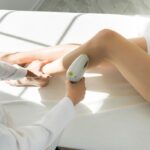
Laser technology is an effective method increasingly preferred in hormonal acne treatment. Lasers of certain wavelengths control inflammation by reducing the excessive activity of the oil glands and targeting the bacteria that cause acne. At the same time, they reduce redness in the skin and support the healing process. Laser treatments are a valuable alternative for people who do not fully respond to drug therapies or who do not want to use medication. They are usually applied in several sessions and their effect appears gradually. Active acne laser treatment is planned individually in people with hormonal acne to both reduce lesions and limit the formation of new pimples.
How Are Acne Scars Improved With Dermapen?
The scars and skin pits left behind after hormonal acne heals can be as distressing as the acne itself for many women. Dermapen treatment stimulates natural collagen and elastin production by opening controlled micro-channels in the skin; thus acne scars decrease significantly over time. The skin texture becomes smoother, the surface evens out and overall skin quality improves. Dermapen also increases the effectiveness of treatment by allowing skin care products to penetrate deeper. Usually applied in several sessions, this method is a safe and effective option in the fight against acne scars. The treatment is planned individually according to the skin’s healing capacity and the depth of the scars.
What Should the Correct Skin Care Routine for Hormonal Acne Be?
The correct care routine for hormonal acne-prone skin aims to protect the skin barrier while reducing inflammation. The face should be cleansed twice a day with a gentle cleanser that does not dry out the skin. Excessive scrubbing and frequently squeezing pimples should be avoided, as they increase inflammation and the risk of scarring. Oil-free and non-comedogenic (non-pore-clogging) moisturizers should be preferred. Broad-spectrum sunscreen must be used during the day, because the sun causes post-acne spots to darken. Products with active ingredients should only be used on the recommendation of a specialist. A simple but consistent routine makes a difference in hormonal acne management in the long term.
Which Ingredients Should Be Avoided in Hormonal Acne?
Avoiding certain products and ingredients in hormonal acne-prone skin helps prevent flare-ups. Heavy, oil-based and pore-clogging (comedogenic) creams can worsen the skin. Toners with high alcohol content that excessively dry the skin can paradoxically increase oil production by disrupting the barrier. Very aggressive physical peels and hard brushes irritate inflamed skin and aggravate the condition. Scented, perfumed products can also cause irritation in sensitive skin. Instead, gentle, acne-appropriate products that balance the skin should be chosen. Which ingredients are suitable for the individual must be determined through skin analysis and specialist evaluation, because every skin responds differently.
How Are Hormonal Acne Scars Treated?
The scars left by hormonal acne can take the form of red-purple discolorations, dark spots and skin pits. Multiple methods can be used together in the treatment of these scars. While medical skin care and brightening treatments are effective for superficial spots, dermapen, fractional laser and collagen-stimulating methods are preferred for deep pits. The treatment plan is determined according to the type of scar, its depth and the skin type. Treating scars is usually a gradual process requiring patience. What matters is to first bring active acne under control, because as new pimples appear, new scars continue to form as well. At Zen Polyclinic, scar treatment is planned with a holistic approach.
Are Combined Treatments Effective for Hormonal Acne?
Because hormonal acne is a multifaceted problem, combined treatments are more effective than a single method. For example, using medical skin care, laser treatments and appropriate topical products together both reduces existing lesions and limits the formation of new pimples. If there is an underlying hormonal disorder, skin-directed treatments are supported by medical treatment. Scar treatment is also integrated into this plan to aim for a holistic result. The most important advantage of the combined approach is that it addresses the different stages of acne at the same time. Applying these treatments in the correct order and timing requires specialist planning for the durability of the result.
Does Hormonal Acne Go Away Permanently?
Whether hormonal acne goes away permanently depends on the underlying cause and the person’s hormonal structure. In some women, acne regresses markedly when hormonal balance is achieved and stays under control for a long time. However, because hormonal fluctuations continue throughout life, a goal of “keeping under control” is more realistic than a complete “definitive solution.” With regular treatment, proper skin care and medical support when necessary, pimples can be significantly reduced. Acne may recur in some people when treatment is stopped; this is why a sustainable care plan is important. With proper management, most women can achieve clear and healthy skin.
What Are the Common Mistakes Made in Hormonal Acne?
One of the most common mistakes in hormonal acne management is squeezing and picking at pimples by hand; this spreads inflammation and increases the risk of permanent scarring. Another common mistake is over-cleansing the skin and destroying the barrier with harsh products; this paradoxically increases oil production. Trying products heard about on the internet without guidance can worsen the skin further. Quitting after starting treatment because results are not seen quickly is also an important cause of failure, because hormonal acne treatment requires patience. Dealing only with superficial products without investigating the underlying hormonal cause is usually insufficient as well. Avoiding these mistakes increases the success of treatment.
What Can Be Done to Prevent Hormonal Acne?
Although it is not always possible to completely prevent hormonal acne, many steps can be taken to reduce flare-ups. Eating a balanced diet, limiting high-sugar and refined foods, drinking enough water and sleeping regularly support hormone balance. Stress management, regular exercise and a healthy life rhythm are directly reflected in skin health. Following a consistent and gentle routine in skin care helps prevent pores from clogging. Tracking the menstrual cycle and flare-up periods makes it easier to take precautions. Regular medical skin care, as a protective strategy, keeps acne under control. This holistic approach is the most effective method of prevention in the long term.
Realistic Expectations in Hormonal Acne Treatment
The key to satisfaction in hormonal acne treatment is to approach it with realistic expectations. Treatments give effective results, but pimples do not disappear overnight; improvement is gradual and process-oriented. Usually the first noticeable improvement begins within a few weeks, while the best results appear over months with regular treatment and care. Due to hormonal fluctuations, mild flare-ups may occur from time to time; this does not mean the treatment has failed. Its aim is not to make the skin completely flawless, but to bring acne under control, prevent scarring and improve skin quality. Approached from this perspective, the treatment process becomes much more satisfying.
Can Makeup Be Used With Hormonal Acne?
It is possible to use makeup on hormonal acne-prone skin, but product selection is of great importance. Products labeled as non-comedogenic and oil-free that do not clog pores should be preferred. Instead of heavy foundations, light, breathable formulas are more suitable for the skin. It is critical that makeup be completely removed with a gentle cleanser at the end of the day to prevent pores from clogging. Makeup brushes and sponges should be cleaned regularly, because they can harbor bacteria and worsen acne. Although using concealer helps hide pimples, frequent touching and applying products layer upon layer can irritate the skin. With the right products, makeup can be used without worsening hormonal acne.
Is Hormonal Acne Related to Sleep Patterns?
Sleep patterns have a greater effect on hormonal acne than is thought. Insufficient and poor-quality sleep raises the body’s cortisol level; this stress hormone in turn triggers pimples by increasing oil production and inflammation. In addition, the skin repairs and renews itself during sleep; when this process is disrupted, the skin barrier weakens. Regular and adequate sleep supports hormone balance and contributes to acne management. Removing makeup before bed and using a clean pillowcase also help prevent pore blockage. A healthy sleep routine is an often overlooked but valuable part of hormonal acne treatment.
Hormonal Acne Treatment at Zen Polyclinic
At Zen Polyclinic, hormonal acne treatment begins with a detailed skin analysis and a personalized evaluation. A holistic treatment plan is created taking into account the type and severity of the acne and the possible underlying causes. At our clinic in Istanbul Ataşehir, active acne treatment, medical skin care and scar treatment procedures are performed safely by an experienced specialist team. Our aim is both to bring existing pimples under control and to improve the health and quality of the skin in the long term. To discuss what you are curious about regarding hormonal acne and to learn the treatment plan suitable for you, you can contact the Zen Polyclinic team and schedule a free preliminary evaluation.
Conclusion: How to Cope With Hormonal Acne?
Hormonal acne is a stubborn skin condition common in adult women, caused by changes in hormone balance and concentrated on the chin and jawline. With correct diagnosis, identification of the underlying cause and a personalized combined treatment plan, this problem can be brought largely under control. Medical skin care, laser treatments, dermapen and a correct skin care routine are the fundamental building blocks of treatment. Realistic expectations, patience and regular follow-up are the keys to success. The most accurate way to cope with hormonal acne is a holistic approach under the guidance of an experienced team. In this way, both clearer skin and increased self-confidence can be achieved.
Frequently Asked Questions (FAQ)
Until what age does hormonal acne continue?
Hormonal acne is not limited to adolescence; it can be seen in the twenties, thirties and even forties. It can even appear during menopause due to changes in hormone balance. Its duration varies according to the person’s hormonal structure and the underlying cause.
Why does hormonal acne appear in the chin area?
The chin and jawline are the areas most sensitive to androgen hormones. Because these hormones stimulate the oil glands here more intensely, pimples typically concentrate in this area. Pimples always appearing in the same area points to a hormonal origin.
Does hormonal acne go away with diet?
Diet alone does not eliminate hormonal acne, but it plays a supportive role. Reducing high-sugar and refined foods, and limiting dairy in some people, can ease flare-ups. A balanced diet increases the effectiveness of treatment.
How long does hormonal acne treatment take?
The first noticeable improvement usually begins within a few weeks, while the best results appear over months with regular treatment and care. The duration varies according to the severity of the acne, the underlying cause and the response to treatment.
Is squeezing pimples harmful in hormonal acne?
Yes, squeezing pimples by hand spreads inflammation and increases the risk of permanent scarring and dark spots. Deep and inflamed hormonal acne lesions in particular should not be touched. This is one of the most important steps in preventing scar formation.
Is laser treatment safe for hormonal acne?
When applied by experienced hands with the appropriate device and parameters, laser treatment is a safe and effective method. It reduces the excessive activity of the oil glands and controls inflammation. It is planned individually with a skin analysis before the procedure.
Does hormonal acne leave scars?
Inflamed and deep hormonal acne lesions can leave scars and dark spots, especially if squeezed or left untreated. Early and correct treatment significantly reduces the risk of scarring. Scars that form can be improved with methods such as dermapen and laser.
When should I see a doctor for hormonal acne?
If pimples are stubborn, recur regularly, leave scars, or are accompanied by symptoms such as menstrual irregularity and increased hair growth, it is important to consult a specialist. Early evaluation is necessary for both correct diagnosis and effective treatment.