Can Laser Hair Removal Be Done in Summer? The Effect of Sun and Tanning
Getting laser hair removal in summer is one of the most asked and most confusing topics at the start of every season. During this period when the sun intensifies and the sea and pool are calling, many people want both to achieve smooth skin and hesitate, asking “does the sun and tanning prevent laser hair removal?” The short answer is: with the right device and the right precautions, it is possible to have laser hair removal in summer too; however, you need to know the effects of the sun and tanning on the skin and act accordingly. So is laser hair removal safe in summer, can it be applied on tanned skin, which devices are suitable for summer, and what should be considered before and after the session? In this comprehensive guide, we address all these questions in detail.
Is Laser Hair Removal Done in Summer?
Yes, it is possible to have laser hair removal in summer; however, this depends on the device used, the skin’s relationship with the sun, and the precautions taken. In the past, the view that “laser is not done in summer” was common, because old-generation devices carried a risk of side effects on sun-exposed or tanned skin. Today, thanks to modern devices with multiple wavelengths and a powerful cooling system, applications can be performed safely in the summer period too when the necessary precautions are taken.
What matters is the skin’s current condition. While the application is postponed on skin that is heavily sun-exposed, burned, or deeply tanned, a session can easily be performed with the right device on skin that has been protected from the sun and is at its natural tone. In other words, the determining factor is not the season but the skin’s sun-exposure status and the technology used.
How Does Laser Hair Removal Work and What Is Its Relationship with the Sun?
Laser hair removal is based on the principle of light energy that targets the melanin pigment in the hair follicle. The laser beam reaches the melanin at the hair root, turns into heat there, and permanently disables the follicle. The problem begins exactly here: melanin is found not only in the hair but also in the skin itself, and it determines the skin’s color.
In skin that is exposed to the sun or that tans, the amount of melanin increases. In this case, part of the laser energy can be absorbed by the melanin on the skin surface instead of the target hair root. This can lead to undesirable results such as burning, color change, and irritation. That is why the skin’s tanning status is critically important when planning laser hair removal in summer.
Why Do the Sun and Tanning Affect Laser Hair Removal?
Tanning is a natural defense response that the skin develops against the sun’s harmful UV rays; the skin produces more melanin to protect itself. However, this increased melanin is a risk factor for laser hair removal. When the color contrast between the skin and the hair decreases, it becomes harder for the laser to selectively target the hair root.
The ideal laser hair removal candidate is a person with fair skin and dark hair, because in this case the contrast is high and the laser energy is directed almost entirely to the hair root. When the skin tans, this contrast drops, both effectiveness may decrease and the risk of side effects increases. For this reason, specialists recommend postponing sessions during the period of intense tanning or preferring longer-wavelength devices suitable for tanned skin.
What Are the Risks of Laser Hair Removal on Tanned Skin?
Performing laser hair removal with an unsuitable device on tanned or burned skin carries several risks:
- Burns and blisters: The excess melanin on the skin surface absorbing the energy can lead to superficial burns.
- Hyperpigmentation (darkening): Permanent or temporary dark spots may form in the area after the procedure.
- Hypopigmentation (lightening): On the contrary, light-colored spots may appear on some skin types.
- Irritation and prolonged redness: The healing process may be prolonged on sensitized skin.
All of these risks can be largely prevented with the right device selection, the right dose setting, and protecting the skin from the sun. That is why the pre-session evaluation is more important than ever during the summer period.
Which Devices Are Safely Used in Summer?
The safety of laser hair removal in the summer period largely depends on the device used. Modern devices with an integrated cooling system and multiple wavelengths are a much safer option in summer.
Systems with ice laser technology such as Soprano Ice Platinum significantly reduce the risk of side effects by continuously cooling the skin surface and transferring energy gradually with a sweeping method. Because these devices can use three different wavelengths together (Alexandrite, Diode, Nd:YAG), they can adapt to different skin tones; in particular, the Nd:YAG wavelength offers an advantage in summer since it can be safely used on darker skin tones. You can learn more about the current laser hair removal systems and the Soprano Ice Platinum device applied at Zen Polyclinic.
What to Consider Before Laser Hair Removal in Summer
The precautions taken before entering a session in the summer period directly affect both safety and the success of the result:
- Avoid intense sun exposure and tanning for at least 2-4 weeks before the session.
- Do not use solarium or tanning products (including spray tanners).
- Shave the area to be treated with a razor before the session; waxing and tweezing must not be used because they remove the hair root.
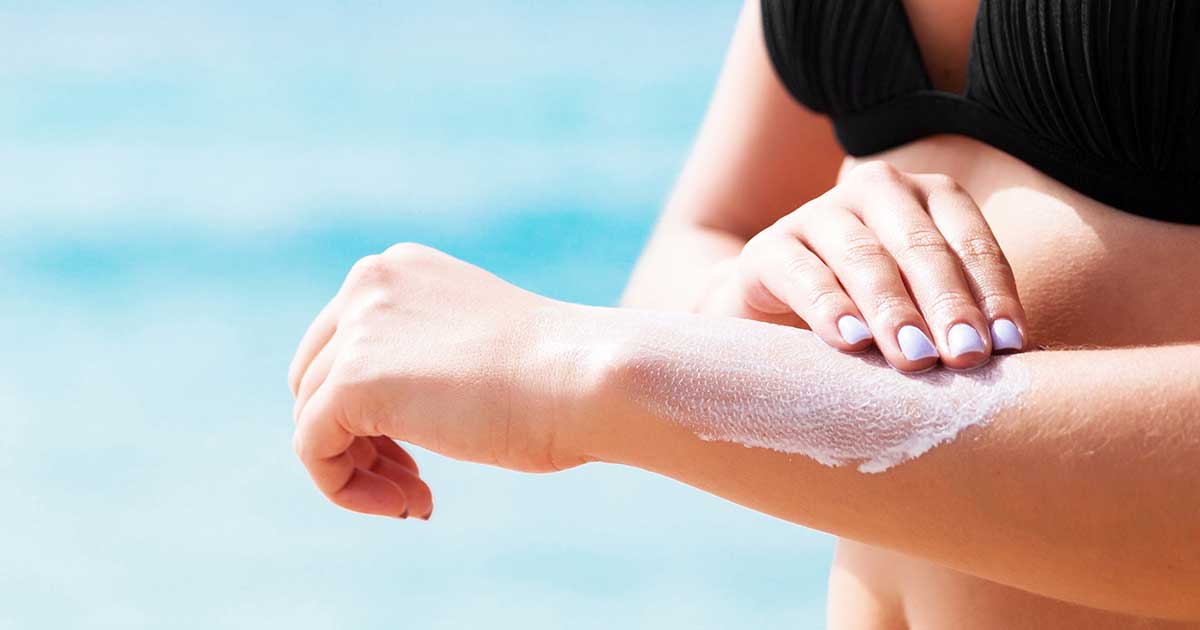
- Protect your skin with plenty of moisturizer and high-factor sunscreen.
- If you have a sunburned area, postpone the session and inform your specialist.
These simple rules make laser hair removal both safe and effective in the summer period. For details about the before and after process, you can take a look at our guide on what to consider before and after laser hair removal.
Why Is Sun Protection a Must After Laser Hair Removal?
One of the most critical topics in summer is sun protection after the session. After laser hair removal, the skin remains sensitive and light-sensitive for a while longer. Going out in the sun unprotected during this period both increases the risk of spots (hyperpigmentation) and can intensify irritation.
For at least a few days after the session, and if possible for two weeks, protect the treated area directly from the sun. Using a broad-spectrum, high-factor (SPF 50+) sunscreen, covering the area with clothing, and staying in the shade during the most intense sun hours of the day are the most effective precautions. When this rule is followed, it is possible to have a trouble-free laser hair removal process in summer too.
How Should Summer Vacation and Session Planning Be Done?
Laser hair removal is a process repeated at certain intervals due to the hair growth cycle; usually 6-10 sessions are applied 4-8 weeks apart. If you have summer vacation plans, it is wise to arrange your session schedule according to your vacation.
Instead of having a session right before the days when the skin will be in intense contact with the sun, before the sea and pool, it is more correct to plan the session for after the vacation or for a period when you can protect yourself from the sun. This way, you both put your skin under protection and maximize the efficiency of the sessions. By sharing your vacation plan with your specialist, you can determine the most suitable session interval together.
The Advantages of Laser Hair Removal in Summer
The summer period is actually an advantageous time for laser hair removal in some respects:
- Open clothing and aesthetic concern: Since the need for smooth skin increases in summer, motivation and the desire to continue regularly rise.
- Farewell to shaving: Getting rid of the constant hassle of razors and waxing increases summer comfort.
- Reduced ingrown hairs and irritation: Laser hair removal eliminates the ingrown hairs and irritation caused by the razor.
The way to benefit from these advantages safely is through the right device and disciplined sun protection. When planned correctly, summer is perfectly suitable for starting or continuing the laser hair removal process.
Common Mistakes in Laser Hair Removal in Summer
The most common mistakes encountered in the summer period negatively affect the success and safety of the process:
- Sunbathing to tan right before or after the session.
- Going into the sea or pool without using sunscreen.
- Using spray tanner to look tan (causes the laser to target incorrectly).
- Insisting on the application despite burned skin in order not to disrupt the session.
- Removing hair with wax or tweezers between sessions.
Avoiding these mistakes makes laser hair removal both safe and effective in the summer period.
Who Should Postpone Laser Hair Removal in Summer?
In some cases, it is more correct to postpone the session in the summer period. The application should be postponed in people whose skin is heavily tanned, sunburned, or who have active irritation, eczema, or an open wound in the treatment area. In addition, those using certain medications that cause light sensitivity must definitely consult their specialist before the session.
Even in these people, laser hair removal is not completely impossible; it is only a matter of waiting for the skin to reach a suitable condition or preferring a device and dose suitable for tanned skin. A personalized evaluation is the key to making the most correct decision.
The Hair Growth Cycle and Session Intervals in Summer
Understanding why laser hair removal requires multiple sessions is important for summer planning. Hairs are not in the same growth phase at the same time; each hair passes through different phases: anagen (active growth), catagen (transition), and telogen (resting). Since the laser can fully affect only hairs in the anagen phase, the sessions must be repeated at certain intervals so that all follicles can be targeted.
This interval usually ranges from 4 to 8 weeks and varies by area. When planning this schedule in summer, you need to take care not to place the days when you will be intensely exposed to the sun right before or after the sessions. Continuing at regular intervals is both the key to a permanent result and ensures smooth skin throughout the summer.
How Long Does It Take for Tanned Skin to Return to Normal?
How long it takes for tanned skin to become suitable for laser hair removal depends on the intensity of the tan and the skin’s natural renewal rate. In general, it is recommended to wait 2 to 4 weeks for the skin to return to its natural tone after intense sun exposure. This period is necessary for the excess melanin in the upper skin layer to decrease and for the skin to reach a safer condition.
For this reason, instead of entering a session immediately after a summer vacation or an intensely sunny period, it is best to allow the skin a recovery time. Your specialist decides whether the application is safe by evaluating the condition of your skin before the session. Waiting for the skin to be ready instead of rushing increases both safety and the quality of the result.
Ideal Areas in Summer: Underarms, Bikini, and Covered Areas
The most suitable areas for laser hair removal in summer are generally areas that remain covered by clothing and are not directly exposed to the sun. Areas such as the underarms and the bikini area can easily be treated in summer since they do not see the sun, and the tanning-related risk in these areas is minimal.
In sun-exposed areas such as the legs, arms, and facial line, more care is needed; in these areas, the rules of sun protection and avoiding tanning carry greater importance. Starting the process with covered areas at the beginning of summer and continuing with sun-exposed areas with appropriate protection is a wise strategy.
How Does Your Skin Type (Fitzpatrick) Affect Summer Application?
Skin type is a determining factor in terms of the safety and effectiveness of laser hair removal. In dermatology, skin is classified by the Fitzpatrick scale; this scale divides skin into groups from I to VI according to its response to the sun and its natural color.
In fair (Fitzpatrick I-II) skin, the application is both effective and relatively safer because the contrast is high. In darker-toned (Fitzpatrick IV-VI) skin, long-wavelength devices such as Nd:YAG are preferred to reduce the risk of side effects. Since tanning can darken the skin tone by one or two grades in summer, the device and dose selection must be adjusted on an individual basis.
Aftercare for Laser Hair Removal in Summer
Aftercare in the summer period is critically important for the skin to recover quickly and for spots not to form:
- Avoid hot showers, saunas, the sea, and the pool for the first 24-48 hours; prefer a lukewarm shower.
- Soothe mild redness by applying a moisturizer or aloe vera gel to the area.
- Use high-factor (SPF 50+) sunscreen, reapplying it regularly.
- Stay away from irritating peels, harsh exfoliating mitts, and perfumed products for a few days.
- Postpone intense sports activities that increase sweating on the first day.
These precautions keep the skin comfortable and healthy even in the summer heat and prepare the ground for the next session to be more comfortable.
Approach for Sensitive and Spot-Prone Skin in Summer
In spot-prone skin (with a history of melasma) or sensitive skin, laser hair removal should be planned more carefully in the summer period. The sun and heat are factors that can trigger spot formation; therefore, strict sun protection and appropriate dose adjustment are essential in these skin types.
In these people, the specialist proceeds by starting with a lower dose if necessary and observing the skin response. In conditions such as melasma, planning spot treatment together with laser hair removal is a healthier approach. A personalized evaluation increases both safety and satisfaction in sensitive skin.
Misconceptions About Laser Hair Removal in Summer
When it comes to the summer period, many misconceptions circulate about laser hair removal. Let us clarify the most common ones:
- “Laser is absolutely not done in summer.” Not true; it can be done safely with the appropriate device and precautions.
- “If I am tanned, I cannot have it at all.” It is postponed in intense tanning, but careful application is possible with devices suitable for tanned skin.
- “There is no harm in going out in the sun after the session.” False; sun protection after the session is essential to reduce the risk of spots.
- “Laser hair removal protects the skin against the sun.” False; laser hair removal is not a sunscreen, protection is still provided with sunscreen.
Acting with the right information makes laser hair removal both safe and effective in the summer period.
Summer Application in Men and Women
In the summer period, laser hair removal is frequently preferred by both women and men. While the legs, underarms, bikini, and facial line stand out in women, the back, chest, shoulders, and nape areas are popular in men. The basic rules are the same in both groups: avoiding tanning, using the appropriate device, and paying attention to sun protection.
Since hair structure in men is usually thicker and denser, the number of sessions may vary somewhat; however, powerful, multiple-wavelength devices can balance this difference. Personalized planning specific to the individual and the area in the summer period provides the best result for both groups.
In Summer, Laser Hair Removal or Waxing and Shaving?
In the search for smooth skin in summer, many people remain undecided between waxing, shaving, and laser hair removal. Waxing and shaving are temporary solutions; the hair grows back in a short time, and in addition waxing can create problems such as ingrown hairs and irritation, while shaving can cause rapid regrowth and ingrown hairs. Laser hair removal, on the other hand, provides permanent reduction by targeting the hair root.
Instead of frequently waxing in the summer period, starting laser hair removal with appropriate planning is, in the long run, both a more comfortable and a more economical choice. Moreover, laser hair removal eliminates the irritation and ingrown hair problem caused by waxing. Only between sessions, when necessary, can hair growth be controlled with the shaving method.
In How Many Sessions Is a Permanent Result Achieved?
In laser hair removal, permanent reduction is usually achieved at the end of 6 to 10 sessions; however, this number varies according to the person’s hair structure, hormonal status, area, and skin type. Since only hairs in the active phase are affected in each session due to the hair growth cycle, the result becomes gradually evident as the sessions progress.
In the summer period, it is important to arrange this session schedule according to sun exposure. Completing the sessions at regular intervals and in full directly affects both the permanence of the result and satisfaction. In some people, reminder sessions performed once or twice a year help maintain the result for many years.
About Laser Hair Removal Prices in Summer
Laser hair removal prices vary according to the size of the area to be treated, the number of sessions required, the technology of the device used, and the service quality offered by the clinic. Since popularity increases in the summer period, some centers may offer different campaigns; however, device quality, expertise, and hygiene conditions are as important as the price.
Preferring an unsuitable device or inexperienced application for the sake of a low price can increase the risk of side effects, especially in the summer period. The most correct approach is a personalized treatment process planned at a reliable center with a device suitable for your skin type. For up-to-date price information, you can contact Zen Polyclinic.
Practical Tips for Staying Smooth All Summer
A few practical tips make things easier for getting the best efficiency from the laser hair removal process in summer and for protecting the skin. First of all, make sunscreen a part of your daily routine not only during session periods but throughout the summer; this both protects skin health and reduces the risk of spots.
Note your session days in your calendar and arrange your sunny vacation plans according to this calendar. Always shave the treatment area with a razor before the session, and avoid waxing and tweezing. Moisturize your skin regularly; moist and healthy skin both responds better to the application and recovers faster. Drink plenty of water and eat a balanced diet; skin health is also supported from within. Finally, do not hesitate to consult your specialist in case of any doubt or if you see an unusual reaction in your skin. These small habits ensure that you have both a safe and comfortable laser hair removal experience all summer.
Safe Laser Hair Removal in the Summer Period at Zen Polyclinic
As Zen Polyclinic, at our center in Ataşehir Istanbul, we aim to offer safe and comfortable applications suitable for different skin tones in summer too, with current laser hair removal technologies that have an integrated cooling system and multiple wavelengths. Our expert team evaluates your skin’s relationship with the sun before the session, determines the device and dose suitable for you, and creates a protection plan specific to the summer period. To get more information about laser hair removal in summer and to create a personalized session plan, you can request a free consultation from Zen Polyclinic experts.
Conclusion
Having laser hair removal in summer is safely possible with the right device and the right precautions. The determining factor is not the season but the skin’s sun-exposure status and the technology used. Because the sun and tanning increase the skin’s melanin amount and raise the risk of side effects, it is essential to avoid tanning during the summer period, not to neglect sun protection, and to prefer the appropriate device. Devices with ice laser and multiple wavelength technology such as Soprano Ice Platinum offer the opportunity for comfortable and safe application even in summer. To create the most suitable and safe laser hair removal plan for you, you can contact Zen Polyclinic experts.
Frequently Asked Questions (FAQ)
Can laser hair removal be done in summer?
Yes, with the right device and the right precautions it is possible to have laser hair removal in summer. The determining factor is not the season but the skin’s sun-exposure status. A session can be performed safely with modern devices on skin that is protected from the sun and at its natural tone.
Can laser hair removal be done on tanned skin?
The application should be postponed on heavily tanned or burned skin, because increased melanin raises the risk of burning and spots. On lightly tanned skin, careful application can be done with devices suitable for tanned skin, such as the longer-wavelength Nd:YAG.
Why does the sun affect laser hair removal?
The sun and tanning increase the skin’s melanin amount. Since the laser targets melanin, the excess melanin on the skin surface can absorb the energy and lead to burning, color change, and irritation. Effectiveness may also decrease because the skin-hair contrast is reduced.
How long before the session should I avoid the sun?
It is recommended to avoid intense sun exposure, tanning, and solarium for at least 2-4 weeks before the session. This period is important for the skin to return to its natural tone and for the application to be safe.
Which laser device is safer in summer?
Ice laser devices with an integrated cooling system and multiple wavelengths, such as Soprano Ice Platinum, are safer in the summer period. In particular, the Nd:YAG wavelength can be safely used on darker and tanned skin tones.
Can I go into the sea or pool after laser hair removal?
It is recommended to avoid the sea, pool, and direct sun for the first 24-48 hours after the session. Afterwards, you should also protect the treated area with high-factor sunscreen and avoid direct sun.
Is sun protection a must after laser hair removal?
Yes. The skin remains light-sensitive for a while after the session; unprotected sun increases the risk of spots and irritation. You should use SPF 50+ sunscreen and protect the area from the sun for at least two weeks.
Should I take a break from laser hair removal during summer vacation?
If there will be intense sun exposure during the vacation, it is more correct to plan sessions for after the vacation or for a period when you can protect yourself from the sun. By sharing your vacation plan with your specialist, you can determine the most suitable session interval together.