How Does Radiofrequency (RF) Skin Tightening Work?
Radiofrequency skin tightening is a non-surgical rejuvenation method that uses high-frequency electromagnetic energy to heat the deep layers of the skin in a controlled way and, by triggering collagen production, tightens loosened skin without incisions. Collagen, which decreases with age, leads to symptoms such as mild facial sagging, loosening skin, a fading jawline and reduced tissue elasticity. So what exactly is radiofrequency skin tightening, how does it work, who is it suitable for, when do results appear, how many sessions are needed and how long does the effect last? In this comprehensive guide, we address all these questions in detail.
What Is Radiofrequency Skin Tightening?
Radiofrequency skin tightening is a treatment that creates controlled heat in the tissue by directing radio waves to the dermis layer without damaging the surface of the skin. This heat causes the existing collagen fibers in the skin to contract and, over time, stimulates the production of new collagen and elastin. As a result, the skin gradually firms up and takes on a tighter, more toned appearance. Unlike surgical lifting procedures, it requires no incisions, stitches or general anesthesia. For this reason, return to work and social life is very fast. RF is a reliable method offering natural firming, especially preferred for early and moderate loosening.
How Does Radiofrequency Energy Work?
The radiofrequency device transmits high-frequency electric current to the skin tissue, causing the tissue to resist this current. This resistance makes the molecules vibrate rapidly and release heat through friction. This controlled heat accumulates at a specific depth of the skin and heats the tissue up to approximately 40-45 degrees Celsius. This temperature range is ideal for the contraction of collagen fibers and the stimulation of fibroblast cells. Thus the skin gains both an immediate slight tightening and, in the long term, new collagen production is triggered. The most important feature of RF is its ability to transmit heat to the deep layers while protecting the outer surface of the skin.
What Changes Does RF Trigger in the Skin?
The heating of the skin by radiofrequency energy creates two fundamental effects. The first is the immediate contraction of existing collagen fibers with heat; this is the source of the initial tightening felt after the treatment. The second and more lasting one is neocollagenesis, that is, the production of new collagen and elastin, which begins with the stimulation of fibroblast cells. This process develops gradually over weeks and the skin acquires a denser, more elastic structure. In addition, RF improves the oxygen and nutrient supply of the tissue by increasing blood circulation in the area. When all these changes come together, the skin gains a firmer, smoother and younger appearance.
Which Skin Layers Does RF Heat?
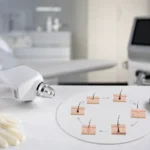
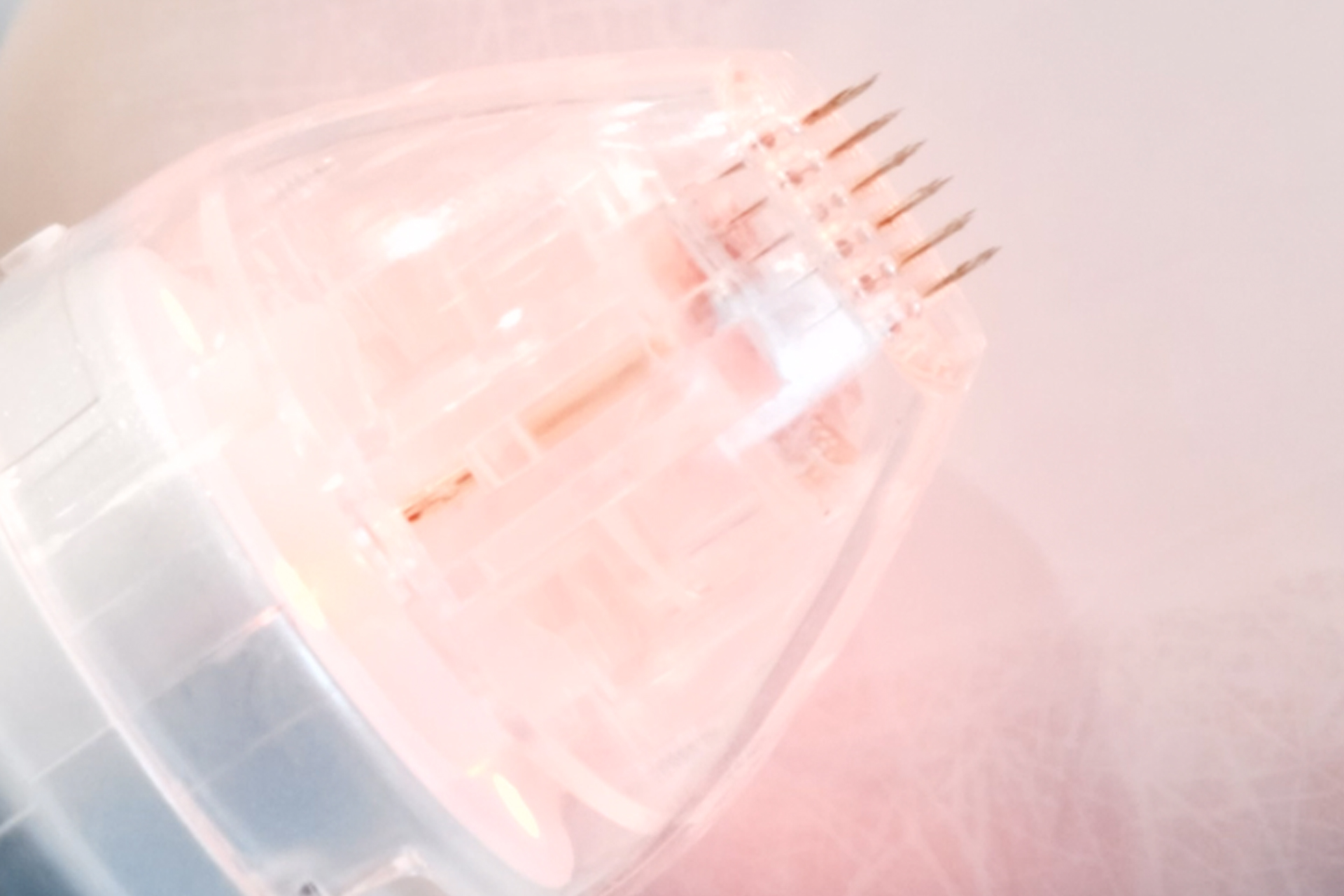
The effect of radiofrequency is mainly concentrated in the middle layer of the skin called the dermis. The dermis is the layer that contains collagen and elastin fibers and is responsible for the firmness and elasticity of the skin. RF energy targets this dermis layer directly while the epidermis (upper layer) is protected. Depending on the type of device used, the heat can be adjusted from the layers close to the surface to deeper tissues. In fractional (microneedling) RF systems, energy is delivered to a specific depth through micro-needles, providing a more controlled heat distribution. Thanks to this targeted heating, the outer surface of the skin is not damaged and firming develops from the inside out, so the result appears natural.
What Is the Difference Between Monopolar, Bipolar and Multipolar RF?
Radiofrequency devices are divided into different types according to how the energy is transmitted to the skin. Monopolar RF transmits energy from a single electrode into the deep layers and provides the deepest heating; it is generally preferred for noticeable tightening. Bipolar RF circulates energy in a more superficial area between two electrodes and offers a more controlled, comfortable application. Multipolar RF, on the other hand, uses multiple electrodes to distribute heat evenly over a wide area. Each system has its own advantages, and which one is suitable is determined by the targeted area, skin structure and degree of loosening. The right device selection directly affects the quality of the result.
What Is the Difference Between Fractional (Microneedling) RF and Superficial RF?
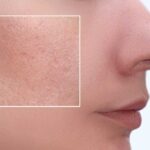
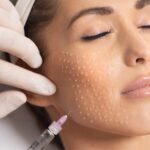
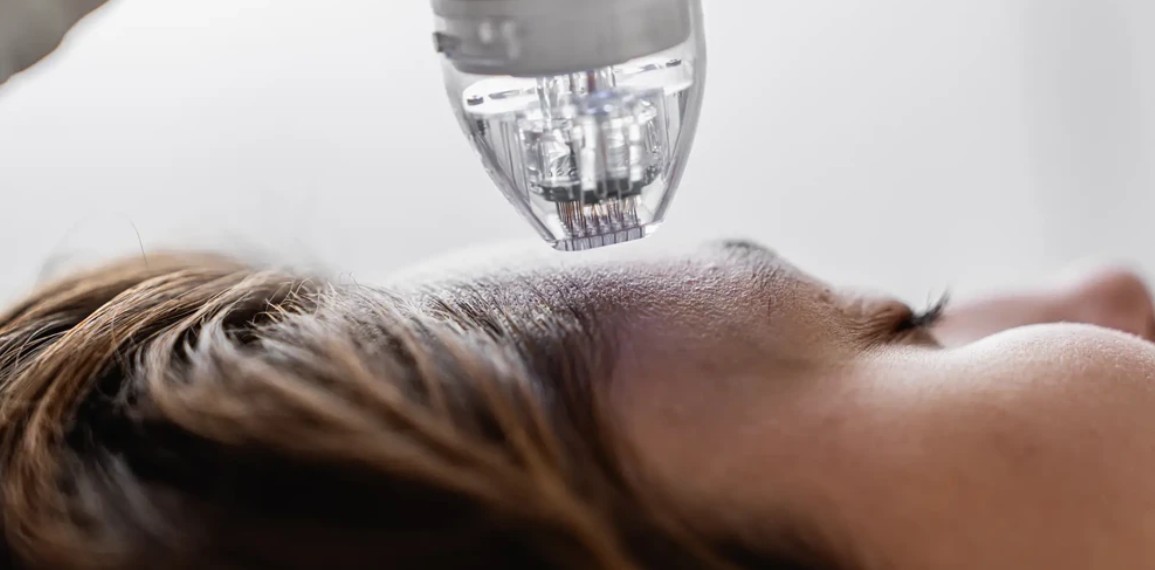
Superficial (contact) RF transmits energy with a handpiece touching the skin surface, heating the tissue from the outside, and is generally a lighter, more comfortable application. Microneedling fractional RF, on the other hand, carries energy directly to the dermis through micro-needles, both opening micro-channels and creating controlled heat in the deep layers. This dual effect stimulates collagen production more strongly and gives effective results in acne scars, pore appearance and more pronounced loosening. The golden needle (fractional RF) method applied at Zen Polyclinic is an example of this microneedling technology. Which type of RF is suitable is determined by a specialist according to your skin’s needs.
What Is the Difference Between RF and HIFU?
Both radiofrequency and HIFU treatment are used for non-surgical skin tightening, but they use different types of energy. While RF stimulates collagen by heating the dermis with electromagnetic energy, HIFU reaches the deeper SMAS layer with focused ultrasound energy. RF provides more widespread heating and improves skin quality, while HIFU offers deeper, more targeted firming. In some cases, the two methods can be planned together to complement each other. For more information on the subject, you can review our article on HIFU non-surgical face lift. Which one is suitable is determined according to the degree of loosening.
Who Is RF Suitable For?
Radiofrequency skin tightening is generally suitable for people who notice mild to moderate loosening in their skin from their thirties onwards. Those experiencing softening of the jawline, mild cheek sagging, neck loosening, reduced skin tone and loss of tissue elasticity can benefit from this method. It is an ideal option for people who are not ready for surgery, cannot take a break from work life or want a natural and gradual recovery. Results are more satisfying in the age group where the skin’s collagen production capacity is still active. Having a specialist evaluation before the procedure is important for identifying the right candidate.
Who Is RF Not Suitable For?
Although RF is a safe method, it is not suitable in some situations. RF is not recommended for people carrying a pacemaker or similar electronic implant, because the electric current can affect these devices. Caution should also be taken with people who are pregnant or breastfeeding, have an active skin infection, open wound or severe acne in the area to be treated, carry metallic implants or fillers, and have uncontrolled chronic diseases. In people with advanced sagging and excess skin, RF alone may not be sufficient; surgical options are more appropriate for these patients. Therefore, a detailed health assessment and physician approval before the procedure are essential.
Which Areas Is RF Applied To?
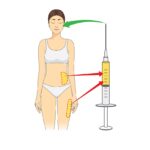
Radiofrequency is not limited to the face; it can be used effectively in many areas. On the face, the forehead, cheeks, jawline, the area around the mouth and around the eyes are most frequently targeted. The neck and double chin area are regions where loosening appears early and where RF provides significant benefit. It is also preferred for fine lines and loosening in the décolleté area. On the body, it can be applied to the abdomen, inner arms, buttocks, above the knees and legs for skin tightening and reducing the appearance of cellulite. A personalized treatment plan is created by selecting the appropriate device type, handpiece and energy setting for each area.
How Is RF Applied?
A radiofrequency session begins with cleansing the skin and preparing the treatment area. In superficial RF, a conductive gel is applied to the skin and the device handpiece is moved over the area with circular motions, gradually heating the tissue. In microneedling RF, the handpiece delivers energy to a specific depth with micro-needles. A comfortable warmth is felt during the application; the device usually maintains the safe range by continuously measuring the temperature. A session for one area generally takes 20-45 minutes. No special dressing is required afterwards. At Zen Polyclinic, the treatment is performed by experienced specialists with device parameters adjusted according to the person’s skin structure.
What Should Be Considered Before RF?
Some simple preparations before radiofrequency improve the comfort and result of the treatment. If there is active acne, herpes (cold sore) or skin irritation in the area to be treated, this should be reported to the physician in advance. Metallic jewelry and piercings in the area should be removed before the procedure. If blood-thinning medication is being used, the doctor should be consulted. It is recommended that the skin be clean, free of makeup and moisturized before the session. Treatment may be postponed on skin with severe sunburn. In addition, if procedures such as fillers, botox or laser have recently been performed, it is important to inform the specialist. This evaluation both increases safety and helps create the most appropriate treatment plan.
What Is the Recovery Process After RF?
One of RF’s greatest advantages is that it requires almost no recovery period. After superficial RF, mild redness and a temporary sensation of warmth may occur; these usually pass within a few hours and the person returns to daily life the same day. After microneedling RF, redness and mild tenderness may last a few days due to the channels opened by the micro-needles. During this period, it is recommended to keep the skin moisturized, protect it from the sun and avoid excessively hot environments (sauna, hammam) for a few days. Makeup can be applied shortly afterwards, depending on the type of application. The short recovery period makes RF very attractive for people with busy schedules.
When Do RF Results Appear?
The most curious aspect of RF results is that the effect appears in two stages. Right after the procedure, a slight tightening and firming may be felt thanks to the contraction of collagen fibers with heat. However, the real result becomes gradually apparent as new collagen production develops. The first noticeable changes generally begin to be seen within 3-4 weeks. The clearest result appears 2-3 months after the completion of the session series, and improvement can continue up to the sixth month. This gradual process makes the result look natural; since there is no sudden change, people around you usually only notice a rested and younger appearance.
How Long Does the RF Effect Last?
Although the effect of RF is lasting, it is not permanent because the aging process continues. The new collagen formed after the procedure generally gives the skin firmness for 12-18 months. Durability varies depending on factors such as the person’s age, skin structure, lifestyle, sun exposure and general skin care. In people who follow regular skin care, do not smoke and protect themselves from the sun, the result lasts longer. A maintenance session once or twice a year is usually recommended to sustain the effect. Thus collagen production is regularly supported and the youthful, firm appearance of the skin is preserved for longer.
How Many Sessions Does RF Require?
Radiofrequency, unlike most methods, is generally applied as a series of sessions. In superficial RF, a course of 4-6 sessions at 2-4 week intervals is usually recommended for the best result. In microneedling fractional RF, 3-4 sessions 4-6 weeks apart may be sufficient. The number of sessions varies according to the person’s age, degree of loosening, skin structure and the targeted result. In the younger age group and in preventive applications, fewer sessions may be sufficient. Annual maintenance sessions are recommended to increase the durability of the results. At Zen Polyclinic, the session plan is determined individually according to skin analysis and your expectations.
Is RF a Painful Procedure?
Radiofrequency is generally a well-tolerated, comfortable treatment. During superficial RF, a mild to moderate, relaxing warmth resembling a hot stone massage is felt in the skin; most people find this application pleasant. In microneedling fractional RF, there may be a slight pricking sensation due to the needles entering the skin; for this reason, a topical anesthetic cream is applied before the procedure to ensure comfort. There is no unbearable pain and most people comfortably complete the session. When the procedure ends, the discomfort quickly disappears; it leaves no lasting pain. This comfort is one of the reasons RF is preferred.
What Are the Side Effects of RF?
Radiofrequency is a safe method with a low risk of side effects when applied correctly. The most common temporary effects are mild redness, a temporary sensation of warmth, skin tenderness and, in microneedling RF, small pinpoint marks. These symptoms usually disappear on their own within a few hours to a few days. Very rarely, superficial burns or temporary sensory changes may occur with inappropriate energy settings; this is why it is critical that the procedure be performed in experienced hands and with temperature-controlled devices. Permanent side effects are extremely rare. Correctly selecting device parameters according to skin type minimizes possible risks.
Is RF Effective for Cellulite and Body Tightening?
Radiofrequency is used effectively not only on the face but also in body tightening and reducing the appearance of cellulite. While the heat tightens the connective tissue under the skin, it also acts on fat cells and can lighten the orange peel appearance. It is especially preferred for improving skin tone in the abdominal skin loosened after pregnancy, the inner arms and the legs. For stronger results on the body, RF can be evaluated together with technologies working on a similar principle such as Onda Coolwaves. Since cellulite is a multifactorial condition, the best result is usually achieved through a combination of regular sessions and a healthy lifestyle. Keeping expectations realistic is important.
Can RF Be Combined With Other Treatments?
Radiofrequency is a flexible method that can be safely combined with many medical aesthetic treatments. It can be planned together with filler applications to restore volume loss of the skin; while RF tightens, filler adds volume and contour. Botox for expression lines, and mesotherapy or anti-aging vaccines to improve skin quality can be recommended together with RF. Sequential combinations with HIFU can also be applied for deeper firming. These combinations provide a more holistic and balanced result in facial and body rejuvenation. The combination plan must always be created by a specialist to ensure the treatments are performed in the correct order and timing. Thus both safety and efficiency are kept at the highest level.
Common Misconceptions About RF
One of the most common misconceptions about radiofrequency is the expectation that the result will be seen in a single session and immediately; in fact, the effect develops with a series of sessions and gradually. Another misconception is the idea that RF will exactly replace a surgical lift; RF is effective for early and moderate loosening, while surgery may be needed for advanced sagging. Promises such as “RF melts fat and makes you lose weight” are also misleading; RF is not a slimming method but a skin tightening method. It is also not true that RF will give the same effect in every skin type; collagen production capacity matters. When approached with realistic expectations, RF offers natural and satisfying firming.
What Factors Determine the Price of RF?
The price of radiofrequency is not a fixed figure; it varies depending on many factors. The size of the area to be treated (only the jawline or the entire face and neck), the type of RF technology used (superficial or microneedling fractional), the total number of recommended sessions and the brand of the device directly affect the price. In addition, the equipment of the clinic where the procedure is performed and the experience of the specialist are also reflected in the price. Instead of focusing on the lowest price, device quality and the competence of the practitioner should be prioritized, because results and safety depend directly on these. A precise price can only be given after a face-to-face evaluation and a personalized plan.
Realistic Expectations Before RF
The most important condition for being satisfied with radiofrequency is to approach it with realistic expectations. RF is an effective method that tightens and firms the skin; however, it does not cut and remove excess skin like surgery. It provides noticeable improvement in early and moderate loosening, increases skin tone and gives a rested appearance. Results may vary from person to person, according to skin structure and age. Its aim is not to turn back 10 years but to slow down aging and naturally improve the current appearance. It is important to know that results develop with a series of sessions and over time. Evaluated from this perspective, RF is a treatment that provides high satisfaction in most people.
Why Is the Right Practitioner So Important?
The success of radiofrequency depends on the experience of the practitioner as much as the device. Delivering the energy at the right depth, at the right temperature and for the right duration determines the quality and safety of the result. Insufficient heat weakens the result, while excessive heat can increase the risk of superficial burns; only an experienced specialist can establish this balance correctly. For this reason, it is essential that RF be performed by a certified and experienced specialist who knows skin anatomy well, using a quality temperature-controlled device. At Zen Polyclinic, treatments are performed by an experienced team with parameters suited to your skin structure and after a careful evaluation; thus both safety and satisfaction are prioritized.
How Should Skin Care Be After RF?
Proper skin care after radiofrequency supports the durability of the result. Keeping the skin moisturized with plenty of water and moisturizer in the first days supports healing and collagen synthesis. The use of sunscreen is especially important during this period; UV rays accelerate collagen breakdown. It is recommended to avoid sauna, hammam and very hot environments for the first few days. After microneedling RF, it is beneficial to stay away from makeup for the first 24 hours. Alcohol and smoking can negatively affect the healing process. In the long term, regular medical skin care and products containing antioxidants reinforce RF’s effect. At Zen Polyclinic, a personalized care program is recommended after the procedure, aiming to preserve the result for as long as possible.
Is RF Also Applied to Men?
Radiofrequency is not a treatment exclusive to women; it is also frequently preferred by men. In men, it is applied especially to define the jawline, firm loosening in the neck area and provide overall tightening of the face. Since men’s skin is generally thicker and oilier, the energy settings are adapted accordingly. Being non-surgical and requiring no recovery period is an important advantage for men with busy work schedules. Offering a natural and understated result is also ideal for men who want a refreshed appearance rather than a marked change. The treatment, as with every gender, is planned with a personalized evaluation.
What Is the Difference Between RF and Surgical Lift?
A surgical lift (facelift) is a permanent but operation-requiring procedure that surgically removes excess skin and repositions the tissues. Radiofrequency skin tightening, on the other hand, tightens the skin from within by heating it with energy, without any incision. While the surgical method gives more pronounced results in advanced sagging, RF is ideal for early and moderate loosening. RF has a very short recovery period, requires no hospital stay and carries much lower risks. However, RF’s effect is more measured and natural than surgery. At Zen Polyclinic, the method suitable for you is determined by evaluating the condition of your skin and your expectations. This evaluation is the most reliable way to make the right decision.
Radiofrequency Skin Tightening at Zen Polyclinic
At Zen Polyclinic, radiofrequency treatments begin with a personalized evaluation. Your skin structure, degree of loosening and expectations are analyzed to create the most appropriate treatment plan. At our clinic in Istanbul Ataşehir, skin tightening treatments are performed safely with up-to-date device technology and an experienced specialist team. If needed, a holistic plan with complementary methods such as HIFU is also offered. Our priority is for results to be natural, lasting and healthy. To discuss what you are curious about regarding radiofrequency skin tightening and to learn whether it is suitable for you, you can contact the Zen Polyclinic team and schedule a free preliminary evaluation.
Conclusion: Is Radiofrequency Right for You?
Radiofrequency skin tightening is an effective and safe option for people who are not ready for surgery, want natural and gradual firming and have early to moderate loosening. Results develop over a series of sessions, the clearest effect becomes apparent within 2-3 months and usually lasts 12-18 months. Correct candidate selection, a quality temperature-controlled device and an experienced practitioner are the three most important factors determining the result. When approached with realistic expectations, RF is a valuable method that refreshes the face and body and tightens the skin. The most accurate way to learn whether it is right for you is an expert evaluation.
Frequently Asked Questions (FAQ)
How does radiofrequency skin tightening work?
Radiofrequency transmits high-frequency electromagnetic energy to the dermis layer of the skin, heating the tissue in a controlled way. This heat contracts existing collagen fibers and stimulates fibroblast cells to trigger the production of new collagen and elastin. As a result, the skin gradually tightens and gains a firmer appearance.
When do radiofrequency results appear?
A slight tightening may be felt right after the procedure due to the contraction of collagen fibers. The real result becomes gradually apparent as new collagen production develops. The first changes are noticed within 3-4 weeks, and the clearest result appears 2-3 months after the completion of the session series.
How long does the radiofrequency effect last?
The effect of radiofrequency generally lasts 12-18 months. Durability varies depending on age, skin structure, lifestyle, sun exposure and skin care. A maintenance session once or twice a year is usually recommended to sustain the effect.
How many sessions does radiofrequency require?
In superficial RF, a course of 4-6 sessions at 2-4 week intervals is usually recommended. In microneedling fractional RF, 3-4 sessions 4-6 weeks apart may be sufficient. The number of sessions varies according to age, degree of loosening and the targeted result. Annual maintenance sessions are recommended to increase durability.
Is radiofrequency a painful procedure?
During superficial RF, a relaxing warmth resembling a hot stone massage is felt and most people find it pleasant. In microneedling fractional RF, there may be a slight pricking sensation; for this reason, a topical anesthetic cream is applied beforehand. There is no unbearable pain.
What are the side effects of radiofrequency?
The most common temporary effects are mild redness, a temporary sensation of warmth, tenderness and, in microneedling RF, small pinpoint marks; they usually resolve within a few hours to a few days. Permanent side effects are extremely rare. Having the procedure performed with a temperature-controlled device by an experienced specialist minimizes the risk.
What is the difference between radiofrequency and HIFU?
Radiofrequency provides widespread firming and skin quality improvement by heating the dermis with electromagnetic energy. HIFU, on the other hand, reaches the deeper SMAS layer with focused ultrasound energy, offering more targeted firming. In some cases, the two methods can be planned together to complement each other.
Is radiofrequency effective for body and cellulite treatment?
Yes, radiofrequency is used not only on the face but also for skin tightening and reducing the appearance of cellulite in areas such as the abdomen, inner arms and legs. The heat tightens the connective tissue and can lighten the orange peel appearance. The best result is achieved with regular sessions and a healthy lifestyle.