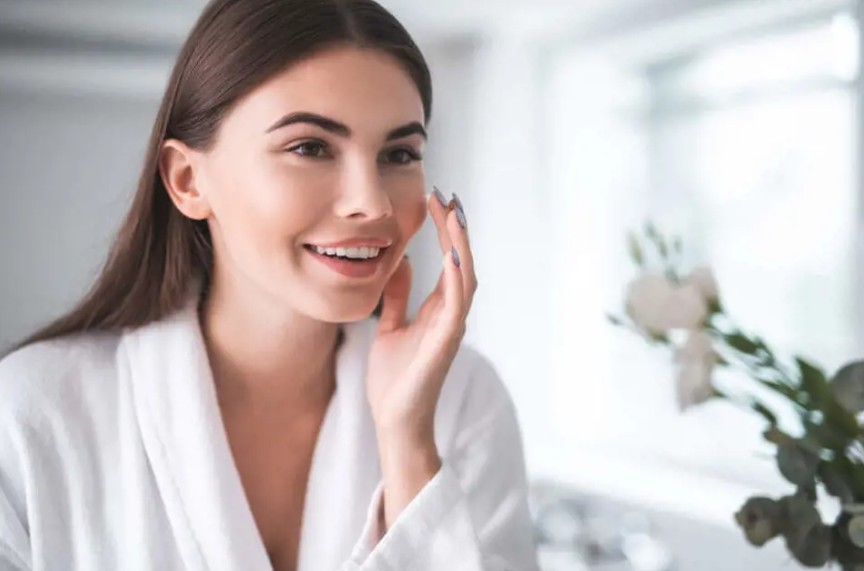
Pre-Wedding Skin Care: A Timeline for Brides
Pre-wedding skin care is a planned routine started months before the wedding so that the skin looks healthy, smooth and naturally radiant on the most special day. For brides, the skin requires that many topics be addressed together, such as even skin tone, pigmentation control, pore appearance and moisture balance. So when should pre-wedding skin care begin, which treatments should be done in which month, and what should be avoided in the final weeks? In this comprehensive guide, we address all these questions in detail.
What Is Pre-Wedding Skin Care?
Pre-wedding skin care is the combination of medical and cosmetic treatments spread across a specific timeline to prepare the bride’s skin for the wedding day in the best possible condition. The goal is not to create a miracle with a single treatment; it is to provide gradual, balanced and lasting improvement by respecting the skin’s natural renewal cycles. This approach combines evening out skin tone, lightening spots, tightening pores, supporting collagen and protecting the skin’s moisture balance under a single plan. This holistic perspective, which cares for the deeper layers as much as the surface, targets a lively, smooth appearance noticeable even under makeup. This way the skin reaches the wedding day not tired and dull, but balanced, rested and ready, and the bride feels confident and prepared.
Why Is Pre-Wedding Skin Care Needed?
Wedding preparation is often stressful, intense and sleepless. During this period, elevated stress hormones, irregular and unbalanced nutrition, insufficient sleep and general fatigue are reflected directly on the skin; sudden breakouts, a dull and pale appearance, under-eye circles and visible pores may appear. A pre-built care plan suited to the skin type softens these possible fluctuations and keeps the bride’s skin on a predictable, balanced course. This way, the wedding week is entered with no surprises, and last-minute solutions reached for in panic are prevented. Early planning also allows the time needed to notice and correct a possible problem, so every step is taken calmly and under control.
When Should Skin Care Begin?
The ideal start is approximately six months before the wedding. A full renewal cycle of the skin takes about twenty-eight days on average; processes such as pigment lightening or collagen stimulation require several sessions over a span of months. A six-month window allows the comfortable time needed both for treatment results to settle and for any temporary irritation or redness periods to avoid coinciding with the wedding day. Intensified plans are also possible for those with less time; however, in that case, aggressive and first-time procedures should be avoided, with the focus shifted to gentle care and hydration. A realistic, step-by-step schedule suited to the remaining time always gives a healthier result than hasty and risky solutions.
Six Months Out: Baseline Assessment
The first step of the process is a comprehensive skin analysis. This analysis objectively evaluates skin type, moisture level, pigment load, pore structure and sensitivity level. This way a plan is built on the skin’s real needs rather than guesswork, and unnecessary treatments are avoided. At Zen Polyclinic, a personalized road map is created at this stage by considering the bride’s expectations, skin history and wedding calendar together. This six-month period is the most comfortable time, when the most comprehensive procedures can be applied with ease, the skin’s responses can be observed and the plan can be fine-tuned if needed. A solid baseline routine is also established now: a gentle cleanser, a suitable moisturizer and sunscreen every morning.
Five Months Out: Pigmentation and Tone Evenness
If there are color irregularities such as sun spots, post-acne marks or melasma, the most suitable period to address them begins about five months before the wedding. Pigment treatments progress gradually, require healing time in between and call for a patient, regular approach to produce results. Starting early ensures that skin tone is noticeably balanced by the wedding day and helps the skin look much cleaner in photographs. The blemish treatment sessions started in this period also help foundation sit smoothly later with less coverage. Not neglecting sun protection in this phase is critically important for preserving the gains made.

Four Months Out: Collagen Stimulation and Skin Renewal
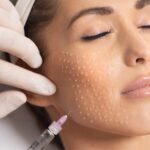
Collagen-stimulating treatments come into play during this period for the firmness, plumpness and elasticity of the skin. Methods such as microneedling radiofrequency, dermapen or mesotherapy gently activate the skin’s own renewal mechanism and improve tissue quality from within. Since the results of these treatments emerge gradually over months, starting four months out is ideal for the process. The aim at this stage is not a dramatic change; it is to smooth the surface texture of the skin, soften fine lines and give it a natural radiance. This way the bride reaches the wedding day not tired but with lively, rested and fresh skin.
Three Months Out: Pore and Texture Refinement
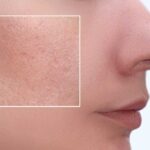
Enlarged pores and a rough skin surface make it difficult for wedding makeup to sit evenly and can make the skin look more textured in photographs. During this period, the emphasis is on treatments that reduce pore appearance, regulate sebum balance and smooth the skin surface. The skin thus gains a more refined, smooth and even look. The three-month span allows enough time for these treatments to be completed over several sessions and for the skin to recover in between. A regular and patient approach is the key to a lasting improvement in pore appearance and helps makeup sit much more smoothly.
Two Months Out: Hydration and Glow Work
Two months before the wedding, the focus shifts to deep hydration and skin glow, because this period aims to bring the skin’s vitality and brightness to their peak. Gentle treatments such as Hydrafacial deeply cleanse, hydrate and instantly refresh the skin. Since these treatments carry a low risk of irritation, they can be safely repeated at regular intervals close to the wedding. The aim is to bring the skin’s healthy brightness to its highest level and to highlight the bride’s natural radiance. Hydration supported by water intake from within significantly contributes to the skin looking plump and lively in this period.
One Month Out: Stabilization Period
The last month is a time not for big changes but for preserving the results achieved and fine-tuning. During this period, the skin is stabilized with the existing care routine it is used to; the risk of irritation or unexpected reactions is minimized as much as possible. The gentle treatments previously started and tolerated by the skin are carefully continued. Trying a new product, active ingredient or procedure is strictly not recommended at this stage, because a possible redness, peeling or reaction may not fully resolve before the wedding. Stability is far more valuable than any experiment at this point and is the guarantee of a safe result.
Two Weeks Out: Gentle Care
Two weeks before the wedding, only light and moisturizing treatments familiar to the skin are applied. Peeling, exfoliating acids or aggressive procedures are completely avoided; because possible redness, sensitivity or flaking during this period may not subside before the wedding and would be hard to remedy. The skin is kept calm, plenty of water is consumed, quality sleep is prioritized and the utmost care is taken to protect against the sun. These two weeks are the most critical time for not overworking the skin and letting it rest. Gentle moisturizing masks and a simple routine are enough for the skin to reach its best state; anything more carries risk at this stage.
Wedding Week: Final Touches
During the wedding week, no aggressive or new procedure is performed on the skin; the safest treatment that can be done is a light moisturizing care. Deep procedures, peels and anything tried for the first time are avoided on the face. Resting the skin, sleeping well, eating a balanced diet and drinking plenty of water this week are far more valuable and far safer than any last-minute procedure. The skin is now ready to bear the fruits of months of planned care, and there is no need to rush at all. This week is the time to prepare calmly and to reap the reward of the effort made.
Medical Skin Care for Brides
Routines applied at home form a valuable foundation, but medical skin care offers far deeper and more lasting results than can be achieved at home, with professional devices and products. Treatments performed in a clinical setting are personalized to the skin’s needs that day and provide a depth that reaches the skin’s deeper layers. These treatments multiply the effect of the home routine and noticeably raise skin quality. For brides-to-be, running home care and medical care together in a harmonious way is the most reliable path to the healthiest and most radiant skin on the wedding day.
What Should the Home Care Routine Be?
To support the effect of clinical treatments, a simple but consistent home care routine is essential, because the skin responds best to regular and steady care. Cleansing, moisturizing and sun protection are the three cornerstones of this routine and should not be skipped. Serums that repair and renew the skin are recommended for the night, and a high-factor, broad-spectrum sunscreen for the day. Instead of complex, multi-step routines that tire the skin, a few proven and effective products tolerated by the skin should be preferred. Simplicity and continuity are the two most important principles of home care success and give the most beautiful result in the long run.
The Importance of Sun Protection
Sun protection is the single most critical and most effective step of the pre-wedding process. The success of all pigment treatments and skin care depends directly on regular sun protection. Unprotected sun exposure causes lightened spots to return, new spots to form and collagen to break down rapidly. Therefore, a high-factor sunscreen should be used every day of the wedding preparation period, regardless of season or weather. Sun protection is the invisible but most important insurance for a bride’s skin, and there should never be any negotiation about it. Regular use both preserves the gains made and supports the skin looking young.
How Do Nutrition and Water Intake Reflect on the Skin?
The skin is an organ nourished from the outside as well as from within and is a mirror of overall health. Adequate and regular water intake supports the skin’s moisture balance from within and provides a plumper, livelier appearance; antioxidant-rich vegetables and fruits contribute to skin brightness. Excess sugar, processed foods and unbalanced nutrition, on the other hand, can increase the tendency to breakouts and skin problems. In the pre-wedding period, balanced nutrition, adequate protein and healthy fats support the effect of all treatments from the inside and nourish the skin. When maintained over months, these habits noticeably raise the fundamental quality of the skin.
Sleep and Stress Management
Within the intensity of wedding preparation, sleep and stress are two often-neglected factors that directly affect skin health. Insufficient sleep disrupts the skin’s natural repair process that continues throughout the night; it increases under-eye circles, puffiness and dullness. Chronic stress, in turn, can trigger breakouts, sensitivity and skin irritation. Regular and sufficient sleep along with simple relaxation and breathing techniques allow the skin to repair itself and provide a more rested, lively appearance on the wedding day. For this reason, sleep patterns and emotional balance should be seen as care tools as valuable as the products used.
Care for Men and Grooms
Skin care is not unique to brides; grooms also benefit greatly from a simple but regular care routine in the pre-wedding period. Problems such as post-shave irritation and redness, pore prominence, a dull appearance or dryness can also be effectively addressed on male skin. Cleansing, moisturizing, regular sun protection and professional care if needed help the groom too look rested, healthy and well-groomed in photographs. Couples planning the process together and supporting each other makes the preparation both more enjoyable and more sustainable. This way both take their place in the wedding photos looking their best.
Which Treatments Should Not Be Done Close to the Wedding?
Aggressive peeling, deep laser procedures and first-time filler or botox applications should strictly not be done very close to the wedding. These procedures may cause temporary redness, swelling, bruising or unexpected reactions, and these effects could coincide with the wedding day. If such treatments are planned, they should be completed at least a few weeks, ideally one to two months, in advance so the result fully settles and looks natural. Rather than taking risks during the wedding week, it is far safer to rest the skin with the gentle care it knows. Timing is a factor as decisive as the result itself in these treatments and should never be overlooked.
Notes for Brides with Sensitive Skin
In sensitive and reactive skin, every treatment must be chosen carefully and meticulously, because this skin type reacts more easily to new products and procedures. In this skin, new products should first be tested on a small area, aggressive and exfoliating procedures should be avoided, and care should be kept as gentle as possible. Fragrance-free, soothing and low-risk products should be preferred. Brides with sensitive skin are advised to run the process slowly and under control by leaving a wider time margin before the wedding. Rushing and trying many things at once is the biggest risk in this skin type, while a patient approach brings the safest result.
Wedding Preparation in Acne-Prone Skin
In skin prone to breakouts, wedding preparation should start earlier than for other skin types. This is because both bringing active acne under control and softening the remaining marks require time and regular treatment. First, active acne is brought under control, then treatment of the marks begins; this sequence is quite important for the result. To prevent new breakouts close to the wedding, stress, nutrition, sleep and care routine are managed together and carefully. Early and regular intervention is the most decisive key to having clean, smooth and balanced skin on the wedding day.
Firming Approaches for Mature Skin
For brides with more mature skin, firmness, plumpness and freshness come to the fore. In this skin, collagen-stimulating treatments and gentle, non-surgical lifting methods can bring a noticeable vitality and freshness to the skin. However, since it takes time for these treatments to produce results, starting the process early becomes even more important in mature skin. The aim is not a dramatic change that tries to hide age; it is to achieve a natural, balanced and rested appearance. A well-planned, measured approach provides an elegant result that highlights the bride’s own beauty and looks natural in photographs.
Setting Realistic Expectations
Skin care is not a miracle but the natural fruit of a planned and patient process. With a consistent schedule the skin improves noticeably, glows and looks healthy; however, not every concern may disappear completely and permanently. For this reason, setting realistic expectations is essential both for enjoying the process and for being satisfied with the result on the wedding day. The goal is not an unattainable perfection; it is healthy, balanced and naturally radiant skin. This realistic perspective turns the preparation process into an enjoyable self-care journey rather than a stressful task and allows the bride to continue the process with confidence.
Choosing the Right Clinic and Specialist
The safety of the pre-wedding process and the result obtained are directly related to choosing the right clinic and an experienced specialist. Correct skin analysis, building a realistic care plan and performing the procedures in the right hands are of great importance. Hygiene conditions, the quality of the products and devices used, and the specialist’s experience must be researched and evaluated. Rather than taking risks with hasty and emotional decisions for an irreversible, once-in-a-lifetime day like a wedding, it is best to work with a trustworthy team. A clinic that provides transparent information and honestly manages expectations both reduces anxiety and increases confidence in the result.
Common Mistakes
The most common mistake brides make is trying a new and aggressive procedure very close to the wedding and exposing the skin to the risk of an unpredictable reaction. Another common mistake is adding every product they see online or on social media to their routine and overworking the skin; this seriously increases the risk of irritation and imbalance. Neglecting sun protection, starting care too late and falling for quick fixes that promise miracles are also frequent errors. All of these mistakes can easily be prevented with a simple, planned timeline suited to the remaining time. A patient, consistent and realistic approach allows the skin to give its best result.
Zen Polyclinic’s Pre-Wedding Care Plan
At Zen Polyclinic, a personalized care plan that starts with skin analysis and is carefully structured according to the wedding calendar and skin type is created for brides-to-be. At our clinic in Istanbul Ataşehir, a realistic, step-by-step road map suited to the remaining time is drawn up; all options, from skin care to laser and medical aesthetic treatments, are planned in a balanced way. Treatments suitable for each bride’s skin, expectations and timeline are carried out with a gentle and understated approach. Our aim is for your skin to stand out with its healthy, rested and natural radiance on your most special day and for you to feel confident. An early appointment is the best start for the most comprehensive planning.
Conclusion
Pre-wedding skin care succeeds not with last-minute rush but with a planned, patient and enjoyable process spread over months. A timeline that starts six months in advance, is shaped by a comprehensive analysis and gradually becomes gentler in the final weeks prepares the bride’s skin for the wedding day in its best, most rested and healthiest condition. When treatments suited to the skin type, consistent sun protection, healthy lifestyle habits, the right professional support and realistic expectations come together, the result is a natural and lasting radiance noticeable even under makeup rather than covered by it. Remember, the most beautiful glow starts with healthy skin. You can contact Zen Polyclinic for a personalized plan and an early start.
Frequently Asked Questions (FAQ)
When should I start pre-wedding skin care?
Ideally, you should start about six months before the wedding. This time is needed for gradual procedures such as pigment lightening and collagen stimulation to settle and to keep any irritation periods from coinciding with the wedding.
Which procedures should I avoid in the final weeks?
You should avoid procedures such as aggressive peeling, deep laser, and first-time filler or botox. These treatments may cause temporary redness, swelling or bruising and may not resolve before the wedding.
Can I still do something if little time is left before the wedding?
Yes, gentle treatments and intensified hydration plans can be applied for those with little time. However, aggressive procedures are avoided and the focus shifts to stabilizing the skin.
Is medical skin care a must for brides?
It is not a must, but medical skin care offers a depth and durability that cannot be achieved at home. When run together with home care, it gives the best result.
Can I have a procedure during the wedding week?
Only light moisturizing care is recommended during the wedding week. Deep or aggressive procedures are not suitable in this period; resting the skin is more valuable.
Why is sun protection so important?
The success of all pigment treatments depends on regular sun protection. Unprotected sun causes lightened spots to return and new spots to form. It should be used every day regardless of the season.
How should the process be planned if I have sensitive skin?
In sensitive skin, every treatment is chosen carefully, new products are tested on a small area, and the process is run slowly with a wider time margin. Haste is the biggest risk.
Is skin care necessary for grooms too?
Skin care is not unique to brides. Grooms also benefit from a simple care routine for shave irritation, pore prominence or a dull appearance, and look better in photos.