Winter Skincare: Solutions Against Dryness and Cold
Winter skincare is a holistic care approach applied to prevent the dryness, tightness, flaking and sensitivity that cold weather, low humidity and harsh winds cause on the skin. As the temperature drops, the skin’s natural moisture balance is disrupted, the protective barrier weakens and the skin becomes more easily irritated. So how exactly should winter skincare be done, which products should be preferred, what measures should be taken against cold and dryness, and when is professional support needed? In this comprehensive guide, we address all these questions in detail.
What Is Winter Skincare?
Winter skincare is the rearrangement of cleansing, moisturizing, nourishing and protection steps in a way suitable for cold weather, in order to balance the negative effects that seasonal conditions create on the skin. While oil control and sun protection are prominent in summer, the main goal in winter is to lock moisture into the skin and strengthen barrier function. During this period, light gel formulas give way to richer, more nourishing creams. At Zen Polyclinic, winter skincare is personalized according to the person’s skin type and existing concerns. With the right approach, the skin can stay healthy, hydrated and vibrant throughout the cold months.
Why Does Cold Weather Dry Out the Skin?
Cold weather causes dryness by increasing the rate at which water evaporates from the skin and by disrupting the moisture balance. In winter, the humidity in the air drops significantly; this draws water from the skin’s surface and leaves the skin dehydrated. In addition, low temperatures slow oil production on the skin surface, so the protective oil layer thins out. Wind increases this effect even further, wearing down the barrier. As a result, tightness, flaking, redness and itching may appear on the skin. Understanding this process is the first step in choosing the right products and habits, and it forms the foundation for protecting the skin throughout winter.

How Is the Skin Barrier Affected in Winter?
The skin barrier, when weakened in winter due to cold and dry air, accelerates moisture loss and reduces protection against external factors. This barrier, the uppermost layer of the skin, prevents water loss thanks to lipids (oils). Since lipid production decreases in the cold, micro-cracks form in the barrier and water escape from the inside out increases. This condition is called transepidermal water loss. When the barrier weakens, sensitivity, irritation and flare-ups appear more frequently on the skin. The main goal of winter skincare is to repair and strengthen this barrier with products containing ceramides, hyaluronic acid and nourishing oils.
What Symptoms Does the Skin Show in Winter?
Winter skin symptoms generally cluster around dryness and sensitivity, and appear in a similar way for many people. During the cold months, you may notice the following signs on your skin:
- A feeling of tightness and pulling on the face and body
- Whitish, fine flaking and peeling
- Increased redness and sensitivity
- Cracking and dryness on the lips
- Hardening on the hands and elbows
- A matte, dull and tired appearance
When these symptoms are noticed early, they can be resolved with simple care changes. In severe and persistent cases, however, professional evaluation is recommended.
What Is the Difference Between Winter and Summer Skincare?
The main difference between winter and summer skincare lies in the texture of the products used and the priorities of the care. While summer emphasizes oil control, sun protection and light moisturizing, the goal in winter is intensive moisturizing and barrier repair. The water-based, light gels that are ideal for summer may be insufficient in winter, and a switch to richer cream formulas is needed. However, sun protection is essential in both seasons; snow and clouds continue to reflect UV rays. Adapting skincare to the season is critically important for balanced and healthy skin throughout the year.
How Should the Skin Be Cleansed in Winter?
Winter skin cleansing should be done with gentle products in a way that preserves moisture. Harsh, foaming and high-pH cleansers strip the skin’s natural oils and increase dryness. Instead, creamy, sulfate-free and moisturizing cleansers should be preferred. It is also important to wash your face with lukewarm rather than very hot water; hot water weakens the barrier. Avoid washing more than twice a day, and after cleansing, pat the skin dry gently instead of rubbing it with a towel. A proper cleansing routine increases the effect of the subsequent moisturizing step and helps keep the skin balanced throughout winter.
Which Moisturizer Should Be Used in Winter?
A winter moisturizer should have a richer and more nourishing texture than summer products. Since the skin loses more moisture in cold weather, creams that combine humectants that attract moisture such as hyaluronic acid, repairing ingredients such as ceramides, and occlusive components such as shea butter are ideal. Applying the moisturizer while the skin is still slightly damp increases the effect by trapping water. For very dry skin, a richer night care cream may be preferred. At Zen Polyclinic, a moisturizing strategy suitable for your skin type is determined; this way, your skin is both protected and nourished during winter.
Is It Necessary to Use Sunscreen in Winter?
Sun protection in winter is just as important as in summer and is neglected by most people. The sun’s UVA rays pass through clouds and glass to reach the skin all year round; snow reflects most of the UV rays and increases exposure. For this reason, a sunscreen with at least SPF 30 should be part of the daily routine in winter as well. High-factor protection is essential, especially during outdoor activities such as skiing. Regular sun protection prevents both the formation of spots and premature aging. Sunscreen is one of the most important steps that completes winter skincare.
How Does Indoor Heating Affect the Skin?
Indoor heating is one of the most frequently overlooked causes of skin dryness in winter. Radiators, air conditioners and stoves reduce the humidity in the environment, which leads to dehydrated skin. Staying in a warm and dry room for a long time rapidly evaporates the skin’s moisture. To reduce this effect, it is helpful to place an air humidifier in the room, not raise the room temperature too much, and drink water regularly. A humidifier running throughout the night in the bedroom can help your skin look much more rested in the morning. Managing environmental humidity is an invisible but effective part of winter skincare.
Does a Hot Shower Harm the Skin?
A hot shower, although pleasant in winter, is a source of dryness for the skin. Very hot water dissolves the protective oil layer on the skin’s surface, weakening the barrier and accelerating moisture loss. For this reason, it is recommended that shower water be lukewarm and the duration kept short. Applying body lotion or oil immediately after the shower, while the skin is still damp and before drying it with a towel, locks in moisture. Moisturizing shower gels should be preferred instead of soapy, harsh cleansers. These small changes significantly prevent your body skin from drying out and itching throughout winter and increase comfort.
How Is Lip Care Done in Winter?
Lip care becomes especially important in winter because the lips have no oil glands and this area dries out very easily. Cold, wind and the habit of licking the lips lead to cracking and peeling. To protect the lips, a moisturizing lip balm containing shea butter, beeswax or lanolin should be used regularly. A richer care can be applied at night. Forcibly peeling off flaking lips increases irritation; a gentle exfoliation can be preferred instead. If possible, choosing a lip balm with SPF also reduces the effect of the sun and keeps the lips soft throughout winter.
How Are Hand and Body Skin Protected in Winter?
Hand and body care may require even more attention than the face in winter because these areas are constantly exposed to cold and frequent washing. The hands dry out quickly with the use of soap and disinfectant; therefore, it is important to apply hand cream after each wash. Wearing gloves outside protects the hands from cold and wind. For the body, it is ideal to apply lotion to damp skin after the shower. Thicker areas such as elbows, knees and heels may need more intensive care. A regular and consistent hand-body care routine keeps all the skin soft and healthy throughout winter.
Does Nutrition Affect the Skin in Winter?
Nutrition is an important factor that supports skin health from within during winter. Fish, walnuts and flaxseed, which are rich in omega-3 fatty acids, strengthen the skin barrier. Vegetables and fruits containing vitamins A, C and E and zinc increase the skin’s repair and antioxidant capacity. Adequate water intake helps the skin stay hydrated from within even when the air is dry. Excessive caffeine and sugar consumption, on the other hand, can negatively affect the skin. A balanced and colorful diet complements externally applied care and contributes to the skin maintaining its glow during winter.
Why Is Water Intake Important for Skin in Winter?
Water intake remains critical for skin health in the cold months, even though the feeling of thirst decreases. The tendency to drink little water in winter is common because the body does not sweat as it does in hot weather, so thirst is felt later. However, low-humidity environments and heating systems continue the skin’s water loss. Adequate fluid intake helps the skin maintain its elasticity and vitality. Along with water, herbal teas and moist foods also contribute. Moisturizing the skin only from the outside is not enough; hydration from within is a complementary step for healthy skin in winter.
How Does Care Change According to Skin Type in Winter?
Care according to skin type is necessary to get the most accurate result in winter because every skin reacts differently to cold. Dry skin becomes even drier in winter and needs rich, oil-based creams. Even oily skin can lose moisture in winter; therefore, light but moisturizing products should be preferred. For combination skin, using different products by area works well. Sensitive skin, on the other hand, should turn to fragrance-free and soothing ingredients. The right product choice begins with recognizing the skin type; the skin analysis performed at Zen Polyclinic is a guide in this process.
How Are Sensitive and Reactive Skin Types Protected in Winter?
Sensitive skin is more easily irritated by cold, wind and temperature changes in winter and requires special attention. Redness, burning and itching are common in this skin type. To protect it, soothing products that are fragrance-free, alcohol-free and contain ceramides should be preferred. When going outside, it is helpful to shield the face from the wind with a scarf or protection. Avoiding sudden hot-cold transitions and not cleansing the skin too often are also important. In people with conditions such as rosacea, symptoms may increase in winter; in this case, you can turn to Zen Polyclinic’s rosacea treatment options for professional support.
Which Skincare Ingredients Stand Out in Winter?
Effective ingredients form the heart of winter skincare and strengthen the skin against the cold with the right combination. During this period, the following components are especially valuable:
- Hyaluronic acid: draws moisture to the skin and plumps it
- Ceramides: repair the barrier and prevent water loss
- Glycerin: holds moisture on the surface
- Shea butter and squalane: nourish deeply
- Niacinamide: reduces redness, strengthens the barrier
- Panthenol: provides a soothing and repairing effect
Choosing these ingredients to suit the skin type provides balanced care throughout winter. You can learn more about the benefits of hyaluronic acid for skin.
Are Peeling and Exfoliation Done in Winter?
Exfoliation, when done carefully in winter, removes dead cells and allows the moisturizer to be absorbed better. However, since the skin is already sensitized in cold weather, excessive or harsh peeling can cause irritation. During this period, gentle chemical exfoliants (low-concentration AHA/BHA) once or twice a week should be preferred. It is wise to avoid mechanical peeling with coarse particles. Intensive moisturizing and sun protection must be applied after exfoliation. A balanced exfoliation helps the skin stay smooth and vibrant; when overdone, however, it can have the opposite effect by weakening the barrier.
Is Professional Skincare Necessary in Winter?
Professional skincare is a valuable support in winter to provide deep moisturizing and repair beyond home care. Skin worn down by cold weather can recover faster with treatments performed in a clinical setting. Professional applications are personalized according to skin type and concerns; intensive moisture replenishment, barrier repair and revitalization are targeted. Regular professional care complements the home routine and contributes to the skin staying healthy throughout winter. Learning the difference between medical skin care and home care helps you make the right decision.
Are Treatments Like Hydrafacial Beneficial in Winter?
Hydrafacial is a popular professional care treatment that gives the skin deep moisture and vitality in winter. This procedure combines the cleansing, exfoliation, extraction and moisturizing steps in a single session. It can quickly restore radiance and moisture balance to skin tired by cold weather. The procedure is a gentle option even for sensitive skin and offers a noticeable feeling of freshness afterward. Such applications, performed at regular intervals in winter, help the skin look healthier. You can get detailed information about Hydrafacial skin care.
What Are the Common Mistakes in Winter Skincare?
Common mistakes are behaviors that reduce the effect of winter skincare and increase dryness. One of the most frequent is neglecting sunscreen; another is continuing to use the summer moisturizer in winter as well. Washing with very hot water, over-cleansing and harsh peeling wear the skin down. Over-drying skin that looks oily even though it is dehydrated further disrupts barrier function. Frequently changing products and using ones unsuitable for the skin type also create problems. Avoiding these mistakes is the key to keeping the skin balanced throughout winter with a simple but consistent routine.
How Are Makeup and Skincare Managed Together in Winter?
Makeup and skincare, when they work in harmony in winter, both protect the skin and achieve a smoother appearance. In cold weather, moisturizing and illuminating formulas should be preferred instead of mattifying, drying foundations. Applying a good moisturizer and, if necessary, a moisturizing base before makeup helps the product sit better on the skin. At the end of the day, it is essential to completely remove makeup with a gentle cleanser; otherwise, pores become clogged and the skin tires. With the right product choice, makeup supports rather than overrides winter skincare.
How Should Winter Skincare Be for Children and the Elderly?
Sensitive age groups are more prone to skin dryness in winter and require a special approach. Because children’s skin is thin and delicate, fragrance-free, gentle and rich moisturizers should be preferred; hot water and long baths should be avoided. In older ages, since the skin naturally produces less oil, dryness and itching are seen more often; therefore, nourishing creams and regular moisturizing become important. In both groups, maintaining ambient humidity and adequate fluid intake help. The skincare routine should be adapted to age according to need, and expert opinion should be sought when necessary.
What Should a Winter Skincare Routine Be Like?
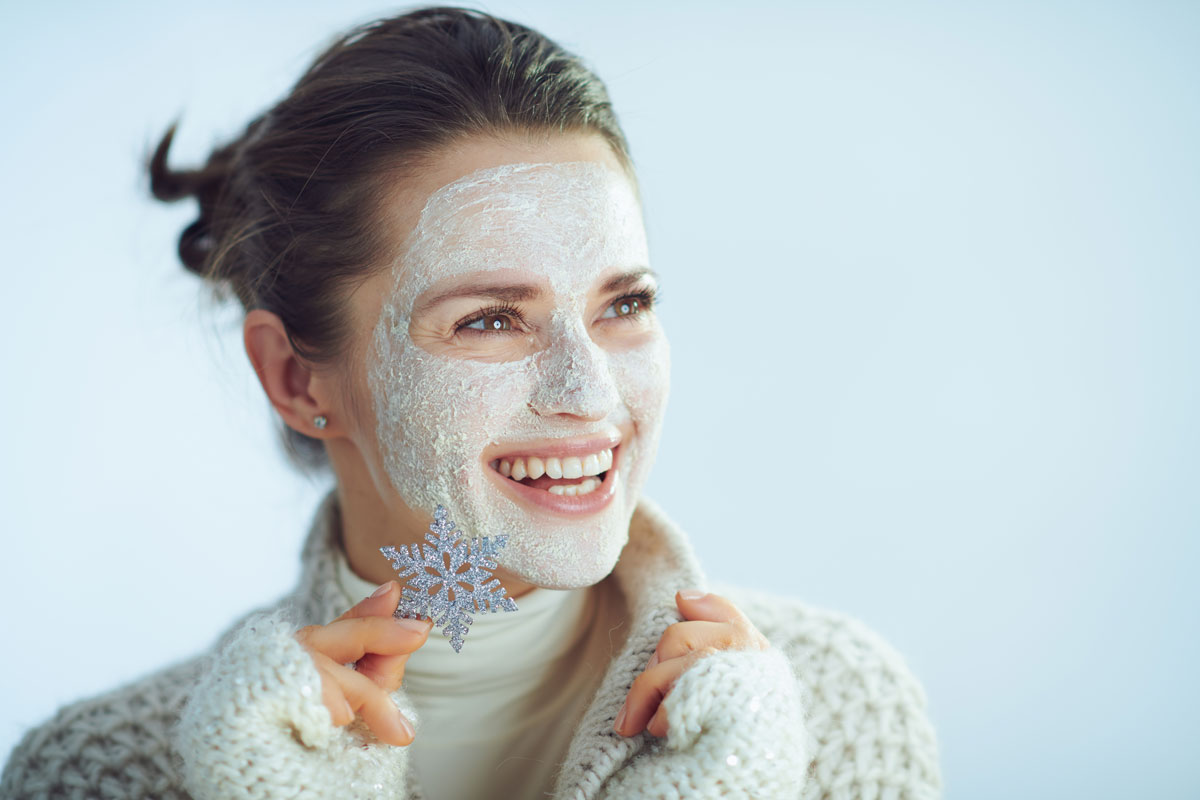
A winter skincare routine gives the best results when it consists of simple but consistent steps. In the morning, gentle cleansing, a hyaluronic acid serum, an intensive moisturizer and sunscreen are an ideal order. In the evening, makeup removal, a gentle cleanser, a repairing serum and a richer night cream can be applied. A gentle exfoliation and a moisturizing mask can be added once or twice a week. It is important to adapt the routine according to the skin’s reaction without overdoing it. A simple routine applied consistently is far more effective than a complex program changed frequently, and it keeps the skin balanced throughout winter.
What Are Realistic Expectations in Winter Skincare?
Realistic expectations are the key to being satisfied with winter skincare because no product can reverse the effect of cold weather overnight. With regular and correct care, the dryness, tightness and flaking of the skin begin to decrease within a few days; lasting improvement, however, is seen within weeks with consistent application. Skin type, age and environmental conditions affect the results. Rather than products that promise miracles, one should rely on proven ingredients and a steady routine. Professional evaluation is recommended for severe and persistent problems. A realistic approach both prevents disappointment and sets the skin on a healthy path.
Why Is Night Care Important for Skin in Winter?
Night care is the most valuable time slot in which the skin repairs itself in winter, and it has a separate importance from daytime care. During sleep, the skin’s cell renewal rate increases, blood circulation is regulated and applied products are absorbed better. For this reason, richer, repairing and nourishing creams should be preferred at night in winter. Night products containing hyaluronic acid, ceramides and panthenol help the skin regain its moisture. A moisturizing night mask can also be added once or twice a week. A regular and correct night care makes the skin look more rested, hydrated and vibrant in the mornings, significantly increasing the effect of winter skincare.
Do Stress and Sleep Affect Skin Health in Winter?
Stress and sleep are two important factors that affect skin health in winter more than most people think. Insufficient sleep disrupts the skin’s repair process and leads to a dull, tired appearance. Chronic stress, on the other hand, increases the cortisol hormone in the body, which can weaken the skin’s barrier function and aggravate existing problems. The shorter days and reduced sunlight in winter can also affect mood; this is indirectly reflected on the skin. Regular and quality sleep, relaxation techniques and a balanced life rhythm support externally applied care from within. A holistic approach contributes to the skin staying healthy throughout winter.
How Is the Right Place Chosen for Winter Skincare?
Choosing the right place directly affects the quality of the result if you are considering professional skincare in winter. The center to be preferred should have an expert staff, a hygienic environment and a personalized skin analysis. Planning the care to be applied according to skin type and concerns is essential for a safe and effective result. The evaluation made beforehand is as important as the quality of the products and the professionalism of the application. Zen Polyclinic offers personalized skincare with its expert team in Istanbul Ataşehir. With the right place, your skin receives safe care in winter.
Winter Skincare at Zen Polyclinic
Winter skincare at Zen Polyclinic is a personalized service planned with expert evaluation to overcome the challenges that cold weather poses to the skin. Our experienced team first analyzes your skin type and existing concerns; then it creates a holistic plan that addresses your home routine together with professional treatments. With options such as medical skin care and Hydrafacial aimed at intensive moisturizing, barrier repair and revitalization, we help your skin stay healthy throughout winter. To protect your skin against cold and dryness in winter, you can reach expert support by making an appointment at Zen Polyclinic’s Istanbul Atasehir clinic.
Frequently Asked Questions (FAQ)
Why does the skin dry out more in winter?
In cold weather, the humidity in the air drops, water on the skin’s surface evaporates faster and oil production decreases. When these three factors combine, the skin’s protective barrier weakens and the skin dries out, tightens and flakes more easily.
What type of moisturizer should I use in winter?
In winter, richer and more nourishing moisturizers should be preferred compared to summer. Cream-textured products that combine humectant, repairing and occlusive components such as hyaluronic acid, ceramides and shea butter are the ideal choice.
Is it necessary to use sunscreen in winter?
Yes. The sun’s UVA rays pass through clouds and glass, and snow reflects UV rays. Therefore, a sunscreen with at least SPF 30 should be part of the daily routine in winter as well.
Does a hot shower harm the skin?
Very hot water dissolves the skin’s protective oil layer, weakening the barrier and increasing moisture loss. In winter, keeping shower water lukewarm, shortening the duration and applying moisturizer right after the shower protect the skin.
Is it correct to exfoliate in winter?
When done carefully, exfoliation removes dead cells and increases moisturizer absorption. However, since the skin is sensitized in winter, gentle chemical exfoliants once or twice a week should be preferred, and harsh mechanical peeling should be avoided.
Does indoor heating affect the skin?
Yes. Radiators and air conditioners reduce ambient humidity, leaving the skin dehydrated. To reduce this effect, it is helpful to place an air humidifier in the room, not raise the room temperature too much and drink water regularly.
Is professional skincare necessary in winter?
Although home care is fundamental, professional skincare provides deep moisturizing and barrier repair for skin worn down by cold. Treatments such as medical skin care and Hydrafacial support the skin throughout winter.
When are winter skincare results seen?
With regular and correct care, dryness and tightness begin to decrease within a few days. Lasting improvement, however, is seen within weeks with consistent application. Skin type, age and environmental conditions affect the timeline.