Which Medical Treatments Should Be Preferred for Skin Brightening?
Skin brightening is the combination of medical treatments applied to revitalize a dull, pale and uneven skin tone, lighten spots and give the skin a healthy radiance. Over time, sun damage, hormonal changes, aging and fatigue reduce the skin’s natural brightness and make the complexion look matte. So what exactly is skin brightening, which medical treatments should be preferred for this purpose, and how is the most suitable method for each person determined? In this comprehensive guide, we address all these questions in detail.
What Is Skin Brightening?
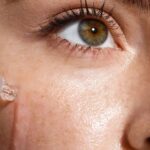
Skin brightening is the common name for treatments that remove dead cells on the skin’s surface, balance melanin production and provide moisture and nutrients to the skin. The goal is not to artificially whiten the skin; it is to reveal the skin’s own healthy tone, even out the complexion and give it a natural brightness. This approach can combine different methods that work in both superficial and deep layers. When properly planned, the skin gains a livelier, more balanced and rested appearance. Brightening is not a single procedure; it is a set of treatments selected according to the skin’s needs and structured in a personalized way.
Why Does Skin Become Dull?
There are many reasons for skin becoming dull, and these reasons are often effective together. The sun’s ultraviolet rays increase melanin production, leading to spots and a matte appearance. With aging, cell renewal slows down and dead cells accumulate on the skin surface, making the skin look tired. Insufficient sleep, chronic stress, unbalanced nutrition, smoking and dehydration are also important factors that reduce the skin’s brightness. In addition, inadequate moisturizing and incorrect care routines contribute to the skin becoming matte. Correctly identifying the main cause of dullness also determines which brightening method will be preferred, because not all dullness comes from the same source.
Is Brightening Artificial Whitening?
Skin brightening and artificial whitening are two different concepts that are often confused, and knowing the distinction between them is important. Brightening targets the health and natural tone of the skin; it aims not to change the complexion but to balance and revitalize it. Artificial whitening, on the other hand, tries to make the skin look lighter than it is and can often produce serious results with uncontrolled, risky products. The approach adopted at Zen Polyclinic is always healthy brightening: giving radiance with safe methods, without tiring the skin and while preserving the natural tone. This distinction is extremely important for achieving both a realistic and a safe result and is observed throughout the process.
Brightening with Medical Mesotherapy
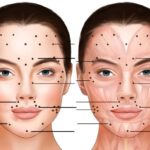
One of the most preferred methods in skin brightening is mesotherapy. In this treatment, special mixtures containing vitamins, antioxidants and brightening components are delivered into the skin through micro-injections. Mesotherapy deeply nourishes and hydrates the skin and evens out the complexion by supporting melanin balance. Skin mesotherapy, when applied over several sessions, provides a noticeable revitalization, plumpness and radiance. It is a highly effective, balanced and safe option for dull, tired and moisture-deprived skin. This approach, which nourishes from within, supports the skin’s healthy brightness over the long term.
Blemish Treatment and Even Tone
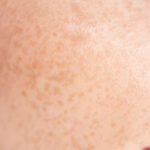
One of the most common causes of skin dullness is spots, and these spots cause the complexion to look uneven. Sun spots, melasma and post-acne dark marks play an important role in the skin becoming matte. In this case, a targeted blemish treatment comes into play. Fractional laser and similar methods target spotted areas to reduce melanin accumulation and balance the complexion. Blemish treatment progresses gradually, and results become clearer session by session, which requires patience. When tone evenness is achieved, the skin gains a much cleaner, brighter and livelier appearance and makeup sits much more smoothly.
Instant Radiance with Hydrafacial
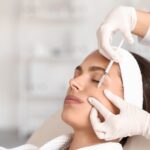
For those seeking quick and gentle brightening, Hydrafacial is a prominent option. This treatment deeply cleanses the skin, removes dirt from the pores, gently exfoliates and provides intense moisture and nourishing serums to the skin. Even in a single session, the skin looks cleaner, fresher and more radiant; this is why it is often preferred before special days. Since the risk of irritation is low, it can also be safely applied as part of a regular care routine. Hydrafacial is an ideal, comfortable and effective brightening method for those who want instant brightness and can be applied with ease on almost any skin type.
How Does Chemical Peeling Work?
Chemical peeling reveals the fresh and lively skin underneath by removing the dead cell layer on the skin surface in a controlled way. In the application, acids of different intensities are used according to the skin type and need, and this intensity is determined by the expert. Peeling smooths the skin by reducing dead cell accumulation, evens out the complexion and noticeably increases brightness. It also allows other care products to penetrate the skin better. When applied at the right intensity and by an expert, chemical peeling is a powerful and effective tool in skin brightening; when applied incorrectly it carries a risk of irritation, so professional support is essential.
The Role of LED Light Therapy
LED light therapy is a painless and gentle method that supports the skin using lights of different wavelengths. It particularly contributes to other treatments in revitalizing the skin, supporting tone balance and increasing overall brightness. Although it does not create dramatic brightening on its own, it strengthens the result when combined with methods such as mesotherapy or peeling and supports the skin’s recovery. Since there is no risk of irritation, it can be safely applied on almost any skin type, and the sessions are quite comfortable. LED therapy is valuable as a supportive and complementary part of a comprehensive brightening plan.
Dermapen and Skin Renewal
Dermapen activates the skin’s own renewal mechanism by creating controlled micro-channels on the skin surface through micro-needles. This process supports collagen production, improves skin texture and allows brightening serums to reach deeper. Dermapen application provides a noticeable freshness and vitality in dull and tired skin. When applied over several sessions, the complexion is evened out and the skin gains a smoother, brighter appearance. It is a valuable brightening option for those who want skin renewal and can be combined harmoniously with other methods.
Which Method Suits Whom?
The most appropriate brightening method is determined according to the person’s skin type, the cause of dullness and their expectations. While blemish treatment stands out for those with prominent spots, mesotherapy may be more suitable for those experiencing moisture loss and fatigue. Those who want quick radiance can turn to Hydrafacial; those seeking skin renewal benefit from dermapen or peeling. Often, the best result is achieved by combining several methods in a personalized way. For this reason, a detailed skin analysis before treatment is essential, because the right method can only be selected after the skin’s real need is understood.
The Importance of Skin Analysis
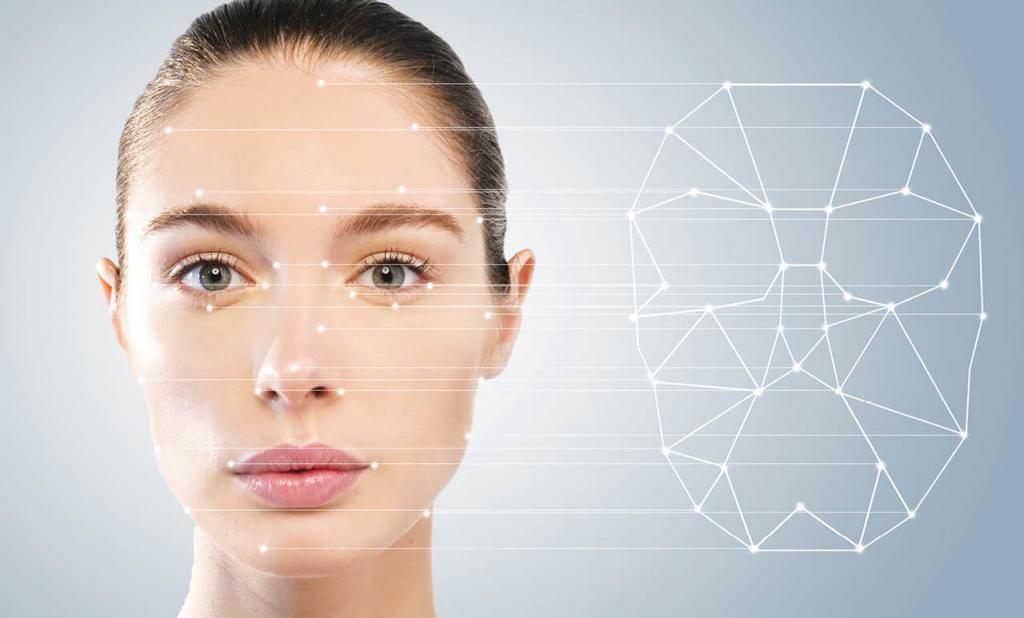
The first step of the right brightening plan is a comprehensive skin analysis. This analysis objectively determines skin type, moisture level, pigment load, sensitivity and the main cause of dullness. This way a plan is built on the skin’s real needs rather than at random, and unnecessary treatments are avoided. At Zen Polyclinic, a detailed evaluation is performed before every treatment; the appropriate method or combination is selected according to this analysis. Correct diagnosis directly affects both safety and the success of the result. Treatments performed without analysis may not give the expected result and may unnecessarily tire the skin; for this reason, the analysis should not be skipped.
Combination Treatments
In most cases, the most effective result in skin brightening is achieved not with a single method but by cleverly combining several treatments. For example, while the complexion is evened out with blemish treatment, the skin is nourished with mesotherapy and given instant radiance with Hydrafacial. These combinations address problems in different layers of the skin at the same time and strengthen the result. However, combinations must be carefully planned and applied at appropriate intervals and in the right order so as not to tire the skin. An expert evaluation determines which methods will be used together and their order. A well-planned combination gives a far more satisfying result than methods applied alone.
How Many Sessions Are Needed?
In skin brightening, the number of sessions varies according to the chosen method and the condition of the skin. While treatments like Hydrafacial make a difference even in a single session, mesotherapy, blemish treatment and dermapen usually require several sessions. For results to be lasting and balanced, it is of great importance that the sessions are performed at appropriate intervals and regularly. Instead of expecting a miracle in a single session, sticking to the plan is the most correct approach and gives a more satisfying result. The expert offers a personalized session plan and a realistic timeline at the first evaluation; this way expectations are clear from the start and the process proceeds predictably.
When Are Results Seen?
While the effect of some brightening methods is seen instantly, others become clearer over time and session by session. After Hydrafacial, the skin may immediately look fresher and brighter; this is a great advantage for those who want quick results. The effect of mesotherapy and dermapen, on the other hand, emerges after a few sessions, as the skin renews. In blemish treatment, results are gradual and require patience. What matters is to proceed with realistic expectations and to trust the natural course of the process. The radiance achieved with regular care and sun protection is preserved for much longer and can be maintained with periodic sessions.
The Importance of Sun Protection
The success of skin brightening treatments is directly related to regular sun protection, and this step should never be skipped. Unprotected sun exposure causes lightened spots to return and new spots to form; this largely nullifies the brightening result achieved. For this reason, a high-factor sunscreen should be used after every treatment and in the daily routine, regardless of the season. Sun protection is the most important and most powerful step in preserving brightening results. When this step is neglected, no treatment gives a lasting result and the process has to start over again and again.
Supporting Results with Home Care
To maintain the effect of clinical treatments, a consistent home care routine is of great importance. Gentle cleansers, brightening serums, products containing antioxidants and regular moisturizing support the skin’s brightness. Brightening components such as vitamin C complement clinical results and strengthen tone evenness. However, products used at home should be chosen according to the skin type and should not tire the skin; excessive product use can lead to irritation. Running clinical care and home care in a harmonious way ensures that brightening results are both strengthened and preserved for longer; for this reason, the two should be planned together.
Nutrition and Lifestyle
The skin’s brightness is supported not only by treatments applied externally but also from within, because the skin is a mirror of overall health. Adequate water intake, antioxidant-rich vegetables and fruits, balanced nutrition and sufficient sleep increase the skin’s natural radiance. Smoking, excess sugar and processed foods, on the other hand, dull the skin and accelerate aging. Healthy lifestyle habits nourish the effect of clinical brightening treatments from within and increase their durability. For this reason, the brightening process should include not only the treatments but also a holistic lifestyle approach; the combination of internal and external support gives the best result.
Common Myths
There are many myths about skin brightening, and these lead to unrealistic expectations. The most common is expecting an instant and permanent transformation from a single treatment. Another is trying to whiten the skin quickly with aggressive and uncontrolled products; this approach can lead to serious irritation, permanent spots and skin damage. Brightening is not about artificially whitening the skin but revealing its healthy tone. Staying away from quick fixes that promise miracles and proceeding with expert support is the most correct attitude for both the health of the skin and a realistic result. A conscious approach prevents disappointment.
For Whom Is It Not Suitable?
Although skin brightening treatments are safe for most people, caution and evaluation are required in some cases. If there is an active skin infection, open wounds, uncontrolled skin diseases or some systemic conditions, the treatment may be postponed or the method changed. Some treatments may also not be suitable during pregnancy and breastfeeding, and gentler alternatives are preferred. For this reason, the health history should be carefully evaluated before every treatment. An expert physician creates a safe plan by determining the methods that are and are not suitable for the person. Safety is always the priority in the brightening process and is never overlooked.
Seasonal Planning
Season also plays an important role in the timing of skin brightening treatments. In particular, methods that increase sensitivity to the sun, such as blemish treatment, can be more comfortably and safely planned in the autumn and winter months when the sun is less intense. In the summer months, gentler treatments and strict sun protection are preferred. Seasonal planning supports both the preservation of the result and the safety of the skin and reduces the possible risk of spots. The expert evaluates which time of year is more suitable to perform the treatment according to the condition of the skin and guides accordingly; this increases the success of the process.
Realistic Expectations
Skin brightening brings the skin to its healthiest and most lively state but does not create a completely different skin. Proceeding with realistic expectations is essential for both satisfaction with the process and proper planning. The goal is not an artificial whiteness; it is a balanced, lively and natural radiance. Some spots can be lightened completely, others partially; this depends on the condition of the skin and the type of spot. A realistic perspective ensures that the process is enjoyable and that one is satisfied with the result. The expert honestly shares achievable goals at the first evaluation; this transparency is an important element that increases both trust and satisfaction.
Choosing the Right Clinic
The safety and outcome of skin brightening treatments are directly related to choosing the right clinic and an experienced specialist. Hygiene conditions, the quality of the products and devices used, and the specialist’s experience must be evaluated. Treatments performed in uncontrolled settings can result in permanent spots, irritation or disappointment. A clinic that provides transparent information, offers realistic expectations and manages the process honestly should be preferred. Choosing the right clinic is the most important step to be taken for both a safe process and a satisfying result. This choice directly determines the quality of the result.
The Relationship Between Brightening and Pore Appearance
There is a close relationship between skin brightening and pore appearance, because clogged and prominent pores make the skin look duller and rougher. Methods such as Hydrafacial and peeling deeply cleanse the pores, both smoothing the skin surface and allowing it to reflect light more evenly. This way the skin looks not only cleaner but also brighter. When pore care and brightening are planned together, the result is much more holistic and satisfying. Regular deep cleansing also supports the durability of brightening results.
Skin Brightening in Men
Skin brightening treatments are not unique to women; men also benefit from these treatments for a dull, tired and uneven skin tone. Since male skin is usually thicker and oilier, the method and intensity are adapted accordingly. Shave-related irritation, sun damage and pore prominence are also factors that increase the need for brightening in male skin. Methods such as mesotherapy, hydrafacial and peeling can also be applied to male skin. With correct analysis and personalized planning, men too can achieve a livelier, more balanced and healthier skin.
The Effect of Smoking and Environmental Factors
The effect of smoking and environmental factors on skin dullness is often overlooked. Smoking reduces blood flow to the skin, lowering oxygen and nutrient supply; this leads to the skin looking pale, gray and tired. Air pollution and free radicals also accumulate on the skin surface, triggering dullness and premature aging. For this reason, antioxidant support and regular cleansing are of great importance in the skin brightening process. Quitting smoking and protecting the skin against environmental damage strengthen the effect of clinical brightening treatments from the inside and outside.
Post-Treatment Care
The care applied after skin brightening treatments directly affects the quality and durability of the result. Depending on the type of treatment, the skin may be sensitive for a few days; during this period, gentle cleansing, intense moisturizing and strict sun protection are recommended. Aggressive products, peels and hot environments should be avoided for a while. Following the post-treatment instructions given by the expert ensures both that the skin recovers quickly and that it achieves the best result. Correct aftercare makes an important contribution to preserving the achieved radiance for longer and reduces the possible risk of irritation.
At What Age Should Skin Brightening Be Done?
There is no specific age limit for skin brightening treatments; what matters is the condition and need of the skin. While brightness and moisture support come to the fore in younger skin, the need for spot lightening, tone evenness and skin renewal increases with advancing age. Regular care started at an early age helps the skin preserve its healthy brightness for a long time and delays dullness. The method and intensity may differ for each age group; for this reason, the plan is structured in a personalized way. The expert determines the most suitable and safest brightening approach in line with the age and condition of the skin.
Skin Brightening at Zen Polyclinic
At Zen Polyclinic, skin brightening is a holistic process that starts with a detailed skin analysis and is personally planned. At our clinic in Istanbul Ataşehir, methods such as mesotherapy, blemish treatment, hydrafacial, dermapen and peeling are applied alone or in combination according to the skin’s needs. Our aim is not to artificially whiten the skin; it is to give a natural, balanced and healthy radiance. Each treatment is planned with a gentle approach according to the condition of the skin and the expectations. You can contact us to create a personalized brightening plan to revitalize your dull and tired skin.
Conclusion
Skin brightening is a comprehensive process based not on a single treatment but on a set of methods selected according to the skin’s needs. Methods such as mesotherapy, blemish treatment, hydrafacial, dermapen and peeling, when combined with correct analysis and planning, give the skin a natural and lasting radiance. The best result comes from a process that is personally planned, supported by regular sun protection and carried out with realistic expectations. A healthy brightness, not artificial whitening, should be the target. You can contact Zen Polyclinic to bring your dull and uneven skin to a healthy radiance.
Frequently Asked Questions (FAQ)
Does skin brightening permanently whiten the skin?
No. Skin brightening does not artificially whiten the skin; it reveals the skin’s own healthy tone, evens out the complexion and gives a natural radiance. The aim is not to change color but to revitalize the skin.
Which method gives the fastest result?
Hydrafacial can make the skin look fresher and brighter even in a single session. Mesotherapy, dermapen and blemish treatment give gradual results over several sessions. For the fastest visible radiance, Hydrafacial stands out.
How many sessions are needed for skin brightening?
The number of sessions varies according to the chosen method and the condition of the skin. Mesotherapy, blemish treatment and dermapen usually require several sessions, while Hydrafacial makes a difference in a single session. The expert offers a personalized plan.
Which is the most effective method?
There is no single most effective method; the best result is achieved by combining methods selected according to the skin type and the cause of dullness. For this reason, a detailed skin analysis is performed first.
Is sun protection a must after the treatments?
Yes, it is absolutely essential. Unprotected sun causes lightened spots to return and new spots to form. Using a high-factor sunscreen is the most important step for preserving the brightening result.
Are skin brightening treatments painful?
Most brightening treatments are comfortable. Methods such as Hydrafacial and LED are painless; with mesotherapy and dermapen there may be a mild sensation, and numbing cream is used when needed. Comfort is generally high.
How lasting are the results?
Durability depends on the method, the condition of the skin and care. The radiance achieved with regular sun protection, suitable home care and healthy lifestyle habits is preserved for much longer. Periodic maintenance sessions support the result.
Is it suitable for every skin type?
Brightening treatments are suitable for most skin types, but the method is selected according to the condition of the skin. In active infection, open wounds or some health conditions, the treatment may be postponed. For this reason, the health history is evaluated first.