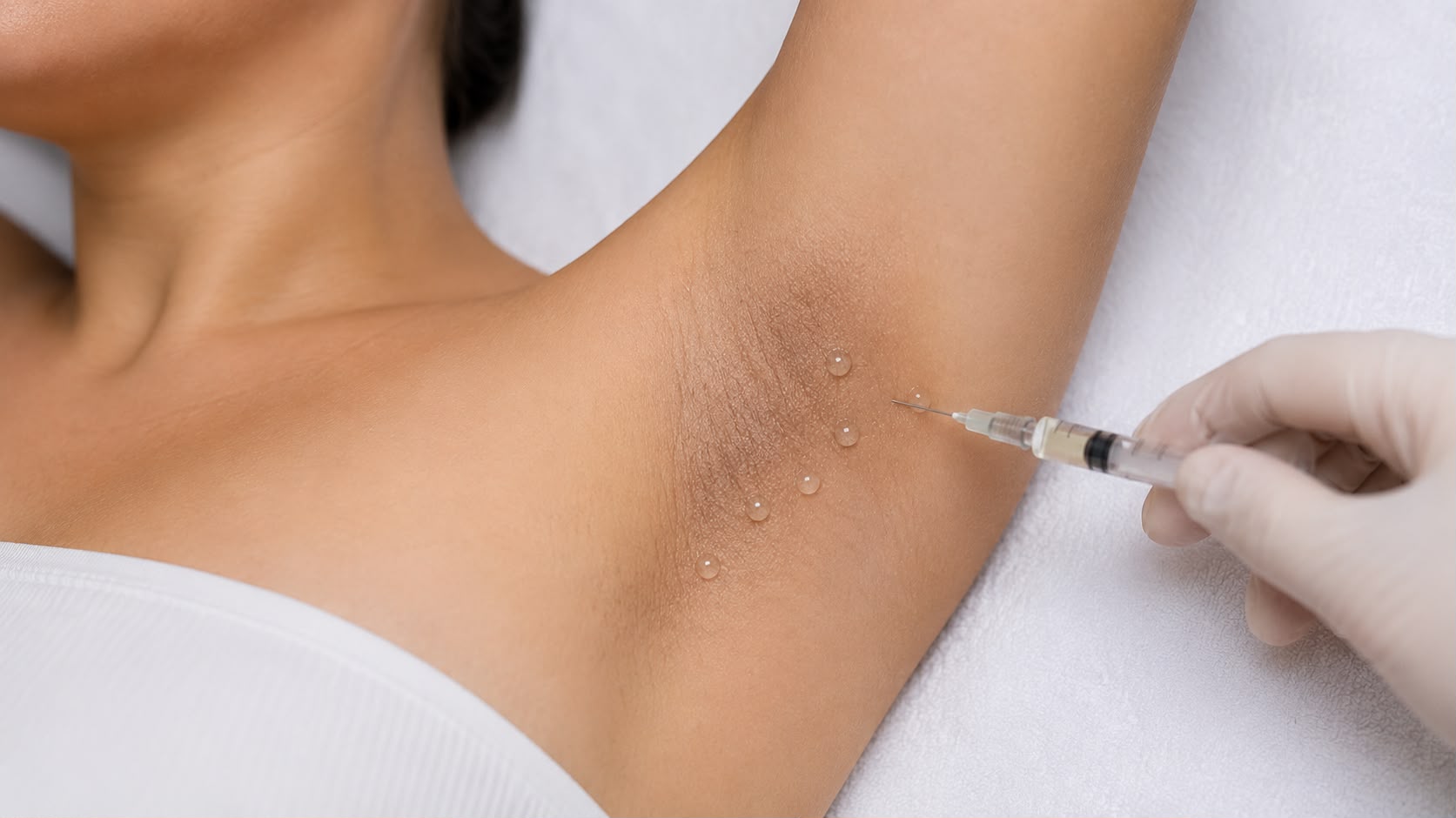
How Can Underarm and Groin Darkening Be Lightened?
Underarm and groin darkening is a marked deepening of the skin tone in these areas compared with the surrounding skin, arising from a combination of factors such as friction, hormonal effects, shaving and hair-removal habits, cosmetic products and certain health conditions. In most people it is a harmless skin change, but it can create appearance-related concern. So why does underarm and groin darkening occur, is it permanent, can it be lightened with home care, which medical treatments are effective, and can recurrence be prevented? In this comprehensive guide, we address all these questions in detail.
What Is Underarm and Groin Darkening?
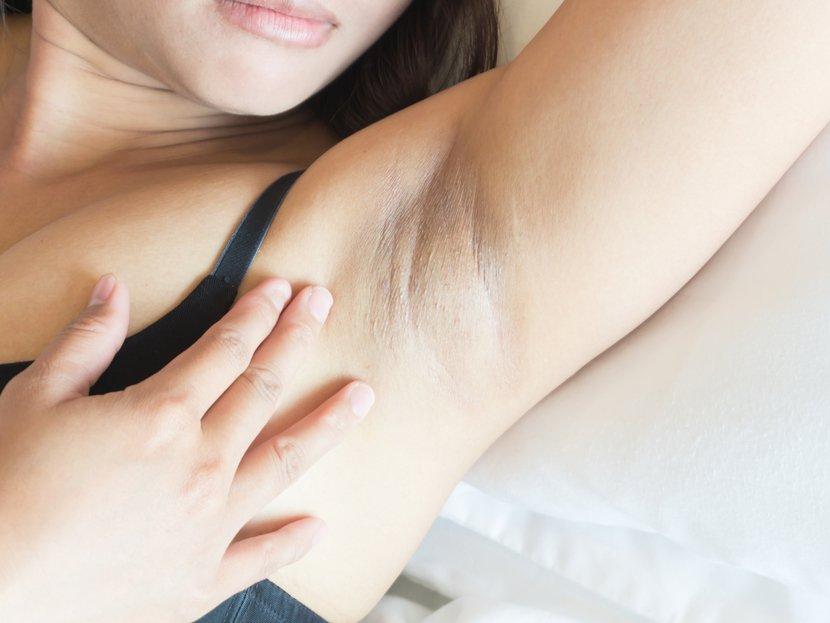
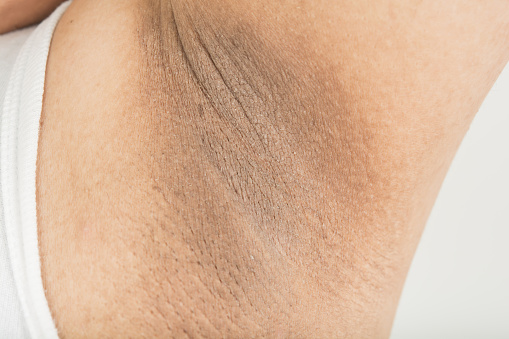
This condition is referred to in the medical literature as regional hyperpigmentation and arises from an increase in melanin production in a specific area of skin compared with surrounding tissue. The underarm and groin area, being naturally folded, constantly exposed to friction and with a high rate of sweating, is more prone to this type of pigment increase. The darkening is usually seen as a patch in brown-grey tones with either well-defined or diffuse borders, and its intensity can increase or decrease over time.
Why Do These Areas Look Darker Than Others?
The skin in the underarm and groin area has anatomically different characteristics compared with other parts of the body; it is thinner, more folded and in constant motion. These areas are in continuous contact with clothing, skin rubs against skin during daily movements, and the moisture-sweat rate is high. The skin may increase melanin production as a defence mechanism against repeated mechanical stimulus; this condition is medically termed post-inflammatory hyperpigmentation. For this reason, darkening in these areas is largely not a disease but a response of the skin to repeated irritation.
What Is Friction-Related Darkening?
Also called frictional hyperpigmentation, this picture is seen in areas of skin constantly exposed to friction. Tight clothing, synthetic fabrics and the repeated mechanical contact that occurs during daily walking and movement lead to mild irritation and inflammation in skin cells. This microscopic level of irritation stimulates melanocyte cells, causing regional pigment increase. This mechanism is more frequently seen in overweight individuals, athletes and those who prefer tight underwear. Reducing friction is one of the most fundamental and most effective steps of treatment.
How Do Hormonal Causes Affect Darkening?
Hormonal fluctuations, especially changes in oestrogen and progesterone levels, can increase melanocyte activity. During pregnancy, in certain phases of the menstrual cycle, and in conditions causing hormonal imbalance such as polycystic ovary syndrome, darkening in the underarm and groin area can become more pronounced. Insulin resistance is also an important contributing factor to this picture; an increase in insulin levels can trigger excessive proliferation and darkening of skin cells. For this reason, in widespread and resistant darkening it is recommended to investigate whether there is an underlying hormonal cause.
Do Shaving and Hair-Removal Methods Cause Darkening?
Yes, hair-removal methods such as razor shaving, waxing and depilatory creams lead to repeated micro-trauma on the skin surface. In particular, using a blunt razor, shaving the same area repeatedly, and irritation of the skin after waxing lay the groundwork for post-inflammatory hyperpigmentation over time. Permanent hair-reduction methods can be an effective option for breaking this cycle, because they eliminate the source of repeated irritation. This connection makes it necessary to also review hair-removal habits when planning treatment for darkening.
Do Deodorants and Cosmetic Products Play a Role?
Alcohol and fragrance ingredients in some deodorant and antiperspirant products can cause irritation in sensitive underarm skin and, with repeated use, contribute to pigment increase. Applying deodorant immediately after shaving in particular increases this irritation. Although antiperspirants containing aluminium salts do not have a strong, scientifically proven direct link to darkening, they are known to be a possible source of irritation in sensitive skin. Choosing fragrance-free, alcohol-free products formulated for sensitive skin helps reduce this source of irritation.
Is Obesity and Weight Related to Darkening?
Yes, excess weight and obesity can markedly affect darkening in the underarm and groin area because they increase friction and moisture accumulation in skin folds. Obesity is also frequently seen together with insulin resistance, which activates the hormonal mechanism described above. Weight loss alone does not completely eliminate darkening, but by reducing friction and moisture accumulation it can positively affect the response to treatment. For this reason, weight management should also be considered as part of the assessment process in persistent and widespread cases of darkening.
What Is Acanthosis Nigricans, and Is It Confused With Darkening?
Acanthosis nigricans is a skin change seen in the fold areas of the skin, with a velvety texture, dark colour and usually raised appearance; it is frequently associated with insulin resistance, obesity or, rarely, some internal diseases. Unlike simple friction-related darkening, in acanthosis nigricans the skin texture becomes thickened and rough. This distinction is important because in the presence of acanthosis nigricans it may be necessary to investigate an underlying metabolic condition. During the examination, the surface and thickness of the skin texture play a decisive role in distinguishing between these two conditions.
Friction or Post-Inflammatory Hyperpigmentation?
In fact these two concepts are largely intertwined; friction is the most common trigger of post-inflammatory hyperpigmentation. The difference is that post-inflammatory hyperpigmentation can also develop after any skin irritation other than friction, such as eczema, folliculitis, a cut or an insect bite. In the underarm and groin area both mechanisms frequently play a role together. This distinction does not make a practical difference in terms of the treatment plan, because the approach is similar in both cases: reducing the source of irritation and using care/treatment options that regulate pigment production.
Is Darkening Permanent?
Underarm and groin darkening is usually not permanent and, once the source of irritation is eliminated, can be markedly lightened with appropriate care and treatment. However, the process is not fast; because melanin accumulates in skin layers, visible improvement can take weeks and, in some cases, months. In long-standing and deeply settled darkening, complete lightening cannot always be guaranteed, but a marked reduction is largely possible. Patience and regular application are the two most decisive elements in this process.
Can It Be Lightened With Home Care?
In mild darkening, home care can make a significant contribution. Using gentle cleansers that do not irritate the area, reducing the buildup of dead cells with regular and gentle exfoliation, moisturising, and paying attention to clothing choices that reduce friction are the basic steps. However, home care only plays a supportive role; in settled and deep darkening, achieving a complete result without medical-grade effective ingredients or clinical treatments is generally not possible. When home care and clinical treatment are planned together, results are faster and more lasting.
Which Skin Care Ingredients Are Effective?
The main ingredients that regulate pigment production and help even out skin tone include niacinamide, azelaic acid, kojic acid, alpha-arbutin, vitamin C and low-percentage retinoids. These ingredients act by suppressing one of the key enzymes in melanin production (tyrosinase) through different mechanisms. In sensitive areas such as the underarms and groin, it is important that these ingredients be used at the correct concentration and formulation, in a way that does not increase skin irritation. Product choice and frequency of use should be individualised, taking skin sensitivity into account.
What Are the Medical Skin Care Options?
In cases where home care is not sufficient, clinically applied medical skin care options come into play. These include professional brightening sessions, controlled chemical peel applications and protocols using special serums aimed at balancing skin tone. Because these methods contain higher-concentration active ingredients compared with home care, results can be seen faster; however, since this is a sensitive area, the frequency and intensity of application must be determined under physician control.
How Do Genosys Products Help?
The Genosys skin care systems used at Zen Polyclinic contain special formulations targeting uneven skin tone and hyperpigmentation. These products are designed to deliver pigment-regulating active ingredients to the skin in a controlled manner without damaging the skin barrier. When used in sensitive areas such as the underarms and groin, regular application can achieve a gradual evening out of skin tone. The protocol is planned by the physician according to the person’s skin type and the degree of darkening, and it is usually carried out together with home care.
Is Chemical Peeling Effective for Darkening?
Controlled chemical peel applications help even out skin tone more quickly by accelerating the shedding of pigment-laden dead cells on the upper layer of the skin. Mild-to-moderate acids (such as glycolic acid, lactic acid and mandelic acid) are preferred in sensitive areas because they carry a lower risk of irritation. Allowing the area to heal between peel sessions and protecting it from the sun is important; otherwise irritation after peeling can start a new hyperpigmentation cycle. The frequency of application and the acid concentration are determined by the physician according to skin type.
How Is Q-Switched Laser Used in the Treatment of Darkening?
The Q-switched laser is a laser technology that targets and breaks down excess pigment in the skin with very short pulses. These fragmented pigment particles are gradually removed by the body’s natural cleansing mechanisms. In settled, resistant darkening in the underarm and groin area, where skin care and peeling have not achieved sufficient results, Q-switched laser can be considered. Because of the sensitivity of the area, a test pulse should be performed before the application and the energy level carefully adjusted; the aim is to target the pigment while protecting the surrounding tissue.
How Is Fractional Laser Blemish Treatment Applied?
Fractional laser technology creates controlled damage at a microscopic scale in the skin, triggering the skin’s renewal process. In this process, both the surface pigment decreases and skin collagen production increases, improving the overall quality of the tissue. This method, which can be preferred in widespread and superficial darkening, is planned over several sessions, with sufficient time allowed for the skin to heal between sessions. Which laser technology (Q-switched or fractional) is more suitable is determined during the examination according to the depth and extent of the darkening.
Does Laser Hair Removal Reduce Darkening?
Indirectly, yes. Since an important trigger of darkening is irritation from repeated shaving and waxing, reducing hair growth with laser hair removal can help break this irritation cycle, contributing over time to the skin tone gaining a more balanced appearance on its own. Laser hair removal is not a direct brightening treatment and does not quickly eliminate existing darkening, but it provides a long-term and indirect benefit in preventing the formation of new darkening. For this reason, when planned together with darkening treatment it forms a holistic approach.
Which Treatment Method Is Suitable for Whom?
Treatment choice is made according to the cause of the darkening, its depth, its extent and the person’s skin type. In superficial and mild darkening, medical skin care and controlled peeling are usually sufficient. In deeper and more resistant cases, Q-switched or fractional laser is considered. If friction is the dominant cause, laser hair removal can be added to the plan as a long-term supportive option. If there is a suspicion of a hormonal or metabolic cause, investigating this first is recommended. An individualised combination plan usually gives more effective results than a single method.
How Many Sessions Are Needed?
The number of sessions varies according to the method chosen, the degree of darkening and the skin. Medical skin care protocols usually involve a plan of four to eight sessions. Laser treatments, on the other hand, involve a range of three to six sessions, with four to six weeks left between sessions. In widespread and long-standing darkening the number of sessions may increase. The skin’s response is assessed at the end of each session and the protocol is updated if necessary; for this reason, rather than giving a fixed number of sessions, an individualised estimated plan is shared at the first consultation.
When Are Results Seen?
With medical skin care, the first noticeable changes usually begin to be noticed within four to six weeks; complete results may take three to six months. With laser treatments, the breakdown of pigment becomes visible over a few weeks, and a cumulative improvement is seen as sessions progress. Because the rate of skin renewal varies from person to person, these timeframes offer a general framework, not a fixed commitment. Regular follow-up is important for assessing whether the process is following the expected course.
Why Is Sun Protection Critical During and After Treatment?
Sun exposure is one of the strongest factors that directly stimulates melanin production. An area undergoing darkening treatment becomes more sensitive than normal to the sun after both peeling and laser; during this period, unprotected sun exposure can reverse the improvement achieved with treatment and can even make the darkening more pronounced than before. Although the underarm and groin area is usually covered by clothing, using a high-factor sunscreen in settings such as the beach or the pool is important for the success of the treatment.
Can Recurrence Be Prevented?
If the source triggering darkening is not eliminated after treatment, the likelihood of recurrence increases. Choosing clothing that reduces friction, using appropriate hair-removal methods, gentle skin cleansing and maintaining a regular care routine support the longevity of the result achieved. When weight changes, hormonal fluctuations or a new source of irritation appear, partial return of darkening is possible; in this case, early intervention helps bring the process back under control before it deepens again.
Who Is It Not Suitable For?
Laser and peeling applications are postponed in areas with active skin infection, an eczema flare or an open wound. Some active ingredients and laser applications are generally not recommended during pregnancy. Laser treatments can carry a risk on skin recently intensely exposed to the sun or tanned, and may need to be postponed. In people prone to keloid formation, aggressive peel and laser parameters must be chosen carefully. Each of these situations is assessed at the consultation and, if necessary, an alternative approach is recommended.
What Are the Common Misconceptions?
The first misconception is that underarm and groin darkening is always related to poor hygiene; in reality this condition is a mechanism related to skin physiology, independent of hygiene. The second is that fast results can be achieved with home remedies such as lemon or baking soda; such methods can irritate the skin and worsen the condition. The third is that darkening will completely disappear in a single session; the process is a gradual improvement that requires time. The fourth is that it is only seen in overweight people; in fact it can also occur in slim people due to friction and hormonal causes.
What Should Realistic Expectations Be?
With a correct diagnosis and a regularly applied treatment plan, the result that can be expected is a marked evening out of skin colour and a substantial reduction in darkness. The area returning to exactly the same tone as the surrounding skin cannot always be guaranteed, especially in very long-standing and deeply settled cases. A patient and regular approach is the key to getting the most benefit from treatment. Setting realistic expectations from the outset directly increases satisfaction at the end of the process.
When Should a Physician Be Consulted?
If the darkening is accompanied by sudden itching, pain, a raised area, bleeding or a rapidly enlarging patch, these findings differ from a typical hyperpigmentation picture and should be assessed without delay. In addition, if the darkening is accompanied by symptoms such as excessive thirst, frequent urination or unexplained weight change, a general health assessment is recommended to investigate an underlying metabolic condition. In simple darkening that develops without such accompanying symptoms, the assessment proceeds with a focus on skin health.
What Daily Habits Help Prevent Darkening?
Choosing breathable, cotton and loose-fitting underwear, using a moisturiser after shaving, applying deodorant a few hours after shaving rather than immediately, maintaining a regular but non-aggressive cleansing routine, and avoiding synthetic fabrics that increase sweating are simple but effective habits that reduce the risk of darkening. These habits alone do not eliminate existing darkening, but they play an important role in maintaining the result after treatment and preventing the formation of new darkening.
How Does the Assessment and Treatment Process Work at Zen Polyclinic?
At Zen Polyclinic, the assessment of underarm and groin darkening begins with an examination of the area and questioning of possible triggering factors (friction, shaving habits, hormonal history, weight changes). If deemed necessary, differential diagnoses such as acanthosis nigricans are excluded. An individualised plan is then created; this plan may include medical skin care, controlled peeling, Q-switched or fractional laser and, where needed, laser hair removal, in different combinations. Progress is assessed with regular follow-up sessions throughout the process. The same assessment standard applies in our clinic in Istanbul Ataşehir. You can reach us for an assessment through our appointment page.
Is Groin Darkening Treatment Different From Underarm Treatment?
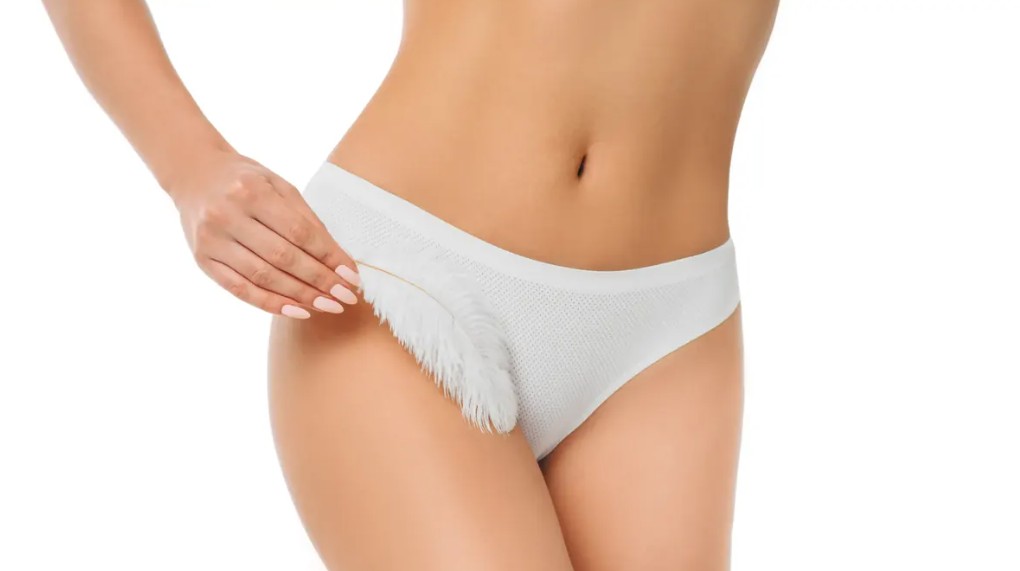
Although the basic mechanism is similar in both areas, the groin area has a thinner and more sensitive skin structure compared with the underarm; in addition, because it is closer to the mucosal border, the concentration of active ingredients and laser parameters applied are chosen more carefully. Underwear friction and moisture levels in the groin area are usually higher than in the underarm, which can feed the irritation cycle. Because of these differences, although the same general approach is used, product choice and the application protocol are adapted specifically to the area; a single standard protocol is not applied to both areas in the same way.
Which Products and Habits Should Be Stopped During Darkening Treatment?
During the treatment process, using an aggressive scrubbing sponge or harsh exfoliating glove on the area, high-alcohol fragranced products and uncontrolled use of strong over-the-counter brightening creams should be avoided; such products can further irritate the skin and reduce the effectiveness of the treatment. In addition, rather than shaving frequently and aggressively in the treated area, gentler methods should be preferred temporarily if possible. Using cotton, loose-fitting products instead of tight, synthetic underwear makes the skin’s healing process easier during treatment and contributes to results being seen faster.
How Often Should Check-Ups Be Done During the Treatment Process?
Regular follow-up sessions are important so that progress in darkening treatment can be assessed correctly. In general, in medical skin care protocols each session is assessed by the physician, while in laser treatments the skin’s response is reviewed at intervals of four to six weeks between sessions. Comparing photographs during these check-ups provides an objective, rather than subjective, tracking of progress. When a slower response than expected is seen, the protocol can be updated with a change in product, session frequency or method. Regular follow-up is a step that directly affects both safety and the quality of the result.
Conclusion
Underarm and groin darkening is a harmless but appearance-wise bothersome skin change that mostly arises from a combination of friction, hormonal effects and repeated irritation. Identifying the correct trigger, reducing the source of irritation, and planning medical skin care together with laser treatments where needed provide a marked and lasting improvement. The process requires patience; regular application and sun protection play a decisive role in preserving the result achieved.
Frequently Asked Questions (FAQ)
Why does underarm and groin darkening occur?
The main causes are friction, hormonal fluctuations, irritation after shaving/waxing, some cosmetic products and metabolic factors such as insulin resistance. It usually arises from a combination of these factors.
Is underarm and groin darkening permanent?
It is usually not permanent. Once the source of irritation is reduced, a marked lightening can be achieved within weeks to months with appropriate care and treatment.
Does home care completely resolve darkening?
Home care makes a significant contribution in mild cases, but is usually not sufficient on its own in settled darkening; it needs to be supported with medical skin care or laser treatment.
Which methods are used to treat darkening?
Medical skin care, controlled chemical peeling, Q-switched laser, fractional laser and laser hair removal to reduce triggering friction can be used in different combinations.
How many sessions are needed?
It varies by method; medical skin care usually involves 4-8 sessions, and laser treatments involve 3-6 sessions. The exact number is determined at the consultation.
Is darkening only seen in overweight people?
No, it can also be seen in slim people due to friction, hormonal fluctuations or hair-removal habits; weight is only one of the contributing factors.
Are darkening and acanthosis nigricans the same thing?
No, acanthosis nigricans is a thicker, velvety-textured skin change usually associated with insulin resistance; it needs to be distinguished at the consultation.
Can darkening recur after treatment?
Yes, if the triggering factor (friction, hormonal change, new source of irritation) continues, partial recurrence can be seen; for this reason, maintaining the care routine is important.