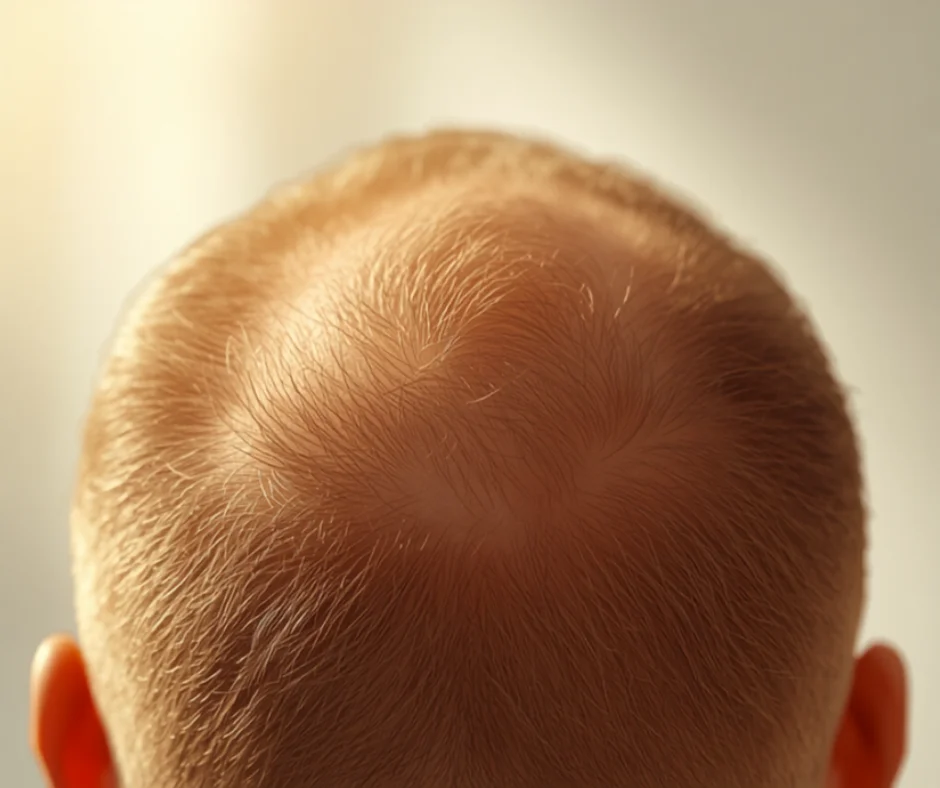
Can a Hair Transplant Be Done in Summer? The Sun, Sea and Sweat Factor
Hair transplant in summer is one of the most frequently asked about subjects because of the heat, the sun’s rays, the use of the sea and swimming pools and increased sweating, and many people consider postponing the procedure until autumn. Yet a hair transplant is not a season dependent procedure; what is decisive is not the calendar but how well the graft area can be protected during the first two weeks. The risk of sunburn, contact with chlorinated or salt water, itching caused by sweating and damage to the crusted area are the headings that genuinely require attention in summer. So is a hair transplant in summer safe, how long must one be protected from the sun, when can one enter the sea and the pool, does sweating affect the grafts and is summer really a disadvantage? In this comprehensive guide, we address all these questions in detail.
Can a Hair Transplant Be Done in Summer?
Yes, it can. A hair transplant in summer is medically safe and is performed throughout the year all over the world. The factors determining the success of the procedure are not the season but correct patient selection, sufficient donor capacity, placing the grafts at the correct angle and density, and following the aftercare instructions during the first two weeks. The only difference in summer is that the protection instructions require slightly more discipline, because the sun, the sea and sweat are all in play in the same period. At Zen Polyclinic, in procedures performed during the summer the care plan is adapted to the individual with these three factors in mind. When planned correctly, summer can even be an advantageous period.
Is a Hair Transplant Season Dependent?
A hair transplant is a microsurgical procedure in which the hair follicle is transferred from one area to another, and the survival of the follicle depends not on the outside air temperature but on the blood circulation reaching the area. After the grafts are placed they begin to be nourished by the surrounding tissue within the first twenty four to seventy two hours; this process progresses independently of the season. Winter has similar risks: the use of thick beanies and hats causes friction, dry air in closed environments causes itching, and flu and upper respiratory tract infections can disrupt the healing process. Every season therefore has its own points requiring attention, and none of them prevents the procedure from being performed.
The Three Main Factors in Summer: Sun, Sea and Sweat
The factors affecting healing in the summer period fall under three headings. The first is ultraviolet rays; the skin of a newly transplanted area is very thin and pigment protection is weak, so it is open to sunburn. The second is water; the salt in sea water and the chlorine in pools create a risk of irritation and infection in the healing micro channels. The third is sweating; sweat softens the crusted area, creates itching and can lead to graft loss through scratching. None of these three factors makes the procedure impossible; all of them can be managed with planned protection for a defined period. The critical period is only the first two weeks.
How Does the Sun Affect the Transplanted Area?
Newly transplanted skin is far more sensitive than normal skin. There are micro channels in the area, the blood circulation is being reorganised and skin thickness is temporarily reduced. Under these conditions direct sun exposure creates three problems: burning and oedema, persistent redness or colour change in the healing tissue, and follicle stress due to high heat. In addition, sunburn delays healing and causes the crusts to fall off later than they should. The donor area is equally sensitive; the nape is often neglected yet the risk of burning is high there too. Protection must therefore be planned not only for the transplanted area but for the whole head.
How Long Must One Be Protected From the Sun After the Transplant?
The general approach is to avoid direct sun exposure completely during the first two weeks. In this period the time spent outside is kept short and shade is preferred. After the third week short and shaded exposure becomes possible; however, intense midday sun should be avoided for at least a month. After the first month normal life resumes, but wearing a hat is recommended during long sun exposure for the first three months, because the new follicles are still sensitive in this period. The hours between ten and four in the afternoon are the riskiest interval. This timeline may vary according to the individual instructions given by the physician after the procedure.
When Can a Hat Be Worn?
The question of hats is one of the most critical details in summer, because a hat provides protection but leads to graft loss when used incorrectly. Nothing is worn for the first three days. After the third day, with the physician’s approval, a wide hat that is very loose and soft and is lowered from above rather than pulled from the front can be used. Tight beanies, caps, helmets and narrow straw hats are forbidden for the first two weeks, because contact with the brim mechanically scrapes the grafts. A hat should not be worn for long periods; breaks must be taken so that the area can be aired, because the accumulation of sweat inside the hat increases the risk of itching and folliculitis. An umbrella is the safest form of protection in summer.
Can Sunscreen Be Applied to the Transplanted Area?
During the first two weeks no sunscreen, lotion or any cosmetic product is applied to the transplanted area. These products can block the micro channels, create irritation and, by softening the crusted area, cause the grafts to be dislodged. In this period protection is provided only physically, that is, with shade, an umbrella and a suitable hat. After the third week, with the physician’s approval, a mineral based and fragrance free sunscreen can be applied gently. Product can be applied carefully to the forehead and face area from the first day; however, it must not be spread onto the hairline. The nape area should also be included in the protection plan.
Does Sweating Affect the Grafts?
Mild sweating does not damage the grafts directly; the real risk arises from the indirect effects of sweating. Sweat softens the crusts and may cause them to fall off early; its salt content irritates the skin and creates itching; and a humid environment provides suitable conditions for bacterial growth, increasing the risk of folliculitis. The greatest danger is unconsciously scratching as a result of the itching; this behaviour is the most frequent cause of graft loss within the first ten days. For this reason it is important during the summer to stay in a cool environment, to prefer air conditioned spaces, to postpone heavy physical activity and, where necessary, to use the soothing sprays recommended by the physician.
How Are Itching and Crusting Managed in Summer?
Itching is a normal part of the healing process and usually becomes most intense between the fifth and tenth day; in summer this sensation may increase because of sweating. Picking the crusts or scratching is strictly forbidden. In managing itching, applying the moisturising spray or saline recommended by the physician, staying in a cool environment and avoiding hot showers that dry the scalp are effective. During washing a gentle pressing movement is made with the palm rather than the fingertips. The crusts usually fall off on their own by the tenth day. If there is severe itching, increasing redness, yellow discharge or pain, these findings should be reported to the physician as possible signs of infection.
When Can One Enter the Sea?
Sea water is risky for a healing area in several respects: its salt content irritates the skin, contact with sand causes mechanical injury, microorganisms in natural water sources carry a risk of infection, and the movement of swimming creates friction on the graft area. The general recommendation is not to enter the sea for at least a month. Some physicians may allow brief and careful contact after three weeks depending on the speed of healing; however, waiting two months is appropriate for diving, surfing and activities in which the head is submerged. After leaving the sea the area must always be rinsed with fresh water. At Zen Polyclinic this timeline is clarified on an individual basis.
When Can One Enter a Swimming Pool?
A pool is as risky as the sea and in some cases even more so, because chlorine is a strong chemical irritant and causes redness and delayed healing in healing micro channels. In addition, the microbiological load is high in crowded pools. The general recommendation is not to enter a pool for at least a month. After one month short periods are possible without wearing a swimming cap; a cap is not preferred in the early period because it creates friction. After leaving the pool the scalp must be washed immediately with lukewarm fresh water. Jacuzzis and hot pools should be postponed for at least six weeks because of both their heat and their chemical load. Activities carrying a risk of impact, such as slides and diving, are included in this period.
When Are Saunas, Turkish Baths and Steam Rooms Allowed?
High heat environments are inadvisable in the period after the procedure for two reasons. First, heat dilates the blood vessels in the scalp, increasing oedema and redness and creating stress for newly settled grafts. Second, intense sweating and a humid environment prepare the ground for softening of the crusted area and bacterial growth. Saunas, Turkish baths, steam rooms and hot jacuzzis should therefore be postponed for at least six weeks and preferably two months. By the same logic very hot showers are not recommended in the first two weeks; lukewarm water is preferred. This rule is especially important in summer, because these facilities are easily accessible in holiday environments.
When Do Sport and Heavy Exercise Start?
Light walking is permitted from the first days and supports circulation. However, exercise that causes sweating and raises blood pressure must be postponed. The general timeline is as follows: no heavy exercise, running or weight training in the first two weeks; light cardio can be started after the third week; and a gradual return to the normal programme after the fourth week. At least two months should be waited for sports carrying a risk of contact with the head, such as football, basketball, wrestling and boxing. Sport done outdoors in summer carries a double risk because of both sweating and sun exposure; indoor, air conditioned environments should therefore be preferred in this period.
Is Oedema and Swelling Greater in Summer?
Because hot weather causes vasodilation, post procedure oedema may be felt somewhat more markedly in summer. Oedema is typically at its highest on the second and third day, moves from the forehead towards the eye area and decreases markedly by the fifth day. Several simple measures are effective in reducing oedema in summer: sleeping with the head slightly elevated, reducing salt intake, drinking plenty of water, staying in a cool environment and regularly using the anti oedema treatment recommended by the physician. Ice is not applied directly to the transplanted area; it may be applied only to the forehead region, with the physician’s approval and indirectly.
Is a Summer Holiday Actually an Advantage?
The greatest advantage of the summer period is that it is easy to find the leave needed for healing. After a hair transplant the first week requires reduced social visibility, rest and the comfortable application of aftercare instructions; the annual leave period naturally provides these conditions. In addition, because there is no obligation to wear thick beanies and hats in summer, the risk of graft loss due to friction decreases; this risk is higher in winter. Another advantage is that the crusting period coincides with the holiday and the area is largely clear by the time one returns to the work environment. Provided the holiday is spent in the shade and the cool rather than at the seaside, summer is a highly suitable period.
Summer Planning for Patients Coming From Abroad
For patients coming from abroad, summer is a preferred period because of the ease of travel and the frequency of flights. The ideal approach in planning is to stay in Istanbul for at least three days after the procedure and to ensure that the first wash is performed at the clinic under the physician’s supervision. Because cabin air is dry during the flight, moisturising the area is recommended and the products given by the physician should be carried in hand luggage. If a hat needs to be worn at the airport and during transfers, a loose and soft model is preferred. Follow up after the return can be continued remotely by sharing photographs.
What Are the Flight and Travel Rules in Summer?
Flying is not medically inadvisable after a hair transplant; however, a few details require attention. The head should be rested tilted forward or to the side so that the transplanted area does not touch the aircraft headrest. Because cabin air is very dry, using the moisturising spray recommended by the physician at reasonable intervals reduces itching. Drinking plenty of water on long flights is helpful for managing oedema. The most important additional rule in summer is not to remain in direct sunlight during transfers and waiting times; airport car parks and waiting in open areas are risky in this respect. It is also advised not to carry heavy luggage during the first week.
Does the Risk of Infection Increase in Summer?
The rate of infection after a hair transplant is very low in procedures performed under sterile conditions. However, risk factors increase somewhat in the summer period: sweating creates a humid environment, sea and pool water carry microorganisms, dust and sand can settle in the area, and scratching behaviour is seen more often. Hygiene discipline is therefore more important in summer. Keeping the hands clean, changing pillowcases frequently, following the washing instructions to the letter and regularly using any antibiotic given by the physician are the basis of protection. If there is increasing redness, a rise in temperature, pain, yellow discharge or fever, a physician should be consulted without delay.
Does the DHI Method Provide an Advantage in Summer?
In the DHI method grafts are transplanted so that opening the channel and placing the graft are performed in a single step with the help of an implanter pen. This has two practical advantages with respect to summer: because the opened area is smaller, crusting is usually more limited and the healing process progresses somewhat faster. In addition, because the time the graft spends outside the body is shortened, the survival rate is high. DHI hair transplant is preferred especially in limited regional transplants and unshaven applications. However, the choice of method is made according to need rather than season; other techniques may be more efficient in transplants covering large areas.
Why Is FUE Preferred in Summer?
In Diamond-Tip FUE the channels are opened with diamond-tip pens instead of steel. Because the diamond tip is sharper and smoother, the micro channels opened are more regular and narrower; this means less tissue trauma, more limited crusting and faster healing. These features provide practical benefit in the summer period, because when the crusting period is shortened the period of sensitivity to sun and sweating is also shortened. Diamond-Tip FUE is also advantageous in large areas where high density is targeted. Even so, the choice of technique is determined by the patient’s hair structure, donor capacity and the size of the recipient area; you can review the options on our hair transplantation pages.
Is Unshaven (Soft FUE) Transplantation Suitable for Summer?
In the unshaven method transplantation is performed between the existing hairs without shortening them. The social advantage of this method is clear in the summer period: appearance is preserved in holiday and work environments, the crusts are partly hidden by the existing hair, and the area is naturally protected from the sun to some extent. On the other hand, monitoring healing is somewhat more difficult, washing must be done more carefully, and airing of the area may become harder when the existing hair combines with sweat. In addition, the number of grafts is limited; it is not preferred for large areas. The Soft FUE method is a good option in summer for limited regional needs and for patients wanting social discretion.
How Does the First Week After a Summer Hair Transplant Pass?
For the first three days the area is not wetted and rest is the priority; one sleeps with the head slightly elevated and without lying face down. From the third day gentle washing begins according to the physician’s protocol; foam is left on, pressed with the palm and lukewarm water is poured at low pressure. Oedema decreases from the fourth day. Throughout this week the sun, the sea, pools, saunas, sport and alcohol are left out entirely. In summer one should additionally stay in a cool environment and avoid activities that cause sweating. You can find the details of the first days in our guide on the hair transplant process.
The First Month and the Shock Loss Process
By the end of the second week the crusts have fallen off and the redness has largely decreased. Between the third week and the second month most of the transplanted hairs are shed; this is the completely expected and physiological stage known as shock loss. What is shed is only the visible shaft of the hair; the follicle remains alive beneath the skin. In summer this process progresses in exactly the same way regardless of season; heat does not increase shock loss. The most frequent mistake in this period is to assume that the result has failed and to abandon the instructions. New hairs start to emerge around the third month and density increases gradually from the fourth month.
Why Are Nutrition and Water Intake Important?
For the follicle to begin being nourished in its new area the circulation must work well, and this is directly related to fluid balance. Because fluid loss increases through sweating in the summer months, water intake must be consciously increased; this both facilitates the management of oedema and supports healing. Adequate protein intake is fundamental for keratin production; iron, zinc, vitamin D and B group vitamins support the follicle cycle. Excessive salt intake increases oedema. Alcohol is not recommended during the first week because it affects blood circulation and drug interactions. Smoking, meanwhile, should be stopped for at least a month because it directly reduces the graft survival rate.
Summer or Winter: A Comparison
Both seasons have their own advantages and difficulties. The advantages of summer are that leave is easy to find, there is no obligation to wear beanies and hats, and healing usually passes in a comfortable environment; its difficulties are the sun, the sea, pools and sweating. The advantages of winter are low sun exposure and little sweating; its difficulties are that the use of thick headwear creates friction, dry air in closed environments increases itching, upper respiratory tract infections are frequent, and dryness of the scalp increases. In other words, no season is definitively superior to the other; what is decisive is the patient’s lifestyle and capacity to follow instructions.
Misconceptions About Hair Transplants in Summer
There are several widespread pieces of incorrect information on this subject. The most frequently heard is the claim that hot weather will “burn” or kill the grafts; the grafts are settled beneath the skin and the ambient temperature does not affect the follicle directly. Another is the idea that hair will not grow if the transplant is done in summer; the growth timeline does not change with the season. The belief that sweating “washes the grafts out” is also untrue; the risk is not the sweat itself but the itching and scratching behaviour it creates. The claim that sea water improves a hair transplant is entirely unfounded; salt water creates irritation in a healing area. Correct information removes unnecessary postponement and anxiety.
Who Should Consider Postponing the Procedure Outside Summer?
For some patient groups a period outside summer may be more practical. Those who work outdoors and in the sun all day because of their profession, those who are unable to take leave during the first two weeks, those with an intense water sports programme and those who have built their holiday plan around the sea and do not wish to give it up are in this group. In addition, in patients with an excessive sweating problem, with a history of folliculitis and who believe they will struggle to comply with instructions, choosing a cooler period may be reasonable. The decision is made together with the physician after assessing the patient’s lifestyle. Postponing is not a necessity but a matter of comfort.
Realistic Expectations and the Timeline
The season does not change the quality of the result; what determines the result is correct planning and compliance with the instructions. The timeline progresses similarly in every patient: the first week is healing and crusting, the second week is the shedding of crusts, shock loss occurs between the third week and the second month, new hairs emerge in the third month, obvious density appears in the sixth month, and the final result comes between the twelfth and eighteenth month. The only difference in summer is that additional discipline against sun and water is required in the first two weeks. When this timeline and these limits are clarified from the start, patient satisfaction rises markedly. Knowing the process is the strongest guarantee of a comfortable recovery.
Hair Transplants in Summer at Zen Polyclinic
At Zen Polyclinic, when a hair transplant in summer is planned, the patient’s lifestyle, holiday programme, professional conditions and tendency to sweat are assessed. After the donor capacity and recipient area have been analysed the appropriate technique is determined; the choice between Diamond-Tip FUE, DHI and unshaven methods is made according to need. The aftercare plan is adapted to summer conditions; a clear timeline for sun, sea, pool, sauna and sport is given in writing. The first wash is performed at the clinic under the physician’s supervision and follow up is maintained regularly. You can arrange an appointment for an assessment at our clinic in Ataşehir, Istanbul.
Conclusion
A hair transplant in summer can be performed, and when planned correctly the result is no different from other seasons. What is decisive is not the calendar but protecting the transplanted area from the sun, from salt and chlorinated water, from excessive sweating and from scratching during the first two weeks. Complete protection from the sun for two weeks, a break of at least a month from the sea and the pool, and a pause of up to six weeks from saunas and heavy sport are the basic rules of this period. The ease of finding leave in summer and not having to wear thick headwear, meanwhile, are genuine advantages. When an experienced team, the appropriate technique and compliance with instructions come together, summer is not a period to be postponed for a hair transplant but one that can be planned.
Frequently Asked Questions (FAQ)
Can a hair transplant be done in summer?
Yes, it can. A hair transplant is not a season dependent procedure and is performed safely throughout the year. The only difference in summer is that the instructions for protection against sun, sea, pools and sweating require more discipline during the first two weeks.
How long must one avoid the sun after a hair transplant?
Direct sun exposure must be avoided completely for the first two weeks. Short, shaded exposure becomes possible after the third week, and intense midday sun should be avoided for at least a month. Wearing a hat during long sun exposure is recommended for the first three months.
When can one enter the sea after a hair transplant?
The general recommendation is to wait at least a month. The salt in sea water irritates the healing area, sand causes mechanical injury and microorganisms in natural water carry a risk of infection. Waiting two months is appropriate for activities such as diving and surfing.
When can one enter a swimming pool?
At least a month should also be waited for a pool, because chlorine is a strong irritant and delays healing. After a month short periods are possible, and the scalp must be washed immediately with lukewarm fresh water afterwards. Jacuzzis and hot pools should be postponed for at least six weeks.
Does sweating damage the transplanted grafts?
Mild sweating does no direct damage. The real risk is that sweat softens the crusts, creates itching and leads to scratching behaviour; scratching is the most frequent cause of graft loss in the first ten days. Staying in a cool environment and postponing heavy activity are therefore important.
When can a hat be worn after a hair transplant?
No headwear is worn for the first three days. After the third day, with the physician’s approval, a very loose and soft wide hat lowered from above can be used. Tight beanies, caps and helmets are forbidden for the first two weeks; contact with the brim mechanically scrapes the grafts.
When can one use a sauna or Turkish bath?
Saunas, Turkish baths, steam rooms and hot jacuzzis should be postponed for at least six weeks and preferably two months. High heat dilates the vessels and increases oedema, while intense sweating softens the crusted area and raises the risk of infection. Very hot showers are also not recommended in the first two weeks.
Is the result worse with a hair transplant done in summer?
No. The growth timeline does not change with the season: shock loss occurs in the first two months, new hairs emerge in the third month, obvious density forms in the sixth month and the final result is obtained between twelve and eighteen months. What determines the result is compliance with the instructions.