Eyebrow Loss and Thinning Eyebrows: Causes, Eyebrow Transplant and Supportive Treatments
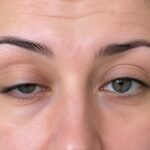
Eyebrow loss is a problem with both a medical and an aesthetic dimension, appearing as faster than normal thinning, sparseness or complete disappearance of hair in certain areas of the eyebrow. Erasure of the eyebrow tails, gaps forming in the middle of the brow, hairs becoming thinner and lighter in colour, and asymmetries that become increasingly difficult to cover with make-up are the most typical findings of this picture. Because the eyebrows frame the face, even a small amount of thinning can make the expression look tired and dull. So why exactly does eyebrow loss occur, in which cases is it temporary and in which cases permanent, who is a suitable candidate for an eyebrow transplant, how much do supportive treatments such as mesotherapy and growth factor really help, and what should a realistic expectation look like? In this comprehensive guide, we address all these questions in detail.
What Is Eyebrow Loss?
Eyebrow loss, called madarosis in the medical literature, is the partial or complete loss of eyebrow hairs. Every person has roughly two hundred and fifty to five hundred hairs in each eyebrow, and losing a few of these hairs every day is entirely normal. The problem begins when the lost hairs are not replaced by new ones, or when the hairs that do grow become progressively thinner. Sometimes the loss is one sided and limited to a small area, and sometimes it progresses symmetrically in both eyebrows. At Zen Polyclinic the first step is to distinguish which of these two patterns is present, because the pattern points directly to the underlying cause.
How Does the Growth Cycle of Eyebrow Hairs Work?
Like scalp hair, eyebrow hairs pass through growth (anagen), transition (catagen) and resting (telogen) phases; however, the anagen phase of the eyebrows is much shorter. While this phase lasts years on the scalp, in the eyebrow it varies between only four and seven months. For this reason eyebrow hairs stop after reaching a certain length and are shed; in other words, the eyebrows naturally limit themselves. This same feature also determines the recovery time of eyebrow loss: once the trigger has been removed, refilling of the eyebrows usually takes three to six months. When this biological rhythm is not known, patients expect results within a few weeks and experience unnecessary anxiety.
What Are the Symptoms of Eyebrow Loss?
Eyebrow loss usually begins insidiously and the person generally notices it while applying make-up. The most frequently seen symptoms are as follows:
- Erasure of the eyebrow tails, that is, the outer third close to the temple
- Gaps forming individually or in clusters within the body of the brow
- Hairs becoming thinner, lighter in colour and staying short
- Redness, flaking, itching or tenderness of the eyebrow skin
- Asymmetry between the two eyebrows becoming obvious
- A steadily increasing need for brow pencil and powder
Which of these findings occur together gives the physician important clues on the path to diagnosis.
How Do Over Plucking and Shaping Affect the Eyebrows?
The most common and most preventable cause of sparse eyebrows is the habit of excessive plucking maintained over years. Tweezers, threading and hot wax repeatedly strain the hair root mechanically; over time this recurring trauma leads to permanent damage of the hair follicle and its replacement by connective tissue. This picture is called traumatic or traction related eyebrow loss. The eyebrow tails in particular are highly sensitive to this damage. The critical point is this: if the follicle has been lost completely, no serum, vitamin or mesotherapy will bring new hair to that area. In this situation the only realistic solution is permanent follicle transfer, that is, an eyebrow transplantation procedure.
Do Thyroid Disorders Cause Eyebrow Loss?
Underactivity of the thyroid gland (hypothyroidism) is the most classic medical cause of eyebrow loss and typically erases the outer third of the brow. This finding is so characteristic in medicine that on its own it is considered sufficient reason to request thyroid tests. Thyroid hormones directly regulate the growth phase of the hair follicle; when hormone levels fall, follicles enter the resting phase early and new hair production slows. In conditions where the thyroid is overactive, hairs also become thin and fragile. The good news is this: once hormonal balance is restored with treatment, the eyebrows usually recover on their own within three to six months. For this reason a hormonal assessment should be made before any permanent procedure.
Are Iron, Vitamin D and Nutritional Deficiencies Involved?
The hair follicle contains one of the most rapidly dividing cell groups in the body and is therefore highly sensitive to nutritional deficiencies. Iron deficiency and a low ferritin level are the most frequently encountered correctable causes of eyebrow and hair thinning in women. Vitamin D deficiency disrupts the follicle cycle; zinc deficiency weakens the hair structure; biotin deficiency, although rare, leads to fragility. Heavy and rapid weight loss, very restrictive diets and insufficient protein intake also cause a similar picture. At Zen Polyclinic, evaluating these parameters with blood tests before planning a permanent procedure is a step that directly affects the quality of the outcome.
How Does Age Related Eyebrow Thinning Progress?
Eyebrows also change with age. After the forties the number of follicles decreases, the hair produced becomes thinner and less pigmented, and the growth phase shortens. In men, the fact that some eyebrow hairs conversely become long and unruly with advancing age creates an irregular appearance together with the reduced overall density of the brow. In women, the eyebrows thin noticeably during the menopause due to the fall in oestrogen. This process is entirely physiological; it is not a disease. However, because the frame of the face weakens, the expression of the gaze may look tired. In this group both supportive treatments and permanent solutions can be applied successfully.
Which Skin Diseases Affect the Eyebrows?
The eyebrow region is one of the favourite locations of seborrhoeic dermatitis; it creates yellowish flaking, redness and itching on the eyebrow skin and, combined with scratching, leads to mechanical shedding of the hairs. Atopic eczema, psoriasis and contact dermatitis similarly cause inflammation around the follicle. In these diseases the loss is usually reversible; however, chronic inflammation left untreated for years can turn into permanent damage. In addition, a high density of demodex may be a factor that sustains inflammation at the base of the eyebrow hairs. No permanent procedure performed before the skin disease is brought under control will give the expected result, which is why the sequence matters.
What Are Alopecia Areata and Frontal Fibrosing Alopecia?
Alopecia areata is a condition in which the immune system targets the hair follicle and creates sharply bordered, completely hairless areas; when it appears in the eyebrow its medical name is alopecia areata madarosis. The skin usually looks smooth and healthy, with no sign of inflammation. Frontal fibrosing alopecia, on the other hand, is a scarring picture in which the hairline recedes and the eyebrows are also lost early and markedly as follicles turn into connective tissue, seen especially in postmenopausal women. The distinction between these two conditions is critical: in the first the follicle is alive and returns with treatment, in the second the follicle is permanently lost. A dermatological assessment is therefore essential.
Do Medications and Medical Treatments Cause Eyebrow Loss?
Some medicines affect the hair cycle directly. Chemotherapy drugs suppress rapidly dividing follicle cells and can therefore also shed the eyebrows; this loss usually returns after treatment ends. High dose vitamin A derivatives, certain thyroid medicines, anticoagulants, cholesterol lowering agents, epilepsy drugs and some antidepressants may also cause thinning. Radiotherapy can produce permanent follicle loss in the area entering the radiation field. For this reason the physician always asks about medication history. In medication related loss the first approach is not to plan a permanent procedure but to review the necessity of the drug and wait to see whether the loss reverses.
How Do Stress and Trichotillomania Affect the Eyebrows?
Intense physical or emotional stress pushes a large proportion of follicles into the resting phase at the same time, leading to a picture of telogen effluvium; as on the scalp, this also creates thinning in the eyebrows. The loss usually becomes visible two to three months after the stressful period and recovers on its own once the cause is removed. Trichotillomania is a behavioural disorder based on the urge to pull out eyebrow hairs, either consciously or unconsciously, and leaves irregularly bordered areas containing hairs of different lengths. In this situation the priority is bringing the behaviour under control; otherwise transplanted hairs will be lost to the same behaviour.
Do Permanent Dye, Microblading and Make-up Damage the Eyebrows?
Permanent dye and micropigmentation procedures applied in the eyebrow region can create chronic inflammation and scar tissue around the follicle, depending on the technique and the experience of the practitioner. Microblading incisions made too deep in particular may injure the layer in which the hair roots sit. In addition, brow shaping products containing strong adhesives and harsh make-up removers mechanically tear out hairs when used daily. Some ingredients in eyebrow dyes can trigger contact dermatitis, starting itching and shedding. For this reason every cosmetic application in the eyebrow area should respect the principles of reasonable frequency, correct depth and gentle cleansing.
When Should a Physician Be Consulted for Eyebrow Loss?
Losing a few hairs from the eyebrows requires no concern; however, some findings call for assessment without delay. Rapid erasure of the eyebrow tails, loss that lasts longer than six weeks and keeps progressing, sharply bordered completely hairless areas, redness, flaking or hardness of the eyebrow skin that does not heal, simultaneous loss in the scalp and eyelashes, and the accompaniment of systemic symptoms such as fatigue, weight change and cold sensitivity are among these findings. At Zen Polyclinic all of these pictures are first assessed with respect to the cause; a permanent procedure is always the second step. Early consultation can prevent a reversible loss from becoming permanent.
How Is Eyebrow Loss Evaluated?
Evaluation begins with a detailed history: when the loss started, its speed, plucking habits, previous illnesses, medications used, dietary pattern and whether a similar picture exists in the family are all questioned. The eyebrow region is then examined with a dermatoscope; this examination shows whether the follicular openings are preserved and whether there are signs of inflammation or scarring. Where necessary, thyroid function tests, a full blood count, ferritin, vitamin D, zinc and autoimmune markers are requested. Rarely, a small skin biopsy is needed for diagnosis. This stepwise approach prevents unnecessary procedures being performed on reversible loss and clarifies the treatment plan.
What Is an Eyebrow Transplant?
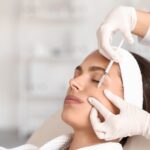
An eyebrow transplant is a microsurgical procedure in which the person’s own permanent hair roots from the nape area are removed one by one and placed into the eyebrow region in a way that imitates the natural exit angle and direction. The procedure is performed under local anaesthesia, typically takes two to four hours and is carried out on an outpatient basis. The aim is not only to increase the number of hairs but to rebuild the natural frame of the eyebrow. The most decisive stage of the procedure is therefore the design made before any incision. We also discuss the details of technique choice in our separate guide on eyebrow transplantation.
Where Are the Grafts Taken From in an Eyebrow Transplant?
Grafts are mostly taken from the lower part of the nape, that is, the permanent donor area. Hairs in this region are resistant to hormonal loss, which is why they become permanent once transplanted. The diameter and structure of the hairs are decisive in the selection: the thinnest, straightest single hair grafts possible are chosen for the eyebrow. In some patients hairs from behind the ear or from the legs may be preferred because they are finer; however, the graft yield of these areas is lower. Nape hairs have one important characteristic: after transplantation they continue their own genetic programme and keep growing like scalp hair. This directly determines the maintenance requirement.
How Is an Eyebrow Transplant Performed?
The procedure has three stages. In the first stage the eyebrow design is drawn together with the patient, in a seated position and with natural facial expressions taken into account. In the second stage grafts are extracted one by one from the donor area with a micromotor or diamond tips and separated under a microscope. In the third stage very small channels are opened in the eyebrow region and the grafts are placed. This is where eyebrow transplantation differs from hair transplantation: the channels must be opened almost parallel to the skin, at an angle between ten and twenty degrees. Furthermore, hairs must point upward at the inner part of the brow, horizontally in the middle and slightly downward at the outer tail. If this directional discipline is not achieved, the result does not look natural.
How Many Grafts Are Needed?
The number of grafts needed varies according to existing hair density and the targeted thickness. For a single eyebrow a range between one hundred and fifty and three hundred and fifty grafts is usually sufficient; for both eyebrows together this number settles between three hundred and seven hundred. A completely hairless eyebrow is worked closer to the upper limit, while an eyebrow in which only the tail has been erased is worked closer to the lower limit. In eyebrow transplantation, increasing the number of grafts does not always give a better result; excessive density creates a thick, brush like and artificial appearance. An experienced practitioner works in one session with fewer grafts than the maximum and adds density in a second session if required.
How Is a Natural Appearance Achieved?
The secret of a natural result comes down to three principles: direction, angle and the use of single hair grafts. Multiple grafts are never placed in the eyebrow region; a single hair is placed in each channel, because in a natural eyebrow one hair emerges from one follicle. Because the lower border of the eyebrow is sharper than the upper border, work along the lower line is even more meticulous. The design takes into account facial proportions, eye spacing, forehead width and the person’s habitual expressions; fashionable brow templates are not applied. In addition, the direction of existing hairs is mapped and new grafts are placed in harmony with this map. You can find the details of botox applied for brow lifting in this guide.
How Does Recovery Progress After an Eyebrow Transplant?
Mild swelling and redness are seen in the first two days after the procedure; these findings are normal. Small crusts form in the transplanted area and usually fall off on their own between the fifth and tenth day; the crusts must never be picked. The area is not wetted for the first three days, after which gentle washing is started as recommended by the physician. During the first week sleeping face down, sport, saunas and swimming pools are avoided. Make-up can usually be applied after the tenth day with the physician’s approval. The punctate marks left in the donor area are covered by hair. Most patients return to daily life the day after the procedure; however, the area requires attention.
Is Shock Loss Normal?
Approximately two to four weeks after an eyebrow transplant, most of the transplanted hairs are shed. This is the stage at which patients panic most; yet it is a completely expected and physiological process. What is shed is only the visible shaft of the hair; the follicle remains alive beneath the skin and rests before entering a new growth phase. New hairs usually begin to emerge in the third month. The most common mistake in this period is to assume the result has failed and to turn to another application. At Zen Polyclinic patients are informed about this timeline before the procedure, because knowing the process removes unnecessary anxiety.
When Are Results Visible and Are They Permanent?
In eyebrow transplantation the first visible thickening begins in the third month, a clear result appears in the sixth month, and the final appearance becomes definite between the ninth and twelfth month. Because the transplanted follicles are taken from the permanent donor area, they are resistant to hormonal loss and are considered permanent. However, the graft survival rate is not one hundred per cent; on average a survival of between eighty and ninety per cent is expected. For this reason a second small session may be planned a year later in some patients to increase density. Smoking, uncontrolled systemic diseases and failure to follow aftercare instructions are the most important factors reducing survival.
Why Must Transplanted Eyebrows Be Trimmed?
Hairs taken from the nape region continue their old genetic programme in their new location; that is, they do not stop at a certain length like eyebrow hairs but keep growing like scalp hair. For this reason transplanted eyebrows need to be shortened with scissors on average every two to four weeks. Over time the follicles adapt somewhat to their new environment and the growth rate decreases; however, this adaptation is not complete. Some patients find this maintenance burdensome, while others make it a routine. Trimming is painless and must be done without disturbing the direction of the hair. Explaining this requirement clearly before the procedure is one of the elements that determines satisfaction.
What Do Eyebrow Mesotherapy and Growth Factor Support Provide?
Mesotherapy is the delivery of a mixture of vitamins, minerals, amino acids and hyaluronic acid that nourishes the hair follicle directly into the eyebrow skin with micro injections. The aim is to strengthen living but weakened follicles, increase micro circulation and prolong the growth phase. Mesotherapy is planned as four to eight sessions. In growth factor treatment, content rich in growth factors is used to support cell renewal around the follicle. The limit of these treatments is clear: they strengthen a living follicle, they do not bring new hair in place of a lost follicle. Expectations must therefore be set correctly.
Do Eyebrow Serums and Minoxidil Work?
Most eyebrow growth serums on the market contain peptides, biotin, panthenol and plant extracts; these products can somewhat increase the visibility and quality of existing hair but do not create new follicles. Prostaglandin analogues are the group used as eyelash lengtheners and also investigated for the eyebrow, and because they carry side effects such as pigmentation around the eye and changes in iris colour they require medical supervision. Low concentration minoxidil may be beneficial in sparse eyebrows where living follicles remain; however, in the eyebrow region this is off label use and must be applied carefully because of the risk of contact with the eye. None of these products is effective in a scarred area.
Eyebrow Transplant or Microblading?
These two approaches are not alternatives to each other but solutions to different needs. Micropigmentation applications such as microblading and powder brows imitate the appearance of hair by placing pigment into the skin; the result is seen immediately but requires a touch up and fades within twelve to twenty four months. It does not create a three dimensional texture, does not feel like hair to the touch and is noticeable at close range. An eyebrow transplant, on the other hand, brings real hair, creates natural three dimensional texture and is permanent; however, it requires waiting six to twelve months for the result and trimming regularly. For patients seeking a permanent solution, wanting natural texture and able to wait, transplantation is more suitable.
Who Is Not Suitable for an Eyebrow Transplant?
Not every sparse eyebrow is a suitable candidate for transplantation. Active alopecia areata, uncontrolled frontal fibrosing alopecia, active seborrhoeic dermatitis or eczema, untreated trichotillomania, uncontrolled diabetes, bleeding disorders, active infection and a tendency to keloid formation all fall into this group. The procedure is postponed during pregnancy and breastfeeding. In addition, if the cause of the loss is reversible, for example a thyroid disorder or iron deficiency, that cause is corrected first. A permanent procedure is not preferred in people under eighteen. At Zen Polyclinic this assessment is made in detail; a procedure is not recommended to an unsuitable candidate, and a plan targeting the cause is established first.
Which Factors Affect the Price of an Eyebrow Transplant?
The price of an eyebrow transplant is not a standard list item; it is determined by a combination of several variables. Foremost among these is the number of grafts required: a completely hairless eyebrow requires more grafts than one in which only the tail has thinned. The second factor is the technique used; the use of diamond tips or an implanter pen affects the cost. The third is the practitioner’s experience and the clinical infrastructure. In addition, whether one or two sessions are planned, whether supportive treatments such as mesotherapy are included in the package, and the scope of follow up sessions change the price. When deciding, the priority should be a natural result and a design requiring no correction, not the lowest price.
Common Misconceptions About Eyebrow Loss
Most of the information circulating on this subject is not correct. The claim that mixtures such as olive oil, coconut oil or onion juice applied to the eyebrow create new follicles is unfounded; these substances only moisturise the existing hair. The belief that plucking makes hairs “grow back thicker” is also wrong; on the contrary, repeated trauma damages the follicle. The idea that an eyebrow transplant is surgery and leaves scars does not reflect reality either; the procedure is performed with micro channels and requires no stitches. Another misconception is that the result will be seen immediately; in fact a natural result takes at least six months. Correct information prevents unnecessary loss of time and money.
What Should a Realistic Expectation Be?
The goal of an eyebrow transplant is to build a balanced and natural eyebrow frame belonging to the individual, not to imitate the thick, sharply bordered brow templates seen on social media. Density does not rise to the same level in every patient; the existing follicle situation, skin quality and hair structure determine the outcome. A second session is required in some patients. The need for regular trimming of transplanted hairs is permanent and must be accepted. Supportive treatments improve the quality of existing hairs but do not replace lost follicles. When this framework is clarified from the start, patient satisfaction rises markedly, because the strongest determinant of satisfaction is correct information.
Daily Care Recommendations for Eyebrow Loss
A few simple habits make a difference in the long term when it comes to protecting the eyebrows. Plucking less often, removing only the hairs that fall outside the border where possible, and avoiding hot wax are the first steps. Make-up should be removed without rubbing, with an oil based cleanser and in the direction of the hairs. Gentle brushing with a brow brush supports micro circulation; however, aggressive brushing tears hairs out. Sunscreen should also be applied to the eyebrow region. Balanced protein intake and adequate iron and vitamin D levels are fundamental for follicle health. If there is itching and flaking of the eyebrow skin, this finding should be treated not as a cosmetic problem but as a sign requiring treatment.
Eyebrow Loss and Eyebrow Transplantation at Zen Polyclinic
At Zen Polyclinic, eyebrow loss is addressed not through a single procedure but through a plan targeting the cause. In the first consultation a detailed history is taken, the eyebrow region is examined with a dermatoscope and the necessary laboratory tests are requested. If there is a reversible cause, that is corrected first; if there are living but weak follicles, supportive treatments such as mesotherapy and growth factor are planned; if the follicle loss is permanent, an eyebrow transplant with single hair grafts is performed. The design is determined together with the patient, with facial proportions and expressions taken into account. You can arrange an appointment for an assessment at our clinic in Ataşehir, Istanbul.
Conclusion
Eyebrow loss is not a simple cosmetic problem with a single cause; it is the result of a broad spectrum extending from excessive plucking to thyroid disorders and from nutritional deficiencies to autoimmune diseases. For this reason the correct order is always the same: the cause is identified first, reversible factors are corrected, living follicles are strengthened with supportive treatments, and if there is permanent follicle loss it is solved with an eyebrow transplant. When correct design, single hair grafts and appropriate angle discipline are achieved, the result looks extremely natural. Once a patient timeline and regular maintenance are accepted, the eyebrows regain the frame of the face and the expression of the gaze becomes markedly livelier.
Frequently Asked Questions (FAQ)
Why does eyebrow loss occur?
The most frequent causes are years of excessive plucking, thyroid disorders, iron and vitamin D deficiency, skin diseases such as seborrhoeic dermatitis, alopecia areata, certain medications, intense stress and age related thinning. Identifying the cause directly changes the treatment plan.
Is eyebrow loss permanent?
Not always. In loss caused by thyroid disorders, iron deficiency, stress and medication, the eyebrows usually recover within three to six months once the cause is corrected. However, if the follicle has turned into scar tissue, for example after years of over plucking or in frontal fibrosing alopecia, the loss is permanent.
What does erasure of the eyebrow tails indicate?
Loss of the outer third of the brow classically suggests an underactive thyroid. However, the same area is also highly sensitive to excessive waxing and tweezing. For this reason both thyroid function tests and a review of plucking habits are needed.
Is an eyebrow transplant a painful procedure?
Because the procedure is performed under local anaesthesia, no pain is felt; there is only a brief stinging during the anaesthetic injection. Mild tenderness and swelling may be seen for a few days afterwards, and this is easily controlled with simple painkillers.
How many grafts are needed in an eyebrow transplant?
For a single eyebrow one hundred and fifty to three hundred and fifty grafts are usually sufficient, and three hundred to seven hundred for both eyebrows together. Completely hairless eyebrows are worked closer to the upper limit. Placing excessive grafts is avoided because it creates an artificial, brush like appearance.
Why do transplanted eyebrows have to be trimmed?
Because the grafts are taken from the nape area, they continue their own genetic programme and keep growing like scalp hair. They therefore need shortening with scissors every two to four weeks. The growth rate decreases somewhat over time, but this maintenance need does not disappear completely.
Does eyebrow mesotherapy thicken sparse eyebrows?
Mesotherapy nourishes living but weakened follicles and improves hair quality and the duration of the growth phase. However, it does not bring new hair in place of a lost follicle. For this reason, in scarred and completely hairless areas the only realistic solution is an eyebrow transplant.
When are the results of an eyebrow transplant visible?
The transplanted hairs enter shock loss within two to four weeks, and new hairs begin to emerge in the third month. A clear result appears in the sixth month and the final appearance between the ninth and twelfth month. Knowing this timeline prevents unnecessary anxiety.