Types of Chemical Peels for Evening Out Skin Tone
Types of chemical peels cover all treatments in which acid-based solutions applied to the skin surface in a controlled way remove the dead cell layer and encourage the skin to renew itself. Uneven skin tone, sun spots, a dull appearance, prominent pores and dark marks after acne are the problems these methods most often target. However, not every peel is the same; the acid used, the concentration and the depth of application completely change the result. So what exactly is a chemical peel, how many types are there, is glycolic, salicylic or TCA suitable, which is safe on darker skin, how many sessions are needed and what should be watched out for afterwards? In this comprehensive guide, we address all these questions in detail.
What Is a Chemical Peel?
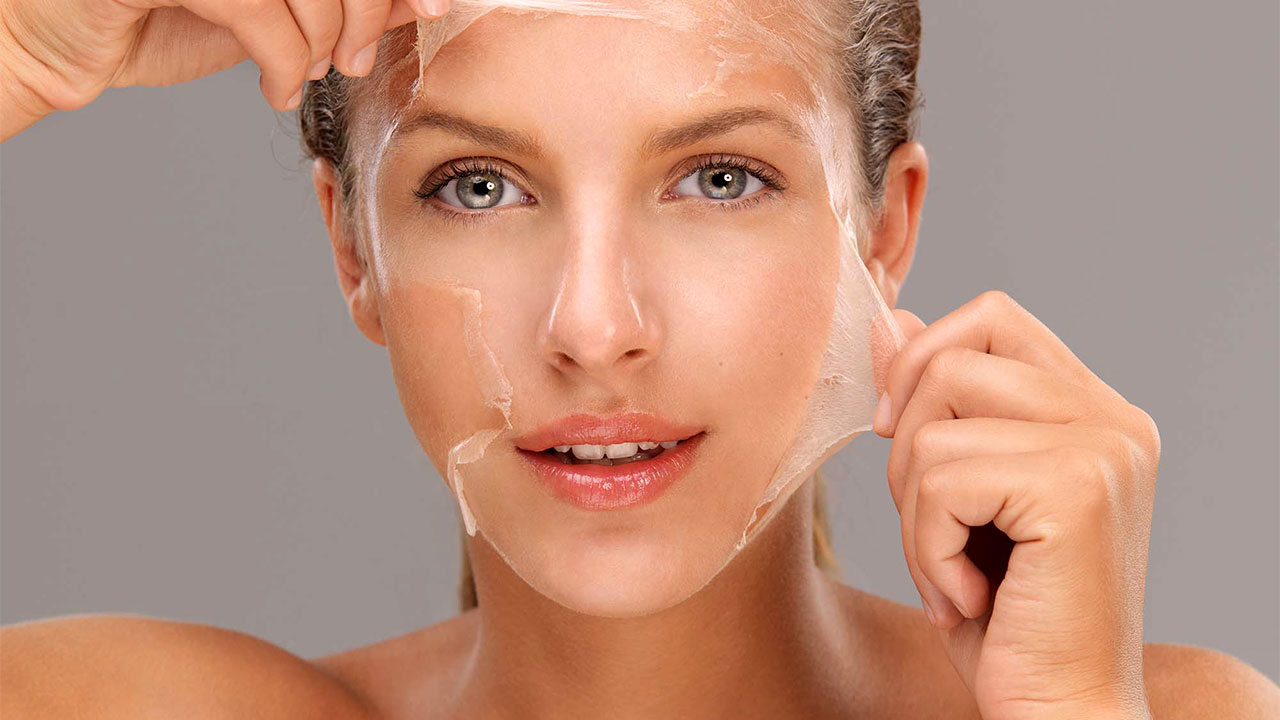
A chemical peel is the application to the skin of solutions containing acids at specific concentrations, starting a controlled process of exfoliation and renewal. The acid dissolves the bonds between cells, allowing the dead and damaged upper layer to be removed. This enables healthier and smoother cells beneath the skin to come to the surface. At the same time a repair response is triggered in the dermis and collagen production is stimulated. The treatment is far more controlled and effective than the mild acids in cosmetic products; therefore it should be performed in a medical setting. At Zen Polyclinic the choice of peel is determined individually according to skin type and the targeted problem.
Why Does Uneven Skin Tone Occur?
The basic mechanism behind uneven skin tone is that melanin production becomes irregular. Sun rays stimulate melanocyte cells and lead to excessive pigment production in some areas; this is the most common cause. Hormonal changes, pregnancy and birth control pills prepare the ground for melasma-type spots. Inflammation that appears after acne, eczema or trauma can leave a dark mark in the area where it heals. With age the slowing of the cell renewal rate causes dead cells to accumulate on the surface and make the skin look dull. Smoking and environmental pollution also accelerate this process through oxidative stress. Determining the source is the first condition of choosing the right peel.
How Does a Chemical Peel Even Out Skin Tone?
A chemical peel evens out skin tone through three different mechanisms. First, it directly reduces surface darkness by physically removing the dead cell layer containing pigment. Second, it enables melanin to be eliminated faster by accelerating the cell renewal cycle. Third, some acids directly suppress melanin production and limit the formation of new spots. This triple effect creates a result that cannot be achieved with a cream alone. In addition, the peel stimulates collagen production and helps the skin reflect light more homogeneously; this too contributes to a more even-looking tone. Results are gradual and become pronounced as the session series is completed.
How Is Peel Depth Classified?
Chemical peels are divided into three groups according to the depth at which they act on the skin: superficial, medium-depth and deep peels. The factors determining the depth are the type of acid used, its concentration, the waiting time on the skin and the number of layers applied. As depth increases the effect strengthens, but so do the recovery time and the risk. In evening out skin tone, superficial and medium-depth peels are most often sufficient; deep peels are rarely preferred and only in special situations. The right choice of depth determines the safety of the result as much as its effectiveness. Therefore the decision should be made with a medical assessment.
What Is a Superficial Peel?
A superficial peel is the mildest type of peel, showing its effect only in the upper layers of the epidermis. Glycolic, lactic, mandelic or salicylic acid is used at a low concentration. There is almost no recovery time; after the treatment mild redness and fine flaking lasting a few days may be seen, and the person returns to daily life immediately. This type of peel is ideal for a dull appearance, mild unevenness of tone, prominent pores and superficial spots. Its effect is cumulative; it is usually planned as a series. Superficial peels are also a frequently used component of medical skin care protocols and have a low risk profile.
What Is a Medium-Depth Peel?
A medium-depth peel is a treatment that passes through the whole epidermis and reaches the upper dermis. Medium-concentration TCA (trichloroacetic acid) or a Jessner solution is usually used. Its effect is markedly stronger than a superficial peel; it gives results in darker spots, fine wrinkles and acne scars. On the other hand the recovery time can extend to 5-7 days; marked redness, crusting and peeling are expected. Sun protection is mandatory during this period. A medium-depth peel requires experience; if applied incorrectly it carries a risk of permanent pigment change. Therefore it must be performed under medical supervision with the right candidate selection.
What Is a Deep Peel?
A deep peel is the most aggressive type, reaching the middle layers of the dermis and performed with high-concentration phenol or strong TCA formulas. It can give dramatic results in deep wrinkles and advanced sun damage. However, the recovery time lasts weeks, the procedure is painful and it usually requires sedation. The risk of permanent lightening, scarring and infection is markedly higher than with the other types. It is almost never preferred in darker skin types. A deep peel rarely comes onto the agenda for the purpose of evening out skin tone; today the greater part of this indication is met with safer laser and medium-depth peel options. The risk-benefit balance must be evaluated carefully.
What Is a Glycolic Acid Peel and Who Is It For?
Glycolic acid is an alpha hydroxy acid (AHA) obtained from sugar cane and is the acid with the smallest molecular structure; thanks to this it penetrates the skin easily. It effectively dissolves dead cells, accelerates cell renewal and stimulates collagen production. It is frequently preferred for dull skin, fine lines, superficial sun spots and general unevenness of tone. Depending on the concentration it can show a superficial or medium-depth effect. It is well tolerated in dry and normal skin; it can irritate very sensitive skin. A glycolic acid peel is usually applied as a series, 2-4 weeks apart, and provides a marked brightening of skin tone.
What Is a Salicylic Acid Peel and Who Is It For?
Salicylic acid is an oil-soluble beta hydroxy acid (BHA); thanks to this property it can enter the pores and mix with sebum. For this reason it is the first choice in oily, acne-prone skin with prominent pores. It dissolves comedones, reduces inflammation and helps lighten the dark marks left after acne. It also has an anti-inflammatory effect, which provides an advantage in sensitive acne-prone skin. A salicylic acid peel has a superficial effect and the recovery time is short. It is especially valuable in the presence of active acne because it targets both the lesions and the unevenness of tone together. It is not used in people with an aspirin allergy.
What Is a Lactic Acid Peel and Who Is It For?
Lactic acid is an AHA obtained from milk and, because it has a larger molecule than glycolic acid, it penetrates the skin more slowly. This makes it a gentler and better tolerated option. Its greatest advantage is that it also has a moisturising property; it supports the skin’s natural moisturising factor. Therefore it is an ideal start for dry, sensitive people and those having a peel for the first time. It is effective on unevenness of tone and dullness, and the risk of irritation is low. A lactic acid peel is preferred especially in winter or in periods when the skin’s barrier is weak. Its effect is gentler than glycolic but safer.
What Is a Mandelic Acid Peel and Who Is It For?
Mandelic acid is an acid obtained from bitter almonds and the member of the AHA family with the largest molecule. Thanks to its large molecular structure it penetrates the skin very slowly and evenly; this markedly lowers the risk of irritation and pigment reaction. This property makes mandelic acid one of the safest peel options in darker skin types. In addition, because it has an antibacterial effect, it is also used in acne-prone skin. It is valuable for melasma, post-acne hyperpigmentation and for evening out tone in sensitive skin. Its effect appears more slowly, but its side effect profile is low; this makes it preferred in long-term protocols.
What Is a TCA Peel and Who Is It For?
TCA (trichloroacetic acid) is a powerful peeling agent that can act at different levels, from superficial to deep, according to its concentration. At low concentrations it provides a superficial effect and in the 20-35% range a medium-depth effect. It gives a marked result in dark sun spots, age spots, fine wrinkles and acne scars. However, because its effect is strong it requires experience; control of the application depth is critical. It must be used carefully in darker skin types, because it carries a risk of post-inflammatory hyperpigmentation. After a TCA peel, crusting and peeling for a few days are expected; strict sun protection is mandatory during this period. In the right candidate it is extremely effective.
What Is a Jessner Peel and Who Is It For?
The Jessner solution is a classic combination peel in which salicylic acid, lactic acid and resorcinol are combined in specific proportions. Thanks to this composition the advantages of both oil-soluble and water-soluble acids are united: pore cleansing, dissolution of dead cells and a pigment-lightening effect are obtained together. It usually shows a superficial to medium-depth effect and the depth can be adjusted by increasing the number of layers. It is frequently preferred in acne-prone combination skin with unevenness of tone and spots. It is sometimes used sequentially with TCA to strengthen the effect. After a Jessner peel, a marked peeling period lasting a few days is typically experienced.
What Do Peels With Lightening Ingredients Do?
Some peel formulas contain, in addition to classic acids, agents that directly target melanin production. Kojic acid, arbutin, azelaic acid and vitamin C are frequently used components of this group. These substances suppress the tyrosinase enzyme and limit the formation of new pigment; that is, they do not only exfoliate the existing spot but also reduce its recurrence. This dual mechanism is important especially in pictures prone to recurrence such as melasma. Because they are usually combined with mild acids, the risk of irritation is low. In long-term tone-evening protocols such formulas offer a more sustainable path than aggressive peels and are valuable in the maintenance phase.
What Is a Pumpkin Peel?
The pumpkin peel is a gentle, enzyme-based peel treatment combining pumpkin extract, enzymes, AHAs and vitamins. While the natural enzymes in pumpkin dissolve dead cells, the vitamins A and C it contains nourish and brighten the skin. It shows a much gentler effect than classic acid peels; therefore it is preferred in sensitive skin and in a regular care routine. After the pumpkin peel treatment almost no recovery time is needed; the skin looks livelier and brighter straight away. It is not sufficient on its own for intense spots, but it is an effective option in the maintenance leg of tone-evening protocols and for seasonal renewal.
Is Carbon Peeling a Chemical Peel?
No; although the similarity of names is confusing, carbon peeling is a laser treatment, not a chemical peel. In this method a carbon solution is applied to the skin and then carbon particles are broken up with a Q-switched laser; the energy both removes surface dirt and dead cells and stimulates collagen production. Its mechanism of action is based not on acid but on light. You can review the technical details of the device on our Q-switched laser technology page. The two methods are not alternatives to each other but complementary options addressing different indications, and they can be planned in combination.
Which Peel Suits Which Skin Problem?
The right choice of acid is made according to the targeted problem:
- Oily, acne-prone, porous skin: salicylic acid or Jessner.
- Dull skin, fine lines, superficial spots: glycolic acid.
- Dry, sensitive skin, first peel: lactic acid.
- Darker skin type, melasma: mandelic acid or lightening formulas.
- Dark and stubborn spots, acne scars: TCA (medium-depth).
- Maintenance and seasonal renewal: pumpkin or enzyme peel.
This table is a general road map; the final decision is made after the skin type and the type of spot are assessed at the examination.
Which Peel Is Safe on Darker Skin?
In darker skin types (Fitzpatrick IV-VI) the choice of peel requires special care, because in these skins melanocytes are more reactive and aggressive application carries a risk of post-inflammatory hyperpigmentation, that is darkening after the procedure. This paradoxical outcome worsens the very problem meant to be treated. Therefore mandelic acid, low-concentration lactic acid and gentle formulas with lightening ingredients are preferred in darker skin. Deep peels are avoided. In addition, preparing the skin before the procedure, that is using a lightening cream for a few weeks, markedly lowers the risk. At Zen Polyclinic a cautious and gradual protocol is followed in darker skin.
How Is a Chemical Peel Applied?
The application begins with gently cleansing the skin and removing the oil layer on the surface; this step is critical for the acid to penetrate evenly. The eyes and sensitive areas are protected. Then the solution is applied with a brush or gauze in thin and even layers. During this a mild burning and tingling sensation is normal; the intensity varies by type of acid. The physician determines the waiting time by observing the response the skin gives (redness, frosting). Once the time is up the acid is neutralised with a suitable neutraliser or, depending on the formula, allowed to end by itself. In the final step a soothing cream and sunscreen are applied. The procedure usually takes 20-30 minutes.
How Many Sessions Are Needed?
The number of sessions varies according to the type of peel and the depth of the problem. Superficial peels are usually planned as 4-6 sessions, 2-4 weeks apart; their effects are cumulative and become pronounced as the series is completed. Because medium-depth peels are stronger, 1-3 sessions may be sufficient, but a recovery period of 6-8 weeks is left between sessions. Enzyme peels for maintenance can be repeated monthly. In chronic pictures such as melasma, maintenance sessions are needed even after the series ends. The exact plan is adapted according to the skin type and the response to the first session. Interrupting the series is the most common reason why the result remains incomplete.
How Do You Prepare Before a Peel?
Preparation before a peel directly affects the result and safety. Preparing the skin 2-4 weeks before the procedure is recommended especially in darker skin; during this period products with lightening ingredients or retinol can be used. However, retinol and strong acids should be stopped 5-7 days before the procedure. Waxing, laser hair removal and mechanical exfoliating products should be avoided before a peel. If there is intense sun exposure and tanning, the procedure is postponed. Preventive treatment may be started in people with a history of active herpes (cold sores). If isotretinoin has been used, a certain period must be waited. Sharing your entire medication and skincare routine with your physician is necessary for these steps to be planned correctly.
What Should Aftercare Be Like?
Aftercare is the most critical stage determining the quality of the result. In the first days the skin feels sensitive, red and tight; this is normal. A gentle, soap-free cleanser and an intensive moisturiser should be used. Lifting the peeling skin by hand or picking off crusts must absolutely not be done; this creates a risk of scarring and permanent marks. Hot showers, saunas, swimming pools, intense exercise and sweating should be avoided in the first days. Make-up can usually be used again after 2-3 days. Retinol and acid products should be stopped until the skin has fully healed (about 1-2 weeks). These rules may look simple, but this period determines the greater part of the result.
Why Is Sun Protection So Critical?
After a peel the skin comes to the surface with new and defenceless cells; during this period sensitivity to UV rays is at its highest. Unprotected sun exposure can over-stimulate melanocytes and lead to the formation of new and darker spots. This completely reverses the gain obtained with the treatment. Therefore a broad-spectrum sunscreen of at least SPF 50 must be used every day and reapplied every two to three hours; even in cloudy weather. Hats and shade should be preferred. Sun protection should be a constant habit, not just for a few weeks after the peel, if an even tone is the goal. Without protection no spot treatment can give a lasting result.
What Are the Possible Side Effects and Risks?
When the right candidate and the right depth are chosen, a chemical peel is a safe treatment. The expected effects are redness, tightness, flaking and temporary sensitivity; these are part of the healing process. Less frequently, prolonged redness, temporary darkening or lightening may be seen. The most serious risk is post-inflammatory hyperpigmentation, especially in darker skin and in deep applications. Infection, activation of cold sores and scar formation are rare but possible complications. Almost all of these risks are associated with an inappropriate depth, wrong candidate selection or failure to follow the rules after the procedure. Application in a medical setting under medical supervision minimises these risks.
Who Is a Chemical Peel Not Suitable For?
In some situations a peel is postponed or not preferred. During pregnancy and breastfeeding, caution is applied for most acids; only limited options are evaluated in this period. If there is an active infection, a cold sore outbreak, an open wound or eczema, the procedure waits. Use of isotretinoin within the last 6 months can constitute a contraindication because it changes the skin’s healing response. Care must be taken in people with a tendency to keloids, that is excessive scar formation. If there is active tanning, the procedure is postponed. In addition, people with unrealistic expectations are not good candidates. Correct candidate selection is decisive for both safety and satisfaction.
Which Treatments Is a Chemical Peel Combined With?
Evening out skin tone most often gives the best result not with a single method but with a combined approach. By renewing the skin surface, the peel increases the effectiveness of other treatments. When combined with mesotherapy, skin brightening is strengthened. Care treatments such as Hydrafacial support the skin in the period between peels. In stubborn deep spots, sequential planning can be made with laser blemish treatments. Treatments within the scope of skin renewal can also be added to this plan. Leaving suitable waiting intervals between combinations is essential in order not to over-tire the skin.
Common Misconceptions About Chemical Peels
The most widespread misconception is the belief that a peel thins and weakens the skin; yet a controlled peel renews the epidermis and strengthens the skin by increasing collagen production in the dermis. The second is the idea that “the more it peels, the better”; the amount of peeling is not an indicator of effectiveness, and some effective peels cause no visible peeling at all. The third is the notion that a peel cannot be done in summer; with proper protection it can be done all year, though gentler options are preferred in the summer months. Another is the belief that strong acids applied at home are the same as a clinical peel; uncontrolled application carries a risk of permanent damage. Finally, expecting a full result in a single session is also unrealistic.
How Are Realistic Expectations Established?
What should be expected from a chemical peel is not that the skin becomes completely flawless, but that unevenness of tone decreases markedly and the skin looks brighter and smoother. While superficial spots lighten markedly within a few sessions, in deep and hormonal pictures such as melasma the goal is to bring it under control and maintain it; complete disappearance is not realistic. Results vary depending on the skin type, the depth of the spot and sun protection. Photographic follow-up is the best way to see gradual progress objectively. At Zen Polyclinic this framework is shared openly at the start of the process; because the right expectation is the strongest determinant of satisfaction.
The Chemical Peel Process at Zen Polyclinic
At Zen Polyclinic the process begins with a detailed skin analysis. The skin type (Fitzpatrick), the type and depth of the spot and the skin’s barrier condition are assessed; whether there is a hormonal basis is questioned. Then the appropriate acid, concentration and session plan are determined individually; if needed, a skin preparation period is added before the procedure. All treatments are performed under medical supervision and the plan is adapted at each session according to the skin’s response. Photographic follow-up is carried out throughout the process and a home care routine is established together. Our skin care services are offered to the same standard at our Istanbul Ataşehir clinics. For an appointment you can reach us through our appointment page.
Conclusion
Types of chemical peels are an effective and proven toolkit for evening out skin tone; however, it is essential that the right acid is applied to the right skin. Glycolic acid comes to the fore in dull skin with fine lines, salicylic acid in oily and acne-prone skin, lactic acid in dry and sensitive skin, mandelic acid in darker skin types, and TCA in stubborn spots. As depth increases the effect strengthens but the risk also rises. Results are gradual and require the series to be completed. Aftercare and uninterrupted sun protection are the most critical factors determining the permanence of the result. With the right assessment and realistic expectations, a marked improvement in skin tone is possible.
Frequently Asked Questions (FAQ)
What are the types of chemical peels?
Chemical peels are divided by depth of effect into superficial, medium-depth and deep. By the acid used, glycolic acid, salicylic acid, lactic acid, mandelic acid, TCA and the Jessner solution are the most frequently preferred. In addition there are formulas with lightening ingredients such as kojic acid or arbutin, and gentle enzyme-based peels such as pumpkin.
Which peel is most effective for evening out skin tone?
There is no single best option; the right acid is determined by skin type and type of spot. Glycolic acid comes to the fore in dull skin and superficial spots, salicylic acid in oily and acne-prone skin, lactic acid in dry and sensitive skin, mandelic acid in darker skin types, and medium-depth TCA peel in stubborn dark spots.
How many sessions of chemical peel should be done?
Superficial peels are usually planned as 4-6 sessions 2-4 weeks apart and their effects are cumulative. With medium-depth peels 1-3 sessions may be sufficient, but 6-8 weeks are left between sessions. In pictures prone to recurrence such as melasma, maintenance sessions are needed after the series ends. The exact plan is determined by skin type and the response to the first session.
Are chemical peels safe on darker skin?
Yes, when the right acid is chosen. Because melanocytes are more reactive in darker skin, aggressive application carries a risk of darkening after the procedure (post-inflammatory hyperpigmentation). Therefore mandelic acid, low-concentration lactic acid and gentle formulas with lightening ingredients are preferred; deep peels are avoided. Preparing the skin before the procedure markedly reduces the risk.
How much does the skin peel after a chemical peel?
This depends on the depth of the peel. With superficial peels, mild redness and fine flaking lasting a few days are seen, and sometimes there is no visible peeling at all. With medium-depth peels, marked crusting and peeling lasting 5-7 days are expected. The amount of peeling is not an indicator of effectiveness; some very effective peels cause no visible peeling.
What should be watched out for after a chemical peel?
Not lifting the peeling skin by hand and not picking off crusts is the most critical rule; otherwise a risk of scarring and permanent marks arises. A gentle cleanser and an intensive moisturiser should be used, and hot showers, saunas, pools and intense exercise should be avoided in the first days. A sunscreen of at least SPF 50 must be used every day and products such as retinol stopped until the skin heals.
Can a chemical peel be done in summer?
Yes, but careful planning is needed. In the summer months gentler options (lactic acid, mandelic acid, enzyme peels) are preferred and aggressive applications are avoided. If there is active tanning, the procedure is postponed. As in every season, uninterrupted sun protection is essential in summer too; without protection the risk of new spot formation increases markedly.
Does a chemical peel thin the skin?
No, this is a widespread misconception. A controlled chemical peel renews the epidermis and, by increasing collagen production in the dermis, makes the skin healthier and more resilient over time. The risk of thinning and damage arises only with uncontrolled, excessively frequent or unsupervised strong acids applied at home. Therefore a peel should be performed in a medical setting under medical supervision.