Cellulite Types and Stages: Which Treatment Is Suitable?
Cellulite types and stages form a medical classification explaining that the orange-peel appearance is not the same in everyone, that it arises through different mechanisms and that it therefore requires different treatment approaches. Dimpling of the skin, irregular bumps, hardening and the nodules felt on touch are the most typical findings of cellulite. Many people see cellulite as a single problem and look for the same solution for everyone; yet oedematous cellulite and hard, fibrotic cellulite are completely different processes. So what exactly is cellulite, how many types and stages are there, which stage responds to which treatment, is mesotherapy, Onda or radiofrequency suitable, do creams work and are the results permanent? In this comprehensive guide, we address all these questions in detail.
What Is Cellulite?
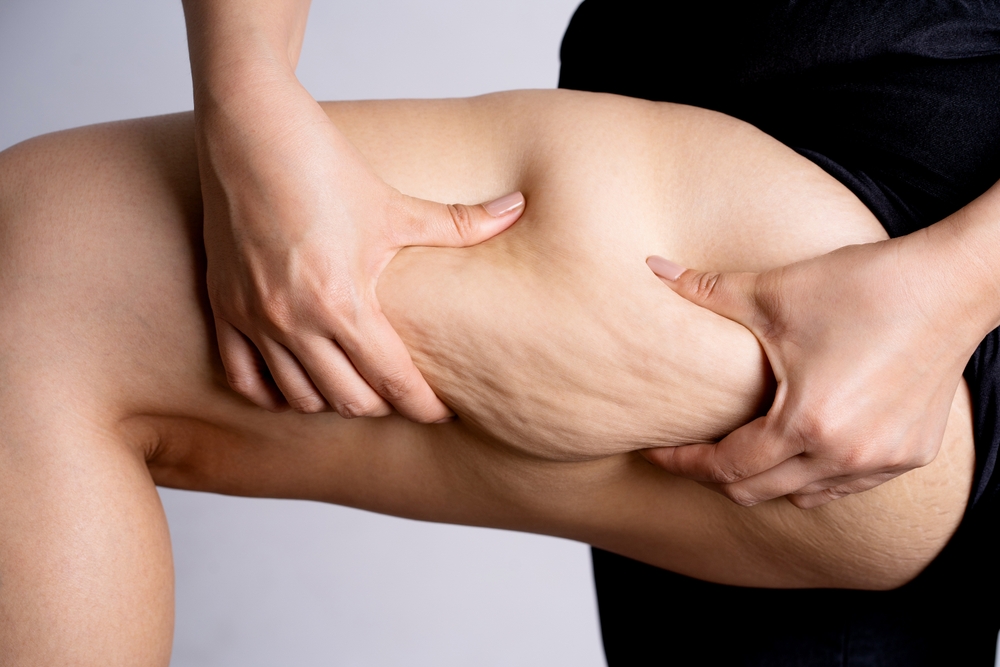
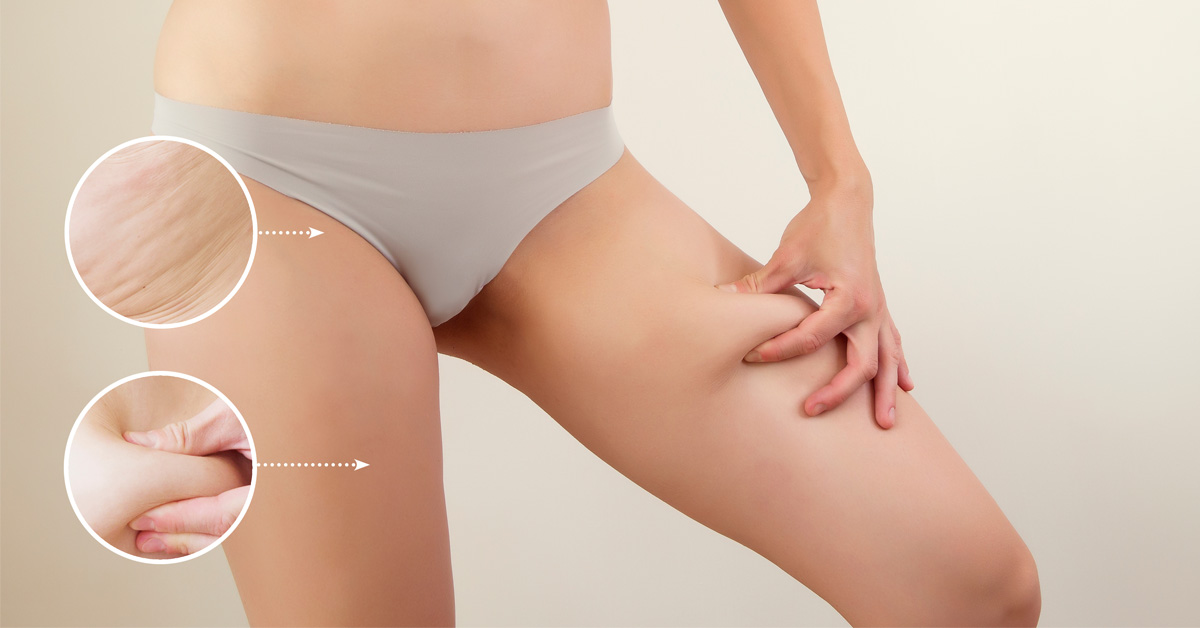
Cellulite is the formation of an irregular, dimpled and uneven appearance in the skin as fat cells beneath it are pushed upwards between the compartments of connective tissue. In medical language it is also called “gynoid lipodystrophy”. It is not a disease but a structural change of the subcutaneous tissue; nevertheless it causes aesthetic discomfort. As fat cells enlarge and connective tissue fibres harden, the typical orange-peel pattern appears on the skin surface. This picture is not seen only in overweight people; it can also appear in slim people because of connective tissue structure and circulation. For the right treatment, the type and stage of cellulite must first be determined.
Why Does Cellulite Form?
There is no single cause in the formation of cellulite; several mechanisms work together. Hormonal influences, especially oestrogen, directly affect the distribution of fat cells and the structure of connective tissue. Regional circulatory impairment and slowing of lymphatic flow lead to the accumulation of fluid and waste between tissues. The enlargement of fat cells creates tension that presses on the connective tissue compartments and pulls the skin inwards. Over time these fibres thicken and harden, and the dimpling becomes permanent. Genetic predisposition, skin thickness and the architecture of connective tissue make a big difference from person to person. Inactivity, a salty diet and smoking are additional factors that accelerate this process.
Are Cellulite and Regional Fat the Same Thing?
No; these two concepts are often confused but they are different. Regional fat is an increase of fat volume in specific areas and the skin surface can remain smooth. Cellulite, however, relates less to the amount of fat and more to how fat is distributed within connective tissue and reflected onto the skin surface. For this reason cellulite can be seen in a very slim person, while the skin surface of an overweight person can be relatively smooth. The two conditions often coexist, but their treatment goals differ: in regional fat the volume must be reduced, in cellulite the tissue structure and skin surface must be corrected. Treatment chosen without making this distinction most often leads to disappointment.
What Are the Types of Cellulite?
Clinically, cellulite is divided into three main types according to its mechanism of formation: oedematous (watery) cellulite, fibrotic (hard) cellulite and adipose (soft) cellulite. This distinction is not merely academic; it directly determines the choice of treatment. In watery cellulite circulation and oedema are in the foreground, while in hard cellulite it is connective tissue fibrosis, and in soft cellulite fat volume and tissue laxity dominate. In many people these types are found not in pure form but in a mixed way. During examination the skin tissue is assessed by hand to determine which component stands out. At Zen Polyclinic, cellulite planning is built on this distinction of type.
What Is Oedematous (Watery) Cellulite?
Oedematous cellulite is the type in which fluid accumulation between tissues and slowing of lymphatic circulation are in the foreground. A feeling of heaviness in the legs, swelling that increases in the evening, marks left on the ankle and a soft, doughy feel on touch are typical. Standing or sitting for long periods increases the complaints. This type usually starts at a younger age and responds well to early intervention. The priority in treatment is to support circulation and lymphatic flow; mesotherapy, lymphatic drainage and technologies that stimulate the tissue come to the fore. If watery cellulite is neglected it can turn into fibrotic cellulite over time, so it is important to address it early.
What Is Fibrotic (Hard) Cellulite?
Fibrotic cellulite is the most stubborn type, in which connective tissue fibres thicken and harden. The skin is tight and firm and the dimples are markedly deep; nodule-like hardenings are felt on touch and there may be tenderness to pressure. The dimples are visible even while the person is standing, meaning there is no need to pinch the skin. This type appears in long-standing and untreated cellulite. Methods that focus only on reducing fat remain insufficient here; the real target is to soften and restructure the hardened connective tissue. For this reason technologies that work on the tissue, such as Onda, radiofrequency and the golden needle, come to the fore.
What Is Adipose (Soft) Cellulite?
Adipose cellulite is the type in which fat volume is excessive and tissue tone is low. The skin is soft, it ripples with movement and the appearance changes markedly when the position changes. While the dimples are less visible when the person is standing, they become pronounced when sitting or when the skin is pinched. This type is usually seen together with weight gain, inactivity and skin laxity. Treatment must both reduce fat volume and tighten the skin; therefore dual-effect methods such as cryolipolysis or Onda are preferred. Lifestyle adjustments play a more decisive role in this type than in the others.
How Are Cellulite Stages Classified?
Cellulite is commonly examined in four stages according to its severity (from 0 to 3). This classification is valuable for establishing treatment expectations realistically, because each stage responds differently. In early stages the results are obtained faster and more markedly because the tissue has not yet hardened. In advanced stages the goal is less to eliminate cellulite completely and more to markedly improve the appearance and halt its progression. Staging is done at the examination with skin pinch and muscle contraction tests. At Zen Polyclinic the treatment plan is created by evaluating both the type and the stage of cellulite together.
What Is Stage 0 Cellulite?
Stage 0 is the condition in which the skin looks completely smooth both standing and lying down, and the orange-peel pattern does not appear even when the skin is pinched. This stage clinically expresses the absence of cellulite. However, this does not mean cellulite will not develop in the future; hormonal changes, weight gain or inactivity can change the picture later on. The most valuable thing to do at this stage is a preventive approach: regular movement, a balanced diet, sufficient water intake and habits that support circulation. The period in which cellulite is most easily managed is the period in which it has not yet begun; therefore early awareness is important in people with risk factors.
What Is Stage 1 Cellulite?
In stage 1 the skin looks smooth in a normal posture, but the orange-peel pattern appears when the skin is pinched between the fingers or when the muscle is contracted. This is the earliest stage of cellulite and the one that responds best to treatment. The tissue has not yet hardened and usually oedema and a mild increase in fat are in the foreground. At this stage marked improvement can be achieved with mesotherapy, lymphatic drainage and tissue-stimulating technologies. Lifestyle adjustments alone can even make a difference. Intervening at stage 1 means both fewer sessions and a more lasting result; halting progression is easiest during this period.
What Is Stage 2 Cellulite?
In stage 2 the orange-peel appearance is seen without pinching the skin, while the person is standing; however it disappears or clearly decreases in a lying position. At this stage fat volume has increased, hardening has begun in the connective tissue and circulatory impairment has become established. Skin tone may have decreased. It becomes difficult to obtain a result with a single method; combination protocols are usually required. Tissue-tightening and circulation-supporting treatments are added alongside a fat-reducing method. Marked improvement is possible at this stage, but patience and completion of the session series are essential. Without lifestyle support the results regress rapidly.
What Is Stage 3 Cellulite?
Stage 3 is the most advanced stage, in which the orange-peel appearance continues in every position, even lying down. The dimples are deep, the skin is hard and nodular structures are clearly felt by hand. At this stage fibrosis has become established and the connective tissue has markedly thickened. The treatment goal must be realistic: not to eliminate cellulite completely, but to smooth the skin surface, make the dimples shallower and improve tissue quality. Combined and long-term protocols are essential at this stage. Technologies that work on the tissue are in the foreground. Meaningful visual improvement can be achieved even at stage 3, but establishing the expectation correctly is critical for satisfaction.
Which Stage Responds to Which Treatment?
The choice of treatment is determined at the intersection of type and stage:
- Stage 1, oedematous: mesotherapy, lymphatic drainage, lifestyle adjustment.
- Stage 2, adipose: cryolipolysis or Onda + tissue tightening.
- Stage 2-3, fibrotic: tissue restructuring with Onda, radiofrequency, the golden needle.
- Mixed picture: combined protocol, staged planning.
This table is a general road map. The final decision is made at the examination with manual assessment of skin tissue and staging tests. At Zen Polyclinic the cellulite plan is a personalised protocol, not a ready-made package.
Where Is Cellulite Most Commonly Seen?
Cellulite is most commonly seen on the buttocks, the back and outer sides of the thighs, the hip area and the lower abdomen. Less frequently it can also appear on the inner side of the upper arm and the area above the knee. The common feature of these areas is that fat cells are more sensitive to hormonal influences and that connective tissue compartments are arranged vertically. The buttocks and thighs are the places where cellulite is seen most intensively because they are the primary areas of fat storage in women. The circulatory characteristics of the area are also decisive; sitting for long periods slows lymphatic flow in the buttock and thigh area and worsens the picture. The treatment plan is adapted to the area.
Why Is Cellulite More Common in Women?
The reason cellulite is far more common in women is structural and hormonal. In women the connective tissue compartments beneath the skin are arranged at a right angle to the skin; this structure makes it easier for fat cells to be pushed upwards and creates dimpling. In men these fibres are arranged as a crisscross network and hold the fat better. In addition, women’s skin is thinner, which means the irregularity underneath is more easily reflected on the surface. Oestrogen supports the process by affecting fat distribution and circulation. For this reason cellulite is not a weight problem but largely a structural difference, and it is also seen in slim women.
Which Lifestyle Factors Trigger Cellulite?
Structural predisposition cannot be changed, but many factors that determine the severity of cellulite can be controlled. Inactivity slows lymphatic and blood circulation by disabling the muscle pump. Excessive salt consumption increases oedema; processed food and sugar support the enlargement of fat cells. Smoking impairs micro circulation and accelerates collagen breakdown. Insufficient water intake makes it harder for tissues to eliminate waste. Standing for long periods or sitting motionless worsens especially oedematous cellulite. Frequent weight gain and loss tires the connective tissue. Regulating these factors does not replace treatment, but it markedly improves its result.
For Which Type Does Cellulite Mesotherapy Work?
Cellulite mesotherapy is the delivery under the skin, with micro injections, of mixtures that support circulation, stimulate fat metabolism and increase tissue drainage. This method is especially effective in oedematous cellulite and in early stages; it relieves the tissue by reducing fluid accumulation. It also plays a supportive role in adipose cellulite. Cellulite mesotherapy is usually planned as a series and its effect is cumulative. In advanced fibrotic cellulite it remains insufficient on its own; it must be combined with tissue technologies. The number of sessions is determined according to the type and stage.
How Does Onda Coolwaves Work on Cellulite?
With the special microwave technology called coolwaves, Onda reaches the deep fat tissue and the connective tissue compartments while protecting the skin surface. This energy both targets fat cells and softens the hard fibrous bands, reducing the tension that pulls the skin inwards. At the same time it increases skin tone by stimulating collagen production. This triple effect makes Onda valuable especially in fibrotic and adipose cellulite. The Onda treatment is comfortable and requires no recovery time. We cover the working principle of the technology on cellulite and fat in detail in this guide.
What Do Radiofrequency and the Golden Needle Provide in Cellulite?
Radiofrequency increases collagen production and improves skin tone by stimulating the deep layers of the skin with controlled heat. This is especially valuable when skin laxity worsens the appearance of cellulite. The golden needle delivers radiofrequency energy to exactly the desired depth via micro needles; this provides a more targeted restructuring of the hardened connective tissue. This mechanism is important in fibrotic cellulite, because the problem lies less in fat and more in tissue architecture. Both methods are applied in a series and the results mature over months. When combined with fat-reducing methods, a more holistic improvement is achieved.
Does Cryolipolysis Eliminate Cellulite?
This is one of the most frequently encountered wrong expectations. Cryolipolysis, that is cold lipolysis, is a method designed to reduce regional fat volume; it is not a direct treatment of cellulite. In the adipose type, the appearance of cellulite may indirectly ease because fat volume decreases. However, in fibrotic cellulite the problem lies in the connective tissue and a reduction in fat does not correct the dimples; the dimples may even look more pronounced once the volume decreases. For this reason cryolipolysis should be planned in cellulite treatment not alone but together with methods that work on the tissue. Correct positioning prevents disappointment.
What Is the Place of Lymphatic Drainage and Massage?
Manual lymphatic drainage and professional massage provide relief especially in oedematous cellulite by reducing fluid accumulation between the tissues. Complaints such as a feeling of heaviness in the legs and evening swelling can decrease markedly with these treatments. However, the effect of massage is temporary; it does not permanently change the structure of connective tissue. For this reason massage should be positioned not as a treatment but as a supportive component. When used together with medical treatments it can increase the tissue’s response and help preserve the results. Aggressive, painful massage techniques should be avoided; tissue trauma does not provide improvement and may create the opposite effect.
Do Cellulite Creams and Home Methods Work?
Cellulite creams can temporarily improve the skin’s moisture and tone with ingredients such as caffeine or retinol; they can give a superficial feeling of firming. However, these products cannot reach the connective tissue compartments beneath the skin or the structure of fat cells. Therefore they cannot be expected to correct dimpling permanently. Dry brushing, cupping therapy and similar home methods provide a short-term increase in circulation but do not create lasting structural change. These products are not entirely useless; they support skin care and help build a routine. However, in moderate and advanced stage cellulite they cannot replace medical treatments and should not be used with that expectation.
Do Exercise and Nutrition Reduce Cellulite?
Exercise and nutrition form the basis of cellulite management but do not solve every picture on their own. Resistance exercises support the tissue from below by strengthening the buttock and thigh muscles; this makes the skin surface look smoother. Cardiovascular activity speeds up circulation and lymphatic flow. A balanced diet limits the enlargement of fat cells; salt restriction reduces oedema. However, structurally hardened fibrotic bands are not dissolved by exercise. Therefore the most realistic approach is to see lifestyle as a supporter of medical treatment. Without treatment, lifestyle progresses slowly; without lifestyle, the result of treatment is short-lived.
Why Are Combination Treatments Necessary?
Cellulite is a picture created not by a single mechanism but by oedema, fat, fibrosis and skin tone together. For this reason a one-sided treatment usually gives a partial result. For example, if only fat is reduced the hard bands stay in place and the dimples persist; if only circulation is supported, fat volume does not change. Combination protocols start by prioritising the dominant component and address the other components in turn. For example, in a fibrotic picture the tissue is first softened and then skin tone is increased. Correct sequencing and session intervals determine the quality of the result. Therefore the protocol should be designed individually, not offered as a standard package.
How Many Sessions Are Needed and When Is the Result Seen?
The number of sessions varies according to type, stage and the chosen method. Cellulite mesotherapy is usually planned as 6-10 sessions, at weekly intervals. Onda treatments are mostly performed as 4-6 sessions, a few weeks apart. Radiofrequency and the golden needle are designed as series of 3-6 sessions. The first visible change is usually noticed after 3-4 sessions; the most pronounced result appears 2-3 months after the session series is completed, because collagen renewal takes time. Interrupting the series is the most common reason why the result remains incomplete. Patience is a genuine requirement in this field.
Are the Results of Cellulite Treatment Permanent?
Because cellulite develops on a structural and hormonal ground, it is not a condition to be “treated once and forgotten”. The improvement obtained lasts as long as the tissue structure is preserved; however, weight gain, inactivity or hormonal changes can bring the picture back. For this reason maintenance sessions every 6-12 months are recommended in most protocols. In fibrotic cellulite the softened bands usually remain good for a long time; in oedematous cellulite, if lifestyle is abandoned, the complaints return faster. The realistic framework is this: cellulite is a manageable condition, not a disease that can be eliminated completely and permanently. This perspective increases satisfaction.
Common Misconceptions About Cellulite
The most widespread misconception is the belief that cellulite is seen only in overweight people; yet it is frequently seen in slim people for structural reasons. The second is the idea that cellulite will disappear completely once weight is lost; weight loss helps but does not dissolve fibrotic bands, and the appearance may even worsen if skin laxity increases. The third is the notion that creams will treat cellulite. The fourth is the belief that hard massage will open the dimples; aggressive trauma does not provide improvement. Another is the expectation of a result in a single session; all methods work cumulatively. Finally, the idea that cellulite is a disease is also wrong; it is a structural subcutaneous change.
How Are Realistic Expectations Established?
The key to satisfaction in cellulite treatment is the right expectation. In the early stage marked, even almost complete improvement is possible. In the middle stage a considerable softening and improvement in appearance is expected. In the advanced stage the goal is to improve the skin surface and halt progression; “zero cellulite” is not a realistic goal. Photographic follow-up is the best way to see real progress objectively, because gradual change may not be noticed in the mirror. Promises such as “guaranteed”, “permanent solution” or “in a single session” should be approached with caution. People who set realistic goals are satisfied with the same result at a far higher rate.
How Is Cellulite Assessed at Zen Polyclinic?
At Zen Polyclinic the cellulite process begins with a detailed examination. The skin tissue is assessed by hand; oedema, fat volume, degree of fibrosis and skin tone are examined separately. The stage is determined with skin pinch and muscle contraction tests and the dominant type is clarified. Then a personalised protocol is established: if needed, mesotherapy, Onda, radiofrequency or the golden needle are planned in the correct order and intervals. These treatments, within our body shaping services, are performed under medical supervision with certified devices. The same standard applies at our Istanbul Ataşehir clinics. For an appointment you can reach us through our appointment page.
Conclusion
Cellulite types and stages form the basis of choosing the right treatment. In oedematous cellulite circulation and oedema are in the foreground, in fibrotic cellulite the hardness of connective tissue, and in adipose cellulite fat volume and tissue laxity; each requires a different approach. While results are obtained quickly and markedly at stage 1, at stage 3 the goal is to improve the appearance and halt progression. Mesotherapy, Onda, radiofrequency and the golden needle address different mechanisms; in most people a combination gives the most balanced result. Creams and massage are supportive, not a treatment. Lifestyle determines the lifespan of the result, and realistic expectation is the strongest determinant of satisfaction.
Frequently Asked Questions (FAQ)
What are the types of cellulite?
Cellulite is divided into three main types. In oedematous (watery) cellulite, fluid accumulation and impaired lymphatic circulation are in the foreground. In fibrotic (hard) cellulite, connective tissue fibres have thickened and hardened and the dimples are deep. In adipose (soft) cellulite, fat volume is excessive and tissue tone is low. In most people these types are found in mixed form and treatment is planned accordingly.
In how many stages is cellulite examined?
Cellulite is commonly examined in four stages. At stage 0 the skin is smooth in every position. At stage 1 the orange peel is seen only when the skin is pinched. At stage 2 it is visible while standing and disappears when lying down. At stage 3 it continues in every position, even lying down, and the dimples are deep. The stage determines the treatment plan and realistic expectations.
Is cellulite seen in slim people?
Yes. Cellulite is not a weight problem but largely a structural condition. In women the connective tissue compartments beneath the skin are arranged at a right angle to the skin, so fat cells are easily pushed upwards. Skin thickness, genetic predisposition and circulatory characteristics are also decisive. For this reason cellulite can be seen even in very slim people.
How many sessions are needed in cellulite treatment?
The number of sessions varies by type, stage and method. Cellulite mesotherapy is usually planned as 6-10 sessions, Onda treatments as 4-6 sessions, and radiofrequency and the golden needle as 3-6 sessions. The first visible change is mostly noticed after 3-4 sessions. The exact plan is created individually after the type and stage are determined at the examination.
Do cellulite creams work?
Cellulite creams can temporarily improve the skin’s moisture and tone with ingredients such as caffeine or retinol, but they cannot reach the connective tissue compartments beneath the skin or the structure of fat cells. Therefore they do not correct dimpling permanently. They can be used as a support for skin care, but in moderate and advanced stage cellulite they do not replace medical treatments.
Does cellulite disappear when you lose weight?
Weight loss can ease the appearance, especially in the adipose type, by reducing fat volume. However, in fibrotic cellulite the problem lies in hardened connective tissue and weight loss does not dissolve these bands. The appearance may even worsen if skin laxity increases with rapid weight loss. Therefore weight control is a valuable support but not a solution on its own.
Does cryolipolysis treat cellulite?
No. Cryolipolysis is designed to reduce regional fat volume and is not a direct treatment of cellulite. In the adipose type the appearance may indirectly ease because fat decreases. However, in fibrotic cellulite the dimples stem from connective tissue and may even look more pronounced once the volume decreases. In cellulite it should be combined with methods that work on the tissue.
Are the results of cellulite treatment permanent?
The improvement obtained continues as long as the tissue structure is preserved and the lifestyle is maintained. However, because cellulite develops on a structural and hormonal ground, weight gain, inactivity or hormonal changes can bring the picture back. For this reason a maintenance session every 6-12 months is recommended in most protocols. Cellulite is a manageable condition, not a disease that can be eliminated completely.