Treatments for Neck Wrinkles (Venus Rings): Botox, Filler, HIFU and More
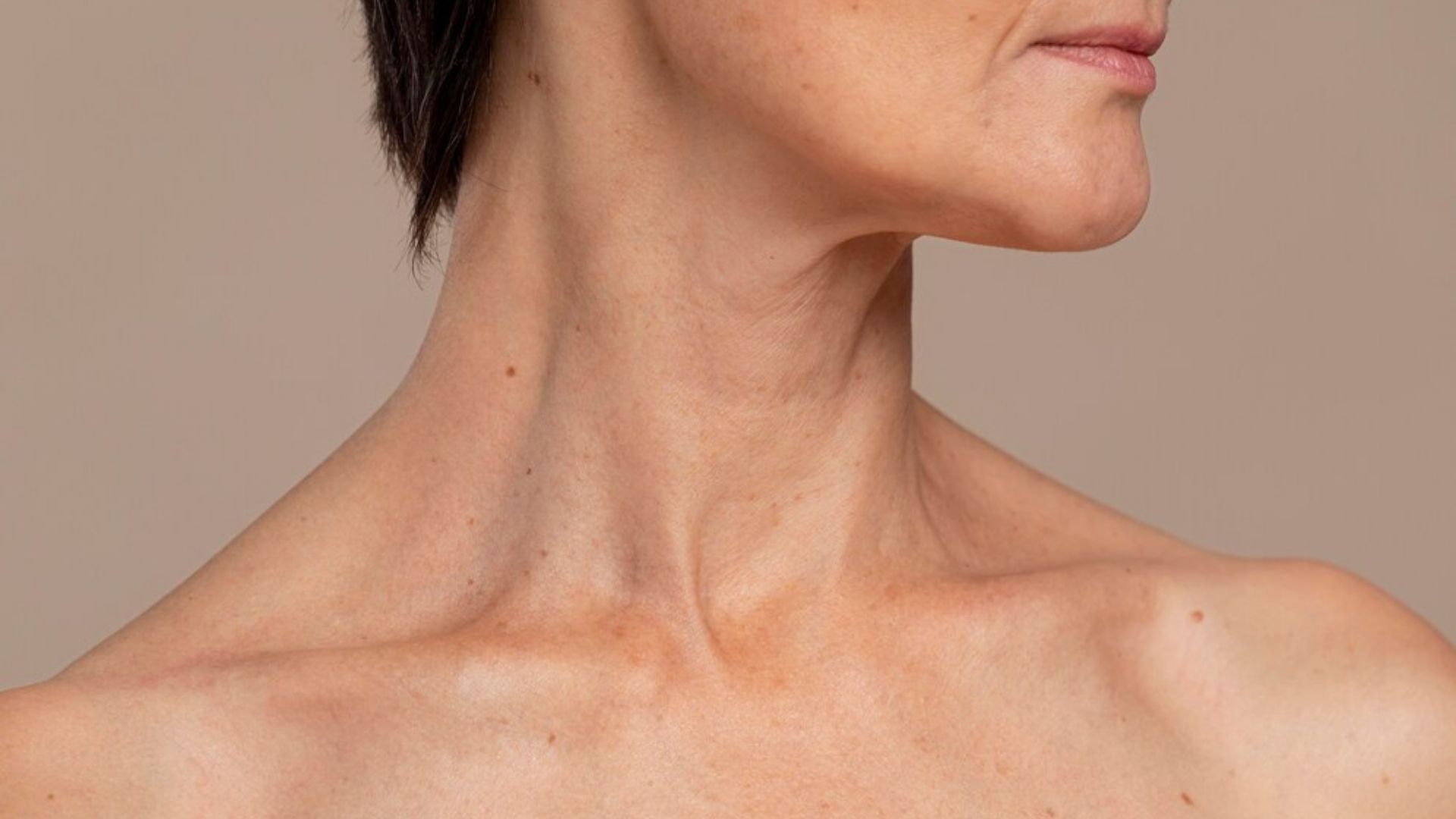
Neck wrinkles are the fine lines that run horizontally across the front surface of the neck, commonly known as “Venus rings,” which deepen over time and give the neck an aged, tired appearance. These lines form due to aging, the constant folding of the skin, sun damage and, in recent years, the increasingly common habit of “tech neck.” So what exactly are neck wrinkles, why do Venus rings form, what treatment options are available, is neck botox or filler more effective, what do HIFU and laser do, and what can be done at home? In this comprehensive guide, we address all these questions in detail.
What Are Neck Wrinkles (Venus Rings)?
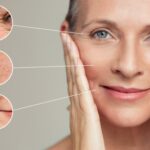
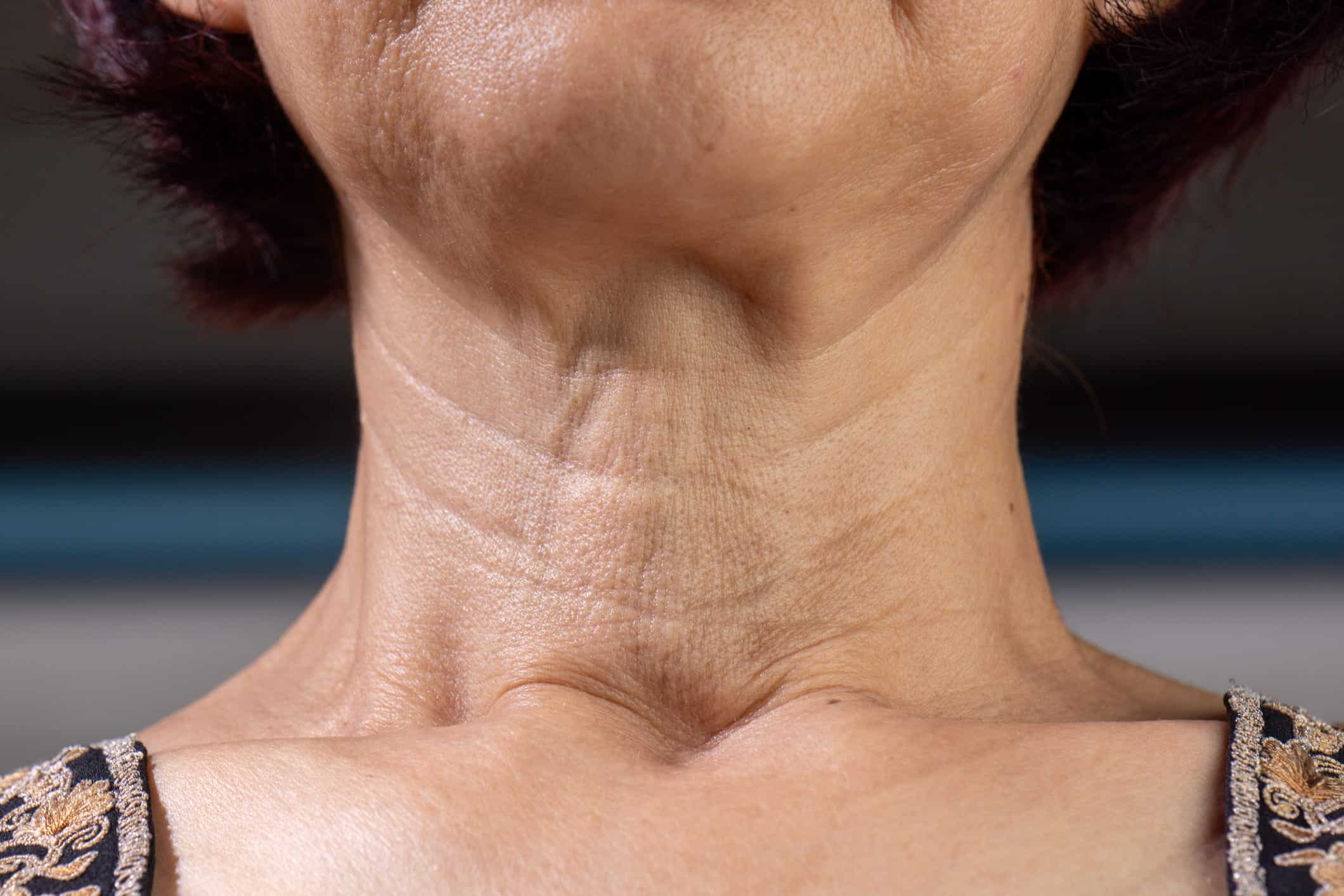
Neck wrinkles are the fine lines that appear on the front and side surfaces of the neck, mostly running horizontally. These horizontal rings are called “Venus rings”; the name comes from the fact that a smooth, youthful neck is considered a symbol of beauty. Neck skin is thinner than facial skin, has fewer oil glands and a less supported structure; therefore, signs of aging appear here earlier and more prominently. Lines that are initially superficial and visible only from certain angles gradually deepen and become noticeable even when the skin is at rest. Venus rings are the result of both natural aging and daily habits.
Why Do Venus Rings Form?
Multiple factors play a combined role in the formation of Venus rings. The most fundamental cause is the decreasing production of collagen and elastin with age; these two proteins provide the firmness and elasticity of the skin, and when they decrease, the skin begins to sag and wrinkle. The constant bending of the neck forward, its up-and-down movement and pressure against the pillow cause the skin to fold repeatedly along the same lines. Genetic predisposition, sudden weight changes, smoking and insufficient hydration also accelerate the process. In addition, when the thin structure of the neck skin combines with the movement of the underlying platysma muscle, lines settle easily. Because most of these factors feed each other, Venus rings inevitably appear in most people.
What Is “Tech Neck”?
Tech neck is one of the fastest-growing causes of neck wrinkles in recent years. Keeping the head bent forward for long periods while looking at a phone, tablet or computer causes the neck skin to fold along the same line many times throughout the day. This repeated folding causes horizontal lines to appear early, even at a young age. This is the main reason why Venus rings are seen more frequently in people in their 20s and 30s today. The increase in time spent in front of screens has made the problem independent of age group. Posture awareness, raising the screen to eye level and taking regular breaks can help slow the progression of tech neck; however, settled lines require medical support.
How Do Sun and Environmental Factors Affect Neck Skin?
Sun damage is one of the most important accelerators of neck wrinkles. The neck area is often left without sun protection in daily life; while sunscreen is carefully applied to the face, the neck is often neglected. UV rays break down the collagen and elastin fibers in the deep layers of the skin, accelerating the loss of elasticity and the deepening of lines. This condition is called “photoaging.” In addition, environmental pollution, cigarette smoke and dry air also wear down the neck skin. The thinness of the neck skin leaves it vulnerable to these external factors. Regular sun protection and moisturizing both slow the deepening of existing lines and help the results of applied medical treatments last longer.
Why Does Neck Skin Age Faster?
Neck skin ages faster than facial skin due to its structural features. The skin in this area is thinner, has fewer oil glands and a weaker underlying support tissue. This means the neck is more prone to dryness, loss of elasticity and sagging. In addition, the neck is constantly in motion; every turn and bend of the head stretches and folds the skin. Over the years, when this mechanical load combines with the thin structure, the lines become permanent. Because many people pay attention to facial care while neglecting the neck, signs of aging become prominent here first. For this reason, the neck should be considered a region as important as the face in rejuvenation treatments.
What Is the Difference Between Horizontal and Vertical Neck Lines?
To treat neck wrinkles correctly, it is important to distinguish the type of line. Horizontal lines, that is, classic Venus rings, are lines that cross the neck transversely and mostly form from the repeated folding of the skin. Vertical lines, on the other hand, are lines that generally appear with the prominence of the neck muscles (platysma), especially with age, and appear as bands on the neck. While horizontal Venus rings usually respond well to filler, mesotherapy and skin-tightening methods, vertical platysma bands are targeted especially with neck botox (Nefertiti lift). Which type is dominant directly determines the treatment plan. For this reason, a detailed evaluation before the application is essential.
What Are the Symptoms of Neck Wrinkles?
The symptoms of neck wrinkles progress gradually and generally appear as follows:
- Horizontal fine lines appearing on the front surface of the neck (Venus rings).
- Lines that deepen over time and become visible even when the skin is at rest.
- Loss of skin elasticity, a loose and saggy appearance.
- Dryness, dullness and rough texture on the neck.
- Folding lines that become prominent when the head is bent forward.
- In the advanced stage, the platysma muscles appearing as vertical bands.
These symptoms may occur individually or together. When noticed early, their progression can be significantly slowed with both preventive care and medical treatments.
What Treatment Options Are Available for Neck Wrinkles?
There is no single “best” method for neck wrinkles; different options stand out according to the type of line, skin structure and expectations. The main treatments are: neck botox (Nefertiti lift), mesotherapy that increases skin quality and moisture balance, filler that provides volume and support, HIFU that stimulates collagen production, fractional lasers that renew the skin surface, and the thread lift method that lifts sagging. These methods can be used alone or in combination. For more information on the holistic rejuvenation of the neck area, you can review our medical aesthetic services. The correct method can only be determined with a personalized evaluation.
What Is Neck Botox (Nefertiti Lift)?
Neck botox, commonly known as the “Nefertiti lift,” is a botulinum toxin application aimed at tightening the neck and jawline. It takes its name from the Egyptian queen Nefertiti, known for her long and elegant neck. In the application, small doses of botox are injected into the platysma muscle, which causes sagging and vertical bands in the neck. When the downward pull of the muscle decreases, the jawline becomes more defined and the neck gains a firmer, tightened appearance. This method is especially effective for vertical platysma bands and mild sagging. For general information about botox, you can review our botox guide. The Nefertiti lift is a non-surgical, fast treatment that requires no recovery time.
How Is the Nefertiti Lift Applied?
The Nefertiti lift application begins with the evaluation of the neck and jawline. The physician asks the person to clench their teeth or tense their neck to determine the points where the platysma muscle becomes prominent. Then, using very fine-tipped needles, small doses of botox are injected at specific points along the jawline and on the vertical bands of the neck. The procedure requires no incision or stitches and is completed in just a few minutes. During the injection, there is no significant discomfort apart from a mild pricking sensation. No special dressing is required after the application and the person returns to daily life shortly. Results begin to appear within a few days and fully settle within two weeks. Correct dose and point selection are decisive for a natural result.
What Is Filler Application to the Neck Area?
Neck filler is an effective method that especially targets horizontal Venus rings. In this application, a hyaluronic acid-based filler is injected into the area where the lines form, filling the inside of the line and smoothing the skin surface. Hyaluronic acid also moisturizes the skin and supports collagen production over time. In deep and settled horizontal lines, where botox alone is insufficient, filler provides a noticeable improvement. In some applications, more fluid, “skinbooster” type products are preferred to improve the overall quality of the skin. Neck filler is a procedure that requires experience and precision to maintain a natural appearance while filling the lines.
How Does Neck Mesotherapy Work?
Neck mesotherapy is a method that lightens the appearance of Venus rings by improving skin quality from within. In the application, a special mixture of hyaluronic acid, vitamins, amino acids and antioxidants is injected into the superficial layers of the neck skin with fine needles. This content deeply moisturizes the skin, increases elasticity, and with mesotherapy collagen production is stimulated. Mesotherapy is especially ideal for superficial lines, dryness and dullness; it gives the skin a lively, moist and smooth appearance. It is generally applied in several sessions and the results become more prominent as the sessions progress. When combined with other methods, neck mesotherapy strengthens the overall result by improving skin quality.
How Does Neck Tightening With HIFU Work?
HIFU (High-Intensity Focused Ultrasound) is a non-surgical skin-tightening method that targets neck sagging and looseness. This technology focuses ultrasound energy into the deep layers of the skin, creating controlled heat; this heat stimulates the skin’s own collagen production. The new collagen produced over time tightens the skin from within and lifts the neckline. HIFU is especially suitable for people with mild to moderate sagging who are not ready for surgery. The procedure requires no incision and has almost no recovery time. Results appear gradually within a few months and become more pronounced as collagen renewal continues. In neck rejuvenation, HIFU is one of the primary methods that increases skin firmness.
Do Laser Treatments Help Neck Wrinkles?
Laser treatments are effective in reducing the appearance of wrinkles by improving the surface quality of the neck skin. Fractional lasers create controlled micro-damage in the upper layers of the skin, triggering the renewal process and collagen production. In this way, the skin surface smooths, fine lines soften and skin tone becomes more even. Laser also helps improve spots and rough texture caused by sun damage. Since the neck skin is thin and sensitive, it is important that the laser parameters be adjusted specifically for this area. It is generally applied in several sessions and results become more prominent as the skin renews. Laser treatments are a valuable option for those who want to improve skin quality holistically.
Is a Thread Lift Suitable for the Neck?
The thread lift method is a treatment that mechanically lifts the skin in people with mild to moderate neck sagging. In this method, dissolvable threads placed under the skin lift the tissue upward and at the same time stimulate collagen production in the area where they are placed. A thread lift tightens the sagging neckline, providing a firmer and more youthful appearance. It is a less invasive, shorter and less recovery-intensive alternative compared to surgical facelift. Its effect appears in two stages: with both immediate lifting and collagen support that increases over time. In cases where neck sagging is noticeable but surgery is not being considered, a thread lift is a good option.
Which Treatment Is Suitable for Whom in Neck Wrinkles?
The correct method varies according to the type of line and skin condition. For vertical platysma bands and mild sagging, neck botox (Nefertiti lift) stands out. In deep horizontal Venus rings, filler gives a noticeable result. For superficial lines, dryness and dullness, mesotherapy is ideal. For noticeable skin looseness and sagging, HIFU or thread lift is preferred. For sun damage, spots and rough texture, laser treatments come into play. Because most people have multiple problems together, the best result is usually achieved with a combination approach. The only correct way to determine the most suitable method for the person is a detailed evaluation of the neck skin and lines by a specialist.
Can Neck Treatments Be Combined?
In the treatment of neck wrinkles, the most effective results are often achieved with a combination approach. For example, neck botox for vertical bands, mesotherapy for surface quality and HIFU for sagging can be used together within the same treatment plan. Similarly, while deep horizontal lines are filled with filler, laser can be added for skin renewal. This holistic approach addresses the muscle, skin and volume dimensions of the neck at the same time, providing a more natural and balanced rejuvenation. However, the combination plan must always be created by a specialist to ensure the procedures are performed in the correct order and timing. At Zen Polyclinic, treatments are planned individually according to the person’s needs and combined harmoniously when necessary.
What Can Be Done for Neck Care at Home?
In addition to medical treatments, regular care applied at home plays an important role in preventing neck wrinkles and maintaining the existing result. What can be done at home includes:
- Applying moisturizer to the neck every day as part of facial care.
- Benefiting from collagen-supporting ingredients such as retinol and vitamin C (with physician recommendation).
- Regularly using high-factor sunscreen to protect the neck from the sun.
- Being careful not to bend the head forward when using the phone and screens.
- Drinking enough water and staying away from smoking.
Home care alone does not eliminate settled lines but extends the effect of medical treatments and slows the formation of new lines.
Is It Possible to Prevent Neck Wrinkles?
Although it is not possible to completely prevent neck wrinkles, it is possible to significantly slow their progression. The most important steps are regular sun protection, daily moisturizing and correct posture. Raising the device to eye level when using screens reduces the effect of tech neck. Healthy nutrition, sufficient water intake, avoiding smoking and regular sleep support skin health. Preventive treatments such as mesotherapy started early can help delay the appearance of lines by keeping skin quality at a high level. Prevention is always easier than treatment; therefore, giving the neck the same care as the face is the most effective strategy in the long term. Conscious habits keep the neck youthful for longer.
When Do Results Appear in Neck Treatments?
The time for results to appear varies according to the applied method. The effect of neck botox (Nefertiti lift) begins to appear within a few days and fully settles within two weeks. Filler results are largely visible immediately; they become clearer as mild swelling subsides. In mesotherapy and laser treatments, results become prominent gradually as the sessions progress. In collagen-stimulating methods such as HIFU and thread lift, the final result appears within a few months as new collagen is produced. For this reason, patience is important in neck treatments; especially in skin-tightening methods, the result should not be judged early. The specialist helps you manage expectations correctly by sharing a realistic timeline according to the applied method.
How Long Do Neck Treatments Last?
The durability of neck treatments varies according to the method. The effect of neck botox generally lasts 3-4 months and is maintained with regular repetition. The effect of hyaluronic acid-based filler and mesotherapy varies from a few months to a year depending on the product used and skin structure. The results of collagen-stimulating methods such as HIFU and thread lift are longer lasting; they can generally last 12-18 months or more. The contribution of laser treatments to skin quality is maintained for a long time with care and sun protection. No method stops aging; however, the youthful appearance obtained with regular care and repeat applications is sustainable. Durability is directly related to lifestyle and skin care.
Are Neck Treatments Painful, and What Are the Side Effects?
Neck wrinkle treatments are generally well-tolerated, comfortable applications. In injection-based methods (botox, filler, mesotherapy), only a mild pricking is felt because very fine needles are used; a topical anesthetic cream can be applied to the area when needed. During HIFU, there may be a mild warmth and tingling due to heat in the deep layers. Possible side effects are generally temporary: mild redness at the injection points, small bruising, tenderness or short-term swelling may occur; these symptoms disappear within a few days. Serious side effects are minimized when the application is performed by an experienced physician. Since the neck is a sensitive area, the practitioner’s anatomical knowledge and experience are decisive for safety.
Who Is Neck Wrinkle Treatment Not Suitable For?
Although neck treatments are safe for most adults, they are not suitable or are postponed in some situations. Injection-based applications are not recommended during pregnancy and breastfeeding. If there is an active skin infection, open wound or inflammation in the treatment area, the procedure is postponed. Those allergic to botulinum toxin or those with neuromuscular diseases such as myasthenia gravis should not have neck botox. Those with a blood clotting disorder or using blood-thinning medication should inform their physician. In people with very advanced skin sagging, non-surgical methods may not be sufficient and surgical options are evaluated. For this reason, a detailed health assessment is carried out before each application and suitability is determined by the physician.
What Factors Determine the Price of Neck Treatment?
The price of neck wrinkle treatment is not a fixed figure; it varies depending on many factors. The chosen method (botox, filler, mesotherapy, HIFU, laser or thread lift) directly affects the price; the cost of each application and the number of sessions required differ. The brand and quality of the product used, the size of the area to be treated and how many sessions are needed are also reflected in the price. In addition, the experience of the physician performing the application and the equipment of the clinic are decisive. Instead of focusing on the lowest price, the authenticity of the product and the competence of the practitioner should be prioritized, because the neck is a sensitive area. A precise price can only be given after a face-to-face evaluation and a personalized treatment plan.
Neck Wrinkle Treatment at Zen Polyclinic
At Zen Polyclinic, neck wrinkle treatment begins with a personalized evaluation. The structure of your neck skin, the type of your lines (horizontal Venus rings or vertical bands), the level of sagging and your expectations are analyzed to determine the most suitable method or combination for you. At our clinic in Istanbul Ataşehir, botox, filler, mesotherapy, HIFU and laser applications are performed safely with original products and an experienced physician team. For the holistic rejuvenation of the neck area, you can review our medical aesthetic services. Our priority is natural, balanced and safe results. To learn which treatment is suitable for you, you can contact the Zen Polyclinic team and schedule a free preliminary evaluation.
Conclusion: Which Neck Treatment Is Right for You?
Neck wrinkles (Venus rings) appear inevitably in most people as a result of aging, tech neck and sun damage. Fortunately, today there is a wide range of treatments available, from neck botox to filler, from mesotherapy to HIFU, from laser to thread lift. The correct method varies according to the type of line, skin structure and level of sagging, and the best result is often achieved with a combination approach. Regular care and sun protection at home, on the other hand, maintain and extend the result obtained. The most accurate way to learn which treatment is most suitable for you is to have your neck skin evaluated by an expert physician. With a conscious approach, your neck can stay youthful and firm for longer.
Frequently Asked Questions (FAQ)
What are Venus rings?
Venus rings are the fine wrinkles that run horizontally across the front surface of the neck. The name comes from a smooth, youthful neck being considered a symbol of beauty, and they become prominent with aging, tech neck and sun damage.
What is the most effective treatment for neck wrinkles?
There is no single best method. Neck botox for vertical bands, filler for deep horizontal lines, mesotherapy for skin quality, and HIFU or thread lift for sagging stand out. The best result is usually achieved with a combination.
What does neck botox (Nefertiti lift) do?
Neck botox tightens the neck and jawline by injecting small doses of botulinum toxin into the platysma muscle. It is especially effective for vertical platysma bands and mild sagging.
How long do neck treatments last?
Neck botox generally lasts 3-4 months, filler and mesotherapy from a few months to a year, and collagen-stimulating methods such as HIFU and thread lift 12-18 months or longer.
Is neck wrinkle treatment painful?
It is generally well tolerated. In injection-based methods, only a mild pricking is felt because very fine needles are used; a topical anesthetic cream can be applied when needed.
What is tech neck?
Tech neck is the early formation of neck lines caused by the neck skin folding repeatedly along the same line when the head is kept bent forward for long periods while looking at a phone or screen.
Do neck wrinkles fade at home?
Home moisturizing, sun protection and correct posture slow the formation of new lines and maintain the existing result, but do not eliminate settled lines on their own; medical treatments are needed for that.
Can neck treatments be combined?
Yes. Botox for vertical bands, mesotherapy for skin quality and HIFU for sagging can be combined in the same plan. The combination plan must always be created by a specialist.