Face Contouring with Fillers: Which Areas Can Be Treated?
Face contouring with fillers is one of the most frequently preferred medical aesthetic methods today for redefining facial features, eliminating volume loss, and achieving a more balanced, youthful appearance without requiring surgery. With aging, fat tissue in the face decreases, bone structure resorbs, and skin loses its elasticity; this process causes the face to appear sunken, tired, and old. Hyaluronic acid-based filler applications restructure this volume loss, giving the face a natural fullness and balance. So which areas is face contouring with fillers applied to, what is targeted in each area, and how long do the results last? In this comprehensive guide, we address all these questions in detail.
What Is Face Contouring with Fillers?
Face contouring with fillers is the process of adding volume, defining contours, and balancing proportions by injecting biocompatible filler materials such as hyaluronic acid into specific areas of the face. Hyaluronic acid is a polysaccharide that naturally occurs in the body and creates volume by holding water molecules within itself. It both provides fullness in the injected area and improves skin quality by moisturizing surrounding tissue.
One of the strongest advantages of this method is that it is reversible. In case of an unsatisfactory result, the filler material can be dissolved by injecting hyaluronidase enzyme, returning the area to its previous state. Filler applications at Zen Polyclinic are performed in a personalized manner by specialist physicians experienced in facial anatomy, evaluating each patient’s facial structure and expectations.
Why Does Facial Aging Require Fillers?
Facial aging is not a one-dimensional process; volume loss, gravity-related sagging, bone resorption, and deterioration of skin quality occur together. Especially in the temples, cheeks, under eyes, and around the lips, prominent volume reduction is experienced. This condition disrupts the triangular balance of the face, causing a sunken and tired appearance.
In youth, the face has a triangular form with the wider side on top; cheekbones are full and the jawline is prominent. With aging, this triangle inverts; volume migrates downward, jowls form on the jawline, and the upper part of the face collapses. Face contouring with fillers aims to recreate this youthful triangular form by re-adding lost volume to strategic areas.
Which Areas Is Face Contouring with Fillers Applied To?
The main areas where face contouring with fillers can be applied and the results targeted in each are as follows:
Cheek and Cheekbone Filler
Cheek filler is one of the most effective applications that adds volume and lift effect to the middle third of the face. By increasing cheekbone projection, both youthfulness is added to the face and the downward collapse of cheek tissue is prevented. Cheek filler also indirectly contributes to softening of the nasolabial folds and gives the face a noticeably youthful appearance.
Chin and Jawline Filler
Chin filler is applied to balance facial proportions and correct the profile. A receding or underdeveloped chin tip is brought forward with filler, bringing the facial profile into balance. Jawline filler defines the jawline, reducing the jowl appearance and creating a sharper, more defined line especially in the lower face.
Lip Filler
Lip filler adds volume and shape to lips that have thinned and lost luster with age. When applied correctly, it gives the lips a natural fullness, symmetry, and defined line. Lip filler does not only add volume; it adds aesthetic balance to the smile by defining the lip edges (vermilion border).
Under-Eye (Tear Trough) Filler
Under-eye filler reduces the tired appearance by eliminating hollows and dark circles under the eyes. The tear trough area is one of the most sensitive and technically challenging areas of the face; therefore, it must be applied by an experienced physician. When applied correctly, it gives the eye area a rested, fresh, and youthful appearance.
Temple Filler
Temple filler recreates the upper frame of the face by filling the temple area that collapses with aging. When temple hollowness is eliminated, the face appears fuller and younger; this application also indirectly contributes to slightly lifting the eyebrow area.
Nasolabial Fold Filler
Nasolabial fold filler softens the deep lines extending from the side of the nose to the corner of the lips. These lines are one of the most prominent signs of aging; when softened with filler, the face gains a younger and more rested expression.
Nose Filler
Nose filler allows shape correction of the nose without surgery. It is effective in visually correcting small humps, lifting the nasal tip, and eliminating irregularities on the nasal bridge.
Which Materials Are Used in Face Contouring with Fillers?
The most frequently used and safest option in face contouring fillers is hyaluronic acid-based gels. Different consistency and density fillers are used for different areas:
- Soft consistency fillers: Provide a natural feel and appearance in sensitive and mobile areas such as lips and under eyes.
- Medium consistency fillers: Offer balanced volume in the nasolabial fold and cheek area.
- Dense consistency fillers: Provide noticeable and lasting projection in areas requiring structural support such as the chin tip, jawline, and cheekbone.
How Is Face Contouring with Fillers Applied?
Before the procedure, the physician evaluates the facial anatomy in detail; plans what type and amount of filler will be applied to which areas. Topical anesthetic cream is applied to the treatment area. Additionally, since most filler products contain lidocaine in their formulations, the discomfort during the procedure is minimal.
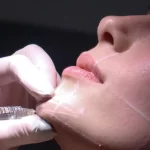
The filler is injected into planned areas through fine needles or blunt-tipped cannulas. The use of cannulas reduces the risk of vascular injury, especially in vascularly critical areas. The procedure takes between 20 to 45 minutes depending on the treatment scope.
Recovery and Care After Filler
After the procedure, mild swelling, redness, and rarely bruising may occur at the injection sites; these conditions usually pass within a few days to a week. Things to watch out for in the first week:
- Do not massage or apply pressure to the injection area for the first 24-48 hours
- Avoid intense exercise, sauna, and steam bath for the first 48 hours
- Stay away from alcohol consumption for the first 24 hours
- Maintain sunscreen use
- Plan the procedure at least 2 weeks before an important event
How Long Do Filler Results Last?
The permanence of face contouring with filler results varies depending on the formulation of the product used, the area applied, and the person’s metabolism. Generally, hyaluronic acid-based fillers maintain their effect between 9 to 18 months. While filler metabolizes faster in mobile areas such as the lips, permanence can be longer in less mobile areas such as the chin tip and cheek. When the effect fades, a renewal session can be planned.
Who Is Face Contouring with Fillers Suitable For?
- Individuals who appear tired and old due to volume loss
- Those who want to balance facial proportions and correct the profile
- Those seeking natural rejuvenation without surgery
- Those who want to add volume and shape to their lips
- People who want jawline and cheekbone definition
- Those complaining of under-eye hollowness and tired appearance
Face Contouring with Fillers at Zen Polyclinic
At Zen Polyclinic, our Ataşehir Istanbul center performs filler applications by specialist physicians experienced in facial anatomy, with the natural result principle. Along with fillers, you can create an integrated facial rejuvenation plan with complementary applications such as botox treatments and HIFU face lifting.
Conclusion
Face contouring with fillers is an effective medical aesthetic method that gives the face comprehensive rejuvenation and balance without surgery by being applied to many areas such as the cheek, chin tip, jawline, lip, under eye, temple, and nasolabial fold. With correct area selection, appropriate filler material, and experienced specialist application, the results obtained are extremely natural and satisfying. You can get a free consultation from Zen Polyclinic experts to create the most suitable face contouring plan for you.
Frequently Asked Questions (FAQ)
Which facial areas can fillers be applied to?
Fillers can be applied to the cheek, cheekbone, chin tip, jawline, lip, under eye, temple, nasolabial fold, and nose areas. Different consistency fillers are used in each area.
Is face contouring with fillers permanent?
Hyaluronic acid-based fillers generally maintain their effect between 9 to 18 months. They last shorter in mobile areas and longer in less mobile areas.
Is the filler application painful?
Topical anesthetic cream is applied before the procedure and most filler products contain lidocaine. This way, the discomfort during the procedure is minimal.
Can fillers be reversed?
Yes. Hyaluronic acid-based fillers can be completely reversed by injecting hyaluronidase enzyme when the result is unsatisfactory.
How long does swelling last after filler?
Mild swelling, redness, and rarely bruising may occur at the injection site; these usually pass within a few days to a week.
When can I return to normal life after filler?
Most patients can return to daily life immediately after the procedure. It is recommended to avoid intense exercise, sauna, and steam bath for the first 48 hours.
How does cheek filler affect the face?
Cheek filler adds volume and lift effect to the middle third of the face by increasing cheekbone projection, and also contributes to softening of the nasolabial folds.
Does face contouring with fillers look natural?
Extremely natural results are achieved with correct area selection, appropriate filler amount, and experienced specialist application. An exaggerated appearance usually results from excessive filler application.