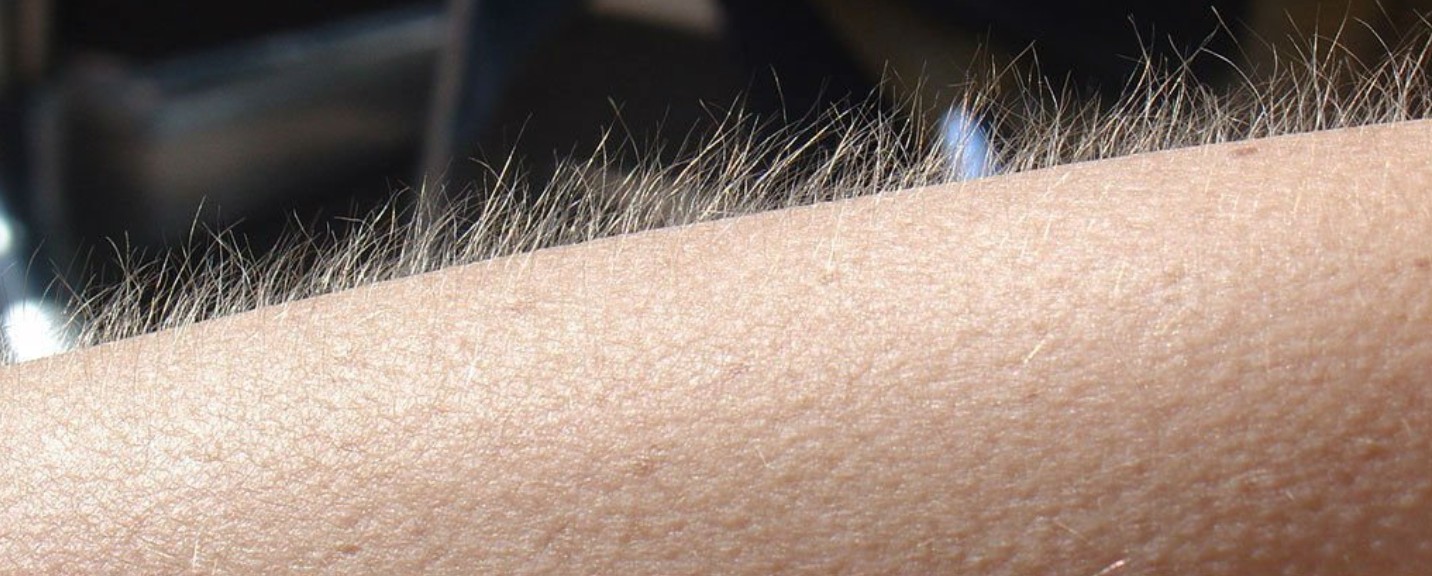
Is Laser Hair Removal Effective on Blonde, White and Light-Colored Hair?
Laser hair removal on blonde, white and light-colored hair is a treatment area where traditional laser systems give more limited results than with dark, thick hair due to their working principle, though a certain degree of success can be achieved with the right device and technique. Laser hair removal works by targeting the melanin pigment in the hair root; since light-colored hair contains little of this pigment, the laser has a limited target to attach to. So does laser hair removal actually work on blonde and white hair, which devices are more effective, how many sessions might be needed, and what alternatives can be considered when results are not achieved? In this comprehensive guide, we address all these questions in detail.
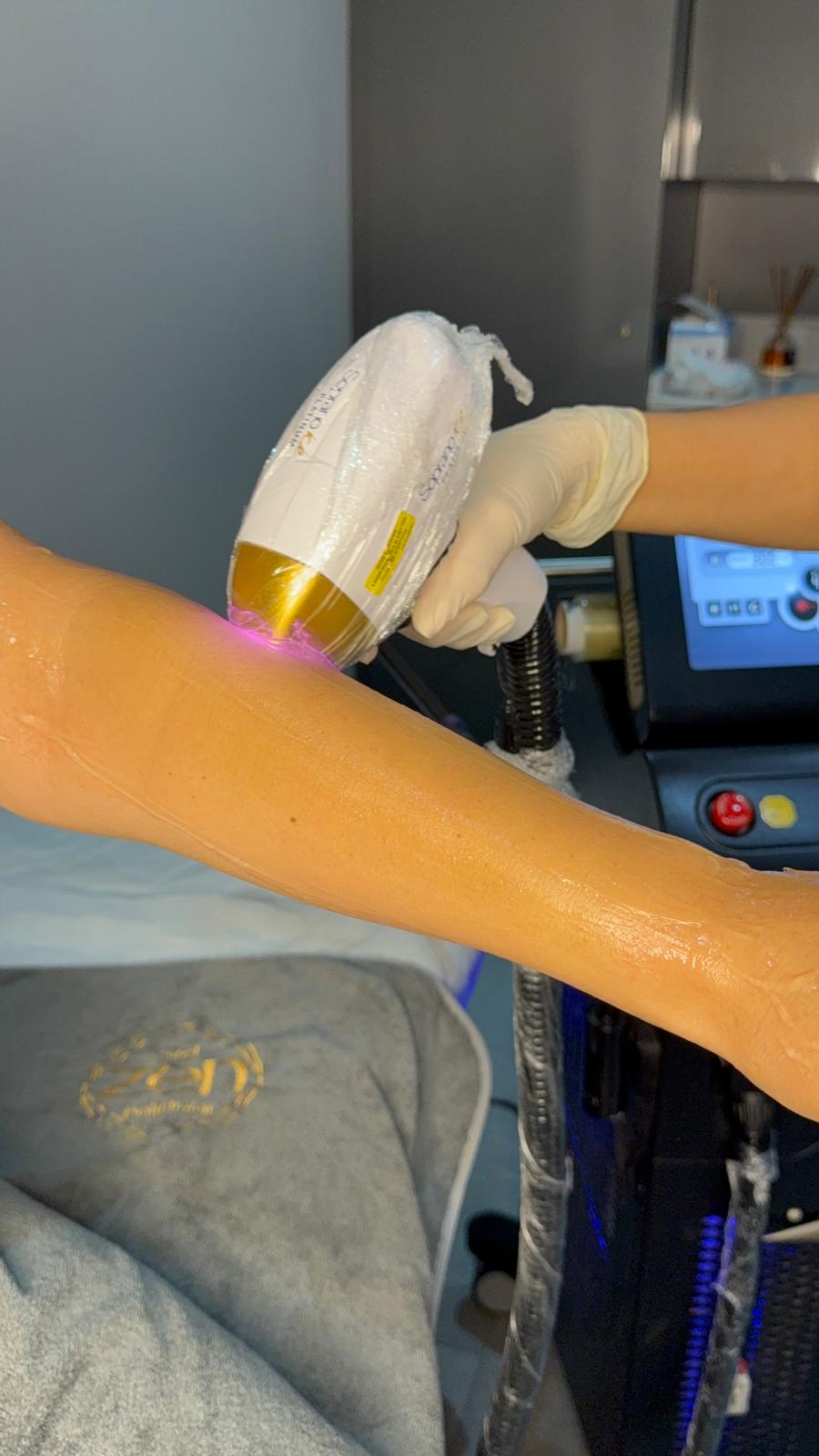
How Does Laser Hair Removal Work?
Laser hair removal works by delivering light energy that focuses on the melanin pigment in the hair root. When the laser beam is applied to the skin, the dark-colored melanin absorbs this energy and converts it into heat; this heat damages the hair root (follicle) and reduces its growth capacity. This mechanism gives quite effective results on dark, thick hair because melanin density is high. However, since the system depends on the amount of pigment it can target, the same effectiveness cannot be expected with hair that has low melanin content. This basic principle explains why light-colored hair requires a different approach.
Why Is Laser Harder to Work on Light-Colored Hair?
Blonde, reddish-blonde, gray and white hair contain much less melanin pigment compared to dark hair; white hair practically contains no melanin at all. Since laser energy needs a pigment to target in order to be effective, traditional laser systems (Alexandrite, diode) may give limited or no results on these hair types. This is not a result of poor device quality but stems from the nature of the physical principle itself. That is why different technologies, different parameters or alternative methods need to be considered for light-colored hair.
Is There a Difference Between Blonde Hair and White Hair?
Yes, there is an important difference. Blonde hair contains a small amount of melanin, which is why partial results can sometimes be achieved in some cases, especially with strong, correctly calibrated devices. In white hair, however, melanin pigment is almost completely absent, so traditional laser systems remain practically ineffective. Understanding this difference is critical for the patient to form a realistic expectation and choose the right method. Reddish-toned light hair can also show variable results, depending on the hair’s pigment density.
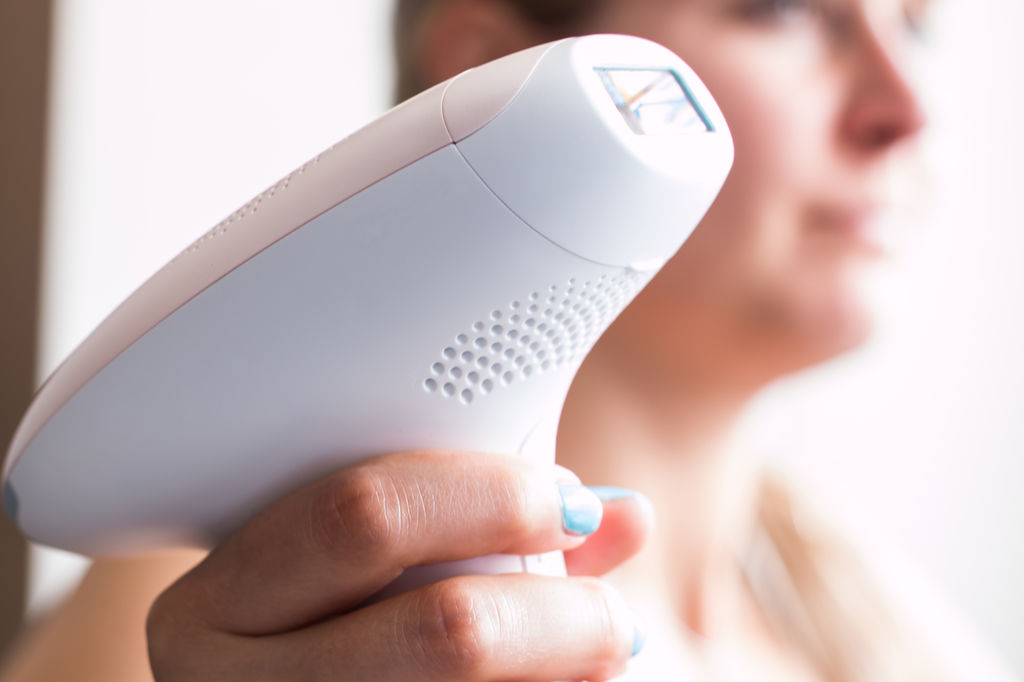
Which Laser Types Are More Effective on Light-Colored Hair?
Instead of standard Alexandrite or diode lasers, Nd:YAG laser systems, which have a longer wavelength, can go deeper and affect different tissue layers in some cases with light-colored hair; however, since Nd:YAG’s fundamental working principle also relies on melanin, this device can also remain limited on truly white hair. Some modern systems try to achieve relative improvement on light hair using broadband light technology or combinations of multiple wavelengths. For the right device choice, an assessment specific to skin and hair type at an experienced clinic is recommended; you can find general information on this topic on our laser hair removal page.
Is Electrolysis an Alternative for Light-Colored Hair?
Electrolysis, unlike laser, works by delivering electric current directly to the hair root rather than targeting pigment; therefore, the hair’s color does not pose an obstacle for electrolysis. In cases where laser proves insufficient for blonde, white and gray hair, electrolysis is one of the few methods that can truly provide permanent results. However, since electrolysis is applied to each hair follicle individually, it is quite time-consuming over large areas and is generally preferred for smaller areas (face, eyebrow area). This is why, for patients with light-colored hair, a careful assessment between laser and electrolysis should be made based on the size of the treatment area, the patient’s time budget and their priorities.
How Does Skin Type Affect the Treatment of Light-Colored Hair?
The overall effectiveness of laser hair removal depends not only on hair color but also on skin tone. In people with light skin and light-colored hair, the laser struggles more due to low contrast; in people with darker skin, since the skin itself also contains melanin, some of the laser energy is absorbed by the skin, which can both reduce effectiveness and increase burn risk. For this reason, device parameters (wavelength, energy level, pulse duration) must be carefully adjusted for patients with light-colored hair, taking skin tone into account as well. An experienced practitioner minimizes risk by maintaining this balance.
What Factors Increase the Likelihood of Results?
Several factors increase the likelihood of results with light-colored hair: the hair not being entirely white but having a slight blonde or reddish tone, the hair being thick and dense (which can contain more pigment than fine, sparse hair), using a powerful device with the correct wavelength, and patiently increasing the number of sessions. The person’s overall hair cycle, hormonal status, age and genetic makeup can also directly or indirectly affect the outcome. All of these factors should be carefully weighed together to create a realistic, personalized treatment plan; basing a decision on a single factor alone can be misleading.
How Many Sessions Are Needed for Blonde and White Hair?
While dark hair usually shows noticeable reduction after 6-8 sessions on average, this number can be higher with light-colored hair and may reach up to 10-12 sessions in some cases; even so, the result may not be as complete and permanent as with dark hair. In some patients, even increasing the number of sessions may not achieve a noticeable reduction; this is because the amount of melanin in the hair is physically insufficient. That is why, before starting treatment, the patient should be clearly told that the first few sessions serve as a “trial” and the method may be reviewed based on the result.
When Are Results Visible on Blonde and White Hair?
While dark hair shows noticeable thinning and sparsening from the first sessions, this process is slower with light-colored hair, and a clear difference may not be visible in the first 3-4 sessions. Since this can lead to early disappointment in patients, it is important to establish a realistic timeline and expectation from the start of treatment. If no change is observed at all after 5-6 sessions, it is a reasonable step to evaluate alternative methods together with the practitioner.
What Should Realistic Expectations Be for Blonde and White Hair?
Instead of expecting a full, permanent result from laser hair removal on light-colored hair, a more realistic goal should be set, such as “partial thinning, sparsening and slower growth rate.” In some patients, part of the hair responds to laser treatment while another part is not affected at all; this mixed result is a situation frequently encountered in patients with light-colored hair. Discussing this possibility openly during consultation is decisive for both patient satisfaction and the decision to continue treatment.
What Alternatives Are Considered When a Full Result Cannot Be Achieved?
In cases of light-colored hair where laser hair removal proves insufficient, electrolysis, a care routine planned alongside temporary hair removal methods (waxing, threading), or topical products that slow hair growth can be considered. For some patients, rather than abandoning laser hair removal entirely, reducing existing dark hairs while managing light-colored hairs with another method can be a more practical solution. It is recommended that this decision be shaped by an expert assessment based on hair distribution and the patient’s priorities.
How Is the Pre-Treatment Assessment Conducted?
When a patient with blonde, white or light-colored hair concerns visits the clinic, the color, thickness and density of the hair must first be examined in detail. Skin tone is also assessed to determine the most suitable device and parameters. At this stage, the patient must be clearly told that results with light hair may be more limited and unpredictable compared to dark hair. An honest and transparent consultation prevents dissatisfaction later on.
How Does the Treatment Process Work?
Once the appropriate device is determined after assessment, the procedure proceeds similarly to dark hair removal: the skin is cleaned, shaved if necessary, and the laser device is applied to the determined area. Higher energy levels may sometimes be tried for light-colored hair, but this must always be done within skin safety limits. The procedure duration varies depending on the size of the area and is generally considered painless aside from a mild discomfort sensation.
What Should Aftercare Look Like?
Mild redness and sensitivity in the treated area subside within a few hours after the procedure. Sun protection, moisturizer use and avoiding irritating products are among the standard recommendations for light hair treatment, just as for dark hair treatment. In this hair type where results may be limited, regular aftercare both protects skin health and helps preserve any existing partial result for longer.
What Are the Possible Side Effects With Blonde and White Hair?
Since laser application on light-colored hair is generally ineffective at lower energy levels compared to dark hair, paradoxically the risk of side effects is also relatively low. Still, when energy levels are increased in an effort to achieve results, mild redness, temporary sensitivity or rarely a superficial burn risk can occur. To minimize these risks, it is recommended that an experienced practitioner follow a gradual energy-increase strategy that prioritizes skin safety.
Common Misconceptions About Blonde and White Hair
The belief that “laser affects every hair color the same way” is incorrect; effectiveness decreases significantly with hair that has low melanin density. The idea that “a stronger device always gives a better result” is also misleading; beyond a certain point, increasing energy may not provide additional benefit without compromising skin safety. Another common misconception is “if no result can be achieved at all, laser is a complete waste of time”; in fact, even partial thinning or slower growth can provide a meaningful benefit that makes daily grooming easier for some patients.
In Which Body Areas Is Light-Colored Hair Treatment More Difficult?
Laser hair removal struggles in areas like the face and upper lip, where fine, sparse and often light-colored hairs are dense. In larger areas such as the legs and arms, since hair density and thickness can vary from region to region, the same person may see partial results in some areas while noticing no difference at all in others. In areas like the bikini line, where hair is generally dark, the light-colored hair issue is encountered less frequently.
What Is the Situation With Hair That Turns White With Aging?
White hair that appears due to reduced melanin production in hair roots with age can sometimes regrow over time in an area that was previously successfully treated with laser. This does not mean the earlier treatment failed; it simply means that the newly growing hair has reduced pigment content and does not respond to laser. For this reason, a different approach (electrolysis or temporary methods) may be needed for white hair that appears years after laser hair removal.
The Difference Between Naturally Light Hair in Youth and Hair That Whitens With Age
In a young person who naturally has blonde or light-colored hair, the hair’s overall structure and growth cycle may be similar to dark hair; only the amount of pigment is low. In hair that turns white with aging, however, both pigment loss and sometimes changes in hair thickness and growth rate can be seen. Although these two situations may look similar, they can differ in terms of treatment response; this is why it is helpful to inquire during assessment whether the light-colored hair is congenital or acquired over time.
When Are Combination Approaches Considered?
For patients who have both dark and light-colored hair on their body, continuing laser hair removal for dark hair while supporting light-colored hair with electrolysis or temporary methods can be a practical solution. This combination approach offers a balanced plan in terms of both time and cost. Our article laser hair removal with Duetto MT Evo provides more information on the effectiveness of Alexandrite and Nd:YAG technologies for different hair types.
What Factors Affect the Price of Blonde and White Hair Treatment?
The cost of light-colored hair treatment varies depending on the device technology used, the size of the area to be treated, the number of sessions required, and whether additional methods such as electrolysis are involved. Since light hair generally requires more sessions, the total cost can be higher than that of dark hair treatment. When evaluating price, attention should also be paid to whether the clinic offers honest expectation management; approaches that offer guarantees should be avoided, both to protect the patient financially and emotionally.
Who Is Laser Hair Removal Suitable For on Blonde and White Hair?
People whose hair is not entirely white but has a slightly blonde, reddish or light brown tone can achieve a meaningful, though partial, result with a powerful and correctly calibrated device. This treatment is worth trying for people with realistic expectations who can accept gradual improvement and remain patient throughout the process. The decision to continue treatment can be clarified based on the response observed after the first few sessions.
Who Is Laser Hair Removal Not Suitable For on Blonde and White Hair?
For people whose hair is entirely white or very light-colored and who expect a definite, complete result in a short time, laser hair removal may not be a realistic option. These patients must be clearly informed before the procedure, and alternative methods such as electrolysis should be suggested if necessary. Avoiding approaches that guarantee or promise “certain results on every hair type” is important for patient safety and satisfaction.
Why Is Choosing the Right Clinic and Device Important?
One of the most important ways to increase the chance of success in light-colored hair treatment is choosing a clinic with up-to-date technology and devices capable of working at different wavelengths. An experienced practitioner increases the likelihood of results by determining the correct device and parameters based on hair and skin type, avoiding unnecessary repeat sessions. Furthermore, an honest clinic properly informs the patient rather than promising unrealistic results, and directs them to alternative methods when needed.
Why Is a Test Session Recommended for Blonde and White Hair?
For patients with light-colored hair, it is a wise approach to have one or two test sessions before purchasing a full treatment package. This test session gives the opportunity to observe how effective the device is on that particular patient’s hair and skin type and places the decision to continue treatment on a more solid footing. If a noticeable response is observed after the test session, treatment can be continued with confidence; if there is no response at all, turning to alternative methods at an early stage is more sensible in terms of both time and cost. Transparent clinics recommend this test approach themselves.
Do Hormonal Changes Affect the Formation of Light-Colored Hair?
Hormonal fluctuations, especially during pregnancy, menopause or thyroid function disorders, can change the color and thickness of body hair. In some people, newly emerging hair after a hormonal change may be lighter in color or finer than before; this can cause new hair that responds less to laser to appear in an area previously treated successfully with laser. In such a case, assessing the hormonal background and, if necessary, referring the patient to the relevant specialty contributes to shaping the treatment plan correctly.
Why Are Patience and Process Management Important in Blonde and White Hair Treatment?
Light-colored hair treatment can require a longer process compared to dark hair treatment, and results appear more gradually. During this process, the patient being patient, communicating openly with the practitioner at interim assessments, and sticking to a realistic timeline both increases satisfaction and prevents unnecessary disappointment. A good clinic evaluates progress together with the patient after each session and adjusts the treatment plan if needed. This collaborative approach is an important factor that increases the chance of success in light-colored hair treatment.
Assessment for Blonde and White Hair at Zen Polyclinic
At Zen Polyclinic, a detailed hair and skin type assessment is conducted for patients concerned about blonde, white and light-colored hair, and the most suitable device and treatment plan are determined based on this assessment. In cases where the likelihood of results is seen as low, the patient is honestly informed, and alternative methods such as electrolysis are considered. You can schedule a detailed consultation appointment at our clinic in Ataşehir, Istanbul, to create a realistic treatment plan for your light-colored hair.
The Importance of Keeping Records in Blonde and White Hair Treatment
Taking photographs before and after each session in light-colored hair treatment allows small changes in hair density to be objectively tracked. This kind of record-keeping system allows a genuine comparison to be made based on photographs, even if the patient subjectively feels “there’s no difference at all.” Regular photography also helps determine from which session onward a noticeable response was achieved and ensures treatment decisions are made on a data-driven basis. This approach forms a valuable reference for both patient and practitioner, especially in light-colored hair cases where results may be limited.
The Role of Communication With the Clinic in Light-Colored Hair Treatment
The process of light-colored hair treatment requires ongoing dialogue between the patient and the clinic rather than a one-way service delivery. The patient sharing their observations (for example, noticing more thinning in a certain area) with the practitioner contributes to making the treatment plan more precise over time. Similarly, the practitioner giving honest feedback after each session strengthens the trust relationship. This mutual communication helps the patient find the process more understandable and satisfying, even in cases where the result remains limited.
Conclusion: Managing Expectations Is Decisive for Light-Colored Hair
Laser hair removal on blonde, white and light-colored hair gives more limited and unpredictable results compared to dark hair; however, partial success can be achieved in some cases with the right device, correct parameters and realistic expectations. In cases where a full result cannot be achieved, alternative methods such as electrolysis should be considered. An honest consultation before the procedure is the most important step for both patient satisfaction and a well-managed treatment process. Patients who take a patient, data-driven and well-communicated approach are more likely to get the most realistic and satisfying result from light-colored hair treatment.
Frequently Asked Questions (FAQ)
Does laser hair removal work on blonde and white hair?
Since blonde hair contains a small amount of melanin, partial results can be achieved with strong, correctly calibrated devices; with white hair, however, since melanin is almost entirely absent, traditional laser systems generally remain ineffective.
Which method is more effective for white hair?
Electrolysis, which delivers electric current directly to the hair root rather than targeting pigment, is a more reliable method that can provide permanent results on white hair compared to laser; however, it is time-consuming over large areas.
How many laser sessions are needed for blonde and white hair?
While dark hair usually needs 6-8 sessions on average, light-colored hair can require up to 10-12 sessions, and even then the result may not be as complete as with dark hair.
Is Nd:YAG laser effective on blonde and white hair?
Nd:YAG’s longer wavelength can provide relative improvement in some cases, but since its fundamental working principle also relies on melanin, this device can also remain limited on truly white hair.
When are results visible on blonde and white hair?
The process is slower compared to dark hair; a clear difference may not be visible in the first 3-4 sessions. If there is no change at all after 5-6 sessions, alternative methods should be evaluated.
Can hair that turns white with aging be treated with laser?
No, because melanin production is greatly reduced in this hair. If white hair grows in an area previously treated successfully with laser, these new hairs may not respond to the laser.
Does laser hair removal carry side-effect risk on blonde and white hair?
Since laser is generally ineffective at lower energy levels on light-colored hair, the risk of side effects is relatively low; however, when energy is increased, mild redness or rarely a superficial burn risk can occur.
What should be done if a full result cannot be achieved on blonde and white hair?
Electrolysis, temporary hair removal methods, or topical products that slow hair growth can be considered. In cases with both dark and light hair, a combination approach can also be practical.