How Do Marionette Lines Fade?
Marionette lines are the vertical lines running from the corners of the mouth down toward the jawline, giving the face a tired, drooping or angry expression; the name comes from their resemblance to the mouth line of marionette puppets moved by strings. With age, loss of collagen and elastin, displacement of fat tissue and repeated facial movements cause these lines to deepen. So why do marionette lines form, how do they differ from nasolabial lines, and how can filler, Botox or a thread lift help them fade? In this comprehensive guide, we address all these questions in detail.
What Are Marionette Lines?
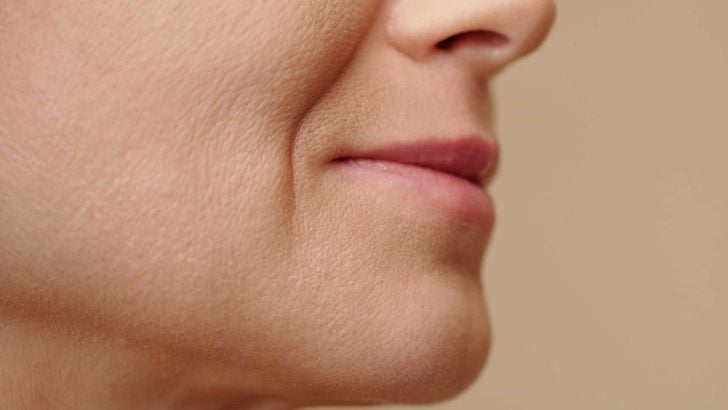
Marionette lines are two vertical lines starting at each corner of the mouth and extending down toward the tip of the chin. These lines sit in the lower third of the face and become more visible especially while speaking or smiling. A mild degree can develop in almost everyone over time; but when they deepen, they give the face a constantly drooping, sad or tired look. For this reason, marionette lines are a facial aging sign frequently assessed and treated in aesthetic medicine.
Why Do Marionette Lines Form?
Several factors combine to form marionette lines: reduced collagen and elastin production with age, downward and inward displacement of fat tissue in the cheek and chin area, decreased skin elasticity, and repeated movement of the muscles around the mouth, particularly the depressor anguli oris. Genetic predisposition, sun damage, smoking and rapid weight loss also play a role in these lines appearing earlier and more prominently. As volume loss in the lower face increases, the skin loses support and the line appears deeper.
What Are the Signs of Marionette Lines?
The most noticeable sign of marionette lines is the vertical grooves running from the mouth corners toward the chin, visible even at rest. These lines are usually accompanied by slight sagging at the chin tip, downturned mouth corners and volume loss in the lower cheek area. In some people, this appearance causes them to be perceived as more tired, sad or angry than they actually feel. Signs are usually first noticed from the late 30s onward and gradually increase over time.
Who Is More Likely to Develop Marionette Lines?
People with thin, dry skin, those with long-term sun exposure, smokers and individuals who lose weight rapidly develop marionette lines earlier and more visibly. Additionally, in people with a naturally recessed chin (retrognathia), these lines may look deeper because lower-face support is weaker. Genetic predisposition is also an important factor for those with a family history of early facial sagging. While some of these factors cannot be changed, skincare and sun protection measures can slow the process.
What Is the Difference Between Nasolabial Lines and Marionette Lines?
Nasolabial lines, also known as smile lines, run from the sides of the nose to the corners of the mouth, while marionette lines continue from the mouth corners down to the chin, located in a lower area. Both types of lines are usually assessed together because they represent different parts of the same aging process and are often treated in the same session. Correctly distinguishing between the two is important for determining which area gets filler and how much; you can find this detailed assessment in our nasolabial filler guide.
Why Do Marionette Lines Make the Face Look Tired or Angry?
The human brain quickly interprets facial expressions, and downturned mouth corners are subconsciously associated with sadness or anger. As marionette lines deepen, a person can be perceived as “grumpy” or “tired” by others even when carrying a normal, neutral expression. This can create a mismatch between how someone expresses themselves and their actual emotional state, and can affect self-confidence. This is why marionette line treatment aims not only for aesthetics but also for restoring expressive harmony.
How Do Marionette Lines Fade? General Treatment Approach
While marionette lines cannot be completely and permanently removed, they can be significantly reduced with the right treatment approach, allowing the face to look more rested. Treatment is usually planned by restoring lost volume with filler, balancing the downward-pulling muscles with Botox, and, if needed, supporting the process with skin-tightening methods (thread lift, HIFU, radiofrequency). Which method or combination is applied is determined individually based on the depth of the line, the degree of volume loss and skin quality. A combination approach, rather than a single method, provides a more natural and lasting result in most cases.

Treating Marionette Lines With Filler
Hyaluronic-acid-based filler is one of the most commonly used methods for treating marionette lines. Filler is injected both into the line itself and the surrounding lost volume, plumping the groove that runs toward the chin and gently lifting the mouth corner. When applied with the correct technique, the result looks natural; rather than overfilling, an approach that preserves the overall balance of the face is preferred. In some cases, a small amount of filler is added to the chin tip to support the lower-face contour; this approach can also be considered with the chin filler option.
Is Botox Effective for Marionette Lines?
Botox, when applied to the depressor anguli oris (DAO) muscle that contributes to marionette line formation, reduces this muscle’s downward pull, helping the mouth corner lift slightly. Botox alone does not add as much volume as filler, but it reduces muscle-driven downward pulling, supporting the filler’s effect and extending the result. Especially in early-stage, expression-related marionette lines where volume loss is not yet significant, Botox alone can also give a satisfying result.
Filler or Botox? Which Is the Right Choice?
In marionette lines that are static — visible even at rest — with significant volume loss, filler is preferred as the primary approach. If the lines become more visible mainly during facial expressions and volume loss is limited, Botox alone may be sufficient. In most cases, the most natural and balanced result is achieved by combining filler and Botox together in the correct ratio. Having this decision assessed by a specialist based on the patient’s facial anatomy, skin quality and degree of aging prevents unnecessary or insufficient treatment.
Treating Marionette Lines With a Thread Lift
In cases with noticeable skin sagging, where filler and Botox alone cannot provide sufficient support, a thread lift can be considered. By placing dissolvable threads under the skin, the lower face and jawline are gently lifted, which significantly improves the appearance of marionette lines. Although non-surgical, a thread lift’s effect covers a broader area than filler and Botox and is generally preferred for more advanced sagging. For detailed information, you can review our thread lift page in the medical aesthetics section.
Supportive Treatment With HIFU and Radiofrequency
In cases requiring support for skin quality and elasticity, HIFU (high-intensity focused ultrasound) and radiofrequency technologies stimulate collagen production, gradually tightening the skin. These methods alone do not eliminate deep marionette lines, but when combined with filler and Botox, they improve the skin’s overall tone, contributing to a longer-lasting result. This combination approach is a popular option especially for those with mild-to-moderate sagging who are not yet considering surgery.
Why Are Combination Treatments More Effective?
Because marionette lines are not caused by a single factor but by the combination of volume loss, muscle movement and skin laxity, achieving a complete result with a single method is usually limited. Correctly combining filler, Botox and, if needed, thread lift or energy-based devices (HIFU, radiofrequency) provides a more natural and longer-lasting improvement. The combination plan should be individualized by a specialist according to the person’s age, skin quality and degree of aging.
How Is the Pre-Procedure Assessment Conducted?
Before marionette line treatment, the face’s appearance at rest and during expression are assessed separately, and the degree of volume loss and skin elasticity are examined. Photography helps the practitioner determine the most suitable combination of methods. At this stage, the patient’s expectations are clarified and a realistic outcome goal is set. Medical history, current medications and any previous filler/Botox treatments are also part of this assessment.
How Does the Filler Application Process Work?
Before the procedure, the area is cleaned and a topical anesthetic cream is applied if needed. Filler is injected in a controlled manner into the determined points using a fine needle or cannula. The procedure usually takes 20-30 minutes and return to daily life is immediate. Botox application, on the other hand, is completed within minutes and requires no recovery period. Mild redness or swelling is common after the procedure and subsides quickly.
When Are Results Visible With Marionette Line Treatment?
The initial effect of filler is visible immediately, but the full result becomes clear once swelling subsides within 1-2 weeks. Botox’s effect starts within 3-5 days and can take up to 10-14 days to fully settle. With a thread lift, the lifting effect in the lower face is noticed immediately after the procedure, while the skin-tightening effect continues to increase over the following weeks. With collagen-stimulating methods like HIFU and radiofrequency, results appear more gradually and can take a few months.
How Long Does the Effect of Marionette Line Treatment Last?
Filler usually maintains its effect for 9-18 months depending on the product used; due to the mobility of the area, this period can be slightly shorter with some products. Botox’s effect lasts an average of 3-4 months, and results can be extended with regular repeat treatments. A thread lift’s effect varies between 12-24 months, and thanks to lasting collagen stimulation, some firmness can persist even after the threads dissolve. It should be remembered that these durations can vary from person to person, influenced by skin quality and lifestyle factors.
What Is the Recovery Process Like After the Procedure?
Mild swelling and bruising may occur in the first 24-48 hours after filler; cold compresses and sleeping with the head elevated speed up this process. Avoiding pressure on the area and lying flat for extended periods is recommended for the first 4 hours after Botox. After a thread lift, a mild sensation of tightness for a few days is normal and gradually decreases. With both methods, avoiding intense exercise and sauna in the first week helps the result settle properly.
What Are the Possible Side Effects and Risks of Marionette Line Treatment?
When performed correctly, marionette line treatment is considered low-risk; the most common side effects are temporary swelling, redness and bruising. Rarely, mild asymmetry or lumpiness with filler, or spread to a neighboring muscle with Botox, can occur; most of these resolve on their own over time or can be easily corrected. Serious complications, such as vascular occlusion, are extremely rare, and the risk is greatly reduced in the hands of an experienced practitioner. A detailed health assessment before the procedure minimizes these risks.
Home Care and Preventive Approaches for Marionette Lines
To slow the early appearance of marionette lines, daily sunscreen use, regular moisturizing and skincare products containing retinol are recommended. Quitting smoking and eating a balanced diet contribute to preserving skin elasticity. Home care cannot eliminate deep lines that have already formed, but it helps slow the process and helps professional treatment results last longer. A regular skincare routine should be considered a complement to medical treatments.
Common Misconceptions About Marionette Lines
The belief that “marionette lines only happen to thin people” is incorrect; volume loss and muscle movement can develop in anyone regardless of weight. The idea that “Botox alone is always enough” is also misleading; if volume loss is significant, Botox alone gives limited results. Another misconception is “once filler is done, the line never comes back”; in fact, filler’s effect diminishes over time and regular repeat treatment may be needed. Being aware of these misconceptions helps patients set a realistic treatment plan.
What Factors Affect the Price of Marionette Line Treatment?
The price of marionette line treatment varies based on the filler brand and amount used, the number of Botox units, whether a thread lift is included, and the scope of the combination treatment. The depth of the line and the total area to be treated also affect cost. When comparing prices, one should look not only at the number but also at the authenticity of the product used and the practitioner’s experience; extremely low prices can often be a sign of compromised product or practitioner quality.
Who Is Marionette Line Treatment Suitable For?
People with noticeable lines running from the mouth corners to the chin, those who feel their face looks tired or drooping at rest, and those not yet ready for surgery benefit from these treatments. Although usually preferred from age 35 onward, it can also be considered at a younger age for those with early volume loss, sometimes even in the late 20s or early 30s. In cases where skin sagging is limited and muscle balance and volume can be corrected with filler/Botox, the result is quite satisfying, and patients often notice a clear difference within a few sessions.
Who Is Marionette Line Treatment Not Suitable For?
In people with advanced skin sagging or significant excess in the lower face, filler and Botox alone may not be sufficient, and surgical facelift options should be considered. Treatment is not recommended during pregnancy and breastfeeding, in those with active skin infection, or in those with a known allergy to botulinum toxin. This is why a detailed pre-procedure assessment and correct candidate selection directly affect the safety and satisfaction of the outcome.
Why Is Choosing the Right Practitioner So Important?
Marionette line treatment is performed in a sensitive area requiring good knowledge of the muscle and vessel anatomy around the mouth. An incorrect point or dose can lead to results such as an asymmetric smile or unwanted muscle weakness. An experienced practitioner determines the right amount and technique by observing the face’s dynamic movements, which is the key to a natural, balanced result. The practitioner’s training background and experience in this area should always be questioned before the procedure.
What Should Realistic Expectations Be for Marionette Line Treatment?
Marionette line treatment aims to significantly reduce the lines and rest the facial expression rather than completely eliminating them. Instead of expecting complete flattening of deep, long-standing lines, a “more rested, younger-looking expression” goal is realistic. Results vary from person to person, depending on skin quality and degree of aging; this is why the practitioner setting a realistic expectation during the consultation is decisive for satisfaction.
Marionette Lines and Overall Facial Rejuvenation
Marionette lines are usually not assessed in isolation but as part of the overall facial aging process; for this reason, they are often addressed within a broader facial rejuvenation plan that also covers the cheekbones, nasolabial area and jawline. For this holistic approach, it can be helpful to review non-surgical face lift options. A plan that considers the face’s overall balance, rather than focusing on a single area, provides a more natural and harmonious result.

How Do Tooth Loss and Chin Structure Affect Marionette Lines?
In people who have lost teeth in the lower jaw, reduced bone support shortens the vertical height of the lower face, which can make marionette lines appear more prominent. Similarly, in people with a naturally recessed chin, the lines are perceived as deeper because lower-face support is weaker. In such cases, a filler approach focused only on the line itself may not be sufficient; volume loss in and around the chin also needs to be assessed together. Dental history and chin structure are details that must always be discussed during the consultation.
Why Is Follow-Up Important in Marionette Line Treatment?
A check-up appointment a few weeks after the initial treatment is important for assessing whether the filler has settled symmetrically and whether Botox has achieved the expected balance. A small touch-up correction can be made at this stage if needed. Regular follow-up also helps anticipate when the product’s effect starts to diminish and helps plan the next session on time. Choosing a clinic that does not neglect the follow-up process is valuable both for maintaining the result long-term and for catching possible issues early.
An Example of a Combination Approach for Marionette Lines
In a typical case with moderate volume loss and mild skin sagging, a small dose of Botox is first applied to the depressor anguli oris muscle, followed two to three weeks later by targeted filler injected into the mouth corner and marionette groove. Radiofrequency sessions can be added to this plan if skin quality support is desired. This staged approach, rather than using an excessive amount of product in a single session, allows progress to be observed as it happens and helps preserve a natural appearance. The plan is reshaped for each case according to the person’s anatomy.
Marionette Line Treatment at Zen Polyclinic
At Zen Polyclinic, marionette lines are treated with a combination of filler, Botox, thread lift and energy-based devices planned specifically for the patient’s facial anatomy and degree of aging. A detailed facial assessment is conducted before the procedure, the authenticity of the products used is documented, and a realistic outcome expectation is set together with the patient. With experienced physicians at our clinic in Ataşehir, Istanbul, we can create a personalized treatment plan for your marionette lines.
Long-Term Care After Marionette Line Treatment
To preserve the result achieved after treatment for as long as possible, regular sunscreen use, good moisture balance and a balanced diet are recommended. The timing of Botox and filler repeat treatments varies depending on the person’s skin response and muscle activity; some patients find a small touch-up every 4-6 months sufficient, while others may need a longer interval. In long-term care, regular check-ups ensure both the continuity of the result and the correct management of any cumulative dosing. This approach should be viewed as a sustainable care plan rather than a one-time procedure.
Conclusion: Marionette Lines Can Be Significantly Reduced With the Right Plan
Although marionette lines are a natural part of aging, they can be significantly reduced with the correct diagnosis and a personalized treatment plan. The right combination of filler, Botox, thread lift and supportive skin-tightening methods gives the face a more rested and balanced expression. A detailed pre-procedure assessment with an experienced specialist forms the foundation for both a safe and realistic result. Patients who take a patient, gradual and follow-up-focused approach increase their chances of achieving the most natural and longest-lasting results.
Frequently Asked Questions (FAQ)
What are marionette lines?
They are two vertical lines running from the corners of the mouth toward the chin, giving the face a tired or drooping expression. They deepen over time due to collagen loss, fat tissue displacement and repeated facial movements.
How do marionette lines fade?
They cannot be permanently removed, but can be significantly reduced with filler to restore volume, Botox to balance the downward-pulling muscle, and, if needed, skin-tightening methods such as a thread lift or HIFU.
Is filler or Botox more effective for marionette lines?
If volume loss is significant, filler is the primary approach; if the line appears mainly with expression, Botox may be enough. In most cases, the most natural result comes from combining both in a balanced ratio.
Are marionette lines the same as nasolabial lines?
No. Nasolabial lines run from the sides of the nose to the mouth corners, while marionette lines continue from the mouth corners toward the chin. The two are usually assessed and treated together.
How long does marionette line treatment last?
Filler lasts 9-18 months depending on the product, and Botox lasts an average of 3-4 months. A thread lift’s effect varies between 12-24 months, and some firmness can persist longer thanks to collagen stimulation.
Is marionette line treatment painful?
A topical anesthetic cream is applied before the procedure if needed, so aside from a mild stinging sensation during treatment, no significant pain is experienced. Botox and filler are generally well tolerated.
Who is not suitable for marionette line treatment?
In people with advanced skin sagging, filler/Botox alone may not be enough, and surgical options should be considered. Treatment is not recommended during pregnancy, breastfeeding or active skin infection.
When are results visible after marionette line treatment?
Filler’s initial effect is seen immediately, with the full result clear once swelling subsides in 1-2 weeks. Botox’s effect starts within 3-5 days and fully settles within 10-14 days.