Autumn Laser and Pigmentation Treatment Plan: A Guide to Preparing for the Season
Autumn laser treatment is a seasonal approach covering the laser and pigmentation applications planned in the period when the intensity of sunlight decreases, the tan on the skin gradually resolves and daily sun exposure falls markedly. Sun damage accumulated over the summer, darkened spots, dullness of the skin, dryness and pigment irregularity are the typical findings of this period. Because the ultraviolet load decreases, the safety window for laser applications widens and the healing process progresses in a more controlled manner. So why is laser treatment more suitable in autumn, when should pigmentation treatment begin, which laser is used for which spot, how is the session schedule built and when do the results become visible? In this comprehensive guide, we address all these questions in detail.
Why Is Laser Treatment More Suitable in Autumn?
The advantage of autumn comes from three points. First, because the angle and intensity of sunlight decrease, the ultraviolet load on the skin falls; this reduces the risk of a pigment reaction after laser. Second, thanks to clothing becoming more covering and the time spent outdoors becoming shorter, it becomes easier to protect the treated areas. Third, a long and uninterrupted schedule opens up for repairing the damage that occurred over the summer; when autumn and winter are considered together, multi-session plans can comfortably be completed. At Zen Polyclinic this period is regarded as the season in which not a single procedure but an integrated skin plan is carried out, and the applications are arranged in an order that allows them to support each other.
How Does the Relationship Between Sun, Melanin and Laser Work?
Melanin, found in the upper layer of the skin, works like a natural protective shield against ultraviolet rays and its production increases with sun exposure. Most laser applications, on the other hand, are based on having the light absorbed by a target pigment or vessel. When there is excess melanin in the skin, part of the light is absorbed in the upper layer without reaching the target; this both reduces efficacy and increases the risk of burns and colour change. For this reason tanned skin is not a suitable ground for laser. As melanin production slows down in autumn, this risk decreases and the physician can safely work with more effective parameters.
Which Problems Become More Pronounced in the Skin at the End of Summer?
The most frequently seen picture at the end of summer is pigment irregularity: the number and prominence of dark spots increase on the face, décolleté, shoulders and backs of the hands. To this are added unevenness of skin tone, dullness, fine lines becoming more visible and dryness linked to a weakened barrier. Because of the sea, the pool and air conditioning the skin loses water; renewal after sun accelerates and the accumulation of dead cells on the surface increases. In some people, pore congestion and an acne flare are seen because of increased sweating and sebum over the summer. The autumn plan is built by looking at this whole picture, targeting not a single symptom but the whole.
When Does a Tan Completely Fade?
A tan is a temporary increase in the amount of melanin in the upper layer of the skin and it decreases gradually with cell renewal. While a superficial tan lightens markedly in two to three weeks, complete resolution of a deep tan formed after intense sun exposure may take four to six weeks. This period varies according to skin type, the time spent in the sun and the care used. When laser planning is done, the current condition of the skin is examined rather than the calendar date; the physician assesses the colour and postpones the application when necessary. This waiting period is not lost time; this period can be used productively for preparing the skin.
When Should the Autumn Season Begin?
In practice the most suitable start is the period when intense sun exposure has ended and the tan has largely lightened; in most people this coincides with the end of September and the beginning of October. Nevertheless, season preparation can be started earlier: at the end of August the sun protection discipline is tightened, moisturising is increased and, if needed, the skin is calmed with non-irritating products. In this way the skin is ready when the actual applications begin. Early planning also allows the appointment schedule to be set up comfortably, because autumn is a period when clinic workload increases and keeping intervals regular in multi-session plans directly affects the result.
How Is the Autumn-Winter Plan Constructed?
An efficient plan is built by dividing it into months. September is the month of preparation and assessment: skin analysis is performed, spot types are distinguished and the sun protection and moisturising routine is established. October is the beginning of applications: pigment-focused laser sessions and the first sessions of laser hair removal are planned in this period. November and December are the months in which sessions are continued at regular intervals and combinations come into play. January and February are the period in which results are consolidated and maintenance intervals begin. This schedule ensures that the main course is completed before the sun intensifies in spring; in this way the new season is entered with a prepared skin.
How Should the Autumn Plan Be for Laser Hair Removal?
Because laser hair removal targets pigment, the safety window narrows on tanned skin; for this reason autumn is the most productive season for this treatment. After the tan has lightened, the physician can work with more effective energy levels and the reduction obtained per session increases. In addition, since protection from the sun is easy in this period, compliance with post-session rules rises. Considering that sessions need to continue at intervals of four to eight weeks because of the hair cycle, the autumn-winter period offers sufficient time to complete a multi-session plan. In laser hair removal application it is recommended that planning be done area by area.
How Many Sessions Can Be Completed in the Autumn-Winter Period?
A plan starting at the beginning of October offers a window of about six months up to the end of March. Four to five sessions at intervals of six to eight weeks in wide areas such as the legs and back, five to six sessions at intervals of four to six weeks in the underarm and bikini area, and six to seven sessions at intervals of three to four weeks on the face fit into this window. In most people this is sufficient progress for a marked reduction. The remaining sessions can be completed in spring while maintaining sun protection discipline. We explain in detail how laser hair removal is managed in the summer period and the effect of tanning in this article.
Why Should Pigmentation Treatment Begin in Autumn?
The success of pigmentation treatment depends on two conditions: targeting the pigment and not triggering new pigment production after treatment. In the summer months the second condition cannot be met; as long as sun exposure continues, the treated spot returns within a short time or new pigment forms around it. In autumn, because the ultraviolet load falls, the gain from treatment can be preserved. Moreover, most spots are at their darkest at the end of summer; the assessment made in this period shows the real borders and depth of the spot more clearly. For this reason autumn is a favourable time frame both for treatment and for correct diagnosis.
How Are Skin Spot Types Distinguished?
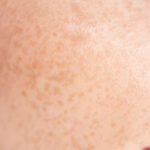
Treatment selection varies according to the type of spot, so distinguishing them is the first step of treatment. Sun spots are generally sharply bordered, light to dark brown and located in sun-exposed areas. Age spots accumulate over the years on the backs of the hands, face and décolleté. Melasma is a picture that is symmetrically located, with indistinct borders, open to hormonal influence and involving the deep layer as well. Post-inflammatory spots, on the other hand, appear after acne or irritation. This distinction is made by clinical examination and, when necessary, assessment under light. We discuss spot types and their causes in detail in this guide.
How Does Pigmentation Treatment With Fractional Laser Work?
Fractional lasers deliver energy to the skin in microscopic columns; because the intact tissue in between is preserved, healing is rapid. This approach provides both the removal of pigment-containing cells and the stimulation of collagen renewal. For this reason not only the spots but also the skin texture, pore appearance and fine lines improve. A plan of usually three to five sessions is applied at intervals of four to six weeks. During the healing period redness, mild crusting and temporary darkening may be seen. Pigmentation treatment with fractional laser is therefore planned in the season when protection from the sun is easy.
For Which Spots Is the Q-Switched Laser Used?
Q-switched lasers work with very short pulse durations and deliver energy to pigment clusters abruptly; this causes the pigment to be broken up by mechanical rather than thermal effect. Because heat diffusion to the surrounding tissue is low, a selective effect is created. This approach is used especially for sharply bordered superficial pigment spots, in some deep pigment conditions and in tattoo removal procedures. Healing after the session is usually short, but the plan is again multi-session. In Q-switched laser application too, protection from the sun is the most important variable determining success.
Fractional or Q-Switched? Which One in Which Situation?
The decision is made according to the depth of the spot, the clarity of its borders, the skin type and accompanying problems. If there are also problems of tissue quality, pores and fine lines along with the spots, the fractional approach meets more than one target in a single application. In contrast, in isolated, sharply bordered and superficial pigment foci, the Q-switched laser can be a more selective option requiring less healing time. In some plans the two methods are used together in different sessions. What matters is not the name of the device but correct diagnosis and correct sequencing. For this reason the pre-treatment assessment is a step as decisive as the treatment itself.
Why Is the Approach Different in Melasma?
Melasma is a pigment condition that is open to hormonal influence, has a high tendency to recur and can also be triggered by heat. For this reason aggressive laser applications may worsen melasma rather than improve it. The approach is gradual: first sun protection and management of triggers, then topical brightening treatment, and afterwards, if needed, low-intensity and carefully selected laser or peeling applications. In melasma the goal is not complete clearance but marked lightening and keeping it under control. Autumn is particularly valuable in this condition, because the reduction of the ultraviolet and heat load makes it easier for the treatment to preserve its gain and lowers the risk of recurrence.
How Is Chemical Peeling Added to the Autumn Plan?
Chemical peeling evens out skin tone by dissolving the accumulation of pigmented cells on the surface and provides support between laser sessions. Superficial peels can be applied at more frequent intervals and with less healing time; medium-depth ones give a stronger effect but require more careful follow-up. Within the plan, peeling is usually placed in the periods between laser sessions; two aggressive procedures are not performed one after another in the same week. We explain in detail how chemical peeling and laser are compared in pigmentation treatment and which one comes to the fore in which situation in this article.
How Is the Skin Prepared Before Laser?
The preparation period directly affects the quality of the result. For two to four weeks the skin barrier is strengthened: moisturising is made regular, irritating products are discontinued and sunscreen is used every day. In skins with a high tendency to pigment, the physician may start a brightening topical treatment when necessary to suppress melanin production; this reduces the risk of darkening after laser. In people using retinoids, a certain break may be requested before the application. If there is active acne, eczema or irritation, these are calmed first. Prepared skin both responds better to treatment and heals faster.
What Should Be Considered Before the Session?
It is necessary to have been protected from the sun for at least two to four weeks before the session and not to have used tanning products. On the day of the application the area must be clean and free of make-up and perfume. The use of photosensitising medication or herbal supplements must certainly be reported. If there is a history of cold sores, preventive treatment may be planned before facial applications. Waxing and depilatory products should be discontinued before the procedure. Finally, it is recommended that the person review their social plans for a few days after the procedure; redness and mild crusting are expected findings and making room for the healing period eases the process.
How Do Aftercare and Healing Progress?
In the first hours after the application redness, a feeling of heat and mild oedema are seen. Cold application and soothing, barrier-repairing products provide comfort in this period. In fractional applications a rough texture and micro-crusting lasting two to five days are normal; crusts must absolutely not be picked off. Hot showers, sauna, swimming pools and heavy exercise are postponed for a few days. Sunscreen is used without interruption throughout healing. In case of findings such as an unexpected level of pain, spreading redness, discharge or blistering, the clinic should be contacted. Correct care both improves the result and reduces temporary darkening, the most frequently seen problem in pigmentation treatment.
Is Sunscreen Necessary in Autumn Too?
It is absolutely necessary and this is the most critical part of the plan. Ultraviolet A rays are largely independent of the season and the weather; they are effective on cloudy days and behind glass as well. Because the skin is temporarily more sensitive after laser or peeling, skin left unprotected rapidly loses the gain obtained through treatment. For this reason a broad-spectrum product with a factor of at least thirty should be applied every day in a sufficient amount and refreshed on days spent outdoors. In people with a high tendency to pigment, tinted products or those with mineral filters provide additional benefit in terms of visible light protection.
When Do Antioxidant and Brightening Ingredients Come Into Play?
Topical support is the silent partner that increases the efficiency of the laser plan. Antioxidants such as vitamin C limit free radical damage in the morning routine and even out skin tone. Niacinamide lightens the appearance of spots by reducing pigment transfer and strengthens the barrier. Brightening ingredients such as tranexamic acid and azelaic acid can be added to the plan on the physician’s recommendation. These products are restarted not immediately after laser sessions but after the skin has recovered. When used regularly they both preserve the gain in the period between treatments and extend the longevity of the result obtained at the end of treatment.
How Is Retinoid Use Harmonised With the Laser Plan?
Because retinoids accelerate cell renewal and improve pigment irregularity, they are a natural part of the autumn-winter plan. However, when used immediately before and after laser or peeling sessions they may cause irritation and excessive sensitivity. For this reason a break is taken a few days before the application and use is gradually restarted after the skin has healed completely. When restarting, the frequency is reduced and increased as tolerance develops. Sunscreen is mandatory during the period retinoids are used. With correct timing, a retinoid becomes a component that supports the results instead of weakening the effect of the laser.
Which Applications Can Be Combined in the Same Period?
In the autumn plan more than one target can be fitted into the same season, but the sequencing is important. Pigment-focused laser sessions and laser hair removal can be continued simultaneously in different areas. Supportive applications such as skin renewal and mesotherapy are placed outside the healing periods between laser sessions. Injection applications such as botox and filler are usually planned one to two weeks before or after laser. Two aggressive procedures are not combined on the same day. This arrangement ensures both that healing progresses in a controlled way and that it can be clearly assessed which application produced which result.
Why Is Autumn Suitable for Acne Scars and Pores?
Methods used in the treatment of acne scars and enlarged pores, such as fractional laser, microneedling radiofrequency and deep peeling, create controlled damage and stimulate collagen renewal. During this process the skin temporarily becomes sensitive and light-sensitive; in the summer months this situation increases the risk of pigmentation. In autumn, however, the healing period can be managed safely. In addition, because collagen renewal takes time, a plan of three to six months is needed; a course begun in autumn gives a matured result towards spring. In people whose acne activity decreases at the end of summer, this period creates a natural opportunity to move on to treatment.
What Is the Seasonal Effect in Capillaries and Redness?
Persistent redness on the face and dilated capillaries become more pronounced with hot weather, sun and sudden temperature changes. For this reason the summer months are the period in which both the complaint increases and protection after treatment becomes more difficult. In autumn, because the heat load decreases, the response to the application is assessed more clearly and the result is preserved for longer. In vessel-focused applications two to four sessions are usually sufficient and session intervals are four to six weeks. The capillary treatment options applied for persistent redness and dilated vessels are planned with a separate assessment.
Frequently Made Mistakes in the Autumn Plan
The most frequent mistake is starting the application before the tan has completely faded; this both lowers efficacy and creates risk. The second mistake is abandoning sunscreen because the season has changed. The third is dragging out the plan by keeping session intervals irregular; missed intervals lengthen the total duration. The fourth is piling several aggressive procedures on top of one another in the same period. The fifth is expecting a result after a single session and giving up early. The sixth is not including home-use products in the plan; without topical support, laser alone does not give the expected result. All these mistakes can be prevented with a good plan made from the outset.
How Does a Holiday Plan Affect the Treatment Schedule?
If a holiday to a sunny region is planned within autumn or winter, this must be reported at the beginning of the schedule. An aggressive laser session is not performed before intense sun exposure; the application is moved to after the holiday or planned so as to be completed at least two to three weeks before the holiday. If there is a tan on the skin on return, a waiting period is applied again. Ski holidays are also evaluated within the same scope, because the ultraviolet load increases at high altitude. When this information is shared, the physician builds the plan accordingly; a schedule anticipated from the outset, rather than a surprise postponement, preserves both the result and the time.
How Should the Seasonal Plan Be in Dark Skin Types?
In dark skin types pigment production is triggered more easily; for this reason the risk of temporary darkening after laser is higher. In these skins the plan is more cautious: the preparation period is extended, brightening topical treatment is started earlier, energy levels are increased gradually and a test application is preferred. The choice of wavelength and pulse duration carries particular importance in these skins. Session intervals are kept somewhat longer to give the skin time to recover. With this approach a safe and effective result can also be obtained in dark skins; what is decisive is not skin tone but the choice of correct parameters and the correct season.
When Do the Results Become Visible?
In pigmentation treatment the first visible lightening is usually noticed after the second session; a plan of three to five sessions is needed for a marked result. In fractional applications the improvement in tissue quality matures after three months, because it depends on collagen renewal. In laser hair removal the reduction progresses gradually with each session and becomes pronounced after the fourth session. In vessel-focused applications, on the other hand, the result may be seen within a few weeks. For this reason a plan starting in autumn gives a matured result in most targets towards the beginning of spring. Photographic follow-up throughout the process is the most reliable way to see progress objectively.
What Should Realistic Expectations Be?
The results that can be expected from a well-constructed autumn plan are as follows: marked lightening of spots, evening out of skin tone, improvement in tissue quality, a lasting reduction in hair density and a decrease in redness. What should not be expected is a transformation in a single session, the complete erasure of every spot, a permanent cure in melasma or a result preserved without sun protection. Pigment problems show a chronic tendency; for this reason a maintenance period begins at the end of treatment. When this framework is discussed from the outset, satisfaction increases and the search for unnecessary aggressive applications disappears. A patient and regular plan always gives a better result than fast and high-risk attempts.
The Autumn Skin Plan at Zen Polyclinic
At Zen Polyclinic the autumn plan begins with a detailed assessment. Skin type, current level of tan, type and depth of spots, vascular findings, acne activity and existing home care are examined one by one. Then a schedule divided into months is created: which application will be carried out in which order, at which intervals and with which topical support. In unsuitable situations the application is postponed and the reason is clearly explained; no exaggerated promises are made. At each session the response is assessed and the plan is updated. The same standard applies in our clinic in Istanbul Ataşehir. You can reach us for an assessment through our appointment page.
Conclusion
An autumn laser treatment plan is an integrated approach that turns this period, in which the ultraviolet load decreases, into an advantage in terms of both safety and efficacy. A schedule that begins after the tan has faded, is divided into months and is combined with topical support is the most efficient way to obtain results in pigmentation treatment, laser hair removal, acne scars and vascular findings. What is decisive is not a single device or a single session; it is correct diagnosis, appropriate sequencing, regular intervals and uninterrupted sun protection. A good plan set up in autumn allows you to enter spring with skin that is prepared, even in tone and more resilient.
Frequently Asked Questions (FAQ)
Why is laser treatment more suitable in autumn?
In autumn the intensity and angle of sunlight decrease, so the ultraviolet load on the skin falls; this reduces the risk of a pigment reaction and colour change after laser. In addition, as clothing becomes more covering and time spent outdoors shortens, protecting the treated area becomes easier. When autumn and winter are considered together, multi-session plans can be completed without interruption.
Can laser be performed before a tan has faded?
It is not recommended. On tanned skin the amount of melanin in the upper layer increases, so part of the light is absorbed without reaching the target; this both reduces efficacy and increases the risk of burns and permanent colour change. While a superficial tan lightens markedly in two to three weeks, after intense sun exposure this period may take four to six weeks. The decision is made by looking at the current condition of the skin rather than the calendar.
When should pigmentation treatment begin?
It is appropriate to begin after intense sun exposure has ended and the tan has largely lightened, which in most people is between the end of September and the beginning of October. Because the ultraviolet load falls in this period, the gain from treatment can be preserved. In addition, since spots are at their darkest at the end of summer, the assessment shows the real borders and depth of the spot more clearly.
Should fractional laser or Q-switched laser be preferred?
The decision is made according to the depth of the spot, the clarity of its borders, the skin type and accompanying problems. If there are problems of tissue quality, pores and fine lines along with the spots, the fractional approach meets more than one target in a single application. In isolated, sharply bordered and superficial pigment foci, the Q-switched laser can be a more selective option requiring a shorter healing time.
How many sessions can be completed in the autumn-winter period?
A plan starting at the beginning of October offers a window of about six months up to the end of March. In this time four to five laser hair removal sessions can be performed in wide areas such as the legs and back, five to six in the underarm and bikini area, and six to seven on the face. In pigmentation treatment a plan of three to five sessions at intervals of four to six weeks fits comfortably into this window.
Is it necessary to use sunscreen in autumn?
It is absolutely necessary and it is the most critical part of the plan. Ultraviolet A rays are largely independent of the season and the weather; they are effective on cloudy days and behind glass as well. Because the skin is temporarily more sensitive after laser or peeling, unprotected skin rapidly loses the gain obtained through treatment. A broad-spectrum product with a factor of at least thirty should be used every day.
How is the autumn plan built in melasma?
Melasma is a condition that is open to hormonal influence, can be triggered by heat and has a high tendency to recur; for this reason aggressive laser applications may worsen the picture. The approach is gradual: first sun protection and management of triggers, then topical brightening treatment, and if needed low-intensity, carefully selected applications. The goal is not complete clearance but marked lightening and keeping it under control.
What are the most frequent mistakes in the autumn plan?
The most frequent mistake is starting the application before the tan has faded. The second is abandoning sunscreen because the season has changed. The third is dragging out the plan by keeping session intervals irregular. The fourth is piling several aggressive procedures on top of one another in the same period. The fifth is expecting a result after a single session and giving up early. The sixth is not including home care and topical support in the plan.