Cryolipolysis vs. Onda: Choosing the Right Device for Each Area
Cryolipolysis vs onda is the first decision point that many people researching non-surgical body contouring options face when trying to deal with regional fat and cellulite. Cryolipolysis targets fat cells with controlled cold and is generally preferred for pronounced fat pads, while Onda Coolwaves uses microwave technology to work on cellulite, tissue firmness and fat reduction together, making it suitable for larger areas. Neither of them is a weight-loss method; both are regional contouring tools. So what are the fundamental differences between cryolipolysis and onda, which one stands out in which area, and can they be combined? In this comprehensive guide, we address all these questions in detail.
What Is Cryolipolysis?
Cryolipolysis is a non-surgical body contouring method based on the principle that fat cells under the skin are more sensitive to controlled cold than the surrounding tissue. During the procedure the target area is drawn into a vacuum applicator and cooled to a set temperature; fat cells are damaged in this process while the surrounding skin, vessels and nerves are protected. The damaged fat cells are cleared over the following weeks through the body’s natural metabolic pathways. The method is particularly effective on graspable fat pads with clear borders, such as the abdomen, waist and flanks. Cryolipolysis is an application that can make a difference in a single session, though repeat sessions may be needed depending on the area.
How Does Cryolipolysis Work?
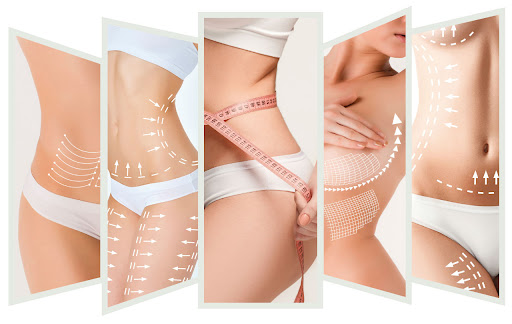
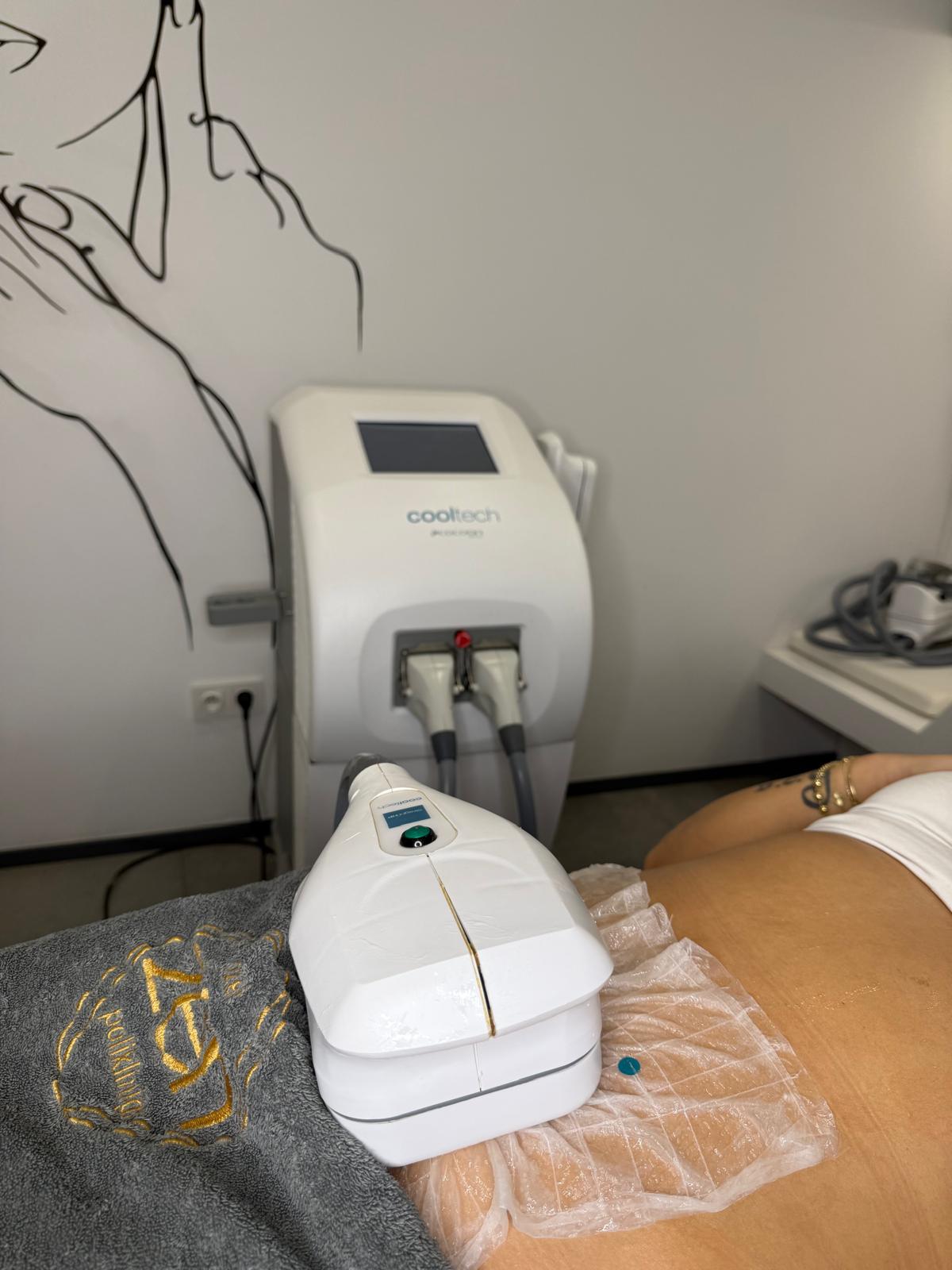
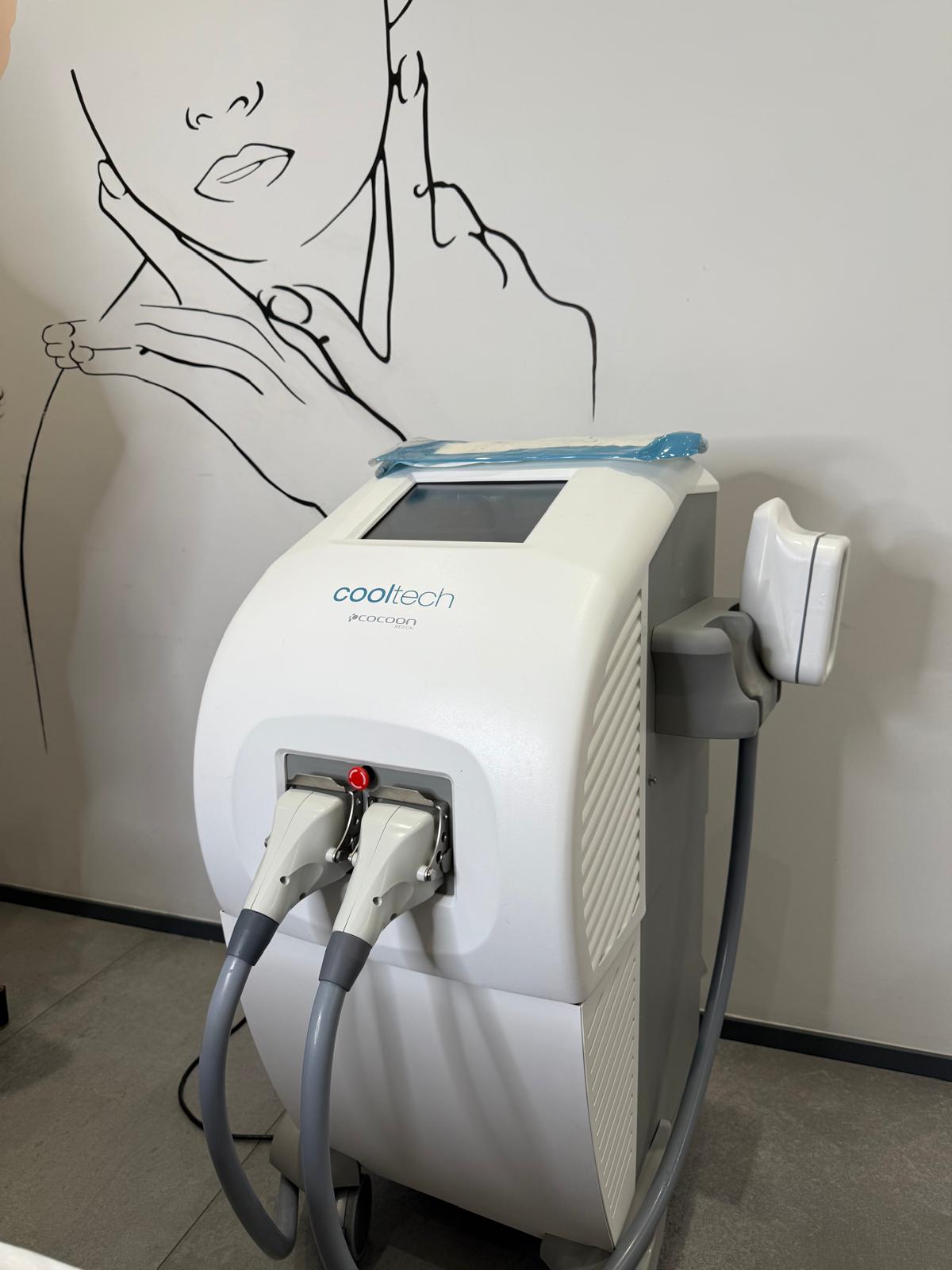
Before the application, the physician marks the target area and the skin is covered with a protective gel layer. The vacuum applicator is placed on the area and the tissue is drawn in as cooling begins; the intense cold felt in the first minutes quickly turns into a numbing sensation. A session usually lasts between thirty-five and sixty minutes and, depending on the area, one or two applicators may be used. Once cooling is complete, the area is gently massaged to support tissue recovery. The damaged fat cells are removed from the body via the lymphatic system in the following weeks; for this reason the result appears gradually rather than instantly.
What Is Onda Coolwaves?
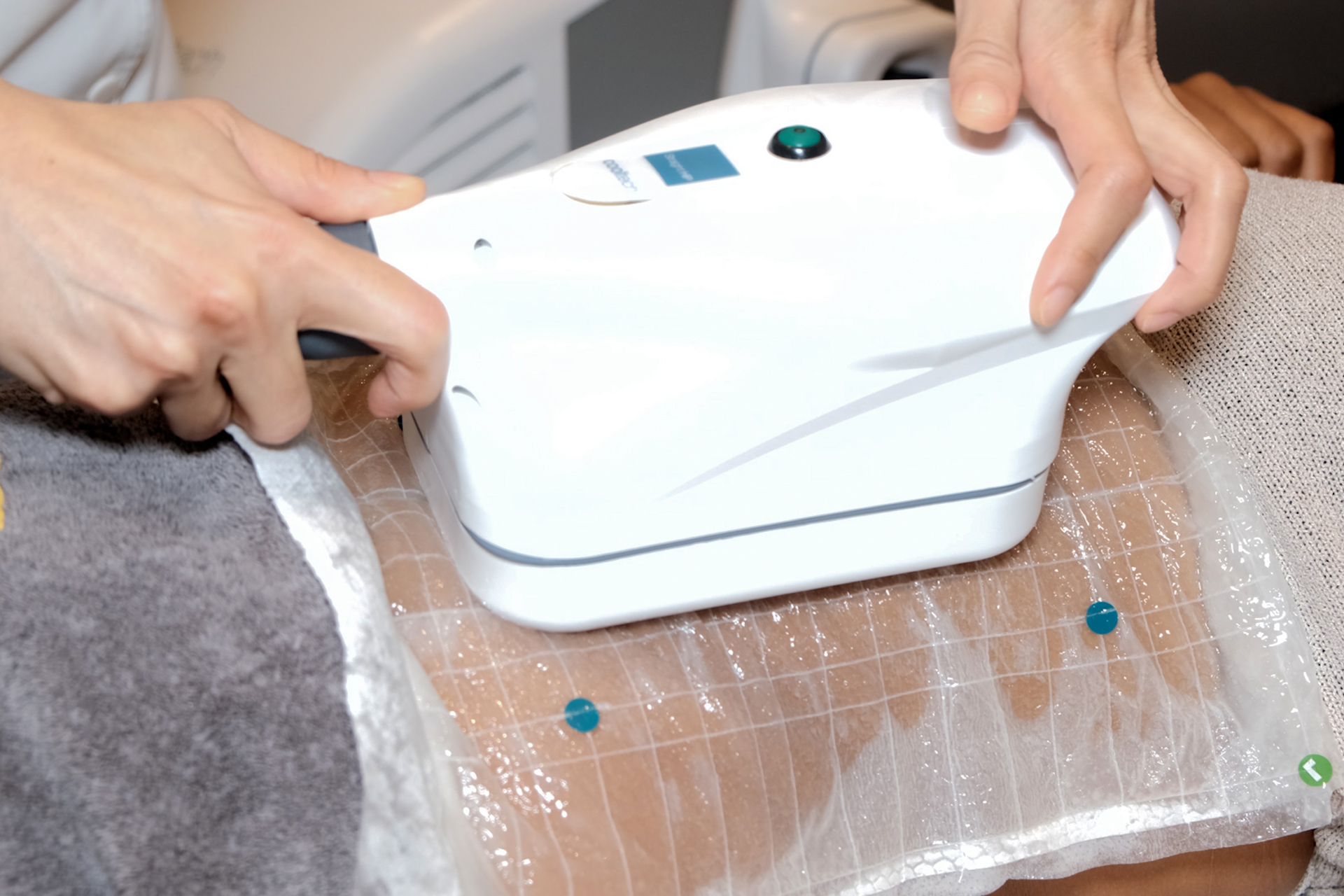
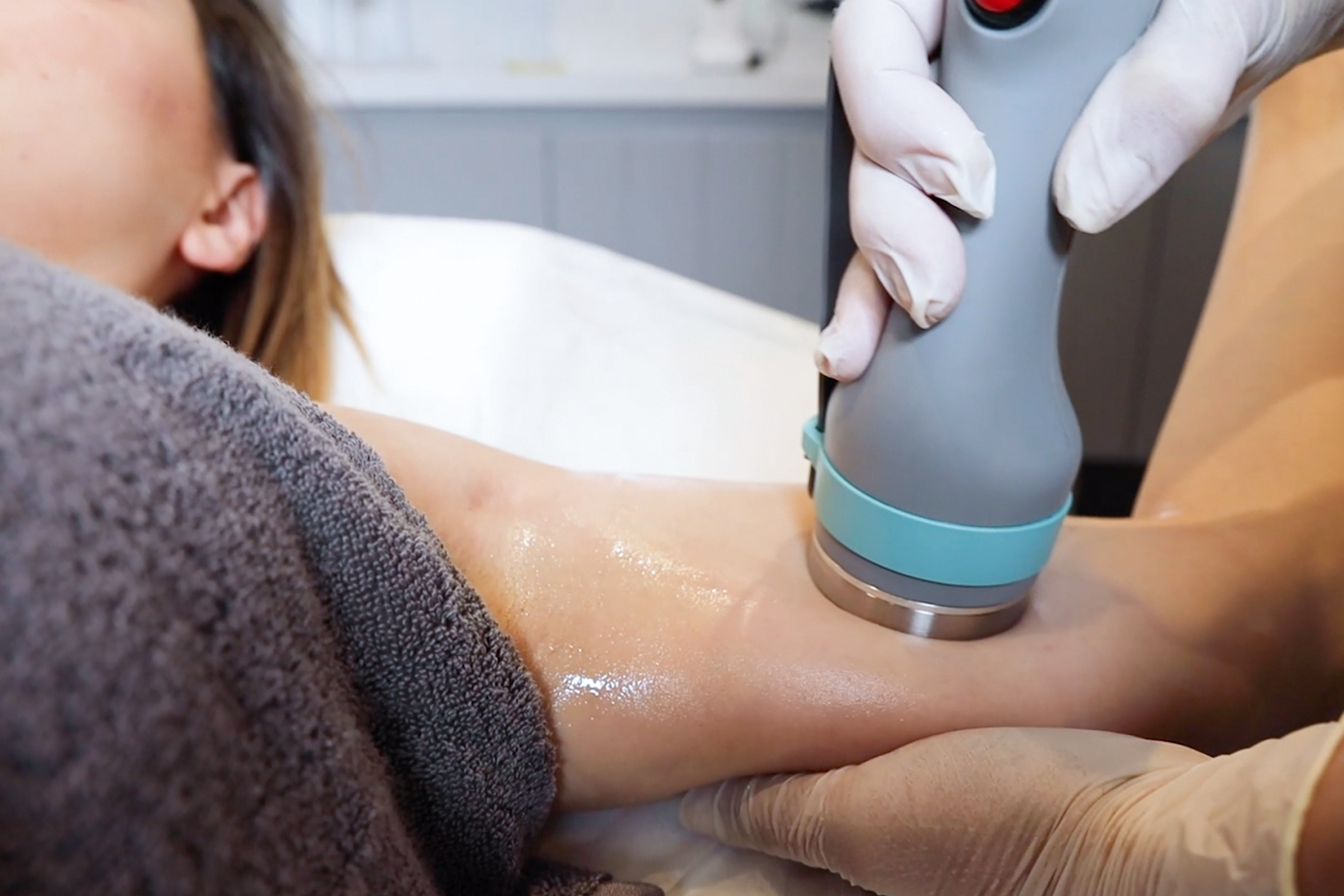
Onda Coolwaves is a body contouring technology that works with microwave energy and targets reducing the appearance of cellulite, increasing tissue firmness and shrinking regional fat cells all at once. Unlike cryolipolysis, it does not act on a single target but affects multiple layers of the subcutaneous tissue simultaneously. Thanks to this feature it is a preferred option especially when cellulite and loose tissue are seen together. Onda is usually applied to larger-surface areas such as the thighs, hips and abdomen, with a multi-session program. The application is done by moving the device applicator over the skin, and a noticeable warming sensation occurs during the session.
How Does Onda Work? Microwave and Tissue Tightening
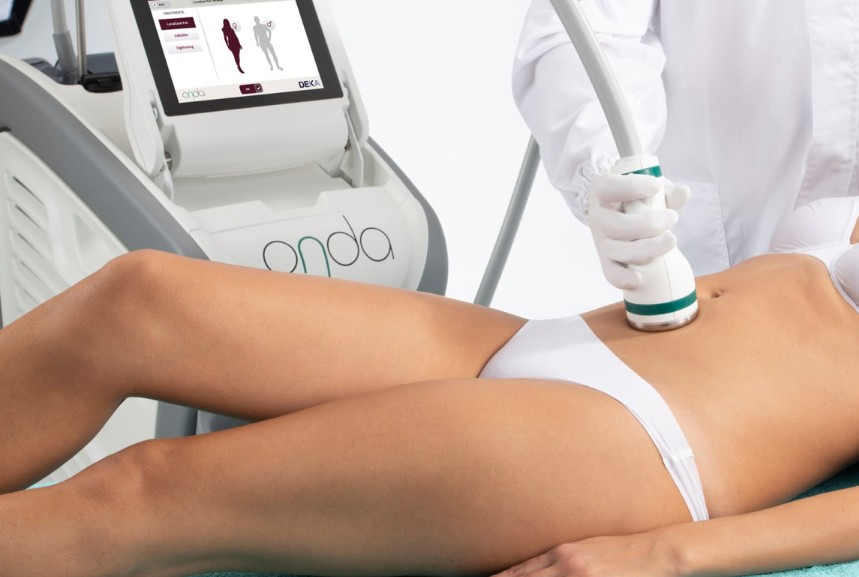
The Onda device directs microwave energy to different depths under the skin, stimulating fat tissue, connective tissue and collagen production together. The energy creates temporary porosity in the fat cell membrane, making it easier for fats to leave the cell, while simultaneously heating the fibres in the connective tissue and triggering tightening. This dual-action mechanism addresses, in the same session, both the fat and the tissue laxity that underlie the appearance of cellulite. Session duration varies between twenty and forty minutes depending on the area, and treatment is usually planned as a series repeated at weekly intervals.
What Are the Fundamental Differences Between Cryolipolysis and Onda?
Both methods offer non-surgical regional contouring, but their working principles and the results they target differ. Cryolipolysis directly targets fat cells with cold, while Onda works on both fat and tissue quality with microwaves. Cryolipolysis usually provides marked fat reduction in fewer sessions, whereas Onda offers a combination of slimming, tightening and improvement in the appearance of cellulite over more sessions. The choice is made according to whether the real problem in the person’s area is a fat pad or tissue laxity and cellulite. For this reason a correct examination before the assessment plays a decisive role in choosing the right device.
Difference in Target Tissue and Mechanism
Cryolipolysis mainly targets the fat cell; the cold crystallises the lipids within the cell membrane, triggering the cell to enter programmed death. Onda, on the other hand, affects the fat cell, connective tissue and microcirculation together with microwave energy; for this reason its effect is multi-layered rather than one-dimensional. Cryolipolysis creates a clearer border in deep, pronounced fat pads, while Onda leaves a more widespread effect in superficial and moderately deep tissue. This difference is the most fundamental factor determining which method stands out in which area; deep fat accumulation offers a more suitable ground for cryolipolysis, while superficial tissue irregularity is more suitable for Onda.
Difference in Session Count and Treatment Process
Cryolipolysis is usually planned as one to three sessions per area, with a waiting period of six to eight weeks left between sessions; this period is required for the tissue to be fully cleared. Onda, on the other hand, proceeds as a program of six to ten sessions applied weekly or every ten days. This difference arises because the two methods serve different goals: cryolipolysis works with a single intense effect, while Onda provides cumulative and gradual improvement. When planning the treatment duration, the person’s schedule, the number of areas and the expected result are considered together.
How Does the Healing Process Progress?
After cryolipolysis, redness, mild swelling, numbness and occasionally a stinging sensation may be seen in the area for a few days to a few weeks; these findings generally resolve on their own. After Onda, healing is milder; mild redness and a feeling of warmth after the session disappear quickly, and return to daily life is possible almost immediately. This difference stems from the degree of effect each method has on the tissue. In both applications, gently massaging the area after the procedure, drinking plenty of water and following the recommended activity level support healing.
How Do Pain and Discomfort Levels Compare?
The intense cold felt in the first minutes of cryolipolysis can be uncomfortable for many people, though this sensation decreases as the area becomes numb. Sensitivity and a stinging feeling lasting a few days after the session are normal. Onda, on the other hand, is generally considered more comfortable; the microwave energy creates a warm sensation on the skin and no notable pain is expected during the procedure. Although pain threshold varies from person to person, it is generally accepted that Onda offers an experience that interferes less with daily routine and is easier to tolerate.
When Do the Results Become Visible?
After cryolipolysis, the first changes begin to be noticed within three to four weeks, but the complete clearance of fat cells and the most noticeable result usually takes two to three months. With Onda, a gradual improvement is seen as the session series progresses; a difference in tissue firmness becomes noticeable after the third or fourth session, and once the full program is completed, the appearance of cellulite and slimming can be assessed together. In both methods the result is not instant but a change that emerges over the process; for this reason patient follow-up in line with the schedule is important.
Cryolipolysis or Onda? Which One in Which Area?
The decision is made according to the character of the tissue in the area. Fat pads that can easily be grasped by hand, have clear borders and are deep are a suitable target for cryolipolysis. On the other hand, areas with an uneven surface, a dominant cellulite appearance and accompanying tissue laxity respond better to Onda. In some areas both problems may be present together; in this case the physician prioritises and decides which method should be applied first and which afterwards. Rather than a fixed rule, an area-based, personalised assessment always gives a more reliable result.
Which Method Stands Out on the Abdomen and Waist?
The abdomen and waist are areas where, in most people, fat pads with clear borders that are resistant to diet and exercise accumulate. In this type of fat accumulation cryolipolysis is generally considered the first choice, because it is easy to grasp and directly target the tissue in the area with the vacuum applicator. However, if skin laxity and cellulite are also present after pregnancy or weight change, Onda sessions can also be added to the treatment plan. The effectiveness of cold lipolysis in the abdominal area is assessed by measuring the thickness of the fat layer during the examination.
Why Might Onda Be Preferred on the Back of the Thighs and Hips?
The back of the thighs and the hip area are the regions where the appearance of cellulite is seen most often and most prominently; in these areas fat accumulation is usually more superficial and diffuse, and the tissue is relatively looser. Onda’s microwave effect contributes to both reducing fat volume and increasing skin firmness in this type of tissue. Cryolipolysis can also be applied in these areas, but if the surface is uneven and there is marked tissue laxity, Onda’s combined effect generally offers a more satisfying appearance. Onda is therefore frequently preferred in hip and thigh plans.
What Approach Should Be Taken for the Arms and Back?
The back of the arms and the back of the body are areas where fat distribution varies greatly from person to person. If there is a clear, limited fat accumulation on the inner and back part of the arm, a focused result can be obtained with cryolipolysis. On the back, on the other hand, a wider and more spread-out fat accumulation is usually seen; in this case Onda’s ability to scan larger surfaces with a bigger applicator provides an advantage. In some patients both fat accumulation and skin laxity are present on the back of the arm together; in this picture reducing volume first with cryolipolysis and then tightening tissue with Onda can be a logical sequence.
Which Is More Effective When Cellulite Is the Main Concern?
Cellulite is an uneven, dimpled surface appearance caused by fat cells pushing the subcutaneous connective tissue outward, and it cannot be resolved by reducing fat alone; the connective tissue also needs support. Although cryolipolysis reduces fat volume, its direct tightening effect on connective tissue is limited. Onda, on the other hand, works on both fat and connective tissue simultaneously, providing a more holistic improvement in the appearance of cellulite. For this reason, when cellulite is the dominant complaint, Onda is generally considered the priority option; if needed it can also be supported with cellulite mesotherapy.
How Does the Presence of Loose Tissue Change the Decision?
Skin laxity can occur due to age, sudden weight loss, pregnancy or genetic predisposition, and it should be assessed as a problem independent of regional fat accumulation. Since cryolipolysis only targets the fat cell, it does not directly contribute to tightening in mild to moderate laxity; in fact laxity can sometimes become more visible once fat volume is reduced. Because Onda’s microwave effect stimulates collagen production, it is a more suitable option in mild to moderate laxity. If there is advanced sagging, no energy-based device alone may be sufficient and surgical options may need to be considered.
Can Cryolipolysis and Onda Be Combined?
Yes, the two methods are not mutually exclusive; in fact they are used complementarily in many cases. After a pronounced fat pad is reduced with cryolipolysis, the tissue quality and skin firmness in the area can be supported with Onda sessions. This combined approach is especially preferred in areas where both fat and tissue problems are seen together, such as the abdomen, hips and thighs. When planning a combination, sufficient time is left between the two applications for the tissue to recover; the sequencing and timing are personalised according to the priorities determined by the physician during the examination.
Who Is It Not Suitable For?
Both methods are designed for regional contouring and are not general weight-loss tools; for this reason they do not give the expected result in people with a high body mass index and widespread, general fat accumulation. In very thin, low-fat areas, cryolipolysis may not find a target tissue and the application may not be recommended. In cases of advanced sagging skin, marked excess skin or significant separation of the abdominal muscles, surgical assessment may be required instead of energy-based methods. The application is postponed in cases such as pregnancy, breastfeeding, extreme cold sensitivity (for cryolipolysis) or active skin infection.
What Are the Safety Considerations and Side Effects?
With the correct indication and an experienced practitioner, both methods are generally considered safe. The most commonly seen temporary findings with cryolipolysis are redness, numbness, sensitivity and, rarely, temporary loss of sensation; very rare conditions such as paradoxical adipose hyperplasia should be explained by the physician in advance. With Onda, aside from temporary redness and mild warming, serious side effects are rare. In both applications, taking a detailed medical history beforehand, correctly assessing the area and adjusting the device parameters to the individual minimises the risk of complications.
How Many Sessions Are Needed, and What Should the Intervals Be?
With cryolipolysis, one to three sessions per area is usually sufficient, and six to eight weeks are waited between sessions to allow the tissue to fully clear; this interval is not shortened, because repeating too early is both ineffective and unnecessary. With Onda, a program of six to ten sessions applied at weekly or ten-day intervals is typical; if session frequency is reduced, the build-up of the cumulative effect may be delayed. In both methods the plan is personalised by the physician according to the size of the area, tissue characteristics and the person’s goal determined during the examination.
How Lasting Are the Results, and What Role Does Lifestyle Play?
With cryolipolysis, the destroyed fat cells are completely removed from the body and do not return; however, the remaining fat cells can enlarge with weight gain, so balanced nutrition and regular activity are decisive in preserving the result. The tissue firmness and cellulite improvement obtained with Onda can also decrease over time with the natural ageing process; periodic maintenance sessions help extend this effect. In both methods, longevity depends not solely on the device but on the lifestyle maintained after treatment; this reality should be clearly explained to the patient from the outset.
Is It a Weight-Loss Method or a Regional Contouring Method?
Both cryolipolysis and Onda need to be clarified on a frequently misunderstood point: these methods do not cause weight loss and are not designed to lower the number on the scale. The goal is to improve body contours by reducing regional fat accumulation and tissue irregularity that is resistant to diet and exercise. General weight control is achieved through nutrition and physical activity; these two applications do not replace this process but can complement it. Clarifying this distinction from the outset creates realistic expectations and encourages the person to maintain healthy lifestyle habits.
Why Is the Right Practitioner and Assessment Important?
No matter how advanced the device, the main factor determining the result is the correct indication and experienced application. A choice made without a detailed examination of the area’s fat thickness, tissue quality, skin elasticity and degree of cellulite can lead to unexpected or inadequate results. An experienced physician can clearly distinguish in which area which device alone will be sufficient, in which case a combination is needed and which patient is not suitable for the application. For this reason a detailed assessment before the procedure is a step as important as the treatment itself.
How Does the Device Selection Process Work at Zen Polyclinic?
At Zen Polyclinic the process begins with a detailed examination of the target area. The thickness of the fat layer, tissue firmness, skin elasticity, degree of cellulite and any skin laxity are assessed one by one. Based on these findings, cryolipolysis, Onda or a combination of both is recommended; the person’s general health status, previous treatment history and expectations are also included in the plan. In unsuitable situations the application is not recommended and the reason is clearly explained. The same assessment standard is applied in our clinic in Istanbul Ataşehir; for detailed information you can reach us through our appointment page.
How Does the Onda Coolwaves Skin Tightening Experience Progress?
Throughout a series carried out with Onda, the patient comes for clinical follow-up at regular intervals; the condition of the area is observed at each session and the parameters are fine-tuned individually if needed. As the program progresses, tissue firmness, smoothing of the skin surface and gradual volume reduction are assessed together. In patients focused on the appearance of cellulite, photographic follow-up is recommended for assessing results; this is the most reliable way to see progress objectively. You can find more detail on skin tightening and cellulite treatment with Onda Coolwaves in this article.
How Do the Causes of Regional Fat Affect Device Selection?
Behind regional fat accumulation lie many factors such as genetic predisposition, hormonal effects, age and lifestyle; these factors shape where and in what character the fat accumulates. For example, fat accumulated through hormonal effects is usually deeper and firmer in structure, and such areas may respond better to cryolipolysis. In fat accumulation that develops together with age-related tissue laxity, on the other hand, Onda’s supportive effect stands out. We discuss the underlying causes of regional fat and the solutions in detail in this guide.
How Does the Stage of Cellulite Change the Treatment Decision?
In the early stage, cellulite becomes visible only under pressure, while in more advanced stages it also becomes visible at rest and tissue firmness increases. In early-stage cellulite, Onda alone can provide noticeable improvement, while in more advanced stages treatment can be combined with mesotherapy or other supportive methods. For this reason the stage of cellulite is always assessed when making the treatment plan; two different patients in the same area may be offered a completely different plan due to a difference in stage. We examine cellulite types and stages in detail in this article.
What Are the Common Misconceptions and Myths?
The most common misconception is expecting a permanent and dramatic transformation from a single session; in reality both methods offer results that appear gradually and over a process. Another misconception is that these applications will replace exercise or healthy nutrition; in fact these methods do not replace lifestyle, they support it. In addition, the idea that “the same device gives the same result in every area” is also unrealistic; the result varies according to the tissue character of the area. Clarifying these myths from the outset both increases satisfaction and helps establish a realistic treatment process.
What Should Realistic Expectations Be?
The results that can be expected from a well-planned cryolipolysis or Onda program are as follows: gradual slimming in the targeted area, marked improvement in tissue quality, a reduction in the appearance of cellulite and clothes fitting more comfortably. What should not be expected is a radical change in a single session, general weight loss, or a surgical-level tightening in severely sagging skin. Results vary from person to person, depending on the initial condition of the tissue and adherence to treatment. When this framework is discussed from the outset, patient satisfaction increases and disappointment caused by unrealistic expectations is prevented.
Conclusion
There is no single correct answer to cryolipolysis vs onda; the right answer depends on the character of the tissue in the area, the goal and the person’s general condition. In pronounced, deep and well-bordered fat pads, cryolipolysis generally stands out; in cellulite, tissue laxity and larger, more superficial areas, Onda generally stands out. In many cases, a combination of the two methods offers a holistic result that neither could achieve alone. What matters is not the name of the device but a detailed examination, correct indication and a personalised plan built with realistic expectations. At Zen Polyclinic this assessment is treated as the first step of a safe and consistent body contouring process.
Frequently Asked Questions (FAQ)
Cryolipolysis vs onda, which one is more effective?
Effectiveness varies by area. Cryolipolysis usually gives a clearer result on pronounced, deep, well-bordered fat pads, while Onda provides a more holistic improvement when cellulite and tissue laxity dominate. The right device is chosen based on tissue characteristics determined during the examination.
How many sessions of cryolipolysis are needed for results?
Cryolipolysis is usually planned as one to three sessions per area. Initial changes start to be noticed within three to four weeks, but the most noticeable result appears within two to three months; six to eight weeks are waited between sessions.
How many sessions does Onda take and how often?
Onda is usually planned as a program of six to ten sessions applied weekly or every ten days. A difference in tissue firmness usually becomes noticeable after the third or fourth session.
Can cryolipolysis and Onda be applied together?
Yes, the two methods are not mutually exclusive. After a pronounced fat pad is reduced with cryolipolysis, tissue quality in the area can be supported with Onda sessions; this combination is often preferred in areas such as the abdomen, hips and thighs.
Does cryolipolysis or Onda cause weight loss?
No. Neither is a weight-loss method; both are contouring applications that improve body contours by reducing regional fat accumulation and tissue irregularity. General weight control is achieved through nutrition and physical activity.
Which is more suitable for cellulite, cryolipolysis or Onda?
If cellulite is the dominant complaint, Onda is generally the priority option because it works on both fat and connective tissue simultaneously. Cryolipolysis reduces fat volume but has a limited direct tightening effect on connective tissue.
Is cryolipolysis or Onda painful?
With cryolipolysis, intense cold is felt in the first minutes and decreases as the area becomes numb. Onda is generally considered more comfortable; it creates a warm sensation and no notable pain is expected.
Who is not suitable for cryolipolysis or Onda?
The application is not recommended or is postponed for people with widespread general fat accumulation, very thin fat layers in the area, advanced sagging skin, pregnancy, breastfeeding or active skin infection.