What Is Under-Eye Light Filler? Effect on Dark Circles and Hollows
Under-eye light filler is a non-surgical, hyaluronic acid-based aesthetic procedure used to address dark circles, hollowness (tear trough) and a tired appearance under the eyes. The eye area, the most delicate and expressive region of the face, can make a person look more tired, unhappy and older than they are due to volume loss and shadowing. Waking up feeling rested in the morning yet seeing a tired face in the mirror is one of the most commonly voiced complaints. So what exactly is under-eye light filler, who is it suitable for, how is it applied, how long does it last, and does it truly resolve dark circles and hollows? In this comprehensive guide, we address all these questions in detail.
What Is Under-Eye Light Filler?
Under-eye light filler is an application that adds volume and brightness to the skin by filling the hollow under the eyes. Soft-textured, fluid hyaluronic acid fillers are typically used; these substances share the same structure as the moisture-binding molecules naturally found in the skin and are gradually absorbed by the body. The goal is to reduce shadowing under the eyes, soften the hollow and give the area a rested, luminous appearance. The procedure is an injection performed with a fine needle or blunt-tipped cannula and completed within minutes. The term “light” describes the brightening effect achieved as the light reflected onto the area is distributed more evenly and the shadow is reduced.
What Causes Under-Eye Dark Circles?
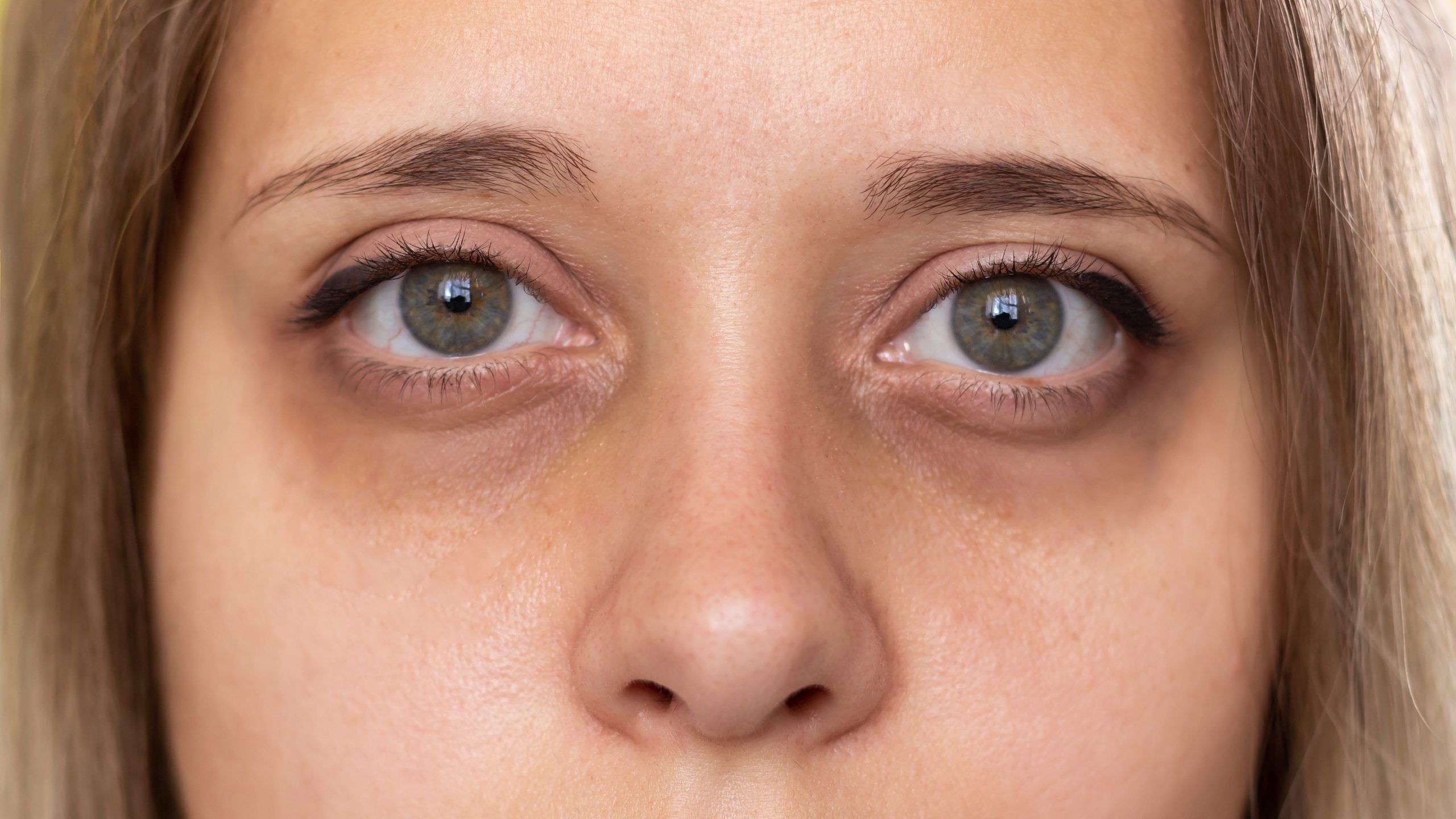
Under-eye dark circles are not caused by a single factor; this is why the treatment plan varies from person to person. Genetic predisposition, thin and translucent skin, prominent blood vessels visible through the skin, melanin-based pigment accumulation, lack of sleep, stress, smoking and age-related volume loss are the most common causes. In some people the discoloration is vascular and gives a bluish-purple tone; in others it is a pigment-based brown color; in some, the real problem is the shadow created by hollowness. Identifying the true cause is essential for the right treatment. Light filler makes a noticeable difference especially in shadowing caused by hollowness, because it directly addresses the hollow that creates the shadow.
What Is the Tear Trough?
The tear trough is the thin groove that forms between the under-eye area and the cheek. With age, the fat pads in this region thin out, slide downward and bone support decreases, resulting in a pronounced groove right beneath the eye. This groove casts a shadow that creates a dark, sunken appearance even in daylight and is quite difficult to cover with makeup. Under-eye light filler smooths the surface, softens the transition and reduces the shadow by placing a controlled amount of filler into this groove. Thus the sharp border between the under-eye and the cheek disappears and the face looks more cohesive.
What Is the Difference Between Light Filler and Classic Filler?
Classic fillers are usually denser and firmer; they are used in areas that require pronounced volume and support, such as the lips, chin and cheekbones. Light filler, on the other hand, is made with more fluid, lower-density products with low water-binding capacity, suited to the thin and delicate skin under the eyes. This minimizes the risk of excessive swelling, a bluish hue (Tyndall effect) and irregularity. Applying the wrong product under the eye can lead to undesirable results such as long-lasting persistent swelling; this is why area-specific product selection is critically important. You can find related information on our under-eye light filling page.
How Is Under-Eye Light Filler Applied?
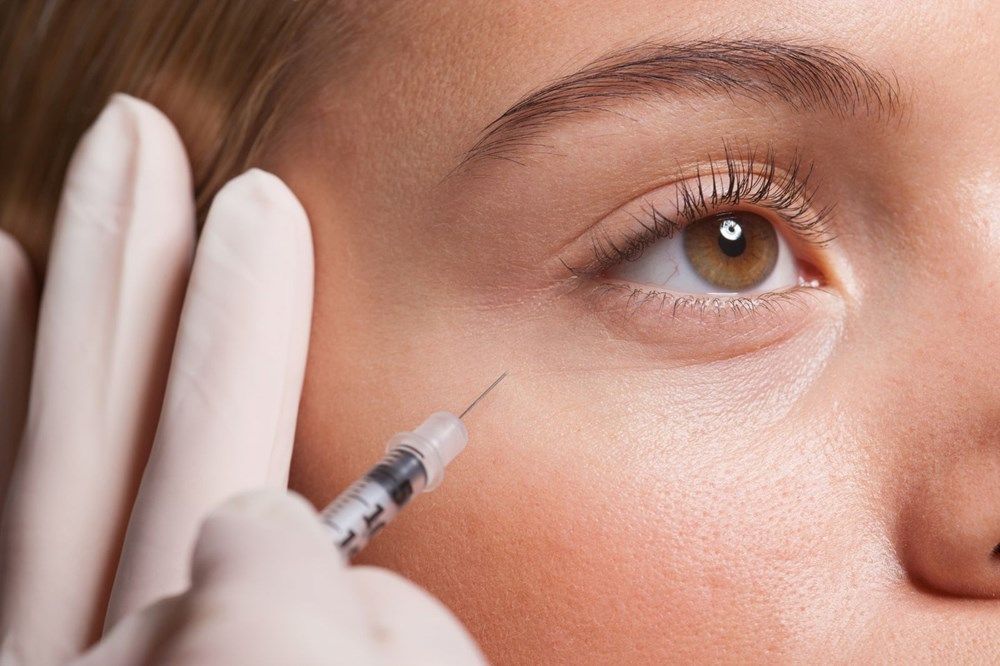
Before the application, the doctor evaluates the eye area and analyzes the skin thickness, the degree of hollowness and the cause of the dark circles. After the area is cleaned with antiseptic and a topical anesthetic cream is applied, the filler is placed in a controlled manner in the deep layer close to the bone with a fine needle or blunt-tipped cannula. Deep placement provides both a more natural result and reduces the risk of the Tyndall effect. The procedure usually takes 15-30 minutes. Mild pressure or stinging may be felt during injection, but significant pain is not expected. When finished, the doctor evaluates the result and, if necessary, makes a minimal correction in the same session; the person can quickly return to daily life.
What Should Be Considered Before the Procedure?
One week before the procedure, blood thinners, aspirin, ibuprofen, fish oil, ginkgo biloba and supplements such as high-dose vitamin E should -with the doctor’s approval- be discontinued if possible, as they can increase the risk of bruising. If there is an active infection, cold sore (herpes) or skin inflammation, the procedure is postponed. Alcohol consumption should be limited, and preferably stopped, the day before. Scheduling the procedure at least two weeks before an important event is wise, allowing any temporary swelling and bruising to subside. It is important to fully inform your doctor about all medications you use, your chronic conditions and your past aesthetic procedures.
What Is the Recovery Process Like?
After the procedure, mild redness, swelling and occasionally small bruises may appear in the area; these are normal and usually resolve within a few days. For the first 24-48 hours, hot environments (sauna, steam bath, hot showers), heavy exercise and massaging the area should be avoided. Applying cold ice helps reduce swelling. Keeping the head slightly elevated while sleeping on the first day reduces edema. Most people can return to work and social life the next day. It takes about two weeks for the results to settle fully, for the filler to integrate with the tissue and for the temporary edema to resolve completely.
How Long Does Under-Eye Light Filler Last?
The longevity of hyaluronic acid fillers varies from person to person; under the eyes it usually retains its effect for between 9 and 12 months, and longer in some people. Metabolic rate, the density of the product used, the amount applied and lifestyle influence this duration. In people with a fast metabolism who are very active, the filler may be absorbed more quickly. When the effect diminishes, the procedure can be safely repeated, and regular repetition can provide a more lasting improvement in the area. At Zen Polyclinic, product selection and the amount to be applied are determined according to the person’s skin structure, the degree of hollowness and expectations.
Does It Really Affect Dark Circles and Hollows?
Under-eye light filler provides noticeable and rapid improvement especially in shadowing caused by hollowness. When the groove is filled, light falling on the surface is distributed more evenly, the shadow disappears and the dark appearance fades. This makes the person look more rested and energetic. However, in pigment-based (brown) dark circles, the effect of filler is limited; because the problem is not the hollow but the color accumulation in the skin. In this case, different approaches such as blemish treatment, skin renewal or mesotherapy may be needed instead of or together with filler. Therefore, an accurate diagnosis is the key to a successful result.
Who Is It Suitable For?
Adults in good general health who complain of hollowness, shadowing, sunkenness and a tired appearance under the eyes are suitable candidates for this procedure. People who say they constantly look tired, sad or sick despite getting enough sleep are particularly satisfied with this application. It is frequently preferred in people aged 30 and over who are beginning to experience age-related volume loss, but it can also be applied to younger people whose tear trough becomes prominent at an early age due to genetics. Satisfaction is highest in individuals with realistic expectations who are well informed about the process.
Who Is It Not Suitable For?
The procedure is not recommended for pregnant and breastfeeding women, those with an active skin infection or inflammation, those allergic to hyaluronic acid or filler components, and people with certain autoimmune diseases. In those with uncontrolled chronic conditions, these situations must first be stabilized. In addition, filler alone may not be sufficient -and may even worsen the appearance- in those with advanced sagging, excess skin or pronounced fat herniation under the eyes; different approaches or surgical options are evaluated for these individuals. A detailed examination is the most accurate way to determine suitability.
Is the Procedure Painful?
Although the eye area is sensitive, the procedure is generally well tolerated thanks to topical anesthetic cream and the anesthetic agent (lidocaine) contained in modern fillers. Most people describe only a mild stinging, tingling or pressure sensation. Using a blunt-tipped cannula causes less trauma to the tissue than a sharp needle, reducing the risk of vessel damage and bruising. Additional anesthesia methods can be applied for people with a low pain threshold. No lasting pain is expected after the procedure; if necessary, mild tenderness may last a few days.
What Are the Possible Side Effects?
The most common side effects are temporary redness, swelling, tenderness and bruising; these resolve on their own in a short time. Rarely, asymmetry, small nodules (lumping) or the Tyndall effect (bluish hue) may occur, and these can usually be corrected. A very rare but serious complication is the filler blocking a vessel (vascular occlusion); this requires emergency intervention. This is precisely why it is highly important that the procedure be performed by an experienced doctor with a command of eye-area anatomy, under sterile conditions and with authentic products. In the right hands, the risk of serious complications is extremely low.
What Is the Tyndall Effect and How Is It Prevented?
The Tyndall effect is a bluish-gray discoloration that occurs when the filler is placed too superficially in the skin. It arises from the scattering of light in the thin under-eye skin and leads to an undesirable, artificial appearance. This risk is minimized with application at the correct depth (close to the bone), area-specific appropriate product selection and a controlled amount. An experienced doctor largely prevents this problem by placing the product in the correct layer. If the Tyndall effect occurs, there is no need to worry; the filler can easily be dissolved by injecting the enzyme hyaluronidase and the appearance returns to normal.
Is Under-Eye Light Filler Reversible?
One of the most important advantages of hyaluronic acid-based fillers is that they are reversible. In the event of an undesired result, asymmetry, overfilling or complication, the filler can be dissolved within a few hours by injecting the enzyme hyaluronidase. This feature makes the procedure much safer, especially in a sensitive area like the under-eye where the margin for error is low. Permanent (long-lasting, non-dissolvable) fillers are strictly not recommended under the eyes; reversible hyaluronic acid products should always be preferred. This safety net provides peace of mind regarding the procedure.
Can It Be Combined With Other Treatments?
Under-eye light filler can be successfully combined with different applications as needed. Skin renewal or blemish treatments for pigment-based darkness, and applications such as dermapen for fine lines and skin quality, can be supportive. Skin quality can be improved and moisture balance enhanced with mesotherapy to make the result more natural. Crow’s feet lines can be softened with botox. This holistic approach improves not only the hollow but the overall appearance of the eye area, providing a more satisfying and balanced result.
How Should Aftercare Be?
Makeup should be avoided on the first day after the procedure, and the area should be cleaned gently without rubbing. It is important not to touch or press on the filler for the first 24 hours. Sun protection (high-factor sunscreen and glasses), plenty of water, a balanced diet and regular sleep contribute to the longevity of the results and to skin health. Avoiding smoking and excessive alcohol speeds up recovery. Attending the follow-up appointment recommended by your doctor is important for evaluating the result and making fine adjustments if needed.
Factors Affecting the Cost of Under-Eye Light Filler
The cost varies according to many factors such as the brand, quality and amount of filler used, the doctor’s specialty and experience, the clinic’s standards and location, and the technique applied. Very low prices can often mean a low-quality product or an inexperienced practitioner, which can lead to serious problems in a risky area like the eye region. Therefore, the focus should be on a safe, sterile and high-quality application, not the cheapest option. In a sensitive area like the eye region, the doctor’s experience and product quality should always take priority over price.
What Are the Common Misconceptions?
“Filler makes the under-eye swell and look artificial” is a common misconception; with the right product, the right amount and the right technique, the result is quite natural and unnoticeable. The belief that “once you have it done, you have to keep doing it” is also wrong; the filler is naturally absorbed over time, and when stopped the under-eye returns to its former state, not worse. The idea that “it helps every dark circle” is misleading, as its effect is limited in pigment-based dark circles. The concern that “filler leaves permanent damage” is also unfounded; it is safe when applied with reversible products.
How to Choose the Right Doctor and Clinic?
The under-eye area is one of the most vascularly risky regions of the face, with the lowest margin for error. Therefore, the command of eye-area anatomy and the experience of the person performing the procedure are critically important. When making your choice, the doctor’s medical competence and expertise, the clinic’s hygiene and sterilization standards, the authenticity and approval of the products used, the capacity to intervene in emergency complications, and genuine before-and-after photos should be evaluated. A reliable clinic informs you in detail before the procedure and sets realistic expectations.
When Are the Results Visible?
The initial effect is noticed immediately after the procedure; the hollow fills instantly and the area brightens. However, the final result becomes clear within a few days due to initial mild swelling and edema. It takes about two weeks for the filler to settle fully into place, integrate with the tissue and reach its natural volume by drawing in water. At the end of this period, the under-eye looks brighter, fuller and more rested. At the follow-up examination, your doctor evaluates the result and, if necessary, perfects the symmetry with a minimal addition.
Under-Eye Light Filler in Men
Under-eye hollowness and a tired appearance are not exclusive to women. In men, this region can become prominent at an early age due to a busy work pace, lack of sleep, stress and genetic factors. Many men who want to look fresh and energetic in their professional lives turn to this application. In men, the application is planned with more cautious amounts to preserve natural and masculine lines. The goal is to provide a rested and natural appearance, not an overly full or “done” look. When planned correctly, the result is extremely natural and unnoticeable.
Under-Eye Light Filler or Surgery?
For mild to moderate hollowness, light filler provides a fast, scar-free and effective result without the need for surgery, and recovery time is very short. However, in people with advanced fat herniation, pronounced skin sagging or excess skin, surgery (lower lid blepharoplasty) may be a more lasting and suitable solution. In some cases the two methods can complement each other. The doctor recommends the most suitable method by evaluating the condition of the area, the person’s expectations and their preference regarding recovery time. The important thing is to choose the method that truly suits the problem.
What Should Realistic Expectations Be?
Light filler significantly reduces a tired appearance and brightens the under-eye, but it is not a miracle rejuvenation and does not completely reset every dark circle. The best result is achieved with realistic expectations and an accurate diagnosis. In some cases the full result cannot be achieved in a single session and fine-tuning may be needed. The aim is a natural, balanced and unnoticeable improvement rather than a dramatic change in a single session. When necessary, the procedure is repeated over time to maintain the effect. Open communication with your doctor ensures your expectations are managed correctly.
Its Relationship With Other Eye-Area Treatments
A single method may not always be sufficient for eye-area rejuvenation; because in this region the hollow, lines, blemishes and sagging can occur together. Filler applications and botox for fine wrinkles, mesotherapy for skin quality and moisture, and laser treatments for blemishes and color unevenness can be evaluated together. A holistic and personalized plan improves not just a single problem but the overall appearance of the eye area, providing a more natural, harmonious and longer-lasting result.
Tips for Those Getting Filler for the First Time
For those considering under-eye light filler for the first time, the most important step is to have a detailed preliminary consultation with an experienced doctor. In this consultation, it is important to clearly express your expectations and share your past medical history and the medications you use. Do not hesitate to ask your doctor for before-and-after examples and to ask all the questions on your mind. Starting with a small amount, avoiding excess and observing the result for a few weeks is the safest approach. An unhurried, planned process always provides a more natural and satisfying result.
Do Season and Lifestyle Affect the Result?
Under-eye light filler can be applied throughout the year; however, since intense sun, heat and humidity can accelerate the absorption of the filler, more attention should be paid to sun protection in the summer months. Regular sleep, adequate water intake, a balanced diet and avoiding smoking support both skin health and the longevity of the filler. A high-salt diet, alcohol and lack of sleep can cause edema under the eyes, temporarily affecting the result negatively. Therefore, supporting the application with a healthy lifestyle provides a more natural and longer-lasting result.
What Is the Contribution of Light Filler to Skin Quality?
Hyaluronic acid not only adds volume; it also helps the skin look more vibrant, radiant and healthy by retaining moisture in the area where it is placed. This moisturizing effect helps reduce superficial dryness and a dull appearance in the thin under-eye skin. In some people, the filler can also provide an indirect improvement in skin quality by mildly stimulating collagen production. However, filler is not a skincare product; the best result is achieved together with appropriate skincare and sun protection.
Under-Eye Light Filler at Zen Polyclinic
At Zen Polyclinic, under-eye light filler is applied with a detailed assessment and personalized planning. The true cause of the dark circles and hollowness is analyzed, the most suitable authentic product for the area is selected, and it is applied under sterile conditions with a safe technique by an experienced medical team. The most natural result is targeted with information throughout the process and follow-up afterward. You can make an appointment at our Istanbul Ataşehir location for a rested and natural eye area.
Conclusion
Under-eye light filler, when applied with an accurate diagnosis and in experienced hands, is an effective, safe and reversible solution for dark circles and hollows. It reduces a tired appearance, brightens the eye area and gives the person a rested, energetic expression. The success of the procedure depends on identifying the correct cause, selecting the appropriate product and the doctor’s experience. For the healthiest and most natural result, it is recommended to plan the process together with a specialist doctor.
Frequently Asked Questions (FAQ)
What is under-eye light filler?
Under-eye light filler is a non-surgical aesthetic procedure in which hyaluronic acid-based filler is injected to address dark circles, hollowness and a tired appearance under the eyes.
How long does under-eye light filler last?
The effect of hyaluronic acid fillers usually lasts between 9 and 12 months. Metabolism, the product used and lifestyle affect this duration, and the procedure can be repeated when it diminishes.
Does under-eye light filler help with dark circles?
It provides noticeable improvement in shadowing caused by hollowness. However, its effect is limited in pigment-based brown dark circles, and different treatments may be needed.
Is under-eye light filler painful?
Thanks to topical anesthetic cream and the anesthetic agent in the filler, the procedure is generally well tolerated. Most people describe a mild stinging or pressure sensation.
Is under-eye light filler reversible?
Yes. Hyaluronic acid-based fillers can be dissolved quickly by injecting the enzyme hyaluronidase. This feature makes the procedure safer.
How long does recovery take after the procedure?
Mild redness, swelling and rarely bruising resolve within a few days. It takes about two weeks for the results to settle fully and integrate with the tissue.
What is the Tyndall effect?
It is a bluish-gray discoloration caused by placing the filler too superficially. It is prevented with the correct depth and appropriate product, and if it occurs it can be corrected with hyaluronidase.
Who is under-eye light filler not suitable for?
It is not recommended for pregnant or breastfeeding women, those with an active skin infection, those allergic to hyaluronic acid, and people with certain autoimmune diseases.