Laser Types for Skin Rejuvenation: Which One Helps Which Problem?
Skin rejuvenation lasers are a group of treatments powered by intense light energy that target different problems in the skin such as pigmentation, wrinkles, acne scars, enlarged pores, capillaries and texture irregularities. Each type of laser produces light at a specific wavelength, and this light attaches to a different target in the skin (water, melanin pigment or blood) to solve a different problem. That is why there is no single answer to the question “which laser is the best?”; the right laser depends entirely on your skin problem. So what are ablative and non-ablative lasers, how does a fractional laser work, which pigment does Q-switch help, what do thulium (babyface) and Nd:YAG do, and which one is right for you? In this comprehensive guide, we address all these questions in detail.
What Are Skin Rejuvenation Lasers?
Skin rejuvenation lasers are light-based medical devices used to improve the appearance of the skin and stimulate its renewal process. A laser produces focused light at a single wavelength; this light reaches a specific layer or target in the skin and triggers a controlled repair response. The aim may be to break down unwanted pigment in the skin, stimulate collagen production, target vessels or renew the top layer. Skin rejuvenation lasers should be thought of not as a single device but as a broad family performing different tasks. Each member of this family responds better to a specific problem. Choosing the right device directly determines both the quality of the result and safety.
How Does a Laser Rejuvenate the Skin?
The mechanism by which a laser rejuvenates the skin is based on the principle of “selective photothermolysis”: laser light heats only the structure it targets and does not damage the surrounding tissue. This controlled heat works in two basic ways. First, it removes unwanted color by breaking down the melanin pigment that causes spots or the hemoglobin in a vessel. Second, it triggers the body’s natural repair mechanism by creating controlled micro-damage in the skin; during this process, new collagen and elastin are produced. New collagen tightens the skin from within, reduces fine lines and improves texture quality. In other words, the laser refreshes the skin not only from the surface but deeply, by stimulating its renewal capacity. This principle forms the common basis of all skin rejuvenation lasers.
What Is the Difference Between Ablative and Non-Ablative Lasers?
The most fundamental distinction among skin rejuvenation lasers is whether they are ablative or non-ablative. Ablative lasers vaporize and remove the outermost layer of the skin (the epidermis) in a controlled way; this creates a new, smooth skin surface and provides deep collagen renewal. Their effects are powerful but the recovery time is longer. Non-ablative lasers, on the other hand, stimulate collagen by delivering heat to the lower layers of the skin without disrupting the top layer. With this method, recovery time is very short but more sessions are usually needed for the result. Which approach is suitable depends on the depth of the problem, how much recovery time the person can allow and the skin type. The choice between the two forms the basis of the treatment plan.
What Is a Fractional Laser and How Does It Work?
A fractional laser is a technology that treats the skin not as one whole surface but by dividing it into thousands of microscopic points (micro-thermal zones). While the laser energy focuses on these small columns, the intact skin between them is left untouched. These intact islands greatly speed up healing, because the surrounding healthy cells quickly repair the damaged areas. The fractional approach can be used in both ablative and non-ablative devices. This achieves strong collagen stimulation while significantly shortening the recovery time compared with treating the entire surface. Fractional lasers are especially preferred for acne scars, fine wrinkles and texture irregularities. For detailed information, you can review our fractional laser page.
Which Problem Does Ablative Fractional (CO2 and Erbium) Laser Help?
Ablative fractional lasers are the group offering the strongest skin renewal effect and generally use the CO2 or erbium wavelength. These lasers are preferred for more serious problems such as deep acne scars, pronounced wrinkles, surgical or trauma scars, advanced sun damage and significant tissue loss. While removing the top layer of the skin in micro columns, they trigger intense collagen production in the lower layer; thus significant improvement can be achieved in a single session. In return, the recovery time can range from a few days to a week, and during this period redness and crusting may be seen. It is an ideal option for people who want a powerful result and can allow time for recovery.
In Which Cases Is Non-Ablative Fractional Laser Preferred?
Non-ablative fractional lasers work by stimulating collagen in the lower layers without disrupting the top layer of the skin. This method is ideal for mild to moderate acne scars, fine wrinkles, uneven skin tone, enlarged pores and general texture quality improvement. Its biggest advantage is that after the procedure the person can usually return to social life the same day or the next day; it does not require noticeable crusting or a long recovery process. In contrast, it does not give as strong a result in a single session as ablative treatments; therefore it is usually applied in several sessions. It is a suitable solution for people with a busy schedule who cannot allow recovery time but want gradual improvement with regular sessions.
What Does the Erbium (Er:YAG) Laser Do?
The erbium laser has a wavelength that is very highly absorbed by water; thanks to this feature, it removes the top layer of the skin in a very precise and controlled way. The spread of heat to the surrounding tissue is less than with the CO2 laser, which means less heat damage and faster healing. The erbium laser is effective for problems close to the surface such as fine wrinkles, superficial spots, sun damage and uneven skin tone. Being suitable for lighter and more sensitive skin is an important advantage. It peels the skin in a controlled way to create a smooth surface and supports collagen renewal. It is frequently preferred by people who want surface rejuvenation and seek a shorter recovery time.
What Is the Thulium Laser (Babyface) and Which Problem Does It Help?
The thulium laser is a non-ablative skin rejuvenation technology commonly known as “babyface.” Thanks to its wavelength that is highly absorbed by water, it delivers heat to the layers close to the skin surface, targeting superficial renewal and smoothness. It is especially effective for uneven skin tone, dull and tired appearance, superficial spots, fine pores and overall skin quality improvement. Its biggest advantage is that it gives the skin a bright, fresh and smooth appearance with minimal recovery time. For this reason it is often preferred before an important event or special day. We covered the details of the thulium laser in our babyface laser article. It is suitable for those who want a natural and elegant refreshment.
Which Problems Does the Q-Switch Laser Target?
The Q-switch laser is a special type of laser that produces extremely short but high-energy pulses. These ultra-short pulses mechanically break up pigment clusters in the skin without spreading heat; therefore it is especially effective for pigment and color problems. The Q-switch laser is preferred for sun spots, some superficial and deep spots, birthmarks and tattoo removal. It is also used in a low-energy “toning” mode to even out skin tone and provide overall radiance. Because it protects the surrounding tissue while targeting pigment, it can be applied with careful protocols in sensitive conditions such as melasma. You can find more information about the Q-switch laser on our Q-switch laser page.
What Is the Nd:YAG Laser Used For?
Because the Nd:YAG laser has a long wavelength such as 1064 nm, it can reach the deeper layers of the skin. This depth provides two important advantages. First, since the long wavelength is less absorbed by melanin, it can be used relatively safely on darker skin types as well. Second, it can target deep vessels and pigment. The Nd:YAG laser is used for deep capillaries, some vascular lesions, collagen stimulation for skin tightening and “genesis” style toning applications. It is also common in the treatment of unwanted hair. Being a versatile laser makes it possible to adapt to different needs. Which Nd:YAG mode is suitable is determined by the physician according to the targeted problem.
Do KTP and Vascular Lasers Help Capillaries?
For facial redness and enlarged capillaries, vascular lasers that specifically target the vessel are used. These lasers work at wavelengths strongly absorbed by the hemoglobin in the blood; the heat is transmitted to the vessel wall and the enlarged vessel closes and is cleared by the body over time. Vascular lasers such as KTP (532 nm) are very effective on superficial red capillaries. For deeper or purplish vessels, the Nd:YAG may be preferred. Such lasers significantly reduce the appearance of rosacea-related redness and prominent facial capillaries. For more information about capillary treatment, you can visit our capillary treatment page.
Which Laser Helps Skin Spots (Pigmentation)?
Because skin spots can be of different depths and types, a single laser does not suit all spots. For superficial sun spots and age spots, Q-switch or fractional lasers give effective results; the pigment is broken up and gradually leaves the skin over time. For uneven color spread across the skin tone, toning applications and non-ablative lasers are preferred. In hormonal and stubborn spots such as melasma, the laser must be applied with careful protocols, low energies and often together with supportive treatments; because a wrong approach can temporarily worsen the spot. Choosing the right laser in spot treatment depends first on correctly diagnosing the type of spot. For this reason, skin analysis before the application is very important.
Which Laser Is Suitable for Wrinkles and Fine Lines?
In wrinkle treatment, the laser choice varies according to the depth of the lines. For fine superficial lines and general tissue laxity, non-ablative fractional lasers and the thulium laser are ideal; these tighten the skin gradually by stimulating collagen. For deeper and more pronounced wrinkles, ablative fractional (CO2/erbium) lasers give a stronger result, because they both renew the surface and start intense collagen production in the deeper layers. The laser does not just hide the wrinkle; it provides long-term improvement by enabling the skin to regenerate its own building blocks. However, for very deep, expression-related lines, a combination with methods such as botox or filler may be needed. The right laser choice is made after a realistic evaluation.
Which Laser Should Be Chosen for Acne Scars and Skin Pits?
Acne scars and skin pits are among the most challenging skin problems to treat and usually respond best to fractional lasers. The fractional laser creates controlled micro-damage under the scar tissue, triggering new collagen production; this new tissue fills the pits from within and gradually smooths the skin surface. For deep and pronounced “ice pick” or “boxcar” type scars, ablative fractional lasers give a stronger result; for milder scars, non-ablative options may be sufficient. Usually several sessions are needed and improvement is gradual. You can find the details of laser treatment for acne scars in our acne scar laser treatment article.
Which Laser Is Effective for Enlarged Pores?
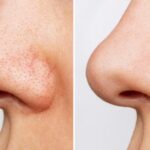
Enlarged pores are usually related to skin laxity, excessive oil production and collagen loss around the pore. In this problem, the aim is not to “close” the pore but to shrink its appearance by tightening the surrounding skin structure. Non-ablative fractional lasers and the thulium laser stimulate collagen production around the pore, smoothing the skin surface and making pores less noticeable. These approaches, which balance oil production and improve texture quality, provide lasting improvement with regular sessions. Expecting a miracle in a single session for enlarged pores is not realistic; a gradual but lasting improvement is aimed for. The right laser is chosen according to the skin type and the cause of the pores.
Which Laser Is Used for Capillaries and Redness?
For persistent facial redness and enlarged capillaries, not pigment lasers but vascular lasers that target the vessel are required. KTP and pulsed-dye style lasers are very effective on superficial red vessels, while the Nd:YAG is preferred for deeper and purplish vessels. These lasers heat the hemoglobin in the vessel to constrict it and make it invisible over time. In widespread redness due to rosacea, these lasers also significantly even out the skin tone. Mild redness after the procedure is normal and passes quickly. Since redness and vessel problems usually have a recurring nature, maintenance sessions may be needed at certain intervals to preserve the results.
Which Laser for Skin Tone and Texture Unevenness?
For a dull, tired and uneven appearance in the skin tone, toning applications and non-ablative lasers are ideal. Low-energy Q-switch toning provides a more even tone by reducing mild pigment spread across the skin. The thulium laser adds radiance and smoothness to the skin through superficial renewal. The Nd:YAG genesis application stimulates collagen by heating the skin and improves overall texture quality. These applications aim to improve the general appearance of the skin rather than a single pronounced problem; the result is a more vivid, bright and rested skin. They are usually applied as a series of sessions and maintained with regular care. Tone and texture improvement gives the best result with a combination of different lasers.
What Factors Determine the Type of Laser?
Choosing the right skin rejuvenation laser requires evaluating several key factors together. The first of these is the type and depth of the targeted problem: spot, wrinkle, scar, pore or vessel. The second important factor is skin type; some lasers carry a risk of side effects especially on dark skin. The third is how much recovery time the person can allow; ablative lasers are powerful but require longer recovery. In addition, age, expectations, previous treatments and overall skin health are also taken into account. These factors are evaluated together to create a personalized plan. For this reason, laser selection is not a standard prescription but an individual decision.
How Does Skin Type (Fitzpatrick) Affect Laser Choice?
Skin type plays a decisive role in laser selection; for this, the Fitzpatrick skin type classification is often used. Since there is less melanin in light skin, pigment-targeting lasers can be applied with a wider safety margin. In dark skin, the high melanin in the skin can absorb the light of some lasers in an unwanted way, creating a risk of burns or spots. For this reason, in dark skin types, long-wavelength lasers that are less absorbed by melanin (such as the Nd:YAG) and careful, low-energy protocols are preferred. A wrong device or setting can cause permanent pigment change in dark skin. That is why correctly determining the skin type before the application is the foundation of safety.
Is Laser Application Painful, and How Long Is Recovery?
In laser application, pain and recovery time vary according to the type of laser used. Non-ablative lasers and toning applications generally give a mild warmth and pricking sensation; most people tolerate it comfortably with an anesthetic cream and there is almost no recovery time. Ablative fractional lasers create a more intense sensation and a numbing cream is usually applied before the procedure. In such procedures, redness, mild swelling and crusting lasting a few days are normal. Recovery time can range from a few hours in superficial applications to a week in strong ablative procedures. To set the right expectation, it is important to discuss the recovery process in detail with your physician before the procedure.
How Many Sessions Does Laser Skin Rejuvenation Take?
The number of sessions needed varies according to the chosen laser and the treated problem. With strong ablative fractional lasers, sometimes a single session can give a noticeable result, but in most cases several sessions are planned for ideal improvement. In non-ablative and toning applications, since the result is gradual, a series of 3-6 sessions is usually recommended, with a few weeks’ interval between sessions. For challenging problems such as acne scars, enlarged pores and deep spots, more sessions may be needed. Results become apparent gradually with each session, and collagen renewal continues for months. A personalized session plan is created at the first evaluation, taking into account the condition of the skin and the goals.
What Should Be Considered After the Laser?
After a laser application, proper care of the skin is critical for both the quality of the result and safety. The most important rule is sun protection; after the procedure the skin becomes sensitive to the sun and the use of a high-factor sunscreen is essential. This prevents the formation of new spots, especially in spot treatments. It is necessary to cleanse the skin gently, moisturize it well and avoid irritating products. After ablative procedures, not picking the crusts speeds up healing and reduces the risk of scarring. Hot environments, sauna, intense exercise and makeup should be postponed for a while. At Zen Polyclinic, personalized care instructions specific to your skin type and the applied laser are given after each procedure; following these recommendations ensures you get the best result.
What Are the Side Effects and Risks of Laser Skin Rejuvenation?
With the right device, the right setting and an experienced practitioner, laser skin rejuvenation is a safe procedure; however, like every medical application, it has possible side effects. The most common temporary effects are redness, mild swelling, tenderness and, in ablative procedures, crusting; these usually pass within a few days. When applied with the wrong energy or on an unsuitable skin type, temporary or rarely permanent pigment change (darkening or lightening), burns and a risk of scarring can occur. Minimizing these risks is possible with the right laser choice, appropriate settings and application by an experienced physician. That is why a laser should always be performed in a well-equipped clinic and under expert supervision.
Can Lasers Be Combined?
Since different skin problems often coexist, combining different types of lasers, or combining a laser with other treatments, is frequently applied. For example, a person may have spots, wrinkles and capillaries all at once; in this case different approaches targeting pigment, tissue and vessel are combined within a single plan. A laser can also be combined with methods such as radiofrequency, mesotherapy, filler or botox. Combination provides a holistic result by addressing each problem with the most appropriate tool. However, performing different procedures in the correct order and time interval is important for safety. For this reason, the combination plan must always be created by an experienced physician, taking into account the skin’s recovery times.
Who Is Laser Skin Rejuvenation Not Suitable For?
Although laser skin rejuvenation is suitable for most people, in some situations it should be postponed or not applied. Most laser applications are not recommended during pregnancy and breastfeeding. If there is an active infection, cold sore, open wound or a skin condition such as eczema in the treatment area, the application is postponed. In those who have recently had sunburn or intense tanning, the risk increases especially with pigment lasers. Those using certain medications that create photosensitivity, those with a tendency to keloids (excessive scarring) and those with some chronic skin diseases must be evaluated carefully. The process should be explained in detail to people with unrealistic expectations. For this reason, a comprehensive health and skin evaluation before the application is a prerequisite for safe treatment.
How Is It Decided Which Laser Is Right for You?
Determining the most suitable laser for you is not a choice from a standard list but a personalized evaluation process. This process begins with a detailed analysis of your skin: your skin type, the type and depth of your problem, your past treatments and your expectations are evaluated. Then the type of laser that will best respond to the targeted problem, and a combination plan if necessary, is determined. How much time you can allow for recovery is also included in the plan. The right decision is based not on a single device being “the best” but on that device being the most suitable for your specific situation. That is why the most correct step is to have a face-to-face evaluation with an experienced physician and create a personalized roadmap.
Realistic Expectations Before Laser Skin Rejuvenation
The most important condition for being satisfied with laser skin rejuvenation is to approach it with realistic expectations. Lasers are powerful tools that significantly improve spots, wrinkles, scars and texture problems in the skin; however, they are not a miracle that completely eliminates every problem in a single session. Results generally develop gradually and collagen renewal continues for months. Some problems require multiple sessions or a combination with different methods. In addition, sun protection and regular care are essential to preserve the result obtained. Approached from this perspective, laser skin rejuvenation is a reliable investment that provides high satisfaction when planned correctly. Correct information and realistic goals are the key to satisfaction.
Skin Rejuvenation Lasers at Zen Polyclinic
At Zen Polyclinic, skin rejuvenation lasers are planned with a personalized evaluation. Your skin type, the type of your problem and your expectations are analyzed in detail to determine the most suitable type of laser for your needs and a combination plan if necessary. At our clinic in Istanbul Ataşehir, a wide range of laser treatments for different skin problems are applied safely by an experienced physician team. Our priority is to achieve results that are natural, safe and protect your skin health. To learn which laser is right for you, you can contact the Zen Polyclinic team and schedule a personalized preliminary evaluation.
Conclusion: How Is the Right Laser Chosen?
In skin rejuvenation there is no single device that is “the best laser”; the best laser is the one most suitable for your skin problem. For spots, pigment-targeting Q-switch and fractional lasers stand out; for wrinkles and scars, fractional lasers; for superficial refreshment, the thulium (babyface); for vessels and redness, vascular lasers; and for dark skin and deep targets, the Nd:YAG. The right choice is made according to the type of the problem, the skin type and your recovery time. Instead of making this decision alone, having an evaluation with an experienced physician is the safest way. The most accurate way to learn which laser and plan are right for you is an expert skin evaluation.
Frequently Asked Questions (FAQ)
Which is the best laser for skin rejuvenation?
There is no single best laser; the best laser varies according to the problem to be treated and the skin type. Q-switch and fractional stand out for spots, fractional for wrinkles and scars, thulium (babyface) for superficial refreshment, vascular lasers for vessels and redness, and the Nd:YAG for dark skin.
What is the difference between ablative and non-ablative lasers?
An ablative laser removes the top layer of the skin in a controlled way, giving a strong result but with a longer recovery time. A non-ablative laser stimulates collagen in the lower layer without disrupting the top layer; recovery time is short but usually more sessions are needed.
Which laser is more effective for spots?
Q-switch or fractional lasers are effective for superficial sun and age spots. Toning applications are preferred for uneven tone spread across the skin. For stubborn spots such as melasma, low-energy, careful protocols and supportive treatments should be planned together.
Which problem does the thulium (babyface) laser help?
The thulium laser is a non-ablative application effective for uneven skin tone, dull and tired appearance, superficial spots, fine pores and overall skin quality improvement. It gives the skin a bright and smooth appearance with minimal recovery time.
Which laser is used for acne scars?
Acne scars and skin pits usually respond best to fractional lasers. Ablative fractional lasers give a stronger result in deep scars, while non-ablative options may be sufficient in milder scars. Usually several sessions are needed and improvement is gradual.
Is laser safe on dark skin?
In dark skin, high melanin can create a risk of burns and spots with some lasers. For this reason, long-wavelength lasers less absorbed by melanin, such as the Nd:YAG, and careful, low-energy protocols are preferred. Correctly determining the skin type is the foundation of safety.
How many sessions does laser skin rejuvenation take?
With strong ablative fractional lasers, sometimes a single session may be enough. In non-ablative and toning applications, a series of 3-6 sessions is usually recommended, with a few weeks’ interval between sessions. More sessions may be needed for challenging problems.
What should I pay attention to after the laser?
The most important rule is sun protection; a high-factor sunscreen is essential. It is necessary to cleanse the skin gently, moisturize well, not pick the crusts, and postpone sauna, intense exercise and makeup for a while. These recommendations protect both the result and safety.