Laser Treatment for Acne Scars and Skin Pits
Acne scar laser treatment is a skin renewal method that uses controlled light energy to trigger collagen regeneration in order to reduce the pits, enlarged pores, uneven texture and discoloration that form on the skin after acne. The lasting scars left behind after acne, especially atrophic acne scars (pitted scars), cause aesthetic and psychological discomfort for many people. So what exactly is acne scar laser treatment, which scar types does it work on, how many sessions are needed and are the results permanent? In this comprehensive guide, we address all these questions in detail.
What Is Acne Scar Laser Treatment?
Acne scar laser treatment is a procedure that creates controlled micro-injury with light energy targeting the scar tissue, initiating the skin’s self-repair process and new collagen production. The inflammation that occurs during acne disrupts the skin’s collagen structure; once healing is complete, pits or raised scars may remain. Fractional laser opens microscopic channels in the skin surface, allowing both the removal of old, damaged tissue and the formation of new, healthy tissue underneath. In this way the pits gradually fill in and the skin surface becomes smoother. The treatment is planned individually according to the type and depth of the scars.
Why Do Acne Scars Form?
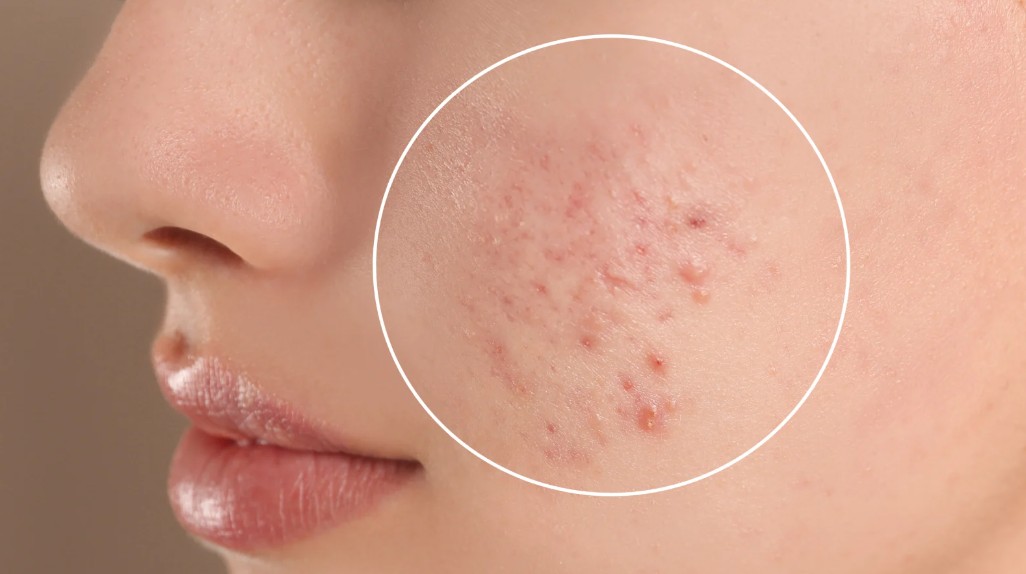
Acne scars arise when pimples disrupt the skin’s repair process. In particular, inflamed, deep and squeezed pimples damage the collagen and elastin structure of the skin. During healing, the body either fails to produce enough collagen (creating a pitted scar) or produces too much (creating a raised scar). The factors that influence scar formation are:
- The depth of the acne lesions and severity of inflammation
- Squeezing or picking at pimples
- Delaying treatment
- Genetic predisposition and skin type
- Unprotected sun exposure
For this reason, receiving the right treatment during the acne period significantly reduces the risk of scarring.
What Are the Types of Acne Scars?
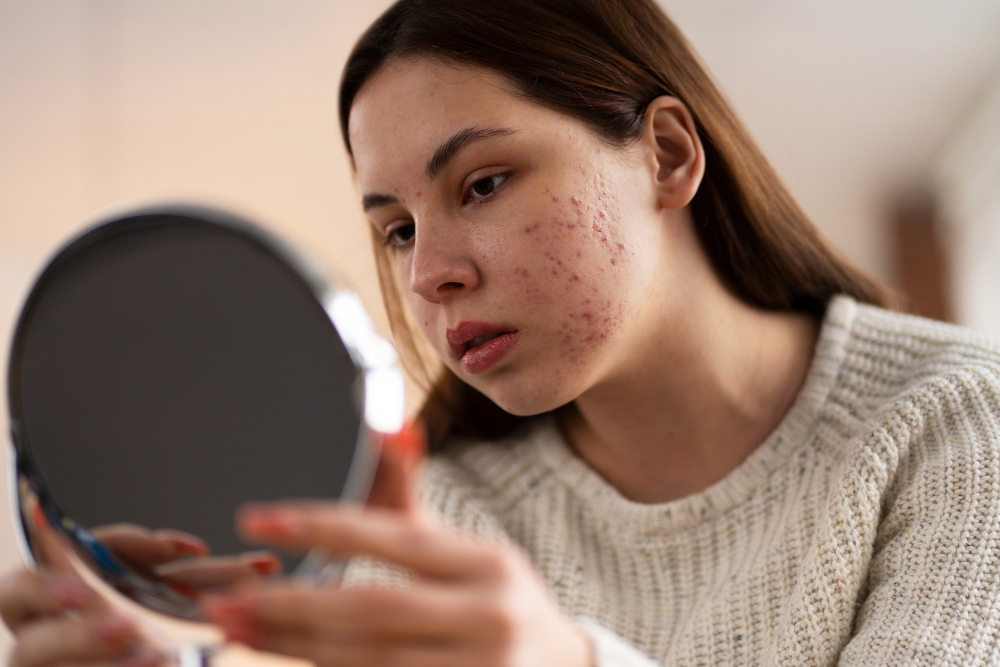
For the right treatment plan it is important to distinguish the types of acne scars. Scars are basically divided into two groups: pitted (atrophic) scars and raised (hypertrophic) scars. Pitted scars also show different appearances among themselves:
- Ice pick scars: Narrow and deep, sharp-pointed pits.
- Boxcar scars: Wide, sharp-edged, box-like pits.
- Rolling scars: Soft-edged pits that give a wavy appearance.
Since each scar type has a different depth and texture, the laser energy and number of sessions are adjusted accordingly.
Are Acne Scars and Skin Pigmentation the Same Thing?
No. An acne scar means a loss or excess of tissue (that is, a physical pit or bump) in the skin, whereas post-acne marks are only a change in color. The red or brown marks left after a pimple heals are mostly temporary pigment changes and can fade over time or with pigmentation treatments. True acne scar laser treatment, on the other hand, requires textural correction. This distinction matters because skin with only a color problem may not need pit treatment. A close examination of the skin is needed for proper assessment; you can also review our guide on how acne scars heal and treatment options.
How Does the Fractional Laser Work?
Fractional laser, instead of covering the entire skin surface, applies fractionated (divided) energy in microscopic dots. Because healthy tissue is left between these micro-channels, healing is faster and the risk is lower. The controlled heat created by the laser stimulates collagen and elastin production in the lower layer of the skin. Within weeks new tissue forms, the pits begin to fill and the skin surface begins to flatten. The fractional laser applications performed at Zen Polyclinic work with energy levels that can be adjusted according to scar depth. This way a treatment plan can be created for both superficial and deeper scars.
What Is the Difference Between Ablative and Non-Ablative Lasers?
Lasers are divided into two main groups according to their mode of action. Ablative lasers provide stronger renewal by vaporizing the top layer of the skin; results are pronounced but the healing time is longer. Non-ablative lasers heat the lower layers without damaging the top layer; healing is faster but generally more sessions are required. Which method is suitable depends on scar depth, skin type, the time a person can allocate to healing and their expectations. An expert evaluation ensures the most appropriate laser type is selected and helps avoid unnecessary risks.
Who Is Acne Scar Laser Treatment Suitable For?
Acne scar laser treatment is suitable for people whose active acne period is largely under control and who are left with lasting scars. Those bothered by pitted scars, enlarged pores or uneven skin texture can benefit from this treatment. The points considered before the procedure are:
- That active, inflamed acne is under control
- That realistic expectations are held
- That there is no recent sunburn or intense tanning
- That the general health condition of the skin has been evaluated
Suitability is always determined with a personalized examination.
Who Is Acne Scar Laser Treatment Not Suitable For?
Like any procedure, acne scar laser treatment is also postponed or not recommended in certain situations. In people in an active and inflamed acne period, the acne is first brought under control. In addition, the procedure is carefully evaluated during pregnancy and breastfeeding, if there is an active infection or cold sore in the treatment area, with the use of medications that cause light sensitivity, and in some chronic skin diseases. In very dark skin types, choosing the right laser and correct settings is critical against the risk of pigment change. For this reason, a detailed medical evaluation is performed before starting treatment and the past health history is always taken into account.
How Is the Preparation Done Before Treatment?
Proper preparation before acne scar laser treatment both improves results and reduces the risk of side effects. The following recommendations are generally followed before treatment:
- Protecting from the sun and avoiding tanning
- Using a high-SPF sunscreen
- Stopping exfoliating products and harsh peels for a certain period
- Using the skin preparation creams recommended by the physician
- Informing the physician about medications used
This preparation stage allows the skin to respond more healthily to the laser and facilitates healing.
How Is Acne Scar Laser Treatment Applied?
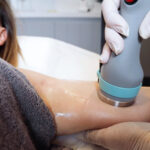
The application begins with cleansing the skin and applying an anesthetic cream to the area. Once the cream takes effect, the fractional laser handpiece is moved over the skin in a controlled manner and targeted energy is delivered to the scar areas. A mild warmth and tingling may be felt during the procedure. The session duration varies depending on the size of the area treated; facial applications generally take a short time. Redness and mild swelling of the skin after the procedure are normal. At Zen Polyclinic the treatment is performed under hygienic conditions and with device settings tailored to the individual, which supports both comfort and safety.
Is the Treatment Painful?
The discomfort felt during acne scar laser treatment is generally mild and tolerable. Thanks to the anesthetic cream applied before the procedure, pain is significantly reduced. Most people describe the process as a feeling of warmth, tingling or mild stinging. In stronger applications aimed at deeper scars the sensation may be slightly more pronounced, but this is temporary. After the procedure a warmth and tightness similar to sunburn may be felt; this sensation eases within a few hours. Since the pain threshold varies from person to person, the practitioner may adjust the energy level and cooling support to increase comfort.
How Many Sessions Does Acne Scar Laser Treatment Take?
The number of sessions needed in acne scar laser treatment varies according to the type and depth of the scar and the skin’s response. Usually more than one session is required, because collagen renewal is a gradual process and the scars improve a little more with each session. A certain period is left between sessions for the skin to heal completely. While fewer sessions may be sufficient for superficial scars, more sessions may be planned for deep pitted scars. The treatment plan is created individually and updated if necessary with interim evaluations. Being patient is important; the results become increasingly evident as the sessions progress and in the following weeks.
When Are the Results Seen?
In acne scar laser treatment the first changes generally begin to be noticed after the skin heals, but the real improvement appears within weeks as collagen production is completed. After the first session a slight smoothing of the skin texture may be seen; the noticeable filling of the scars, however, may take several sessions and several months. Since collagen renewal is an ongoing process, healing may continue for a few months even after the last session. For this reason, a certain period is waited after the treatment is completed to evaluate the final result. A realistic timeline helps manage expectations correctly.
Are the Results Permanent?
The improvement achieved with acne scar laser treatment is generally long-lasting, because the treatment relies on the skin regenerating its own collagen and the new tissue formed is permanent. However, the skin continues to be exposed to aging, sun damage and new acne lesions. If new pimples form and leave scars, these do not affect the result of the existing treatment but may create new scars. For this reason, maintaining acne control and paying attention to sun protection are important in preserving the results. Some people may be recommended maintenance sessions at certain intervals. In general, with proper care the results can be preserved for a long time.
What Should Be Considered After Treatment?
Aftercare following acne scar laser treatment is critical for healing to proceed smoothly. The following recommendations are generally followed after the procedure:
- Strictly protecting from the sun and using high SPF
- Not picking at the skin or peeling off crusts
- Using the moisturizing and repairing products recommended by the physician
- Avoiding hot showers, saunas and intense exercise for a while
- Not applying makeup before the time stated by the physician
Following these rules both speeds up healing and minimizes the risk of side effects.
What Are the Side Effects of Acne Scar Laser Treatment?
Acne scar laser treatment is a safe method when applied correctly, but as with any medical procedure, temporary side effects may occur. The most common are redness, mild swelling, a feeling of warmth and tenderness lasting a few days. Some people may experience temporary dryness, peeling or crusting of the skin; these are a normal part of the healing process. Rarely, pigment change (darkening or lightening) may occur; this risk is reduced with the right laser choice and sun protection. Serious side effects are rare in experienced hands and with appropriate settings. Any unusual symptom should be discussed with the physician.
How Does Laser Treatment Compare to Other Methods?
Besides laser, methods such as dermapen (microneedling), chemical peels, fillers and radiofrequency are also used for acne scars. Fractional laser gives strong results especially in uneven texture and overall skin renewal, while dermapen may be preferred for more superficial scars and sensitive skin. Which method is suitable depends on the scar type. For more information about dermapen, you can review our dermapen application page. Often the best result is achieved by planning these methods together according to the scar type.
Can Laser Treatment Be Combined With Dermapen and Microneedling?
Yes. Acne scar laser treatment can be combined at appropriate intervals with collagen-stimulating methods such as dermapen or microneedling. This combination can strengthen results by acting on both superficial and deep scars at the same time. However, performing the two applications in the same session or at very close intervals can overstrain the skin; therefore the planning is done carefully by the specialist. Combination treatment is especially beneficial when the scars are varied. At Zen Polyclinic the treatment plan is created individually, monitoring the skin’s reaction and leaving sufficient healing time between sessions.
What Are the Misconceptions About Acne Scar Laser Treatment?
There are some common misconceptions about acne scar laser treatment. The most common are:
- “All scars disappear in a single session” — In reality, scar healing is gradual.
- “Laser thins and damages the skin” — With the right settings the skin strengthens, it does not weaken.
- “It can never be done in summer” — It can be planned with proper sun protection.
- “Results are seen immediately” — Healing becomes evident over weeks and months.
Correct information helps create realistic expectations and experience a more satisfying process.
Can Laser Treatment Be Done in Summer Months?
Acne scar laser treatment can be done in summer months, but sun protection becomes even more critical during this period. After the procedure the skin is temporarily more sensitive to the sun and unprotected exposure can increase the risk of pigment change. For this reason, when planning treatment in summer, the use of high-SPF sunscreen, avoiding direct sun and physical protection such as hats are recommended. For some people it may be more practical to postpone the treatment to seasons when the sun is less intense. The decision is made together by evaluating the person’s lifestyle, skin type and sun exposure habits.
What Factors Affect the Price of Acne Scar Laser Treatment?
The cost of acne scar laser treatment varies depending on many factors, and it would not be correct to give a fixed price. The main elements affecting the price are:
- The type, depth and extent of the scars
- The size of the area treated
- The total number of sessions required
- The laser technology used
- The experience of the practitioner and clinic conditions
The most accurate pricing is determined after a skin examination and a personalized treatment plan. As much as the price, the practitioner’s competence is also important for the result.
Why Is Choosing the Right Practitioner Important?
The success of acne scar laser treatment largely depends on the practitioner’s experience and the correct adjustment of the device. The wrong energy level or an unsuitable laser choice can lead to undesirable situations such as insufficient results, prolonged healing or pigment problems. An experienced practitioner correctly analyzes the scar type, selects the laser and settings suitable for the skin type and minimizes risks. For this reason it is important to have the treatment performed in a hygienic, well-equipped clinic with an expert staff. At Zen Polyclinic every treatment is carried out with a detailed skin evaluation and individualized planning.
What Should Realistic Expectations Be in Acne Scar Laser Treatment?
Realistic expectations are the foundation of satisfaction in acne scar laser treatment. Laser treatment can significantly reduce scars, smooth the skin texture and improve the overall appearance; however, in very deep scars the goal of completely “zero scars” may not always be possible. The aim is to noticeably soften the scars and give the skin a smoother, healthier appearance. Since healing is gradual, it should be remembered that results become evident over time. An open conversation with the practitioner helps understand what is possible and which methods may be needed together. Correct expectations make it easier to gain more benefit from the process.
How Should Skin Care Be After Treatment?
Regular skin care after acne scar laser treatment is important for preserving the results and keeping the skin healthy. Once healing is complete, gentle cleansers, a good moisturizer and regular sun protection are the basic steps. Repairing or collagen-supporting products recommended by the physician can support healing. Harsh peels and products that may irritate the skin should be avoided without physician approval. In acne-prone skin, keeping the acne under control is important to prevent the formation of new scars. Regular care helps preserve the smooth and healthy appearance provided by laser treatment for a long time.
Does Acne Scar Laser Treatment Also Improve Pore Appearance?
Yes, acne scar laser treatment often also improves the appearance of enlarged pores. In acne-prone skin the pores are usually more prominent, and this contributes to the skin looking uneven. The collagen production triggered by the fractional laser can help make the pores appear smaller by tightening the skin surface. This effect, together with the improvement of the scars, makes the overall texture of the skin smoother. However, since pore appearance also depends on skin type and oiliness, results may vary from person to person. When overall skin renewal is targeted, this versatile effect of the laser makes the treatment more comprehensive.
Why Is Skin Type Important During Acne Scar Laser Treatment?
Skin type is a determining factor in planning acne scar laser treatment. Light and dark skin types respond differently to laser energy; especially in dark skin, wrong settings can increase the risk of pigment change. For this reason the practitioner evaluates the skin type according to the Fitzpatrick classification and selects the laser type and energy level accordingly. Oily, dry or sensitive skin can also affect the healing process. Correctly determining the skin type increases both safety and the quality of the result. A detailed skin analysis performed before treatment helps determine the most suitable and safest approach for the individual.
Is Acne Scar Laser Treatment Different in Men?
Acne scar laser treatment can be applied just as effectively in men as in women. Men’s skin is generally thicker and oilier; this may in some cases require energy settings to be planned differently. In addition, the hair structure in the beard area and shaving habits are taken into account during the healing period. Since acne scars in men can often be seen over wide areas of the face, the treatment plan is arranged accordingly. The basic principles remain the same: correct scar analysis, appropriate laser choice, sun protection and aftercare. Regardless of gender, individualized evaluation is the most decisive element in the success of the treatment.
How Is the Treatment Plan Personalized?
Because every skin and every scar is different, the acne scar laser treatment plan is created individually. The process begins with a detailed skin evaluation; the scar types, their depths, the skin type and the person’s expectations are determined. Accordingly, the laser type, energy level, number of sessions and intervals between sessions are planned. If necessary, combination with dermapen, peels or other methods is considered. As the treatment progresses the results are monitored and the plan is updated when needed. This personalized approach increases both safety and the quality of results. At Zen Polyclinic a separate roadmap is drawn up for each patient and regular follow-up is carried out throughout the process.
Which Areas Can Acne Scar Laser Treatment Be Applied To?
Acne scar laser treatment can be applied to almost any area where acne has left scars. The most frequently treated area is the face; the cheeks, forehead, chin and temples in particular are areas where acne scars are intensely seen. In addition, acne scars can form on body areas such as the back, shoulders and chest, and these areas can also be treated with laser. Since the skin structure on body areas differs from the face, the healing time and energy settings are planned accordingly. Which area will be treated and what approach will be followed are determined by taking into account the person’s scar distribution and skin characteristics.
Why Is Patience Important During the Treatment Process?
Acne scar laser treatment is a process that gives gradual rather than rapid results, and therefore requires patience. Since collagen production is a biological process that takes time, the filling of scars and the smoothing of the skin can take weeks, even months. Each session builds on the previous one to create the total result. It is normal not to see the expected change in the early stages; the real improvement appears over time. Following the treatment plan and session intervals is the key to obtaining the best result. Following the process patiently provides both realistic expectations and higher satisfaction. Regular check-ups help evaluate progress.
Acne Scar Laser Treatment at Zen Polyclinic
At Zen Polyclinic, acne scar laser treatment is carried out as a fully personalized process that begins with a detailed skin evaluation. At our clinic in Ataşehir, Istanbul, the application is performed under hygienic conditions by selecting the laser and settings suitable for your scar type and skin structure. Our aim is to noticeably reduce the pitted scars on your skin with a realistic and safe approach and to help you achieve a smoother, healthier appearance. If you would like to learn the most suitable treatment plan for your acne scars and skin pits, you can contact Zen Polyclinic to arrange a personalized evaluation appointment.
Frequently Asked Questions (FAQ)
What is acne scar laser treatment?
It is a skin renewal method that triggers collagen regeneration with controlled light energy to reduce the pits, enlarged pores and uneven texture formed on the skin after acne.
Does acne scar laser treatment work on every scar type?
Laser is especially effective on pitted (atrophic) scars and uneven texture. Different scar types such as ice pick, boxcar and rolling may respond differently; the best approach is determined by scar type.
How many sessions does the treatment take?
Usually more than one session is needed. The number depends on the type and depth of the scar and the skin’s response. A certain period is left between sessions for the skin to heal.
When are the results seen?
The first changes begin to be noticed after the skin heals; the noticeable filling of the scars appears over weeks and months as collagen production is completed.
Is acne scar laser treatment painful?
The discomfort felt is generally mild. An anesthetic cream is applied before the procedure; most people describe the process as warmth, tingling or mild stinging.
Are the results permanent?
Because the treatment relies on the skin regenerating its own collagen, the improvement achieved is long-lasting. However, new acne and sun damage can create new scars, so aftercare is important.
Can laser treatment be done in summer months?
It can, but sun protection is more critical during this period. Using high SPF and avoiding direct sun are recommended; some people may postpone treatment to cooler seasons.
Can acne scar laser treatment be combined with dermapen?
Yes, it can be combined at appropriate intervals with dermapen or microneedling. This combination can strengthen results by acting on both superficial and deep scars; planning is done by the specialist.