
What Can Be Done for Décolleté Wrinkles? The Role of Skin Quality in Choosing Treatment
Why Décolleté Skin Differs From Facial Skin
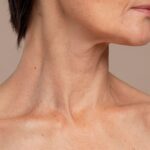
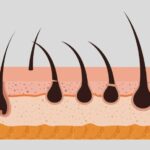
The skin on the décolleté area is noticeably thinner than facial skin, and this thinness reduces the tissue’s resistance to external factors. Oil gland density is much lower compared to the face, which leaves natural oil production and moisture retention capacity weaker. The collagen and elastin network is also more sparsely woven in this area, so the supporting tissue is not as strong as on the face. When these three characteristics combine, the décolleté can show earlier and more visible signs of aging than facial skin of a similar age group.
Practical Consequences of Thin Tissue and Low Oil Gland Density
The thin tissue structure means that the energy and depth settings for any procedure applied to the décolleté must be chosen differently than for the face. Because low oil gland density limits the skin’s own moisturizing capacity, this area becomes more dependent on external moisturizers. This dependence means the décolleté needs its own step in the daily skincare routine; even if facial cream is applied here, it may not give the same result. Weak supporting tissue also creates the ground for fine lines to appear at an earlier age.
An Area Constantly Exposed to the Sun
Because of clothing choices, the décolleté is exposed to the sun for long periods in summer and even in open-necked outfits in winter. Since this exposure is often not included in a daily sun-protection routine the way facial care is, it accumulates unnoticed over the years. This process, known as photoaging, contributes to the breakdown of collagen fibers and irregular pigment production. As a result, both fine lines and uneven pigmentation or spots can appear on the décolleté at the same time.
Distinguishing Wrinkles by Their Source
The wrinkles seen on the décolleté do not stem from a single cause; different mechanisms can overlap in the same area. Telling these mechanisms apart is necessary for determining the right approach, because each one calls for a different response. In some people only one of these causes is dominant, while in others several act together at the same time. The most common sources of décolleté wrinkles can be listed as follows:
- Repeated mechanical pressure from sleeping on your side
- The cumulative effect of sun exposure over the years
- Loss of tissue firmness and volume
- Dryness and weakened skin barrier caused by low oil gland density
Mechanical Wrinkles: Sleep Position and Repeated Pressure
The habit of sleeping on your side causes the décolleté skin to be repeatedly folded and pressed against throughout the night. Over time, this mechanical strain contributes to the skin creasing along certain lines, much like a piece of paper that keeps a crease when folded the same way over and over. At a younger age these marks fade quickly after waking, but as skin quality declines they start to become permanent. For this reason, sleep position is a practical detail that is discussed when planning treatment.
Sun Damage and Photoaging
Over the years, the sun’s ultraviolet rays break down the collagen and elastin fibers in the décolleté, reducing the tissue’s elasticity. This process also causes pigment-producing cells to work irregularly, creating the ground for spots to form. Wrinkles caused by photoaging generally appear more superficial and cross-directional, forming a texture pattern different from mechanical wrinkles. This distinction is carefully assessed during the examination.
Tissue Laxity and Volume Loss
With age, the supporting tissue beneath the skin can decrease, leading to a deeper and looser appearance on the décolleté. Unlike superficial lines, this type of wrinkle reflects an actual loss of volume within the tissue itself. When tissue laxity is the dominant factor, surface-level moisturizing alone may not be a sufficient response. In this case, approaches that support collagen production come into consideration.
Dryness and Weakened Skin Barrier
Because of low oil gland density, the décolleté skin’s barrier function is more fragile than that of the face, and this fragility increases water loss. Chronic dryness contributes to fine lines appearing more pronounced, because a lack of moisture reduces the smoothness of the skin’s surface. A weakened barrier can also increase sensitivity to external irritants, which is taken into account when choosing a method. Regular moisturizing is a fundamental step that comes before other approaches.
Three Scenarios Based on Skin Quality
When assessing changes in the décolleté, three different scenarios are considered separately, and this distinction determines which method comes to the forefront. In one person only one of these scenarios may be dominant, while in others more than one can appear together. Defining the scenario is done by evaluating tissue observation and the person’s history together during the examination. The following three headings put this distinction into concrete terms.
A Picture Dominated by Superficial Lines and Dryness
In this scenario, the deep structure of the tissue is preserved, and the real issue is surface smoothness and lack of moisture. In such a picture, priority goes to approaches that increase the skin’s moisture-retention capacity and support surface quality. These approaches usually provide a gentler, more gradual effect. Results begin to become noticeable after several weeks of regular application.
A Picture Dominated by Sun Damage and Spots
In this scenario, the prominent finding is uneven pigmentation and spots, while wrinkling may remain secondary. The approach turns toward options that target the skin’s response to sun damage and is usually planned together with sun protection. Methods used for spots rely on a different mechanism than wrinkle treatment. For this reason, both goals may not be met with the same protocol.
A Picture Dominated by Tissue Laxity
In this scenario, there is a loss of volume and firmness in the tissue itself, and surface moisturizing alone is not enough. Approaches based on collagen stimulation are given priority in this picture, because the goal is to support the tissue’s internal structure. The effect of this approach unfolds over time and requires patience. Results are usually noticed in the later weeks of the series.
Moisture and Quality-Focused Approaches
If skin quality is low, the priority is to support the tissue’s moisture-retention capacity and surface smoothness. These types of approaches are usually planned as a series repeated at regular intervals, and their effect becomes noticeable gradually. The method applied aims to strengthen the skin’s moisture barrier and regulate the surface texture. Expecting a permanent change from a single session is not realistic.
Because the tissue in this area is thin, the intensity of application is chosen more cautiously than on the face; the goal is to provide support without irritating the sensitive tissue. While a higher energy level is expected to increase the effect, on the décolleté this increase is kept controlled and gradual. The result may appear more slowly than with similar applications on the face; this is not a failure, but a difference stemming from the nature of the tissue. Patient expectations are clarified in advance based on this fact.
Moisture-focused approaches give a more consistent result when considered together with a daily care routine. Clinical applications alone may not be enough; regular use of moisturizer at home supports this effect. This combination, which contributes to barrier repair, can increase the skin’s resistance to external factors over time. For this reason, clinical planning and home care are treated as two complementary parts.
How Is Collagen Stimulation Planned?
If tissue laxity is the prominent issue, approaches that support collagen production are considered; this process requires a response that unfolds over time, and a noticeable tightening should not be expected after a single session. Collagen production relies on activating the tissue’s own repair mechanism, so the result may take weeks to appear. A series usually consists of several sessions, and the interval between sessions is determined according to the tissue’s recovery time. Patient follow-up during this process matters for how lasting the result will be.
Because of the thin and sensitive structure of the décolleté, energy and frequency settings are adjusted differently than for the face. Applying an aggressive protocol in this area can increase the risk of unwanted discoloration or prolonged redness. The energy level is determined gradually, based on an assessment of the person’s skin tone and tissue thickness. This cautious approach is seen as a choice that puts safety ahead of results.
The effect of collagen-stimulating approaches can continue for a while even after the series is completed, because tissue repair continues after the sessions end. This delayed effect explains why results are evaluated over time rather than immediately. Follow-up control sessions allow the plan to be updated when needed. If the skin’s response is slower than expected, the protocol can be adjusted.
Options for Spots and Uneven Pigmentation
For spots and uneven pigmentation, options that target the skin’s response to sun damage are discussed. These options are planned for areas where pigment production has become irregular and are usually considered together with sun protection. Spot treatment targets a different goal than wrinkle treatment, so both may not be addressed with the same protocol. In some plans, the two goals are handled in separate sessions.
When planning spot treatment on the décolleté, the area’s thin tissue structure and constant sun exposure are also taken into account. An aggressive approach in this area can, contrary to expectations, lead to new uneven pigmentation. For this reason, the energy level is increased gradually and the skin’s response is closely monitored. Sun protection after treatment is an inseparable part of maintaining the result achieved.
In spot treatment, results are generally noticed not after a single session but over the course of several sessions. Some spots can be more stubborn than others, depending on the depth and duration of the spot. Deep spots that have existed for a long time may require more sessions than newly formed superficial ones. This difference is taken into account in advance when creating the treatment plan.
Why Is Healing Slower and Planning More Cautious?
Low oil gland density and thin tissue structure on the décolleté contribute to a longer healing process compared to the face. The face’s rich blood circulation and thicker tissue structure are factors that speed up post-procedure repair, an advantage that is more limited on the décolleté. For this reason, the interval between procedures in this area is generally kept wider, and the energy level is chosen more cautiously. Rushed planning can cause the tissue to receive a new stimulus before its recovery process is complete.
This cautious approach aims to provide a safe healing process without risking the durability of the result. Trying to speed up results with a hasty protocol can backfire in this area; unexpected redness or discoloration may occur. The waiting period between sessions is determined based on whether the tissue has fully responded to the previous stimulus. This period can vary from person to person; no standard schedule is given.
Monitoring the healing process allows the plan to be adjusted when needed. If the response is slower than expected, the energy level or session interval is reviewed. This review aims to protect the result safely. The patient’s own observations are also a valuable source of feedback during this process.
Why Is the Decision on Depth and Energy Different From the Face When Choosing a Procedure?
Why the Facial Protocol Is Not Applied Directly
Applying a facial protocol directly to the décolleté is not recommended, because of the tissue’s different structure. An energy level that is effective on the face can cause an excessive reaction in the décolleté’s thin, low-oil-gland tissue. This difference requires device settings to be redetermined specifically for the area. The practitioner taking this difference between areas into account is a prerequisite for a safe result.
How Is the Energy Level Determined
When determining the energy level, the person’s skin tone, tissue thickness, and history of previous sun exposure are evaluated together. This assessment is a search for a balance that considers both effectiveness and safety at the same time. Starting with low energy and increasing it gradually is a commonly preferred approach for the décolleté. This gradual increase allows progress based on observing the tissue’s response.
The decision on depth is similarly area-specific; the targeted layer on the décolleté may not go as deep as on the face, because tissue thickness is limited. This limitation means some methods are applied with a more superficial protocol on the décolleté. The decision on depth and energy is made together, within the limits the tissue can tolerate. Exceeding these limits can increase the risk of an unwanted side effect.
Aftercare and Sun Protection
Daily use of sunscreen can both slow the progression of existing damage on the décolleté and help maintain the change achieved after treatment. This area is often neglected when it comes to sun protection, even though it needs as much attention as the face. Applying sunscreen regularly and in sufficient amounts is important for the continuity of its protective effect. Skipping this step after treatment can directly affect how long the result lasts.
In the period after the procedure, it is recommended to protect the area from direct sun exposure, as the skin can be more sensitive, especially in the first days. Avoiding tight, chafing clothing is a practical measure that reduces the risk of irritation. Continuing to use moisturizer without interruption supports barrier repair. During this period, it is preferable to stick with known, well-tolerated products rather than trying a new cosmetic product.
When the care routine turns into a long-term habit that goes beyond a single procedure, the result is maintained more consistently. Keeping up sunscreen use during seasonal changes remains a valid rule even in winter, because UV exposure continues even on cloudy days. Regular check-up sessions offer a chance to assess whether the care routine is working as intended. This holistic approach can create a more lasting difference than a one-time procedure.
The Role of Sleep Position and Daily Habits
Replacing the habit of sleeping on your side with sleeping on your back can reduce the pressure that contributes to mechanical wrinkle formation. This small change is a practical step that supports the preservation of treatment results, but changing a habit takes time and conscious effort. For some people, adjusting pillows or using accessories that support a different sleep position can make this transition easier. The effect of this change becomes meaningful when considered together with other care steps, not on its own.
Another habit that affects the décolleté in daily life is leaving the area constantly exposed to the sun. Special attention to this area is recommended during travel, at the beach, or during outdoor activities. Using a hat or a light cover can be thought of as an additional layer on top of sunscreen. These kinds of small practical habits can create a cumulative difference over the long term.
Smoking is also known as a factor that negatively affects skin quality; it can contribute to weakening the collagen structure in the décolleté. Regular water intake and a balanced diet are basic habits that support the skin’s overall health. None of these habits is decisive on its own, but together they can make a difference in skin quality. The treatment plan is created within a more realistic framework by taking these daily habits into account.
Realistic Expectations: Years of Accumulation Cannot Be Undone in One Session
Wrinkles, sun damage, and tissue laxity on the décolleté form a picture that builds up over years; reversing this accumulation in a single session should not be expected. Change is usually supported by a gradual process carried out in a series. This process is an approach that requires patience and regular follow-up. Being cautious of approaches that promise a quick transformation is part of forming a realistic expectation.
Factors such as skin quality, lifestyle, and genetic predisposition make the response to treatment differ from person to person. The same method can produce results at different speeds and to different degrees in two different people. This variability is the main reason a guaranteed outcome is never promised in advance. Information shared during the examination provides a general framework; the individual response becomes clear as the process progresses.
Maintaining the achieved change depends less on a one-time procedure and more on a sustained approach to care. Daily steps such as sun protection, moisturizing, and sleep position are part of this maintenance. When these steps are neglected, the change supported by treatment fades over time. A realistic expectation is possible only with a holistic view that covers both the treatment process and what follows it.
Who Is It Not Suitable For, and When Is It Postponed?
Situations That Should Be Postponed
If there is an active skin infection, open wound, or sunburn in the area, the procedure is postponed until this condition resolves. Applying certain methods to skin that has recently had intense sun exposure can be risky; a waiting period is recommended in this case. If there is an active allergic reaction or irritation on the skin, the treatment plan is also reviewed. Situations that require postponement include the following:
- Active infection or open wound in the area
- Recently occurred sunburn
- Active allergic reaction or irritation
Excluding Conditions
Certain methods are not recommended during pregnancy; this is information that must be shared during the examination. The presence of a pacemaker or metal implant in the area can limit the application of some energy-based methods. A history of chronic skin disease is also included in the assessment, because some conditions may be incompatible with certain methods. Medications used, especially those that increase skin sensitivity or have a blood-thinning effect, should be disclosed during the examination.
Sharing this information is important for planning the procedure safely; a concealed history can create the ground for an unexpected side effect. The decision on suitability becomes clear only after all of this information and the tissue structure of the area have been assessed. In some cases, the procedure is not entirely excluded, but a different method or a lower-intensity protocol is preferred instead. The decision is always based on individual assessment.
Common Misconceptions
The idea that “the same cream or method used on the face can be applied to the décolleté exactly as is” is a common misconception; in fact, this area’s thin structure and low oil gland content require a different approach. An intensity that is well tolerated on the face can cause irritation on the décolleté. This misconception can lead some people to apply facial products to the décolleté on their own and not get the expected result. Area-specific assessment is the only way to eliminate this gap.
The claim that “a single session provides permanent tightening” is also unrealistic; collagen production is a biological process that unfolds over time. This process takes weeks and usually requires a series. Expecting a noticeable difference after one session can lead to both disappointment and unnecessary requests for additional treatment. A realistic timeline should be clarified before treatment begins.
The idea that “sun protection is only necessary in summer” is also incorrect; UV exposure continues on cloudy days and in winter as well. Because of clothing choices, the décolleté is an area that can remain exposed in other seasons too. Stopping sun protection seasonally can contribute to the progression of existing damage. A year-round protection routine provides a more consistent result.
Follow-up and When to Consult the Clinic
Regular follow-up sessions during treatment offer a chance to assess whether the tissue’s response is progressing as expected. During these check-ups, the energy level, session interval, or method can be readjusted if needed. If unexpected redness, prolonged swelling, or unusual pain is noticed, it is recommended to consult the clinic without waiting for the next scheduled check-up. Early reporting makes it easier to address a possible issue before it grows. Signs to watch for include the following:
- Prolonged swelling or unexpected redness
- Unusual pain or tenderness
- Unexpected discoloration or tissue hardening
If any of these findings is noticed in the area after treatment, this should also be evaluated. These findings do not always indicate a serious problem, but early evaluation helps manage the process correctly. Seeking professional opinion instead of interpreting symptoms on your own and waiting is the safer approach. This ensures the process moves forward transparently for both the patient and the clinic.
In conclusion, décolleté wrinkles are not addressed with a single method but with an approach personalized to skin quality. The information in this article provides a general framework, and a plan specific to the individual becomes clear only after an examination; what is shared here does not replace medical advice.
For general information about medical aesthetic approaches, you can review the medical aesthetic page, and to find out which category your décolleté skin falls into, you can request an appointment.
Frequently Asked Questions (FAQ)
Can methods used on the face be applied to the décolleté exactly as they are?
No, décolleté skin has a thinner structure than facial skin and its oil gland density is noticeably lower, which requires different energy and frequency settings. Applying a protocol that is well tolerated on the face directly to the décolleté can increase the risk of irritation or unexpected discoloration. For this reason, the practitioner separately assesses the area’s tissue thickness and history of sun exposure. The approach is always adapted to the person’s skin quality; a standard transfer is not made. This assessment made during the examination forms the basis for a safe and consistent result.
What is the most common cause of décolleté wrinkles?
There is no single cause; sun damage, tissue laxity, dryness, and the habit of sleeping on your side can all play a role in this area together. In some people one of these factors is dominant, while in others several may be present at the same time. Which factor takes priority is determined by evaluating tissue observation and the person’s history together during the examination. This assessment plays a decisive role in choosing the right method. A general protocol applied without clarifying the causes may not give the expected result.
Does collagen stimulation on the décolleté give results in a single session?
No, collagen production is a biological process that relies on the tissue’s own repair mechanism and unfolds over time. This process usually requires a series of several sessions, and its effect appears gradually. Expecting noticeable tightening after a single session is not a realistic approach. The interval between sessions is planned according to the tissue’s recovery time, and this can vary from person to person. Results generally begin to become noticeable in the later weeks of the series.
Are spots and wrinkles on the décolleté treated with the same method?
No, spots require an approach targeting sun damage, while wrinkles may be addressed with a different approach focused on moisture or collagen. Because these two goals involve different layers and mechanisms of the tissue, they may not both be met with the same protocol. In some plans, the two goals are addressed in separate sessions or with different timing. Which approach takes priority becomes clear during the examination, depending on which finding is more dominant. This distinction prevents an unnecessary or ineffective application.
Why does healing after décolleté treatment take longer than on the face?
Low oil gland density and thin tissue structure in this area are the main factors that slow down the healing process; the advantage of the face’s rich blood circulation is more limited here. For this reason, the interval between procedures is generally kept wider and the energy level is chosen more cautiously. Rushed planning can cause the tissue to receive a new stimulus before its recovery process is complete. The cautious approach aims to provide safe healing without risking how long the result lasts. Because this process can vary from person to person, no standard schedule is given.
Why should sun protection not be neglected on the décolleté?
Sun exposure can contribute to the progression of existing damage on the décolleté and can make it harder to maintain the change achieved after treatment. Because of clothing choices, this area is often forgotten in sun-protection routines, even though it needs as much attention as the face. UV exposure can continue not only in summer but also on cloudy days and in winter. Regular use of sunscreen in a sufficient amount is important for the continuity of its protective effect. Neglecting this step can cause the achieved result to fade over time.
Does sleep position really affect décolleté wrinkles?
Sleeping on your side causes the skin to be repeatedly folded and pressed against throughout the night, and this mechanical strain can contribute to wrinkle formation over time. At a younger age these marks fade quickly after waking, but as skin quality declines they start to become permanent. Switching to a back-sleeping position is a practical change that can reduce this repeated pressure. It may not be a sufficient solution on its own, but combined with other care steps it can make a meaningful difference. For this reason, sleep position is a detail that is discussed when planning treatment.
In which situation does which approach take priority?
If superficial lines and dryness are dominant, approaches that support moisture and tissue quality are given priority; if spots and uneven pigmentation are dominant, options targeting sun damage come to the forefront. If tissue laxity is prominent, collagen-stimulation-based approaches come into play, because in this scenario the goal is to support the tissue’s internal structure. In most cases more than one of these three situations can be present at the same time, so the plan usually combines more than one approach. Which approach takes priority becomes clear through the tissue assessment made during the examination. This assessment prevents an unnecessary or insufficient application.