Non-Surgical Methods for Arm Tightening (Batwing Arms)
Arm tightening is the general name for treatments that aim to reduce stubborn fat on the inner side of the upper arm and to firm up skin tissue that has loosened over time, without surgery. Commonly referred to as “batwing arms”, this appearance shows itself when the arm is raised and the inner surface sags, ripples and the skin hangs loose. The arms are among the areas that respond most slowly to diet and exercise; for this reason many people who lose weight remain unhappy with the shape of their arms. So what exactly is arm tightening, which non-surgical methods exist, does the problem stem from fat or from skin laxity, which technology suits whom, how many sessions are needed and how long do the results last? In this comprehensive guide, we address all these questions in detail.
What Is Arm Tightening?
Arm tightening is the totality of non-surgical treatments that aim to reduce excess fat in the upper arm area, address skin laxity and give the arm a more toned, defined contour. This approach is not a single procedure; it covers a family of different technologies that target fat cells, stimulate collagen production and increase muscle tone. The goal is to soften the rippling on the inner surface of the arm and help the skin hold firmer, without incisions, sutures or general anaesthesia. For a proper result, the person’s fat thickness, skin elasticity and muscle condition must be assessed together. At Zen Polyclinic the arm area is examined through these three parameters and a personalised protocol is planned.
Why Do Arms Sag?
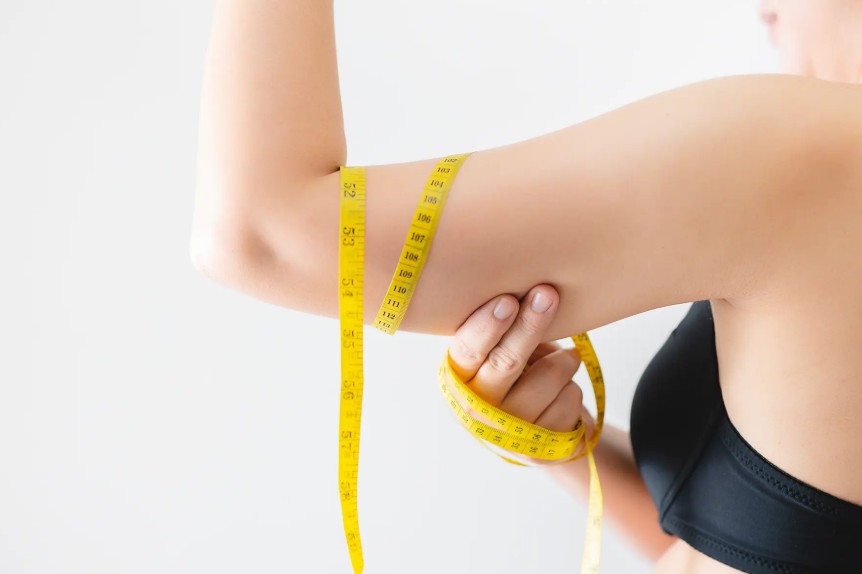
There is usually more than one reason behind arm sagging. With age, the production of collagen and elastin in the skin decreases, the skin loses its former ability to bounce back and its resistance to gravity drops. Rapid weight loss causes the skin to be left empty because the volume beneath it has been withdrawn. A sedentary lifestyle leads to weakening of the triceps muscle; when muscular support decreases, the inner side of the arm sags more visibly. Genetic predisposition directly affects the tendency to store fat in the arm and the thickness of the skin. Sun damage and smoking are also among the factors that accelerate collagen breakdown. Determining which of these causes is dominant is the first step in choosing the right method.
Is the Problem Excess Fat or Skin Laxity?
This is the most critical distinction in arm tightening, because the choice of method depends entirely on it. If excess fat is dominant, the arm looks full, firm and voluminous; when pinched between the fingers, a thick fat layer is felt. If skin laxity is dominant, the arm may be slim yet the skin looks thin, crepey and rippled; when pinched, loose skin rather than fat is felt. In most people both conditions coexist in varying proportions. If only a fat-reducing method is applied, the appearance may not improve in a person with lax skin and the feeling of emptiness may even increase. That is why deciding on a method without a medical assessment is not appropriate. At Zen Polyclinic this distinction is clearly established during the examination.
What Is the Batwing Arm Appearance?
Batwing arm is when the tissue on the inner surface of the upper arm hangs downwards as the arm is extended sideways, creating a wing-like image. This picture is more pronounced when fat accumulation and skin laxity are present together. In women, the inner side of the arm is more prone to sagging due to hormonal effects and a thinner skin structure. It is a typical finding that the upper outer surface of the arm stays firm while the inner surface loosens. Because this appearance makes it difficult to wear short-sleeved clothing, it is among the aesthetic complaints people voice most often. Fortunately, mild and moderate batwing appearance can be markedly improved with correctly chosen non-surgical methods.
What Are the Non-Surgical Methods for Arm Tightening?
Non-surgical arm tightening options fall into three main groups. The first group consists of fat-reducing methods: cryolipolysis and injection lipolysis lower regional fat volume. The second group comprises skin-tightening technologies: HIFU, radiofrequency, the golden needle and Onda coolwaves firm the skin by stimulating collagen production. The third group covers muscle-focused approaches: EMS-based muscle stimulation gives the arm shape by increasing triceps tone. Treatments that support skin quality, such as mesotherapy, can also be added to these. Within our body shaping services, these methods can be planned alone or in combination. Which group comes to the fore is determined by the person’s dominant problem.
Can Cryolipolysis (Cold Lipolysis) Be Applied to the Arms?
Yes, cryolipolysis is a method that can be applied with suitable applicators for the arm area. Cold lipolysis relies on the principle that fat cells are more sensitive to cold than surrounding tissues; with controlled cooling the targeted fat cells are damaged and removed naturally by the body within weeks. The pinchable fat pad on the inner side of the arm is a favourable area for this method. Skin and muscle tissue are not affected by this process. For details you can review our cold lipolysis page. However, cryolipolysis is not a weight loss method; it gives the most efficient result in people close to their ideal weight who have regional excess fat.
Is Injection Lipolysis Suitable for Arm Fat?
Injection lipolysis is a treatment in which solutions with a fat-dissolving effect are delivered directly into fat tissue with fine needles. The substance given breaks down the fat cell membrane; the released fat is removed through the body’s natural elimination pathways. This method is preferred especially for small, limited and sharply defined fat deposits and is suitable for stubborn fat at specific points on the arm. It is a more targeted, pinpoint approach than cryolipolysis, but multiple sessions are usually required. For details you can take a look at our injection lipolysis page. Temporary swelling, tenderness and bruising may be seen in the area after the treatment; these subside within a few days.
How Does Onda Coolwaves Work on the Arms?
Onda is a body shaping system that uses a special microwave technology called coolwaves. These waves reach the deep fat tissue while protecting the skin surface; they both reduce fat volume and firm the skin by stimulating collagen production. In areas such as the arms, where fat and laxity coexist, this dual effect is an important advantage. The Onda treatment is comfortable and requires no recovery time. We explain the working principle of Onda technology on fat and cellulite in detail in this article. It is a sensible option for those who want to address two problems at once with a single method.
How Is Arm Tightening Performed With HIFU?
HIFU, that is high-intensity focused ultrasound, gathers sound waves at a single point at specific depths of the skin and creates controlled heat. This heat starts a micro-level repair response in the tissue and triggers new collagen production over months. As a result the skin gradually firms up and gains a tighter appearance. In the arm area HIFU is especially valuable when skin laxity rather than fat is prominent. The HIFU treatment is performed on an outpatient basis and an immediate return to social life is possible. Its effect becomes apparent not instantly but within 2-3 months; it is therefore a method that requires patience but progresses naturally.
Does Radiofrequency (RF) Tighten Arm Skin?
Radiofrequency is a technology that heats the deep layers of the skin in a controlled way with electromagnetic energy. This heat causes existing collagen fibres to contract and stimulates new collagen synthesis; thus the skin becomes firmer and smoother over time. RF is preferred especially for mild and moderate arm laxity. During the treatment there is a warm, comfortable sensation in the area and no special rest period is needed afterwards. Results become more pronounced cumulatively as the number of sessions increases. We cover the working mechanism of radiofrequency in skin tightening in detail in this guide. It is usually planned as a series of sessions.
What Does the Golden Needle (Fractional RF) Provide on the Arms?
The golden needle treatment delivers radiofrequency energy to exactly the desired depth of the skin via micro needles. In this way the surface is protected while strong collagen stimulation is achieved in the deep layer. In the arm area the golden needle is preferred when fine wrinkling, laxity and impaired skin quality are seen together. The golden needle treatment can be used safely on different skin types because it reduces the risk of superficial burning. It is usually applied in a series, a few weeks apart, and the results mature over months. When combined with a fat-reducing method, both slimming and improvement in skin quality can be achieved together.
Does EMS Muscle Stimulation Change Arm Shape?
Muscle tone is a factor that is often overlooked in arm appearance yet is decisive. When the triceps muscle weakens, the inner side of the arm is left unsupported and sagging looks more pronounced. Schwarzy, an EMS (electromagnetic muscle stimulation) technology, contracts the muscle involuntarily and powerfully with intense magnetic waves, providing a workout hard to reach with normal exercise. This stimulation can give the arm a fuller and more toned line by increasing muscle tone. You can review the technical details of the device on our Schwarzy technology page. When combined with fat and skin methods, the result becomes more holistic.
Does Mesotherapy Contribute to Arm Skin?
Mesotherapy is the delivery of mixtures containing vitamins, minerals, amino acids and hyaluronic acid under the skin with micro injections. In the arm area this treatment does not directly resolve sagging, but it supports the results of other methods by improving skin quality, moisture balance and vitality. It can provide a marked refreshment especially in thin, dry and dull-looking arm skin. These treatments, within the scope of mesotherapy, are planned as a series. Mesotherapy should not be positioned as a standalone arm tightening method but considered as a complementary step. When placed in a realistic framework, it is a valuable part of combined protocols.
Which Method Suits Which Situation?
The choice of method is made according to the dominant problem. To summarise briefly:
- Dominant excess fat, firm skin: cryolipolysis or injection lipolysis take priority.
- Dominant skin laxity, little fat: HIFU, radiofrequency or the golden needle come to the fore.
- Fat and laxity together: Onda coolwaves or a fat + tightening combination.
- Weak muscle tone: EMS muscle stimulation is added as support.
- Dull skin quality: mesotherapy is planned as a complement.
This table is a general road map; the final decision is always made after an examination. At Zen Polyclinic the arm assessment covers all of these parameters.
Why Are Combination Protocols More Effective?
The arm area is most often affected not by a single problem but by a combination of fat, skin and muscle factors. For this reason the result obtained with a single method usually remains partial. For example, if only fat is reduced, skin laxity may become more visible; if only the skin is tightened, the excess volume persists. Combination protocols are designed with the logic of first reducing fat volume and then tightening the skin, with appropriate waiting intervals in between. Muscle stimulation is also added to this plan to define the line of the arm. Correct sequencing and timing directly affect the quality of the result. Therefore the protocol should be a personalised plan, not a standard package.
How Many Sessions Are Needed?
The number of sessions varies according to the chosen method, the fat thickness in the arm area and the degree of skin laxity. Cryolipolysis is usually planned as 1-3 sessions per area with roughly 6-8 weeks left between sessions. Injection lipolysis mostly requires 3-5 sessions. While HIFU can be applied as a single session, radiofrequency and the golden needle are designed as series of 3-6 sessions. EMS muscle stimulation is often planned as a programme of 6-8 sessions. These figures are average values; the exact plan is determined individually after the examination. Not completing the sessions is the most common reason why the result remains incomplete.
When Are the Results Seen?
The common feature of non-surgical arm tightening methods is that the results appear gradually rather than instantly. In cryolipolysis the first change is noticed at about 3-4 weeks and the final result settles within 2-3 months, because it takes time for the damaged fat cells to be eliminated from the body. In injection lipolysis the effect of each session is cumulative. With HIFU and radiofrequency, collagen renewal takes 2-3 months and the most pronounced result is seen between 3-6 months. With EMS stimulation the muscle response is usually felt within 4-6 weeks. This gradual progression is an advantage that makes the result look natural and requires patience.
How Long Do the Results Last?
In cryolipolysis and injection lipolysis the destroyed fat cells do not come back; however, the remaining fat cells can enlarge with weight gain. Therefore maintaining the result depends on a stable weight. With skin-tightening methods the effect lasts as long as the lifespan of the newly produced collagen; since ageing continues, a refresher session is generally recommended every 12-18 months. The muscle tone gained with EMS decreases over time if activity is not maintained and periodic reinforcement is needed. In short, no non-surgical method promises a result unchanged for life; but with a regular lifestyle and planned refreshers the effect can be preserved for a long time.
What Should Be Considered Before the Treatment?
Preparation before the procedure is important for both safety and results. First of all, medications used, blood thinners and any chronic illnesses should be shared with the physician. Avoiding alcohol and supplements with a blood-thinning effect for a few days before the treatment day reduces the risk of bruising. If there is an active infection, an open wound or eczema in the area, the procedure is postponed. Discussing goals realistically and taking photographic records are valuable for monitoring the process objectively. At Zen Polyclinic a detailed assessment is made before every treatment and methods unsuitable for the person are clearly stated. This transparency forms the basis of satisfaction.
What Should Aftercare Be Like?
Most non-surgical arm treatments require no recovery time, but following a few simple rules improves the result. After the procedure there may be redness, tenderness or mild swelling in the area; these usually subside quickly. Drinking plenty of water is recommended especially after fat-reducing methods because it supports lymphatic elimination. It is appropriate to avoid very hot showers, saunas and intense exercise for the first 24-48 hours. Applying a moisturiser to the area increases skin comfort. Using protection in seasons of sun exposure helps preserve skin quality. In case of unexpected pain or prolonged swelling, it is necessary to contact the clinic.
What Are the Safety Aspects and Possible Side Effects?
In a suitable candidate and in experienced hands, non-surgical arm tightening methods have a high safety profile. After cryolipolysis, temporary numbness, redness and tenderness may be seen in the area; these resolve completely within a few weeks. Swelling and bruising are the most frequently reported effects after injection lipolysis. Temporary redness and a sensation of heat are normal with HIFU and radiofrequency. Serious complications are rare and are usually associated with incorrect device settings or unsuitable candidate selection. For this reason, performing the treatment under medical supervision, in a medical clinic and with certified devices is the most important determinant of safety.
Who Is It Not Suitable For?
In some situations non-surgical arm treatments are postponed or not preferred. These procedures are not recommended during pregnancy and breastfeeding. If there is an active infection, an open wound or a skin disease in the treatment area, the process waits until it heals. Uncontrolled chronic illnesses, bleeding disorders and some immune system diseases may limit suitability. Methods such as radiofrequency and EMS are not used in people with a pacemaker or a metal implant in the area. In people with very advanced skin excess and sagging, non-surgical methods remain insufficient; in this group surgical options should be evaluated. Correct candidate selection is decisive for both safety and satisfaction.
Can Non-Surgical Methods Replace Arm Lift Surgery?
The honest answer to this question is: not in every case. Non-surgical methods provide a marked and natural improvement in mild and moderate excess fat and skin laxity. However, in advanced sagging, especially in the extensive skin excess that appears after major weight loss, the only solution is surgical arm lift (brachioplasty). Non-surgical methods may provide a partial improvement in this picture but will not meet expectations. On the other hand, surgery carries costs such as scarring and a recovery process. The right approach is to evaluate the person’s condition objectively and clarify which group they belong to. At Zen Polyclinic this distinction is shared openly.
What Are the Factors Affecting the Price?
The price of arm tightening treatments cannot be expressed with a single figure, because it depends on many variables. The chosen technology (cryolipolysis, HIFU, radiofrequency, EMS) directly affects the cost. The number of sessions to be applied, the size of the area and whether a combined protocol will be used are other determining elements. The authenticity of the device, the quality of the consumables and the experience of the practitioner also influence the price. Excessively low prices usually mean a counterfeit device, missing sessions or an inexperienced practitioner; this puts both the result and safety at risk. A clear price can only be given after an examination, once a personalised plan has been drawn up.
Common Misconceptions About Arm Tightening
The most frequently heard misconception on this subject is the expectation of dramatic slimming in a single session; in reality all non-surgical methods work gradually. The second misconception is the idea that arm exercise will completely eliminate sagging; exercise increases muscle tone but does not firm loose skin. The third is the belief that cryolipolysis is a weight loss method; this method is only for regional fat. Another is the notion that creams and massage will correct skin laxity; these products provide surface moisture, they do not change the collagen structure. Finally, the idea that the result of non-surgical methods is permanent for life is also not realistic.
How Are Realistic Expectations Established?
The strongest determinant of satisfaction is a correctly established expectation. What should be expected from non-surgical arm tightening is not a complete change of the arm, but a softening of the contours, a reduction in rippling and a more resilient-looking skin. Photographic comparisons show a marked yet measured difference in most people. Results vary according to the person’s age, skin quality, genetics and lifestyle. The same protocol can give different results in two different people. For this reason it is necessary to approach promises such as “guaranteed” or “in a single session” with caution. People who set realistic goals and complete the process patiently are satisfied with the result at a far higher rate.
How Does Lifestyle Affect the Result?
Whatever the method applied, preserving the result depends largely on lifestyle. A stable weight directly determines the permanence of the gain obtained from fat-reducing procedures; when weight is gained, the remaining fat cells enlarge and the appearance returns. Adequate protein intake and regular resistance exercise support the line of the arm by preserving triceps muscle tone. Water consumption positively affects skin moisture and tissue health. Smoking and excessive sun shorten tightening results by accelerating collagen breakdown. Sufficient sleep is necessary for tissue repair. These habits do not replace the treatment, but they markedly extend its result.
How Do You Choose the Right Clinic and Practitioner?
The fact that non-surgical methods look “simple” does not mean the practitioner is unimportant. Device settings, energy levels, treatment depth and session intervals directly determine the result and safety. When choosing the right clinic, it is necessary to question whether the devices are original and certified, whether the treatment is performed under medical supervision and whether a detailed assessment is offered beforehand. A clinic that clearly tells you which method is not suitable for you is more trustworthy than one that says “yes” to everything. Keeping regular before-and-after records is also a sign of professionalism. At Zen Polyclinic these standards are an inseparable part of the treatment.
How Does the Arm Tightening Process Work at Zen Polyclinic?
At Zen Polyclinic the process begins with a detailed examination and an expectations consultation. The fat thickness, skin elasticity and muscle tone in the arm area are assessed separately; the dominant problem is clarified. Then a personalised protocol is created: if needed, fat-reducing and skin-tightening methods are planned in the correct order and intervals. Treatments are performed under medical supervision with original and certified devices. Photographic follow-up is carried out throughout the process and progress is evaluated together after each session. This approach is applied to the same standard at our Istanbul Ataşehir clinics. For an appointment and detailed information you can reach us through our appointment page.
Conclusion
Arm tightening is an area where marked results can be achieved non-surgically with the right assessment and the right choice of method. The key to success is to clarify whether the problem stems from fat, skin laxity or muscle weakness and to build the protocol accordingly. Cryolipolysis and injection lipolysis reduce volume; HIFU, radiofrequency, the golden needle and Onda firm the skin; EMS supports muscle tone. Combined approaches give the most balanced result in most people. Results develop gradually and are preserved with a stable weight. In advanced sagging the surgical option may come onto the agenda. Realistic expectations and choosing the right clinic are the strongest determinants of satisfaction.
Frequently Asked Questions (FAQ)
Is arm tightening possible without surgery?
Yes. In mild and moderate excess fat and skin laxity, a marked improvement can be achieved with non-surgical methods such as cryolipolysis, injection lipolysis, HIFU, radiofrequency, the golden needle, Onda and EMS muscle stimulation. However, in people with very advanced skin excess, non-surgical methods remain insufficient and surgical arm lift should be evaluated.
How many sessions are needed for arm tightening?
The number of sessions varies by method. Cryolipolysis is usually planned as 1-3 sessions, injection lipolysis as 3-5 sessions, radiofrequency and the golden needle as 3-6 sessions, and EMS muscle stimulation as 6-8 sessions. HIFU can be applied as a single session. The exact plan is determined individually after fat thickness and skin laxity are assessed at the examination.
When are arm tightening results seen?
Results appear gradually. In cryolipolysis the first change is noticed at 3-4 weeks and the final result settles at 2-3 months. With HIFU and radiofrequency, collagen renewal takes 2-3 months and the most pronounced result is seen between 3-6 months. With EMS muscle stimulation, the response usually begins to be felt within 4-6 weeks.
Are arm tightening results permanent?
With fat-reducing methods the destroyed fat cells do not return, but if weight is gained the remaining cells can enlarge and change the appearance. The effect of skin-tightening methods lasts as long as the lifespan of the new collagen, and a refresher is generally recommended every 12-18 months. A stable weight and a regular lifestyle are the most decisive factors in preserving the result.
Does the arm tightening procedure hurt?
Most non-surgical methods are well tolerated. Cryolipolysis creates a cold and pulling sensation, while HIFU and radiofrequency create a sensation of heat. With injection lipolysis, a needle sensation and subsequent tenderness may be felt. A topical anaesthetic cream can be used when needed. None of the procedures require general anaesthesia and a return to daily life is usually immediate.
Does exercise eliminate arm sagging?
Exercise gives the arm a more toned line by increasing triceps muscle tone, but it does not firm loosened skin and may not resolve stubborn fat accumulation on its own. Muscle work is a valuable support, but if skin laxity is dominant, collagen-stimulating methods such as HIFU, radiofrequency or the golden needle are needed.
Who is arm tightening not suitable for?
It is not recommended during pregnancy and breastfeeding. If there is an active infection, an open wound or a skin disease in the treatment area, the process is postponed. Uncontrolled chronic illnesses and bleeding disorders limit suitability. Radiofrequency and EMS are not used in people with a pacemaker or a metal implant in the area. In advanced skin excess, the surgical option is evaluated.
Can I return to work after arm tightening?
Yes. Most non-surgical arm tightening methods require no recovery time and it is possible to return to daily life the same day. There may be redness, tenderness or mild swelling in the area; these subside quickly. It is recommended to avoid saunas, very hot showers and intense exercise for the first 24-48 hours.