Types of Skin Spots: Sun, Age and Hormonal Pigmentation
Types of skin spots encompass various brown, gray or tan-colored spots that form due to the irregular accumulation of the melanin pigment in the skin and whose cause, appearance and treatment differ from one another. Sun spots, age spots, hormonal spots (melasma) and spots that form after inflammation are all grouped under the heading of hyperpigmentation, yet they arise through different mechanisms. So what are the types of skin spots, why does each spot form, how are they distinguished and how is each one treated? In this comprehensive guide, we address all these questions in detail.
What Is a Skin Spot (Hyperpigmentation)?
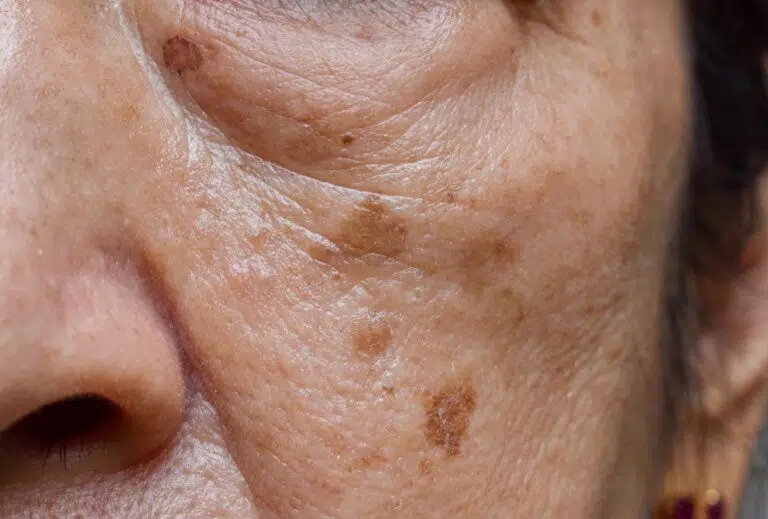
Skin spots, called hyperpigmentation in medical terms, are color changes that form when melanin, the coloring substance, is produced or accumulates more than normal in certain areas of the skin. Melanin is a natural pigment that gives the skin its color and protects it from the sun’s harmful rays; it is produced by cells called melanocytes. When these cells become overactive in some areas, dark spots appear on the skin surface. Spots can range in different tones from light brown to dark brown, from gray to tan, and are usually seen in areas most exposed to the sun such as the face, neck, décolleté and back of the hands. Most spots are benign, but correct type differentiation is the first step of effective treatment.
Why Do Skin Spots Form?
At the basis of skin spots lies a disruption in the balance of melanin production. Melanocytes can produce more pigment in response to various stimuli such as sunlight, hormonal changes, inflammation, aging and genetics. The strongest trigger is ultraviolet (UV) rays from the sun; UV stimulates melanocytes, leading to both tanning and permanent spots. Fluctuations in hormones such as estrogen and progesterone increase melanin production, especially in women. Inflammation that forms after acne, eczema or an injury can also cause localized darkening. In addition, as age advances, melanin distribution becomes irregular. When most of these causes combine, spots become more prominent. What determines the type of spot is which mechanism is dominant.
What Are the Types of Skin Spots?
Skin spots are divided into several main groups according to their causes, and this distinction is critical for correct treatment. The most common types are sun-related sun spots (solar lentigo), age spots (senile lentigo) that appear with aging, hormonally originated melasma and post-inflammatory hyperpigmentation that forms after inflammation. In addition, there are freckles (ephelides) and some congenital pigment spots. Each type differs in color, borders, location and depth; these features directly affect the choice of treatment method. For example, a superficial sun spot and deeply located melasma are not treated with the same method. In this guide, we define each type separately and address their causes, appearances and treatment approaches.
What Are Sun Spots (Solar Lentigo)?
Sun spots, known in medicine as solar lentigo or actinic lentigo, are flat, brown spots that form due to long-term sun exposure. UV damage accumulated over the years permanently stimulates melanocytes, leading to pigment concentration in certain areas. These spots are usually between light and dark brown, sharply bordered and level with the skin surface; they do not raise. They are most often seen in areas most exposed to the sun such as the face, back of the hands, shoulders and décolleté. They are sometimes colloquially called “sun freckles.” Sun spots are benign, but their number and size can increase over the years. For detailed information about brown spots on the face, you can also review this guide.
How Do Sun Spots Look and Where Do They Appear?
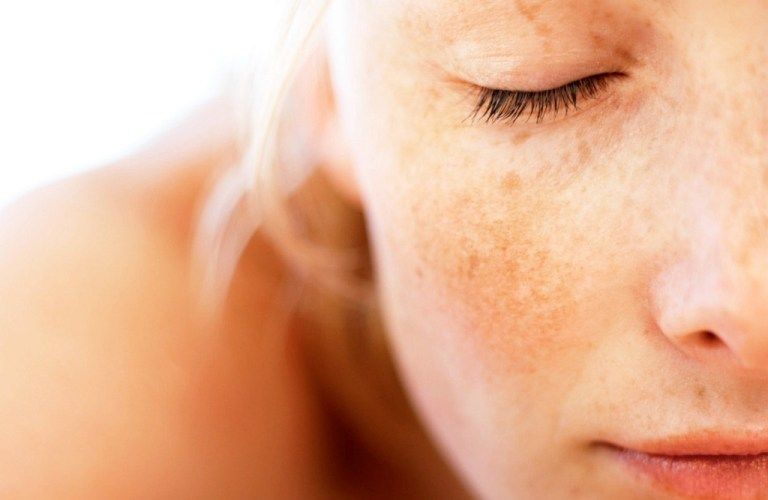
Sun spots are flat, usually oval or round in shape, with distinct borders. Their size can vary from a few millimeters to a few centimeters and they can merge over time to form larger areas. Their color varies from light brown to dark brown depending on how much UV the skin has received. The most typical locations are the face (especially the cheekbones and forehead), the backs of the hands, the forearms, the shoulders and the décolleté area. The common feature of these areas is that they are the regions most exposed to the sun over the years. Sun spots usually become prominent after age 40, but can appear earlier in people who sunbathe intensively. They do not cause itching or pain; they are perceived as a purely cosmetic concern.
How Are Sun Spots Treated?
Sun spots usually respond well to treatment because they are superficially located. Among the most effective methods are Q-switch laser and fractional laser applications; these methods target the pigment, breaking up the spot and enabling the skin to renew itself. Chemical peels and medical skin care are also used as supportive measures for superficial spots. The success of the treatment is directly related to strict sun protection afterwards; otherwise, spots can recur. Usually a few sessions are sufficient and results become prominent gradually. At Zen Polyclinic, sun spots are first evaluated with a skin analysis; then the most suitable method is determined according to the depth of the spot and skin type, and a personalized treatment plan is created.
What Are Age Spots (Senile Lentigo)?
Age spots, known in medicine as senile lentigo or lentigo senilis, are brown spots that appear with advancing age. They are colloquially called “maturity spots” or, mistakenly, “liver spots”; however, they have nothing to do with the liver. These spots are the result of both the sun damage accumulated over the years and the natural aging process. They usually become prominent over the age of 50 and concentrate on the backs of the hands, face, arms and shoulders. They closely resemble sun spots; in fact, the boundary between the two is not always clear because UV damage plays an important role in both. Age spots are benign, but many people prefer to have them treated due to their appearance.
What Is the Difference Between Age Spots and Sun Spots?
Age spots and sun spots are often confused because both are flat, brown and benign. The main difference is in the timing of formation and the dominant cause. While sun spots can appear at any age with intense sun exposure, age spots are seen mainly at an advanced age, with a combination of cumulative sun damage and cellular aging. In appearance, age spots can usually be larger and more numerous. In terms of location, both prefer sun-exposed areas. In fact, many dermatologists consider these two conditions as part of the same spectrum. Their treatment approaches are also largely similar. The important thing is that in both cases the benign nature of the spot is confirmed with a correct examination.
How Are Age Spots Treated?
The treatment of age spots is carried out with laser-based methods similar to those for sun spots. Fractional laser spot treatment and Q-switch laser selectively target the pigment, significantly lightening the spot. These methods also improve the overall texture of the skin, providing a younger appearance. Chemical peel and medical skin care applications can also be added as supportive measures. In thin-skinned areas such as the backs of the hands, treatment is planned more carefully. The most critical point in age spots as well is regular sun protection after treatment; because the formation of new spots can only be prevented this way. The number of sessions is determined according to the person’s skin type and the characteristics of the spot.
What Are Hormonal Spots (Melasma)?
Hormonal spots, the most common example of which is melasma, are pigment spots that appear due to hormonal fluctuations. Melasma is gray-brown colored spots that usually appear symmetrically on the cheeks, forehead, upper lip and chin, with more blurred borders compared to sun spots. It is especially seen in women and can be triggered by pregnancy, birth control pills or hormone therapies. When it appears during pregnancy, it is called the “pregnancy mask” (chloasma). Melasma is more stubborn than other spot types and has a high tendency to recur after treatment. This is because the underlying hormonal and genetic factors persist. For detailed information about melasma, you can review our melasma guide.
Why Does Melasma Form?
Three main factors play a role in the formation of melasma: hormones, sun and genetic predisposition. An increase in estrogen and progesterone levels stimulates melanocytes, leading to excessive pigment production; that is why pregnancy, birth control pill use and hormone replacement therapy are the most common triggers of melasma. Sunlight strongly exacerbates this process; UV and even visible light darken existing melasma and make treatment more difficult. Genetic predisposition is also important; the risk is higher in people with a family history of melasma. In addition, some cosmetic products and heat can also be triggers. This multifactorial structure distinguishes melasma from other spot types and makes its treatment more complex.
How Does Melasma Look and How Does It Differ From Other Spots?
Melasma usually appears as wide, irregularly bordered, gray-brown spots located symmetrically on both sides of the face. Unlike sun and age spots, it appears not as individual dots but as merged patches. The most typical locations are the cheeks, forehead, bridge of the nose and upper lip. The blurriness of its borders and its symmetric distribution are important clues in distinguishing melasma. In addition, because melasma can settle into the deeper layers of the skin, it is highly resistant to treatment. While sun spots are sharply bordered and usually singular, melasma is widespread and scattered. These visual differences are valuable for correct diagnosis; however, the definitive distinction is made by expert evaluation supported when needed by special light (Wood’s lamp) examination.
How Is Melasma Treated?
Melasma treatment requires patience and a holistic approach because this spot type is stubborn and recurs easily. The cornerstone of treatment is strict sun protection; without broad-spectrum sunscreen, no method provides a lasting result. Skin-tone-evening medical skin care, chemical peels and carefully selected laser applications are used in treatment. However, because laser in melasma can worsen the spot when applied incorrectly, it must be performed in a very controlled and low-intensity manner. Mesotherapy and skin brightening applications can also be supportive. In melasma, the aim is usually not to completely eliminate the spot but to significantly lighten it and keep it under control. For this reason, treatment must be planned individually by an experienced physician.
What Is Post-Inflammatory Hyperpigmentation (PIH)?
Post-inflammatory hyperpigmentation is the dark spots that the skin leaves behind after any inflammation or injury. After acne, eczema, psoriasis, allergic reactions, burns or cosmetic procedures, the skin can produce excess melanin in that area while healing; as a result, brown or reddish-brown spots remain. This spot type is very common especially in people struggling with acne; the dark marks left behind after a pimple heals are mostly PIH. It tends to be more prominent and stubborn in darker skin tones. Sun exposure darkens these spots even more. The good news is that most post-inflammatory spots can be lightened over time and with correct treatment. However, the key step is to bring the underlying inflammatory condition (for example active acne) under control.
How Are Post-Inflammatory Spots Treated?
The first rule in the treatment of post-inflammatory spots is to solve the underlying problem; for example, new spots cannot be prevented without controlling active acne. These spots usually lighten on their own over time, but various methods are used to speed up the process. Medical skin care, chemical peels and applications such as dermapen that support skin renewal help the pigment to be shed more quickly. Fractional laser can also be preferred for superficial spots. For spots seen together with acne scars, special combination treatments are planned. Sun protection is again vital throughout treatment; otherwise, the spots darken. Post-inflammatory spots lighten significantly with the right approach, but this process requires patience and varies according to skin type.
Are Freckles (Ephelides) Different From Spots?
Freckles, known in medicine as ephelides, are small, light brown dots usually seen in fair-skinned and red-blond people. Their most important difference from other spot types is that they change seasonally with the sun; they darken in summer and fade in winter, sometimes disappearing completely. Freckles usually appear in childhood and are associated with a strong genetic predisposition. Unlike sun and age spots, they are the result not of permanent damage but of genetics and sun sensitivity. Most people do not see freckles as a cosmetic problem and even embrace them as a natural beauty feature. Nevertheless, for those bothered by their prominence, it is possible to lighten them with laser and sun protection. It is important to know that freckles are benign.
Are Skin Spots Always Benign, and When Should You See a Doctor?
The vast majority of skin spots are benign and pose only a cosmetic concern. However, some changes can be warning signs that require consulting a specialist. A spot growing rapidly, its shape or color becoming irregular, its borders becoming indistinct, bleeding, itching or crusting should be evaluated carefully. Asymmetric, multicolored moles that change over time must definitely be checked in terms of skin health. Such symptoms do not always indicate a serious condition, but early evaluation is always the safest path. At Zen Polyclinic, spots are first evaluated with a careful examination in terms of whether they are benign; then appropriate treatment is planned. With any suspicious change, it is essential to consult a physician before considering cosmetic treatment.
Why Is Correct Diagnosis Important in Skin Spots?
Correct diagnosis in skin spots is the foundation of effective treatment, because different spot types respond to different methods. For example, an aggressive laser applied to a sun spot can worsen the spot in melasma. That is why, before starting treatment, the type, depth and skin type of the spot must be correctly determined. Expert evaluation is supported by the appearance, location and history of the spot and, when needed, special light examination. Incorrect diagnosis can lead to loss of both time and resources, and even to the spot becoming more prominent. In addition, correct diagnosis is critical for distinguishing a benign spot from a serious skin condition. For this reason, it is recommended that spots be evaluated with a professional skin analysis, not with products tried at home.
How Is the Treatment Approach Determined According to Skin Spot Types?
Each type of skin spot requires a treatment strategy unique to itself; a single method does not suit all spots. While superficial sun and age spots respond quickly to laser, deeply located melasma requires a gentler, more gradual and holistic approach. In post-inflammatory spots, the underlying inflammatory condition must first be controlled. When determining the treatment plan, the type and depth of the spot, the person’s skin type (Fitzpatrick classification), lifestyle and level of sun exposure are taken into account. Most often, the best result is achieved with a combination of more than one method. At Zen Polyclinic, the treatment approach is created completely individually after a detailed skin analysis. This individual planning increases both effectiveness and safety.
How Does Laser Treatment Work on Spots?
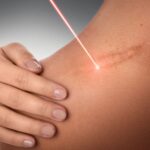
Laser treatment on spots works with light energy that selectively targets the pigment. The laser breaks up the melanin accumulation without harming the skin surface; the broken-up pigment is then cleared naturally by the body. Q-switch laser is very effective especially in dark and superficial spots because it delivers energy in very short pulses, precisely targeting the pigment. Fractional laser, on the other hand, both lightens the spot and renews the skin texture by stimulating collagen production. Which laser will be used is determined according to the type and depth of the spot. Treatment usually requires several sessions and results emerge gradually. Laser application is a safe and effective method when performed with the correct parameters by experienced hands.
Are Chemical Peels and Mesotherapy Effective on Spots?
In addition to laser, chemical peels and mesotherapy are also frequently used methods in spot treatment. Chemical peels controllably shed the pigmented layer of dead cells on the skin surface, enabling the spots to lighten and the skin to renew; they play a supportive role especially in superficial spots and melasma. Mesotherapy and skin brightening mixtures, on the other hand, help reduce pigmentation by delivering skin-tone-evening and antioxidant ingredients directly to the skin. These methods usually give the best result not alone but combined with each other or with laser. Each application is adapted according to skin type and spot type. The right combination significantly improves results while also enhancing the overall quality of the skin.
Why Is Sun Protection the Key to Spots?
Sun protection is the most decisive factor both in preventing the formation of spots and in the success of treatment. The common denominator of all spot types is that sunlight triggers or intensifies pigment production. A spot lightened by treatment easily returns when exposed to unprotected sun; that is why regular sunscreen use is an inseparable part of treatment. A broad-spectrum product with a protection factor of at least SPF 30-50 should be applied in every season and even on cloudy days. In melasma, tinted (mineral) sunscreens that also provide protection against visible light are preferred. Physical measures such as a hat, sunglasses and staying in the shade are also important. In short, without sun protection, no spot treatment can provide a lasting result.
What Can Be Done to Prevent Skin Spots?
The most effective way to prevent skin spots is to minimize triggering factors. First among these is regular and correct sun protection; using sunscreen every day significantly reduces the formation of spots. Antioxidant-containing care products support the skin against UV-induced free radicals. Avoiding aggressive procedures that can irritate the skin and incorrect interventions that prolong inflammatory conditions prevents post-inflammatory spots. Early and correct treatment of conditions such as acne prevents spots from being left behind. Being aware of hormonal triggers and consulting a physician when necessary are also important. Regular skin care and a balanced skin routine contribute both to preventing spots and to keeping existing spots light.
Common Misconceptions About Skin Spots
There are many misconceptions about skin spots. The most common is the idea that all spots are the same and will go away with a single cream; however, each type requires a different approach. The belief that “natural methods such as lemon or vinegar remove spots” is also wrong; these substances can worsen the spot by irritating the skin. Another misconception is that spots only appear in old age; however, sun and hormonal spots can also be seen at a young age. The idea that “once treated, a spot never appears again” is also unrealistic; without sun protection, spots can recur. In addition, the belief that spots are contagious is completely unfounded. Correct information should be obtained only from a reliable specialist.
Skin Spot Evaluation and Treatment at Zen Polyclinic
At Zen Polyclinic, types of skin spots are evaluated with a personalized skin analysis. By determining whether the spot is of sun, age, hormonal or inflammatory origin, the most appropriate treatment plan is created. At our clinic in Istanbul Ataşehir, methods such as Q-switch laser, fractional laser, chemical peel and medical skin care are performed safely with an experienced physician team. Each treatment is adapted according to the type of spot and your skin type; in addition, the durability of the results is supported with sun protection and care recommendations. To learn which type your spots fall into and what the most suitable treatment for you is, you can contact the Zen Polyclinic team and schedule a personalized evaluation.
Conclusion: Why Is It Important to Correctly Recognize Your Skin Spot Type?
Types of skin spots—sun spots, age spots, hormonal melasma and post-inflammatory spots—have different causes, appearances and treatment approaches. The first step for an effective result is to correctly determine which type the spot belongs to; because incorrect treatment both wastes time and can worsen some spots. While superficial spots respond quickly to laser, melasma requires patience and a holistic approach. The common point in all types is the vital importance of sun protection. When correct diagnosis, personalized treatment and regular protection come together, spots can be significantly lightened. The safest way to learn the most suitable approach for you is an expert physician evaluation.
Frequently Asked Questions (FAQ)
What are the types of skin spots?
The main types are sun spots (solar lentigo), age spots (senile lentigo), hormonal spots (melasma) and post-inflammatory spots that form after inflammation. Freckles are also a separate group. Each type has a different cause, appearance and treatment.
What is the difference between a sun spot and melasma?
Sun spots are sharply bordered, usually singular and related to sun damage. Melasma, on the other hand, is symmetric, wide, blurry-bordered and of hormonal origin; it is more stubborn and has a high tendency to recur after treatment.
Do skin spots go away permanently?
Superficial sun and age spots can be significantly lightened with correct treatment. In some types such as melasma, the aim is usually not to completely eliminate but to lighten the spot and keep it under control. Sun protection is essential for permanence.
Why does melasma recur?
Melasma can recur after treatment because hormonal and genetic factors persist. Sunlight and heat also darken the existing spot. That is why regular sun protection and maintenance care are important.
What is the most effective treatment method for skin spots?
A single method does not suit all spots. While Q-switch and fractional laser are very effective for superficial spots, melasma requires a gentler and holistic approach. The best result is usually obtained with a personalized combination.
Are skin spots dangerous?
The vast majority of spots are benign. However, spots that grow rapidly, whose shape or color becomes irregular, that bleed or itch must definitely be evaluated by a physician.
Does sunscreen prevent spots?
Yes, regular use of broad-spectrum sunscreen is the most effective way to prevent the formation and recurrence of all spot types. It should be applied in every season and even on cloudy days.
How long does it take for a post-inflammatory spot to go away?
Post-inflammatory spots mostly lighten over time, but this period can take months depending on skin type and the depth of the spot. Controlling the underlying inflammatory condition and correct treatment speed up the process.