Can Stretch Marks (Striae) Be Removed with Laser?
Laser treatment for stretch marks is a non-surgical skin renewal method that aims to visibly reduce the linear scars called striae, which form when the skin stretches during pregnancy, rapid weight change or puberty. Appearing on areas such as the abdomen, hips, thighs, breasts and inner arms, these marks are initially pink-purple and gradually turn whitish, and they are a source of aesthetic concern for many people. So can stretch marks really be removed with laser, which type of mark responds better, how many sessions are needed and is a permanent solution possible? In this comprehensive guide, we address all these questions in detail.
What Are Stretch Marks (Striae)?
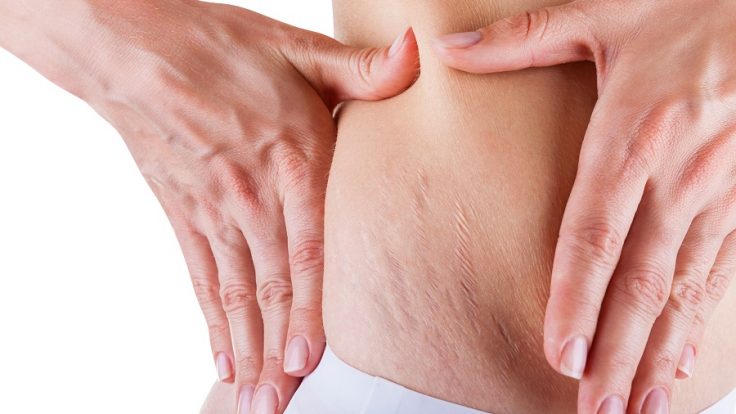
Striae, medically known as striae distensae, are linear scars that appear when the collagen and elastin fibers in the dermis, the middle layer of the skin, are damaged. When the skin stretches excessively in a short time, the supporting tissue cannot keep up with this pace and the fibers tear. As a result, bands with a different color and texture from the surrounding healthy skin appear on the surface. Stretch marks are actually a type of scar; for this reason they are difficult to remove completely, but they can be significantly faded with laser treatment for stretch marks. The color and age of the mark directly determine how effective each method will be.
Why Do Stretch Marks Form?
At the root of stretch marks is the skin stretching faster than it can withstand. The most common causes include pregnancy, sudden height and weight gain during puberty, rapid weight gain and loss, intense muscle building and certain hormonal conditions. High levels of the hormone cortisol also facilitate mark formation by suppressing collagen production. Genetic predisposition plays an important role: under the same conditions, some people never develop marks while others develop extensive ones. The skin’s moisture level and elasticity are also decisive. Knowing these factors is valuable both for taking precautions and for building the right treatment plan.
What Are the Symptoms of Striae?
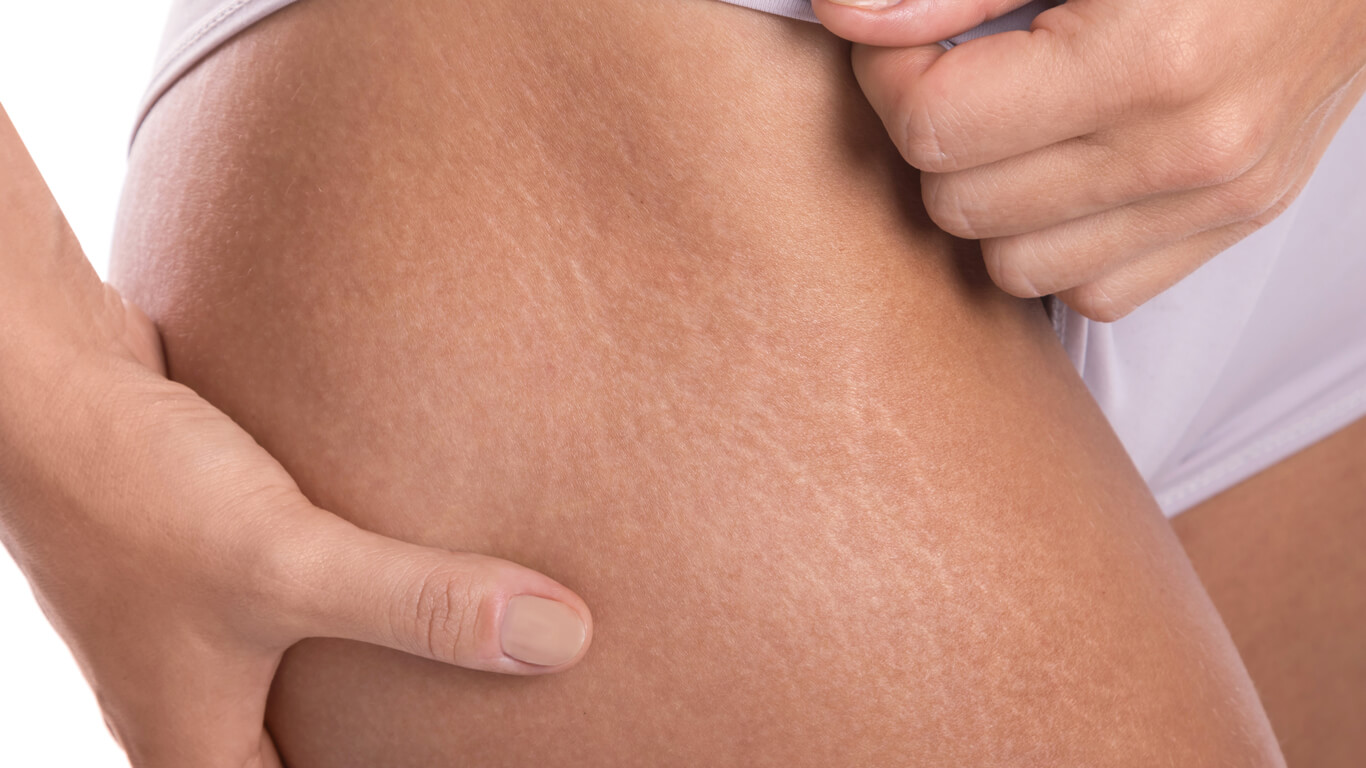
The symptoms of stretch marks change over time. In the early period, marks are slightly raised, red, pink or purple and sometimes itchy; this stage is called striae rubrae. Over the months, the blood supply decreases, the marks flatten and take on a pearly white color; this is the striae albae stage. The symptoms can be listed as follows:
- Linear bands running in parallel on the skin
- Pink-purple at first, then white-silvery in color
- A slightly sunken or differently textured surface when touched
- Itching or sensitivity in the early period
Reading the stage of the symptoms correctly is decisive in choosing laser treatment for stretch marks.
Can Stretch Marks Really Be Removed with Laser?
This is the most frequently asked question: can stretch marks be completely removed with laser? The honest answer is that in most cases the marks cannot be eliminated completely but can be significantly reduced. Laser brings the color of the mark closer to the surrounding skin, smooths the surface texture and reduces its width; thus the mark becomes far less noticeable. The improvement rate is higher in early-stage red marks. In old white marks the result is more limited, but visible improvement can still be achieved. In other words, laser treatment for stretch marks is not a miracle but a realistic and gradual improvement method.
How Does Laser Work on Stretch Marks?
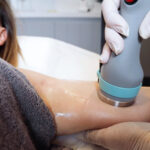
Laser works by delivering controlled light energy to the surface of the skin. In fractional laser technology, microscopic treatment points are created in the skin; because the healthy tissue in between is preserved, healing is accelerated. This micro-damage triggers the body’s natural repair mechanism and initiates the production of new collagen and elastin. The newly produced collagen fills the loosened tissue of the mark and smooths the surface. In red marks, vascular-targeted lasers reduce the discoloration. The result emerges not in a single session but gradually over several sessions, because collagen production is a process that takes weeks.
Which Laser Types Are Used for Stretch Marks?
Different laser technologies are used in stretch mark treatment, and the choice is made according to the color of the mark. Fractional laser is preferred for both color and texture irregularities and strongly stimulates collagen renewal. In marks in the red phase, vascular-targeted lasers fade the discoloration. In some cases, technologies such as fractional radiofrequency or golden needle also initiate a similar repair process by heating the dermis. At Zen Polyclinic, the most suitable device and energy setting are determined by evaluating the type, color, age and skin phototype of the mark. Choosing the right device directly affects the quality of the results.
Do Red or White Marks Respond Better?
The stage of the mark is the most critical factor determining the laser response. Red or purple marks (striae rubrae) respond much better to treatment because they are still active and vascular; treatment started in this early period more easily corrects both color and texture. White marks (striae albae) are matured scars weakened in terms of pigment and blood supply; in these, improvement is slower and more limited. For this reason, starting treatment while the marks are still pink-red provides a great advantage. Nevertheless, tissue improvement and visible softening can also be achieved in white marks with fractional laser.
How Many Sessions Does Laser Treatment for Stretch Marks Take?
The number of sessions varies according to the age, depth, extent and skin type of the mark. In most people, an average of 4 to 8 sessions is required for a noticeable result. While fewer sessions may be sufficient for early-stage red marks, the number of sessions may increase for old and widespread white marks. Sessions are usually planned 3 to 6 weeks apart; this interval gives the skin time to heal and new collagen to form. The treatment plan is created individually and updated according to the response obtained during the process. Patience is one of the most important elements in the success of this treatment.
When Are Results Seen?
It takes time for results to appear after laser, because healing depends on the skin’s natural collagen production rate. The first changes are usually noticed after a few sessions, in the form of fading in the color of the mark and smoothing of the surface. Because collagen remodeling continues for months, the most noticeable improvement appears 3 to 6 months after treatment is completed. For this reason, instead of expecting immediate results after a few sessions, it is necessary to trust the process. Regular sessions and proper skin care increase both the speed and the durability of the result.
Is Laser Treatment for Stretch Marks Painful?
A topic many people wonder about is how comfortable the procedure is. During laser treatment for stretch marks, a sensation of warmth, stinging or mild prickling is usually described; for most people this is at a tolerable level. The anesthetic creams applied before the procedure significantly reduce this sensation. After the procedure, there may be redness and mild warmth in the area lasting a few days; this is a temporary and normal reaction similar to sunburn. The pain threshold varies from person to person, but the treatment is generally an outpatient application that does not require sedation.
What Should Be Considered Before the Procedure?
Preparation before treatment improves both safety and results. Before laser, it is very important that the area is protected from the sun and not tanned; because tanned skin increases the risk of burns. A few days before the procedure, irritating products, exfoliating acids and harsh peelings on the skin should be discontinued. Medications used, any history of cold sores and skin diseases should be reported to the physician. Before the first session, the physician performs a skin analysis to determine the stage of the mark and the appropriate energy setting. When these preparation steps are not skipped, the procedure becomes both safer and more effective.
How Should Aftercare Be Done?
Aftercare is a critical stage that directly affects the result. In the first days, the area should be gently cleansed, moisturized and protected from irritation. Sun protection is mandatory during this period; unprotected skin becomes prone to spots and discoloration. Hot showers, sauna, pools, the sea and intense sweat-inducing exercise should be postponed for the period recommended by the physician. Peeling, scratching or picking the crusts off the skin is strictly not recommended. Drinking plenty of water and keeping the skin regularly moisturized supports healing. Proper care both reduces the risk of side effects and ensures that collagen renewal occurs in the most efficient way.
Are There Any Side Effects of the Procedure?
When applied correctly, laser treatment for stretch marks is a safe method, but like any medical procedure it may have temporary side effects. The most common are redness, mild swelling, a sensation of warmth and crusting in the treatment area; these usually subside within a few days. In darker skin types there is a risk of temporary discoloration (hyperpigmentation); for this reason, appropriate energy settings and sun protection are important. Rarely, cold sore activation or scar formation may occur. The way to minimize the risk of side effects is for the procedure to be performed by an experienced physician with the right device and settings. For this reason, the choice of practitioner is very important.
Who Is Laser Treatment for Stretch Marks Suitable For?
This treatment is suitable for a wide group who have marks on different parts of their body and want to improve their appearance. Those who want to intervene early, especially on marks in the red phase, are the best candidates. Abdominal marks after pregnancy, marks due to puberty or rapid weight change, and marks seen in athletes can be successfully treated. It is suitable for people in good general health with realistic expectations. Suitability is determined according to the person’s skin type and mark stage through a pre-treatment evaluation. Choosing the right candidate significantly increases the satisfaction rate.
Who Is It Not Suitable For?
In some cases, laser treatment should be postponed or alternative methods should be considered. During pregnancy and breastfeeding, treatment is generally not recommended; marks are addressed in the postpartum period. Caution should be exercised in those with an active skin infection, an open wound in the treatment area, uncontrolled skin diseases or a tendency to form keloids (excessive scars). Recently tanned skin, the use of light-sensitizing medications and certain systemic diseases also affect suitability. For this reason, a detailed physician evaluation is essential before starting treatment. Rather than forcing it in unsuitable candidates, personalized alternatives are planned.
How Does Laser Treatment Differ from Creams and Cosmetics?
Many people first try to remove marks with creams and cosmetics. Moisturizers and some creams with active ingredients can support the skin’s moisture and elasticity and slightly improve the appearance of the mark in the early period. However, these products cannot reach the deep layer of the dermis and cannot repair torn collagen fibers. Laser treatment for stretch marks, on the other hand, acts directly on the dermis to trigger new collagen production; for this reason it provides a structural improvement. Creams and cosmetics can be supportive of the treatment but do not give as noticeable a result on their own as laser. Using the two together is often the best approach.
Which Other Methods Can Laser Be Combined With?
Combination approaches often give better results in stretch mark treatment. Fractional laser can be applied together with microneedling using dermapen or methods such as golden needle radiofrequency to increase collagen stimulation. PRP (the person’s own plasma) supports healing in some protocols. Depending on the color and texture features of the mark, different technologies can be sequenced within the same treatment plan. At Zen Polyclinic, these combinations are personalized according to the type of mark and the skin. A well-designed combination can provide faster and more noticeable improvement than what is achieved with a single method.
What Are the Misconceptions in Stretch Mark Treatment?
There are many misconceptions about stretch marks. The most common fallacy is the expectation that marks will disappear completely in a single session; whereas the process is gradual and requires multiple sessions. Another fallacy is the idea that creams will give the same result as laser. Some people think marks only form in overweight people; whereas they are also seen in thin and athletic individuals. The belief that “marks disappear on their own over time” is also wrong; although their color fades, a structural scar remains. Acting with correct information about laser treatment for stretch marks provides realistic expectations and higher satisfaction.
To Which Areas of the Body Can It Be Applied?
Laser treatment for stretch marks can be adapted to almost any area where marks appear. The most frequently treated areas are the abdomen, hips, thighs, the sides of the hips, breasts, upper arms and the back of the knees. Abdominal marks after pregnancy, waist and thigh marks in puberty, and shoulder and chest marks due to rapid muscle building are common examples. The size of the area affects the session duration and number. Since the skin thickness of each area is different, the energy setting is adjusted accordingly. Before treatment, the physician plans together which areas will be prioritized and in what order to proceed.
When Should Laser Be Done for Pregnancy Marks?
Pregnancy is one of the most common causes of stretch marks. These marks that form in the abdominal area are initially red-purple and whiten over time. Laser treatment is not applied during pregnancy and breastfeeding; it is planned after this process is completed. The ideal timing is the first months after birth, when the marks are still in the red phase; because the response to treatment is highest in this period. Treatment can be started after breastfeeding ends and the physician deems it appropriate. Early intervention allows pregnancy marks to be alleviated before they turn into permanent white scars. Correct timing significantly improves the result in this case.
Is Stretch Mark Treatment Different in Men?
Stretch marks are seen frequently not only in women but also in men. Marks form especially in the shoulder, chest, arm and waist areas in athletes who build muscle rapidly. The sudden growth in height during puberty can also cause back and thigh marks in men. The treatment principles are the same as in women; laser stimulates collagen production by the same mechanism. Since male skin is generally thicker, the energy setting is adjusted accordingly. The color and age of the mark determine the result, as in women. At Zen Polyclinic, a personalized treatment plan is created for male patients as well, and the most suitable approach is determined.
Is Laser Treatment for Stretch Marks Permanent?
Another important question is whether the result obtained is permanent. The improvement provided by laser is generally permanent; because the treatment changes the structure of the mark by producing new collagen, and the resulting improvement is a permanent tissue repair. However, the treatment does not prevent the formation of new marks. After treatment, rapid weight gain and loss again, pregnancy or sudden stretching can form new marks. For this reason, weight balance, skin moisture and healthy lifestyle habits are important to preserve the result. The improvement achieved for existing marks does not disappear, but the skin must be protected from new stretching.
Do Marks Reappear After Treatment?
Treated marks generally do not return in the same place, because the dermis has been structurally repaired. However, when the body is exposed to new stretching, new marks in different areas may appear. To minimize this, it is helpful to avoid weight fluctuations, moisturize the skin regularly and eat a balanced diet. If new marks form, starting treatment while they are still in the red phase gives the best result. In other words, treatment improves existing marks, but lifestyle is the key to protection. Regular skin care and preventive approaches reduce the mark burden in the long term and preserve the value of the results achieved.
What Determines the Price of Laser Treatment for Stretch Marks?
The cost of treatment cannot be expressed with a single figure; because it depends on many factors. The main factors determining the price are: the size of the area to be treated, the age and extent of the mark, the number of sessions required, the laser technology used and whether combination methods are added. Wide areas and a large number of marks increase the cost because they require more sessions. The most accurate information is given with a personalized treatment plan created after a physician examination and skin analysis. At Zen Polyclinic, a transparent plan and a clear session program are offered after evaluation. Correct planning is prioritized over cheap but inadequate applications.
Why Is the Right Practitioner So Important?
The success of laser treatment for stretch marks depends on the right practitioner as much as the right device. An experienced physician correctly reads the stage of the mark, selects the energy setting appropriate for the skin phototype and minimizes the risk of side effects. The wrong energy setting or an unsuitable device can lead to inadequate results or unwanted discoloration. A detailed pre-treatment evaluation, realistic expectation management and a personalized plan are steps that require expertise. For this reason, it is very important to have the treatment done in a competent, hygienic and well-equipped clinic. Choosing the right practitioner is the most critical decision determining both safety and satisfaction.
What Should Realistic Expectations Be?
The key to being satisfied with treatment is realistic expectation. Laser treatment for stretch marks visibly reduces the marks, brings their color closer to the surrounding skin and smooths the texture; however, in most cases it does not erase the marks one hundred percent. While the improvement rate is high in early red marks, a more measured improvement is expected in old white marks. What matters is the noticeable difference between before and after treatment. Setting realistic goals prevents disappointment and increases the satisfaction gained from the process. Having an open conversation with your physician to clarify in advance how much improvement you should expect is the best approach for a healthy treatment process.
Is It Possible to Prevent Mark Formation?
Prevention is always easier than treatment. Although it is not possible to completely guarantee the prevention of mark formation, there are ways to reduce the risk. Moisturizing the skin regularly, drinking enough water in a balanced way, avoiding rapid weight fluctuations and eating a balanced diet are important. During pregnancy, moisturizing the skin and keeping excessive weight gain under control help. Although genetic predisposition cannot be changed, lifestyle factors affect the risk of marks. Still, when marks form, the best step is to consult a physician while they are still in the red phase; because early treatment gives the best result. Prevention and early intervention together form the most effective strategy.
What Is the Relationship Between Laser Treatment and Skin Renewal?
Stretch mark treatment is actually part of a broader skin renewal approach. The collagen stimulation that laser applies to the mark also improves the overall quality, firmness and texture of the skin. For this reason, a general refreshing of the skin may also be observed in the area receiving mark treatment. Collagen renewal positively affects both the mark and the surrounding skin. This holistic perspective addresses treatment not only as erasing a mark but as improving skin health as a whole. At Zen Polyclinic, treatment is planned with this broad skin renewal perspective and aligned with the person’s overall skin goals.
How Does the Treatment Process Proceed Step by Step?
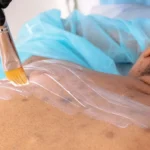
The treatment process usually proceeds in certain steps, and each stage is important. The first step is the physician examination and skin analysis; here the stage, extent of the mark and the appropriate method are determined. Then a personalized treatment plan is created and the session intervals are set. In each session, the area is cleansed, anesthetic cream is applied if necessary, and laser is applied with controlled energy. Aftercare recommendations are given after the session. Sessions are repeated at the determined intervals and the response obtained throughout the process is evaluated. Since collagen renewal continues after treatment is completed, the results continue to develop for months. Following these steps ensures both a safe and a predictable process.
How Is Laser Treatment for Stretch Marks Planned at Zen Polyclinic?
At Zen Polyclinic, laser treatment for stretch marks begins with a detailed examination and skin analysis. The most suitable laser technology and energy setting are selected by evaluating the color, age, depth of the mark and the characteristics of the area. If necessary, methods such as fractional laser, dermapen or golden needle are combined. At our Istanbul Ataşehir location, our experienced team offers a personalized, realistic and transparent plan. You are informed at every stage of your treatment and receive service under safe and hygienic conditions. If you are bothered by your stretch marks, you can contact Zen Polyclinic to make an appointment for a proper evaluation and a suitable plan, and learn about the most appropriate treatment options for you.
Frequently Asked Questions (FAQ)
Can stretch marks be completely removed with laser?
In most cases marks cannot be eliminated completely but can be significantly reduced with laser. The color comes closer to the surrounding skin, the surface smooths out and the mark becomes far less noticeable. The improvement rate is higher in early-stage red marks.
How many sessions does laser treatment for stretch marks take?
In most people an average of 4 to 8 sessions is required for a noticeable result. Early red marks may need fewer sessions, while old white and widespread marks may need more. Sessions are usually planned 3 to 6 weeks apart.
Do red or white marks respond better to laser?
Red or purple marks (striae rubrae) respond much better because they are still active and vascular. White marks (striae albae) are matured scars and improvement is more limited. For this reason, starting early is advantageous.
Is laser treatment for stretch marks painful?
During the procedure a sensation of warmth, stinging or mild prickling is usually described; for most people this is tolerable. The anesthetic cream applied beforehand reduces this sensation. Redness lasting a few days after the procedure is normal.
When are results seen?
The first changes are noticed after a few sessions as fading in color and smoothing of the surface. Because collagen renewal continues for months, the most noticeable improvement appears 3 to 6 months after treatment is completed.
Can laser treatment for stretch marks be done during pregnancy?
No, treatment is generally not recommended during pregnancy and breastfeeding. The ideal timing is the first months after birth, when the marks are still in the red phase. Treatment can begin after breastfeeding ends and the physician deems it appropriate.
Is the result obtained with laser permanent?
The improvement provided by laser is generally permanent because new collagen is produced and the structure of the mark is repaired. However, the treatment does not prevent new mark formation; rapid weight change or pregnancy can cause new marks in different areas.
Are there side effects of laser treatment for stretch marks?
When applied correctly it is safe. The most common are temporary redness, mild swelling, a sensation of warmth and crusting. In dark skin types there is a risk of temporary discoloration; for this reason appropriate energy settings and sun protection are important.