
Exosome & Stem Cell Hair Loss Treatment: What Is It, How Is It Applied?
Exosome and stem cell hair loss treatment is a supportive approach in which nano-sized extracellular vesicles (exosomes) naturally secreted by stem cells, carrying growth factors and signalling molecules, are applied to the scalp. It comes up in early-to-moderate stage findings such as thinning hair shafts, reduced hair density, noticeable thinning at the crown, and a receding hairline. The aim is to enrich the cellular environment around hair roots that have not yet fully disappeared, supporting follicle activity. So what exactly is this treatment, how does it work, how does it differ from PRP and hair mesotherapy, who is it suitable for, how many sessions are needed, and when are results seen? We cover all these questions in this comprehensive guide.
What Is Exosome & Stem Cell Hair Treatment?
Exosomes are microscopic vesicles naturally secreted by cells — particularly stem cells — that enable cell-to-cell communication. They carry growth factors, proteins, signalling molecules and extracellular matrix particles. Exosome products used in hair treatment are typically obtained from mesenchymal stem cell cultures under laboratory and sterile conditions. They do not require taking tissue or blood from the patient, which distinguishes them from autologous (using the patient’s own material) methods. The resulting product is applied to thinning areas of the scalp via fine-needle microinjection or microneedling. At Zen Poliklinik, treatment is planned after a detailed hair and scalp assessment.
Why Does Hair Loss Happen?
The most common cause of hair loss is androgenetic alopecia, a progressive loss driven by genetic predisposition together with the hormone DHT. In this process the follicle shrinks a little more with each cycle; the hair shaft thins, shortens, loses colour and eventually stops producing hair. Iron deficiency, thyroid disorders, vitamin D and zinc deficiency, post-partum hormonal changes, severe stress, rapid weight loss and certain medications can also cause shedding. Identifying the cause is essential to the right treatment decision, because the solution for iron-deficiency shedding is not the same as for androgenetic loss. That is why a comprehensive assessment precedes every application.
How Does Exosome & Stem Cell Treatment Work?
The underlying logic is to deliver an environment rich in growth factors and signalling molecules directly to the follicle. The exosomes applied contain components with the potential to support microcirculation, strengthen cell-to-cell signalling, and encourage the activity of follicular stem cells. When applied to a thinning area, these components aim to support the cellular environment surrounding the follicle. The goal is to help follicles that have started to miniaturise — but not yet fully disappeared — move into a stronger growth phase. The key point is this: exosome and stem cell-derived products do not create new follicles; they support existing follicles that are still functional. This is why the timing of the treatment directly affects the quality of the outcome.
How Are the Products Used Manufactured?
Exosome and stem cell-derived products used in hair treatment are manufactured in a sterile laboratory environment through controlled cell-culture processes. During production, the vesicles secreted by cells are isolated, purified and prepared for use. It is essential that products used in medical applications are obtained from traceable, documented and regulation-compliant sources. At Zen Poliklinik, the products applied are sourced from registered suppliers under physician oversight, and patients are informed about the origin and content of the product.
Is Exosome & Stem Cell Treatment Different from PRP?
Yes — while both methods aim to support hair follicles, their source materials differ. PRP treatment is the injection of platelet-rich plasma separated from the patient’s own blood by centrifugation; its content is predominantly growth factors, and it requires a blood draw from the patient. Exosome and stem cell-derived products, on the other hand, are not obtained from blood but consist of laboratory-produced extracellular vesicles; no sample needs to be taken from the patient. Application frequency can also differ. The two methods are not competitors but complementary options that a physician can combine.
Is It Different from Hair Mesotherapy?
Hair mesotherapy is the injection of ready-made mixtures of vitamins, minerals, amino acids and peptides into the scalp; the content is externally sourced nourishing components. In exosome and stem cell-derived products, the material applied consists of biological signalling molecules produced by cells. Mesotherapy is usually applied in multi-session courses at weekly or fortnightly intervals; exosome treatment, depending on the protocol, may be planned at longer intervals. Mesotherapy is valuable for supporting hair quality and scalp nourishment; exosome and stem cell treatment targets cellular support at the follicle level. Our hair mesotherapy service can be planned alongside this treatment when needed.
Who Is It Suitable For?
The best candidates are people in the early or moderate stage of hair loss, whose follicles have begun to miniaturise but have not fully disappeared. Early Norwood stages in men and diffuse thinning characterised by a widening parting line in women are typical indications. It can also be chosen for patients planning a hair transplant, to support the existing hair in areas that will not be transplanted. In post-partum or stress-related temporary shedding, it can be considered to support recovery once the underlying cause has been corrected.
Who Is It Not Suitable For?
No meaningful result is expected in areas that have become completely bald, where follicles disappeared years ago and the skin surface has become shiny, thin and hairless — because there are no follicles left to support. The treatment is postponed in cases of active scalp infection, untreated psoriasis or severe seborrheic dermatitis. It is not recommended for pregnant or breastfeeding women, people with uncontrolled systemic disease, or those with a known history of malignancy. The decision is therefore made after examination and any necessary tests. At Zen Poliklinik, if the treatment is not suitable, this is clearly explained and alternatives are discussed.
How Is Preparation Done Before the Procedure?
Preparation begins with a detailed history and examination. When the shedding started, its rate of progression, family history, medications used and any accompanying conditions are all reviewed. Trichoscopy is used to assess hair shaft diameter, the rate of miniaturisation and the condition of the scalp. Blood tests such as iron, ferritin, thyroid and vitamin D are requested if necessary. On the day of the procedure, the scalp should be clean, without gel or spray products.
How Is Exosome & Stem Cell Treatment Applied?
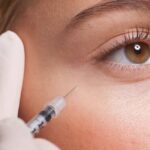
The application is usually completed in a single session, in a few steps. First the scalp is cleansed. Then the prepared exosome-containing product is applied to thinning areas of the scalp in the form of microinjections at set intervals using fine needles; in some protocols it may be applied together with a microneedling device. The procedure is carried out in a clinical setting, under sterile conditions and physician supervision. Patients return to their daily routine the same day. At Zen Poliklinik, every step is carried out under sterile conditions by a physician.
How Long Does the Procedure Take?
The total duration is generally between thirty and forty-five minutes. Most of this time is spent on assessment, scalp preparation and injection planning. No separate rest or observation period is required afterwards; patients can return to work and social life the same day. This makes the method a practical option for people with a busy schedule who cannot set aside a long recovery period. However, being practical does not mean it suits everyone; candidate selection is decisive.
Is the Procedure Painful?
Because the procedure uses fine needles, discomfort is generally limited. The most noticeable sensation is mild stinging and pressure during the microinjections. A topical anaesthetic cream can be used beforehand for people with a low pain threshold. Mild sensitivity or tightness on the scalp may occur for a few hours afterwards, usually relieved with simple pain relievers. Overall it is a comfortable procedure.
What Should Be Considered After the Procedure?
It is recommended not to wash the hair, subject the area to firm contact, or scratch it for the first twenty-four hours. Intense exercise, sauna, steam bath, swimming pools and the sea should be avoided for the first two to three days. Hair colouring, keratin treatments and similar chemical processes are usually postponed for about a week. Alcohol and smoking should be reduced in the first days, as they may slow tissue healing. Following these simple rules helps recovery proceed smoothly without affecting the outcome.
When Will Results Be Seen?
Results do not appear immediately, because the hair cycle follows a biological timeline. The first noticeable change is usually a reduction in shedding, observable roughly one to two months after treatment. Thickening of the hair shaft and the emergence of finer new hairs typically begins from the third month onward. Visible improvement in density is generally assessable between the fourth and sixth months. Standardised angle and lighting are used for before-and-after photographs; watching for change daily in the mirror can be misleading, whereas objective follow-up reflects the process accurately and avoids unnecessary concern.
How Many Sessions Are Needed?
The number of sessions is determined by the physician based on the stage of hair loss and the patient’s response. In some protocols a single session is considered sufficient, while some patients may be offered a short series a few weeks apart. Depending on the rate of progression and the underlying cause, a re-evaluation is done roughly twelve months after treatment, and a renewal session is planned if needed. More advanced thinning or fast-progressing cases may need earlier repetition. The decision is based on clinical examination and trichoscopic measurements — not a fixed calendar, but the actual condition of the hair.
How Long Does the Effect Last?
The duration of the benefit gained varies from person to person. It should be emphasised that this treatment does not cure androgenetic alopecia — it does not stop the underlying genetic process. The follicles’ sensitivity to DHT continues, and the miniaturisation process may progress again over time. Therefore the most effective way to support durability is to position the treatment not as a stand-alone measure, but as part of a holistic plan that includes medical treatment and regular follow-up where needed. We discuss how hair loss can be slowed without a hair transplant in more detail in our related guide.
Is Exosome & Stem Cell Treatment Safe?
Safety is largely determined by sourcing the applied products from sterile, traceable, registered suppliers and by having the treatment performed by a physician. Expected temporary findings include redness, mild swelling and sensitivity at the injection sites, which resolve within a few days. Minor bruising is rarely seen. Infection risk is low under sterile conditions and with experienced practitioners. As with any medical procedure, correct candidate selection, correct technique and appropriate aftercare remain the true determinants of safety. No guaranteed or fixed outcome can be promised; results vary from person to person.
Can It Be Used Together with Hair Transplantation?
Yes, and this combination is quite meaningful in clinical practice. Hair transplantation moves permanent follicles into areas of loss, but the existing hair in non-transplanted areas remains genetically susceptible. If left unsupported, an inconsistent appearance can develop over the years between the transplanted area and its surroundings. Exosome and stem cell-supported applications come into play here, contributing to the preservation of existing hair. The timing of the combination is planned by the physician according to the transplant date and the healing process, not arbitrarily.
Can It Be Combined with Medical Treatments?
The core approach in androgenetic alopecia is to reduce DHT’s effect on the follicle and support the hair cycle. Medical treatments used for this purpose do not conflict with exosome and stem cell-supported applications — on the contrary, they complement each other. However, medical treatments must always be started with physician assessment, discussion of the side-effect profile, and regular follow-up. Correctable causes such as iron, vitamin D and thyroid issues should also be addressed first; the expected benefit from treatment applied on an unaddressed underlying deficiency may remain limited.
How Does It Work in Women?
In women, hair loss usually progresses not as distinct bald patches like in men, but as a widening parting line and diffuse thinning at the crown. This pattern means that most follicles are still present but have miniaturised — so the potential to respond to support is relatively good. Additional factors such as iron deficiency, thyroid disorders, the post-partum period and menopause are also common in women and should always be investigated and corrected.
Which Stage Is Suitable in Men?
In men, the most productive window is the early and moderate stages according to the Norwood scale. In these stages, even though the hairline may have started to recede or the crown has thinned, a significant portion of the follicles are still present and can be supported. As the loss progresses — that is, as the skin surface becomes completely exposed — the expected benefit decreases. In advanced stages, this type of supportive treatment alone is not sufficient; hair transplantation becomes the primary option, with supportive treatment playing a complementary role. This is why determining the stage at the first examination is critical to managing the process correctly.
Is It an Alternative to a Hair Transplant?
No. These two approaches offer different solutions to different problems. Hair transplantation is a surgical procedure that moves resistant follicles into areas where the follicle has completely disappeared, providing permanent hair in that area. Exosome and stem cell-supported applications, on the other hand, support existing but weakened follicles; they do not create new hair in an empty area. That is why this treatment is not the right choice for a completely bald crown. Conversely, hair transplantation is not the right choice for areas that have thinned but not yet opened up, since existing hair could be damaged. The right question is not “which is better” but “which is right at this stage.”
What Factors Affect the Price?
The cost of treatment cannot be expressed as a single fixed figure; it depends on several variables. These include the size of the area to be treated, the quantity and source of the product used, the experience of the treating physician, the clinic’s infrastructure, and any planned combination treatments. Pre-treatment blood tests and trichoscopic assessment are also part of the process. For a fair comparison, it is important to look not just at the price but at what is included in the service and whether the procedure is performed by a physician. Pricing becomes clear once a personalised plan is drawn up after examination.
What Are Common Misconceptions?
The first misconception is that this treatment will create new hair in a bald area — in fact it only supports existing follicles. The second is expecting results within a few weeks; because of the hair cycle, assessment takes months. The third is thinking a single session is a permanent, final solution in every patient — since the genetic process continues, follow-up is often needed. The fourth is the belief that the treatment replaces a hair transplant; the two have different indications. The fifth is the “it’s a lab product so there are no rules” approach — candidate selection, sterile technique and aftercare are just as decisive here as in any other procedure.
How to Choose the Right Clinic and Practitioner?
The outcome of this treatment depends as much on the practitioner’s assessment skills as on the product used. At the right clinic, diagnosis comes first: the type of shedding, its stage and underlying causes are clarified. The procedure is not recommended to an unsuitable candidate. It is essential that the treatment is performed by a physician, under sterile conditions, with traceable and documented products. Standardised angle and lighting for before-and-after photography ensures objective assessment. At Zen Poliklinik, this process is carried out to the same standard at our Istanbul Ataşehir and Gladbeck clinics, with detailed assessment and honest expectation management.
What Should Realistic Expectations Be?
Realistic expectations are the most important factor in patient satisfaction. What can reasonably be expected from this treatment includes reduced shedding, thicker hair shafts, a less visible scalp, and improved overall hair quality. What should not be expected is the closing of completely bald areas, a return to youthful hair density, or a complete halt to the genetic process. The outcome varies according to the stage of hair loss, the patient’s age, hair structure, and whether underlying causes have been corrected. When this framework is discussed from the outset, the benefit achieved is assessed correctly.
How Does the Process Work at Zen Poliklinik?
At Zen Poliklinik, the process starts with a detailed history and scalp examination. Trichoscopy measures hair shaft diameter and the rate of miniaturisation, and blood tests are requested if needed. Once the type and stage of hair loss are established, a personalised plan is drawn up, clarifying whether the treatment will be applied alone, supported by medical treatment, or whether a hair transplant should take priority. The procedure is performed under sterile conditions by a physician. Standardised photography is planned for objective assessment at the third and sixth month. You can find more information about our exosome & stem cell hair treatment service, and reach us via our appointment page.
Conclusion
Exosome and stem cell hair loss treatment is a supportive approach in which extracellular vesicles secreted by stem cells are applied to thinning areas of the scalp. It works best for people in the early and moderate stages of hair loss, where follicles have not yet completely disappeared. Results develop over months; reduced shedding, thicker hair shafts and improved hair quality are among the expected benefits. However, the method does not stop the genetic process and does not replace a hair transplant. The best outcome is achieved with a holistic plan that includes correct candidate selection, correction of underlying causes, combination with medical treatment where needed, and regular follow-up. Early assessment always means a wider range of options.
Frequently Asked Questions (FAQ)
What is exosome and stem cell hair treatment?
It is a supportive approach in which nano-sized vesicles (exosomes) secreted by stem cells, carrying growth factors and signalling molecules, are applied to thinning hair areas. It does not require taking tissue or blood from the patient and uses products manufactured in a laboratory.
Is exosome and stem cell treatment different from PRP?
Yes. Both aim to support hair follicles but their sources differ. PRP is obtained from blood by centrifugation. Exosome and stem cell-derived products are laboratory-produced extracellular vesicles and do not require a blood draw from the patient.
How many sessions are applied?
The number of sessions is determined by the physician; some protocols consider a single session sufficient, while some patients may be offered a short series. Depending on the rate of progression and underlying cause, re-evaluation is done roughly twelve months later. The decision is based on clinical examination, not a fixed calendar.
When will results be seen?
Results develop over time in line with the hair cycle. The first noticeable change is usually reduced shedding, observable within one to two months. Visible improvement in density is generally assessable between the fourth and sixth months.
Who is it not suitable for?
No meaningful result is expected in areas that have become completely bald with follicles lost years ago. The treatment is postponed for active scalp infection, untreated psoriasis or severe seborrheic dermatitis. It is not recommended for pregnant or breastfeeding women, people with uncontrolled systemic disease, or a known history of malignancy.
Does it replace a hair transplant?
No. Hair transplantation is a surgical procedure that moves resistant follicles to areas where the follicle has completely disappeared, providing permanent hair. Exosome and stem cell-supported treatment supports existing but weakened follicles; it does not create new hair in an empty area. The two methods are often planned together.
Is the procedure painful?
Because the procedure uses fine needles, discomfort is generally limited. The most noticeable sensation is mild stinging and pressure during microinjections. Mild sensitivity may follow for a few hours, relieved with simple pain relievers.
When can I wash my hair after the procedure?
It is generally recommended not to wash the hair for the first twenty-four hours. Intense exercise, sauna, steam bath, swimming pools and the sea should be avoided for the first two to three days. Hair colouring and keratin treatments are usually postponed for about a week. Following these rules helps recovery proceed smoothly.