
Facial Rejuvenation With Temporal (Temple) Filler: Application, Effects and Longevity
Temple filler is a hyaluronic acid-based, non-surgical facial rejuvenation treatment applied to correct the volume loss in the temple (temporal) region located between the outer corner of the eye and the hairline. The inward hollowing that develops in this area with age or weight loss causes the brow tail to drop, the eyes to look more tired and sunken, and the oval line of the face to deteriorate. So what exactly is temple filler, how does it correct temporal volume loss, how does it affect facial proportions and the brow tail, why is vascular safety so important in this region, who is it suitable for and how long does it last? In this comprehensive guide, we address all these questions in detail.
What Is Temple Filler?
Temple filler is a treatment that restores volume and support to the face by refilling the hollowed or volume-depleted temporal region with a hyaluronic acid-based filler material. The temple region is one of the areas that loses volume earliest and most extensively with aging; yet it is often overlooked. When this region is filled, the upper part of the face becomes fuller again, the area around the brow is supported, and the overall appearance is noticeably rested. The procedure requires no incision, stitches or general anesthesia and is completed very quickly. Because it is an area rich in vessels and nerves anatomically, temple filler is a treatment that requires experience and precision.
Why Does Volume Loss Occur in the Temple Region?
The fullness in the temple region is maintained by the combined presence of subcutaneous fat pads, muscle and the underlying bone support. With aging, all three of these layers thin out: fat tissue melts, muscles weaken and bone is resorbed. As a result, the temple hollows inward and the underlying bone line becomes prominent. Rapid weight loss, a low body fat ratio, smoking, sun damage and genetic predisposition accelerate this hollowing. In some people, temporal hollowness can be part of the natural facial structure even at a young age. Whatever the cause, this volume loss makes the face look older, more tired and thinner than it is; temple filler compensates for this loss in a targeted way.
How Does Temple Hollowing Affect Facial Appearance?
Temple hollowing, although not noticeable at first glance, deeply affects the overall balance of the face. When this region hollows, the upper third of the face narrows, the eyes look more sunken and tired, and the brow tail drops. In addition, the transition between the outer line of the cheekbone and the temple becomes harsh, the oval “heart” line of the face deteriorates, and an angular, gaunt appearance emerges. The shadowing at the temple causes the person to be perceived as tired even when they are rested. When this region is supported again, the upper part of the face becomes fuller, the eyes open up and the overall expression is refreshed. For this reason, temple filler is not just a local correction but a rejuvenation step that affects the entire face.
What Material Is Temple Filler Made Of?
The most commonly used material in temple filler is hyaluronic acid-based fillers. Hyaluronic acid is a molecule naturally found in the body that creates volume by binding water; it is therefore biocompatible and, if desired, can be dissolved with the enzyme hyaluronidase. For the temple region, fillers of medium-to-high density (with high lifting capacity) that provide structural support are generally preferred; because the aim is not to smooth superficial wrinkles but to create volumetric support. In some cases, biostimulatory fillers that stimulate collagen production may also be used. Which product is chosen is determined by the physician according to the depth of the hollowing, skin thickness and the targeted result. For more information about the benefits of hyaluronic acid for the skin, you can check out our hyaluronic acid guide.
How Does Temple Filler Correct Facial Proportions?
The aesthetically ideal female face is considered to be wide and full at the top, tapering downward in an inverted triangle or heart shape. Volume loss in the temple region reduces this upper width, making the face look angular and unbalanced. Temple filler refills this region to widen the upper third of the face and restore the ideal proportion. By softening the transition between the temple, cheekbone and forehead, it gives the facial contours a smooth unity. For this reason, temple filler is often planned as part of facial contouring filler treatments. When planned correctly, it provides a much more holistic rejuvenation than a standalone procedure.
Does Temple Filler Lift the Brow Tail?
Yes, one of the most appreciated effects of temple filler is that it slightly lifts the brow tail. The outer end of the brow is supported by the underlying temple tissue; when this region hollows, the brow tail also drops, giving the eye area a tired, sagging expression. When the temple region is supported again with filler, the brow tail naturally gains an upward “lifting” effect. This provides a result similar to a non-surgical brow lift (temporal lifting). The effect is not exaggerated but subtle and natural; the eyes look more open and rested. In people with a pronounced brow droop, temple filler can also be evaluated together with methods such as thread lifting.
How Does Temple Filler Affect the Eye Area?
The temple region is anatomically closely related to the eye area; therefore, temple filler affects not only the temple but the entire lateral eye region. A hollow temple leads to shadowing at the outer corner of the eye and a sunken appearance. When this region is filled, the outer line of the eye is supported, the shadow decreases and the gaze becomes more open. In addition, skin tension in the crow’s feet area increases slightly. In this respect, temple filler is an important but often overlooked part of the eye area rejuvenation plan. If hollowness or dark circles under the eye also accompany it, temple filler can be planned together with under-eye treatments to give the eye area a holistic freshness.
Who Is Temple Filler Suitable For?
Temple filler is suitable for adults with noticeable hollowing, shadowing or inward depression in their temporal region. People whose temples hollow with aging, whose brow tail drops and whose upper face weakens benefit noticeably from this treatment. It is also preferred in people who have lost weight rapidly, have a low fat ratio or genetically have a narrow temple structure. It is ideal for people who want a holistic, non-surgical rejuvenation of their face and expect a natural result. A physician evaluation is always carried out before the procedure, because the temple is a sensitive region in terms of vessels and nerves, and correct candidate selection is decisive for both safety and result quality. Realistic expectations are also part of the suitability assessment.
Who Is Temple Filler Not Suitable For?
Although temple filler is a safe method, it is not suitable in some situations. Application is not recommended during pregnancy and breastfeeding. Those allergic to hyaluronic acid or the filler content, those with active autoimmune disease and those with uncontrolled chronic disease must be evaluated carefully. If there is an active skin infection, cold sore or open wound at the injection site, the procedure is postponed. Those with bleeding disorders or those using blood-thinning medication should inform their physician. In people who have recently had permanent (non-biodegradable) filler in the same area, the application may not be suitable. In addition, the process should be explained in detail to people with unrealistic expectations before the procedure. A detailed health assessment and physician approval are essential for a safe application.
How Is Temple Filler Applied?
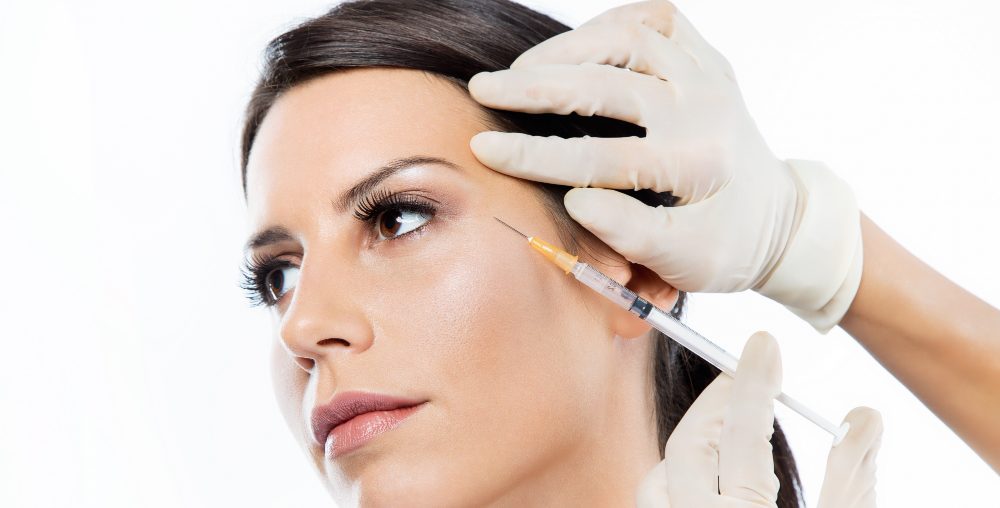
The application begins with a holistic evaluation of the face and marking of the temple region. The skin is cleansed with an antiseptic solution and, if necessary, an anesthetic cream is applied. The physician determines the safe injection points taking into account the vascular and nerve structure. Filler in the temple can generally be delivered with two techniques: in the deep plane, directly onto the bone (supraperiosteal) with a fine needle, or in the superficial plane with a cannula. The filler material is injected slowly in controlled amounts and spread evenly with gentle massage. The two sides are compared and balanced for symmetry. No special dressing is required afterwards and the person can return to daily life shortly. The entire process is carried out meticulously by an experienced physician.
How Long Does the Temple Filler Application Take?
Temple filler is one of the fast treatments in medical aesthetics. The entire process, including evaluation and marking, is generally completed within 20-30 minutes; the injection itself takes only a few minutes. This brevity means the treatment can easily be performed even on a busy day. After the procedure, no general anesthesia, rest period or hospital stay is required; the person can return directly to their daily routine. However, the short duration does not mean the application is simple; because the temple is an anatomically risky region, correct planning, correct technique and experience are essential. At Zen Polyclinic, the process is carried out without rushing, prioritizing safety and a natural result.
Why Is Vascular Safety So Important in Temple Filler?
The temple region is one of the areas of the face that requires the most attention in terms of vessels; therefore, vascular safety is the most critical topic in temple filler. The region contains the superficial temporal artery, a deep vascular network and connections with the ocular vessels. Injecting the filler material accidentally into a vessel can lead to serious complications. To minimize this risk, experienced physicians know the anatomy well, work in the correct plane, may prefer a fine cannula, perform aspiration before injection and deliver the filler slowly at low pressure. This meticulousness is the most important reason why temple filler must be performed by an experienced physician who masters the anatomy, in a properly equipped clinic. Safety comes before the aesthetic result.
Is a Cannula or Needle Used in Temple Filler?
Temple filler can be applied with both a sharp needle and a blunt-tipped cannula; the choice depends on the physician’s preference, the technique and the condition of the region. A blunt-tipped cannula, since its tip is not sharp, tends to push vessels aside rather than pierce them; this is often preferred in the superficial plane because it can reduce the risk of intravascular injection. Deep, supraperiosteal (onto the bone) application with a needle is effective in providing structural support from a single point and is applied safely in experienced hands. Both methods have advantages; what matters is that the physician masters the anatomy and works in the correct plane. Which technique will be used is determined by evaluating the person’s temple structure and the depth of the hollowing. The aim is both a safe and a natural result.
Is Temple Filler Painful?
Temple filler is generally a well-tolerated, comfortable treatment. A local anesthetic cream can be applied to the area before the procedure; in addition, most modern filler materials contain a local anesthetic (lidocaine) that reduces pain. During the injection, there is no significant discomfort apart from a mild pressure or pricking sensation. When a cannula is used, comfort increases even further because the number of needle entries is reduced. In people with a low pain threshold, a cold application can be made before the procedure. There is no lasting pain after the procedure; rarely, mild tenderness lasting a few hours may occur at the injection points. Most people comfortably complete the treatment and return to daily life shortly.
What Should Be Considered Before Temple Filler?
Some simple precautions before temple filler improve the quality of the result and comfort. Avoiding medications and supplements with blood-thinning effects (such as aspirin, vitamin E, fish oil and ginkgo) with physician approval a few days before the procedure reduces the risk of bruising. On the day of the application, the area should be clean and free of makeup. Alcohol consumption should be limited the day before the procedure. If there is active infection, cold sore or irritation in or around the temple, the physician should be informed. If another aesthetic procedure has recently been performed or there is a history of permanent filler, this should be shared. Planning at least two weeks before an important event is recommended so that any bruising or swelling can subside. These preparations improve both safety and the result.
What Should Be Considered After Temple Filler?
Following a few simple rules after temple filler supports proper settling of the result. During the first 24-48 hours, it is important not to apply pressure to the area, not to rub it and not to massage it. On the first day, heavy exercise, sauna, hammam and excessively hot environments should be avoided. Care should be taken not to lie face down, and a cold application to the area can be made on physician recommendation. Mild swelling or bruising may last a few days; this is normal and passes over time. In those with a history of cold sores, the physician may recommend preventive treatment. In an unusual situation such as severe pain, color change or vision change, a physician should be consulted immediately. At Zen Polyclinic, you are given personalized aftercare instructions and the information needed for the process to progress healthily.
When Do Temple Filler Results Appear?
The effect of temple filler is largely visible at the moment of the procedure; the upper part of the face becomes noticeably fuller the moment the region is filled. However, the final result should not be evaluated immediately. In the first few days, the area may look slightly fuller than it is due to mild swelling. As the swelling subsides and the filler material settles fully into the tissue, the final and natural appearance generally emerges within 1-2 weeks. When biostimulatory fillers are used, additional fullness due to collagen production develops gradually over weeks. For this reason, it is best to evaluate the result after two weeks. If necessary, the physician can perform a touch-up during this check. Being patient is important for satisfaction.
How Long Does Temple Filler Last?
The longevity of temple filler varies depending on the product used, the person’s metabolism and lifestyle; but it is generally between 12-18 months. Since the temple region is not a mobile area, filler can last longer here than in the rest of the face. Over time, the body naturally breaks down the hyaluronic acid and the effect gradually decreases; therefore, repeat application at certain intervals is needed to maintain the result. In regularly performed applications, it is generally observed that the result can be maintained with a smaller amount. Permanent (non-biodegradable) fillers are not recommended in this region; because they cannot be dissolved in the event of possible complications. How long the effect will last and the timing of repetition are determined individually by the physician.
How Much Filler Is Needed for Temple Filler?
The amount of filler needed for temple filler is not fixed; it varies according to the depth of the hollowing and the person’s anatomy. Generally, 0.5-1 ml of filler is used per temple; that is, a total of 1-2 ml for both sides is a commonly seen range. More may be needed in people with pronounced hollowing, and less in those who want a mild correction. What matters is not the amount but symmetry and a natural transition; balanced support of both temples is targeted. In some cases, if the hollowing is very deep, the filler is given in stages rather than in a single session to prevent overfilling. The exact amount needed can only be determined by the physician after a face-to-face evaluation and temple analysis. The aim is to achieve the most natural result with the most balanced amount.
Does Temple Filler Look Natural?
When applied correctly, temple filler looks extremely natural; because the aim is not to add a noticeable fullness to the region but to restore the lost volume. When the temple is supported in a balanced way, the upper part of the face becomes fuller, the eyes open up and the brow tail rises slightly; but these changes are subtle and so natural as to be unnoticeable. People around usually do not notice the procedure, only feel that the person looks more rested. An artificial or overly full appearance usually results from delivering an excessive amount of filler or from wrong planning. For this reason, a small and balanced application, an experienced physician and a holistic evaluation of the face are essential for a natural result. A well-planned temple filler provides a “rested” rather than a “done” appearance.
Combining Temple Filler With Cheek and Jawline Filler
Although temple filler is effective on its own, it is often planned together with other filler treatments to rejuvenate the face holistically. When the temple is combined with cheekbone filler and jawline filler, the upper, middle and lower thirds of the face are supported in a balanced way; thus the oval “heart” line of the face is regained. Addressing the transition between the temple and cheekbone together creates a smoother and more natural contour. This holistic approach requires thinking about the proportions of the entire face rather than a single region. The combination plan must always be created by a specialist to ensure the procedures are performed in the correct order and amount.
Combining Temple Filler With Thread Lifting or HIFU
Rejuvenation in the temple region is not limited to filler alone; in people with pronounced sagging or brow droop, temple filler can be combined with different methods. While filler restores the lost volume, skin-tightening treatments such as HIFU or thread lifting methods support the loosened tissue upward. This combination provides a more comprehensive rejuvenation by addressing both volume loss and sagging. Which method or combination is suitable varies according to the degree of hollowing, skin quality and the amount of sagging. The order and timing of the procedures matter; therefore, the holistic plan must always be created with a specialist evaluation. The right combination gives a much more balanced result than a single method.
What Are the Side Effects of Temple Filler?
Temple filler is a safe method with a low risk of side effects when applied correctly. The most common temporary effects are mild redness, swelling, bruising and tenderness at the injection points. These symptoms usually disappear on their own within a few days. More rarely, asymmetry or small irregularities may occur; these can usually be corrected with gentle massage or a slight additional application. When a hyaluronic acid-based filler is used, in an unwanted situation the filler can be dissolved with the enzyme hyaluronidase; this is an important safety advantage. The most serious but very rare risk specific to the temple region is complications due to intravascular injection. The most important way to prevent this risk is to have the application performed by an experienced physician who masters the anatomy.
Common Misconceptions About Temple Filler
There are many misconceptions about temple filler. The most common is the idea that filler will make the face look puffy or artificial; whereas when applied in the correct amount, the result is extremely natural. Another misconception is that filler is permanent and cannot be reversed; hyaluronic acid-based fillers can be dissolved with an enzyme when needed. The generalization that “temple filler is a dangerous procedure” is also incomplete; the risk is minimized with the right physician and the right technique. The idea that “once you get it done, you have to keep getting it done” is also wrong; in a person who stops the application, the region simply returns to its former state and does not get worse. Correct information should be obtained from a reliable physician, not from generalizations on the internet.
What Factors Determine the Price of Temple Filler?
The price of temple filler is not a fixed figure; it varies depending on many factors. The brand and quality of the filler product used, the total amount needed (ml), and whether the application is only for the temple or together with other regions such as the cheekbone and jawline directly affect the price. In addition, the experience of the physician performing the application and the equipment of the clinic are also reflected in the price. Instead of focusing on the lowest price, the authenticity of the product and the competence of the practitioner should be prioritized, because the temple is a sensitive region in terms of vessels and the result depends directly on these. Cheap and unsupervised applications carry risk both aesthetically and in terms of health. A precise price can only be given individually after a face-to-face evaluation.
Why Is the Right Practitioner So Important?
The success and safety of temple filler largely depend on the experience of the practitioner. The temple is one of the most anatomically complex regions of the face in terms of vessels and nerves; delivering the filler in the correct plane, at the correct point and with the correct technique determines both the result and safety. In hands that do not master the anatomy, both the risk of aesthetic failure and serious complications increases. For this reason, it is essential that the application be performed by an experienced physician who knows facial anatomy well, in a properly equipped clinic. At Zen Polyclinic, temple filler is applied by an experienced team who prioritizes safety and a natural result, after carefully evaluating the person’s facial proportions and temple structure. Choosing the right practitioner is the most important investment.
Realistic Expectations Before Temple Filler
The most important condition for being satisfied with temple filler is to approach it with realistic expectations. Temple filler is an effective method that restores lost volume, fills out the upper part of the face and slightly supports the brow tail; however, it does not replace a surgical facelift. It may not be sufficient on its own in people with pronounced skin sagging; combination methods may be needed. Its effect is not permanent and requires repetition at certain intervals. The aim is to refresh and balance the face naturally, not to change it entirely. Evaluated from this perspective, temple filler is a safe and effective rejuvenation treatment that provides high satisfaction in most people. Correct expectations are the key to satisfaction.
Temple Filler at Zen Polyclinic
At Zen Polyclinic, temple filler begins with a personalized evaluation. The degree of hollowing in your temple region, your facial proportions and your expectations are analyzed to determine the most appropriate filler type, amount and technique. At our clinic in Istanbul Ataşehir, temple filler is applied safely with original products and an experienced physician team who masters the anatomy. For detailed service information, you can review our temporal (temple) filler page. Vascular safety, a natural result and personalized planning are our priorities. To learn whether temple filler is suitable for you, you can contact the Zen Polyclinic team and schedule a free preliminary evaluation.
Conclusion: Is Temple Filler Right for You?
Temple filler is an effective and safe option for people experiencing volume loss in the temporal region who want to fill out the upper part of their face, support the brow tail and gain a rested appearance. Results are largely visible immediately, the effect generally lasts 12-18 months and the application is completed in a short time. Vascular safety is the most critical topic in this region; therefore, the right physician and the right technique are vitally important. When approached with realistic expectations, temple filler is a valuable treatment that rejuvenates the face holistically. The most accurate way to learn whether it is right for you is an expert physician evaluation.
Frequently Asked Questions (FAQ)
What is temple filler?
Temple filler is a non-surgical facial rejuvenation treatment that restores volume and support to the face by correcting the volume loss in the temporal region between the outer corner of the eye and the hairline with a hyaluronic acid-based filler material.
Does temple filler lift the brow tail?
Yes. When the temple region is supported with filler, the underlying tissue rises, so the brow tail naturally lifts slightly upward. This provides a subtle and natural effect similar to a non-surgical temporal lift.
How long does temple filler last?
Longevity varies depending on the product used and the person’s metabolism, but it is generally 12-18 months. Because the temple is not a mobile region, filler can last longer here than in other areas of the face.
Why is vascular safety important in temple filler?
The temple region is rich in superficial and deep vessels and connections to the ocular vessels. Since injecting filler accidentally into a vessel can lead to serious complications, it is essential that the application be performed by an experienced physician who masters the anatomy.
Is temple filler painful?
It is generally a comfortable treatment. An anesthetic cream can be applied and most fillers contain lidocaine that reduces pain. When a cannula is used, comfort increases further because the number of needle entries is reduced; there is no significant pain apart from mild pressure.
How much filler is needed for the temple?
It varies according to the depth of the hollowing, but generally 0.5-1 ml is used per temple, for a total of 1-2 ml for both sides. The exact amount is determined by the physician after a face-to-face evaluation.
Does temple filler look natural?
When applied in the correct amount and in a balanced way, it looks extremely natural. The aim is not to add puffiness but to restore lost volume; people around usually notice only a more rested appearance, not the procedure itself.
When do temple filler results appear?
The effect is largely visible at the moment of the procedure. As the mild swelling subsides, the final and natural appearance generally emerges within 1-2 weeks; therefore, it is best to evaluate the result after two weeks.